
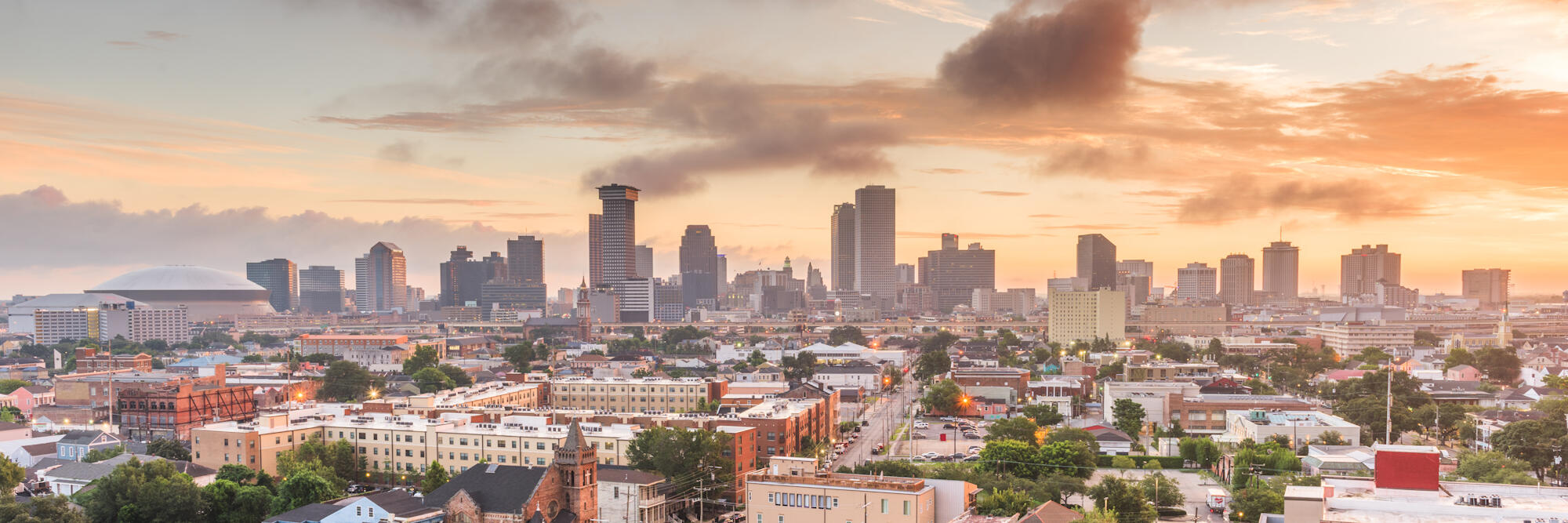
Few US cities have a sense of place to rival New Orleans, where cooks and musicians still draw on centuries of French, Spanish, African, and Caribbean influence. Every city has its trade-offs though, and this one’s no exception. Weigh up the pros and cons of moving to New Orleans with care, and you can reach a thoroughly informed decision before you take the plunge.
Accommodation in New Orleans
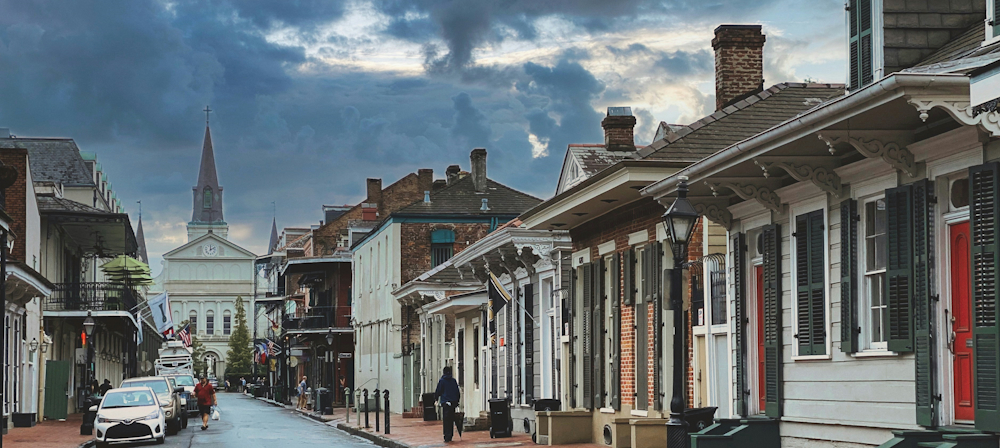
+ PRO: Housing is affordable
Housing is one of the biggest draws of moving to New Orleans. Home prices are well below those in most big US metros, so buying here costs far less than it would in a coastal city of the same size. Around half of residents rent rather than buy, and rents are reasonable compared to cities like New York or San Francisco.
Property taxes are low, too, and under the state’s homestead exemption, you pay nothing on the first slice of your home’s value, so your annual tax bill will likely end up well under the national average.
- CON: The hidden costs of insurance and flooding
The savings you’ll get on the list price of the house are somewhat offset by the cost of protecting that home. Due to the state’s exposure to storms and hurricanes, Louisiana has some of the highest home and car insurance premiums in the country. Much of the city is at or below sea level, so flood cover is typically considered essential here.
Renting Accommodation in New Orleans
Areas and Suburbs in New Orleans
Cost of living in New Orleans
+ PRO: Your money goes further
Day to day, New Orleans works out cheaper than most big American cities. Groceries and getting around are close to the national average, utilities are cheaper, and you can eat and drink well without spending a fortune. You’ll be able to stretch your money further here than in pricier metros like Atlanta, Nashville, Philadelphia, or Baltimore, and a lot of the city’s best entertainment, from street music to festivals, costs little or nothing.
- CON: Deep pockets of poverty and inequality
New Orleans has deep, long-standing inequality, and the city has one of the widest gaps between the richest and poorest neighbourhoods in the country.
Working in New Orleans

+ PRO: A stable economy with room to grow
The New Orleans economy has proved quite resilient. Healthcare is now the single biggest employer, and thousands more work in trade and logistics at the port, which is one of the busiest in the country.
A growing cluster of software and digital media firms has brought new, better-paid jobs, while energy employers pay some of the highest wages in the region. Louisiana has worked hard to sweeten the deal for domains like film and technology with tax incentives, so the city’s a real draw if you’re looking for a lower-cost base to launch a business.
- CON: Wages are behind, and recovery has been slow
For all that, the recovery since Hurricane Katrina in 2005 has been uneven. Tens of thousands of residents have left over the past two decades, and the population is still smaller than it was before the storm. Unemployment is usually a little above the national average, and wages are on the low side, in part because so many jobs are in tourism and hospitality rather than higher-paying fields.
Lifestyle in New Orleans
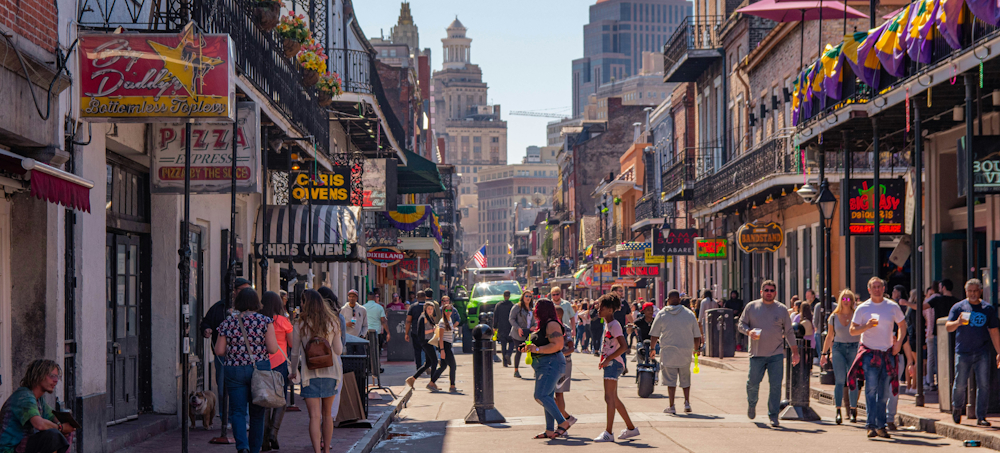
+ PRO: A food scene like nowhere else
Newcomers rarely cease raving about the food in New Orleans. Creole and Cajun cooking are at the heart and soul of it. You’ll be able to work your way happily through gumbo and jambalaya, crawfish by the pound come spring, overstuffed po’boys, and beignets buried under icing sugar at the famous Café du Monde. Locals take the whole business of eating seriously, and it won’t be long before you see why.
- CON: Everything works on island time
A slower pace of life is one of the things residents love about New Orleans, and it can do wonders for your stress levels. Come from a fast-paced city, though, and you might be in for an adjustment. Everything here takes a little longer, whether that’s unhurried service at a restaurant or a streetcar that’s running behind.
+ PRO: Festivals all around the year
If you love a party, few US cities can match the New Orleans calendar. There’s a marquee event in almost every season, from Mardi Gras in late winter to French Quarter Fest and Jazz Fest in spring, plus the Essence Festival, which fills the Superdome each summer for one of the country’s biggest celebrations of Black culture. Beyond the big names, there’s live music somewhere most weekends, from brass bands on street corners to the Sunday second-line parades that pass through the neighbourhoods.
Weather in New Orleans
- CON: You’ll be sharing the city with the bugs
Insects love the warm, wet subtropical climate, and in New Orleans, you’ll get to know a fair few of them. Buck moth caterpillars drop out of the live oaks each spring and pack a nasty sting, brown recluse spiders and fire ants turn up indoors and out, and every May New Orleanians brace for the Formosan termite swarm, when clouds of the wood-eating insects pour out after dark. Mosquitoes are a fact of life right through the long, humid summer.
+ PRO: Mild winters and a long, warm season
Winter is the reward for putting up with all that. It’s short and gentle, so you’ll barely see a hard freeze, and snow is such a rarity that the whole city stops to admire when a few flakes fall. The summer humidity eases right off, and you can sit out in courtyards and on café terraces for much of the year. Gardeners get an unusually long growing season, and the mild off-season is exactly why New Orleanians can keep the festival calendar going from autumn right through to spring.
- CON: Rain, flooding, and hurricane season
Rain is a year-round companion in New Orleans. Much of the city is a bowl between the Mississippi and Lake Pontchartrain, so the water has nowhere to drain to, and the lowest-lying neighbourhoods are prone to flooding. Hurricane season lasts from June to November.
Education in New Orleans
+ PRO: Plenty of school choice
Families moving to New Orleans quickly discover how much choice they have over schooling. The public system is built around open enrolment, so where you live doesn’t tie you to a single school. There are sought-after magnet schools, a wide spread of public charters, respected private options, and even some well-regarded universities like Tulane and Loyola for older students.
- CON: You have to work the system
Because almost every public school in New Orleans is a charter, you’ll need to research your options and apply through the city’s common application rather than simply enrolling at your neighbourhood school. Some of these schools are ranked among the state’s best, and they fill up fast. Others struggle to provide a quality education. If you miss the main application window, your top choices will evaporate quickly.
Education and Schools in New Orleans
Safety in New Orleans
- CON: Crime that clusters by neighbourhood
Safety in New Orleans varies a lot from one block to the next. Violent crime is concentrated in a handful of lower-income neighbourhoods, while the areas where most newcomers and families settle are far calmer. The more everyday worry is petty theft, and car break-ins in particular, so locals learn early to never leave anything on show in a parked vehicle.
+ PRO: Crime is falling
The bigger picture is a lot more encouraging. Violent crime in New Orleans has dropped sharply over the past few years, and the city is no longer anywhere near the top of the national crime tables. Learn your neighbourhood and take the usual big-city precautions, and you’re unlikely to run into trouble.