

The cost of accommodation in Philadelphia is relatively affordable, and there are various housing options available, ranging from apartments to semi-detached homes and freestanding houses. Affordability, combined with the diverse housing options on offer, is part of the reason people from nearby cities often choose to rent or buy a home here. Although most people start by renting, many who arrive with the intention of relocating for the long term opt to buy a house early on.
Areas and suburbs in Philadelphia
Philadelphia, also affectionately known as Philly, boasts a range of distinct neighbourhoods, each with its own charm and character. One of the most prestigious areas, Rittenhouse Square, is located in the heart of the city and is home to historic brownstones, upscale boutiques, and gourmet restaurants. For those who enjoy a lively atmosphere, Northern Liberties and Fishtown offer a blend of art, music, and trendy eateries.
Meanwhile, Manayunk, with its steep hills and cobbled streets, attracts a younger crowd, mainly because of its vibrant nightlife and array of boutique shops. Families tend to gravitate toward Chestnut Hill and Mount Airy, where tree-lined streets, parks, and good schools abound.
West Philadelphia, often referred to as West Philly, provides a mix of university housing and Victorian mansions, a testament to the city's rich history. This diversity ensures that whether you're looking for a modern apartment, a historic home, or something in between, Philadelphia has a neighbourhood to suit your every preference.
Areas and Suburbs in Philadelphia
Types of accommodation in Philadelphia

Philadelphia has been a major settlement for many centuries. As a result, there's an interesting mix of architecture in the city. The first rowhouses in the US were built here, and while the original buildings aren't around any more, similar townhouses can be found all over.
In the more affluent suburbs to the northwest, there are historic stone houses dating back to the early 20th century, as well as mansions and farmhouses from as far back as the 1700s. This area is known as the Main Line and has some of the best real estate for raising a family in Philadelphia.
Those wanting a more urban experience can choose from luxury condos in the heart of the city and trendy loft apartments in some of its safer outlying neighbourhoods.
Finding accommodation in Philadelphia
The internet is an excellent place to start looking for accommodation in Philadelphia, as there are various real estate agents, classifieds websites, and local publications with property sections. New arrivals looking to rent in Philadelphia could also look up apartment management companies or building owners and contact them directly.
In Philadelphia, agents' fees are often paid by the seller or, in the case of rentals, agents are paid a commission by the landlord. It's best to check with the agent upfront, though.
Useful links
Renting accommodation in Philadelphia

The rental market in Philadelphia is presently skewed towards landlords. Aside from the seasonal influx of students that starts around July, the rest of the year sees many people moving from neighbouring cities where property is pricier. Many don't have the means to buy, which increases demand for rentals and drives prices higher. That said, it's still more straightforward, accessible, and affordable to rent in Philadelphia than in cities such as New York and Boston.
Making an application
Once you've found an apartment or house you're interested in, you need to submit a rental application. There is usually a small fee attached to the rental application.
The application may require you to submit proof of income, bank statements, and references. During this time, the landlord will most likely check your credit score and criminal record. Once the application has been approved, the next step is to review the lease and sign the rental contract.
Leases
Leases in Philadelphia typically last for a year, but month-to-month contracts are also common. When signing the lease, be sure to read the entire agreement thoroughly and ensure that any verbal assurances from the landlord are put in writing.
Deposits and fees
According to Pennsylvania law, a landlord may charge a tenant the equivalent of two months' rent for the security deposit for the first year of renting and the equivalent of one month's rent during all subsequent years of renting. Some landlords may also require tenants to take out renter's insurance.
In addition to the security deposit, tenants may have to pay a one-time move-in fee, especially in apartment complexes. There's also the possibility of a pet fee if the property allows animals. Additionally, while some landlords might offer rent reductions for signing longer leases, tenants must ensure they're comfortable with the duration before committing, as breaking a lease can incur penalties.
Terminating the lease
Ending a fixed-term lease early in Philadelphia is possible, but additional fees generally apply. Tenants are usually liable for rent until the lease expires, unless the rental agreement includes a 'lease break' clause. This provision may allow early termination with 30 to 60 days’ notice and a fee. Without such a clause, you remain responsible for rent until the landlord secures a new tenant. Pennsylvania law requires landlords to make reasonable efforts to re-rent the property.
Before leaving, carry out an inspection of the property with your landlord or agent. This protects you from being charged for normal wear and tear. Landlords must return the security deposit, or provide an itemised list of deductions, within 30 days of lease termination. Always ensure that any agreements about ending the lease are recorded in writing.
See Accommodation in the USA for more on rental processes in the country.
Utilities in Philadelphia
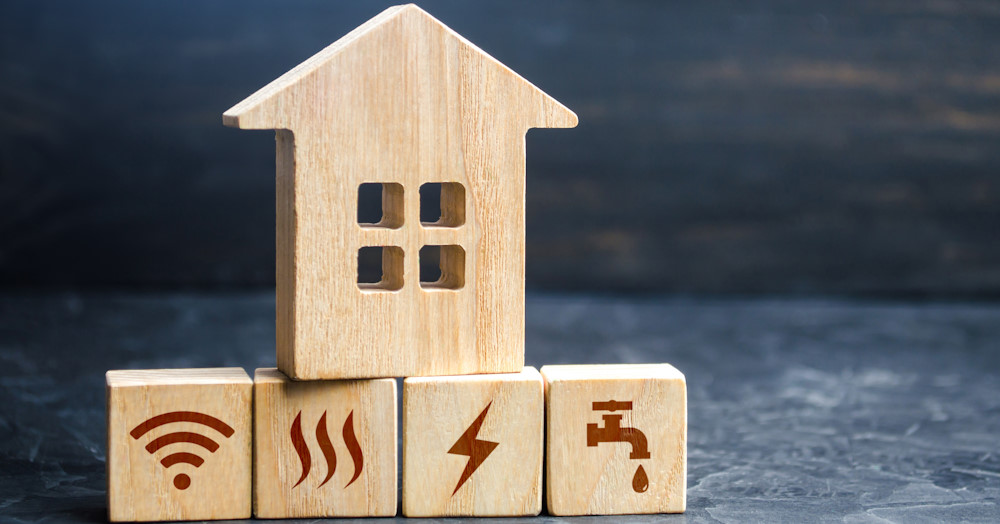
The utilities that tenants are responsible for often depend on the conditions of the lease and whether it's a house or an apartment. In a house, tenants are likely to be responsible for all utilities. When renting an apartment, the landlord may assume responsibility for utilities such as heating (gas or electricity) and water. Tenants, on the other hand, are most often responsible for paying for their telephone and internet services.
Before signing a lease, new arrivals should ensure that the terms are clear regarding whether the cost of utilities is included in the monthly rent.
Electricity and gas
In Philadelphia, electricity and gas services are typically provided by PECO. New residents need to contact PECO before their move to ensure a seamless transition of services.
Setting up an account is relatively straightforward and can be done online or over the phone. For those living in apartments, it's not uncommon for electricity to be included in the rent. However, gas, especially for heating during the cold winter months, is often an additional cost to consider.
Energy-saving initiatives have grown in popularity, and many Philadelphians have opted for green energy providers. These providers source a portion, if not all, of their electricity from renewable sources, offering an environmentally friendly alternative to the traditional grid.
Water
The Philadelphia Water Department is responsible for water and sewer services in the city. Typically, homeowners have to set up their water account, while renters may find that water costs are either included in their rent or billed separately by the landlord or management company.
Philadelphia's tap water is considered safe to drink. The city frequently tests its water sources and purification processes to ensure quality. While some residents prefer using filters for taste, they aren't necessary for health reasons.
Waste management and recycling
The Philadelphia Department of Streets is responsible for solid waste management in the city. Rubbish collection usually takes place once a week, with the exact day depending on the neighbourhood. Residents are required to use sturdy, lidded containers for their rubbish.
The city encourages recycling, with single-stream recycling in place, meaning all recyclables can be placed in one bin without sorting. The Philadelphia Department of Streets regularly updates guidelines on what can and can't be recycled, and residents are advised to stay informed to ensure they recycle effectively.
Most large properties, like apartment complexes, have designated rubbish rooms for waste and recycling. The tenant needs to find out from the landlord where to dispose of everyday rubbish, as well as large items like furniture.