Print
  • Hold down Ctrl key and select the sections you want to print. If using a Mac, hold down the Cmd key.
  • Use Ctrl + A or on Mac, Cmd + A to select all sections (if you are using the Chrome browser).
  • Click "Apply" and the site will customise your print guide in the preview below.
  • Click the "Print" button and a print pop up should appear to print to your printer of choice.

Moving to Philadelphia

Living in Philadelphia as an expat

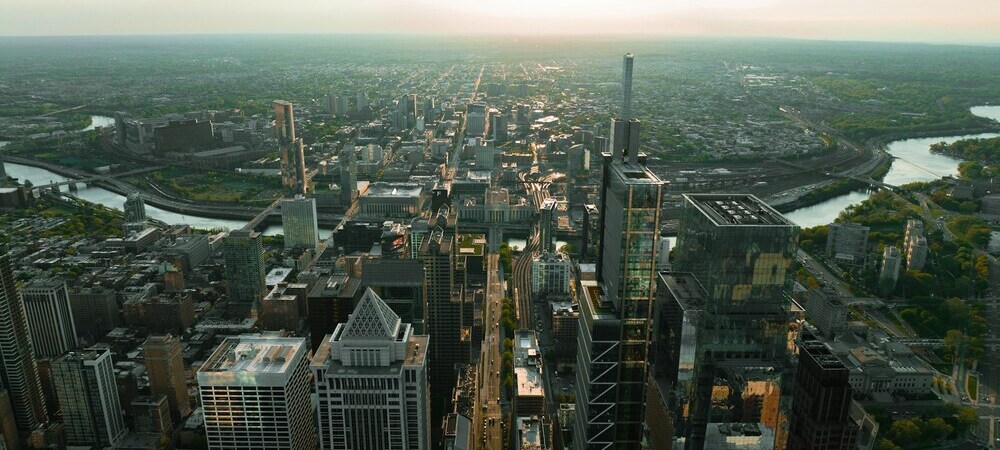
Philadelphia, fondly known as 'Philly', is Pennsylvania's largest city, just a few hours' drive from New York City and Washington, DC. While it might not have the same reputation as its illustrious neighbours, the city offers a range of opportunities for those moving to Philadelphia.

Working in Philadelphia
Working in Philadelphia

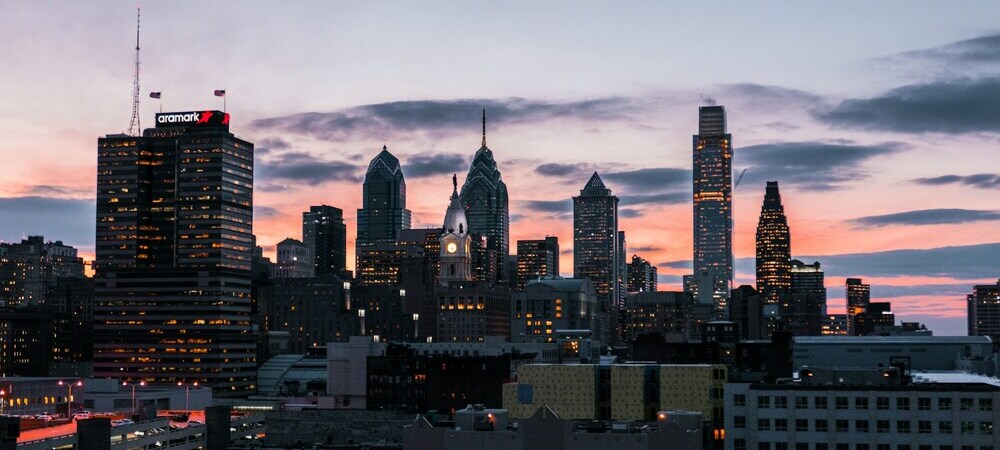
Many consider Philadelphia the economic powerhouse of Pennsylvania – the city ranks among the top 10 largest metropolitan economies in the United States. While competition for jobs is fierce and securing employment can be challenging, those who succeed are likely to benefit from salaries that are slightly higher than the national average.

Sectors such as education, healthcare, technology, finance, and tourism are the pillars of Philadelphia's economy. Medicine and education account for nearly a third of local employment. The city's major employers include the University of Pennsylvania, the School District of Philadelphia, and Fortune 500 companies such as Comcast, Crown Holdings, and Aramark. Earning well, combined with Philadelphia’s moderate cost of living compared to other East Coast cities, means you can expect a comfortable lifestyle.

Finding work in Philadelphia often takes effort and patience. If you're qualified in healthcare or education, you'll generally have good prospects. Online job boards and networking are the go-tos when it comes to finding employment.

Work culture in Philadelphia lines up with the rest of the East Coast’s reputation for long hours. That being said, employers increasingly recognise the importance of work-life balance, offering benefits such as ample paid leave, hybrid or remote work, and health insurance to limit turnover.

Working in Philadelphia

Lifestyle in Philadelphia

Lifestyle in Philadelphia

Philadelphia offers new arrivals a unique blend of small-town charm and big-city energy. The city’s lifestyle is a balance of hard work, strong community spirit, and leisure.

Shopping is one of Philadelphia’s key attractions. From the vast King of Prussia Mall to the historic Reading Terminal Market, you can enjoy everything from luxury boutiques to fresh produce and handmade crafts. Macy’s Center City adds a touch of history in the form of the Wanamaker Grand Court Organ, the world’s largest pipe organ. Shoppers also benefit from tax-free clothing and shoe purchases, making retail therapy even more appealing.

Philadelphia is also a great destination for foodies. The city’s Italian heritage has left a lasting mark, introducing iconic fusion dishes such as the Philly cheesesteak and the hoagie. Philly's nightlife and entertainment are equally appealing. You can enjoy jazz in Northern Liberties, craft beer in local breweries, or large-scale concerts at venues like the Wells Fargo Center and the Mann Center. The Benjamin Franklin Parkway also hosts major outdoor events and is home to some of the city’s most popular attractions.

Outdoor enthusiasts are well catered for, with various green spaces, walkways, and nearby state parks providing opportunities for running, cycling, and rowing. Philadelphia is a veritable playground for sports fans, with the Eagles playing American football at Lincoln Financial Field, and the Phillies playing baseball at Citizen Bank Park.

Lifestyle in Philadelphia

Finding accommodation in Philadelphia

There's a range of housing options in Philadelphia, ranging from modern apartments in the city centre to detached or semi-detached family houses in the suburbs. Compared to other East Coast cities such as New York or Washington, DC, accommodation in Philadelphia is generally more affordable. Many newcomers choose to make use of real estate agents to simplify the search. Some relocation companies even include house-hunting services as part of their packages.

Neighbourhoods in Philadelphia are diverse and have distinct characters. Old City, for example, exudes historic charm, Center City oozes energy and vibrance, and Chestnut Hill radiates a pleasant sense of serenity and calm. Living outside the city centre doesn't mean giving up on convenience, as Philadelphia is well connected by public transport, making it easy to access work, shopping, and recreation.

Renting Expat Accommodation in Philadelphia
Best (and Worst) Areas and Suburbs in Philadelphia

Cost of living in Philadelphia

Cost of living in Philadelphia

The cost of living in Philadelphia is slightly above the national average, but the city remains more affordable than many other major East Coast metropolises. This makes it an attractive option for newcomers seeking a balance between urban convenience and manageable expenses.

Accommodation is generally more affordable than in other large US cities, though rent can still be a significant expense depending on the neighbourhood. Upscale areas like Rittenhouse Square or Fishtown tend to be pricier, while districts such as Manayunk or University City are more budget-friendly options.

Public transport is affordable and efficient, with buses, trams, and trains serving most areas. Driving, however, can be costly due to high insurance, parking, and petrol costs. Groceries are a bit pricier than elsewhere in the US, but shopping at local markets or buying in bulk can help reduce costs.

When it comes to eating out and entertainment in Philadelphia, the city caters to a wide range of budgets. From casual cheesesteak joints to high-end restaurants, you're sure to find something to your taste. Prices for museums, theatres, and sporting events range from affordable to premium.

Costs for schooling vary depending on the institution you choose. Public schools are free to attend, but use zoning to admit students. Private schools are expensive, but offer high-quality education and more flexible enrolment policies. The quality of healthcare in Philadelphia is high, and so are the costs associated with it. Negotiating health insurance as part of an employment package is advisable.

Cost of living in Philadelphia

Living in Philadelphia with children

Little ones will be well looked after at The Children's Hospital of Philadelphia, one of the country's leading paediatric facilities. Outside of school, there's plenty to keep kids entertained in Philadelphia. The abundant sunshine allows families to make the most of the city's many sprawling parks and playgrounds. Alternatively, Philly is home to many cultural attractions and annual events for children to enjoy. Families can visit the Philadelphia Zoo and see rare animals from all over the world, or take in science exhibitions at the Franklin Institute.

Finding a school in Philadelphia

Philadelphia boasts many excellent schools. Although new arrivals can attend public schools for free, there are also plenty of private schools that offer a high standard of education in the city. Many of these schools offer the International Baccalaureate (IB) curriculum, which is particularly appealing for expats. As there is only one international-curriculum school in the Philadelphia area, the French International School of Philadelphia, those seeking international schooling will need to look further afield.

Education and Schools in Philadelphia

Getting around in Philadelphia
Getting around in Philadelphia

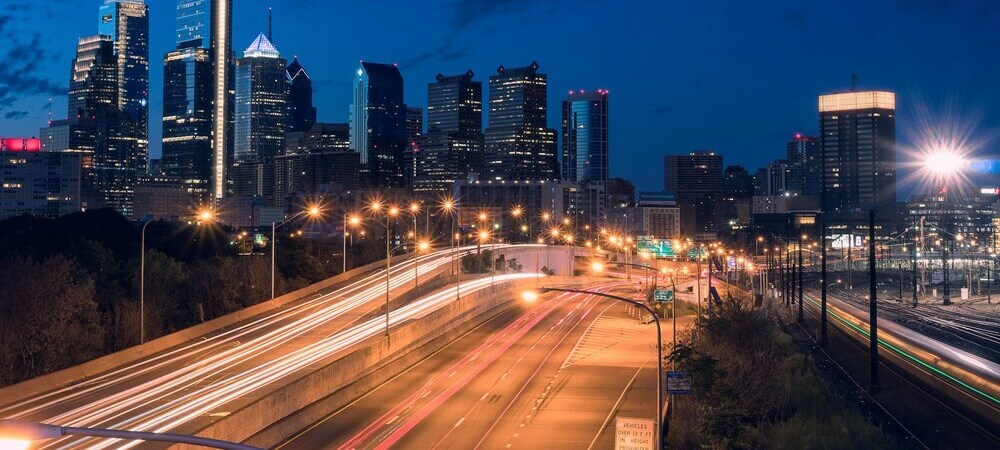
Getting around in Philadelphia is relatively simple thanks to the city's grid layout and well-connected public transport system. The Southeastern Pennsylvania Transportation Authority (SEPTA) operates trains, subways, buses, and trolleys, all accessible with the SEPTA Key smartcard. This integrated system makes commuting on public transport efficient and affordable, with options for weekly or monthly passes.

Trains connect the city to the busy Northeast Corridor, with 30th Street Station serving as the main hub for both SEPTA and Amtrak services to Boston, New York, and Washington, DC. The subway consists of two main lines: the Orange Line running north-south, and the Blue Line running east-west. Buses operate on more than 100 routes, some 24 hours a day, while trolleys provide a nostalgic way of getting around. Taxis and ride-hailing services such as Uber and Lyft are widely available.

Driving is optional in Philadelphia, particularly in Center City, due to traffic congestion and expensive parking. New arrivals can use a foreign driver's licence for up to a year before needing a Pennsylvania licence. Cycling and walking are also popular, supported by hundreds of miles of bike lanes and footpaths.

Public Transport and Driving in Philadelphia

Climate in Philadelphia

The weather in Philadelphia varies greatly between hot, muggy summers at around 77°F (25°C), and cold, snow-covered winters with daily temperatures well below 49°F (9°C). That said, the climate is mild for the most part – rainfall is spread out across the seasons, with a notable peak in the early summer.

Weather in Philadelphia

New arrivals moving to Philadelphia will discover a bustling urban environment where residents are extremely proud of their city. It offers a wonderful balance of urban and suburban life and is an excellent destination for those looking for a busy, diverse and ever-expanding city to call home.
Weather in Philadelphia

Philadelphia, located in the Northeastern United States, has a climate influenced by both its inland position and the Atlantic Ocean. Newcomers to Philadelphia will experience the full range of four distinct seasons. Summers are hot and humid, while winters can be cold and often snowy. Spring and autumn offer more temperate conditions, with fall, in particular, being noted for its colourful foliage.

Snowfall in Philadelphia varies annually but tends to peak in January, with the city receiving an average of 21.7 inches (55cm) per year. Precipitation is spread throughout the year, with the late spring and early summer months typically being the wettest.

The warm season, from May to September, sees average daily highs of around 77°F (25°C). It's not uncommon for temperatures to soar up to 86°F (30°C) or higher during the peak of summer, with afternoon thunderstorms frequently providing a brief respite from the heat. Conversely, the cold season stretches from December to March, during which average daily highs are below 49°F (9°C). Winter temperatures often dip below freezing, and it's essential to be prepared for occasional cold spells.


Pros and Cons of Moving to Philadelphia

It is important to consider the pros and cons of moving to Philadelphia before relocating. The prospect of life in a new city can be daunting, and new arrivals should do all they can to prepare and arm themselves with all the facts to make the best decisions possible. A good place to start is by looking at the everyday upsides and downsides of living in Pennsylvania's economic hub.


Accommodation in Philadelphia

Accommodation in Philadelphia

+ PRO: Some beautiful options for accommodation

As the birthplace of independent America, Philadelphia places a lot of emphasis on history and heritage. This is reflected in the city's architecture, some of which is up to 300 years old.

Those looking for something a little more modern will also have some viable options, as there are plenty of newly built lofts and apartments on offer.

+ PRO: Affordable housing when compared to other East Coast cities

Finding a place to stay that's within your budget is easier in Philadelphia than in other East Coast hubs like New York and Boston. The cost of rent depends on the neighbourhood you pick – fortunately, there are plenty of affordable areas with good schools and easy access to public transport.

- CON: Crime is a concern in certain areas

Philadelphia's crime rate sits above the national average, and some areas in the city experience heightened levels of violent and property crime. Areas like Kensington, Alleghany West, and Fairhill are best avoided.

Rental Accommodation in Philadelphia
Best (and Worst) Areas and Neighbourhoods in Philadelphia


Lifestyle in Philadelphia

+ PRO: Great location along the East Coast

Located just a few hours from New York City and Washington, DC, Philadelphia is an ideal spot for those who are keen to explore the major cities along the East Coast.

+ PRO:  A city rich in history

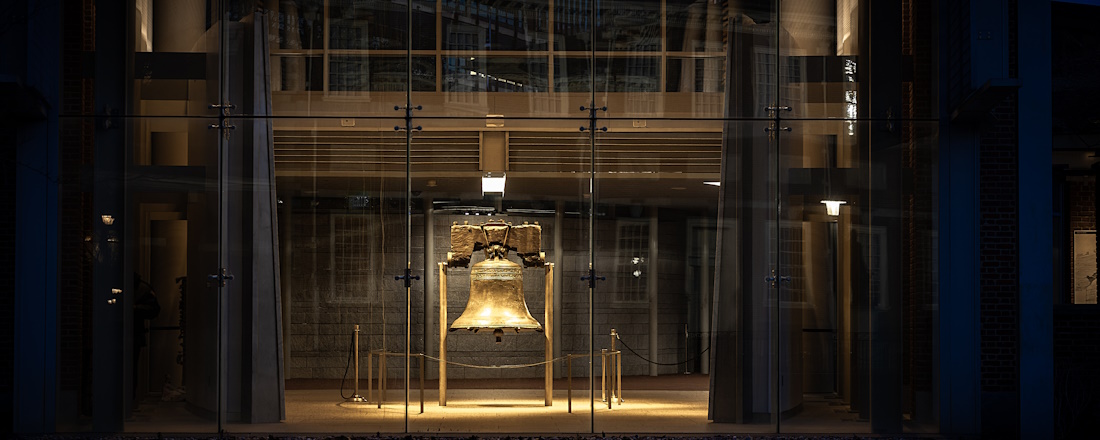
As a critical city in the American War of Independence, Philadelphia has many attractions that take visitors back in time. For new arrivals, this is a great way to learn about American history. They can even visit Independence Hall, where the Declaration of Independence was signed in 1776, and the famous cracked Liberty Bell.

Lifestyle in Philadelphia


Getting around in Philadelphia

Getting around in Philadelphia

+ PRO: Excellent public transport system 

Philadelphia is often hailed as having one of the best public transport networks in the US, and most residents within city limits find there's no need to own a car. Philadelphia is well covered by various types of public transport, including buses, subways, above-ground trains and trolleybuses. That said, driving may be necessary for those living further afield.

- CON: Driving has its challenges

Those who do decide to drive will find that, although the city is laid out in a neat grid system, the number of one-way streets and confusing highway on-ramps can make navigating Philadelphia a frustrating exercise. On top of this, parking in the city is sparse and expensive, and drivers must also fork out for various tolls.

+ PRO: Easy to navigate on foot or by bicycle

Cycling and walking in Philadelphia are generally enjoyable experiences, thanks to the city's network of bike lanes and footpaths. Various parks and green spaces can be found throughout the city, making your morning run or cycle more enjoyable.

Public Transport and Driving in Philadelphia


Cost of living in Philadelphia

+ PRO: One of the East Coast's lowest costs of living

While it's true that the cost of living in Philadelphia is higher than the national average and that it continues to rise, the location of the city should be taken into account. It is a well-established fact that the East Coast is an expensive place to live. Compared to other East Coast cities, especially New York City and Washington DC, Philadelphia's cost of living is far lower.

Cost of living in Philadelphia


Working in Philadelphia

Working in Philadelphia

+ PRO: Hub of Pennsylvania's economy

Philadelphia has a thriving economy and is home to the headquarters of a number of prominent companies, including a handful of Fortune 500 companies. Healthcare and education, in particular, are vital sectors with an abundance of work opportunities for skilled newcomers.

- CON: Jobs concentrated in education and healthcare

More than a third of Philadelphia's jobs are in the fields of healthcare and education. With such a strong presence in the city, these two industries and their workers are frequently referred to as 'meds and eds' in shorthand. The rest of the city's economy is made up of several smaller industries with fewer opportunities.

Working and Doing Business in Philadelphia


Education in Philadelphia

+ PRO: Excellent opportunities for higher education

Teenagers nearing college age will be well situated to take advantage of one of the world's top universities: the University of Pennsylvania. Other highly rated education options in Philadelphia include Temple University and Drexel University.

Education and Schools in Philadelphia

Working in Philadelphia

Expats working in Philadelphia will find themselves in the economic centre of Pennsylvania and one of the top 10 largest metropolitan economies in the USA. Competition for jobs is high in Philadelphia, and while not impossible, finding employment can be difficult. Despite this, those who can secure work will be glad to know that salaries in Philadelphia are slightly higher than the national average.


Job market in Philadelphia

Major industries in Philadelphia include education, healthcare, technology, finance, and tourism. The city is also home to several Fortune 500 companies, including Comcast, Crown Holdings, and Aramark.

The best performing sectors in the city are medicine and education, accounting for almost a third of the jobs in Philadelphia, with a large percentage of private employers coming from those industries. The University of Pennsylvania is the region’s largest employer, with the School District of Philadelphia not far behind. American Airlines and Allied Barton Security Services also employ significant numbers of workers.

Those working in tech, insurance, and healthcare benefit from salaries well above the national average. Combined with Philadelphia's moderate cost of living (compared to other cities on the East Coast), you'll likely live comfortably or even luxuriously if you're employed in the above sectors.


Finding a job in Philadelphia

Finding a job in Philadelphia

Expats looking for work in Philadelphia and who have the necessary qualifications would do well to look for jobs in the city's thriving healthcare industry or education sector.

Online job portals, like LinkedIn, Indeed, and the City of Philadelphia's job board, as well as recruitment agencies, are great options when looking for a job. Networking and making connections both online and in person can also go a long way toward securing work. As is the case when seeking employment elsewhere in the USA, foreign nationals require a visa to work in Philadelphia.

Useful links


Work culture in Philadelphia

Like many cities along the East Coast, Philadelphia is known for its long working hours. This culture often leads to a 'work hard, play hard' mindset, where employees balance demanding work by making the most of their free time.

That said, a good work culture is important to professionals in Philadelphia. This includes perks like work flexibility and benefits such as health insurance, paid leave, and paternal leave. A comfortable work environment is also important to many workers in Philadelphia. Due to this, companies are forced to adapt to keep their employees, meaning a lot of companies in Philadelphia have a great work culture and low turnover rates.

As with the rest of the US, business in Philadelphia is also less formal and hierarchical than in many other destinations. The approach to business dress and communication is generally rather relaxed, although this does vary by company.

Cost of living in Philadelphia

Philadelphia, known for its rich history and cultural vibrancy, presents an attractive economic environment for those considering moving here. While the cost of living in Philadelphia is slightly above the national average, it remains more affordable than many other major American cities, particularly those on the East Coast. In terms of expenses, the city offers a mixed bag, with some aspects of daily life costing more than in other parts of Pennsylvania.

Whether you're moving for the city's bustling arts scene or its historical charm, understanding the economic nuances can help new arrivals transition smoothly and budget accordingly.


Cost of accommodation in Philadelphia

For newcomers eyeing Philadelphia as their next destination, the cost of accommodation offers a mix of pleasant surprises and a few challenges. Although the median home price in Philadelphia sits below the national average, the story doesn’t end there. While prices here are lower than in many other major US cities, rental prices can still make a significant dent in your budget.

Of course, the price of accommodation heavily hinges on your choice of neighbourhood. Philadelphia is a collection of diverse districts, each with its own unique charm and price tag. Neighbourhoods like the luxurious Rittenhouse Square or the trendy Fishtown may come with a heftier price tag. In contrast, areas like Manayunk or West Philadelphia’s University City have a variety of housing options that tend to be more affordable.

For those operating on a tighter budget, the city also offers a variety of cost-effective options. Prioritising locations that are further from work, being flexible about apartment size, and opting for slightly older buildings can lead to substantial savings.

Renting Accommodation in Philadelphia 
Best Areas and Neighbourhoods in Philadelphia 


Cost of transport in Philadelphia

When weighing up the transport options in Philadelphia, newcomers will have a wide range of choices, each with its own cost implications. Firstly, the city’s public transport system provides an affordable way to navigate Philadelphia's streets, making it a favourable choice for many who’d prefer not to get behind the wheel. The city’s extensive and integrated network plugs buses, trams and trains into an eminently walkable city, catering to various commuting needs.

If you’re considering driving, you should know that Philadelphia presents a unique challenge. Despite the attraction of cruising down its historic streets, you’ll have to brace yourself for traffic delays higher than the national average. From parking fees to licensing, the expenses can quickly add up.

Alternatives such as taxis and ride-sharing services abound, offering greater convenience at a slightly higher cost. For the budget-conscious, bike-sharing schemes and carpooling can be economical choices.

Getting Around in Philadelphia


Cost of groceries in Philadelphia

For newcomers settling into life in Philadelphia, understanding the cost of groceries can be paramount for managing monthly budgets effectively. Grocery costs here are usually a few percent higher than the national average. The city boasts a wide array of grocery shops, ranging from high-end organic outlets to more budget-friendly chains.

Several strategies can be employed for those looking to stretch their dollar further. Buying in bulk, especially when it comes to non-perishable items, can lead to considerable savings in the long run.


Cost of entertainment and eating out in Philadelphia

Newcomers will find a plethora of entertainment and dining options in Philadelphia. The city is renowned not just for its historical significance but also for its lively arts and culture scene. Museums, theatres, and sporting events are but a few of the countless entertainment avenues you can make use of.

For those who revel in gastronomic delights, Philadelphia promises a dining scene that’s as varied as it is flavourful. Dining out frequently can quickly add up, so it’s worth noting that the city’s eateries, much like its entertainment scene, present a broad spectrum of price points. From the iconic Philly cheesesteak joints to upscale restaurants, the cost can range significantly based on the establishment’s location and reputation. 

Nightlife enthusiasts will be pleased to know that Philadelphia’s after-dark scene offers both splurge-worthy experiences and budget-friendly alternatives.

Lifestyle in Philadelphia


Cost of education in Philadelphia

New arrivals relocating with families will need to understand the educational offerings in Philadelphia. The city has a mix of public and private educational institutions. Generally, public schooling is more cost-effective than its private counterparts, although the quality and resources may vary from one institution to another. The School District of Philadelphia offers a range of curricula and programmes to meet the diverse needs of its students.

There's a wide selection of private education in Philadelphia, with each school determining its own fee structure. International schools are also available, though choices are limited. These schools cater primarily to expat students. While providing diverse cultural exposure and global curricula, international schools can come with a premium price tag. Several charter schools offering the International Baccalaureate (IB) programme are also available in Philadelphia.

Education and Schools in Philadelphia


Cost of healthcare in Philadelphia

The cost of healthcare is a vital consideration when moving to Philadelphia. The city boasts a range of medical facilities, each varying in the cost of services provided. It’s worth noting that Philly hospitals are required to disclose prices for care. However, making sense of this information might prove a bit challenging for new arrivals, given the often complex presentation of the data.

Health insurance in Philadelphia covers a broad range of costs, too. It’s imperative for newcomers to assess the best insurance plans that fit their health needs and financial situation, ensuring that they’re well covered while staying within their budget. If working in the city, it’s worth attempting to negotiate health insurance costs into your employment contract.

Medication costs in Philadelphia are primarily determined by the type of medication required, its branding, and the pharmacy providing it. It’s also worth checking if your insurance covers specific medications, as this can substantially reduce out-of-pocket expenses.

Healthcare in Philadelphia


Cost of living in Philadelphia chart

Prices are in United States dollars (USD) and may vary depending on the product and service provider. The list below shows average prices in Philadelphia for March 2026.

Accommodation (monthly rent)
Three-bedroom apartment in the city centreUSD 3,100
Three-bedroom apartment outside the city centreUSD 2,200
One-bedroom apartment in the city centreUSD 1,800
One-bedroom apartment outside the city centreUSD 1,300
Food and drink
Eggs (dozen)USD 4.50
Milk (1 litre)USD 1.40
Rice (1kg)USD 8
Loaf of white breadUSD 4
Chicken breasts (1kg)USD 13
Cheese (500g)USD 7
Eating out
Three-course meal for two at a mid-range restaurantUSD 90
Big Mac MealUSD 13
Coca-Cola (330ml)USD 2.50
CappuccinoUSD 5
Local beer (500ml)USD 6
Utilities/household
Mobile monthly plan including data and callsUSD 60
Internet (uncapped ADSL or cable – average per month)USD 70
Basic utilities (average per month for a standard household)USD 250
Transportation
Taxi rate (per kilometre)USD 1.50
Bus/train fare in the city centreUSD 2.50
Petrol/gasoline (per litre)USD 1

Accommodation in Philadelphia

The cost of accommodation in Philadelphia is relatively affordable, and there are various housing options available, ranging from apartments to semi-detached homes and freestanding houses. Affordability, combined with the diverse housing options on offer, is part of the reason people from nearby cities often choose to rent or buy a home here. Although most people start by renting, many who arrive with the intention of relocating for the long term opt to buy a house early on.


Areas and suburbs in Philadelphia

Philadelphia, also affectionately known as Philly, boasts a range of distinct neighbourhoods, each with its own charm and character. One of the most prestigious areas, Rittenhouse Square, is located in the heart of the city and is home to historic brownstones, upscale boutiques, and gourmet restaurants. For those who enjoy a lively atmosphere, Northern Liberties and Fishtown offer a blend of art, music, and trendy eateries.

Meanwhile, Manayunk, with its steep hills and cobbled streets, attracts a younger crowd, mainly because of its vibrant nightlife and array of boutique shops. Families tend to gravitate toward Chestnut Hill and Mount Airy, where tree-lined streets, parks, and good schools abound.

West Philadelphia, often referred to as West Philly, provides a mix of university housing and Victorian mansions, a testament to the city's rich history. This diversity ensures that whether you're looking for a modern apartment, a historic home, or something in between, Philadelphia has a neighbourhood to suit your every preference.

Areas and Suburbs in Philadelphia


Types of accommodation in Philadelphia

a narrow Philly street with flags on the side

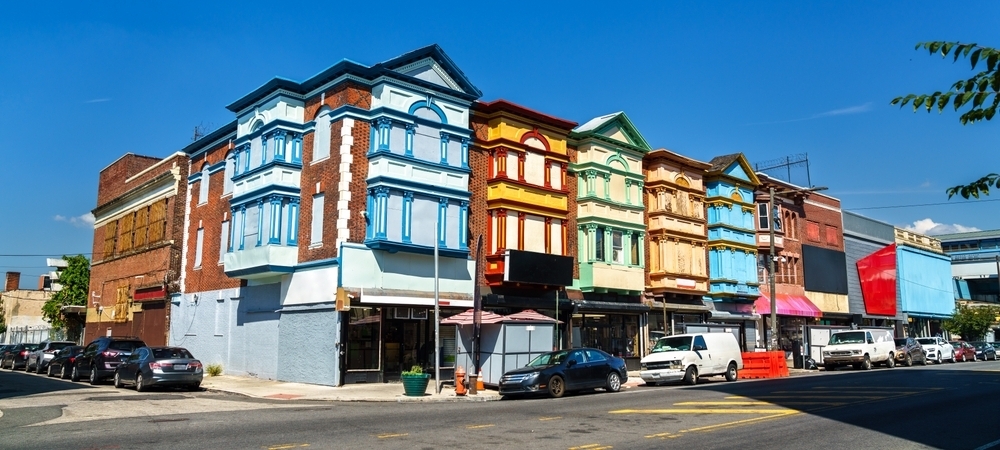
Philadelphia has been a major settlement for many centuries. As a result, there's an interesting mix of architecture in the city. The first rowhouses in the US were built here, and while the original buildings aren't around any more, similar townhouses can be found all over.

In the more affluent suburbs to the northwest, there are historic stone houses dating back to the early 20th century, as well as mansions and farmhouses from as far back as the 1700s. This area is known as the Main Line and has some of the best real estate for raising a family in Philadelphia.

Those wanting a more urban experience can choose from luxury condos in the heart of the city and trendy loft apartments in some of its safer outlying neighbourhoods.


Finding accommodation in Philadelphia

The internet is an excellent place to start looking for accommodation in Philadelphia, as there are various real estate agents, classifieds websites, and local publications with property sections. New arrivals looking to rent in Philadelphia could also look up apartment management companies or building owners and contact them directly.

In Philadelphia, agents' fees are often paid by the seller or, in the case of rentals, agents are paid a commission by the landlord. It's best to check with the agent upfront, though.

Useful links


Renting accommodation in Philadelphia

Renting accommodation in Philadelphia

The rental market in Philadelphia is presently skewed towards landlords. Aside from the seasonal influx of students that starts around July, the rest of the year sees many people moving from neighbouring cities where property is pricier. Many don't have the means to buy, which increases demand for rentals and drives prices higher. That said, it's still more straightforward, accessible, and affordable to rent in Philadelphia than in cities such as New York and Boston.

Making an application

Once you've found an apartment or house you're interested in, you need to submit a rental application. There is usually a small fee attached to the rental application.

The application may require you to submit proof of income, bank statements, and references. During this time, the landlord will most likely check your credit score and criminal record. Once the application has been approved, the next step is to review the lease and sign the rental contract.

Leases

Leases in Philadelphia typically last for a year, but month-to-month contracts are also common. When signing the lease, be sure to read the entire agreement thoroughly and ensure that any verbal assurances from the landlord are put in writing.

Deposits and fees

According to Pennsylvania law, a landlord may charge a tenant the equivalent of two months' rent for the security deposit for the first year of renting and the equivalent of one month's rent during all subsequent years of renting. Some landlords may also require tenants to take out renter's insurance.

In addition to the security deposit, tenants may have to pay a one-time move-in fee, especially in apartment complexes. There's also the possibility of a pet fee if the property allows animals. Additionally, while some landlords might offer rent reductions for signing longer leases, tenants must ensure they're comfortable with the duration before committing, as breaking a lease can incur penalties.

Terminating the lease

Ending a fixed-term lease early in Philadelphia is possible, but additional fees generally apply. Tenants are usually liable for rent until the lease expires, unless the rental agreement includes a 'lease break' clause. This provision may allow early termination with 30 to 60 days’ notice and a fee. Without such a clause, you remain responsible for rent until the landlord secures a new tenant. Pennsylvania law requires landlords to make reasonable efforts to re-rent the property.

Before leaving, carry out an inspection of the property with your landlord or agent. This protects you from being charged for normal wear and tear. Landlords must return the security deposit, or provide an itemised list of deductions, within 30 days of lease termination. Always ensure that any agreements about ending the lease are recorded in writing.

See Accommodation in the USA for more on rental processes in the country.


Utilities in Philadelphia

Utilities in Philadelphia

The utilities that tenants are responsible for often depend on the conditions of the lease and whether it's a house or an apartment. In a house, tenants are likely to be responsible for all utilities. When renting an apartment, the landlord may assume responsibility for utilities such as heating (gas or electricity) and water. Tenants, on the other hand, are most often responsible for paying for their telephone and internet services. 

Before signing a lease, new arrivals should ensure that the terms are clear regarding whether the cost of utilities is included in the monthly rent.

Electricity and gas

In Philadelphia, electricity and gas services are typically provided by PECO. New residents need to contact PECO before their move to ensure a seamless transition of services. 

Setting up an account is relatively straightforward and can be done online or over the phone. For those living in apartments, it's not uncommon for electricity to be included in the rent. However, gas, especially for heating during the cold winter months, is often an additional cost to consider.

Energy-saving initiatives have grown in popularity, and many Philadelphians have opted for green energy providers. These providers source a portion, if not all, of their electricity from renewable sources, offering an environmentally friendly alternative to the traditional grid.

Water

The Philadelphia Water Department is responsible for water and sewer services in the city. Typically, homeowners have to set up their water account, while renters may find that water costs are either included in their rent or billed separately by the landlord or management company.

Philadelphia's tap water is considered safe to drink. The city frequently tests its water sources and purification processes to ensure quality. While some residents prefer using filters for taste, they aren't necessary for health reasons.

Waste management and recycling

The Philadelphia Department of Streets is responsible for solid waste management in the city. Rubbish collection usually takes place once a week, with the exact day depending on the neighbourhood. Residents are required to use sturdy, lidded containers for their rubbish. 

The city encourages recycling, with single-stream recycling in place, meaning all recyclables can be placed in one bin without sorting. The Philadelphia Department of Streets regularly updates guidelines on what can and can't be recycled, and residents are advised to stay informed to ensure they recycle effectively.

Most large properties, like apartment complexes, have designated rubbish rooms for waste and recycling. The tenant needs to find out from the landlord where to dispose of everyday rubbish, as well as large items like furniture.

Useful links

Areas and suburbs in Philadelphia

The best places to live in Philadelphia

The suburban nature of much of Philadelphia makes it seem smaller than it is. Very much a city of neighbourhoods, Philadelphia's available housing options can initially seem overwhelming. That said, finding a good home in the city is far from impossible. Below are just some of the most popular areas and suburbs in Philadelphia.


Suburban living in Philadelphia

Philly

Chestnut Hill 

Chestnut Hill used to be a popular summer getaway for Philadelphia's upper classes and is still associated with affluence. Public transport is easily accessible, the infrastructure is good, and shopping in Chestnut Hill is an experience not to be missed. 

For those who can afford it, Chestnut Hill is an ideal location for families, offering accommodation from modest rowhouses to expansive mansions. Known for its excellent schools, historic architecture, small-town-yet-vibrant atmosphere and proximity to the city, Chestnut Hill is a fantastic area to put down roots.

Abington

Abington's schools have a reputation for excellence, and it has been recognised as one of the best places to live in the USA. The Abington Memorial Hospital offers a high standard of care and is the area's major employer. Abington contains a wide range of housing, most built shortly after WWII, from garden-style apartments to colonial-style family homes. In short, it's the perfect area for new arrivals who want to raise their families in character homes.  

Swarthmore 

Swarthmore offers a peaceful, college-town atmosphere that prides itself on diversity and tolerance. Anchored by Swarthmore College, it boasts the Crum Woods, a 300-acre arboretum, and a downtown area with unique and independent shops. Swarthmore's older but well-maintained houses and its public and private schools come highly recommended. The only downside is the area's steep property tax. If this can be managed, staying in Swarthmore is definitely worth it.


Urban living in Philadelphia

Philly

Graduate Hospital

Extremely popular with young professionals and singles, Southwest Center City, also known as Graduate Hospital, has gained a reputation as an artistic community since the early 2000s. It is home to trendy restaurants and some of the best bars in Philadelphia. Prices are moderately high, though residents consider the costs worthwhile given the area's proximity to the city's attractions and its mix of old and new single-family homes, tree-lined streets, and brownstone rowhouses. Families wanting to live closer to Center City will also find this neighbourhood a good option. 

Fishtown

Fishtown is a burst of colour in the middle of an industrial landscape, offering the famous Philadelphia rowhouses along narrow streets which surge with creative energy. Popular with trendy hipsters, young families and up-and-coming professionals, Fishtown makes up for its lack of retail with a bustling cultural and nightlife scene. 

Northern Liberties

Northern Liberties has traditionally been popular with artists, but increasingly, more business professionals in Philadelphia are investing in the area's apartment complexes. Even with prices rising due to demand, residents love the neighbourly atmosphere, which, in the heart of the city, can feel like it belongs in a different time. Art galleries and trendy boutiques line the streets, and foodies in Philadelphia will have a ball hopping between all the neighbourhood's restaurants. 

Fairmount

Leafy, spacious and close to cultural landmarks such as the Philadelphia Museum of Art, Fairmount is loved by first-time buyers and offers a variety of options, from classic Philadelphia townhouses to older single-family homes. Those who need to be close to the city but are also balancing family priorities would do well to consider Fairmount, as there are several good schools in the area, and St Joseph's Hospital is nearby. Although the area's prices are pretty high, Fairmount offers newcomers a piece of suburbia with the community spirit to match, a mere 10 minutes away from Center City.

Healthcare in Philadelphia

With the number of medical schools, hospitals and medical research centres in the city, there are plenty of options for world-class healthcare in Philadelphia. Many of the hospitals in Philadelphia are nationally ranked for at least one speciality.

Medical care in the US is expensive, however, and non-emergency care can legally be denied to a patient if they aren't able to pay. For this reason, new arrivals in Philadelphia should ensure that they have a comprehensive healthcare plan to have access to the city's best medical facilities.

Read more about Understanding Health Insurance in the USA.

Below is a list of some of the most prominent hospitals in Philadelphia.


Hospitals in Philadelphia

Hospitals in Philadelphia

Hospital of the University of Pennsylvania

Website: www.pennmedicine.org
Address: 3400 Spruce Street, Philadelphia, PA 19104

Penn Presbyterian Medical Center

Website: www.pennmedicine.org
Address: 51 North 39th Street, Philadelphia, PA 19104

The Children's Hospital of Philadelphia

Website: www.chop.edu
Address: 3401 Civic Center Boulevard, Philadelphia, PA 19104

Thomas Jefferson University Hospital

Website: www.jeffersonhealth.org
Address: 111 South 11th Street, Philadelphia, PA 19107

Jefferson Torresdale Hospital

Website: www.jeffersonhealth.org
Address: 10800 Knights Road, Philadelphia, PA 19114

Education and Schools in Philadelphia

Education and schools in Philadelphia are taken seriously, and many of the state's best education facilities are situated in the city. Philadelphia has a number of both public and private schools that are nationally recognised for the quality of their education, from elementary schools to universities. 


Public schools in Philadelphia

Public schools in Philadelphia

All children in the US, including expats, can attend public school free of charge. As is the case in most large cities, the quality of public schools in Philadelphia varies. Since they are funded by property taxes, schools in more affluent areas tend to offer a better standard of education. 

When choosing a place to stay, keep in mind that public schools in Philadelphia use a zoning system to admit children. It's therefore recommended that you familiarise yourself with where the best schools in the city are located before picking a neighbourhood.

Charter schools

Charter schools are public schools that are privately run but funded through a performance-based contract with the government. As a result, they are tuition-free but have more control over their academic programmes while teaching the national curriculum. Around 90 charter schools operate in the Philadelphia area.

All children, including expats, can apply for admission to charter schools, with preference given to those who live in the area around the school. If there are more applications than spaces in the school, admission is determined by a lottery. 

Magnet schools

Magnet schools are specialised public schools that focus on specific subject areas, such as science, languages, or the performing arts, or that employ alternative teaching styles, such as Montessori. Attendance at these schools isn't limited by zoning, resulting in student bodies that are generally diverse and varied. If there's not enough space for all the students who apply, they are selected through a lottery.

Education and Schools in the USA

Useful links


Private schools in Philadelphia

Private schools in Philadelphia usually have better student-to-teacher ratios, more advanced facilities, and a more comprehensive selection of extracurricular activities than their public counterparts. These benefits come at a price, though, meaning you'll have to shell out more if you want to send your children to a private school in Philadelphia. The majority of these schools are religiously affiliated, but secular institutions are also available.

It almost goes without saying that the best private schools in Philadelphia are also the most selective. There's a high level of competition around admissions. Apply early and carefully check the admissions process for each school you're considering.


International schools in Philadelphia

International schools in Philadelphia

The city's only strictly international curriculum private school is the bilingual French International School of Philadelphia. Both the French and American national curricula are taught at the school. As with all international schools, admissions are competitive, and school fees are high.

Alternatively, there are several public schools that offer the International Baccalaureate (IB) curriculum in Philadelphia. Pennsylvania's neighbouring state, New York, also offers a wider variety of international schools.

Useful links


Homeschooling in Philadelphia

If you prefer, you can legally homeschool your children in Philadelphia – just be sure to keep the local laws in mind.

The person acting as the educator needs to have at least a high school diploma or its equivalent. Parents must also file a notarised affidavit with the local superintendent before starting the homeschool programme. The affidavit should, among other things, outline the proposed education objectives by subject area. Parents of children with special educational needs must also get their education plan approved by a state-certified special education teacher or licensed clinical or school psychologist.

Children have to be taught 180 days a year, and there are various compulsory courses that need to be taught depending on the student's school level. Parents must also keep a portfolio that includes documentation such as a logbook, student work samples and standardised testing. This portfolio must be submitted annually for evaluation by a licensed psychologist or a state-certified teacher.

Alternatively, parents can choose to employ a private tutor to take on the homeschool responsibilities. They can also choose to enrol their child in a satellite of an accredited day or boarding school. These two options still allow children to be taught at home, but lower the responsibility placed on parents.

Useful links


Special educational needs in Philadelphia

Special educational needs in Philadelphia

The School District of Philadelphia provides an extensive range of educational services and support for students with special educational needs in public schools. These services include learning support, emotional support, autistic support, life skills support, and multiple disabilities support. While all public schools are required to admit children with special needs, parents should consider the standard of facilities and support available in the schools in each area and choose a neighbourhood accordingly. 

Outside the public school system, Philadelphia has a number of excellent private schools that practise inclusive education. The city also has several schools that cater to specific disabilities, such as schools for students with visual or hearing impairments or those with other educational needs.

Useful links


Tutors in Philadelphia

Tutoring is common among students in Philadelphia. There are many options available to students who need extra help with specific subjects or general school support. Some of the top tutoring companies in Philadelphia include Philly Tutors (Tutor Delphia) and Sylvan Learning of Philadelphia. Parents who don't want to work through a tutoring service will find that there are also several private tutors in the city, ranging from retired teachers to university students.

Useful links

Lifestyle in Philadelphia

The lifestyle in Philadelphia offers a small-town feeling in a buzzing metropolis. The city's culture is shaped by its immigrant population as much as it is by deep historical roots that reach back to the founding of the US. Despite the city's blue-collar character and slightly rough-around-the-edges reputation, shopping and lifestyle in Philadelphia are two of the city's largest drawcards.


Shopping in Philadelphia

Shopping in Philadelphia

Whether you're searching for world-class shopping centres, luxurious boutiques, or the quirky character of street-side stores, shopping in Philadelphia is always an experience. To top it off, most clothing and shoe purchases are tax-free, barring a few items. 

The King of Prussia Mall, to the northwest of the city, has more retail space than any other mall in the USA, and is the largest mall on the East Coast. It is an attraction in its own right, offering everything from budget to luxury retail outlets and has three food courts.

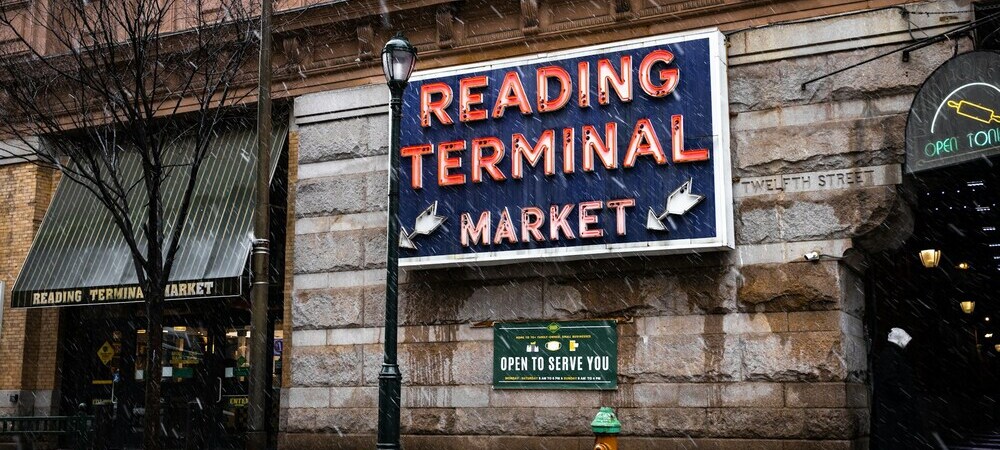
Those wanting something a bit more organic should try the Reading Terminal Market in Center City. The market has been running since the 1890s and offers all manner of fresh produce, international cuisine, and handmade crafts.

Any major shopping excursion in Philadelphia should also include a visit to Macy’s Center City. During the 19th century, the iconic building housed Wanamaker's, one of the first department stores in the world. Today, it houses the Wanamaker Grand Court Organ, the world's largest playable pipe organ. It is played at least twice a day, six days a week.


Eating out in Philadelphia

Eating out in Philadelphia

New arrivals will have no shortage of options for eating out in Philadelphia. The city's restaurants are a reflection of its distinctive character. Some of its most famous foods, much like other beloved favourites in the US, are a product of its adopted citizens.

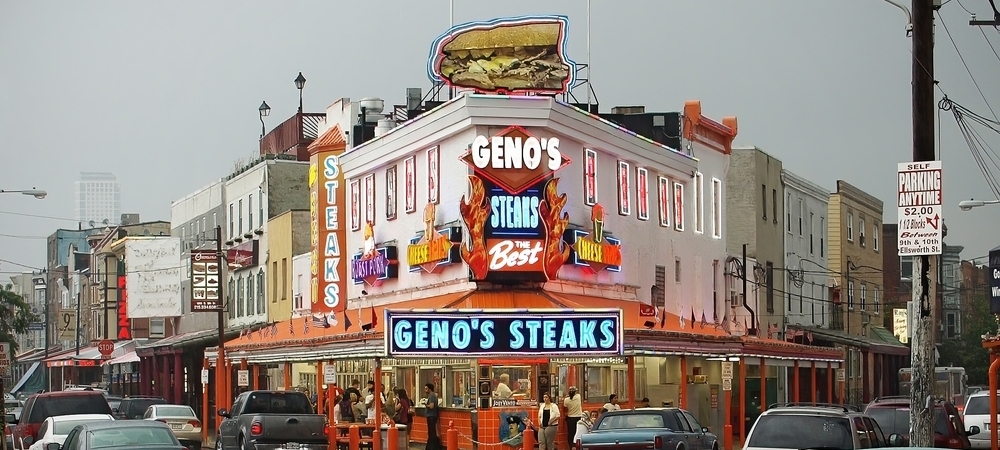
The Italian population has arguably left the biggest mark on Philadelphia’s culinary landscape, pioneering the famous Philly cheesesteak and the mother of all submarine sandwiches, the Philadelphia hoagie. The Philly cheesesteak is most famously sold in South Philadelphia by Pat’s King of Steaks and Geno’s Steaks, a cross-street rivalry that goes back more than 50 years. 


Nightlife and entertainment in Philadelphia

Whether newcomers want to dance and dine in Old City, swing with jazz musicians in Northern Liberties, or watch sports and take part in the craft beer explosion, Philadelphia offers a vibrant nightlife.

There are also several venues that host large concerts, such as the Wells Fargo Center, the Mann Center for the Performing Arts and the picturesque Benjamin Franklin Parkway. The Parkway, which stretches from City Hall to just before the Museum of Art, hosts many large outdoor concerts and houses some of the most popular attractions in Philadelphia.


Outdoor activities and sports in Philadelphia

Short grass and trees in Philadelphia park

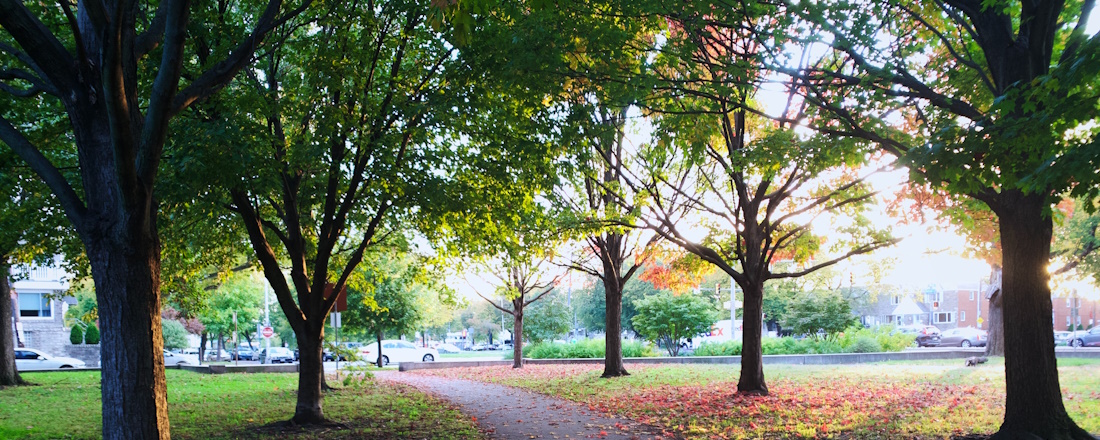
Nature-loving residents are spoilt for choice when it comes to parks in Philadelphia. In Fairmount Park, Philadelphia has one of the largest landscaped urban park systems in the world. Those looking to run, cycle or even row in Philadelphia won't have to look too far for scenic routes in places such as the Valley Forge National Historical Park and Forbidden Drive in Wissahickon Creek.

As much as the city is known for its natural spaces, it is even more famous for its passionate sports fans. The Philadelphia Eagles play American football at the Lincoln Financial Field, and fans can be seen having barbecues outside the stadium from dawn on match days.


See and do in Philadelphia

Liberty Bell display

The city's unique mixture of attractions and green spaces means there's always something to see and do in Philadelphia. Culture lovers can enjoy the wealth of museums and historic landmarks, and those with a taste for the bizarre will love attractions such as the Mütter Museum. Kids won't feel left out either, as the city has its fair share of child-friendly attractions too.

Liberty Bell

With its distinctive crack, the Liberty Bell is one of the most iconic symbols of American independence. The bell's inscription, proclaiming liberty throughout the land and for all who live in it, became a rallying cry for abolitionists and then a symbol of national unity in the aftermath of the American Civil War. Throughout its history, it has inspired causes from women's suffrage to civil rights.

Philadelphia Museum of Art

One of the most prominent art museums in the US, the Philadelphia Museum of Art was established in 1876 and houses more than 240,000 artefacts. There are collections from Asia, Europe, and America, with works spanning centuries. The museum houses pieces by artists such as Van Gogh, Picasso, and Dali, as well as more contemporary exhibitions.

Philadelphia Zoo

First opened in 1874, the Philadelphia Zoo was the first proper zoo in the US. The zoo is home to nearly 1,300 animals and is set in a 42-acre Victorian garden that welcomes over a million visitors annually. Visitors to this magnificent zoo will get to see some of the rarest animals in the world. The zoo is committed to conservation and displays this through its focus on animal welfare, providing quality lives for animals. They also offer experiences that aim to teach visitors the importance of wildlife and habitat conservation.

The Franklin Institute

Dating back to 1824, the Franklin Institute is one of the most prominent and entertaining centres of science education in the US. Operating in the same spirit of enquiry and discovery as its namesake, Benjamin Franklin, the museum has a variety of permanent and temporary exhibitions on display that will educate and entertain visitors of all ages.


Meeting people and making friends in Philadelphia

Philadelphia is a dynamic and diverse city, making it a great place to meet new people. The city’s strong sense of community and lively cultural scene offer plenty of opportunities to connect. 

Joining local sports leagues or fitness groups is a popular way to meet others, whether it’s through running clubs or basketball games in neighbourhood parks. Philadelphia’s thriving arts and music scene also offers countless opportunities to strike up conversations with like-minded people. Online platforms like Meetup are widely used to find groups with shared interests, from book clubs to foodie adventures. Volunteering with local organisations is another rewarding way to make connections while giving back to the community.

Useful links

Getting Around in Philadelphia

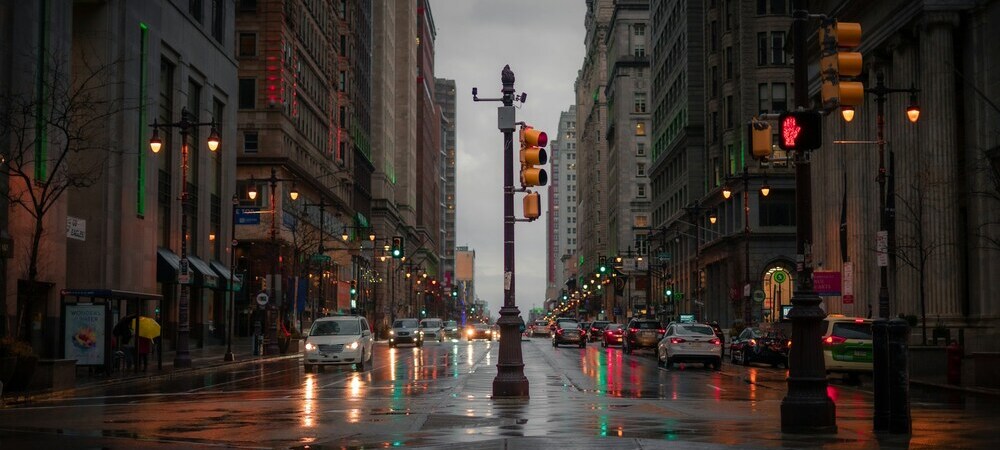
Getting around in Philadelphia is usually straightforward, as most of the city adheres to a grid plan. Philadelphia has one of the best public transport networks in the USA, and even on the busiest commutes, the city's historic, leafy atmosphere provides a beautifully distracting backdrop. New arrivals can look forward to a comprehensive railway system, inner-city subways and buses administered by the Southeastern Pennsylvania Transportation Authority (SEPTA).


Public transport in Philadelphia

Philadelphia's public transport, mainly operated by SEPTA, has garnered multiple awards for its efficiency and environmental efforts. The network uses an integrated smart fare system called the SEPTA Key. This chip card can be loaded with credit online and can be used across most forms of transport in the city. Weekly or monthly passes can be loaded onto the card. Fares can also be paid in cash using exact change.

train entering Philly subway station

Trains

Philadelphia's rail network is of a high standard and is a part of the Northeast Corridor, one of the busiest rail passageways in the USA, connecting major cities in the Northeast. 

The city's primary train station, the 30th Street Station in Center City, links to all significant SEPTA rail, subway, and trolley (tram) routes, operating mainly from 5.30am to midnight daily. Additionally, the station acts as a crucial hub for Amtrak, facilitating travel to cities like Boston, New York City and Washington, DC. 

Train routes and rates are available at stations and on the SEPTA website. The Port Authority Transit Corporation (PATCO) also operates a line between New Jersey and Center City.

Subway

Philadelphia's subway system operates from 5am to 1am daily and consists of two main lines. The Broad Street Line, also known as the Orange Line, operates entirely underground, running north to south. In contrast, the partly elevated Market–Frankford Line, referred to as the Blue Line or 'the El', runs east to west. This line serves the Philadelphia Sports Complex area, and is a popular route for sports enthusiasts.

Buses

Buses in Philadelphia are convenient, with more than 120 routes spanning city neighbourhoods and southeastern Pennsylvania. SEPTA buses even offer free Wi-Fi for passengers. Some buses run 24 hours a day along SEPTA’s Night Owl bus routes.

Trolleys

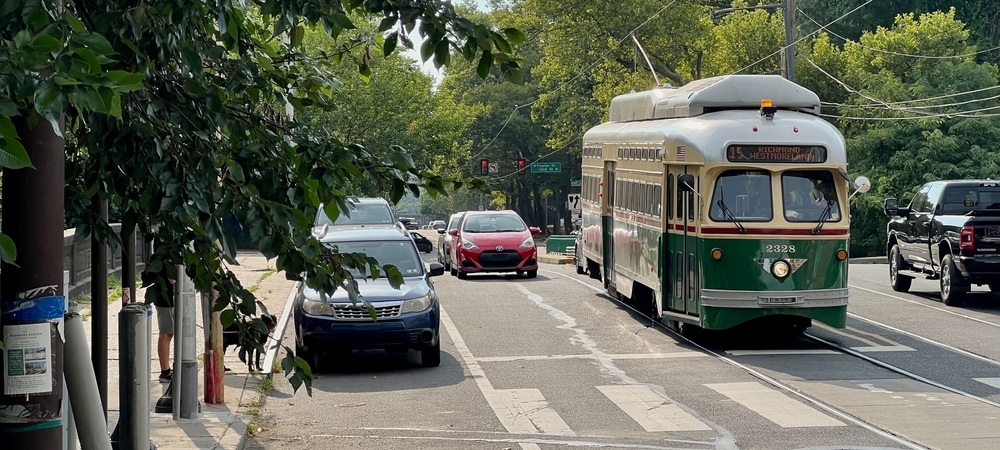
Philadelphia's trolley system has historical roots dating back to the late 19th century, but has been consistently upgraded and now features modern amenities. While trams used to be a predominant mode of transport, just eight lines remain, mainly serving the city centre and its primary attractions and popular neighbourhoods.

Useful links


Taxis in Philadelphia

Hailing a cab in Philadelphia is straightforward. While classic yellow cabs exist, others are branded according to their company. Some merely feature a light on the roof.

Taxis can be hailed from various locations, but booking online or via phone tends to be the most reliable method. Moreover, ride-hailing apps such as Uber and Lyft operate extensively in Philadelphia.

Useful links


Driving in Philadelphia

Driving in Philadelphia

Owning a car in Philadelphia isn't essential. Those residing closer to Center City are less likely to have one due to efficient public transport and scarce, expensive parking. Philadelphia's streets experience notable traffic during rush hours.

Driver's licences

Under Pennsylvania state law, newcomers with a valid foreign driver's licence are permitted to drive for up to one year, provided their licence remains current. After this period, they'll need to obtain a Pennsylvania driver's licence.

Certain countries have reciprocity agreements with Pennsylvania, allowing expats to exchange their foreign licences without undergoing a local driving test. Those from non-reciprocal nations will likely need to take both written and practical examinations to secure their Pennsylvania driver's licence. 

It's worth noting that if a foreign driver's licence isn't in English, having an International Driving Permit (IDP) is highly recommended to accompany the original when driving.

Transport and Driving in the USA


Cycling and walking in Philadelphia

Philadelphia is a remarkably bike-friendly city. Hundreds of miles of dedicated bike lanes exist, complemented by a bike-sharing system, Indego. This programme is still expanding and will soon feature 350 stations around the city with over 3,500 bikes. Cycling is prevalent as both a pastime and a commuting mode in the city, supported by Philadelphia's 'Complete Streets' policy, ensuring roads are safe and convenient for all travel methods.

Philadelphia also ranks among the USA's most walkable cities. This is especially true for Center City, owing to its grid layout. The city's abundance of parks also offers ample leafy spots for relaxation.

Useful links