
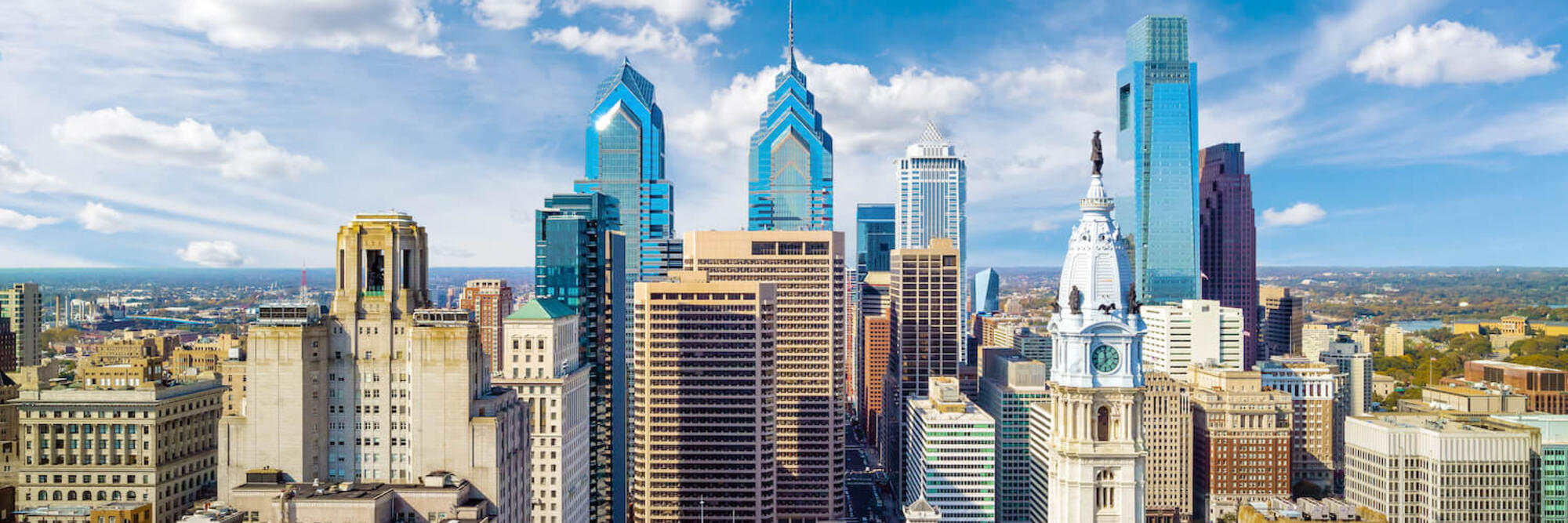
Education and schools in Philadelphia are taken seriously, and many of the state's best education facilities are situated in the city. Philadelphia has a number of both public and private schools that are nationally recognised for the quality of their education, from elementary schools to universities.
Public schools in Philadelphia
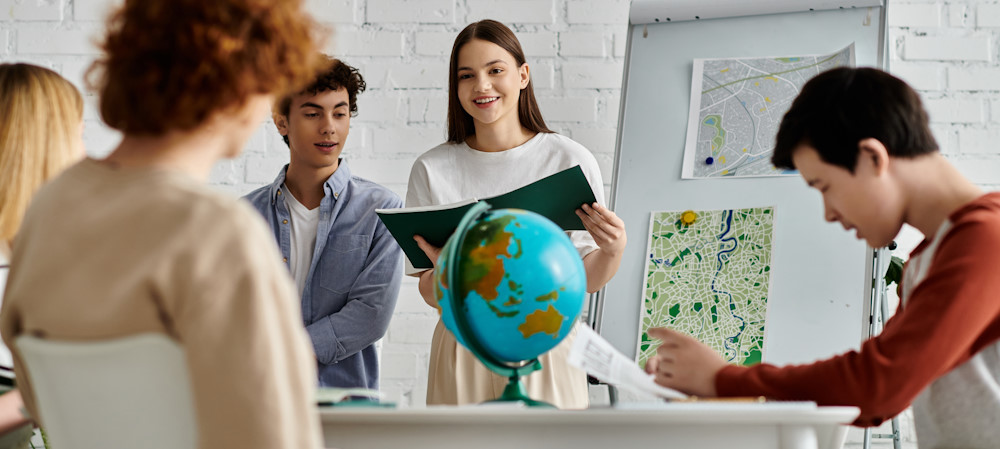
All children in the US, including expats, can attend public school free of charge. As is the case in most large cities, the quality of public schools in Philadelphia varies. Since they are funded by property taxes, schools in more affluent areas tend to offer a better standard of education.
When choosing a place to stay, keep in mind that public schools in Philadelphia use a zoning system to admit children. It's therefore recommended that you familiarise yourself with where the best schools in the city are located before picking a neighbourhood.
Charter schools
Charter schools are public schools that are privately run but funded through a performance-based contract with the government. As a result, they are tuition-free but have more control over their academic programmes while teaching the national curriculum. Around 90 charter schools operate in the Philadelphia area.
All children, including expats, can apply for admission to charter schools, with preference given to those who live in the area around the school. If there are more applications than spaces in the school, admission is determined by a lottery.
Magnet schools
Magnet schools are specialised public schools that focus on specific subject areas, such as science, languages, or the performing arts, or that employ alternative teaching styles, such as Montessori. Attendance at these schools isn't limited by zoning, resulting in student bodies that are generally diverse and varied. If there's not enough space for all the students who apply, they are selected through a lottery.
Education and Schools in the USA
Useful links
Private schools in Philadelphia
Private schools in Philadelphia usually have better student-to-teacher ratios, more advanced facilities, and a more comprehensive selection of extracurricular activities than their public counterparts. These benefits come at a price, though, meaning you'll have to shell out more if you want to send your children to a private school in Philadelphia. The majority of these schools are religiously affiliated, but secular institutions are also available.
It almost goes without saying that the best private schools in Philadelphia are also the most selective. There's a high level of competition around admissions. Apply early and carefully check the admissions process for each school you're considering.
International schools in Philadelphia
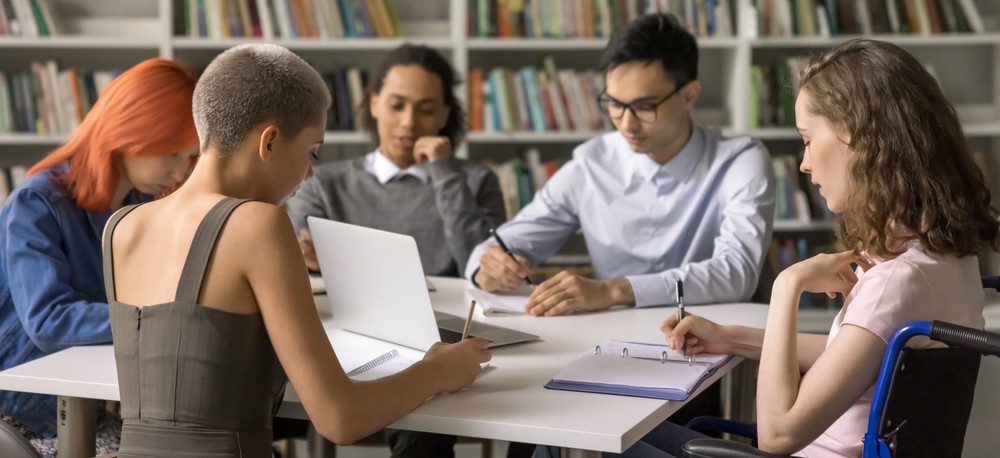
The city's only strictly international curriculum private school is the bilingual French International School of Philadelphia. Both the French and American national curricula are taught at the school. As with all international schools, admissions are competitive, and school fees are high.
Alternatively, there are several public schools that offer the International Baccalaureate (IB) curriculum in Philadelphia. Pennsylvania's neighbouring state, New York, also offers a wider variety of international schools.
Useful links
- French International School of Philadelphia
- Guild of IB Schools Northeast
- International Schools in New York City – Expat Arrivals
Homeschooling in Philadelphia
If you prefer, you can legally homeschool your children in Philadelphia – just be sure to keep the local laws in mind.
The person acting as the educator needs to have at least a high school diploma or its equivalent. Parents must also file a notarised affidavit with the local superintendent before starting the homeschool programme. The affidavit should, among other things, outline the proposed education objectives by subject area. Parents of children with special educational needs must also get their education plan approved by a state-certified special education teacher or licensed clinical or school psychologist.
Children have to be taught 180 days a year, and there are various compulsory courses that need to be taught depending on the student's school level. Parents must also keep a portfolio that includes documentation such as a logbook, student work samples and standardised testing. This portfolio must be submitted annually for evaluation by a licensed psychologist or a state-certified teacher.
Alternatively, parents can choose to employ a private tutor to take on the homeschool responsibilities. They can also choose to enrol their child in a satellite of an accredited day or boarding school. These two options still allow children to be taught at home, but lower the responsibility placed on parents.
Useful links
Special educational needs in Philadelphia
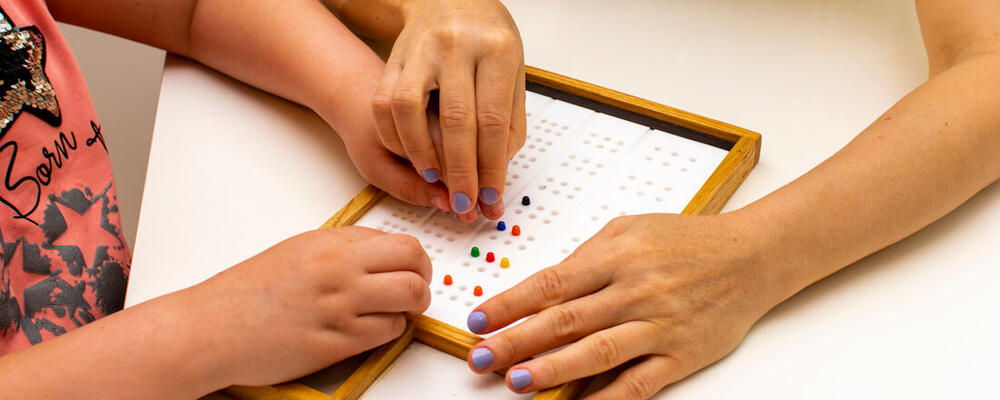
The School District of Philadelphia provides an extensive range of educational services and support for students with special educational needs in public schools. These services include learning support, emotional support, autistic support, life skills support, and multiple disabilities support. While all public schools are required to admit children with special needs, parents should consider the standard of facilities and support available in the schools in each area and choose a neighbourhood accordingly.
Outside the public school system, Philadelphia has a number of excellent private schools that practise inclusive education. The city also has several schools that cater to specific disabilities, such as schools for students with visual or hearing impairments or those with other educational needs.
Useful links
- Special Education Schools in Philadelphia
- SPIN Intellectual, Developmental, and Autism Spectrum Support Services
Tutors in Philadelphia
Tutoring is common among students in Philadelphia. There are many options available to students who need extra help with specific subjects or general school support. Some of the top tutoring companies in Philadelphia include Philly Tutors (Tutor Delphia) and Sylvan Learning of Philadelphia. Parents who don't want to work through a tutoring service will find that there are also several private tutors in the city, ranging from retired teachers to university students.