
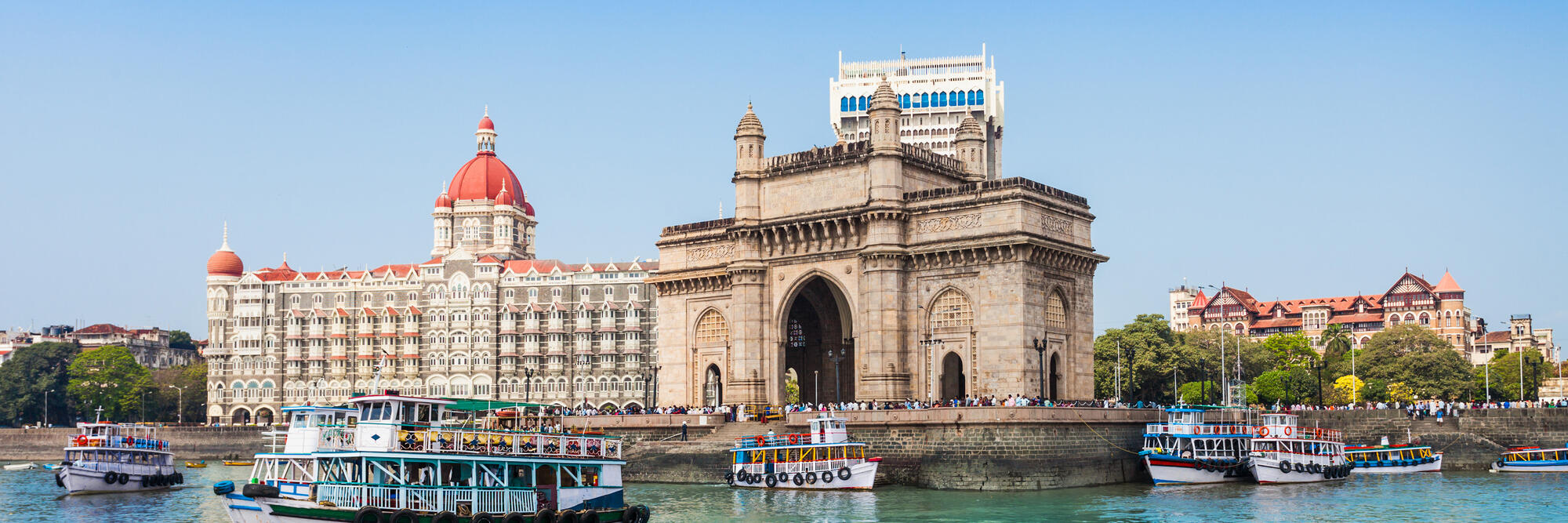
Given its large size, the cost of living in India varies considerably. India’s major cities can be pricey, although perhaps less so than large European and North American cities. Rural towns and more remote locations are generally less expensive.
Mumbai and New Delhi are the most expensive cities in India. Chennai, Bengaluru, Hyderabad, Pune, and Kolkata are more affordable.
If you negotiate a lucrative relocation package in India, you can often afford luxuries that might not be accessible at home, such as domestic services, chauffeurs, and having home-cooked lunches delivered to your office.
Cost of accommodation in India
Accommodation is likely to be your biggest expense in India, with property in New Delhi and Mumbai being particularly expensive. Try to negotiate a housing allowance or complimentary housing as part of your employment package wherever possible.
Rents in New Delhi and Mumbai are still rising, although growth has eased as more housing has come onto the market. Because rent takes such a big share of an expat budget, a housing allowance is worth pushing for, and many employers, especially in these two cities, now include one in their packages.
If your employer doesn't help with the move, you’ll need to budget for a real estate agent or relocation company to handle the house search and lease negotiations. Agents usually charge one to two months' rent.
Renting Expat Accommodation in India
Relocation Companies in India
Cost of transport in India
Getting around in India can be cheap if you use public transport, but you may prefer to opt for a private vehicle instead, as trains and buses can be cramped and uncomfortable. Despite this, public transport remains an affordable option, especially with a monthly pass.
Renting or buying a car costs considerably more, so consider negotiating a transport allowance into your contract. Many international employers will cover these costs, particularly in the larger cities where getting around is such a hassle.
Transport and Driving in India
Cost of groceries
If you buy local produce, you’ll find that everyday groceries are cheap in India. Shopping at vegetable markets lets you enjoy fresh, seasonal produce while supporting local vendors. The prices of everyday groceries in Indian vegetable markets have increased moderately in recent years. However, the all-inclusive cost of groceries is generally lower compared to many Western countries.
Supermarket chains offer a wide variety of products at varying prices, although you’ll probably pay more for imported or organic foodstuffs.
Cost of entertainment and eating out in India
The cost of entertainment and eating out in India varies, accommodating a wide range of budgets. Dining out remains affordable, with meals at inexpensive and mid-range restaurants costing less than in Western countries. The popularity of low-cost local cuisine and street food among expats has surged.
Many expats grow to love Indian food, and street food is a favourite for its low cost and bold flavours. In cities like Mumbai and Delhi, you’ll find everything from pani puri to vada pav sold on almost every corner.
On the whole, leisure activities generally cost less than in most Western countries. Cinemas and eating out are cheap, but gym memberships and international events have become noticeably pricier.
Cost of education in India
Expat children can attend public schools in India, but teaching standards may not align with what you expect. That said, public school standards in India are improving. Higher educational quality and better accessibility are making public schools more appealing to expat parents. Developments include updated curricula, better teacher training and increased focus on holistic education. Despite the upward trajectory of public schools, expats usually send their children to international schools.
Fees are generally steep, and places at the most sought-after international schools are hard to come by, so try to negotiate a schooling allowance into your contract.
Education and Schools in India
Cost of healthcare in India
Moving to India will give you access to relatively affordable, quality healthcare. You will, however, have to factor in the cost of health insurance if your employer does not cover it. Medical insurance packages have become more comprehensive, with many providers offering tailored plans that include coverage for pre-existing conditions and maternity benefits.
Healthcare and Health Insurance in India
Cost of living in India chart
Prices are in Indian rupees (INR) and may vary depending on the product and service provider. The list below shows average prices for Delhi in August 2026.
| Accommodation (monthly rent) | |
| Three-bedroom apartment in the city centre | INR 65,000 |
| Three-bedroom apartment outside the city centre | INR 35,000 |
| One-bedroom apartment in the city centre | INR 25,000 |
| One-bedroom apartment outside the city centre | INR 15,000 |
| Shopping | |
| Eggs (dozen) | INR 110 |
| Milk (1 litre) | INR 70 |
| Rice (1kg) | INR 75 |
| Loaf of white bread | INR 50 |
| Chicken breasts (1kg) | INR 330 |
| Cheese (500g) | INR 220 |
| Eating out | |
| Three-course meal for two at a mid-range restaurant | INR 2,100 |
| Big Mac Meal | INR 380 |
| Coca-Cola (330ml) | INR 40 |
| Cappuccino | INR 220 |
| Local draft beer (500ml) | INR 200 |
| Utilities/household | |
| Mobile phone monthly plan (with calls and data) | INR 400 |
| Internet (uncapped ADSL or cable – average per month) | INR 650 |
| Basic utilities (average per month for a standard household) | INR 4,500 |
| Transportation | |
| Taxi rate (per kilometre) | INR 25 |
| Bus/train fare in the city centre | INR 45 |
| Gasoline/Petrol (per litre) | INR 100 |