Transport and driving in India can be an adventure and a challenge. In such a vast country, finding the most efficient modes of travel is key. Navigating India’s varied transport systems is essential to making the most of your experience here.
From modern metro systems in several cities, such as Delhi, Mumbai, Bengaluru, Gurgaon, and Kolkata, to old-fashioned rickshaws, transport in India is extremely varied, and the choices can be overwhelming. If you want to interact with the locals, you'll enjoy using public transport, while if you want to get across the country fast, you can take advantage of reasonably priced domestic flights.
Public transport in India
Using public transport in India is often challenging at first. It can be crowded, uncomfortable, and somewhat dangerous at times. But if you're patient, you'll discover that using buses and trains in India is cost-effective, allows you to see more of the country, and gives you insight into local everyday life.
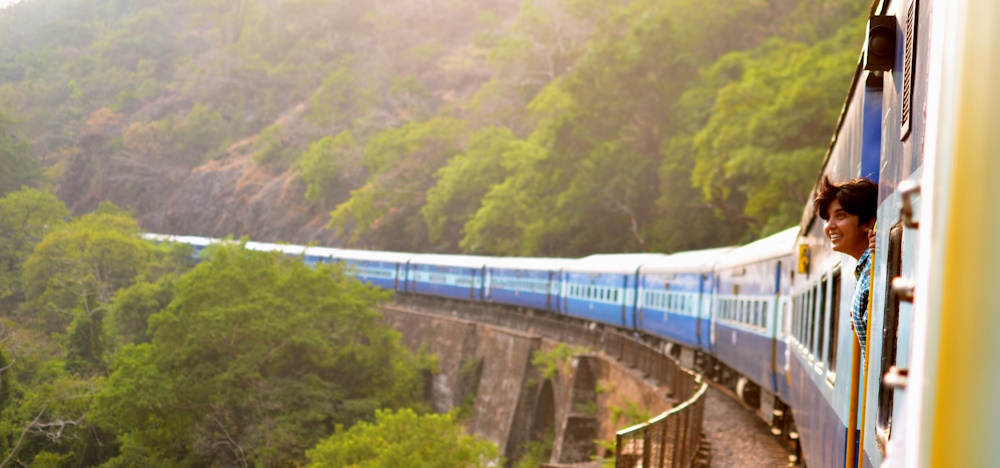
Trains
One of the best ways to see the country is by train. The train network in India, provided by the state-run organisation Indian Railways, is extensive. Prices are reasonable, and trains are a good choice for travelling long distances. It’s possible to hire a private sleeper compartment on some rail services, and, where available, travelling in an air-conditioned compartment is worth the extra expense.
India’s rail network comprises countrywide routes and commuter rail transport in metropolitan regions, including suburban rail systems, metros, and trams. The latter has faded out across India, although the city of Kolkata still operates a tram system.
Train travel can become difficult during major festival periods, so booking tickets in advance is a good idea. You can either book tickets at ticketing agents or buy them at stations. Special trains and additional services are introduced during festivals like Diwali and Eid to manage the rush.
Buses
Buses in India are often the cheapest way to get around. Both public and private buses operate in India, and although public buses are often cheaper, private ones offer greater comfort and air conditioning. Major cities are also introducing electric buses, improving comfort and reducing pollution.
Tickets for private buses are typically available from the bus company's booth at a bus station, while tickets for public buses can be bought onboard.
While many people prefer trains for long-distance journeys, the country’s colourful buses offer quite a saving. They are also sometimes the only way to reach some of the country’s more isolated areas. Major cities are also served by a Bus Rapid Transit System (BRTS), which offers a faster, more efficient way to get around locally and commute. Cities like Ahmedabad and Pune are expanding their BRTS systems, making them even more efficient.
If you decide to travel by bus, you should be aware of several factors. Language barriers can seem challenging. Signage isn't always in English, especially in smaller towns, but people are friendly and generally willing to help. Road accidents are another consideration, as these are a constant risk. Luggage is usually stored on the roof of long-distance buses or in compartments under the bus, so you should ensure your bags are locked and secured.
Metro
Modern underground train networks can be found in major cities, including Delhi, Mumbai, Bengaluru, and Kolkata. Metro systems are continually constructed, expanded and maintained nationwide to improve connectivity. Travelling by metro is a fast and efficient way to get around these cities and allows you to avoid traffic congestion.
Navigating the metro in Indian cities need not be overly intimidating for a new arrival, as routes can be easily tracked and followed with apps such as Google Maps.
Useful links
Rickshaws in India
Auto rickshaws, or tuk-tuks, are three-wheeled vehicles that you’ll find across Indian towns and cities. Although many auto rickshaws are fitted with meters, fare negotiation remains common in some cities and tourist areas. Negotiate with the driver and agree on a fare before you start your journey.
Women travelling solo in India who are concerned about their safety on the roads can look for pink rickshaws. These are an alternative to auto rickshaws, used by female passengers, and equipped with panic buttons and GPS tracking systems. This initiative enhances the safety of female commuters, especially during late hours.
Cycle rickshaws are three-wheeled bicycles with a support bench for passengers at the back and a canopy for shelter. They’re more common in smaller towns than cities, and have been banned in certain cities for causing congestion. In Delhi, cycle rickshaws must be registered and adhere to specific fare rates. These rickshaws aren’t the most efficient mode of transport, but they certainly provide a novel way of getting around.
Taxis in India
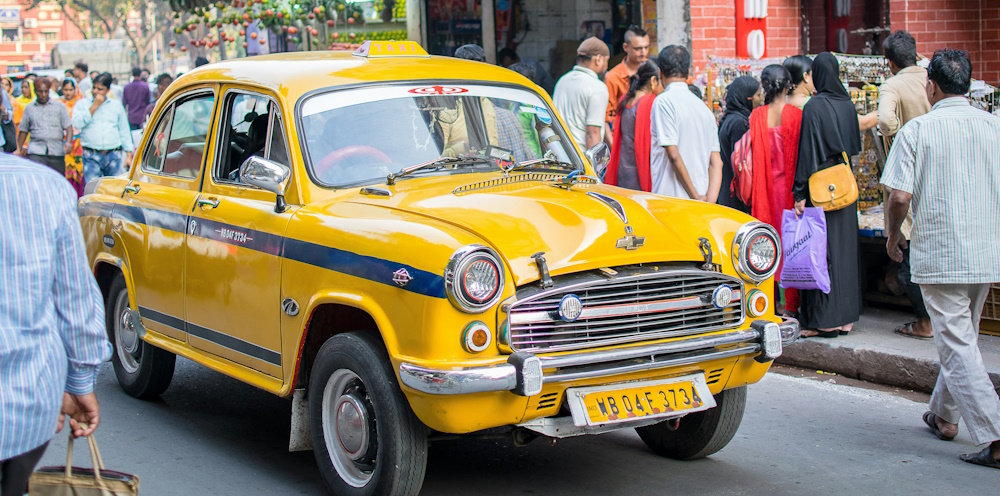
Taxis are easy to find in large cities throughout India. You can usually hail them from the roadside, find them at taxi stands, or call them in advance. Some cities, including Bengaluru, Chennai, and Hyderabad, do not allow taxis to be hailed on the street. Taxis in India must have a meter, and you should ensure it’s working at the start of your journey.
Ride-hailing services, including Uber and local equivalents like Ola Cabs, are also available.
Share taxis are similar to normal taxis but carry several passengers travelling in the same direction. Fares are charged according to the number of passengers and the distance they’re travelling. Besides being cheap, they’re a good option during city rush hours because they limit waiting time.
Useful links
Driving in India
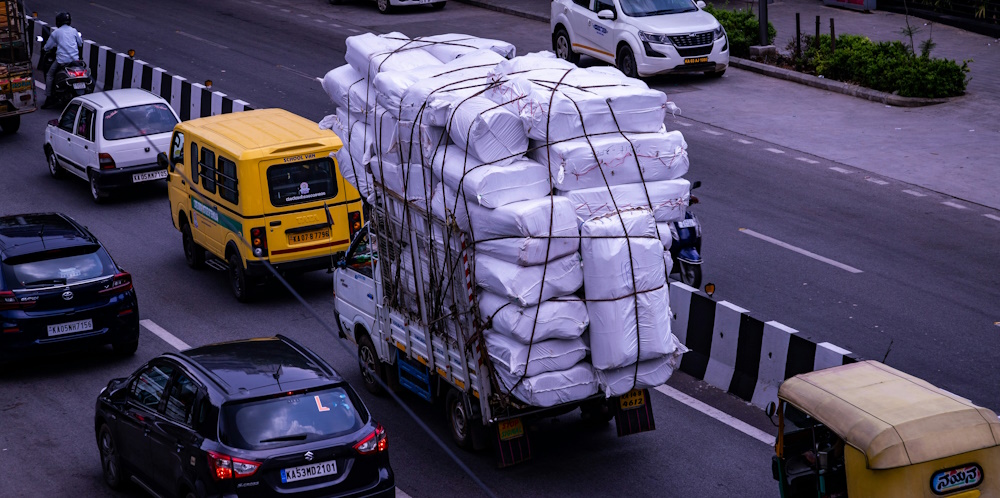
Unless you’re used to navigating chaotic streets with erratic drivers, you should think twice before getting behind the wheel in India. Road standards in India vary. National highways are well maintained in certain areas, but city roads can be narrow, potholed and poorly signposted. Recent statistics indicate a rise in traffic violations and accidents, and the government is focusing on improving awareness campaigns and enforcing stricter penalties for violations.
If you want to use a car in India, consider hiring a local driver. This removes the stress of finding your way around and dealing with the chaos of Indian streets.
Driver's licences
You may be able to drive in India with a valid national licence and an International Driving Permit, subject to the terms of your stay. Those relocating long term may need to obtain an Indian driver's licence.
Useful links
Domestic flights in India
If you need to travel quickly between major destinations in India, flying is the most convenient option. Numerous domestic airlines operate in India, and flight prices are competitive.
New airlines frequently enter the Indian market, but they often cease operations due to financial difficulties. To avoid refund issues, use established airlines such as Air India or SpiceJet.
The Directorate General of Civil Aviation (DGCA) has implemented regulations to protect passenger rights, ensuring fair refund and cancellation policies. Many airlines offer flexible cancellation or correction options after booking, but exact policies vary. Book as far in advance as possible to get the best prices on domestic flights in India.