
- Download our Moving to Dublin Guide (PDF)
Living in Dublin as an expat
Characterised by lush dales, magnificent scenery, ancient cities and towns, and friendly people, Ireland is an increasingly attractive prospect for expats. Its capital, Dublin, is drawing more foreigners than ever before.
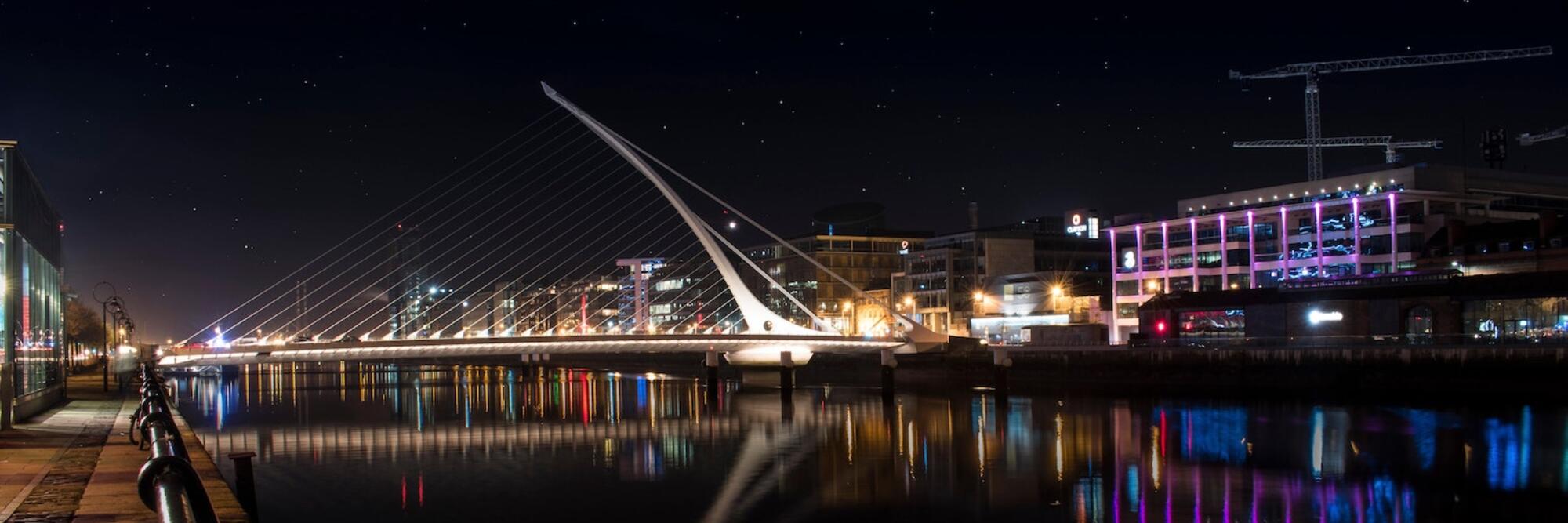
Those moving to Dublin will find a city that retains majestic reminders of a storied past combined with eminently modern features and infrastructure, resulting in one of Europe's most beautiful and efficient cities today.
If you manage to secure a job in Ireland, you'll usually be paid enough to ensure a good quality of life despite the expenses. In true Dublin fashion, most hardships can be overcome at the local pub.
Working in Dublin
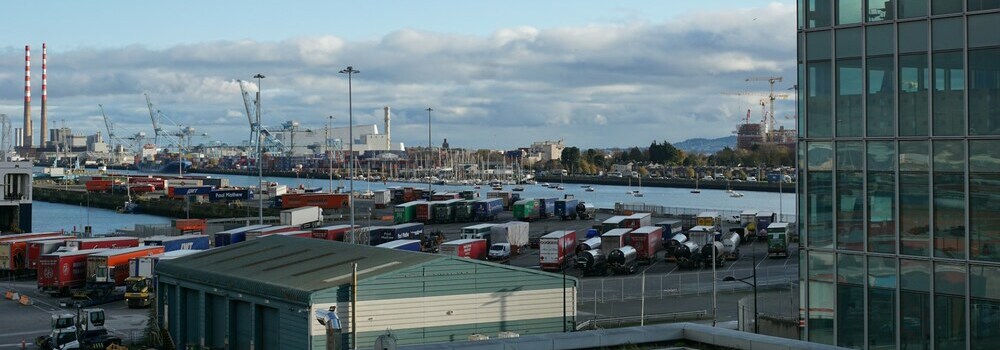
For years, the capital of the Emerald Isle was known as a peripheral European centre with sluggish industry. You might have moved for the charm of the city and its friendly residents rather than career development or lucrative salaries. Today, the overall picture of life in Dublin is substantially more attractive.
A thriving IT industry and a booming tech sector are drawing people from the USA, Europe, and elsewhere to live and work in Dublin. Several major pharmaceutical companies also have manufacturing centres or headquarters in the city.
Although Dublin's lucrative job opportunities make for a wonderful lifestyle, the concentration of high-paying jobs in industries like tech and finance drives up housing and living costs.
Working in Dublin
Doing Business in Ireland
Lifestyle in Dublin
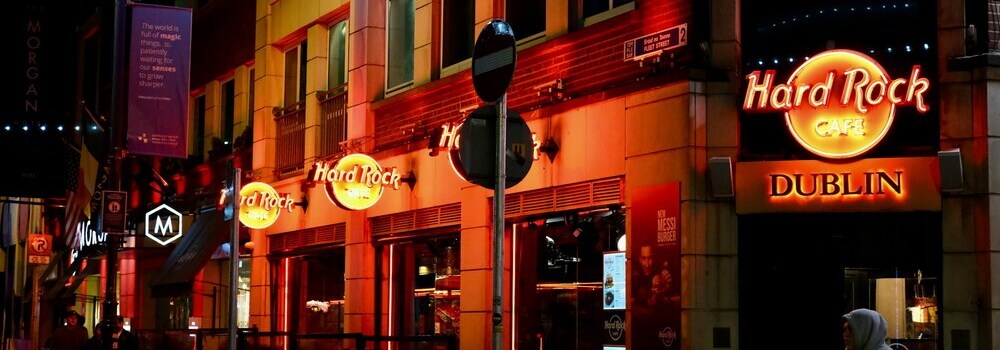
The lifestyle in Dublin blends tradition with modernity. The city is known for its lively social scene, historic landmarks, and welcoming locals. From Georgian and Gothic architecture, literary heritage, and bustling pubs to music venues, Dublin attracts expats from all over the world. You might come to work in one of the city's growing sectors, but you'll stay for the lifestyle.
Dublin is a captivating city for history enthusiasts, with highlights including Trinity College, Kilmainham Gaol, and Dublin Castle. Taking a stroll through the city reveals history, culture, and charm, making settling here an appealing prospect.
Dublin might not be as glamorous and glitzy as London or Paris, but the city's shopping options are diverse, ranging from bespoke brands on Grafton Street to independent boutiques and artisan markets scattered across the city. Whether you're after premium goods or well-worn antiques, Ireland's capital caters to a wide range of tastes.
Food lovers will enjoy Dublin’s evolving culinary scene. Traditional Irish pubs serve hearty fare, while contemporary restaurants and cafés offer more diverse global tastes. The city is great for finding anything from casual bites to fine dining – not to mention the popular and ubiquitous nectar of the gods, Guinness.
Lifestyle in Dublin
Weekend Breaks from Dublin
See and Do in Dublin
Finding accommodation in Dublin
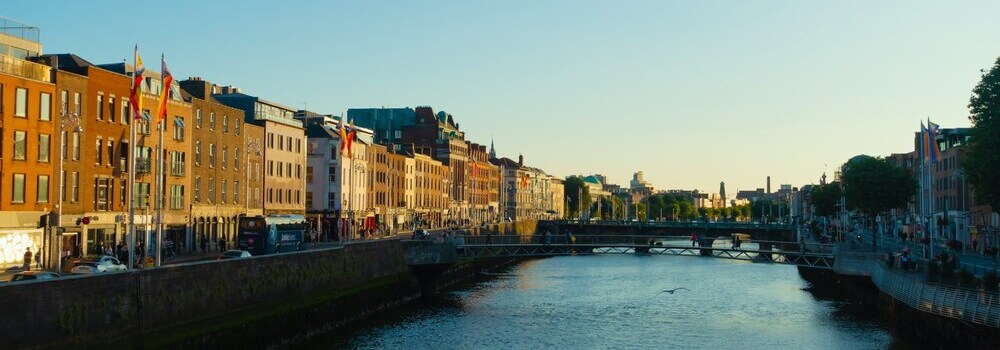
The housing market in Dublin is tight, especially in popular neighbourhoods, but there are plenty of options ranging from apartments and condos to traditional row and freestanding houses, so finding accommodation shouldn't be too much of a struggle if you have the budget to get what you like. Apartments are most common in the city centre, while semi‑detached and detached homes are more typical in suburban areas.
Start your search online through property portals, or enlist the services of an estate agent or relocation company. Be prepared for a competitive process – have references, proof of income, and identification on hand to snatch up a good property before anyone else does. Utilities, called 'the bills' in Dublin, are for the tenant's pocket and can be quite pricey.
Renting Accommodation in Dublin
Best Neighbourhoods in Dublin
Cost of living in Dublin

The cost of living in Dublin is the highest in Ireland. Housing is the biggest expense, with rents in central areas significantly above the national average. Everyday costs such as groceries, dining out, utilities, and transport are also higher than in smaller Irish cities, though salaries in Dublin tend to be on the upper end of the scale.
Dublin offers excellent career opportunities, cultural experiences, and amenities, which many expats find worth the premium. Ultimately, the balance between lifestyle and affordability will depend primarily on your personal priorities.
Living in Dublin with children

When moving to Dublin with children, you can look forward to a family‑friendly atmosphere and an abundance of green spaces. Parks such as the famous St Stephen’s Green provide plenty of room for outdoor fun, while Dublin Zoo, kid-friendly museums, and numerous playgrounds are popular weekend spots. Beyond the city, families can easily explore the coast or the verdant countryside, with beaches, castles, and hiking trails all within reach. Just don't forget the rubber boots and an umbrella or two.
When it comes to looking after your family, both public and private healthcare in Dublin offer a good standard of care, with the main difference being waiting times and costs. Public healthcare provides universal access and is generally free or subsidised, but there may be longer waiting times for non-urgent treatments. While more expensive, private healthcare offers faster access and a greater choice of hospitals and consultants.
Kids and Family in Dublin
Hospitals in Dublin
Healthcare in Ireland
Finding a school in Dublin

Ireland offers free, high-quality public education in English, which can save you a great deal of money compared to countries where pricey international schools are the only viable option. The system ensures universal access and equitable opportunities for all children. If you want your children to study a specific curriculum – such as that of France, Germany, or the International Baccalaureate – there are several private and international schools in Dublin to fulfil this need, though tuition is expensive.
Education and Schools in Dublin
International Schools in Dublin
Getting around in Dublin
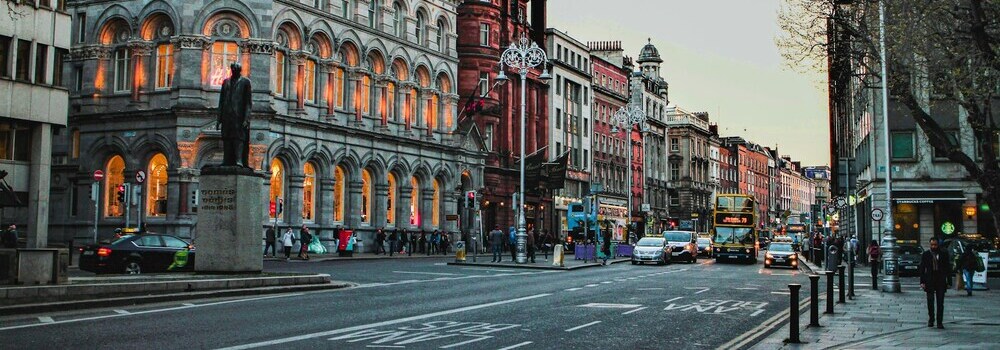
Getting around Dublin on public transport, by bicycle, or on foot is easy. The city is served by buses, trams, and trains. Tickets can be purchased individually or through the Leap Card, which allows seamless travel across different modes of transport.
The Dublin Bus network covers more than 100 routes, while the Luas tram system operates two main lines linking key areas of the city. The Dublin Area Rapid Transit (DART) coastal rail service connects Dublin with nearby towns and suburbs, making commuting and day trips a breeze. Taxis are widely available and can be hailed off the street or booked via apps. Ride-hailing services function as taxi-booking platforms in Dublin. Cycling and walking remain popular options for shorter journeys.
A car isn't necessary in Dublin, as traffic can be dense, and parking scarce and expensive. Despite this, many expats still choose to own a personal vehicle for the convenience and freedom it offers.
Climate in Dublin

While Dublin's rainy weather is not one of the drawcards pulling you to the city, it isn't all that bad once you adjust, and you will find life goes on despite the rain. On particularly gloomy days, it can be heartening to remember that all that rain contributes to Ireland's gorgeously green landscape.
Having transformed into a cosmopolitan city and opened up as an international pivot point, Dublin retains an authentic atmosphere, combining cobblestone history with glass-and-steel modernity. Moving to Dublin, you'll perfectly placed to enjoy the best of life in Ireland and explore the rest of Western Europe, much of which is a quick and affordable flight away.