Print
  • Hold down Ctrl key and select the sections you want to print. If using a Mac, hold down the Cmd key.
  • Use Ctrl + A or on Mac, Cmd + A to select all sections (if you are using the Chrome browser).
  • Click "Apply" and the site will customise your print guide in the preview below.
  • Click the "Print" button and a print pop up should appear to print to your printer of choice.

Services (garden, handymen, electricians, plumbing, pool services, security) in Dublin

Plumbers in Ireland used to be as hard to get hold of as a day of sunshine, but now that the construction boom has slowed considerably, any problem the pipes are having can be patched up in more of a jiffy than before. That isn't to say waiting is over; just that it will get done this month instead of this year.

Many professional workers have been laid off from the big construction sites and are working independently. This means lots of Dublin handyman-type adverts. It's usually a safe bet to go with someone like this, but do check that they've carried out similar work before.


Rates

With more service people chasing the same number of clients, and with many of those clients suffering from shrinking pockets, the outlook is good for an expat looking to save a few euro on bills.

Expats will notice adverts for both handymen and tradesmen. A tradesman is someone qualified in a particular area – carpentry or bricklaying for example. A handyman could be a jack of all trades, or he could be a tradesman who is branching out, inspired by the recession to take up some other skills.

Though pools are a faux pas in the Celtic Tiger, gardens can often demand some upkeep. There are plenty of bush-whackers and landscaping professionals roaming the city, so consider personal needs and choose accordingly.


Booking services

It's getting easier to tie service providers down to specific time slots, but most people will still experience rescheduling or large windows of time that chain people to the house. Some services, like the companies installing TV connections, can happily inform customers they will come by between 9am and 4pm, expecting the homeowner to sit in and wait for them.

Take note of times and get the name of the person dealing with the request; names are the magic key for getting through when tempers are running short.

Moving to Dublin

Living in Dublin as an expat

Characterised by lush dales, magnificent scenery, ancient cities and towns, and friendly people, Ireland is an increasingly attractive prospect for expats. Its capital, Dublin, is drawing more foreigners than ever before. 

Those moving to Dublin will find a city that retains majestic reminders of a storied past combined with eminently modern features and infrastructure, resulting in one of Europe's most beautiful and efficient cities today.

If you manage to secure a job in Ireland, you are usually paid enough to ensure a good quality of life despite the expenses. In true Dublin fashion, most hardships can be overcome at the local pub.

Working in Dublin

For years, the capital of the Emerald Isle was known as a peripheral European centre with sluggish industry. You might have moved for the charm of the city and its friendly residents rather than career development or lucrative salaries. Today, the overall picture of life in Dublin is substantially more attractive.

A thriving IT industry and a booming tech sector are drawing people from the USA, Europe, and elsewhere to live and work in Dublin. Several major pharmaceutical companies also have manufacturing centres or headquarters in the city.

Although Dublin's lucrative job opportunities make for a wonderful lifestyle, the concentration of high-paying jobs in industries like tech and finance drives up housing and living costs.

Working in Dublin
Doing Business in Ireland

Lifestyle in Dublin

The lifestyle in Dublin blends tradition with modernity. The city is known for its lively social scene, historic landmarks, and welcoming locals. From Georgian and Gothic architecture, literary heritage, and bustling pubs to music venues, Dublin attracts expats from all over the world. You might come to work in one of the city's growing sectors, but you'll stay for the lifestyle.

Dublin is a captivating city for those interested in history, with highlights such as Trinity College, Kilmainham Gaol, and Dublin Castle. Taking a stroll through the city reveals history, culture, and charm, making settling here an appealing prospect.

Dublin might not be as glamorous and glitzy as London or Paris, but the city's shopping options are diverse, ranging from bespoke brands on Grafton Street to independent boutiques and artisan markets scattered across the city. Whether you're after premium goods or well-worn antiques, Ireland's capital caters to a wide range of tastes.

Food lovers will enjoy Dublin’s evolving culinary scene. Traditional Irish pubs serve hearty fare, while contemporary restaurants and cafés offer more diverse global tastes. The city is great for finding anything from casual bites to fine dining – not to mention the popular and ubiquitous nectar of the gods, Guinness.

Lifestyle in Dublin
Weekend Breaks from Dublin
See and Do in Dublin

Finding accommodation in Dublin

The housing market in Dublin is tight, especially in popular neighbourhoods, but there are plenty of options ranging from apartments and condos to traditional row and freestanding houses, so finding accommodation shouldn't be too much of a struggle if you have the budget to get what you like. Apartments are most common in the city centre, while semi‑detached and detached homes are more typical in suburban areas.

Start your search online through property portals, or enlist the services of estate agents or your relocation company. Be prepared for a competitive process – have references, proof of income, and identification on hand to snatch up a good property before anyone else does. Utilities, called 'the bills' in Dublin, are for the tenant's pocket and can be quite pricy.

Renting Accommodation in Dublin
Best Neighbourhoods in Dublin

Cost of living in Dublin

The cost of living in Dublin is among the highest in Ireland. Housing is the biggest expense, with rents in central areas significantly above the national average. Everyday costs such as groceries, dining out, utilities, and transport are also higher than in smaller Irish cities, though salaries in Dublin tend to be on the upper end of the scale.

Dublin offers excellent career opportunities, cultural experiences, and amenities, which many expats find worth the premium. Ultimately, the balance between lifestyle and affordability will depend primarily on your personal priorities.

Cost of Living in Dublin

Living in Dublin with children

When moving to Dublin with children, you can look forward to a family‑friendly atmosphere and an abundance of green spaces. Parks such as the famous St Stephen’s Green provide plenty of room for outdoor fun, while Dublin Zoo, kid-friendly museums, and numerous playgrounds are popular weekend spots. Beyond the city, families can easily explore the coast or the verdant countryside, with beaches, castles, and hiking trails all within reach. Just don't forget the rubber boots and an umbrella or two.

When it comes to looking after your family, both public and private healthcare in Dublin offer a good standard of care, with the main difference being waiting times and costs. Public healthcare provides universal access and is generally free or subsidised, but there may be longer waiting times for non-urgent treatments. While more expensive, private healthcare offers faster access and a greater choice of hospitals and consultants.

Kids and Family in Dublin
Hospitals in Dublin
Healthcare in Ireland

Finding a school in Dublin

School children in Dublin

Ireland offers free, high-quality public education in English, which can save you a great deal of money compared to countries where pricey international schools are the only viable option. The system ensures universal access and equitable opportunities for all children. If you want your children to study a specific curriculum – such as that of France, Germany, or the International Baccalaureate – there are several private and international schools in Dublin to fulfil this need, though tuition is expensive.

Education and Schools in Dublin
International Schools in Dublin

Getting around in Dublin

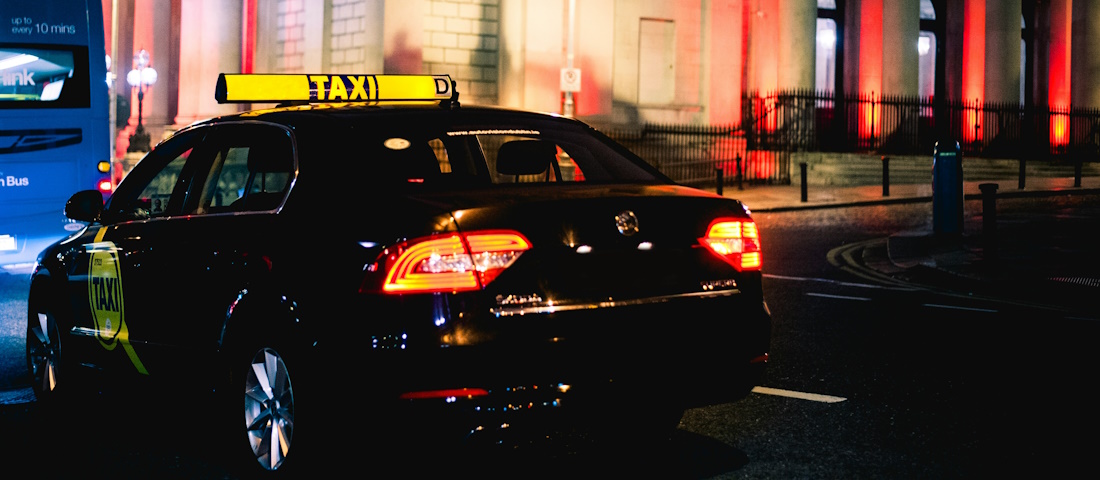
R137 in Dublin by Juho Luomala

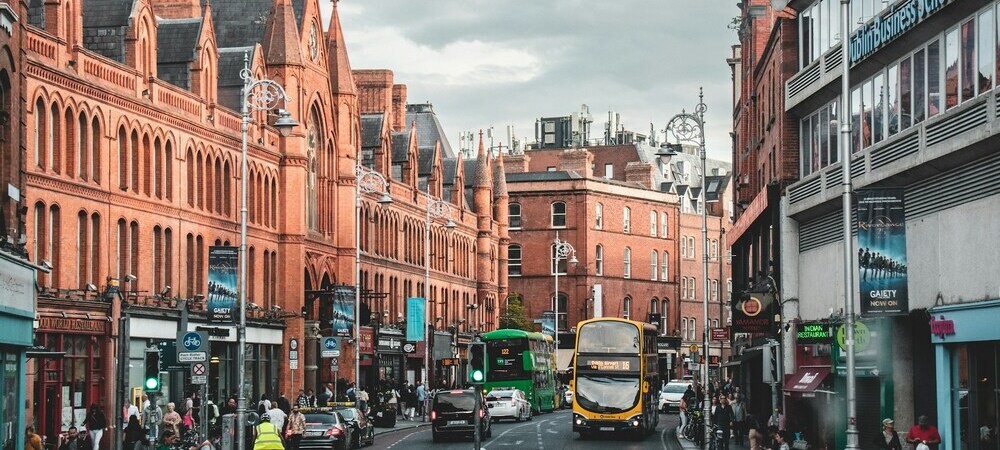
Getting around Dublin on public transport, by bicycle, or on foot is easy. The city is served by buses, trams, and trains. Tickets can be purchased individually or through the Leap Card, which allows seamless travel across different modes of transport.

The Dublin Bus network covers more than 100 routes, while the Luas tram system operates two main lines linking key areas of the city. The Dublin Area Rapid Transit (DART) coastal rail service connects Dublin with nearby towns and suburbs, making commuting and day trips a breeze. Taxis are widely available and can be hailed off the street or booked via apps. Ride-hailing services function as taxi-booking platforms in Dublin. Cycling and walking remain popular options for shorter journeys.

A car isn't necessary in Dublin, as traffic can be dense, and parking scarce and expensive. Despite this, many expats still choose to own a personal vehicle for the convenience and freedom it offers.

Getting Around in Dublin

Climate in Dublin

While Dublin's rainy weather is not one of the drawcards pulling you to the city, it isn't all that bad once you adjust, and you will find life goes on despite the rain. On particularly gloomy days, it can be heartening to remember that all that rain contributes to Ireland's gorgeously green landscape.

Weather in Dublin

Having transformed into a cosmopolitan city and opened up as an international pivot point, Dublin retains an authentic atmosphere, combining cobblestone history with glass-and-steel modernity. If you are moving to Dublin, you are perfectly placed to enjoy the best of life in Ireland and explore the rest of Western Europe, much of which is a quick and affordable flight away.

Weather in Dublin

The weather in Dublin is a bit more moderate and sees slightly less rainfall than the rest of Ireland. If you're moving here, don’t get too excited, though: winters are still soggy, and drizzly rainfall is infuriatingly common all year round.

The wettest month, October, averages three inches (76mm) of rainfall. Summers are cool and pleasant, with temperatures in July peaking at around 68°F (20°C). May, June, and July see the most sunshine, which you should take full advantage of by exploring the Emerald Isle and its spectacularly verdant scenery.

Winters, apart from being drenched, are relatively mild, with the mercury rarely dropping to freezing. Although a few flurries have been known to occur, snow is unlikely. Fortunately, the weather in Dublin is marked by fewer temperature extremes compared to other parts of Ireland.

The best time to visit Dublin is in the warm summer months between May and August. February receives the least rainfall on average, but it is almost impossible not to experience at least some rain in Dublin.


Pros and cons of moving to Dublin

As is the case with any city, living in Dublin has both perks and pitfalls. If you're considering moving to the Emerald Isle's capital, arm yourself with all the facts before relocating to avoid any unexpected catches, snags, or disappointments. Start by checking out our list of pros and cons of living in Dublin below.


Accommodation in Dublin

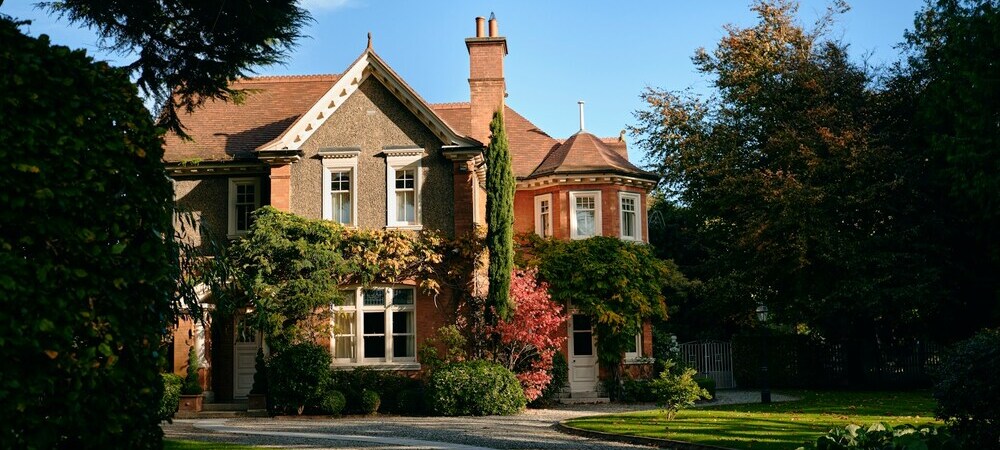
House in Dublin by Valerie

+ PRO: Variety of housing options

Accommodation in Dublin is diverse. Options range from apartments and condos to terraced houses and freestanding homes. Apartments are the most common city-centre option, while rowhouses and detached homes are the norm in residential neighbourhoods.

- CON: Accommodation is expensive

Although there is much to enjoy about living in Dublin, the high cost of accommodation is certainly one of the city's downsides. Rental prices in Dublin are frequently higher than those in other European capitals. You'll likely have to part with a healthy portion of your salary to afford an apartment or townhouse in Dublin.

+ PRO: Landlords pay real estate agents

Enlisting the services of a real estate agent in Dublin is a great way to start your search for a place to stay. Agents are generally knowledgeable about the city's housing options and often specialise in specific neighbourhoods. Fortunately, landlords are responsible for agency fees, making them an effective and affordable choice.

Renting Accommodation in Dublin
Best Neighbourhoods in Dublin


Lifestyle in Dublin

+ PRO: Lots to do

From pubs and bars to museums and cultural gems, there's plenty to see, do, and enjoy in Dublin. Must-see spots include the Temple Bar district, the Museum of Literature Ireland (MoLI), and the National Museum of Ireland. Exploring Dublin's pub scene or the Guinness Storehouse is a fantastic way to make friends, while culture lovers will fall in love with the city's rich history.

- CON: Early closing times

You may be surprised to find that, despite Dublin's lively social scene, pubs tend to close around midnight, and public transport at any point after 11.30pm is a rarity.

+ PRO: Plenty of hidden gems to discover

Dublin is full of lesser-known but fascinating places. Check out Marsh's Library – Ireland's oldest public library – for a remarkable collection of rare books. Try the Escape Boats for an immersive escape room experience on a boat. The Northside of Dublin offers a variety of hidden eateries and cosy cafés, and Iveagh Gardens provides a serene oasis of tranquillity in the city.

Lifestyle in Dublin
Things to See and Do in Dublin
Weekend Breaks from Dublin
Living in Dublin with Kids


Cost of living in Dublin

Euro banknotes

- CON: High living costs

Living in Dublin can be quite expensive. Utilities and everyday costs like groceries and dining out have seen substantial hikes. Limited housing supply and high demand, especially from international companies and students, drive up rental costs.

+ PRO: managing costs is possible

Despite high living costs, there are ways to manage your budget effectively in Dublin. Consider living outside the city centre for more affordable rents. Use public transport options like buses and trains to save on commuting costs. 

Shopping at discount grocery shops and cooking at home can reduce food expenses. Negotiating with utility providers can also help find the best rates for electricity and internet. Take advantage of free or low-cost activities and entertainment around the city to enjoy Dublin without breaking the bank.

Cost of Living in Dublin


Education and schools in Dublin

School children in Dublin

+ PRO: Free public schools

You can send your children to Irish public schools for free, and the country's education system is considered to be of exceptional quality. Ireland ranks highly in reading, mathematics and science, making relocating to the Emerald Isle a solid choice for families.

- CON: Large class sizes and limited spaces in public schools

Many public schools in Dublin are oversubscribed and struggle with large class sizes. You might not get a sport for your child at your preferred school, and even if you do, the level of individual attention they receive might not be as high as you'd like.

+ PRO: Teaching is in English

Unlike many other popular expat destinations, Ireland is an English-speaking country. Public education is in English, so you can send your kids to public school without worrying about language barriers or the high fees of international schools. That being said, Irish (Gaelic) is a compulsory subject.

+ PRO: Excellent private and international schools

Dublin boasts some top-rated private and international schools. Curricula on offer include the International Baccalaureate, French, and German systems. These schools cater well to expat children, providing a smooth transition and high-quality education.

Education and Schools in Dublin
International Schools in Dublin


Working and doing business in Dublin

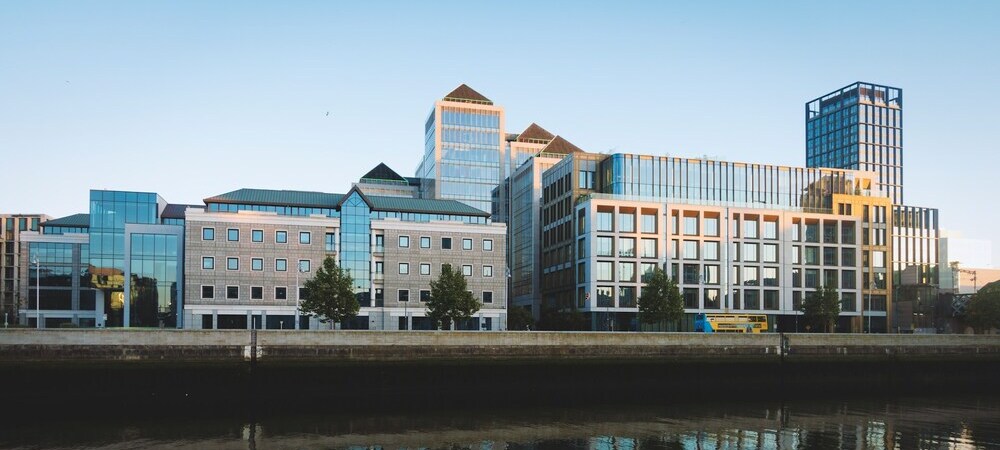
Modern office buildings in Dublin by Jin Gong

+ PRO: Plentiful opportunities for skilled professionals

Dublin is home to the European headquarters of major tech companies like Google, Meta, and Microsoft, as well as a strong financial services sector. Construction is another thriving branch of the Irish economy. If you have the relevant skills and qualifications, you shouldn't struggle to find work.

- CON: Competition for jobs is high, and EU nationals have priority

Working and doing business in Dublin is appealing for many, resulting in a competitive job market. Employers also often have to prove that a role can't be filled by an Irish or EU national before hiring an expat. As a result, it can be difficult to break into certain sectors of the Irish economy.

Working in Dublin
Doing Business in Ireland


Getting around in Dublin

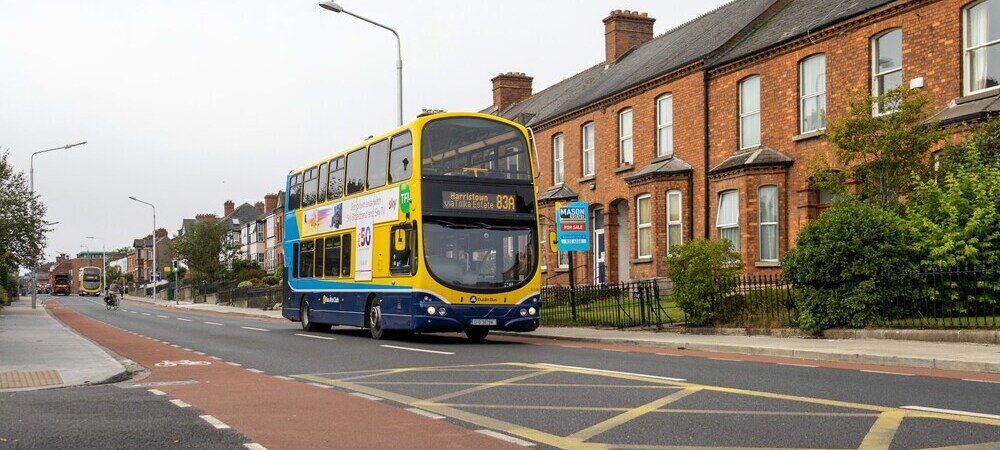
Dublin Bus by Michal Pokorný

+ PRO: Extensive public transport network

Dublin boasts an extensive public transport network that includes buses, trains, trams, and taxis. Dublin Bus operates over 100 routes, while the Dublin Area Rapid Transit (DART) provides an efficient coastal rail service. The Luas trams run frequently, connecting suburbs to the city centre. Taxis are widely available and can be hailed on the street or booked via apps or ride-hailing services like Uber.

- CON: Bad traffic congestion and crowded public transport

Traffic congestion, especially during peak hours, is a major challenge in Dublin. This can lead to longer commute times and overcrowded public transport. Road traffic particularly affects buses, while the DART and Luas systems tend to be unaffected.

+ PRO: Ongoing transport improvements

Dublin is investing heavily in its transport infrastructure. The NTA's Transport Strategy for the Greater Dublin Area includes expanding the Luas network, developing the MetroLink and enhancing the DART system through the DART+ programme. These projects aim to boost public transport capacity and connectivity.

Getting Around in Dublin


Weather in Dublin

Cloudy day in Dublin by Thomas Werneken

- CON: Lots of drizzle and gloomy weather

In all likelihood, you're bound to get fed up with Dublin's famously wet climate at some point. If you're from warmer climes, you'll likely yearn for some sunshine.

+ PRO: Beautiful countryside

Nourished by the rain, Ireland's lush green countryside is the reason the country is known as the Emerald Isle. Scenic views abound near Dublin and beyond, and many of the country's landmarks and geographical features are framed by endless shades of green.

Climate in Dublin


Healthcare in Dublin

A stethoscope and tablets on a table

- CON: Long wait times in public hospitals

While Dublin's public healthcare system is well regarded, long wait times for certain procedures and specialist appointments can be a drawback. Public hospitals typically experience high patient volumes, leading to delays.

+ PRO: High-quality medical services

Dublin offers world-class healthcare facilities, both public and private. Public hospitals usually provide excellent care, particularly in areas like cancer treatment and emergency services. Private hospitals are top choices for shorter waiting times and additional amenities. 

Expats who are ordinarily resident can access public healthcare services and may apply for a medical card or GP visit card. Non-EU expats often opt for private health insurance to ensure comprehensive coverage.

Healthcare and Hospitals in Dublin

Working in Dublin

Dublin has become a significant contributor to the global economy. In addition to its strategic location and easy access to other EU nations, several other factors have made Dublin an attractive business destination, including business tax incentives and a friendly commercial environment. As a result, many international businesses have sprung up, and working in Dublin as an expat is commonplace. You will generally find a happy and vibrant work environment, but also a surprisingly competitive one.


Job market in Dublin

Dublin's job market is strong, with many domestic and international companies hiring foreign talent. Even though Irish and EU workers are frequently prioritised, experience and expertise are likely to improve your chances of finding employment in Dublin.

Roles related to construction, including jobs for conveyancers and building contractors, are in demand in Dublin. Key positions like site engineers and project managers are often filled by foreign professionals. If your qualifications and experience are up to scratch, you're likely a good candidate to land a construction-related job in Dublin.

Dublin’s IT and tech sector is particularly strong, and some of the world's most prominent tech companies – such as Microsoft, Google, Dell, and Amazon – have regional headquarters in the city. The financial sector is also a major employer, with high demand for data analytics, digital transformation, and risk management roles.


Finding a job in Dublin

Top-down view of a person typing on a laptop

If you are looking to work in Ireland’s capital, you'll need to do some homework. The job market in Dublin is dynamic, but you'll still need a fair bit of perseverance and optimism when searching for job prospects, particularly if you're looking for work outside the roles listed on the Critical Skills Occupations List.

Many foreign professionals are relocated to Dublin via internal transfers. If this isn't the case for you, you'll need to research and line up a job. The most promising sectors are IT, AI, accounting and healthcare. Highlighting international experience and in-demand skills can make you a more attractive candidate.

If you're moving to Dublin without a job lined up, you can find work through contacts already in the country. Given Ireland's size, finding work in Dublin is much easier with the help of a local network. If you don't have any contacts, we recommend using online portals and social networks such as LinkedIn, or browsing company websites in your industry for vacancies. Attending industry events and proactively reaching out to companies can also yield results.

Useful links


Work culture in Dublin

Closeup of someone using a laptop while someone seated next to them points at the screen

Irish employers are increasingly focusing on work-life balance. Long hours and weekend overtime are steadily becoming a thing of the past, as companies note the uptick in productivity and employee retention resulting from a balanced work culture.

Irish office culture is quite relaxed, and meetings are frequently informal – sometimes taking place outside the office. Work attire, on the other hand, is generally formal, especially in industries such as finance and engineering. Casual dress codes are more common in the tech and creative sectors. Hierarchies exist, but open communication and idea sharing are the norm. 

If you're from a Western background, you'll have little trouble adapting to the Irish work culture. The environment is typically collaborative, making integration easier.

Cost of living in Dublin

The massive influx of expats and companies in recent times means that the cost of living in Dublin is high. As a relatively small city, Dublin has limited space, and the ramp in demand is causing housing costs, among other expenses, to skyrocket. That said, the average salary in Dublin is quite high, so expats can likely afford to enjoy a high quality of life.


Cost of accommodation in Dublin

The cost of accommodation is likely to be your most significant expense, and you’ll have to consider your budget before deciding where to live. High demand and limited availability mean prices are steep, and competition for quality housing is significant.

Prices are lower further from the city centre, but are generally on the high end of the scale. Once you see something you like and can afford, have your documentation and deposit ready so you can snap it up before someone else does.

Renting Expat Accommodation in Dublin


Cost of transport in Dublin

Dublin is such a compact city that if you choose to stay in its city centre, you may be able to get around on foot. If you prefer not to walk, you can use the city’s extensive public transport network. This includes buses, the DART (Dublin Area Rapid Transit) train, and the Luas light rail system. The city and surrounding areas are also covered by Dublin Bus.

Using public transport regularly can become expensive, so consider purchasing a weekly, monthly, or annual pass to save money. Ride-hailing services like Uber can be used to book taxis, but costs can add up, especially during peak hours or special events.

Driving a car in Dublin is often unnecessary and can be a hassle. Parking is expensive and hard to find, and traffic congestion is common. Due to the city’s compact nature, many residents rely on public transport, walking, and cycling to get around.

Getting Around in Dublin


Cost of groceries in Dublin

Depending on your lifestyle, food can be mildly to very expensive in Dublin. Grocery prices vary between supermarkets. Discount chains like Lidl and Aldi are the more budget-friendly options, while speciality and organic shops are frequently pricier.

Buying fresh seasonal produce is often cheaper than shopping at supermarkets and supports local farmers and grocers. Imported goods, on the other hand, tend to be expensive.


Cost of entertainment and eating out in Dublin

Pubs and restaurants in Dublin can be expensive – a trend to be mindful of, especially if you live a busy social life and enjoy eating out. You’ll need to budget carefully if you indulge in nights out on the town frequently.

On the other hand, affordable entertainment options abound. You can visit St Stephen’s Green or Phoenix Park for free, while the National Museum of Ireland also offers free admission. For more active pursuits, kayaking, hiking, and swimming are possible at little to no cost.

Lifestyle in Dublin 
Sport and Fitness in Dublin


Cost of education in Dublin

Public education in Ireland is free for all children residing in the country, including expats. The high standards in the city’s public schools make them a popular choice. Although tuition is free, expect to pay for uniforms, books, extracurricular activities and field trips.

Private and international schools in Dublin are typically quite costly. If you want your child to follow a specific international curriculum, consider negotiating an education allowance with your employer.

Education and Schools in Dublin 
Best International Schools in Dublin


Cost of healthcare in Dublin

Public healthcare in Dublin is either free or heavily subsidised. Although the public system can experience overcrowding and long wait times, the standard is high. All residents have access to public healthcare, but non-EU citizens may have to pay for some services.

Many expats may still choose private healthcare facilities due to shorter wait times. Negotiating an allowance for private health insurance with your employer can help reduce costs.

Healthcare in Dublin


Cost of living in Dublin chart

Note that prices are in euros (EUR) and may vary depending on location and service provider. The prices listed are the average prices in Dublin for August 2026.

Accommodation (monthly rent)
Three-bedroom apartment in the city centreEUR 3,800
Three-bedroom apartment outside the city centreEUR 2,900
One-bedroom apartment in the city centreEUR 2,100
One-bedroom apartment outside the city centreEUR 1,800
Food and drink
Eggs (dozen)EUR 4.50
Milk (1 litre)EUR 1.50
Rice (1kg)EUR 2
Loaf of white breadEUR 2
Chicken breasts (1kg)EUR 10
Cheese (500g)EUR 6
Eating out
Three-course meal for two at a mid-range restaurantEUR 95
Big Mac MealEUR 11
Coca-Cola (330ml)EUR 2.50
CappuccinoEUR 4.50
Local draft beer (500ml)EUR 7
Utilities/household
Mobile phone monthly plan with calls and dataEUR 20
Internet (uncapped ADSL or cable – average per month)EUR 50
Basic utilities (average per month for a standard household)EUR 250
Transport
Taxi rate (per kilometre)EUR 1.50
Bus/train fare in the city centreEUR 2
Gasoline/petrol (per litre)EUR 1.80

Accommodation in Dublin

Finding reasonably priced accommodation in Dublin is no easy task. Rental costs continue to rise as the city’s real estate market grapples with high demand and limited supply. As many big multinational businesses move their headquarters to Dublin, the demand for and cost of rental properties are skyrocketing. Renting in the city centre, in particular, has become a rather costly affair.

Singles may prefer to be near the action of the city centre, while those with families tend to look further afield towards the suburbs, where space isn’t at such a premium. It really comes down to the type of lifestyle you're interested in. Proximity to transport, schools, economic hubs, sports facilities, parks, and other amenities should also be considered before buying or renting a property.


Areas and suburbs in Dublin
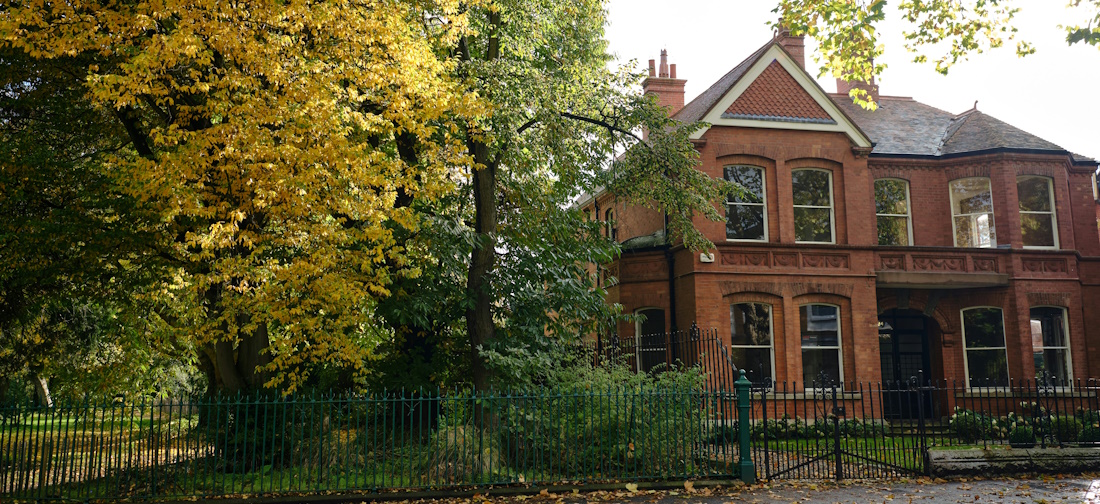
Red Brick Home in Herbert Park, Dublin, by Valerie

Dublin is divided into postal districts, referred to as zones, which are included in all addresses. Generally, the lower the zone number, the closer it is to the city centre. Higher numbers tend to be in suburbs on the city outskirts. So, typically, the higher the zone number, the lower the rent. The city is further divided into north and south by the River Liffey. Zones to the north of the river are odd numbers, while even-numbered zones are to the south.

As in most cities, some areas in Dublin are pricier than others. As a rule of thumb, south Dublin is more expensive than the north, while the city centre mostly offers upmarket apartments and rowhouse options, which come at extremely high prices.

Choosing where to live in Dublin can drastically change your lifestyle. From the laid-back seafront in North Dublin to the hustle and bustle of city-centre living, you can explore diverse areas.

Popular areas include Seapoint, Killiney, Ranelagh, and Clontarf. You might also consider The Liberties, Stoneybatter, Phibsborough, and Drumcondra for their unique atmospheres, ranging from historic charm to trendy, up-and-coming vibes.

Read more about the Best Areas and Suburbs in Dublin.


Types of accommodation in Dublin
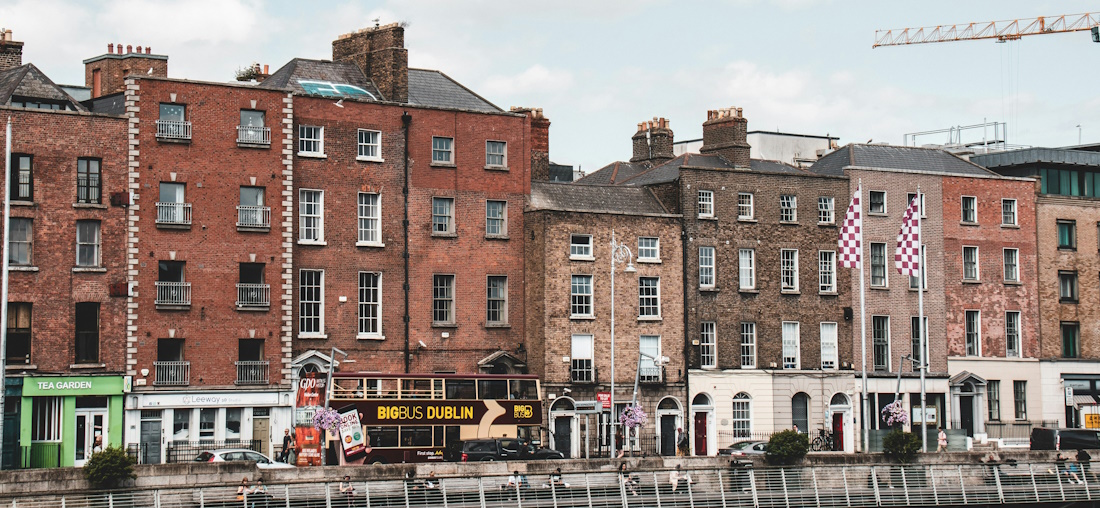
Dublin Rowhouses by Nir Himi

Dublin offers a variety of housing options to suit different needs and lifestyles. The most common types of housing you can expect are apartments and semi-detached rowhouses. Apartments ranging from studios to multi-bedroom units can be found both in the city centre and the suburbs. Terraced and free-standing houses are typically located in the suburbs, offering more space.

City centre properties tend to be smaller and more expensive, but put you right in the heart of the action. Suburban areas offer more space with houses and larger apartments, generally at lower rents, at the cost of a longer commute. Public transport coverage in Dublin is comprehensive, though, making daily trips to and from the office easy. Modern developments with amenities are more common in the suburbs, whereas the city centre has more historic housing.

Freestanding houses are more common towards the city’s outskirts. Older houses and apartments are usually more spacious, while rent tends to be lower the farther away you go from the city centre. Many singles and students in Dublin choose to live in house shares, where you have a bedroom but share the common living areas of the building.

House shares are a cost-effective option, allowing you to save on rent compared to renting on your own. It’s also a great way to meet new people and build relationships. However, it comes with potential downsides, such as reduced privacy.


Finding accommodation in Dublin

Real estate agencies are the most straightforward way to find accommodation in Dublin. They are affordable, too, as landlords are responsible for paying agency fees. Relocation companies are also worth considering – many offer house-hunting in addition to regular packing and moving services.

If you prefer the DIY route, try your luck with online property portals like Rent.ie, Daft.ie, and MyHome.ie. These sites have a large selection of rental listings, allowing you to filter properties by location, price, and size.

Another effective way to find rentals is through word of mouth. Let friends, colleagues, or classmates know you’re looking for a place. Check notice boards at universities, workplaces, or community centres for rental ads. Joining local Facebook groups or scouring Facebook Marketplace are also good options. The rental market in Dublin moves very quickly, so prepare all necessary documentation, such as proof of identity, income, references, and a CV, well in advance.

Useful links


Renting accommodation in Dublin

Making an application

Once you find a potential new home to your taste, submit an application quickly, as there will likely be other interested parties. You'll need to provide proof of identity, proof of income, an employer reference, a previous landlord reference, and your PPS (Personal Public Service) number. Landlords or agents will typically perform background and credit checks, although these aren't legally mandated.

Leases

You can choose between fixed-term and periodic tenancies in most rental properties in Dublin. Fixed-term tenancies cover rental for a set period as specified in the lease, and the landlord typically cannot end the tenancy before the end of the fixed term unless both parties agree or one party breaches the lease. Periodic tenancies do not have a fixed end date and run week-to-week or month-to-month. This type gives both landlord and tenant the right to end the tenancy with appropriate notice.

Deposits and fees

Rental deposits in Dublin are capped at one month's rent, and the landlord can only ask for a rental advance of one month's rent. To ensure you get your deposit back in full, thoroughly clean the property and remove all your belongings before moving out. Take dated photos to document the property’s condition, request initial and final inspections with the landlord/agent, provide forwarding address details and pay all outstanding rent and utility bills.

Landlords can make deductions from the deposit for rent arrears, damage beyond normal wear and tear and unpaid utility bills. They must provide receipts or invoices to justify any deductions.

Terminating the lease

If you decide to end your lease early in Dublin, you’ll generally need to give written notice of at least 90 days, though the exact period depends on how long you’ve lived in the property (ranging from 28 days for under six months to 224 days for over eight years). If your contract doesn't include a break clause, you'll likely be liable for rent until the lease expires. 

Read Accommodation in Ireland for more on rental policies in the country.  

Useful links


Utilities in Dublin

Wooden blocks and a wooden house visualising utilities in Dublin

Utilities in Ireland are simply referred to as 'the bills', so it's essential to keep this in mind when moving to Dublin. To lower your utility costs in Dublin, consider switching to a cheaper electricity or gas supplier using price comparison sites. Improve your home’s energy efficiency with insulation, LED lights and energy-saving appliances. Monitor your usage with a real-time display and make behavioural changes to reduce consumption. You may also be eligible for government grants for home upgrades.

Electricity

The Electricity Supply Board is the main electricity supplier in Ireland and is responsible for maintaining and operating the grid, while companies like Electric Ireland, Bord Gáis Energy, and Energia retail electricity. The standard voltage in Ireland is 230V AC, and the cost of electricity is relatively high. Costs are based on the number of units used, and usage during off-peak hours costs less than during peak hours.

You can pay for electricity online through your supplier’s website or app, by direct debit from your bank account, or at Payzone shops.

Gas

Gas is commonly used for cooking and heating in Dublin. Customers receive their supply through an underground pipe network managed by Gas Networks Ireland. Although one company manages the network, you can choose your own gas provider. Most electricity providers also offer gas services. Paying for gas is similar to paying for electricity.

Water

Uisce Éireann (Irish Water) supplies water in Dublin. There are no direct charges for standard domestic water use in Dublin. Fees are only applied for excessive use of over 213,000 litres per year.

Bins and recycling

Waste removal in Dublin is privatised. Charges for waste removal vary from area to area. Most houses or apartment buildings use a system of coloured bins to separate recyclables from other rubbish. Recycling bins are provided for glass, cans, plastic, paper and cardboard. Bring banks are available for bottles, textiles and green waste, while recycling centres accept bulky items, batteries, and more. 

Useful links

Areas and suburbs in Dublin

The best places to live in Dublin

As with all cities, the areas and suburbs in Dublin that you choose to live in can completely change your lifestyle. From the laid-back beaches in North Dublin to the hustle and bustle of city-centre living, there are many areas for you to pick from.

When deciding where to settle in Dublin, you should consider the area's proximity to your workplace, good schools and public transport. Traffic is surprisingly heavy for such a small city, and commutes of an hour or more both ways are not unheard of.

While popular areas like Seapoint, Killiney, Ranelagh and Clontarf are well-known, you might also consider The Liberties, Stoneybatter, Phibsborough and Drumcondra. These neighbourhoods offer unique atmospheres, from historic charm to trendy, up-and-coming vibes.

Dublin has also seen significant changes recently. Increased diversity has brought new cultures and cuisines to the city. As a hub for tech and innovation, Dublin attracts young professionals, and sustainability efforts promoting cycling, public transport use, and green spaces are popping up everywhere. However, housing costs have risen, making city-centre living a challenge.

Below are some of the best areas and suburbs in Dublin. 


Seaside areas in Dublin

Seapoint, Dublin by Guiseppe Milo

Seapoint

Seapoint Beach is a fantastic place to live. It’s perfect for swimming and features the historic Martello Tower, which offers great views. The area tends to be pricier than the city centre, but there are beautifully restored Georgian properties if you prefer to rent a house rather than an apartment. The DART service connects you conveniently to central Dublin every 15 to 20 minutes during peak hours.

One benefit of living close to the beach is being able to walk or swim every morning. On Sundays, enjoy regular community events like the Dún Laoghaire Harbour Festival and the Dún Laoghaire Market.

Killiney

Killiney offers stunning natural scenery, with Killiney Hill Park providing vistas of Bray Head, the Wicklow Mountains and Dublin Bay. Killiney Beach curves inward with dramatic peaks of the Sugarloaf Mountains in the background. It’s a more expensive area, but you’ll find beautifully restored Georgian homes. The DART service connects Killiney to central Dublin, making commuting easier. Living here means you can enjoy the picturesque setting and vibrant community, though at a higher cost than other parts of Dublin.

Howth

Howth marks the beginning of the northern beaches. It’s a beautiful area with a strong sense of community. The DART service connects Howth to central Dublin. It’s a great place to live if you enjoy outdoor activities and the seaside atmosphere.

Howth offers a range of activities, including sailing, swimming, and walking along the seafront. It’s a safe area, but be cautious of slippery rocks and always lock your vehicle when visiting the beach.

Malahide

Malahide is another excellent seaside area with a welcoming community, making it ideal for families. As with other seaside areas, DART links the neighbourhood to the rest of the city. Malahide is known for its beautiful coastline and vibrant community events. The area is generally safe, but it’s always wise to be aware of your surroundings, especially at night.


Upmarket suburbs in Dublin

Ranelagh, Dublin by William Murphy

Ranelagh

Located on the south side, Ranelagh is a favourite among expats. It’s just 10 minutes from the city centre and has exceptional public transport links. The area boasts a lively nightlife, with plenty of bars and restaurants. Parks like St Stephen's Green are also plentiful. Houses here are beautiful, spacious and perfect if you want a garden, parking, and privacy.

Clontarf

Clontarf, situated on the north side, is another popular choice. Like Ranelagh, it’s close to the city centre and offers good public transport. Clontarf has a more relaxed vibe with a strong community feel. The nightlife is lively too, and there are beautiful houses with ample space for families. The Bull Wall seafront promenade is a major draw – you can walk, run, or just take in the smell of the ocean from this five-kilometre-long sea wall.

Ballsbridge

Ballsbridge caters to a more settled crowd. It’s home to many embassies and exudes an upscale, sophisticated atmosphere. With its location near the picturesque River Liffey, Ballsbridge is known for its elegant houses and green spaces. It’s a bit quieter but offers a high standard of living. Thanks to the abundance of restaurants, cafés, and high-end boutiques, it's easy to find something to do without leaving the neighbourhood. It's worth noting, though, that Ballsbridge is one of the most expensive areas in Dublin.

Donnybrook

Donnybrook, close to Ballsbridge, is another upmarket suburb. It has a similar ambience to Ballsbridge with high-end homes and a more tranquil setting. Yet, the closer you get to Baggot Street, the livelier it becomes. It’s perfect if you want a combination of peace and proximity to city amenities and nightlife.


City life in Central Dublin

Smithfield, Dublin by William Murphy

Smithfield

Smithfield has become one of Dublin's most desirable areas. It's currently undergoing significant development, including the revitalisation of Smithfield Square and the conversion of The Chocolate Factory into a mixed-use space. These projects enhance the area's charm and the practicality of living here.

Renting in Smithfield can be pricey, higher than in some other central areas, but less than in places like Ballsbridge. The variety of shops and services is impressive, from independent boutiques and high-street brands to vibrant restaurants, cafés and bars.

The Luas tram line ensures efficient and convenient travel. Trams run frequently, and the network connects seamlessly with other public transport services, making commuting around Dublin straightforward.

Temple Bar

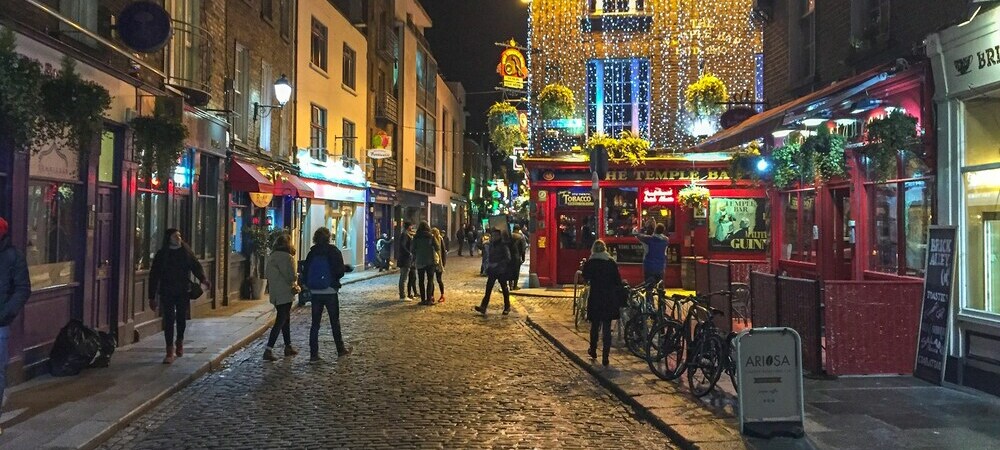
If you want to be immersed in Dublin's nightlife and cultural attractions, consider the famous Temple Bar area. Housing here is likely to be expensive and compact, but the neighbourhood's central location, plethora of lifestyle offerings, and charming cobblestone streets tend to make up for the high rents and the swaths of tourists who pass through Temple Bar at all times of the year.

Healthcare in Dublin

Healthcare in Dublin is well regarded, and the city's hospitals offer quality care and treatment. Ireland's healthcare scheme gives you free or subsidised access if you stay in or plan to reside in Ireland for one year or more. Nationals of EU countries have similar benefits when they hold a valid European Health Insurance Card (EHIC) or a UK Global Health Insurance Card (GHIC).

Usually, a general practitioner will first recommend that you receive care in a hospital. You need a GP referral to avoid charges for hospital treatment. Waiting lists for treatment can become long, even for urgent care. This has led many locals and newcomers to opt for private insurance.

Private medical insurance in Ireland gives you access to private hospitals and medical facilities with shorter wait times. Ensure your overseas insurance is accepted by contacting your insurer and confirming coverage in Ireland.

Many companies in Dublin offer private insurance. If you prefer private healthcare, we recommend negotiating with your employer for at least a healthcare subsidy before arriving in Dublin.

Read more about Healthcare and Health Insurance in Ireland.


Hospitals in Dublin

Healthcare professionals in a hospital setting, with a doctor in a white coat holding a stethoscope and a nurse standing with arms crossed, both in a blurred medical background.

Beaumont Hospital

Website: www.beaumont.ie
Address: Beaumont Road, Beaumont, Dublin 9

Children's Health Ireland Temple Street

Website: www.childrenshealthireland.ide
Address: 1 Temple Street, North City, Dublin 1

Mater Misericordiae University Hospital

Website: www.mater.ie
Address: Eccles Street, Inns Quay, Dublin 7

St James's Hospital

Website: www.stjames.ie
Address: James’s Street, Ushers, Dublin 8

St Luke's Hospital

Website: www.stlukesnetwork.ie
Address: Oakland Drive, Highfield Road, Dublin 6

St Vincent's University Hospital

Website: www.stvincents.ie
Address: Elm Park, Merrion Road, Dublin 4

Education and Schools in Dublin

Schooling in Ireland is compulsory from the ages of six to 16, and for many parents, the prospect of finding the perfect education and schools in Dublin for their children can be daunting. However, it should come as some comfort that almost all public schools in Ireland teach in English and that all children in Ireland have the right to free education, including expat children.

That said, many expats still prefer to enrol their children in one of Dublin's international schools so that they can continue with a familiar curriculum in their mother tongue. Many private schools, often those teaching the Irish national curriculum through a religious lens, are also available.


Public schools in Dublin

Children in a public school in Dublin

Public schooling in Dublin is of an excellent standard. By law, any child in Dublin can attend a state-funded school regardless of their visa status, and they can do so for free. In practice, finding a state school in Dublin can be more difficult than it appears on paper. Many of the schools in Dublin are full, with little space for new enrolments. Primary schools, in particular, can be oversubscribed and often have fairly large class sizes.

Large class sizes are directly related to funding shortages in the education sector. You can get around issues with class sizes by finding smaller local schools or specialised schools that focus on a particular core subject area. For instance, some schools in Dublin focus on Science, Technology, Engineering, Arts, and Mathematics (STEAM) education, providing a holistic learning experience.

When a school reaches capacity, the remaining children are placed on waiting lists. While the use of a first-come, first-served basis for school admissions is banned, schools still need to publish and follow strict admissions policies. These policies may prioritise factors such as proximity to the school, siblings already attending, and staff members' children.

To improve your child's chances of getting into a preferred school, apply as early as possible, understand the admissions policy and provide all required documentation. If your preferred school is full, consider other state-funded schools in your area.

It is highly recommended that you contact local schools before arriving if you have decided on an area to live in.

Useful links


Private schools in Dublin

Dublin is home to the highest number of private schools in Ireland. These schools are privately funded and therefore aren't directly subject to state mandates, although they are still overseen by the Department of Education, and are likely to teach the Irish national curriculum. Many are single-sex schools with religious affiliations, often offering boarding facilities.

Private schools offer more flexibility in their curriculum and can be more selective in their admissions process. They often have better facilities and resources, such as smaller class sizes, specialised programmes and extensive extracurricular activities.

Boarding schools provide a comprehensive educational experience, with students living on campus and participating in a range of curricular and extracurricular activities. Boarding facilities generally offer a safe and structured environment with 24-hour supervision and support.

If you are on a budget, be aware that private schools can be costly. Besides tuition fees, expect to pay for uniforms, books, field trips, meals, and possibly transport.


International schools in Dublin

Many expats choose to have their children continue with the curriculum from their home country in one of the excellent international schools in Dublin. These schools offer top-rate education and follow internationally recognised curricula like the International Baccalaureate (IB) or the International General Certificate of Secondary Education (IGCSE). This makes transitioning between countries easier and helps with university admissions.

International schools in Dublin provide a diverse, multilingual, and multicultural environment, helping students develop global perspectives and language skills. They often have strong university counselling programmes, guiding students through the application process for universities worldwide. Additionally, they offer a wide range of extracurricular activities, which help students develop well-rounded skills and interests.

These schools usually have long waiting lists, so applying as soon as possible is advisable. If your family moves unexpectedly to Dublin, your children can attend public school while waiting to enrol in an international school.

To improve your chances of acceptance, apply early, highlight your child's achievements, and attend open house events. Prepare for entrance exams and tailor your application to showcase your child's unique qualities and alignment with the school's values.

International Schools in Dublin

Useful links


Preschools and childcare in Dublin

As compulsory primary education only starts at the age of six, your child is not required to attend preschool in Ireland. The minimum age for preschool is two years and eight months old. Primary schools often offer preschool education in the form of 'infant classes' for children between four and five years old.

Childcare in Dublin is widely available but often comes at a high cost. To ease your expenses, the government manages the Early Childhood Care and Education (ECCE) Scheme. This provides free preschool education and childcare at certain approved centres. If you opt not to use the ECCE Scheme, you'll be subject to the full cost of fees.

When choosing a preschool or childcare centre in Dublin, consider factors such as quality and reputation, location and accessibility, curriculum and educational approach, facilities and amenities, staff and teacher qualifications and cost and financial assistance.

Useful links


Tertiary education in Dublin

For a relatively small city, Dublin has a great range of universities and colleges covering every conceivable course. You can choose from the historical Trinity College or more newly established colleges like Griffith College. Be sure to explore your options thoroughly before making a decision.

Consider factors like academic programmes, campus life, tuition fees, and student support services when choosing a university. It's also a good idea to look into the university's reputation, facilities, and employability rates of graduates. Many universities offer strong alumni networks, which can be valuable for career opportunities.

Some expats with ties to the EEA may be eligible for the Free Fees Initiative. This programme covers the tuition fees for eligible full-time undergraduate students. To qualify, you need to be an EU/EEA/Swiss national or have a specific immigration status and meet residency requirements. You'll still need to pay a student contribution charge.

Non-EU nationals face higher tuition fees, but these can be manageable compared to fees in other countries like the United States. Scholarships and financial aid programmes may be available, so research these options thoroughly to plan your finances.


Special educational needs in Dublin

All children in Ireland with disabilities and children with special needs have the constitutional right to free education up to the age of 18. The Irish policy is to provide special-needs education in mainstream schools as far as possible and to educate children with special educational needs in an inclusive setting. Other options are considered when it's not in your child's best interests or if it could hinder the provision of education for other children in mainstream schools. 

Special national schools provide education specifically for children with moderate to severe intellectual disabilities. A range of these institutions is available in Dublin. Examples include St. Vincent's Special National School and Abacas Special School Kilbarrack. There are also special schools focusing on specific needs, such as autism and physical disabilities, like Setanta Special School and St. Michael's House Special National Schools.

Many mainstream schools in Dublin have dedicated classes or units that provide additional support for children with special needs. These schools can also receive funding for resource teachers and special-needs assistants to support children in the classroom.

The decision on whether your child should be educated in a mainstream or special school depends on factors like the severity of their needs, their ability to participate in the curriculum, and the availability of support in mainstream schools. Parental preference is also considered in the placement process.

Useful links


Tutors in Dublin

Children arriving in a new city are often daunted by the uncertainty and unfamiliarity of their new surroundings. Expat children stand to benefit a great deal from a dedicated tutor who assists with academics and provides a helping hand settling in and building confidence. If your children aren’t fluent in English, they will find particular value in an English language tutor.

Dublin has a huge array of tutors to choose from, specialising in various subjects and age groups. Look for tutors with relevant teaching qualifications, experience, and a track record of success. Ensure the tutor's teaching style aligns with your child's learning needs. Consider their availability and ability to fit in with your child's schedule.

A tutor can help your child adjust to a new educational environment by familiarising them with the curriculum, developing study skills, providing emotional support, bridging learning gaps, and enhancing their confidence. Common subjects for tutoring include mathematics, English, science, humanities, and foreign languages. Tutors cater to various age groups, from primary school to university level.

Useful links

International Schools in Dublin

There are a few good options for international schools in Dublin, but the selection is noticeably smaller than in other major European cities. The main reason is that the Irish public education system offers free, high-quality education to all children living in the country, and many expats choose to send their children to local public schools.

Nevertheless, if you prefer to send your children to an international school in the city, you still have a number of excellent institutions to pick from.


International schools in Dublin

Smiling children in an International school in Dublin

Nord Anglia International School Dublin

NAIS Dublin is Ireland's newest IB World School and is the only school in Ireland to unite an international curriculum with world-class learning opportunities and global experiences that enable students to achieve more than they ever thought possible. Read more

Gender: Co-educational
Curriculum: International Baccalaureate
Ages: 3 to 18

SEK International School Dublin

SEK-Dublin is part of SEK Education Group, which was founded in 1892 and has more than 10 international schools throughout Ireland, France, Qatar, and Spain. The school offers boarding facilities to ensure your child can experience an international environment where academic success and high-performance extracurricular activities thrive. Read more

Gender: Co-educational
Curriculum: International Baccalaureate
Ages: 12 to 18

International School of Dublin

Established in 2007, the International School of Dublin (ISD) is Ireland's first accredited International Baccalaureate (IB) World Primary School. This culturally diverse, private and non-denominational school offers a progressive learning environment where small class sizes and inquiry-based teaching foster internationally-minded citizens.

Gender: Co-educational
Curriculum: International Baccalaureate
Age: 3 to 12
Website: www.internationalschooldublin.ie

Lycée Français International Samuel Beckett

For over 50 years, the Lycée Français International Samuel Beckett has offered the French curriculum from preschool to the French Baccalaureate in Ireland. Recognised by both the French Ministry of National Education and the Irish Department of Education and Skills, this bilingual, co-educational school fosters global citizenship through its inclusive and multicultural environment.

Gender: Co-educational
Curriculum: French
Ages: 3 to 18
Website: www.lfi.ie

St Andrew’s College Dublin

St Andrew's College Dublin offers a well-rounded education from Junior Infants to the Leaving Certificate, fostering academic excellence and personal development. Known for its vibrant community and broad curriculum, the college prepares students to become successful global citizens with a strong moral compass and a lifelong love of learning.

Gender: Co-educational
Curriculum: Irish and International Baccalaureate
Ages: 4 to 18
Website: www.sac.ie

St. Kilian’s Deutsche Schule Dublin

St. Kilian’s German School in south Dublin offers a unique educational experience, combining Irish and German curricula for children aged 4 to 18. Welcoming students of all nationalities, the school focuses on German language proficiency while preparing students for the Junior and Leaving Certificate, as well as German Sprachdiplom and Sek-I examinations.

Gender: Co-educational
Curriculum: German and Irish
Ages: 4 to 18
Website: www.kilians.com

Lifestyle in Dublin

A friendly city with international status and local charm, Dublin's array of attractions and activities has something for everyone. The lifestyle in Dublin is characterised by high energy and clean living, offering you an excellent quality of life. If you're after a pint, you'll certainly have no shortage of lively pubs or fellow local revellers to frequent them with.

There are also plenty of opportunities for shopping in Dublin, along with a slew of historical attractions, trendy eateries, good entertainment venues, sports facilities, spas, and annual events


Shopping in Dublin

Stephen's Green Mall by Juho Luomala

There are ample opportunities for shopping in Dublin. Grafton Street and Henry Street are considered Dublin's main shopping areas and are conveniently a short 15-minute walk apart. High-end boutiques and designer shops abound in Grafton Street, while Henry Street offers more affordable options.

Head to Stephen's Green Shopping Centre for striking Victorian-inspired architecture and a range of shops, or Jervis Shopping Centre (on Henry Street) for clothing, cosmetics, jewellery, and electronic goods. Those after a more comprehensive range of retail outlets can head to western Dublin and the Blanchardstown Centre – the largest mall in Ireland.


Markets in Dublin

You will find open-air markets taking place almost every day of the week. You won't miss food from home for too long, as artisan stalls cater to every national food group possible. Despite the glam shopping streets, Dubliners still find time to browse clothing markets, too. 

Howth Market is open every weekend and bank holidays, offering fresh organic produce, homemade baked goods, handmade jewellery, and antiques. Moore Street Market is a weekday vegetable and fruit market, perfect for grabbing fresh, healthy produce. Dún Laoghaire People's Park Market on Sundays is another favourite, with more than 50 vendors and a great atmosphere. The Blackrock Market is another essential shopping spot, stocking local souvenirs, crafts, delicious food, antiques, and vintage clothing.


Entertainment and nightlife in Dublin

Beer taps in a Dublin pub by George Bakos

If there's one thing the Irish are known for, it’s enjoying a good drink. This reputation is rooted in Dublin's lively nightlife scene. With a plethora of pubs, you will have no problem finding a local haunt for a post-work pint. 

For a night out, head to the Temple Bar District, where clubs, lounges, and live music fill the streets. While not as vast as London or New York, Dublin's nightlife boasts a compact and walkable area with a cosy, welcoming vibe.


Sports and outdoor activities in Dublin

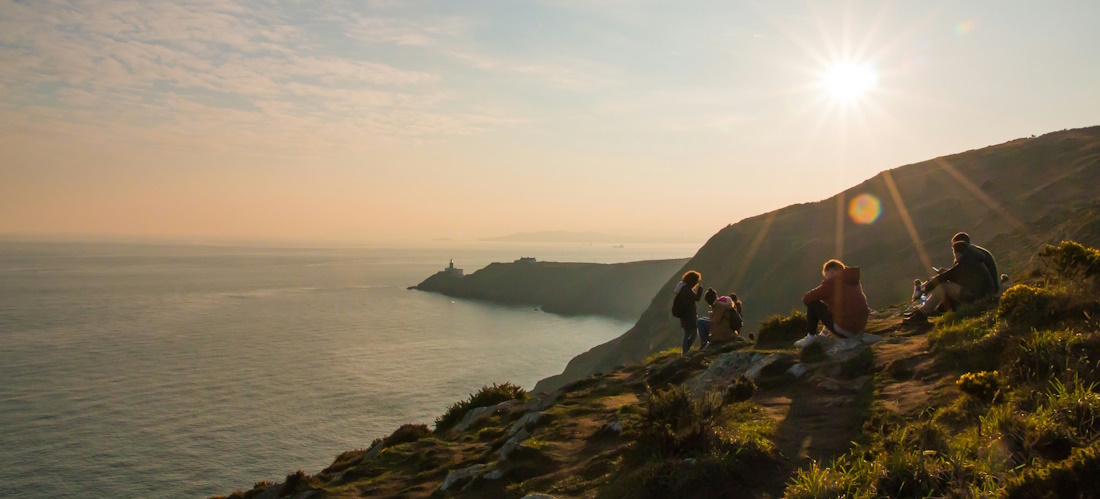
Hikers on the Howth Cliffs by Adam Markon

Dublin offers a wide selection of outdoor activities sure to appeal to you if you prefer fresh air and green fields. The sprawling grounds of Phoenix Park are perfect for a stroll, and you may spot wild deer roaming. The park also features historical monuments like the Wellington Testimonial and the Papal Cross. Visit the Victorian People's Gardens within the park for a more relaxed day.

Sporting types can round up some friends to play ancient Irish sports at Experience Gaelic Games. If you're after something at a slower pace, you can cruise down the River Liffey or hire a kayak of your own. There are also plenty of options for maintaining your fitness, including hiking, cycling along the Grand Canal Greenway, and surfing in Dublin Bay.

Some top activities worth trying include biking around Phoenix Park, taking a coastal walk along the Howth or Bray cliff paths, hiking in the Dublin Mountains, and attending a Gaelic games match. These activities showcase Dublin's natural beauty, rich history, and unique culture.


Meeting people and making friends in Dublin

Arriving in a new city and not knowing a soul there is daunting, to say the least. It can be difficult to figure out where to start meeting people. Joining local clubs and societies is a sure-fire way to meet like-minded people. Here are a few recommendations.

Mountaineering Ireland

If you're looking to explore the Irish outdoors, check out Mountaineering Ireland, which holds regular events around the country for all levels of hikers. This is a great way to get fit, take in some fresh air, and meet people from all hikes of life.

Dublin Dogos

If you're looking to combine sports and socialising, Dublin Dogos RFC rugby club is a perfect choice. Established as a hub for expats and locals alike, the club prides itself on being a melting pot of cultures united by the love of rugby. Whether you're a beginner or an experienced player, Dublin Dogos offers a welcoming environment where integration and camaraderie are as integral to the team as the sport itself. The club’s signature '3rd halves' provide a unique opportunity to enjoy post-match meals and forge lasting friendships, embodying their motto: One Club, All Countries.

United Arts Club

Culture vultures will be in seventh heaven at United Arts Club (UAC). The club focuses on nine arts – literature, music, dance, theatre, drawing, painting, photography, sculpture, and architecture. With WB Yeats himself being among the club's founding members, the UAC has a suitably illustrious history.

International Women's Club of Dublin

With more than 300 members of over 60 nationalities, the International Women's Club is a great place to meet fellow expats from around the world. The club's self-professed aim is to welcome and assist new arrivals and their families, as well as to further members' understanding of Ireland. Club activities include language conversation groups, book clubs, cooking demonstrations, coffee mornings, Zumba, and more.

Sport and fitness in Dublin

Initially, you may find it challenging to stay fit in Dublin with the temptation to overindulge in frothy Guinness or calorie-rich full Irish breakfasts. However, once settled in and over the euphoria commonly attached to arriving in a new destination, you will find opportunities for engaging in sport and fitness in Dublin around just about every corner, both indoors and out.


Outdoor sports in Dublin

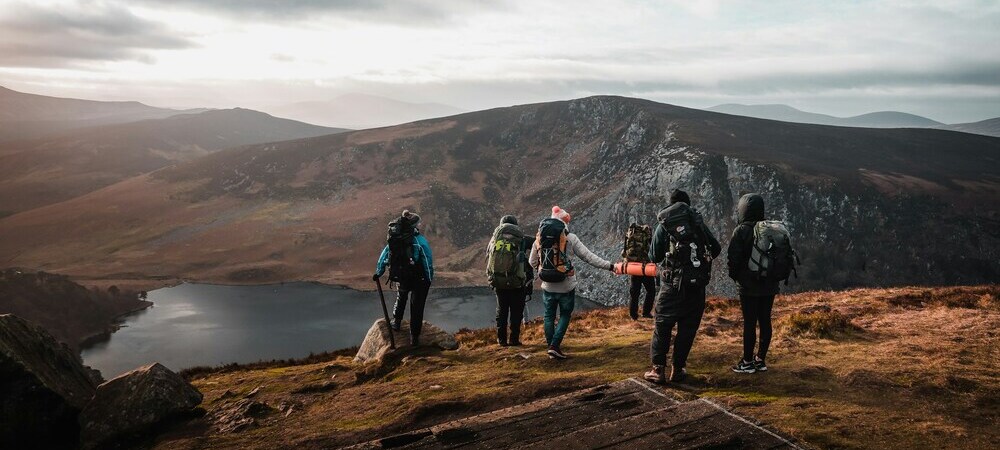
Hikers near Lough Tay in the Wicklow Mountains by Gregory DALLEAU

Dublin's weather can be unpredictable, often grey, and rainy. Check the forecast and dress in layers with waterproof outerwear. Many outdoor activities like hiking, cycling, and water sports can still be enjoyed in light rain.

If you love hiking, the Wicklow Mountains near Dublin are perfect for day-long hikes that aren't overly strenuous. Popular trails include Glendalough and the Spinc, as well as the Bray to Greystones Cliff Walk. Try kayaking on the River Liffey, passing iconic landmarks like the Ha'penny Bridge and Custom House, or guided trips through the Strawberry Beds in Lucan for a unique perspective.

Dollymount Strand on Dublin Bay is a vibrant spot for kite surfers and dog walkers. The wide sandy beach is ideal for kite surfing when conditions are right. Cycling enthusiasts will appreciate the well-developed bike paths and greenways around the city.

While Dublin itself doesn't have the best surfing conditions, the west coast of Ireland offers some of the best surfing in Europe. Donegal and Clare are popular for their consistent waves. In Dublin, Dollymount Strand occasionally has surfable waves.


Gym memberships in Dublin

Gym membership prices in Dublin have become more affordable. While larger gyms used to dominate, lower-cost chains like Flyefit and Ben Dunne Gyms have expanded. Large gyms still often require 12-month contracts, but smaller gyms tend to offer six- or even three-month contracts. Pay-as-you-go options are also available, like the YMCA in Dublin, allowing access without a long-term commitment.

Dublin gyms offer a variety of fitness classes, including high-intensity interval training (HIIT), yoga, Pilates, spin classes, and dance-based workouts like Zumba. The most beneficial classes depend on your fitness goals.

Access to an indoor swimming pool can be important, especially during colder months. Swimming provides a low-impact, full-body workout. Larger gym chains and leisure centres are more likely to have pools.

Review the contract terms carefully when signing up for a gym membership and be prepared to negotiate. Ask about hidden fees and cancellation policies, and try to get shorter contract terms. Some gyms may waive the joining fee or offer discounts for students, seniors, or corporate plans.

Useful links


Team sports in Dublin

Deciding on a team sport in Dublin can be a challenge with so many options. Tag rugby and touch rugby are growing in popularity, and Gaelic football is a favourite for football fanatics.

Soccer, hockey, volleyball, and basketball are also available. For information on indoor sports, check with your local parish hall or community centre.

Useful links

Weekend breaks in Dublin

Taking a weekend break from Dublin is a wonderful way to recharge and explore Ireland. While Dublin itself offers endless charm, the bustle of the Irish capital can leave residents and visitors alike craving a change of scenery. There are plenty of opportunities to discover Ireland's countryside, coastal towns, and historic sites just a short journey away. Dublin is just a few hours' drive from the beaches of Donegal, the nightlife of Belfast, the country roads of West Cork, or the festivals of Galway.


Weekend breaks from Dublin

Belfast

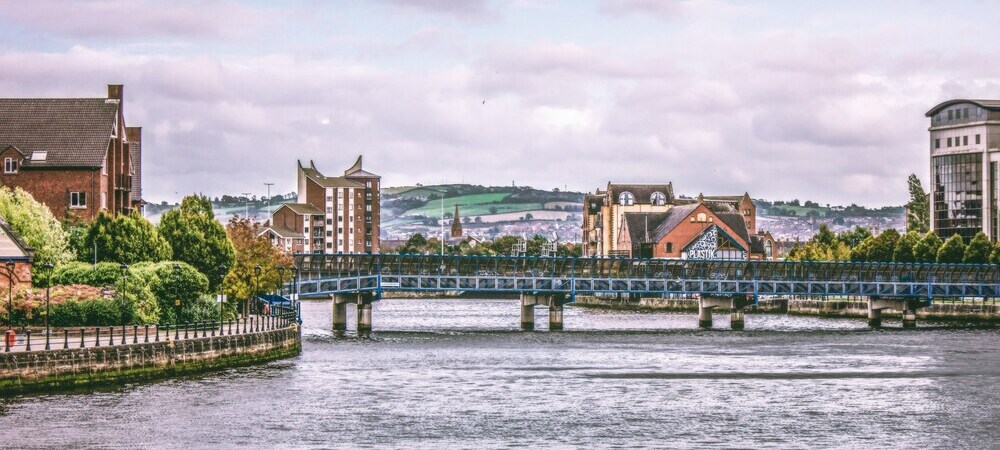
Belfast in neighbouring Northern Ireland has a turbulent political history that has long overshadowed its many attractions. Still, if you travel there, you'll find a welcoming city and an active nightlife. The compact city centre allows easy access to attractions like the Opera House and the Giant Wheel.

Cork

Cork City has plenty to offer, like a climb of St Anne’s Church Tower to ring the famous Bells of Shandon or a walk out to the Glucksman Gallery. The city centre lines up along the River Lee, making it easy to orient yourself, though getting lost in this city has its own charm. Annual highlights include the Guinness Jazz Festival, the Midsummer Festival, and the International Choral Festival.

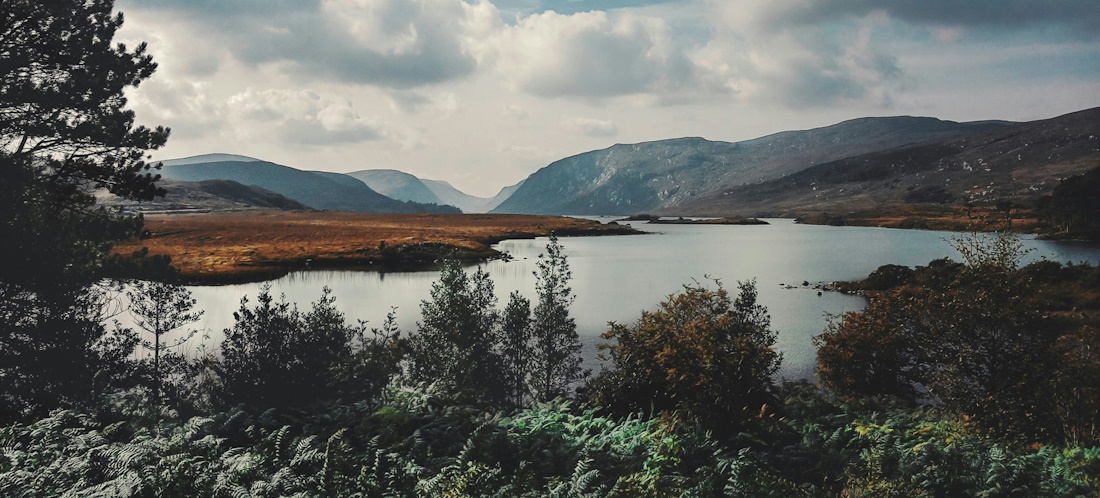
Looking out over Lough Beagh to the Glenveagh Mountains in County Donegal by K Mitch Hodge

Donegal

Donegal's mountainous wilds are among the country's most beautiful areas. Whether you're a surfer, kayaker, hiker or tourist, you will find something to enjoy in this county all year round. Towns like Bundoran offer all the typical summer entertainment, while the Blue Stack Mountains are perfect for getting away from city smog. You can find some of the best surf breaks in Europe along the western coast between Donegal and Clare.

Galway

The City of the Tribes spreads across and around Galway Bay, with winding medieval streets to draw you in. Summer sees some of Ireland’s largest festivals, with Galway Races well known for scenes of indulgence. The Oyster Festival and the Arts Festival cater to a different crowd, but all are perfect for getting to know Galway and its people.

Kids and Family in Dublin

Living with kids and family in Dublin is generally enjoyable, even if you encounter the occasional challenge. Children here quickly adapt to the rhythm of city life and quickly enjoy the many parks and playgrounds scattered across the suburbs. For newcomers, Dublin can feel lively and energetic, but rarely overwhelming.

There is a wealth of activities to keep little ones entertained – from castles and museums to theatres and green spaces. Dublin offers a supportive environment for raising children, while still giving youngsters the excitement of growing up in a vibrant, dynamic city.


Challenges for expat parents in Dublin

Busy Dublin street by NIR HIMI

Settling into family life in Dublin can bring its share of challenges for expat parents. Navigating the Irish capital – from registering with the Health Service Executive (HSE) to finding the right school – can feel complex and time consuming, especially for those new to the country.

Finding accommodation can be another roadblock, with demand for family-friendly homes often outstripping supply. Balancing proximity to school and work requires careful planning, and competition for properties can be intense. Connecting with local estate agents is a well-trodden path to finding the right place to stay, while expat networks can make the transition smoother.

Visas and Residence Permits for Ireland
Finding Accommodation in Dublin
Family-Friendly Areas and Suburbs in Dublin


Education in Dublin

Children in a school in Dublin

Education is an important topic to think about when relocating to Dublin with children. The city offers a wide range of schooling options, including public, private, and international schools. Those coming from English-speaking countries are likely to have an easier time, while families with other mother tongues may have more limited options. The quality of education in Dublin is generally high, but it still pays to research and compare schools thoroughly. The availability of extracurriculars is an important consideration, as sports, arts, and cultural activities can help children make friends and assimilate more easily.

Education and Schools in Dublin
Popular International Schools in Dublin


Parent networks and playgroups in Dublin

If you are new to the city and looking to make friends, parent networks are a great option. Find them on social media, at local community centres, or on online platforms like Meetup. Playgroups are also a popular way for parents and children alike to find some new friends in Dublin. There are loads of playgroups to choose from, so it should be easy for you to find one in your neighbourhood. When looking for local playgroups, your local school may be able to offer some recommendations – otherwise, there are plenty of directories online that list Dublin's playgroups.

Lifestyle in Dublin


Entertainment for kids in Dublin

When it’s not raining, pack a picnic and head down to Phoenix Park or St Stephen's Green, or take your kids to the Dublin Zoo to meet their favourite animals. Phoenix Park is perfect for picnics, woodland walks, and exploring historical sites like Ashtown Castle and the Victorian Kitchen Walled Garden. St Stephen's Green offers a lovely fenced-in playground and a sensory garden for the visually impaired.

The Viking Splash Tour is a great way for your little ones to discover their new city. Travelling in an amphibious vehicle, these tours are over land and water. They depart from St Stephen's Green North and take about 75 minutes, during which a 'Viking' entertains passengers and points out all the city's major attractions.

Another popular attraction for your youngsters is The Ark, a purpose-built kids' theatre and exhibition space in the cultural neighbourhood of Temple Bar. It hosts theatre, music, dance productions, and workshops for kids.

The Chocolate Warehouse is a dream come true for chocolate-loving children. Kids can take tours of the factory's machinery, learn about the history of chocolate, take part in fascinating chocolate workshops and of course, sample plenty of it along the way. The venue also hosts birthday parties, special events, and seasonal events around Christmas and Easter, with strict safety measures in place.

Useful links

See and Do in Dublin

With the city's many attractions and fascinating history, you'll certainly have no shortage of exciting things to see and do in Dublin.

Sightseeing the classic tourist attractions is a great way for new arrivals to get to know their adopted city. A good way to learn more about local history while saving money is the Dublin Pass, the city's official digital sightseeing card, which offers discounted access to many of the best attractions in the area.

Below, we list some of the most popular attractions in the Irish capital.


Attractions in Dublin

Dublin Castle by Alexandra Mitache

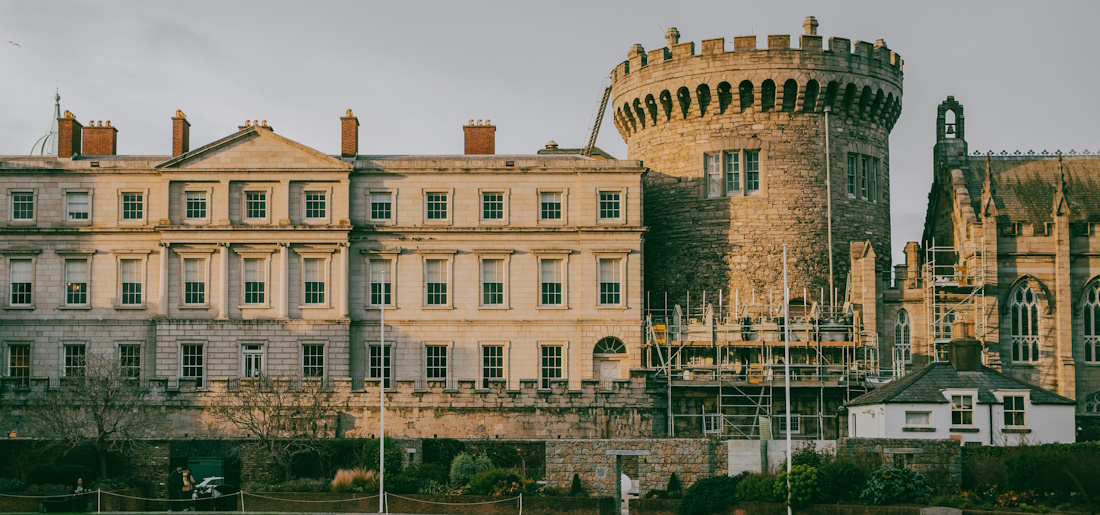
Dublin Castle

Founded in 1204 by order of King John, Dublin Castle has been rebuilt many times over the centuries. By the 1600s, it was home to the Law Courts, a banqueting hall, and Parliament meetings. It now hosts a museum, guided tours, cafés, gardens, and an international conference centre.

Dublin Zoo

The Dublin Zoo is one of the city’s most popular attractions. It boasts various exhibits of animals from the Arctic to the plains of Africa, and houses rescued tigers, elephants, orangutans, and many other fascinating creatures. Animal lovers will be glad to know that the zoo is also involved in numerous conservation projects, including breeding endangered species.

Temple Bar by Diogo Palhais

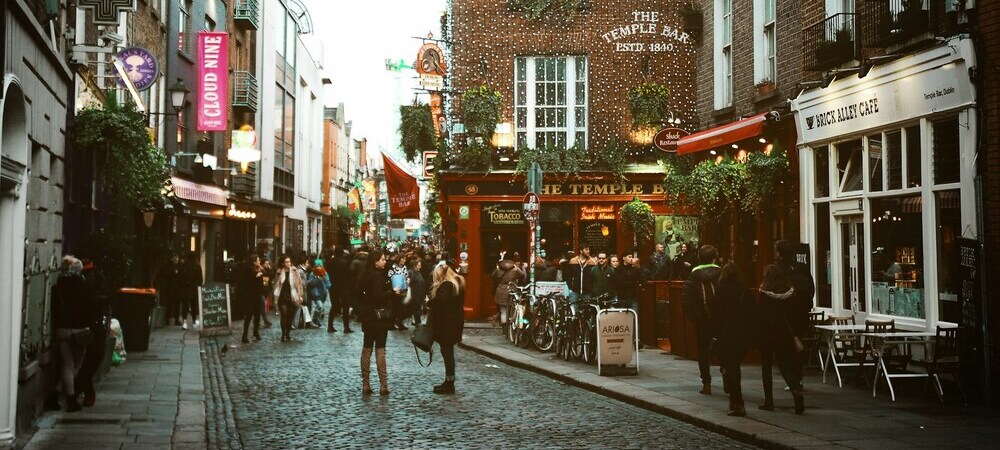
Temple Bar District

Located in the centre of Dublin, the Temple Bar District is considered by many to be the city's cultural heart. Take a stroll along the neighbourhood's cobblestone streets and enjoy live music, markets, and galleries. Be sure to pop into The Temple Bar Pub, one of Dublin's oldest and most iconic watering holes.

St Patrick's Cathedral

The imposing St Patrick's Cathedral is a popular Dublin destination for worshippers and sightseers alike. The over 800-year-old church is the largest in Ireland. Architecture buffs come from all over the world to take in the cathedral's authentic Gothic beauty. 

Guinness Storehouse

Guinness Storehouse Main Gate by William V

This iconic drink may be brewed all over the world, but there’s nothing better than a Guinness in Ireland. It just tastes better. Take a tour of the famous storehouse set up in 1759 by Arthur Guinness, and then head up to the Gravity Bar to enjoy a pint while taking in the bar's fantastic view over Dublin.

National Museum of Ireland

If you're interested in seeing the Emerald Isle's richest treasures, look no further than the National Museum of Ireland. Marvel at specimens dating back thousands of years, learn about Ireland’s natural history, and dig through the centuries to learn about local culture and traditions. Famous exhibits at the museum include the Tara Brooch and the Ardagh Chalice, both of which date back to around the 8th century.

Getting Around in Dublin

Dublin is split in two by the River Liffey and is bordered on the east by the Irish Sea. An old city founded centuries ago, Dublin has expanded gradually and comprises many narrow alleys and broad streets. Despite these historical and geographical challenges, getting around in Dublin isn't too difficult.

Dublin's transport infrastructure is modern and efficient, making car ownership here unnecessary. Many expats still opt for a personal vehicle, citing the freedom and independence it offers.


Public transport in Dublin

DART Train in Dublin by Denis Tuksar

Dublin’s transport network includes buses, light rail (LUAS), and surface rail (DART). It's often cheaper and faster for you to take public transport than to drive or take a taxi in rush hour. Like most public transport, there are crowds at peak times, but services are clean, frequent, and punctual.

You can purchase tickets for trains, buses, and trams online, via an app, from the driver, or from station terminals. Tickets are available as single-, return-, and multi-journey options. Different routes start and end at different times, so be sure to research the routes you'll be using carefully.

Leap Card

The Leap Card is Dublin’s integrated ticketing system. Although you can buy tickets on the bus or at the station, this is the best option if you commute frequently and want to save money.

You can buy and top up Leap Cards at stations, certain shops, or online. Leap Cards can be used on Dublin buses, the Luas, Commuter Rail, and the DART. Leap Card fares are typically 20 to 30 percent cheaper than single tickets, and a daily and weekly fare cap limits the total amount you pay.

Buses

The Dublin Bus Service operates the iconic yellow-and-blue double-deckers seen throughout County Dublin. Most are wheelchair accessible. You can buy tickets from the driver. Designated bus lanes mean you can often beat the traffic by taking the bus.

Dublin Bus operates over 100 routes across the city, connecting most neighbourhoods, while Go-Ahead Ireland operates more than 20 additional routes.

Trains

The DART (Dublin Area Rapid Transit) is a surface rail service, with trains arriving every 10 to 20 minutes during the day. It runs from around 6am to midnight.

Commuter Rail, operated by Irish Rail, provides services out of Dublin, which is handy for day trips and for those who live outside County Dublin but work in the city.

Trams

Dublin has a light rail service, the LUAS, servicing the inner city as well as the south and southwestern suburbs. Luas services are frequent and reliable, running every 5 to 15 minutes. Operating hours are from around 5.30am to 12.30am on weekdays, with slightly later start times on weekends.

Useful links


Taxis in Dublin

Black taxi at night by Naseem Buras

Taxis are widely available in the city centre, especially outside large hotels and in certain spots along the main city streets. They look like private cars with a yellow light on top, indicating that they are in service.

Ireland has restrictive laws for ride-hailing services, so Uber functions as a booking service for regular licensed taxis. Fares are calculated based on a base rate plus a per-kilometre charge, with additional fees for luggage, late-night travel, and waiting time.

You can hail a taxi on the street, use a taxi rank, or book through a licensed taxi company's app or phone number. Reputable companies include Lynk and Freenow (operated by Lyft), which allow you to track the driver's location and get an estimated fare.

For safety, only use licensed taxis displaying the NTA licence number. Sit in the back seat and keep your seatbelt on. Avoid sharing a taxi with strangers, especially at night, and keep your valuables secure.

Useful links


Driving in Dublin

Driving in Dublin can be a challenge if you're new to the city. The one-way system can be confusing at first, but it greatly improves traffic flow. Parking in the city centre is expensive and limited, so it might be easier to catch public transport, cycle or walk, depending on where you live.

The M50 motorway, the Dublin Port Tunnel, and the M4 motorway are all tolled. To avoid tolls, you can plan alternative routes or use public transport like the Luas or DART.

Driver's licences

You can drive on a valid foreign driver's licence for up to 12 months in Ireland. After that, you must apply for an Irish driver's licence. Ireland has agreements with numerous countries for licence conversion without testing. Other countries can convert their licences after completing testing.

Useful links
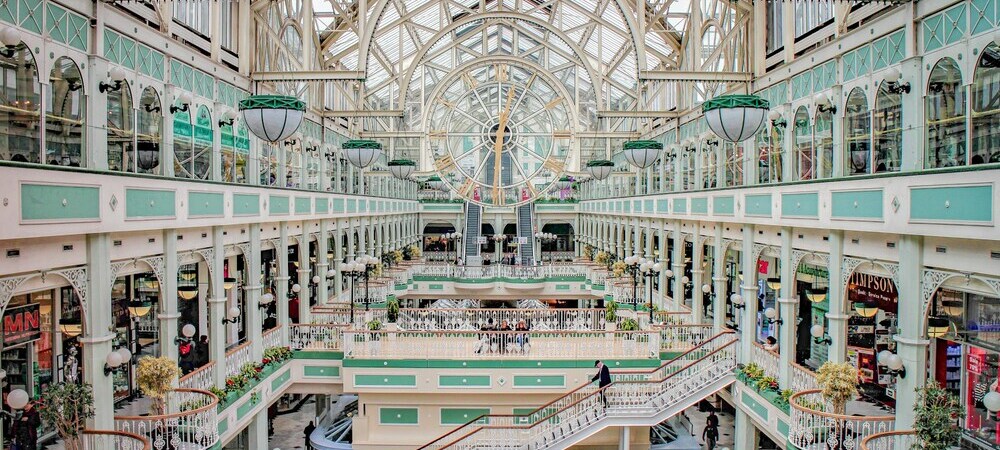

Cycling in Dublin

Cycling is becoming more popular in Ireland. With the development of dedicated cycle lanes, it is also becoming safer to ride a bicycle. These lanes have significantly enhanced cycling safety by separating cyclists from motorised traffic.

You should always wear a helmet and preferably high-visibility clothing. Although neither is required by the law. Bicycles must follow the rules of the road like any other vehicle. If you are a confident cyclist, you will have no trouble cycling into town from the suburbs.

Popular routes include the Howth Peninsula Loop, which offers stunning coastal views and the Sally Gap Loop, which provides a challenging ride into the Wicklow Mountains. The Canal Way Cycle Route follows tranquil green spaces along the Grand Canal.

Dublinbikes is a growing service with distinctive blue bicycles that you can hire and ride between specified bicycle parks. There are more than 110 stations across Dublin which accept Dublin Bikes Long Term Cards and offer three-day tickets. In addition to the subscription, there is a small fee for rides longer than half an hour.

Useful links


Walking in Dublin

Dublin's compact size makes it ideal for walking. Many locals and visitors regularly commute to work and run errands on foot. Exploring the city on foot reveals many hidden treasures you might miss when travelling by vehicle or public transport.

Recommended walking tours include Dublin Free Walking Tours, which offers free tours twice daily from the Spire on O’Connell Street and the Dublin Literary Pub Crawl, a two-hour tour combining literary history with pub culture. The Dublin Tasting Trail is a three-hour food tour that stops at various eateries, offering a culinary experience of the city.

For those interested in history, the Historical Walking Tours of Dublin provides a comprehensive tour led by history graduates, covering significant events from the Great Famine to the Northern Ireland conflict.

Hidden Dublin Walks offer guided tours that explore the real Dublin, focusing on characters, mysteries, and histories across various historical periods.
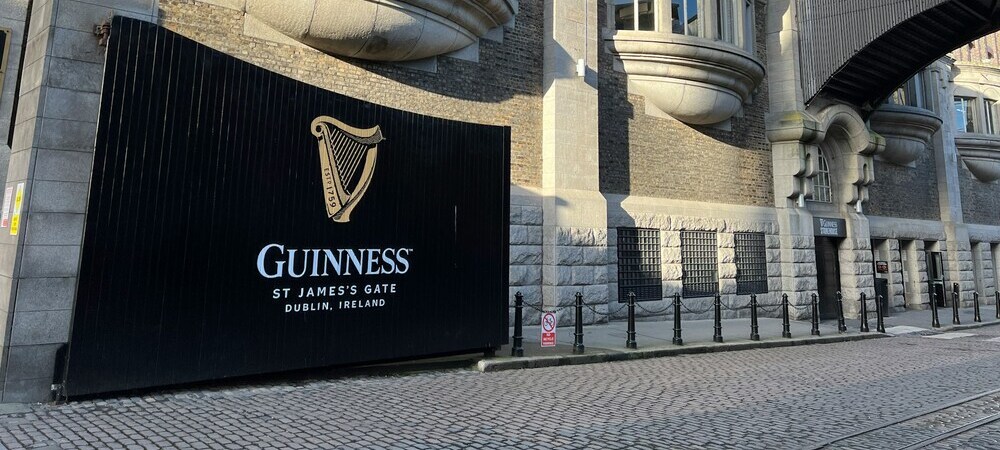
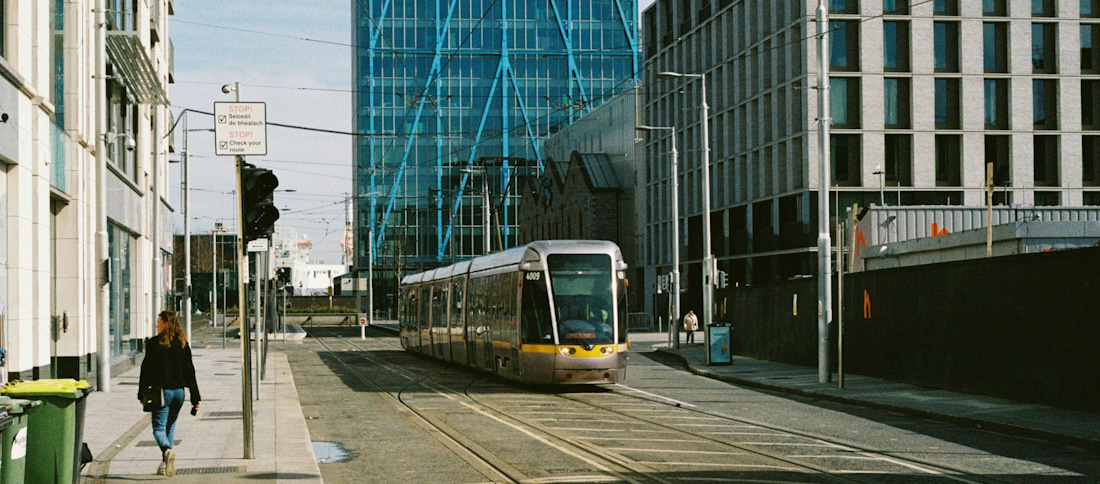
Useful links