

- Download our Moving to Dublin Guide (PDF)
As is the case with any city, living in Dublin has both perks and pitfalls. If you're considering moving to the Emerald Isle's capital, arm yourself with all the facts before relocating to avoid any unexpected catches, snags, or disappointments. Start by checking out our list of pros and cons of living in Dublin below.
Accommodation in Dublin
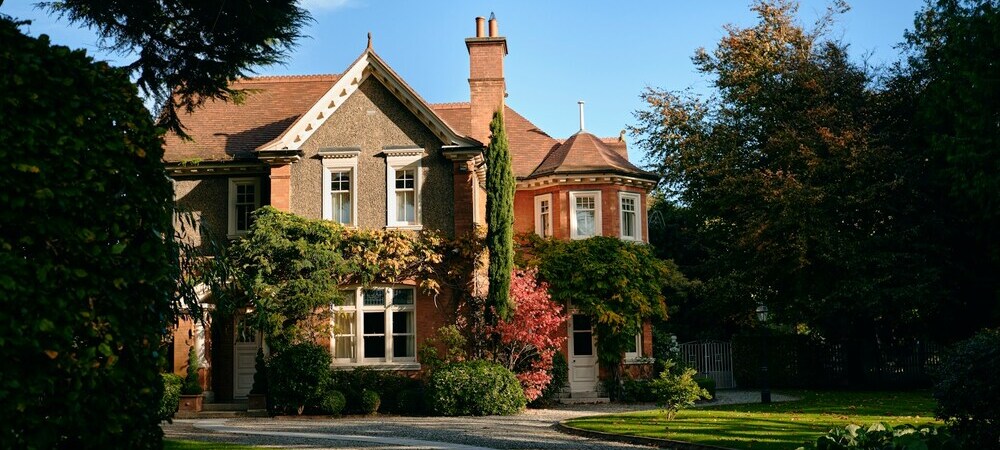
+ PRO: Variety of housing options
Accommodation in Dublin is diverse. Options range from apartments and condos to terraced houses and freestanding homes. Apartments are the most common city-centre option, while rowhouses and detached homes are the norm in residential neighbourhoods.
- CON: Accommodation is expensive
Although there is much to enjoy about living in Dublin, the high cost of accommodation is certainly one of the city's downsides. Rental prices in Dublin are frequently higher than those in other European capitals. You'll likely have to part with a healthy portion of your salary to afford an apartment or townhouse in Dublin.
+ PRO: Landlords pay real estate agents
Enlisting the services of a real estate agent in Dublin is a great way to start your search for a place to stay. Agents are generally knowledgeable about the city's housing options and often specialise in specific neighbourhoods. Fortunately, landlords are responsible for agency fees, making them an effective and affordable choice.
Renting Accommodation in Dublin
Best Neighbourhoods in Dublin
Lifestyle in Dublin

+ PRO: Lots to do
From pubs and bars to museums and cultural gems, there's plenty to see, do, and enjoy in Dublin. Must-see spots include the Temple Bar district, the Museum of Literature Ireland (MoLI), and the National Museum of Ireland. Exploring Dublin's pub scene or the Guinness Storehouse is a fantastic way to make friends, while culture lovers will fall in love with the city's rich history.
- CON: Early closing times
You may be surprised to find that, despite Dublin's lively social scene, pubs tend to close around midnight, and public transport at any point after 11.30pm is a rarity.
+ PRO: Plenty of hidden gems to discover
Dublin is full of lesser-known but fascinating places. Check out Marsh's Library – Ireland's oldest public library – for a remarkable collection of rare books. Try the Escape Boats for an immersive escape room experience on a boat. The Northside of Dublin offers a variety of hidden eateries and cosy cafés, and Iveagh Gardens provides a serene oasis of tranquillity in the city.
Lifestyle in Dublin
Things to See and Do in Dublin
Weekend Breaks from Dublin
Living in Dublin with Kids
Cost of living in Dublin

- CON: High living costs
Living in Dublin can be quite expensive. Utilities and everyday costs like groceries and dining out have seen substantial hikes. Limited housing supply and high demand, especially from international companies and students, drive up rental costs.
+ PRO: managing costs is possible
Despite high living costs, there are ways to manage your budget effectively in Dublin. Consider living outside the city centre for more affordable rents. Use public transport options like buses and trains to save on commuting costs.
Shopping at discount grocery shops and cooking at home can reduce food expenses. Negotiating with utility providers can also help find the best rates for electricity and internet. Take advantage of free or low-cost activities and entertainment around the city to enjoy Dublin without breaking the bank.
Education and schools in Dublin

+ PRO: Free public schools
You can send your children to Irish public schools for free, and the country's education system is considered to be of exceptional quality. Ireland ranks highly in reading, mathematics and science, making relocating to the Emerald Isle a solid choice for families.
- CON: Large class sizes and limited spaces in public schools
Many public schools in Dublin are oversubscribed and struggle with large class sizes. You might not get a sport for your child at your preferred school, and even if you do, the level of individual attention they receive might not be as high as you'd like.
+ PRO: Teaching is in English
Unlike many other popular expat destinations, Ireland is an English-speaking country. Public education is in English, so you can send your kids to public school without worrying about language barriers or the high fees of international schools. That being said, Irish (Gaelic) is a compulsory subject.
+ PRO: Excellent private and international schools
Dublin boasts some top-rated private and international schools. Curricula on offer include the International Baccalaureate, French, and German systems. These schools cater well to expat children, providing a smooth transition and high-quality education.
Education and Schools in Dublin
International Schools in Dublin
Working and doing business in Dublin
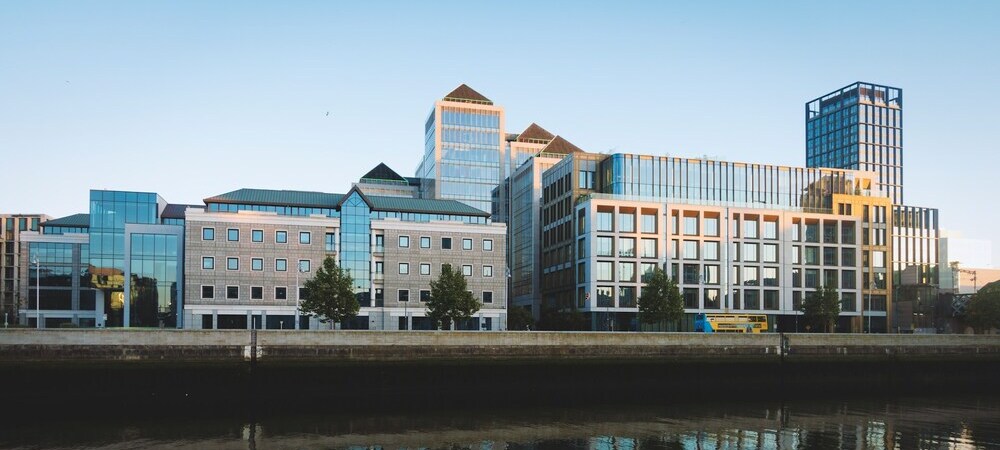
+ PRO: Plentiful opportunities for skilled professionals
Dublin is home to the European headquarters of major tech companies like Google, Meta, and Microsoft, as well as a strong financial services sector. Construction is another thriving branch of the Irish economy. If you have the relevant skills and qualifications, you shouldn't struggle to find work.
- CON: Competition for jobs is high, and EU nationals have priority
Working and doing business in Dublin is appealing for many, resulting in a competitive job market. Employers also often have to prove that a role can't be filled by an Irish or EU national before hiring an expat. As a result, it can be difficult to break into certain sectors of the Irish economy.
Working in Dublin
Doing Business in Ireland
Getting around in Dublin
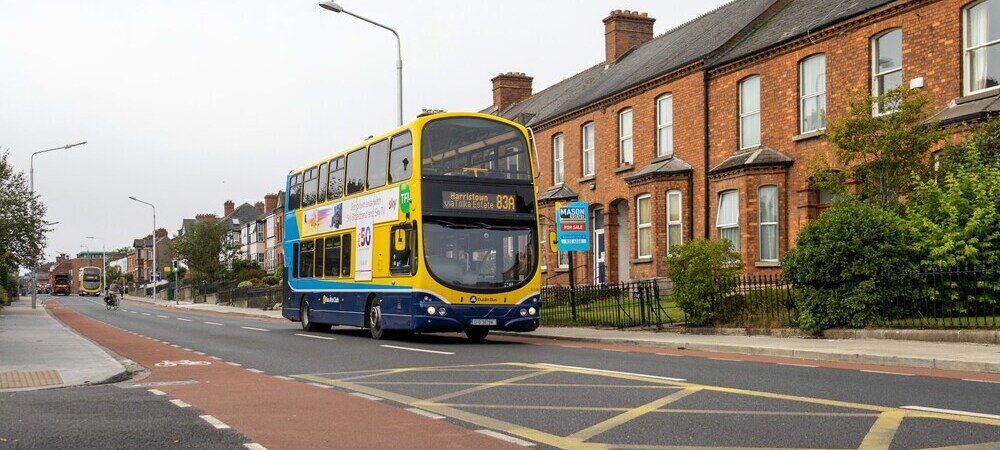
+ PRO: Extensive public transport network
Dublin boasts an extensive public transport network that includes buses, trains, trams, and taxis. Dublin Bus operates over 100 routes, while the Dublin Area Rapid Transit (DART) provides an efficient coastal rail service. The Luas trams run frequently, connecting suburbs to the city centre. Taxis are widely available and can be hailed on the street or booked via apps or ride-hailing services like Uber.
- CON: Bad traffic congestion and crowded public transport
Traffic congestion, especially during peak hours, is a major challenge in Dublin. This can lead to longer commute times and overcrowded public transport. Road traffic particularly affects buses, while the DART and Luas systems tend to be unaffected.
+ PRO: Ongoing transport improvements
Dublin is investing heavily in its transport infrastructure. The NTA's Transport Strategy for the Greater Dublin Area includes expanding the Luas network, developing the MetroLink and enhancing the DART system through the DART+ programme. These projects aim to boost public transport capacity and connectivity.
Weather in Dublin
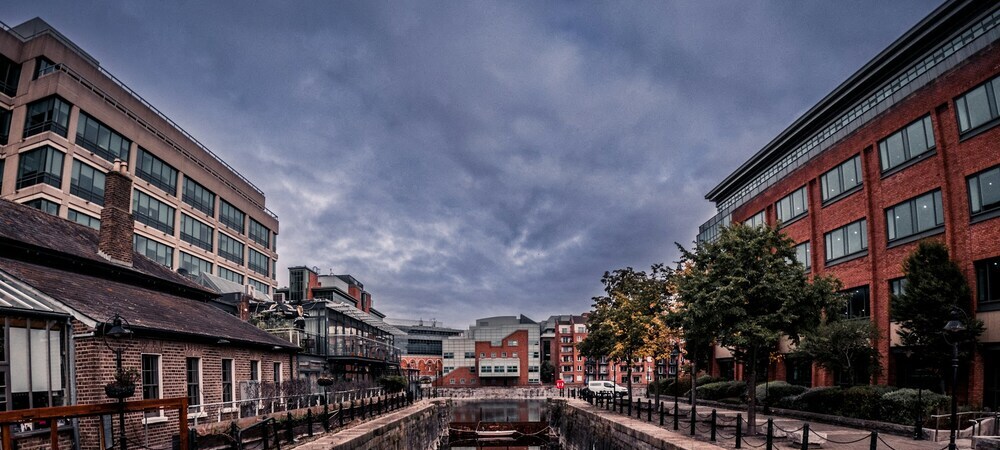
- CON: Lots of drizzle and gloomy weather
In all likelihood, you're bound to get fed up with Dublin's famously wet climate at some point. If you're from warmer climes, you'll likely yearn for some sunshine.
+ PRO: Beautiful countryside
Nourished by the rain, Ireland's lush green countryside is the reason the country is known as the Emerald Isle. Scenic views abound near Dublin and beyond, and many of the country's landmarks and geographical features are framed by endless shades of green.
Healthcare in Dublin

- CON: Long wait times in public hospitals
While Dublin's public healthcare system is well regarded, long wait times for certain procedures and specialist appointments can be a drawback. Public hospitals typically experience high patient volumes, leading to delays.
+ PRO: High-quality medical services
Dublin offers world-class healthcare facilities, both public and private. Public hospitals usually provide excellent care, particularly in areas like cancer treatment and emergency services. Private hospitals are top choices for shorter waiting times and additional amenities.
Expats who are ordinarily resident can access public healthcare services and may apply for a medical card or GP visit card. Non-EU expats often opt for private health insurance to ensure comprehensive coverage.