
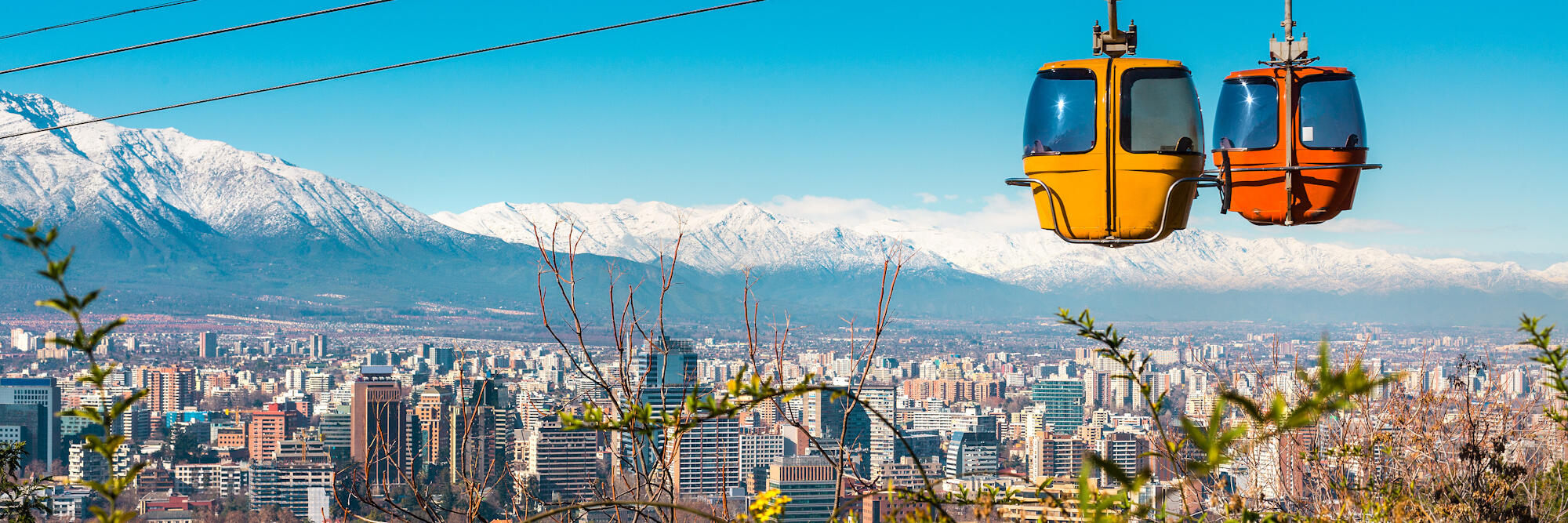
Families with kids have plenty to consider when moving to a new country, and taking the time to consider education and schooling in Santiago for their children will be high on the list. Although the idea of exposing their children to Spanish teaching in the public sector may seem appealing, most expat parents here ultimately opt for the assurance of quality education that comes with one of the many international schools in Santiago.
Public schools in Santiago
 In Chile, schooling is compulsory from the ages of six to 13 (Grades 1 to 8). Secondary school is for ages 13 to 18 (Grades 9 to 12), and students can choose an academic pathway that prepares them for university or a technical pathway that prepares them for work.
The standards of public education in Chile are generally adequate, and most local children attend public schools. But because classes are taught in Spanish, most expats living in the capital prefer international schools in Santiago.
Private schools in Santiago
Like public schools, private schools in Santiago follow the local government curriculum, although they have more freedom to make adjustments and additions to the curriculum. Unlike public schools, they are more likely to teach in a combination of Spanish and other languages up to secondary school, where the preparation for school-leaving exams is done in Spanish. That said, the quality of non-Spanish teaching can vary greatly.
Private schools in Santiago are typically religiously affiliated. In some cases, families applying to the school will need to practise the relevant faith for their children to be considered for admission.
Costs in Chilean private schools can quickly add up. In addition to soaring school fees, parents may also have to budget for other expenses such as enrolment fees, books, transport, uniforms, field trips and more.
International schools in Santiago
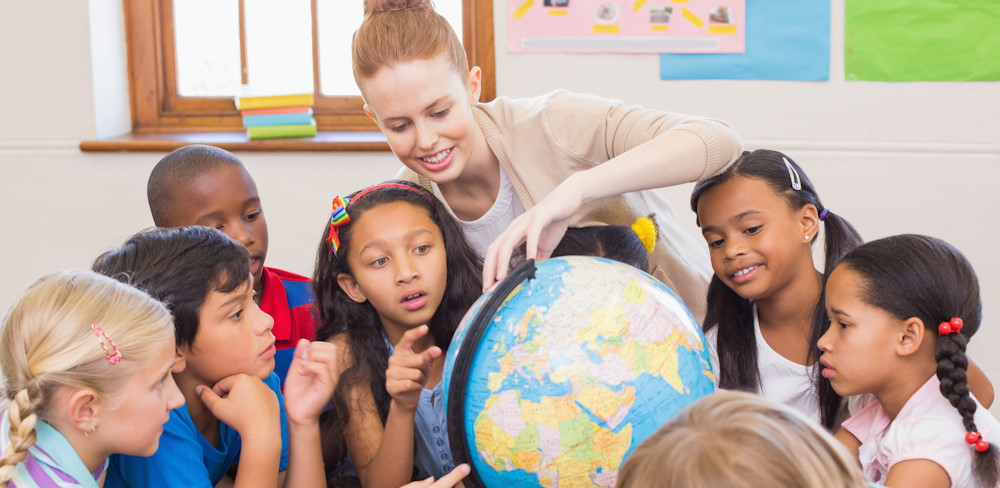
There are a few international schools in Santiago that cater to expats. The standard of education is generally high, and there are schools for various curricula, like the International Baccalaureate and the American, British, and German curricula.
Space at international schools is usually limited, and parents are advised to plan well in advance. Parents will need to obtain a number of documents, including academic reports and birth certificates. In some cases, children may be interviewed or tested.
International school fees tend to be high, but expats moving to Chile as part of a corporate relocation may be able to negotiate for tuition expenses.
Best International Schools in Santiago
Special educational needs in Santiago
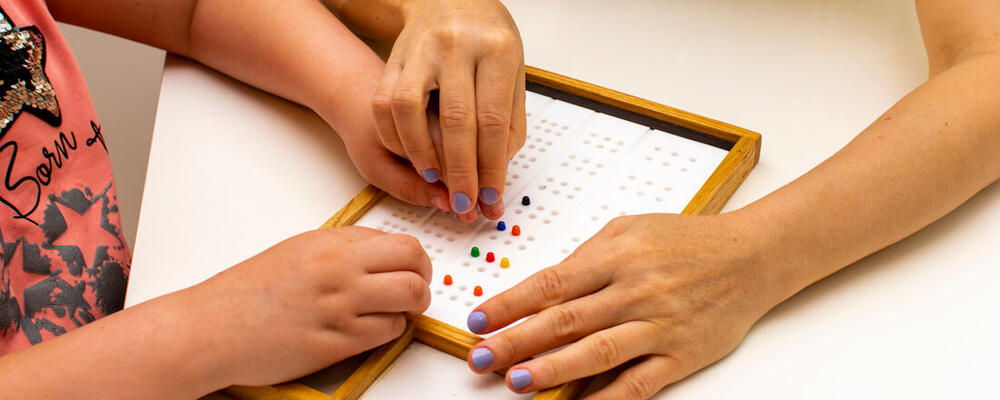
Inclusivity in special needs education is being pushed in both public and private education sectors in Chile. Many schools provide support for learning disabilities as well as psychological and behavioural problems. That said, finding certain services in English is not always possible, and expat families may have to turn to more expensive international school options.
International schools in Chile provide varying levels of learning support to children with disabilities. Parents should contact schools directly to find out what support is available.
Tutors in Santiago
Expat families looking for a tutor in Santiago should be able to find one fairly easily. Networking with other families and on social media are great ways to find a tutor, as are online portals.
Tutors are helpful for students of all ages, including children preparing for a test or even adults interested in learning Spanish. This may be part of a language exchange or on a more formal tutoring basis. Tutoring can be flexible, allowing face-to-face or online classes on a schedule that suits the tutors and students.