Print
  • Hold down Ctrl key and select the sections you want to print. If using a Mac, hold down the Cmd key.
  • Use Ctrl + A or on Mac, Cmd + A to select all sections (if you are using the Chrome browser).
  • Click "Apply" and the site will customise your print guide in the preview below.
  • Click the "Print" button and a print pop up should appear to print to your printer of choice.

Moving to Santiago

Living in Santiago as an expat

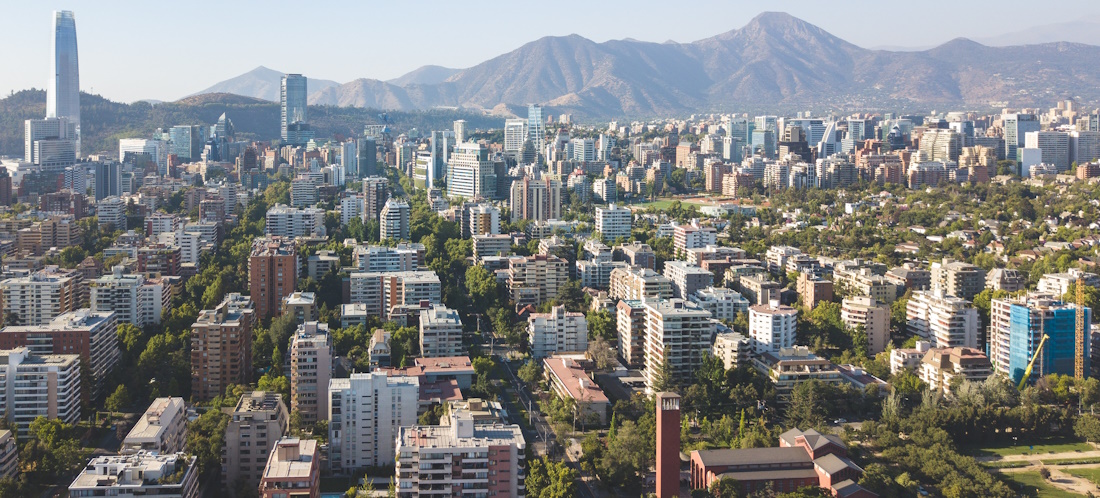
The buzzing metropolis of Santiago, situated at the heart of Chile, is the country’s political and financial centre. Moving to Santiago is an exciting new chapter, and the city is attracting expats in droves thanks to its cosmopolitan and fun atmosphere.

There are plenty of job opportunities available in Santiago, which serves as a huge drawcard for expats, particularly those with expertise in mining, agriculture and finance. A host of multinational companies have also set up shop in the city, and expats may even have luck starting their own businesses in the Chilean capital. There’s also a gap for those wanting to teach English in the city, which expats are taking full advantage of.

With its effective transport network, Santiago is one of South America’s most modern cities. It has an expanding metro network, cheap buses, and an inner-city highway network that links the eastern and western parts of the city in a short half-hour drive. Santiago also has a range of high-quality hospitals and medical facilities. Many expats prefer to use the country’s private clinics, but they should ensure they are covered by medical insurance if they do so.

With a range of shopping malls, an impressive array of international cuisine, and local restaurants, Santiago is an exciting city for expats to get to know. While expats can live a spectacular lifestyle within the confines of Santiago, one of the city’s charms is the ease with which people can take a break and escape the hustle and bustle of daily life.

Andes ski slopes and hiking trails are a short drive east of the city, and some of Chile’s beautiful beaches are just an hour or so to the west. Longer trips out of Santiago allow expats to explore glaciers in the south or the eerie moonlike scapes of the Atacama Desert in the north. With cheap flights throughout the region, it’s equally easy for expats to spend a weekend away watching tango dancing or shopping in Buenos Aires.

Working in Chile
Shopping and Nightlife in Santiago
Transport and Driving in Santiago

Cost of living in Santiago

Aggressive interest rate cuts and declining inflation have helped alleviate the cost of living in Chile, and Santiago definitely incurs a more moderate cost of living for expats than it has in recent history.

While accommodation at reasonable rental prices can be found in several areas and suburbs, some of the more centrally located neighbourhoods will naturally be more expensive. That said, with a range of modern conveniences at one’s doorstep, the slightly higher cost of living is understandable.

Cost of Living in Chile
Renting Accommodation in Santiago
Best Areas and Suburbs in Santiago

Expat families and children

Further adding to the long list of attributes that this city has to offer, and that make it such an attractive expat destination, are its many international schools. While the local schools offer a decent level of education, instruction is in Spanish. As a result, many parents choose the international schools route. Fees at these schools are high, though, and to keep them from breaking the bank, expats should negotiate a school allowance into their salary.

Outside of school hours, parents will find an abundance of family-friendly attractions to keep their kids busy and happy. There is a slew of indoor and outdoor activities in the city, from zoos and parks to interactive soft play centres. A family trip to the beach or the ski slopes is also always an option for a day or weekend trip out of the city.

Kids and Family in Santiago
Best International Schools in Santiago

Climate in Santiago

Santiago has a typical Mediterranean climate, characterised by long, hot summers and mild, wet winters. From December to February, the summer months average between 77°F (25°C) and 86°F (30°C), while winter daytime averages sit around 55°F (13°C). Frost occurs regularly during the colder months, when the city also receives the majority of its rainfall.

Weather in Chile

Overall, expats moving to Santiago will enjoy a high quality of life in this bustling city, with plenty of activities, events and natural attractions to keep them entertained throughout their stay in Chile.

Accommodation in Santiago

Finding accommodation in Santiago may be the biggest hurdle in the whole renting process. As more people move to the city, demand for good accommodation grows higher. Luckily, the dollar holds formidable acquisition power here, so expats earning it should be able to find a suitable place to rent. Read on to find out more about accommodation in Santiago.


Areas and suburbs in Santiago

Popular areas in Santiago include Ñuñoa, known for its tranquil atmosphere and green spaces; Providencia, characterised by its tree-lined streets and exciting city life; and Las Condes, a relatively affluent area with a significant expat population. For those seeking more budget-friendly options without compromising on quality, La Reina offers a balanced mix of residential comfort and access to amenities.

Another notable area is Santiago Centro, the heart of the city, which offers a rich historical and cultural experience. While it’s bustling and lively, newcomers should be aware of varying safety levels across this district.

For those who prefer a more artistic and bohemian lifestyle, the Barrio Bellavista presents an eclectic mix of cultural experiences, from lively nightlife to art galleries and theatres. This area especially appeals to younger expats and those who enjoy a lively social scene.

Find out more in our comprehensive guide to the Best (and Worst) Areas and Suburbs in Santiago.


Types of accommodation in Santiago

SantiagoMost of the accommodation in Santiago comes in the form of ‘piezas’ or apartments. It’s also possible to find houses for rent, and some expats prefer those in gated complexes, especially in the more expensive areas of the city.

When considering the location of accommodation, expats should think about proximity to work as well as schools and other amenities.

Both furnished and unfurnished accommodation are available, although fully stocked apartments cost more. Unfurnished apartments will generally come with no furniture or appliances.


Finding accommodation in Santiago

Using personal connections is the most popular way to find accommodation in Santiago. One of the best ways for expats to find suitable accommodation quickly is to talk to fellow expats or locals – anyone from a colleague to a friendly shopkeeper in the desired neighbourhood might be able to lend a hand.

If this doesn’t pan out, there are also several rental agencies and relocation companies that specifically cater to the expat community. These service providers make finding accommodation much more straightforward but far more costly. The good news is that the final fee for the agent is typically split between the tenant and the landlord.

Fluency in, or at least a basic command of, Chilean Spanish will significantly help during the initial property search and negotiations. It might be helpful to bring along a local friend – this way, expats are far more likely to get a better deal.

Expats can find accommodation by using online portals or searching on social media.

Useful links


Renting accommodation in Santiago

two prospective tenants meeting a realtor near a 'House for Rent' signMaking an application

Once a suitable property is found, expats can express their interest formally by completing an application form provided by the landlord or rental agency. This step initiates the rental agreement process and is typically followed by negotiations over the lease terms and conditions.

Expats should be prepared to provide various documents during the application process, including identification, proof of income or employment, and sometimes references from previous landlords.

It’s also common practice for landlords to request a credit check to ensure the reliability of potential tenants, which might pose a challenge for expats who are new to the country and lack a local financial history. Additional documentation, such as bank statements or an employment contract, may be required to demonstrate financial stability.

Leases

Rental agreements in Santiago are generally for a 12-month period, but shorter terms can be negotiated, although usually at a higher price.

Depending on the landlord, expats may be required to have a Chilean guarantor to secure a rental contract. In most cases, an expat’s employer will act as a guarantor, but this is not always possible. In instances where a guarantor is required, but expats are unable to find one, they may be able to negotiate a larger security deposit instead.

Deposits and fees

Landlords generally require a deposit amount of at least one month’s rent. Additionally, expats should be aware that some landlords may charge a ‘move-in’ fee to cover administrative costs, such as drafting the lease agreement and conducting property maintenance checks before occupancy.

Expats should be sure to get a full and detailed inventory of the apartment and its contents, as they will be liable for any damage beyond normal wear and tear.


Utilities in Santiago

woman checking checklist in front of moving boxesUtility costs are usually not included in the rent in Santiago. Tenants are typically responsible for paying their own utilities, including water, electricity, gas and sometimes community charges if living in a building with shared facilities. Expats should clarify what is included in the rent and what isn’t before signing the lease to avoid unexpected expenses.

Electricity

In Santiago, the electricity sector is served by several key providers, including Enel Chile, the largest electricity holding company in the region. Other notable providers in the city are Schneider Electric, ENGIE, Wood, Fluor and Shell, all contributing to a diverse energy market.

Bills are typically issued monthly and can be paid through various convenient methods, including online banking, automatic bank transfers or in person at the provider’s office or authorised payment locations.

Gas

In Santiago, the provision of gas is primarily through a piped network rather than bottled gas, ensuring a steady and reliable supply to residents and businesses. Metrogas, Chile’s leading natural gas distribution company, plays a pivotal role in this network. They are renowned for their innovative practices, particularly at the La Farfana Wastewater Treatment Plant, where they convert digester gas into renewable natural gas.

Alongside Metrogas, Electrogas is another significant provider in the region. They operate a crucial natural gas transmission system that connects the Quintero LNG Terminal to the Santiago metropolitan area.

The country’s reliance on LNG imports, primarily from Argentina, has facilitated the development of its gas infrastructure. This expansion is not just limited to industrial users; there is an ongoing initiative to connect more residential users in larger cities to the natural gas transmission system, reflecting the growing importance of natural gas as a primary energy source in the region.

Water

Aguas Andinas, the region’s main water provider, primarily manages Santiago’s water supply. Other providers, such as Essal and Essbio, also play a role in the city’s water supply network.

Santiago’s water supply and sanitation sector has significantly transformed since the late 20th century, resulting in Santiago being recognised for its superior water coverage and quality levels compared to other Latin American cities.

Bins and recycling

In Santiago, the approach to waste management and recycling is becoming increasingly structured and eco-conscious. Most residential and commercial buildings have designated bins for general waste and recycling, reflecting a growing emphasis on environmental responsibility. General waste is collected weekly, while recycling is collected fortnightly.

Recycling facilities in Santiago accept various materials. The most commonly recycled items include cardboard, newspapers, glass and plastic water bottles. Residents are encouraged to separate these recyclables from their general waste to facilitate efficient recycling.

However, not all recycling points in Santiago accept every type of material. Residents should consult local recycling maps to locate the nearest recycling point that accepts the specific materials they wish to recycle.

Internet

Santiago is serviced by several top-tier internet service providers (ISPs), including well-known names like Claro, VTR and Movistar.

One of the key offerings in the Chilean internet market is the availability of prepaid internet services. This option is particularly advantageous for expats who may not be ready to commit to a long-term contract. These services are accessible via dongles, which can be purchased and recharged at any ISP counter or shop.

The competitive nature of Chile’s telecommunications industry means that expats can expect fast and reliable internet services.

Useful links

Areas and suburbs in Santiago

The best places to live in Santiago

Expats will be able to choose from a wide range of areas and suburbs in Santiago. Finding your ideal neighbourhood is a matter of considering your budget, lifestyle, and priorities. Some foreigners prefer family-friendly suburbs with quiet parks and plenty of green space, while others opt for a bohemian vibe or somewhere with a lively nightlife.

Communes and suburbs in the southern areas of Greater Santiago, including Puente Alto and San Bernardo, and in the western areas, such as Pudahuel, are well served by public transport. The more affluent areas often favoured by expats are towards the northern and northeastern parts of the city.

Like any large, world-class city, the Chilean capital has it all, as long as you know where to look. Here is a snapshot guide of expat-friendly areas and suburbs in Santiago.


Family-friendly areas in Santiago

Santiago apartmentsLo Barnechea District

Located in the east of Santiago, this district is divided into three main areas: El Arrayán, Los Trapenses, and La Dehesa. Characterised by luxury houses and mansions, beautiful green areas and private security, this residential space is considered among the most exclusive in the city.

Here, expats will find silence, tranquillity, and low pollution levels. Accessible hiking trails around Cerro del Medio Park offer relief from Santiago’s busy urban lifestyle. There are also shopping malls, social clubs, a golf club, and a few international schools in the area, perfect for families with kids.

Las Condes District

Las Condes is a wealthy district bordering Lo Barnechea. This area, aptly referred to as ‘Sanhattan’, is a hub of commercial activity, and many expats are employed here and enjoy after-work drinks in its cocktail bars.

Comprised of modern, spacious apartments and luxury offices, Las Condes includes one of the largest shopping centres in the country and several verdant parks, including Parque Arauco and Parque Araucano, which create a pleasant ambience. Expats will certainly not be short of things to see and do in Las Condes.

The Las Condes District is home to many lavish neighbourhoods. San Damian and San Carlos de Apoquindo are the most exclusive residential areas of Las Condes. Public transport is somewhat limited here, though, and expats may find it easier to get around by car. From this neighbourhood, the Andes mountains and ski resorts are a stone’s throw away.

Vitacura District

Vitacura, a family-oriented district with international schools nearby, is renowned for offering its residents an exceptional quality of life. It’s divided into residential areas such as Santa María de Manquehue, Lo Curro, and Jardín del Este.

Santa María de Manquehue and Lo Curro are both beautiful and luxurious. Embassies often choose to place their representatives in the area, and as such, property can be costly. Houses are highly individualised, with a lot of variety, although they all offer plenty of space to exercise, and each has its own unique architecture. A car is needed to live in these areas, as distances to the city centre and the other regions are considerable.

Jardín del Este is an area favoured by local Chilean families, with both old and new houses and apartments. The area has a selection of boutique shops, fabulous restaurants, and the popular Club de Polo y Equitación San Cristóbal. Public transport is accessible, and it is easy to get around by bus and taxi.


City living in Santiago

Santiago city centre

Bellas Artes

Situated in Santiago’s city centre, Bellas Artes is full of life, with the National Museum of Fine Arts within walking distance. Expats will find cosy coffee shops, restaurants, and bars here, nestled among local designer boutiques and handicraft shops. While this is an exciting, cosmopolitan area with beautiful architecture, it tends to be noisy on weekdays due to nearby offices and street traffic.

Lastarria

An artistic district at heart, Lastarria is home to many theatres, art galleries, and restaurants and is characterised by French Neoclassical architecture. Nearby is Cerro Santa Lucía, a leafy park and hill perfect for exercise or just a simple escape from daily stress. Like Bellas Artes, this area can be noisy during the day.


Areas for young expats in Santiago

Mural in Santiago

Providencia District

A cosmopolitan and popular neighbourhood, Orrego Luco in Providencia is just as packed with shops, bars and restaurants as it is with traffic. Although the area is bustling during the day, expats living here can still find some peace in their own homes. Providencia attracts plenty of young expats from around the world, giving the area a unique atmosphere. If expats are looking for entertainment, the Teatro Oriente, with its classical feel, is recommended.

Although Salvador and Manuel Montt are quieter residential areas of Providencia, they are still busy during rush hours. Expats will find beautiful parks and small squares throughout. As a predominantly residential area, there are fewer shops, bars or restaurants than one would find in other neighbourhoods in Santiago. Public transport is easily accessible in these areas.

Recoleta District

The bohemian neighbourhood of Bellavista in Recoleta is packed with restaurants, bars, dance clubs, theatres, and art galleries. It’s a lively area ideal for the young and adventurous expat. Recoleta’s bohemian vibe flows through Pío Nono, where the local market sells lapis lazuli craftwork.

At the end of Bellavista Street are the city zoo and the entrance to Cerro San Cristóbal, a hill that offers magnificent views of the city. Cerro San Cristóbal also has access to cable car rides and is an ideal spot for running, biking, picnicking, and more.

La Reina and Peñalolén

These areas are well known for their low population density, as well as their plentiful parks and green spaces. Both areas have middle-income residents, and for those who want calm in their life and can’t afford to live in Lo Barnechea, this could be a suitable option.

Healthcare in Santiago

Chile’s medical system is advanced, and the standards of healthcare in Santiago are generally high. The government has implemented a national healthcare system that covers its entire population, although expats tend to prefer private healthcare clinics.

Private clinics are relatively expensive, and expats should ensure they are covered by comprehensive medical insurance. Nevertheless, private healthcare in Chile still costs less than in the US and some European countries, a fact that attracts some people for medical tourism.

There are several 24-hour pharmacies in Santiago, most of which have English-speaking staff. Expats can generally find an array of over-the-counter and non-prescription medications at pharmacies, although the brands expats use in their home countries may not always be available.

Prescription medical supplies can be brought into the country, but this typically requires a certificate and prescription signed by a doctor. Medication must be clearly labelled and, where possible, in the original packaging.

Numerous top private clinics are internationally recognised for their quality and have medical professionals who speak English, although their websites are mainly in Spanish. Some of Santiago’s hospitals are listed below.


Hospitals in Santiago

Hospitals in SantiagoClínica Alemana

Website: www.clinicaalemana.cl 
Address: Av. Manquehue 1410, Piso 2, Vitacura

Clínica Las Condes

Website: www.clinicalascondes.cl 
Address: Estoril 450, Las Condes

Clínica Redsalud, Providencia

Website: www.redsalud.cl 
Address: Av. Salvador 100, Providencia

Hospital Clínico Universidad de Chile

Website: www.redclinica.cl 
Address: Dr. Carlos Lorca Tobar 999, Independencia

Hospital Dr. Luis Calvo Mackenna

Website: www.calvomackenna.cl 
Address: Av. Antonio Varas 360, Providencia

Hospital Roberto del Río Independencia

Website: www.hrrio.cl 
Address: Prof. Zañartu 1085, Independencia, Región Metropolitana

Education and Schools in Santiago

Families with kids have plenty to consider when moving to a new country, and taking the time to consider education and schooling in Santiago for their children will be high on the list. Although the idea of exposing their children to Spanish teaching in the public sector may seem appealing, most expat parents here ultimately opt for the assurance of quality education that comes with one of the many international schools in Santiago.


Public schools in Santiago

Globe, notebooks and apples in classroomIn Chile, schooling is compulsory from the ages of six to 13 (Grades 1 to 8). Secondary school is for ages 13 to 18 (Grades 9 to 12), and students can choose an academic pathway that prepares them for university or a technical pathway that prepares them for work.



The standards of public education in Chile are generally adequate, and most local children attend public schools. But because classes are taught in Spanish, most expats living in the capital prefer international schools in Santiago.


Private schools in Santiago

Like public schools, private schools in Santiago follow the local government curriculum, although they have more freedom to make adjustments and additions to the curriculum. Unlike public schools, they are more likely to teach in a combination of Spanish and other languages up to secondary school, where the preparation for school-leaving exams is done in Spanish. That said, the quality of non-Spanish teaching can vary greatly.

Private schools in Santiago are typically religiously affiliated. In some cases, families applying to the school will need to practise the relevant faith for their children to be considered for admission.

Costs in Chilean private schools can quickly add up. In addition to soaring school fees, parents may also have to budget for other expenses such as enrolment fees, books, transport, uniforms, field trips and more.


International schools in Santiago

International schools in Santiago

There are a few international schools in Santiago that cater to expats. The standard of education is generally high, and there are schools for various curricula, like the International Baccalaureate and the American, British, and German curricula.

Space at international schools is usually limited, and parents are advised to plan well in advance. Parents will need to obtain a number of documents, including academic reports and birth certificates. In some cases, children may be interviewed or tested.

International school fees tend to be high, but expats moving to Chile as part of a corporate relocation may be able to negotiate for tuition expenses.

Best International Schools in Santiago


Special educational needs in Santiago

Special educational needs in Santiago

Inclusivity in special needs education is being pushed in both public and private education sectors in Chile. Many schools provide support for learning disabilities as well as psychological and behavioural problems. That said, finding certain services in English is not always possible, and expat families may have to turn to more expensive international school options.

International schools in Chile provide varying levels of learning support to children with disabilities. Parents should contact schools directly to find out what support is available.


Tutors in Santiago

Expat families looking for a tutor in Santiago should be able to find one fairly easily. Networking with other families and on social media are great ways to find a tutor, as are online portals.

Tutors are helpful for students of all ages, including children preparing for a test or even adults interested in learning Spanish. This may be part of a language exchange or on a more formal tutoring basis. Tutoring can be flexible, allowing face-to-face or online classes on a schedule that suits the tutors and students.

International Schools in Santiago

Choosing the right education for your child in a foreign country can be a difficult and daunting task. Fortunately, there are many international schools in Santiago for expats to choose from. The schools listed below teach various curricula in several languages, ensuring you can find the perfect fit for your child. Options for curricula include the International Baccalaureate (IB) and national programmes from the US, the UK, France, and Germany. Some international schools teach the Chilean national curriculum alongside a foreign curriculum.

Here is a list of recommended international schools in Santiago.


International schools in Santiago

Children at schoolChartwell International School

Chartwell International School offers an outstanding educational experience, blending high-quality academics with a nurturing environment for students from diverse backgrounds. Emphasising more than just academic success, the school fosters personal growth in all aspects of student life, providing a joyful, industrious setting for both learning and fun.

With a vibrant calendar of events, including musical productions and curriculum evenings, Chartwell celebrates student achievements and community spirit, underpinning a supportive, caring atmosphere where students thrive with confidence.

Gender: Co-educational 
Curriculum: British (English National Curriculum, Cambridge IGCSE and A-Levels) 
Ages: 3 to 18 years 
Website: www.chartwell.cl

Deutsche Schule Santiago

Deutsche Schule Santiago is an esteemed educational institution in Chile with a rich history of nurturing responsible young individuals with a distinctive intercultural flair. Spread across three campuses in Cerro Colorado, Vitacura and Las Condes, the school offers a trilingual education in German, Spanish and English, embracing multiculturalism with respect and democratic values.

Gender: Co-educational 
Curriculum: German 
Ages: 4 to 18 years 
Website: www.dsstgo.cl

The Grange School

The Grange School offers an exceptional all-round education, blending academic excellence with the development of varied skills in sports, music and arts. This bilingual institution celebrates its rich history and British and Christian values while preparing students for a dynamic future.

With a strong focus on intellectual, moral and physical development, The Grange School fosters a nurturing environment where respect, kindness and a commitment to community service are paramount, shaping students to be useful, trustworthy individuals in society.

Gender: Co-educational 
Curriculum: British (English National Curriculum, Cambridge IGCSE and A-Levels) and Chilean 
Ages: 4 to 18 years 
Website: www.grange.cl

The International Preparatory School

The International Preparatory School (TIPS) offers a comprehensive British-based curriculum for children aged 2 to 18. Recognised by Cambridge, TIPS provides globally recognised qualifications such as IGCSE and A-Levels.

With a strong emphasis on multicultural education and individual student development, the school fosters a secure, happy learning environment, encouraging students to embrace a lifelong love of learning, develop strong English skills and gain a global perspective.

Gender: Co-educational 
Curriculum: British (English National Curriculum, Cambridge IGCSE and A-Levels) 
Ages: 3 to 19 years 
Website: www.tipschile.com

Lincoln International Academy

Lincoln International Academy, founded in 1976, offers a co-educational, inclusive environment with a strong emphasis on English language proficiency and family values.

The school teaches the International Finnish Curriculum in the younger grades, focusing on 21st-century skills such as critical thinking and teamwork. Middle and high school students are taught the International Baccalaureate, benefitting from the rigorous academic and personal development standards typical of the IB.

Gender: Co-educational 
Curriculum: Finnish and International Baccalaureate 
Ages: 2 to 18 years 
Website: www.lintac.cl

Lycée Antoine de Saint-Exupéry

The Colegio Alianza Francesa – Antoine de Saint-Exupéry in Santiago is a distinguished international, multilingual school that fosters critical thinking and socially responsible citizens. With over 60 years of history and two campuses in Vitacura and Chamisero, it accommodates over 3,200 students from preschool to senior high school.

This school uniquely blends French and Chilean educational systems, offering a humanistic, intercultural approach that nurtures each student’s potential, ensuring they develop the academic, social and personal skills needed for success in national and international higher education institutions.

Gender: Co-educational 
Curriculum: French and Chilean 
Ages: 3 to 18 years 
Website: www.lafase.cl

The International School Nido de Aguilas

Founded in 1934, the International School Nido de Aguilas offers an engaging liberal arts college-preparatory education for around 1,500 students from 45 countries.

Embracing the best of Chilean and North American educational traditions, the school focuses on experiential learning and character development in a challenging yet supportive environment. Nido de Aguilas empowers students to connect authentically, explore with curiosity and act with purpose, fostering values of engagement, ingenuity, adaptability, generosity and happiness, preparing them to thrive in a rapidly changing world and make meaningful contributions to their communities.

Gender: Co-educational 
Curriculum: International Baccalaureate, American and Chilean 
Ages: 3 to 18 years 
Website: www.nido.cl

Santiago College

Santiago College, a distinguished educational institution with a legacy of more than 145 years, offers a multicultural, bilingual, co-educational environment with high academic standards. Known for its commitment to forming proactive, tolerant and well-informed students, the school emphasises values such as solidarity, respect and understanding, preparing young individuals to contribute positively in a global society.

As a member of the International Baccalaureate and various international school associations, Santiago College excels in providing a flexible learning environment. It is adept at incorporating technological advancements for comprehensive education, grounded in Judeo-Christian values and focused on developing integrity and intellectual curiosity in its students.

Gender: Co-educational 
Curriculum: International Baccalaureate 
Ages: 4 to 18 years 
Website: www.scollege.cl

Lifestyle in Santiago

The lifestyle in Santiago is exciting and full of opportunities to enjoy an active social scene, world-class shopping malls, rustic markets, and excellent outdoor pursuits. The city offers expats a multitude of entertainment options and is conveniently situated close to vineyards, the beach, and a host of ski slopes in the Andes.

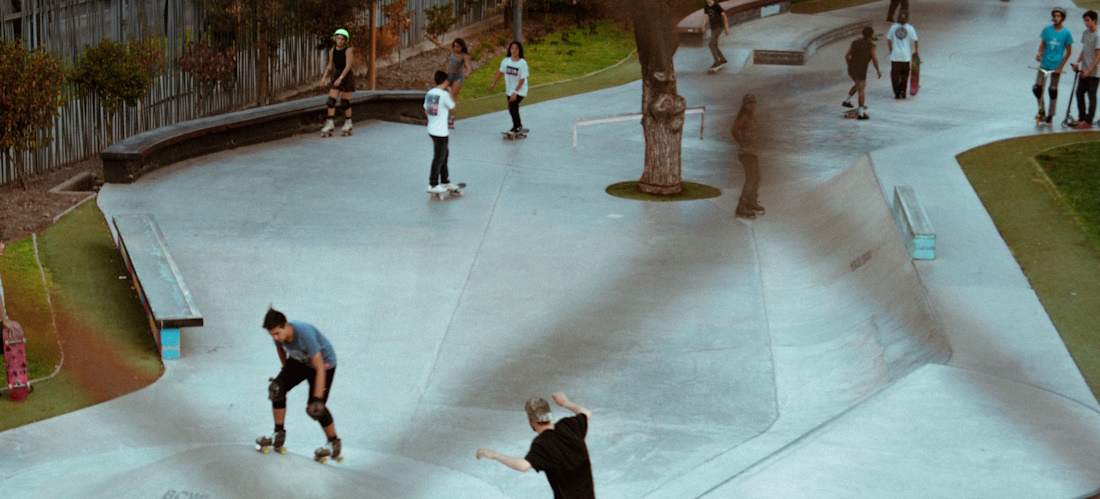
Expats move to Santiago not only for its dynamic atmosphere but also for the wide range of events and activities on offer, from pottery classes and photography groups to shopping, snowboarding and suntanning.


Shopping in Santiago

Santiago is Chile’s shopping capital. Most shopping malls house international shops and brands, as well as dining and entertainment options, and they stay open late, making it convenient for those who prefer shopping after work.

Shopping enthusiasts will be delighted to know that Santiago is home to one of Latin America’s largest shopping malls, Costanera Centre. Other highlights include Alto Las Condes and Parque Arauco, both on Kennedy Avenue. Expats will also discover high-fashion shops, great restaurants and art galleries along Alonso de Cordova and Nueva Costanera.

Expats looking for something special to send home might just find what they’re looking for at Los Dominicos Handicraft Village, right next to the Los Dominicos metro station. Jewellery and other unique handmade items are available at this artisanal centre at bargain prices. Other places to shop for gifts include Centro Cultural Palacio La Moneda and Patio Bellavista.


Eating out in Santiago

While Chilean cuisine might not be as exciting as that of some of its regional neighbours, there is something to suit everyone’s tastes in Santiago. With a long coastline, quality seafood is a popular choice. Chile is also known for its excellent wines, and expats often enjoy exploring the various vineyards around Santiago.

Barrio Bellavista and the surrounding areas offer great dining and drinking options for Santiago’s expats. Many enjoy the hour-long journey to the coastal town of Valparaíso for its cheap, delicious seafood.


Nightlife in Santiago

Santiago has a lively nightlife. Chileans generally start the party late, so it’s not unusual to only have dinner at 10pm, then go to a bar or club and carry on until the early hours of the morning. Bellavista, Providencia, Vitacura and Suecia are neighbourhoods frequented by Santiago’s partygoing crowd due to their many restaurants, clubs and bars.


Sports and outdoor activities in Santiago

Expats living in Santiago will be ideally placed to make the most of a diverse range of outdoor and sporting activities. Beautiful beaches lie just an hour’s drive from the city, and those who prefer the snow will be happy to know the Andes Mountain range and its many ski lodges are a stone’s throw away.

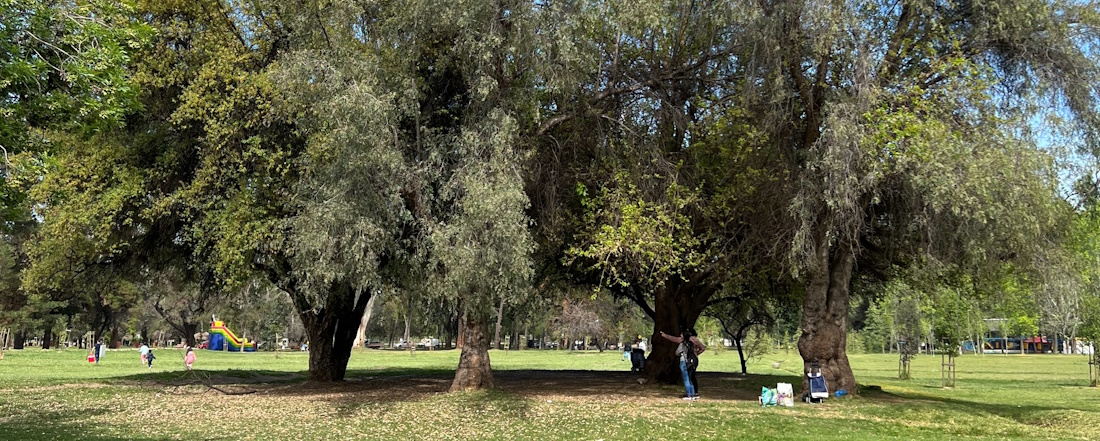
Santiago also boasts an extensive network of bicycle and pedestrian paths along the Mapocho River. The numerous beautiful parks and green spaces scattered across the city and its surroundings offer relief from the urban environment. They are great places for families and young people to enjoy.


Meeting people and making friends in Santiago

Santiago’s diverse and dynamic atmosphere offers a variety of platforms for expats to meet new people and develop friendships. From social and sporting groups to language courses and volunteering opportunities, here are some excellent options for expats to connect with others in the city.

Useful links

Kids and Family in Santiago

Those moving to Chile’s capital can rest assured that kids and family in Santiago will find plenty to see and do. International schools offer a variety of extracurricular activities and opportunities, while family, social, and friendship groups are easily accessible.

Santiago can be a lot of fun for children if parents do their research beforehand. From beautiful parks, museums, and art galleries to zoos, indoor play centres, nature reserves, and various arts and craft classes, expat families in Santiago can enjoy a range of entertainment options for all ages.


Activities for kids in Santiago

Animatronic dinosaur at Buin ZooBuin Zoo

The Buin Zoo promises a fun day out for animal lovers, young and old. It houses a variety of animals, from local to African, and it also includes a reptile centre, an aquarium, a butterfly garden, and even a dino park with animatronic dinosaurs.

Parque Natural Aguas de Ramón

This park is a beautiful nature reserve in Santiago, situated in the leafy district of La Reina Alta. It’s a large park with various trails for trekking and hiking. Parents can take their children on an easier route, or those who don’t yet walk could be carried. There are waterfalls, streams, and mountainous areas to traverse, as well as an education centre to indulge curious minds.

Trees in Parque Padre HurtadoParque Padre Hurtado

This park is one of the most spacious parks in Santiago. It features designated picnic areas, swings and slide sets, and many more activities for kids, including mini golf, pony rides and train rides around the park. There is also a small lagoon where families can watch and feed the ducks, perfect for a weekend outing.

Museo Interactivo Mirador

This interactive space pushes the limits of a traditional museum. With no signs saying, ‘Don’t Touch’, visitors are free to push, climb and play on the displays and exhibits. Children will love this museum, as there is plenty to see, do, and learn, while adults (especially the young at heart) will also enjoy this novel interactive experience. Highlights include the bubble area and the earthquake room.

See and Do in Santiago

Santiago is a cultural treasure trove, and expats will be in a prime position to enjoy countless attractions. Although it’s a metropolis through and through, it’s nonetheless home to abundant natural beauty. There are plenty of things to see and do in Santiago for everyone, from young solo adventurers to families of young and old.

Expats will find museums and galleries around almost every corner. Chile’s rich history and cultural heritage provide ample fascinating material for expats to get lost in. Santiago is also home to some beautiful architecture, and there are innumerable plazas and statues in areas throughout the city.

The beautiful Andes Mountains are just a short trip away. Expats can ski, soak in the mountain’s natural hot springs and camp on this famous mountain range.


Attractions in Santiago

View of Santiago city

Sky Costanera

There are few better vantage points for breathtaking views of the Santiago cityscape than the 62-storey tall Gran Torre Santiago. Part of the city’s landmark in Costanera Centre, the tower is the second-tallest building in Latin America. The observation deck offers stunning panoramic views of the city.

La Chascona Casa Museo

Curious expats can get a glimpse into the life of one of Chile’s most beloved poets, Pablo Neruda, at his home in Santiago. Inspired by his secret lover, the house has an air of mystery and contains beautiful artwork from around the world. The entry price includes an informative audio tour full of fascinating facts about Neruda.

Museum of Memory and Human Rights

A sobering experience, this museum is dedicated to all who suffered human rights violations under Pinochet’s military regime from 1973 to 1990. The museum holds historical oral and written testimonies, photos, exhibitions and public artwork. Visitors can take a tour and listen to audio guides to learn more about the context and content of this dictatorship.

Santiago Metropolitan Park

At over 700 hectares, the Santiago Metropolitan Park is one of the largest urban parks in the world, and it’s a perfect place to spend the day. The park is packed with attractions, including pools, cable cars, a botanical garden and the Chilean National Zoo. The popular San Cristóbal Hill is also a part of the park, and at its summit, visitors can view Santiago’s iconic statue of the Virgin Mary up close.

Parque Araucano

One of Santiago’s many green spaces, Parque Araucano is a massive park perfect for a peaceful afternoon out. Parents can relax and enjoy the view of the Andes while their children play in one of the many playgrounds. Conveniently, the park is just across the road from Parque Arauco Mall, should visitors be in the mood for a bit of retail therapy.

Museo Chileno de Arte Precolombino

A wide range of artefacts can be seen at this museum, some of which date back 10,000 years. This gigantic collection of pre-Columbian art is grouped into six distinct cultural areas: Mesoamerica, the Caribbean, the Amazonian, the Central Andes, the Southern Andes, and the Intermediate Area (consisting of Colombia and Ecuador). Apart from its permanent exhibitions, the museum also has exciting temporary exhibitions, so there is often something new to be found in the museum, even for those who have visited before.

Getting around in Santiago

With a public transport system consisting of a metro, light rail, buses and taxis, getting around in Santiago is relatively easy. The city has a public transport system with standardised routes and an integrated fare system, allowing for transfers from one form of transport to another.

The city is also equipped with taxis, and cycling and walking are popular modes of transport among locals and expats alike.


Public transport in Santiago

Blue and white busTicketing for public transport in Santiago is done through the bip! card, a contactless smart card. It allows free transfers between the different modes of public transport, including buses, the metro, and MetroTren. Bip! cards can be purchased at metro stations, banks, some shops and Punto Bip! centres throughout Santiago.
Metro

Santiago’s metro system is the easiest and fastest way of getting around the city. The trains are clean and reliable, but the metro can become extremely congested during rush hour, and expats should keep a close eye on their belongings as pickpockets are known to operate on metro trains and at stations.

Buses

Santiago has a well-developed bus system that underwent a complete overhaul with its integration with other modes of transport. Old yellow buses have been replaced by modern green-and-white buses, which run around the clock on the main lines. Different coloured feeder buses operate in each area of the city, connecting with the green and white buses on major routes and at metro stations. Payment for buses is through the Bip! card.

MetroTren

The MetroTren is a subsidiary of EFE, Chile’s state-owned railway services. The Metrotren is part of the integrated services, so you can use the bip! card, and it offers alternative routes to the buses and metros. It’s a light rail system consisting of two lines, the MetroTren Nos and the MetroTren Rancagua, and over 25 stations.

Useful links


Taxis in Santiago

Taxis are plentiful in Santiago and are identified by their black exterior and yellow roof. They can be hailed on the street or called ahead, although the latter option may cost more.

Expats should always keep an eye on the route the driver is taking, as they have been known to take passengers on unnecessarily long and winding routes to run up the meter. Drivers have also been known to quickly palm notes when being paid and then insist that they’ve been underpaid. Expats can avoid this by concentrating when paying drivers and avoiding distractions.

Colectivos are another common form of public transport in Santiago. These are normal sedan-type vehicles that offer shared taxi services. Colectivos normally offer set prices and run regular fixed routes which are displayed on signs on their roofs, although at night, for an extra fee, they may drive to a specific location.

Ride-hailing services, such as Uber, are readily available throughout the city. These can be a viable option for expats who do not speak the local language, as they reduce the risk of miscommunication with drivers and allow passengers to track the vehicle’s route.

Useful links


Driving in Santiago

Streets of Santiago

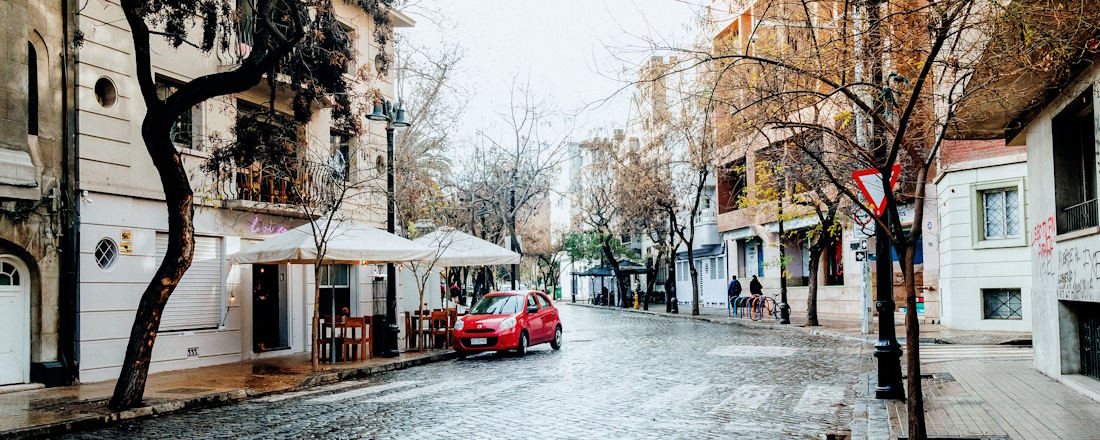
Driving in Santiago can be quite a stressful experience, but with the city’s extensive public transport options, it may be possible, and even preferable, for expats to get by without using a car.

Traffic congestion is a constant plague, and parking is expensive. Another concern is crime – car theft and car break-ins are common in Santiago. Expats should never leave any valuables visible in their cars when parking on the street.

Expats staying for a short time may prefer to rent a car, while others may buy a used car to sell afterwards. When buying a car, expats should always ensure it’s in good condition and think about investing in car insurance.

Foreigners must have an international driver’s permit and a valid driver’s licence from their home country. After obtaining residency, expats must apply for a Chilean driver’s licence.

Find out more about Transport and Driving in Chile


Cycling in Santiago

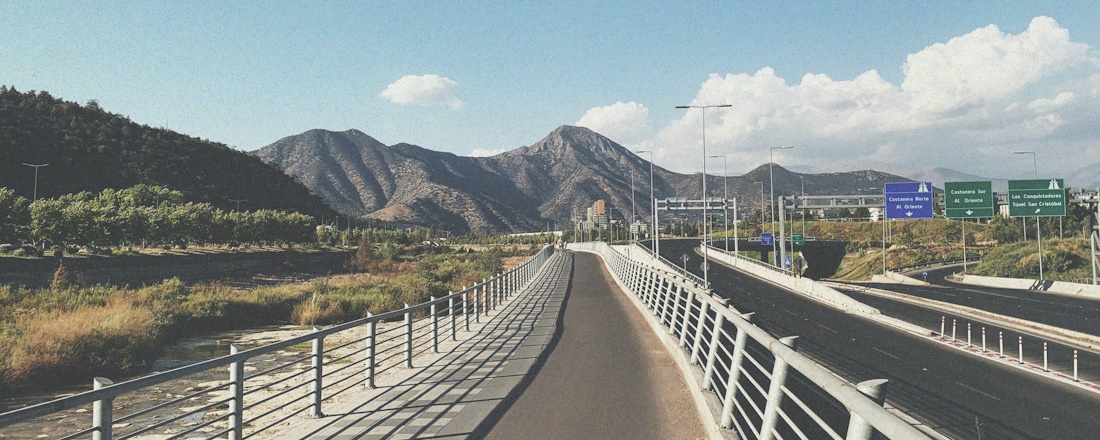
Cycle pathSantiago is becoming easier and safer for cyclists to navigate. A gradual increase in cycle lanes throughout the city has assisted in this, but there are two main initiatives responsible for the biggest advancements: the Mapocho 42K cycle path and CicloRecreoVía.
Mapocho 42K is a 26-mile (42km) cycle path running alongside the Mapocho River in Santiago, which flows through all the city’s major neighbourhoods. It’s a continually evolving project that already offers opportunities for avid cyclists, families, and anyone wanting to get out and about on two wheels.

The second major force behind the cycling boom in Santiago is CicloRecreoVía. Every Sunday, certain streets in the city are closed to all motor vehicles. Anyone intending to use these roads must go on foot or another form of non-motorised transport. Anyone can join in the fun, and tens of thousands of cyclists attend each week. The open streets also create a joyful and safe atmosphere for pedestrians, skaters, runners, children, and dog walkers.

Despite the general progress, the cycle paths in the city are still poorly connected, and expats should keep their eyes open while cycling for sudden changes or obstructions in their path.


Walking in Santiago

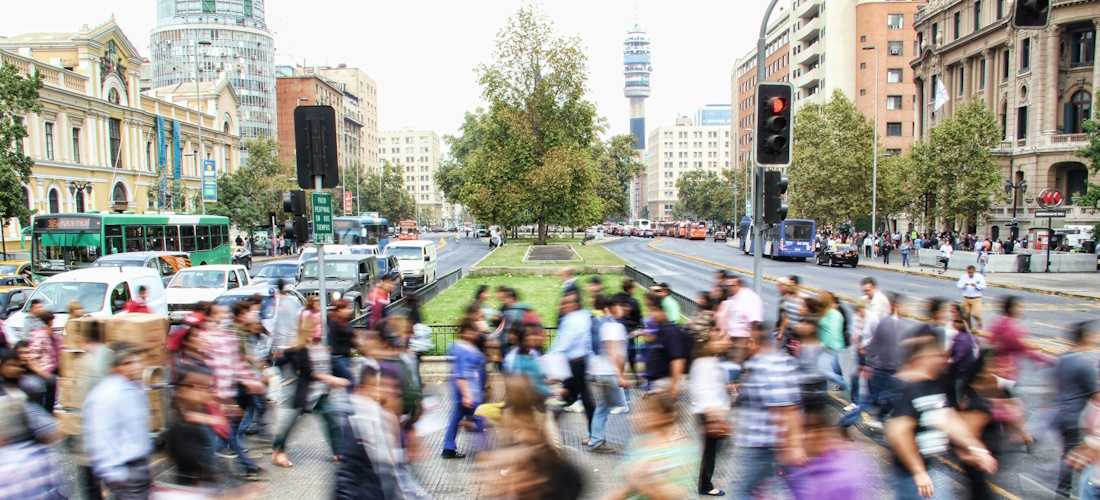
Busy foot traffic on crosswalkAs a relatively flat city, Santiago is ideal for walking short distances. The roads don’t follow a grid structure, but they’re still relatively easy to navigate. Walking the streets is a great way for new arrivals to get familiar with their surroundings and to explore attractions, shops, facilities, restaurants and amenities.

As with cycling, walking alongside the Mapocho River is an ideal way to travel from suburb to suburb without being exposed to the dangers of road traffic.

That said, Santiago is like any other major city, and pedestrians should be vigilant, and it’s best not to walk alone at night.