
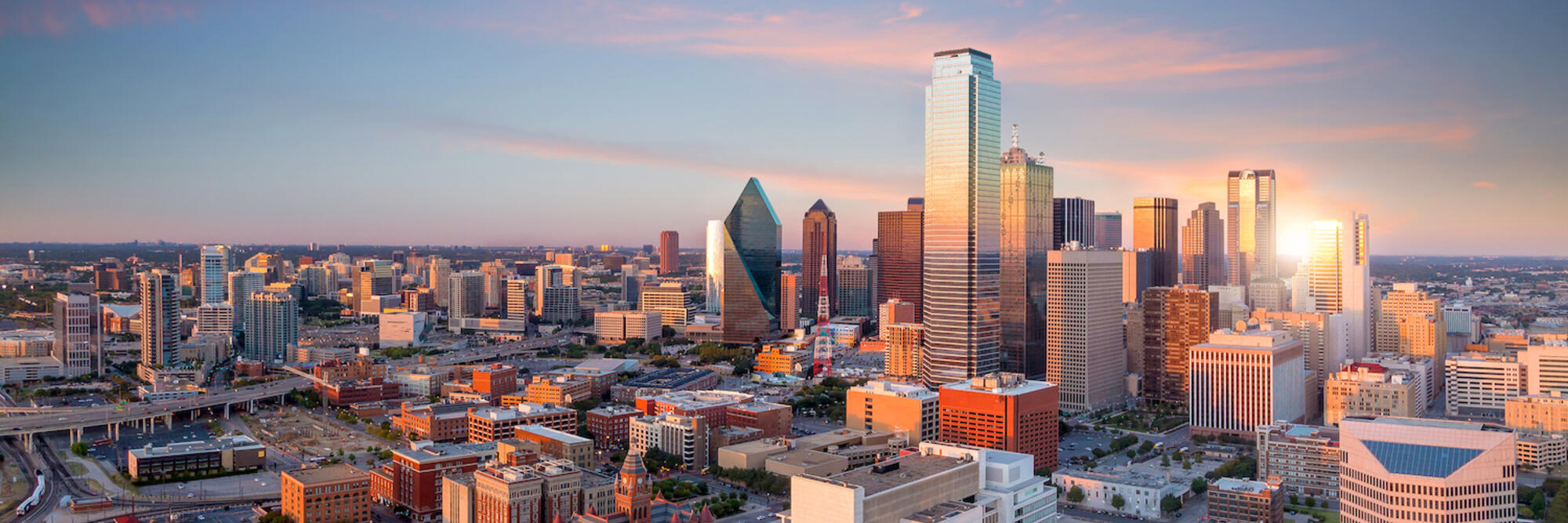
The cost of living in Dallas is relatively moderate compared to other major metropolitan areas in the US. With a city population of nearly 1.4 million – and a wider metro area topping eight million – Dallas can seem daunting at first glance. Housing in prime areas commands a premium, and Dallas now ranks as the most expensive city in Texas. That said, overall living costs are still far more manageable than in New York or San Francisco.
Texas levies no state income tax, a significant perk for higher earners. Many Dallas residents also use mobile apps and online platforms to find deals on everything from shopping to dining.
Cost of accommodation in Dallas
The cost of accommodation in Dallas is a broad spectrum, from contemporary apartments in the bustling downtown area to historical homes that offer a glimpse into the city's past. Townhouses and single-family homes are familiar sights.
As in most major cities, the price of paradise varies. Upscale neighbourhoods like Highland Park, University Park, and Preston Hollow are the go-to for luxury. For those seeking affordability without sacrificing quality, Pleasant Grove and parts of South Oak Cliff still offer real value – although North Oak Cliff and West Dallas have gentrified sharply in recent years.
The old real estate adage – ‘location, location, location’ – rings true in Dallas. Some areas outside the city centre offer more affordable rents and are still conveniently connected by public transport.
Other costs for new arrivals to Dallas to consider include a security deposit equivalent to one or two months' rent and monthly utility costs.
Renting Accommodation in Dallas
Best Areas and Suburbs in Dallas
Cost of transport in Dallas
The cost of transport in Dallas depends heavily on whether you own a car. Dallas Area Rapid Transit (DART) operates a network of buses, light rail, and commuter rail – the latter boosted by the Silver Line, which opened in late 2025 and connects the northern suburbs to DFW Airport. Monthly transit passes can trim commuting costs, and the city also offers bike-sharing and car-sharing programmes.
Public transit is relatively affordable, but most residents still rely on personal vehicles. Fuel, car insurance, and parking fees – particularly in high-demand areas – add up quickly. On the plus side, petrol prices in Texas run consistently below the national average. For those who must drive, carpooling or car-sharing services can reduce costs compared to maintaining a personal vehicle.
Cost of groceries in Dallas
The cost of groceries in Dallas sits at or slightly below the national average, so eating well here doesn't have to mean eating into your savings. Popular grocery chains include Kroger, Tom Thumb, and Walmart, and the aggressive expansion of Texas favourite H-E-B into the DFW metro has put welcome downward pressure on prices.
Local markets offer occasional bargains, but chain stores tend to be more consistent in delivering value. Buying in bulk and using loyalty programmes at large grocery chains can lead to real savings, and store-brand products often match name-brand quality at a fraction of the price.
Cost of entertainment and eating out in Dallas
You'll find no shortage of ways to spend your money – and your evenings – when it comes to entertainment and eating out in Dallas. Cultural landmarks like the Dallas Museum of Art offer a dose of refinement, while the Dallas Zoo promises wholesome family fun. For sports enthusiasts, venues such as the AT&T Stadium are the epicentre of excitement.
The culinary scene ranges from modest, wallet-friendly eateries to high-end restaurants. Recreational pursuits like fitness centres and spas also span a wide price range.
Those on a tight budget should look for free or donation-based events, often listed on community boards or local websites. The Dallas Museum of Art, for instance, offers free general admission year-round, and many other museums and attractions run discounted days or hours. Diners can try lunch specials, usually cheaper than dinner prices, or sample the wide range of food trucks serving delicious and affordable meals around the city.
Cost of education in Dallas
The cost of education in Dallas depends largely on whether you opt for public or private schooling. Choices are abundant, from charter and magnet schools to well-regarded private institutions. Public schools are the most cost-effective route, and many newly arrived families aim for the suburban independent school districts (ISDs) of Plano, Richardson, Frisco, and Highland Park as being among the state's best.
Dallas's private institutions, with their varied curricula and facilities, come at a premium. Many of these schools do offer scholarships or financial aid, and families seeking an international curriculum can look to Dallas International School, which offers French and International Baccalaureate programmes. Parents should also ask about sliding-scale fees or sibling discounts.
Education and Schools in Dallas
Cost of healthcare in Dallas
The cost of healthcare in Dallas is informed by a well-developed medical infrastructure. Public and private hospitals and clinics dot the city, with prestigious institutions like Baylor University Medical Center and UT Southwestern Medical Center at the helm.
Insurance is a critical consideration, and costs fluctuate based on factors like the plan type and an individual's profile. For those without employer-sponsored insurance, the Affordable Care Act (ACA) marketplace provides a range of health insurance options. It is worth noting, though, that Texas has not expanded Medicaid, which can leave some lower-income residents in a coverage gap.
Community health fairs often offer free screenings and essential services. Generic drugs, available at pharmacies, are usually much cheaper than branded alternatives. Some local clinics also operate on a sliding fee scale based on income.
Cost of living in Dallas chart
Prices are listed in US dollars (USD) and may vary depending on the product and service provider. The list below shows average prices for Dallas in February 2026.
| Accommodation (monthly rent) | |
| Three-bedroom apartment in the city centre | USD 3,600 |
| Three-bedroom apartment outside the city centre | USD 2,700 |
| One-bedroom apartment in the city centre | USD 1,800 |
| One-bedroom apartment outside the city centre | USD 1,500 |
| Food and drink | |
| Eggs (dozen) | USD 4 |
| Milk (1 litre) | USD 1.10 |
| Rice (1kg) | USD 4.50 |
| Loaf of white bread | USD 3.70 |
| Chicken breasts (1kg) | USD 13.50 |
| Cheese (500g) | USD 7 |
| Eating out | |
| Three-course meal for two at a mid-range restaurant | USD 85 |
| Big Mac Meal | USD 11.50 |
| Coca-Cola (330ml) | USD 2.80 |
| Cappuccino | USD 5.75 |
| Local draft beer (500ml) | USD 7 |
| Utilities/household | |
| Mobile phone monthly plan with calls and data | USD 70 |
| Internet (fibre or cable – average per month) | USD 70 |
| Basic utilities (average per month for a standard household) | USD 230 |
| Transportation | |
| Taxi rate (per kilometre) | USD 1.80 |
| Bus/train fare in the city centre | USD 3 |
| Gasoline/petrol (per litre) | USD 0.65 |