
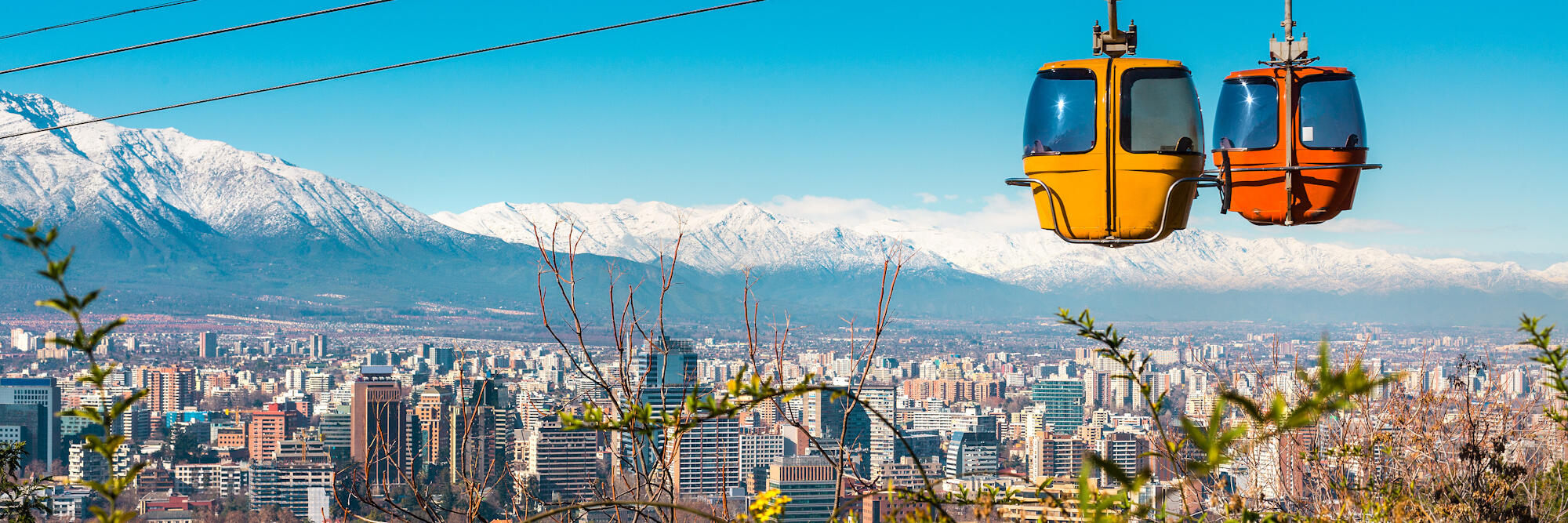
With a public transport system consisting of a metro, light rail, buses and taxis, getting around in Santiago is relatively easy. The city has a public transport system with standardised routes and an integrated fare system, allowing for transfers from one form of transport to another.
The city is also equipped with taxis, and cycling and walking are popular modes of transport among locals and expats alike.
Public transport in Santiago
 Ticketing for public transport in Santiago is done through the bip! card, a contactless smart card. It allows free transfers between the different modes of public transport, including buses, the metro, and MetroTren. Bip! cards can be purchased at metro stations, banks, some shops and Punto Bip! centres throughout Santiago.
Metro
Santiago’s metro system is the easiest and fastest way of getting around the city. The trains are clean and reliable, but the metro can become extremely congested during rush hour, and expats should keep a close eye on their belongings as pickpockets are known to operate on metro trains and at stations.
Buses
Santiago has a well-developed bus system that underwent a complete overhaul with its integration with other modes of transport. Old yellow buses have been replaced by modern green-and-white buses, which run around the clock on the main lines. Different coloured feeder buses operate in each area of the city, connecting with the green and white buses on major routes and at metro stations. Payment for buses is through the Bip! card.
MetroTren
The MetroTren is a subsidiary of EFE, Chile’s state-owned railway services. The Metrotren is part of the integrated services, so you can use the bip! card, and it offers alternative routes to the buses and metros. It’s a light rail system consisting of two lines, the MetroTren Nos and the MetroTren Rancagua, and over 25 stations.
Useful links
Taxis in Santiago
Taxis are plentiful in Santiago and are identified by their black exterior and yellow roof. They can be hailed on the street or called ahead, although the latter option may cost more.
Expats should always keep an eye on the route the driver is taking, as they have been known to take passengers on unnecessarily long and winding routes to run up the meter. Drivers have also been known to quickly palm notes when being paid and then insist that they’ve been underpaid. Expats can avoid this by concentrating when paying drivers and avoiding distractions.
Colectivos are another common form of public transport in Santiago. These are normal sedan-type vehicles that offer shared taxi services. Colectivos normally offer set prices and run regular fixed routes which are displayed on signs on their roofs, although at night, for an extra fee, they may drive to a specific location.
Ride-hailing services, such as Uber, are readily available throughout the city. These can be a viable option for expats who do not speak the local language, as they reduce the risk of miscommunication with drivers and allow passengers to track the vehicle’s route.
Useful links
Driving in Santiago

Driving in Santiago can be quite a stressful experience, but with the city’s extensive public transport options, it may be possible, and even preferable, for expats to get by without using a car.
Traffic congestion is a constant plague, and parking is expensive. Another concern is crime – car theft and car break-ins are common in Santiago. Expats should never leave any valuables visible in their cars when parking on the street.
Expats staying for a short time may prefer to rent a car, while others may buy a used car to sell afterwards. When buying a car, expats should always ensure it’s in good condition and think about investing in car insurance.
Foreigners must have an international driver’s permit and a valid driver’s licence from their home country. After obtaining residency, expats must apply for a Chilean driver’s licence.
Find out more about Transport and Driving in Chile
Cycling in Santiago
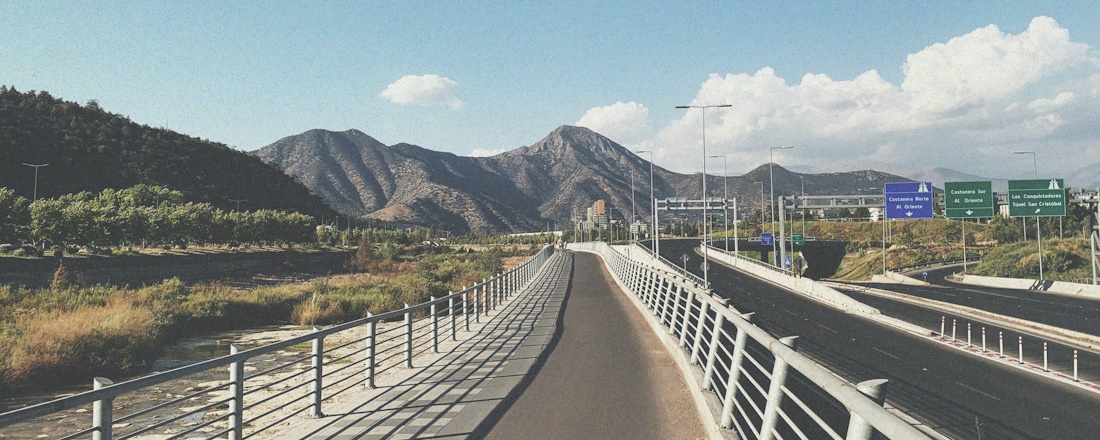 Santiago is becoming easier and safer for cyclists to navigate. A gradual increase in cycle lanes throughout the city has assisted in this, but there are two main initiatives responsible for the biggest advancements: the Mapocho 42K cycle path and CicloRecreoVía.
Mapocho 42K is a 26-mile (42km) cycle path running alongside the Mapocho River in Santiago, which flows through all the city’s major neighbourhoods. It’s a continually evolving project that already offers opportunities for avid cyclists, families, and anyone wanting to get out and about on two wheels.
The second major force behind the cycling boom in Santiago is CicloRecreoVía. Every Sunday, certain streets in the city are closed to all motor vehicles. Anyone intending to use these roads must go on foot or another form of non-motorised transport. Anyone can join in the fun, and tens of thousands of cyclists attend each week. The open streets also create a joyful and safe atmosphere for pedestrians, skaters, runners, children, and dog walkers.
Despite the general progress, the cycle paths in the city are still poorly connected, and expats should keep their eyes open while cycling for sudden changes or obstructions in their path.
Walking in Santiago
 As a relatively flat city, Santiago is ideal for walking short distances. The roads don’t follow a grid structure, but they’re still relatively easy to navigate. Walking the streets is a great way for new arrivals to get familiar with their surroundings and to explore attractions, shops, facilities, restaurants and amenities.
As with cycling, walking alongside the Mapocho River is an ideal way to travel from suburb to suburb without being exposed to the dangers of road traffic.
That said, Santiago is like any other major city, and pedestrians should be vigilant, and it’s best not to walk alone at night.