
Finding accommodation in Ghana should sit atop your list of priorities when considering a move, as it will play a significant role in deciding the quality of life in your new country.
For those relocating to Ghana to work for a national embassy, a large multinational corporation or an international development agency, accommodation is often provided as part of their employment package. On the other hand, independent workers, entrepreneurs, university researchers, and volunteers are typically faced with the daunting task of finding safe, affordable housing for themselves in an unfamiliar country where suitable accommodation is in short supply.
Expats living in Ghana’s major cities, such as Accra, Kumasi, and Takoradi, should expect to pay more than those living in rural areas.
Types of accommodation in Ghana
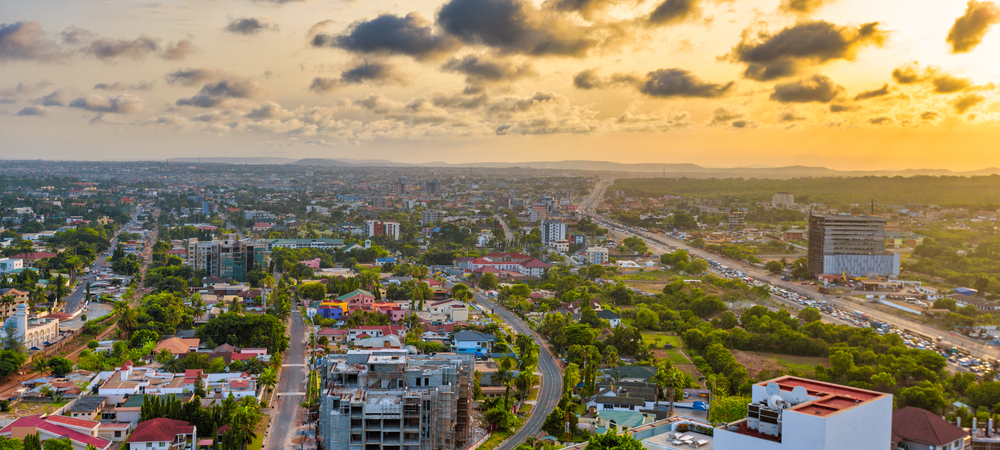
Accommodation in Ghana might not be overly abundant. Still, when moving to Ghana, you’ll find various housing options available, from extensive family homes with gardens to luxury apartments in modern complexes.
While the standard of housing is decent, the cost of utilities can be high, pushing up the cost of living. Due to power cuts and water shortages, most expats choose to invest in a generator, power inverters, and a water tank, or to find a property with an existing borehole. Air conditioning is another essential factor to consider in Ghana’s hot, humid climate.
Furnished or unfurnished
Many expats moving to Ghana only work on short-term contracts, so fully furnished accommodation tends to be the most popular. Apartments are often furnished in Ghana, but houses are usually semi-furnished or unfurnished – fortunately, furniture can be sourced easily and cheaply from local suppliers. Many expats do not remain in Ghana for more than a few years, so having goods shipped from home may not be the most efficient option.
Short lets
Short-term leases are ideal for those not looking to commit to a long-term lease. These are typically available for periods ranging from a few days to several months. They are especially popular among tourists, business travellers, and expats on brief assignments. These accommodations primarily come fully furnished, with utilities included in the rent, offering a hassle-free stay.
Useful links
Finding accommodation in Ghana
There are various ways to find rental properties in Ghana. Those searching for homes on their own should consider hiring a real estate agent. These professionals will have a better understanding of the country’s property market and can help foreigners find properties that may not be listed publicly. Relocation companies can also aid in searching for accommodation while offering additional assistance with other aspects of the move, such as obtaining a visa and shipping goods.
Networking can also be a valuable tool in the housing search process. Expats with friends or acquaintances in Ghana can tap into their knowledge and connections. Joining expat groups or forums online can also provide insights and recommendations from those who have been through the process before. Online property portals and agencies are also popular tools for finding a place to stay in Ghana.
Useful links
Renting accommodation in Ghana
Once suitable accommodation has been found, potential tenants should ensure they fully understand the lease agreement and the complexities of deposits and utilities.
Rental law in Ghana does little to protect tenants, so expats should take care not to be exploited. Landlords have been known to inflate rent and adjust the lease agreement in their favour when renting to foreigners. It’s advised to sign a detailed inventory of furniture and equipment and take note of the general condition of rooms and features.
Making an application
Initiating the rental process in Ghana typically starts with viewing properties. Once a suitable property is identified, negotiations on the rent and terms begin. After both parties agree, a lease agreement is drafted detailing the terms and conditions of the rental. It’s crucial to review this document thoroughly and, if possible, have it vetted by a local lawyer.
Leases
What may come as a surprise to expats are the unusual lease agreements. Often, six months’ rent is expected in advance to secure a lease. This is likely to be a significant challenge for many people, especially given the high rental costs in the first place. Those who can afford it may prefer this option, paying the rent upfront to secure the contract.
Some Ghanaian landlords may expect a whole year or even up to three years’ rent in advance, despite legislation that states that six months is the maximum permitted.
Lease duration often depends on the advance payment and tends to be two to five years, allowing for negotiable renewal. Despite the trend of requiring upfront annual rent payments, many furnished apartments and short-term leases, especially those aimed at foreigners, require monthly payments.
Upon signing the lease, the agreed-upon advance payment is made, and the keys are handed over. It’s also a good practice to document the property’s condition at the time of moving in to avoid disputes during the lease termination.
Deposits
Due to the considerable rent advancements, many Ghanaian landlords might not expect a security deposit, although some may require an amount equal to half a month’s rent. Landlords are known to delay repaying deposits, especially in early lease terminations, so expats should be aware of this possibility before signing the lease and research the legal options if it does occur.
Terminating the lease
Tenants who wish to terminate the lease early typically require three months’ notice. Terminating a lease agreement in Ghana can be straightforward if both parties agree. In the event of disputes, it’s essential to refer to the lease document and adhere to its terms. It’s advisable to maintain open communication with the landlord throughout the stay to foster a good relationship.
Utilities in Ghana
In addition to the often high cost of rent, expats also need to consider the cost of utilities and maintenance. For those living in apartment complexes, most utilities will be taken care of by the building management, and for this reason, most new arrivals opt to live in such complexes instead of renting a standalone house.
While water is often included in the rent, most buildings have separate electricity meters, so electricity, mainly prepaid, is an additional cost. Where parking is available, the parking space is usually free or included in the price of rent.
Electricity
Electricity in Ghana is primarily generated from hydro and thermal sources. Expats should be aware of occasional power outages, which can be mitigated with backup generators or inverters. Prepaid electricity meters are standard, requiring users to purchase credits in advance.
It’s essential to monitor usage to avoid running out of credits unexpectedly. Bills for postpaid meters are usually sent monthly, and prompt payment is advised to prevent disconnections. The leading provider of electricity is the Electricity Company of Ghana (ECG).
Gas
Most households in Ghana use bottled gas for cooking. These gas cylinders can be purchased and refilled at designated stations. It’s crucial to ensure that gas installations are safe and regularly checked for leaks to prevent accidents. Ghana Gas and XpressGas are popular gas suppliers.
Some modern apartment complexes might have piped gas, which is billed monthly based on consumption. It’s essential to be aware of the safety protocols for gas use.
Water
While tap water in major cities, provided by the Ghana Water Company Limited (GWL), is generally safe for consumption, boiling or filtering it before drinking is advisable. Relying on boreholes or wells might be necessary in some areas, especially rural ones. It’s essential to store backup water for times when there are shortages.
Water bills are typically sent monthly, and timely payment ensures uninterrupted service. Water costs might be included in the rent or service charges in properties with shared facilities.
Bins and recycling
Waste disposal services vary across regions in Ghana. In urban areas, regular rubbish collection is provided by municipal or private companies. Households are expected to dispose of their waste in designated bins or collection points.
Recycling is not widespread, but there are initiatives in place in some areas. Expats can contribute to environmental conservation by reducing waste and participating in local recycling programmes where available.