
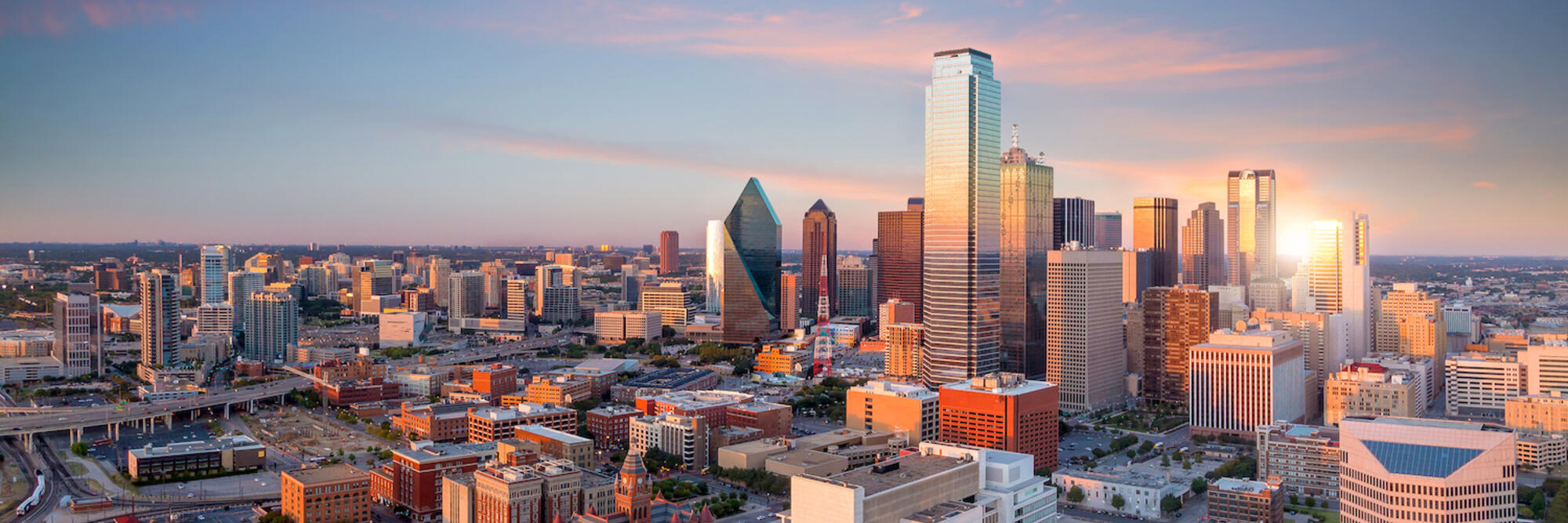
Finding accommodation in Dallas will be one of the biggest hurdles you face when moving to the city. A construction boom has brought fresh rental stock onto the market, but it’s still tough to find homes to buy, and accommodation in desirable neighbourhoods goes quickly regardless.
That said, the quality of apartments and houses in Dallas is high, and property prices reflect this. In fact, Dallas is home to some of the most luxurious and expensive properties in the United States. More affordable options do exist, although they tend to lie farther from the city centre or in less sought-after pockets.
In popular neighbourhoods, good properties still get snapped up quickly, so it pays to start your search early. There are plenty of real estate agents in Dallas – including apartment locators, whose services are free to tenants – ready to help newcomers find their feet in the city’s property market.
Areas and suburbs in Dallas
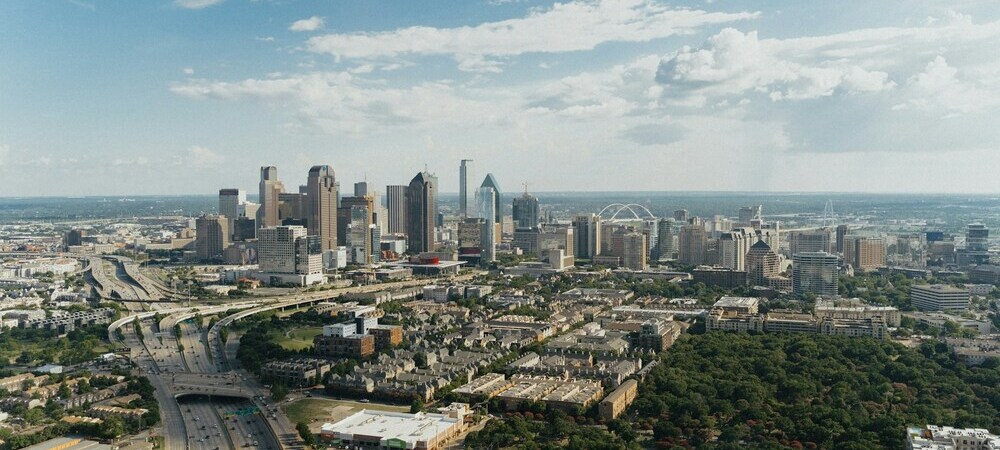
The areas and suburbs in Dallas are wildly varied, and choosing the right neighbourhood to match your lifestyle is half the battle. The Uptown and Downtown areas are bustling with activity, offering a variety of dining, entertainment and shopping options. For those seeking a more suburban feel, areas such as Highland Park and Preston Hollow provide quieter environments with larger plots of land and green spaces.
Lakewood and the M Streets are trendy spots, chock-full of old Dallas charm and modern amenities. The Bishop Arts District has a Bohemian streak – independent shops and artisanal eateries line its streets, although gentrification has picked up the pace in recent years.
For families, Plano and Richardson – slightly north of the city – have excellent school districts and more spacious properties. Frisco and McKinney, farther north still, have overtaken them in terms of new construction and are drawing young families in droves.
See Areas and Suburbs in Dallas for more on the best neighbourhoods in the city.
Types of accommodation in Dallas
The types of accommodation in Dallas run the gamut – from modern apartments and converted loft spaces downtown to luxury condos and sprawling family homes in the suburbs. Mid-rise apartment blocks (often built around parking garages, known locally as ‘Texas Donuts’) are the most common new builds, while urban townhomes – tall, narrow three-storey affairs – have sprung up across neighbourhoods like Bishop Arts and Grand Prairie.
Property is big business in Dallas, and the standard is generally high – buildings are well maintained, and finishes are modern. That quality comes at a price, though, and it’s worth doing thorough research into the going rates in your preferred neighbourhoods before committing to a move.
Finding accommodation in Dallas

Finding accommodation in Dallas takes some legwork, especially in the most popular neighbourhoods. New arrivals will benefit from the services of a real estate agent familiar with the local market. In Dallas, ‘apartment locators’ – licensed agents who specialise in rentals – are a particularly useful resource, and their services cost the tenant nothing (the landlord pays the commission). It’s worth speaking to other newcomers for recommendations, too.
The internet is another good place to begin a search for a property. Online portals can be used to get an idea of the property prices in particular neighbourhoods. Property in sought-after areas is snapped up quickly in Dallas – often within 24 to 48 hours, and sometimes before agents can even advertise online. Get a head start by briefing your agent on your ideal areas, budget and preferred housing type.
Some newcomers will be lucky enough to have a relocation company working on their behalf, particularly those moving with a corporate transfer. These firms assess your preferences and shortlist properties for you to view.
Useful links
- Zillow: Property listings in Dallas
- Realtor.com: Buying and renting options in Dallas
- Apartments.com: Apartment rental listings in Dallas
Renting accommodation in Dallas
Most people renting accommodation in Dallas do so as a first step, opting to get a feel for the city’s neighbourhoods before committing to a purchase.
Making an application
Once you’ve chosen a property, you’ll need to make a formal application. This usually involves filling out a form with personal information, employment history and references. Most landlords or agencies will also run a credit check.
It’s wise to gather previous landlord references, pay stubs and a letter of employment beforehand. For international newcomers without a US credit history, some larger property management companies use services like Nova Credit to translate overseas credit records into a US equivalent score. Alternatively, offering two to three months’ rent upfront or using a guarantor service can help bridge the gap.
Some properties may also require a background check. If you have a pet, check the property’s pet policy – be prepared for an additional deposit or monthly fee.
Leases, costs and fees
Landlords typically look for tenants who can commit to a lease of 12 months or more. Short-term leases of three to six months are sometimes available but attract significant premiums. Read any lease carefully before signing – look out for limitations it might impose and check whether there are costs beyond the headline rent.
You’ll generally be expected to put down a deposit of at least one month’s rent. Under Texas law, your landlord has 30 days after you vacate to return the deposit, minus any itemised deductions for damage beyond normal wear and tear.
On top of the deposit, watch out for application fees, administrative charges and pet fees. Some are one-off costs; others, like pet rent, may be added to your monthly bill. Clarify everything upfront to avoid surprises.
Terminating the lease
Most leases require 30 to 60 days’ written notice before the end of the lease term if you do not intend to renew. Check your lease carefully for the exact notice period – missing it can trigger automatic renewal or additional charges.
Texas law does not grant tenants an automatic right to break a lease early for reasons like a job transfer or a home purchase. Unless the lease includes a specific early termination or ‘reletting’ clause, penalties can be steep – typically including repayment of any rent concessions received, a reletting fee, and continued rent until a replacement tenant is found.
See Accommodation in the USA for more on rental processes in the country.
Useful links
Utilities in Dallas
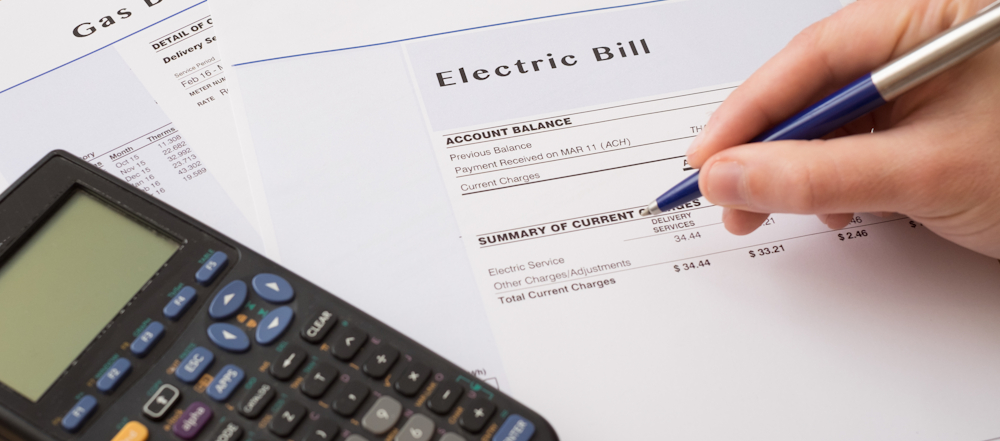
Utilities in Dallas are typically not included in your rent, so you’ll need to budget for them separately.
Setting up utilities should be a priority once you’ve secured a place. Some rental agreements include certain utilities; most will require you to set up your own accounts.
Most utility companies in Dallas offer online account management for tracking usage and payments.
Electricity and gas
Texas has a deregulated energy market, which means you must actively choose your electricity provider – there is no default. The state-run comparison tool at PowerToChoose.org is the best starting point for comparing rates and contract lengths. Major providers include TXU Energy, Reliant and Direct Energy, although dozens of smaller retailers compete on price and plan structure.
For gas, Atmos Energy is the primary provider in the Dallas area. They offer both residential and commercial services.
Worth knowing: the Texas electricity grid (ERCOT) operates independently of the rest of the US. Since the severe winter storm failures of 2021, significant investment has gone into grid resilience. However, newcomers would be wise to ask whether their building has a backup generator or sits on a critical power circuit, particularly if moving into an apartment.
Water
Water and sewerage services are typically handled by the City of Dallas. Upon moving, residents need to set up an account with the city’s water utility service. Bills are usually sent monthly, and payments can be made online, by mail or in person. It’s also wise to be aware of water conservation guidelines, especially during the drier months when restrictions might be in place.
Bins and recycling
The City of Dallas provides waste collection and recycling services. Households are usually supplied with bins for regular waste, recyclables and yard waste. Collection schedules vary depending on the neighbourhood.
Familiarise yourself with the recycling guidelines – paper, plastic and glass should be sorted correctly.