
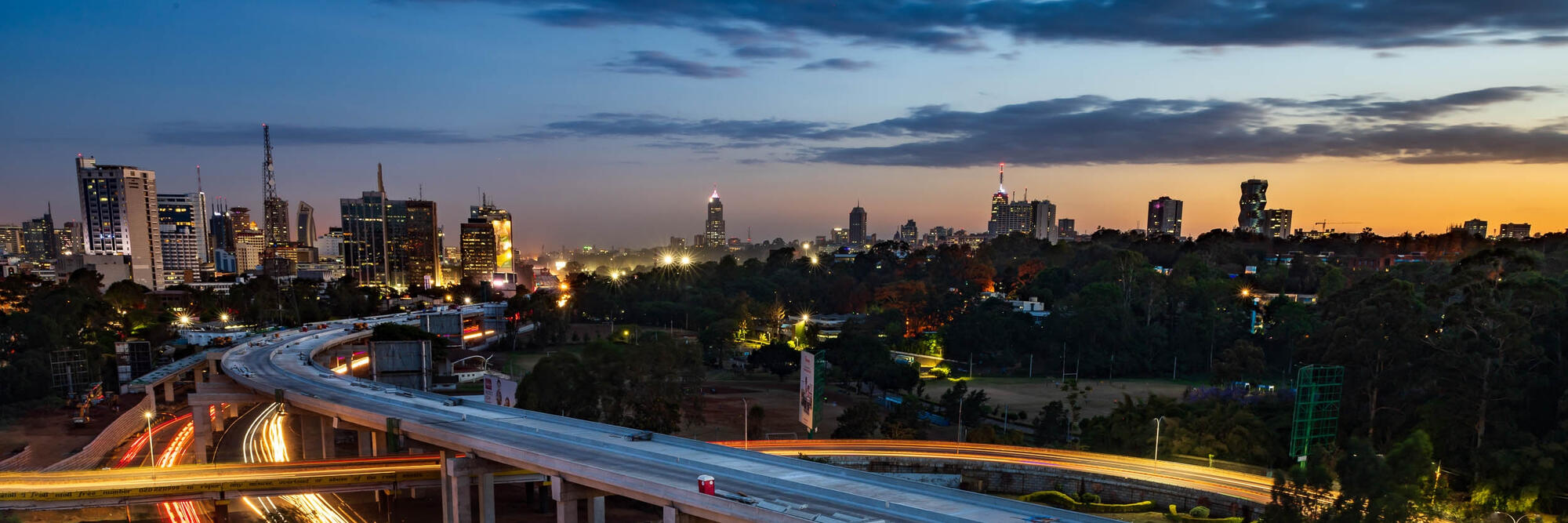
Not many capital cities have a national park on the doorstep, but Nairobi does. You can shop in an air-conditioned mall in the morning and be watching giraffes on the open plains by mid-afternoon; in between, there's a growing international restaurant scene to work through. This page is a quick tour of the lifestyle in Nairobi: shopping, eating out, nightlife, the outdoors, and where to meet people.
Eating out in Nairobi
There's plenty of choice when it comes to eating out in Nairobi. The city is home to residents from all over the world, and you can see that on the menus, from fine-dining restaurants and street-food stalls to Indian canteens and neighbourhood nyama choma grills. The main areas for restaurants are Westlands, Kilimani, Karen, and Gigiri, where you'll find international kitchens alongside Kenyan cooking.
Restaurateurs have opened a lot of new places over the past decade, and coffee is now a real feature of the scene. Kenyan farmers grow some of the world's best-known beans, and the city has the cafés to match, from long-standing local chains to small independent roasters.
Shopping in Nairobi
You'll do most of your shopping in Nairobi in one of its many malls. Two Rivers Mall, out in Runda, is one of the largest malls in East Africa. It has a cinema, a Ferris wheel, a Carrefour hypermarket, and a small theme park. The Hub Karen is the main one for the Karen and Langata side of the city. Older centres such as Sarit Centre and Westgate have both undergone major facelifts and expansions, so the shops and restaurants inside them are up to date.
For crafts, head to the markets. The best-known is the Maasai Market, although it isn't in one place: traders set up at a different location each day of the week, often at one of the malls. The Kariokor Market is a fixed spot and good for leather goods. At either, you'll find handmade clothes, jewellery, woodcarvings, and leatherwork. Buying straight from the makers is the best way to support local artists, and prices are rarely fixed, so haggling is expected. Walk between a few stalls to see what things should cost before you commit.
Nairobi also has plenty of large supermarket chains and pricier gourmet grocers, but don't overlook the open-air produce markets. That's where the fresh fruit and vegetables are cheapest, straight from the farmers who grew them.
Nightlife and entertainment in Nairobi
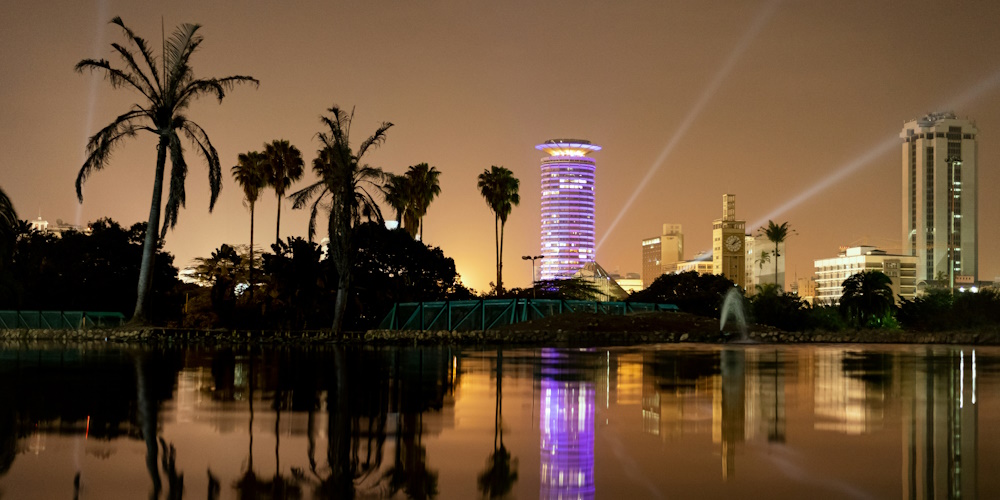
Nightlife and entertainment in Nairobi are easy to find, wherever you end up living. Most neighbourhoods have at least one decent bar, so you're rarely far from a spot for a drink after work or a place to take clients. The busiest areas after dark are Westlands, Kilimani, Karen, and the CBD.
Rooftop bars have been a big trend in recent years. Beyond them, you'll find live-music venues, themed club nights, sports bars, and cigar lounges pitched at the city's better-off drinkers. The clubs are open into the early hours, especially at weekends.
For something earlier in the evening, most of the big malls have cinemas, and a couple have IMAX screens. The city also has a steady run of concerts, theatre productions, art exhibitions, and cultural festivals throughout the year.
Sports and outdoor activities in Nairobi

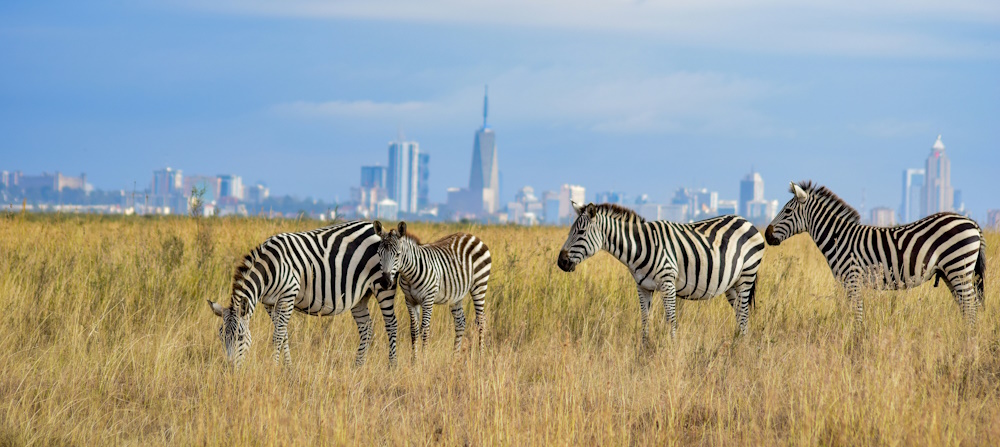
The big draw for sports and outdoor activities in Nairobi is the wildlife, and you don't even have to leave the city for it. Nairobi National Park is on the southern edge of town, about four miles (7km) from the centre, and it's one of the only places on earth where you can watch lions, black rhinos, buffalo, and giraffes against a backdrop of city skyscrapers. Next to it, the Nairobi Safari Walk is a raised boardwalk through samples of Kenya's main habitats, and it's a good introduction for anyone who wants the animals without a full game drive.
Karura Forest, in the north of the city, is one of the largest urban forests in the world and a favourite weekend escape. It has more than 30 miles (50km) of trails for walking, running, cycling, and birdwatching, plus a waterfall and a network of caves that Mau Mau fighters used as hideouts during the struggle for independence. There are shaded picnic areas and guided walks for anyone who wants to learn about the plants and wildlife.
The Nairobi Arboretum, a short drive from the CBD, has more than 300 species of indigenous and exotic trees, and its birds and Sykes' monkeys are easy to spot. It's a favourite with joggers and weekend walkers. Closer to the centre, Uhuru Park and the neighbouring Central Park are open again after long renovations, and both are free to enter.
Golf is big in Nairobi, and the city has some long-established clubs: Royal Nairobi Golf Club, Muthaiga Golf Club, Karen Country Club, and Windsor Golf Hotel and Country Club, among them. Several run regular competitions if you want to play beyond a casual round.
You don't have to go far out of town for bigger scenery. The Great Rift Valley is an easy drive away, and there are several popular day trips within reach. Mount Longonot is good for hiking, Hell's Gate National Park for rock climbing and cycling, Ngong Hills for the views along the ridge, and Lake Naivasha for boat rides and birdwatching. Kiambethu Tea Farm, up in Limuru, is a gentler day out, where you can tour a working tea estate and taste what it produces.
See and do in Nairobi
There's a lot to see and do in Nairobi beyond the malls and restaurants, and much of it is tied to wildlife and the outdoors.
Nairobi National Park
A full national park on the edge of a capital is a genuine rarity, and Nairobi National Park is about four miles (7km) from the city centre. It has four of the Big Five (elephants are the exception) and is one of Kenya's most important black rhino sanctuaries. Lions, leopards, buffalo, giraffes, zebras, and more than 400 bird species live inside its fences, and you can photograph them against the city skyline.
Bomas of Kenya
Bomas of Kenya, in Langata, is a cultural centre. It's built around recreated homesteads from the country's many ethnic communities, and it hosts live traditional music and dance performances. It's long been a highlight for anyone interested in Kenyan culture. The site is being redeveloped into the Bomas International Convention Complex, though, so access and the performance schedule can change while the builders are on site; check before you set out.
Sheldrick Wildlife Trust
The Sheldrick Wildlife Trust runs an elephant orphanage inside Nairobi National Park, where keepers hand-rear calves that have lost their mothers and return them to the wild. You can visit for one hour a day from 11am to 12pm with a booking. If you want more time, you can 'foster' an orphan. This helps fund the rescue work, and foster parents get a quieter evening visit.
Giraffe Centre
The Giraffe Centre was set up in 1979 by Jock and Betty Leslie-Melville, who raised two baby giraffes at their Langata home, and it's still on that spot today. You can feed the resident Rothschild's giraffes from a raised platform and get surprisingly close. The centre breeds this endangered subspecies and releases young giraffes into protected areas around the country.
Maji Magic
Maji Magic is a floating aqua park on a lake at The Waterfront Mall in Karen. You can scramble over its inflatable obstacle course, try stand-up paddleboarding or kayaking, have a go at wakeboarding, and let younger children loose in the bumper boats. It's a reliable family day out when the weather's good.
Nairobi National Museum
The Nairobi National Museum, run by the National Museums of Kenya, has halls on the country's history, culture, palaeontology, and art. Its palaeontology section is the standout; you'll find some of the world's most important early-human fossils there. Next door are a snake park and botanical gardens, plus cafés and shops if you want to make a morning of it.
Meeting people and making friends in Nairobi
Meeting people and making friends in Nairobi is easier than the city's size might suggest, and most newcomers find their feet through a shared interest. You can make friends fastest through sports and hobby clubs, running groups, volunteering, or a business networking event.
There are a few obvious starting points. The Rotary Club of Nairobi, the oldest in East Africa, is good for professional networking and community work. The Nairobi Hash House Harriers, a self-described 'drinking club with a running problem', meets weekly and welcomes runners of all abilities. Language exchanges and the arts scene at the Kenya Cultural Centre are other easy ways in. On Meetup, you'll find groups for everything from hiking to coding.