

Libya uses education as a tool for development, aiming to diversify the country’s economy. Public schools have historically focused heavily on Arabic language and Islamic studies, but a shift to a more modern curriculum is underway, albeit slowly. Education and schools in Libya are key topics to consider if you’re relocating to this North African country. Choosing the right school will significantly impact how your children transition to life in your new home.
Public schools in Libya

Basic education in Libya is free and compulsory for nine years. Children attend primary school between the ages of six and 12. Typically, this phase of education will focus on classes such as Arabic, Koranic study, and Islamic morals, Jamahiriyi society, mathematics, and natural sciences. Children in Libya complete the final three years of basic education in middle school. After middle school, at the age of 15, they are awarded a basic education certificate. They then have the choice between finding work or going on to secondary school.
Classes in public schools are taught in Arabic. Foreigners legally residing in the country can attend public schools, but the language barrier is the primary limiting factor. Additionally, the strong focus on religion means that public schools aren’t often an option for expat children.
Useful links
Private and international schools in Libya
There is a limited number of private schools operating in Libya. These schools charge fees and generally offer a higher standard of teaching with smaller class sizes. However, they still follow the national curriculum, and the language of instruction is usually also Arabic.
In the last few decades, corporations that have cultivated the expat community in Libya have attempted to improve the transition when it comes to education in the country. Although choices are limited and long waiting lists can cause frustration, there are a handful of reputable international schools available in Libya.
Most international schools are found in Tripoli. Schools typically start from preschool and run through to the end of high school. The curricula of these schools include British, American, and the International Baccalaureate. The language of instruction usually lines up with the curriculum being followed. Classes are small, and the standards are high.
Due to the high standards and limited availability of spots, expats should register their children as early as possible to ensure enrolment. There is almost always a non-refundable application fee that goes with registration. Admission procedures vary from school to school. Fees tend to be extremely high and often do not include books or uniforms. Expats relocating for work should attempt to negotiate a schooling stipend as part of their contract.
Useful links
Special educational needs in Libya
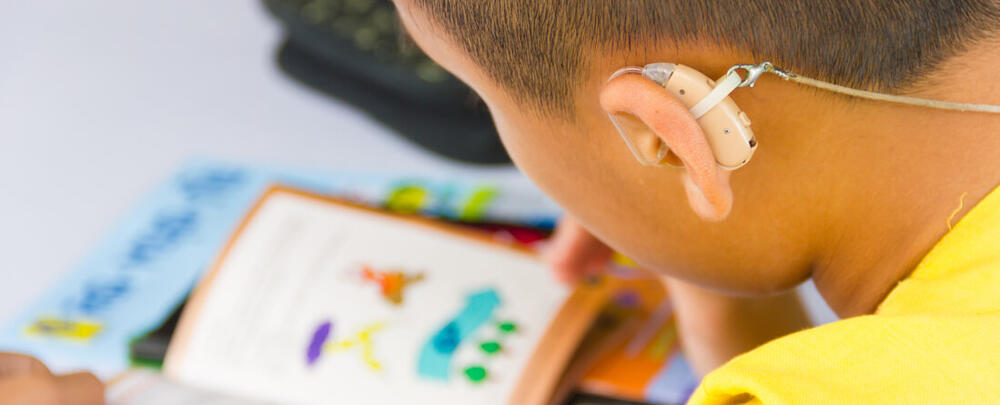
Parents of children with disabilities can rest assured that Libya’s Ministry of Education aims to provide discrimination-free access to education for all. The Department of Education and Integration of Disabled Groups (EIDG) works to assist students with disabilities to complete their education within the public school system. It focuses on working to enhance the efficiency of the integrated educational process for all students, including special groups, and providing direct support to students and teachers, as well as the tools, equipment and training necessary to do so. In practice, though, support for children with special educational needs can be limited.
Due to the significant language barrier, expat parents with children with special educational needs will likely send their kids to international schools, which are generally very well equipped to integrate and teach children with special needs in an inclusive environment.
Useful links
Tutors in Libya
In Libya, tutoring is becoming increasingly popular, and many parents opt to employ private tutors for their children. Both expats and locals make use of tutors for a variety of reasons, including subject-specific learning, Arabic language coaching and exam preparation. The right tutor can also help your children adjust to a new curriculum and a new learning environment. You can search online for a tutor, or ask for recommendations at your children’s school.