Print
  • Hold down Ctrl key and select the sections you want to print. If using a Mac, hold down the Cmd key.
  • Use Ctrl + A or on Mac, Cmd + A to select all sections (if you are using the Chrome browser).
  • Click "Apply" and the site will customise your print guide in the preview below.
  • Click the "Print" button and a print pop up should appear to print to your printer of choice.

Weather in Libya

The weather in Libya varies by region due to the country's large geographic size. Most travellers are drawn to the Mediterranean coastline, thanks to its hot and dry summers and mild winters. The desert that dominates most of Libya has severe weather – days are extremely hot and nights are bitterly cold. 

Rainfall in Libya is sporadic. Autumn and winter mostly have days of drizzle, while humidity generally remains low. Desert regions remain dry year round – some parts of the country see no rainfall for long periods of time, sometimes 10 years or more.

In spring and autumn, Libya experiences the ghibli, a hot, dry, and dusty desert wind that can blow for up to a week, raising temperatures on the coast up to a sweltering 122°F (50°C).

The best time to visit Libya, particularly the coastal areas, is June to October, as temperatures are generally more benign, averaging 80°F (27°C).


Education and Schools in Libya

Libya uses education as a tool for development, aiming to diversify the country's economy. Public schools have historically focused heavily on Arabic language and Islamic studies, but a shift to a more modern curriculum is underway, albeit slowly. Education and schools in Libya are key topics to consider if you're relocating to this North African country. Choosing the appropriate school will have a significant impact on how your children transition to life in your new home.


Public schools in Libya

Public schools in Libya

Basic education in Libya is free and compulsory for nine years. Children attend primary school between the ages of six and 12. Typically, this phase of education will focus on classes such as Arabic, Koranic study, and Islamic morals, Jamahiriyi society, mathematics, and natural sciences. Children in Libya complete the final three years of basic education in middle school. After middle school, at the age of 15, they are awarded a basic education certificate. They then have the choice between finding work or going on to secondary school.

Classes in public schools are taught in Arabic. Foreigners legally residing in the country can attend public schools, but the language barrier is the primary limiting factor. Additionally, the strong focus on religion means that public schools aren't often an option for expat children.

Useful links


Private and international schools in Libya

There is a limited number of private schools operating in Libya. These schools charge fees and generally offer a better standard of teaching with smaller classes. However, they still follow the national curriculum, and the language of instruction is usually also Arabic.

In the last few decades, corporations that have cultivated the expat community in Libya have attempted to improve the transition when it comes to education in the country. Although choices remain limited and long waiting lists can cause frustration, there are a handful of reputable international schools available in Libya. 

Most international schools are found in Tripoli. Schools typically start from preschool and run through to the end of high school. The curricula of these schools include British, American, and the International Baccalaureate. The language of instruction usually lines up with the curriculum being followed. Classes are small, and the standards are high.

Due to the high standards and limited availability of spots, expats should register their children as early as possible to ensure enrolment. There is almost always a non-refundable application fee that goes with registration. Admission procedures vary from school to school. Fees tend to be extremely high and often do not include books or uniforms. Expats relocating for work should attempt to negotiate a schooling stipend as part of their contract.

Useful links


Special educational needs in Libya

Special educational needs in Libya

Parents of children with disabilities can rest assured that Libya's Ministry of Education aims to provide discrimination-free access to education for all. The Department of Education and Integration of Disabled Groups (EIDG) works to assist students with disabilities to complete their education within the public school system. It focuses on working to enhance the efficiency of the integrated educational process for all students, including special groups, and providing direct support to students and teachers, as well as the tools, equipment and training necessary to do so. In practice, though, support for children with special educational needs can be limited.

Due to the significant language barrier, expat parents with children with special educational needs will likely send their kids to international schools, which are generally very well-equipped to integrate and teach children with special needs in an inclusive environment.

Useful links


Tutors in Libya

In Libya, tutoring is becoming increasingly popular, and many parents opt to employ private tutors for their children. Both expats and locals make use of tutors for a variety of reasons, including subject-specific learning, Arabic language coaching and exam preparation. The right tutor can also help your children adjust to a new curriculum and a new learning environment. You can search online for a tutor, or ask for recommendations at your children's school.

Useful links

Keeping in Touch in Libya

Libya may have been the first African country to reach 100 percent mobile phone penetration, but the nation’s poor telecommunication infrastructure still limits an expat's ability to keep in touch in Libya. 

A large portion of Libyan internet access is still relatively slow. Additionally, the telecommunication system is state-owned, and the service is notoriously poor. 


Internet in Libya

Both the internet and telecommunications domains in Libya are largely micro-managed by government through Libya Telecom and Technology (LTT), a semi-private communications company. Other Internet Service Providers (ISPs) include AlFalak and Modern World Telecom, but these are overshadowed for the most part by LTT’s pseudo-monopoly.

LTT has been the primary communications provider in Libya since 1997, and currently offers internet services in dial-up, ADSL, broadband and satellite forms. 

The only document required for opening an account is a copy of one's ID or passport. Though ADSL tends to be the cheapest and fastest connection, some expats have reported situations where the signal is inaccessible within homes and villas. WiMAX is a pricier alternative, but also has the added benefit of larger bandwidth allowances and the convenience of mobility.

Online censorship in Libya

Much of the filtering that takes place in Libya is the result of self-censorship.

The government does not play an active role in filtering sites that deal with social, security or internet tool topics. However, political opposition sites and pages that offer critical evaluations of the president do undergo censorship. Official rules cite that all Libyan domains "must not contain obscene, scandalous, indecent, or contrary to Libyan law or Islamic morality words, phrases nor abbreviations".

This type of filtering does not affect an expat’s ability to communicate via applications such as Zoom, Skype, messaging and webcams.

Internet users have also reported that many internet cafés closely monitor their users, as a result of security personnel shutting down businesses in some situations.

Mobile phones in Libya

The mobile phone market in Libya is served by operators such as Libyana and Almadar, which provide nationwide coverage. Expats can usually use their existing mobile phones when relocating, though devices locked to foreign networks might not be able to accept Libyan SIM cards.

In order to obtain a SIM card, you'll need to provide official identification, typically a passport. Postpaid and prepaid services are available, the latter being the most common option. You can top up prepaid data and airtime at shops, kiosks, and online platforms.

Postpaid packages generally include voice, SMS, and data allowances, though coverage and speeds may vary depending on location, with urban areas offering more reliable connections than rural regions. Signal in the Libyan desert is effectively non existent. Satellite phones are practically a requirement (and important safety consideration) when travelling to Libya's vast desert regions.

Useful links


Postal services in Libya

The Libya Post Company operates as the main postal service provider in Libya, managing domestic and international mail delivery. Services are available across the country, but reliability can vary, and expats are advised to take out insurance when sending or receiving valuable items in the post.

Delivery times can also be inconsistent, with delays more common for international parcels due to customs procedures. To avoid long waits, many residents prefer using courier companies for urgent or important shipments, as these often offer faster, more dependable service than the state-run system.

Useful links


English language media in Libya

English-language media in Libya can be hard to find, but expats can access international newspapers and magazines at select outlets in major cities. Many expats rely on international news agencies' online platforms to stay informed. Local news in English is rare, but some government and institutional websites are presented in both English and Arabic. English-language entertainment options are primarily available through streaming services.

Visas for Libya

The process of applying for visas for Libya is relatively straightforward. The country uses an e-Visa system to process visa applications for visits and business or work-related activities. Those looking to reside in Libya for the long term will need a residence permit, which can be applied for online via the Wafid e-Residency platform.


Visitor visas for Libya

Visitor visas for Libya

Visitor visas for Libya are available as single‑ or multiple‑entry e‑Visas, each permitting stays of up to 30 days. Applications are made online through the official Libyan e‑Visa portal; required documents include a passport valid for at least six months, proof of accommodation, and a return ticket. e-Visas are available for tourism and business purposes, but business travellers must provide an invitation letter from their sponsoring company in Libya. The country does not issue visas on arrival.

Useful links


Residence permits for Libya

Expats intending to live in Libya for work, study, or family reasons must obtain a residence permit. Employment-related stays also require a separate work permit. The validity period of residence permits depends on the category; work permits are generally issued for six months to a year, while other residence permit types may be valid for longer periods. Residence permits for Libya are available in several categories, including employment, family reunification, investment or business, and student.

Applications are submitted online through the official Wafid e‑Residency Platform, which manages both residence and work permit processing. Applicants typically need to provide a valid passport, police clearance, health certificate, and proof of health insurance. For work-residence permits, an employment contract and medical screening at government-approved facilities in Libya may also be required.

Employers sponsoring foreign workers are responsible for registering their companies on the Wafid platform and need to be able to demonstrate that the position cannot be filled locally.

Useful links

*Visa regulations are subject to change at short notice, and expats should contact their respective embassy or consulate for the latest details.

Accommodation in Libya

Accommodation in Libya has evolved over the years as expat demand has increased. Now, there are many more options for well-equipped apartments and modern villas in the major cities of Tripoli, Janzour, and Benghazi. In many cases, employers arrange accommodation for their expat employees prior to their arrival in Libya, meaning housing costs are not a concern for many. That being said, housing prices still vary from area to area.

Except for citizens of Malta, it isn’t possible for foreigners to own property in Libya.


Types of accommodation in Libya
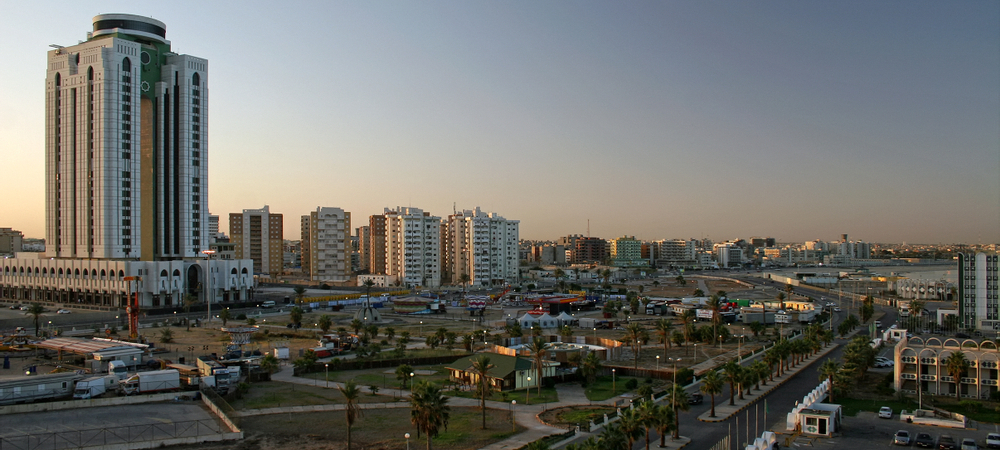
The housing market in Libya has seen great development in recent years. Expats looking for accommodation have a variety of options to choose from.

Apartments

Libya’s capital city, Tripoli, has an abundance of apartments. Apartment blocks can range from smaller two- or three-storey buildings to large 10-storeys. Apartments are highly popular and usually don’t stay on the market very long. 

Villas

In Libya, the term 'villa' refers to what most expats would think of as a typical house. There is no standard size or layout for villas. In cities such as Janzour, villas with multiple levels, large yards and landscaping are typical. Some may even have private swimming pools. In larger cities such as Tripoli, yards are typically much smaller but still enclosed by a wall or fence.

Traditional houses

Expats hoping for cheaper accommodation may consider renting a traditional house called a hosh. These houses tend to be older and rarely stand alone. A hosh may lack the luxurious finishes associated with villas, but they stay cool during the hot Libyan summers.

Gated communities

Finally, the most expensive option is gated communities. These can range from large communities to smaller compounds that contain 10 to 15 villas. Gated communities often have their own shops, restaurants and supermarkets as well as shared facilities such as swimming pools.

Gated communities are usually preferred by expats because they offer a built-in sense of security and community. They also give expats an area where they can freely mingle with other foreigners, reducing feelings of alienation.

Furnished vs unfurnished 

When moving to Libya, you'll need to decide whether you want furnished or unfurnished accommodation. If you are pressed for time and would prefer to move in immediately, you should opt for furnished housing. Keep in mind that furnished options are significantly more expensive than unfurnished ones.

Furnished housing will typically include everything from furniture to appliances. Some luxury furnished properties will even come with decor items such as lamps and paintings. Unfurnished accommodation, on the other hand, typically still comes with cupboards, mattresses, and bed frames.

Short lets and temporary housing

Many new arrivals in Libya choose to stay in temporary housing while searching for long-term accommodation. Short lets are usually a more cost-effective and convenient alternative to hotels. Holiday rental sites such as Airbnb are a fantastic option for fully furnished and serviced short-term rentals.

Useful links


Finding accommodation in Libya
Finding accommodation in Libya

Finding accommodation in Libya can be a challenge, particularly if you don't speak Arabic or French. If possible, ask your employer to help you find safe and suitable accommodation.

Real estate agencies are a solid starting point when looking for a place to stay in Libya. There are many established companies with experience helping foreigners find housing. Make sure that you understand the agent’s fees and conditions before they start looking for properties. Typically, an agent’s commission is the equivalent of one month's rent on a one-year lease and half a month's rent on a six-month lease. The tenant is usually responsible for paying agency fees.

Relocation companies are a viable, and often superior, alternative to real estate agents. Some providers offer house-hunting services in addition to their regular shipping and relocation offerings.

Word of mouth is also a popular way of getting things done in Libya. If you have friends or colleagues already living in the country, it's a good idea to reach out to them. Online property portals and social media groups are also viable options. Local neighbourhood groups often have listings – it's worth checking out the online communities of the neighbourhoods you're interested in.

Useful links


Renting accommodation in Libya

Making an application

Once you've found a suitable property, making an application for rent in Libya usually involves contacting the landlord or estate agent directly. You'll need to provide basic documentation, such as a valid passport, proof of employment or income, and, in some cases, references from previous landlords.

Leases

Rental contracts in Libya aren't standardised. It is important that you fully understand the terms of the lease you are signing. It's a good idea to ask a friend or colleague who understands Arabic to look over the contract before signing. Most housing contracts in Libya are for six months or more, though one-year leases are preferred. 

Deposits and fees

Renters are usually required to pay a security deposit to secure the property and compensate for any damage that may be caused. Landlords in Libya appreciate payment in full for the duration of the contract in advance. However, alternative payment plans can often be negotiated. If, after inspection, the property is found to be in a satisfactory condition, expats can expect to receive their full deposit back within seven to 14 days of vacating the property.

Terminating the lease

Terminating the lease early in Libya generally requires tenants to give written notice, with the period often set at around two to three months, though this can vary depending on the rental contract. If the landlord needs to terminate the lease, they are required to give at least three months' written notice. 


Utilities in Libya

Utilities in Libya

Utilities in Libya are not always included in the rental price and are paid for by the tenant. Electricity and water are provided by state-run providers, though interruptions can occur, particularly in summer. Internet access is available in major cities and towns, but connections can be spotty. Network connectivity in the country's remote desert regions is non existent. Expats should budget for regular utility costs, as well as backup generators and water tanks.

Electricity and gas

Electricity in Libya is supplied by the state-run General Electricity Company of Libya (GECOL). Service interruptions are common, especially during the summer months, so many households use backup generators to fill in the gaps. Bills are often based on estimated consumption, with adjustments made once actual usage is calculated. Remember to account for these fluctuations when budgeting for electricity. Bottled LPG gas is commonly used for cooking and can be purchased from a number of independent suppliers.

Water

The General Company for Water and Wastewater (GCWW) is Libya's water utility. Water charges are estimated according to the number of occupants in the household and can be included in the price of rent. The actual bill, based on meter readings, is issued to the landlord. Any difference between the estimated charges and actual usage is then settled. Expats should clarify with landlords how water costs are handled in their specific lease agreements.

Bins and recycling

Refuse collection in Libya is managed by local municipalities. Waste is generally collected in communal bins, and widespread recycling remains limited. Collection schedules vary by district – it is advisable to confirm local arrangements with your landlord or neighbours when moving into a new area.

Internet

Internet infrastructure in Libya is less developed than in many other countries, but services are still available in major cities and towns. Wireless connections are the most common, with mobile data often used as the primary means of access. Fixed broadband fibre services are available, but coverage is limited. Satellite phones and internet devices like Starlink are a necessity when travelling through Libya's remote desert regions.

Keeping in Touch in Libya

Useful links

Moving to Libya

Libya is located in the Maghreb region of North Africa and boasts vast stretches of desert and a long Mediterranean coastline. Expats moving to Libya will find a country still recovering from a violent civil uprising in 2011. The security situation in Libya remains uncertain to this day, and protests and violent clashes between opposition groups and clan factions continue to occur sporadically across the country.

Living in Libya as an expat

Living in Libya as an expat comes with its fair share of risks and challenges – the safety situation in the country is precarious, with many factions and non-state groups vying for power after the 2011 revolution. Although some foreign companies and workers who left Libya during the conflict have slowly trickled back, the situation remains uncertain, and jobs are not guaranteed. Work opportunities in Libya exist for those with the right skills, but it pays to consider your options carefully. 

Libya is an Islamic nation, and Western expats may have difficulty integrating into a conservative society in which nightlife is limited, alcohol is banned, and eating out is nowhere near as frivolous an experience as in the Western world.

Most expats relocating to Libya are concentrated in Tripoli, nearby Janzour, or in Benghazi. Misurata and Zawia also attract their fair share of expats. It’s rare for foreigners to relocate to Libya without confirmed employment – most roles filled by expats are in the hydrocarbon or construction industries. As a result, many new arrivals have their accommodation, visas, healthcare, and even their children's education arranged by a relocation company or by their employer. The demand for university ESL teachers is also high across Libya, attracting a fair share of expats.

Renting Expat Accommodation in Libya
Visas for Libya
Shipping and Removals for Libya
Safety in Libya

Cost of living in Libya

The cost of living in Libya is exceedingly reasonable, and thanks to lucrative relocation packages, expats moving here enjoy an excellent quality of life. Everything from petrol and groceries to public transport is cheap. Perhaps the biggest expenses you'll face in Libya are accommodation and back-up power. The country experiences frequent and prolonged power cuts, necessitating the use of a generator. 

Fast and reliable internet and cable are also quite expensive relative to the general price of goods and services in Libya. You'll also need to budget for a comprehensive private health insurance policy that covers medical evacuation to neighbouring countries in the event of an emergency.

Cost of Living in Libya

Families and children in Libya

You may find that the public education standards in Libya are well below what you're used to. It is only in recent years that more options have become available for expats with children – although choices remain few, the handful of international schools available are generally well organised and reputable. Tuition at these schools is pricey, so it's best practice to negotiate an education allowance in your employment package.

Healthcare in Libya
Keeping in Touch in Libya

Climate in Libya

The climate in Libya is influenced by the Mediterranean Sea in the north and the Sahara Desert in the south. This results in diverse and unpredictable weather conditions. The north of the country experiences dry summers and wet winters, while the south is known for pre-desert and desert conditions with sweltering daily temperatures and cold (sometimes freezing) nights.

Weather in Libya

Libya is a developing country and one that has been severely impacted by a devastating conflict. Expats moving to Libya should not expect a vibrant modern country replete with cultural, retail, and nightlife opportunities, but one where uncertainty rules and every day is an adventure.


Fast facts

Official name: State of Libya

Population: Approximately 7.08 million

Capital city: Tripoli (also the largest city)

Other cities: Benghazi, Misrata, Al Zawiya

Neighbouring countries: Libya is bordered by Tunisia to the northwest, Algeria to the west, Niger, Chad, and Sudan to the south, and Egypt to the east.

Geography: Libya is divided into three main regions: the Mediterranean coastal plain in the north, the fertile uplands of Jabal al Akhdar and Nafusah, and the vast Sahara Desert, which covers most of the country's southern regions.

Political system: Provisional government

Major religion: Islam

Main languages: Libyan Arabic (official), English (tourist centres, business)

Money: The Libyan Dinar (LYD) is the official currency, and it is divided into 1,000 dirhams. Libya is a largely cash-based society. ATMs can be found in major cities and larger towns, but are frequently empty or out of service. Expats can open bank accounts in the country, but the level of service and availability of banking products varies significantly.

Tipping: Not common, and may be offensive. That said, tipping tour guides is appreciated.

Time: GMT +2

Electricity: 127/230V, 50Hz. Round two-pin and three-pin plugs (type D, F, and C) are used.

International dialling code: +218

Emergency numbers: 1515 (police and fire) and 193 (ambulance)

Internet domain: .ly

Transport and driving: Cars drive on the right-hand side of the road. Driving conditions can be hazardous due to chaotic traffic and poorly maintained roads. Buses operate in Major cities, but service is unreliable. Taxis and informal taxis are also available.

Banking, Money and Taxes in Libya

Dealing with banking, money and taxes in Libya can be difficult. Due to past and present instability, many international banks have withdrawn from the country, meaning most banks in Libya are state run. Though it is possible to open a bank account, most expats prefer to have their salaries deposited into offshore or international bank accounts.

When leaving Libya, keeping a receipt for any money exchanged at the bank is recommended. Sometimes, in an attempt to minimise money laundering, airport authorities will ask you to declare any Libyan dinars or foreign currency you're taking out of the country.


Money in Libya

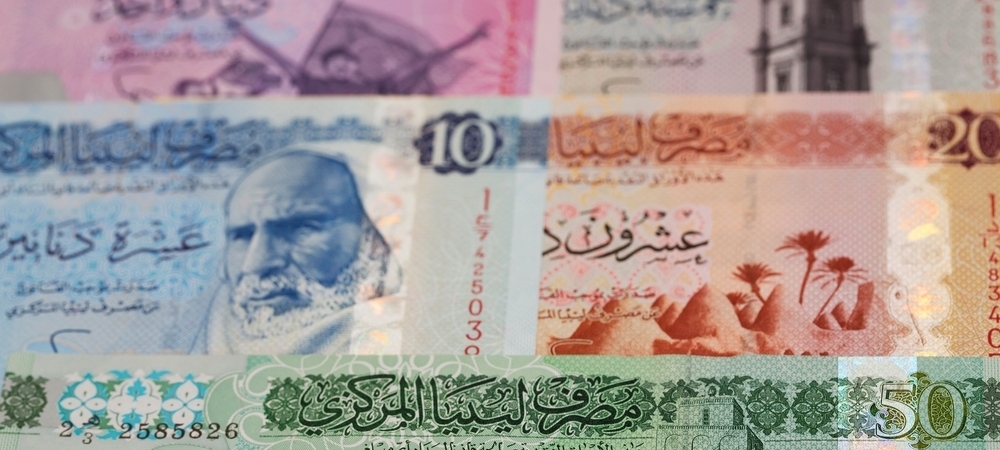
The currency in Libya is the Libyan Dinar (LYD), which is divided into 1,000 dirhams:

Notes: LYD 1, LYD 5, LYD 10, LYD 20, and LYD 50
Coins: 50 and 100 dirhams and ½, ¼ dinars


Banking in Libya

The Central Bank of Libya (CBL) is the monetary authority in Libya. It issues currency and oversees the country's banks. Several domestic banks have branches located throughout Libya. Even though international or multinational banks don't maintain branches in the country directly, some collaborate with Libyan banks to help smooth out the banking experience for expats. 

Interest rates at banks in Libya, as well as banking services offered, vary greatly. It’s best to compare institutions when choosing where to bank. Factors to consider include fees and the number of branches and ATMs available in the country.

Opening a bank account in Libya

Though it is possible for expats to open a local account with their residency papers and passport, most opt to use their international accounts instead. Money can be wired to Libya via Western Union and MoneyGram, though transaction limits apply. Libyan banks that facilitate transfers out of the country use the SWIFT network.

ATMs and credit cards

Libya is a cash-based society – ATMs are somewhat common in major cities and scarce in small towns and rural areas. ATMs are often empty or out of service, making it a good idea to carry some backup cash. Machines located inside bank branches are generally safer than standalone units. Not all Libyan ATMs can connect with international accounts, and many charge high withdrawal fees if they do. Check in with your bank to avoid unpleasant surprises. Opening a local bank account (preferably one that has joint-venture agreements with your home-country bank) to reduce fees is another option

Credit card usage in Libya is limited, with Visa and MasterCard accepted only at hotels, larger retailers, and some expat-focused businesses in urban areas. In practice, cash remains the primary means of payment across the country, especially outside Tripoli and Benghazi. 

Useful links


Taxes in Libya

Expats residing in Libya are considered tax residents if they reside in Libya for more than 183 days in a calendar year, and are taxed on their worldwide income. Those who are not tax residents are only taxed on income earned in Libya. Personal income tax is charged at progressive rates up to 30 percent. Libya has a limited number of double taxation treaties with some countries, including France, the UK, and Italy, which can help prevent expats from being taxed twice on the same income.

As expat tax rules can be complex and subject to change, it's a good idea to consult a professional tax practitioner with experience dealing with Libyan tax regulations. 

Working in Libya

Working in Libya is an important topic to consider when relocating to this North African destination. Expats often place emphasis on salary when approached with a job offer in Libya, and the money offered to skilled professionals will certainly make the country a more attractive option. Libya's petroleum industry is the primary driver of the country's economy and employs many expats.

Libya is a conservative Islamic country, and business will often be conducted in accordance with Islamic principles. Arabic is the official language of Libya, and expats will do well to have at least a basic understanding of the language. English and French are also widely spoken in business circles.


Job market in Libya

Job market in Libya

Expats considering working in Libya will almost certainly be pigeon-holed into employment by one of the hydrocarbon companies that dominate the economy. It can be tricky finding work in Libya, as quotas on foreign workers are in place.

In a country where the majority of export earnings are attributed to the country’s oil resources, foreigners skilled in this field are most likely to secure lucrative employment. 

Construction is another main sector of employment in Libya. This industry supports projects commissioned by the Organisation for the Development of Administrative Centres and other arms of government, such as the Ministry of Housing and the Ministry of Infrastructure. Other important industries include mining, agriculture and energy, and expats are also increasingly finding work teaching English.


Finding a job in Libya

Securing an employment contract before relocating to Libya is recommended. Making use of the wide range of websites focused on employment opportunities for expats in Libya is a good starting point when looking for work. Online newspapers, such as the Libya Herald, which is available in English, may also be useful resources. Ultimately, most expats working in Libya will be approached by international companies or moved to the country via an internal transfer.

Useful links


Work culture in Libya

Business in Libya is conducted in a formal yet polite and friendly manner. Punctuality and a smart appearance are essential; businessmen wear suits and ties, and women should dress modestly.

As in other countries in the region, expats working in Libya must respect local Islamic customs. Many businessmen won't be available during Ramadan, and as Friday is the Islamic holy day, the working week runs from Sunday to Thursday.

English is widely spoken and understood, but basic knowledge of Arabic won't go unappreciated. People with titles should be addressed using their title and surname. Business cards should be printed in both English and Arabic – if an associate offers their card, expats should treat both the exchange and the card with respect.

Shipping and Removals in Libya

There are several options for shipping and removals to Libya, though costs can vary. Sea freight can be sent from anywhere in the world, but moving goods inland often requires additional road transport. Remote towns may need extended truck transfers, which can add time and expense.

Taking out third-party insurance is a good idea, ensuring impartial support in the event of loss or damages. Libyan customs are thorough – document and photograph your shipment before packing.


Banned and restricted goods in Libya

It should be noted that Libya has strict rules on what may and may not be brought into the country. Apart from the obvious – weapons, ammunition, narcotics, and pornography – there are bans on various medicines, including codeine, alcohol, and pork products. It is advisable to check with the removals company before departure, as being caught with ‘banned’ items can result in serious consequences.

It is likely that all music, books, CDs, and DVDs will be subject to inspection or censorship at customs. Anything that is considered to contravene either Islamic morality or the Libyan government will not be allowed into the country.

Useful links


Shipping household goods to Libya

Shipping household goods to Libya

Many expats find that buying furniture and appliances locally is a more cost-effective option than importing bulky and heavy items. Most international sea cargo arrives in Tripoli or Benghazi, while air freight primarily passes through Tripoli International Airport. Sea freight from Europe can arrive in as little as a few weeks, while shipments from North America and other distant parts of the world may take significantly longer.


Shipping pets to Libya

Shipping pets to Libya is possible with the right paperwork and vaccinations. Dogs and cats must be microchipped and have up-to-date rabies vaccination, along with a veterinary health certificate. Other core vaccinations are recommended for dogs and cats, although they are not required.

An import permit, issued by Libya’s Ministry of Agriculture, is required, and pets must be at least four months old. A quarantine is usually not required if the documentation is complete and the animal shows no signs of illness. As certain medicines are banned in Libya, pet medications should be declared and approved in advance.

Useful links

Healthcare in Libya

Finding good-quality healthcare in Libya can be challenging, as the system remains fragile, with many hospitals facing staff shortages and limited resources. Many foreign medical professionals left during the years of conflict, resulting in a significant "brain drain" in the healthcare field. That being said, the government and the WHO are working on reforms to strengthen healthcare and expand access to medicines. These efforts mark a shift from emergency recovery toward longer‑term reform, though challenges persist.


Public healthcare in Libya

Public healthcare in Libya

Access to Libya’s public healthcare system is free for Libyan nationals and expats working in the country, but the standard of care is almost universally low, with limited capacity for chronic and complex conditions. International NGOs such as Doctors Without Borders previously operated clinics across the country, but their activities were suspended in 2025. 

Libyans who can afford it pursue medical facilities abroad for treatment, mainly for chronic conditions such as cardiovascular diseases and diabetes. It is therefore highly recommended that expats consider medical options abroad if a serious condition arises. That means choosing a medical insurance package that provides for emergency evacuation.

Useful links


Private healthcare in Libya

Many locals and expats turn to private healthcare facilities in Libya. Private services generally offer faster treatment and a higher standard of care, though costs are considerably higher than in the public sector. Compared to neighbouring countries, the availability of private healthcare in Libya remains limited, and many patients still opt to travel abroad for certain procedures or treatments. As private care can be expensive, a comprehensive health insurance policy is a must when travelling to Libya.


Health insurance in Libya

Owing to Libya's struggling public healthcare system and limited availability of private care, a comprehensive international health insurance policy is essential for expats relocating to Libya. A plan that covers emergency medical evacuation to better-equipped nearby countries is strongly recommended. Health insurance is not mandatory for entry into the country, but becomes a requirement for those seeking residency.


Pharmacies and medicines in Libya

Pharmacies in Libya are somewhat rare, particularly in rural areas, and available medications are limited, as the country experiences frequent shortages. Remember to bring along any chronic medication you may require – you might struggle to find certain types of prescription medicines in Libya. Certain drugs are restricted or heavily regulated in the country, making it important that expats reach out to their local Libyan consulate or embassy for up-to-date information.


Health hazards and vaccinations in Libya

Vaccinations are not required for entry into the country, but expats will need several vaccinations to travel safely in Libya. Hepatitis A and B and typhoid are all prevalent in Libya, and new arrivals should ensure they protect themselves against these infectious diseases.

Tap water in Libya is generally not safe to drink, and boiling or filtering water for consumption is recommended. Rabies is common in Libya's livestock and the large population of stray animals. Avoid contact with cattle and stray dogs to reduce the risk of rabies. Those travelling to the country's desert regions are at risk of heat stroke and dehydration. Always carry enough water with you and avoid direct sun, particularly around midday.

Useful links


Emergency medical services in Libya 

Emergency treatment at public hospitals is free in Libya, but response times can be extremely slow and ambulance availability is not guaranteed. If you find yourself in an emergency situation, contact your embassy, insurance provider, or hospital directly. Failing this, you can dial 193 for an ambulance or 1515 for the police and fire brigade.

Safety in Libya

Safety in Libya is a concern for many, and many governments advise against travelling to the country. The Foreign and Commonwealth Office (FCO) advise against all travel to Libya due to the ongoing fighting, threat of terrorist attacks and kidnapping of foreigners, as well as the precarious security situation throughout the country.

Political contestation at the highest levels of government and militia presence in some areas, including Tripoli and Benghazi, are major medium-term obstacles. Ethnic tensions and civil war have resulted in severe internal instability and conflict at times. Clashes between rival groups are frequently reported in the country’s central and southern areas.


Crime and kidnapping in Libya

The crime rate in Libya is growing and has been fuelled by the easy availability of weapons, high levels of unemployment, a poorly resourced police force and the presence of numerous non-state militia groups.

Serious armed crimes such as carjacking, robbery, burglary, and kidnapping can occur in major cities, including Tripoli and Benghazi. Foreigners are particularly vulnerable to kidnapping for ransom, and militia groups often target expats. Petty street crime also persists, with theft and opportunistic robberies posing risks in crowded areas. Take strict precautions to reduce your exposure to risky situations, such as avoiding travel after dark, keeping valuables out of sight, and ensuring that homes are equipped with adequate residential security measures.


Road safety in Libya

Driving standards in Libya are poor, and the country has a high rate of road accidents. The situation is exacerbated by lax enforcement of traffic laws and poor road conditions, particularly outside main cities and towns, and poorly maintained vehicles. The threat of accidents increases further at night and during sandstorms, when visibility is greatly reduced. 

Checkpoints remain a common feature across towns and cities. These are manned by a mix of interim government forces, police, and militia groups, including former rebel fighters. While checkpoints are intended to control the movement of weapons and prevent attacks, they often pose risks themselves. Many are staffed by inexperienced or poorly trained personnel, raising the possibility of misunderstandings, delays, or even security incidents.


Terrorism and armed conflict in Libya

Libya remains one of the most unstable countries in North Africa, with expats facing significant risks from terrorism and armed conflict. Extremist groups continue to operate in parts of the country, making attacks on government facilities, infrastructure, and public spaces a persistent threat.

Armed clashes between rival militias and political factions can flare up occasionally, especially in Tripoli, Benghazi, and the central and southern regions. The presence of heavily armed non-state groups, combined with weak central authority, means that violence can break out with little warning. Expats are at risk of being caught in the crossfire or even targeted during outbreaks of fighting.

Local culture in Libya

The local culture in Libya can take some getting used to, as the majority of its population consists of devout Muslims. That said, Libya provides a mild-mannered dose of the Middle Eastern religious culture.

As long as you remember to remain respectful of the tenets of Islam during your time in Libya, you should find friction rare and easily reconciled. 

In fact, the root of the largest source of anxiety and nervousness in expats moving to Libya is the lack of information available to prepare for the move. People are often taken aback on arrival by the presence of shopfronts boasting Western-style clothing, and supermarkets coloured with ripe, fresh produce. Though the country has one of the strictest bans on alcohol and drugs in the world, its attachment to other areas of conservative extremes has waned over the past decade.


Women in Libya

Libyan society is significantly gender segregated, necessitating that expat women have male companions for many daily activities that would normally be carried out independently in a Western country. For security reasons, it’s best for a woman to show that she is married or 'protected' by a male when out in public.

Shopping alone is allowed, but not common. Most women shop in groups or with male relatives. A woman going alone to a sidewalk café is also frowned upon – although women are not banned from doing so, these are generally reserved for men. When eating out, women will go as a group, or better still, with their male relatives.

Women should avoid wearing anything too revealing, as this may attract unwanted male attention. Once outside city limits, expat numbers decrease, and the dress code becomes understandably more modest. Long sleeves and full-length skirts or trousers are recommended for women. Women may also want to always carry a light shawl in anticipation of unexpected situations that require further modesty. 


Dress in Libya

Dress code in Libya largely depends on the area of the country – the larger cities offer greater freedom, while the smaller desert towns adhere to a more conservative culture. 

In the cities, men are free to wear t-shirts and shorts below the knees. Women are accepted in three-quarter-length pants and skirts, t-shirts, and long sleeves, with no need for headscarves. There are even a number of designated expat beaches where Western-style bathing suits are accepted.


Language barrier in Libya

Arabic is the official language of Libya; the language barrier can cause a good deal of consternation and confusion. However, expats will find that people do speak some English and are eager to practise their skills. 

The majority of all signs and postings are also written in Arabic. So at least learning to read the language is beneficial. Do remember, though, that there are many dialects of Arabic, depending on the region, so it’s best to research this beforehand.

A significant number of expats living in Libya speak French or Italian as a first language – knowing some phrases will make adaptation into social circles much easier.


Ramadan in Libya

Ramadan is a period during which followers of the Islamic religion abstain from food, drink, and other pleasures between sunrise and sunset. The fast aims to instil discipline and self-restraint in believers. 

As an Islamic country, much of the Libyan population participates in the ritual fasting. Working hours are adjusted to allow employees to return home and make the necessary arrangements for their daily fast-breaking meals. Businesses and shops remain open for most of the day, close shortly before sunset, and then reopen after evening prayers late into the night.

Most importantly, expats living in Libya should take note that restaurants close during the day and eating in public is largely taboo, even for non-Muslims. The dates for Ramadan vary every year according to the Islamic lunar calendar. These are usually publicised well ahead of time.


LGBTQ+ in Libya

Libya is not a LGBTQ+-friendly country. Same‑sex relationships are criminalised under national law. Nonbinary gender identities are not acknowledged, and transgender individuals face significant barriers and discrimination when it comes to achieving legal recognition.

Social attitudes are almost universally conservative, and open expression of LGBTQ+ identity is rare due to safety concerns. Harassment and violence against LGBTQ+ people has been reported in Libya, and there are no formal advocacy groups operating openly within the country. LGBTQ+ people are advised to exercise caution and discretion in Libya.

Cost of living in Libya

The cost of living in Libya is relatively cheap, especially if you choose to prepare your own meals with local produce and avoid spending money eating out or on Western food, gadgets, and luxuries.

Prepare to pay higher-than-expected prices for personal care items such as cosmetics and toiletries. These are still relatively small expenses, so they won’t make a major dent in your finances. Telephone rentals and internet connections are also expensive for a country with a low cost of living. Again, these payments are not overwhelming when compared with larger expenses.

Transport, local groceries, furniture, appliances, and clothing are all reasonably priced and will help keep your day-to-day expenses minimal.


Cost of accommodation in Libya

The cost of accommodation in Libya is often lower than in many nearby countries, which can make relocation packages stretch further.

There are various housing options in the major urban centres like Tripoli and Benghazi. You’ll find everything from modern apartments to spacious standalone villas in areas popular among expats and close to essential services and facilities.

Due to the country’s political and economic instability, Libya has frequent electricity outages. Expats may have to budget for generators or solar-battery setups as backup power sources. If you’re getting a relocation package, consider negotiating an accommodation allowance that covers utility expenses.

Internet connectivity in Libya can be slow and unreliable. If your work requires a stable, fast internet connection, consider investing in a fixed wireless system (sometimes called wireless fibre).

Renting Expat Accommodation in Libya


Cost of transport in Libya

The cost of transport in Libya is low, but public options are limited to buses, shared taxis, and minibuses. Many expats prefer to hire a car and driver; fuel, servicing, and the driver’s wages are typically all included in the arrangement. Some expats will have this cost covered as part of their relocation package.


Cost of groceries in Libya

The cost of groceries in Libya is generally low. Local produce and everyday staples are affordable, and prices tend to sit below those in many countries in the region.

While local products are affordable, imported goods and brands are subject to fluctuating import costs and availability. Be prepared to pay a premium for familiar products and brands.


Cost of entertainment and eating out in Libya

The cost of entertainment and eating out in Libya is typically lower than in neighbouring countries. Casual dining is inexpensive. Social life in Libya tends to revolve around family gatherings and cafés rather than a Western-style nightlife. Alcohol is prohibited by law. In larger cities, you may find venues where you can enjoy traditional Libyan music and socialise.


Cost of education in Libya

There are several factors that affect the cost of education in Libya. Public schools provide free education and are the most accessible option, whereas private schools in Libya have smaller class sizes and generally higher teaching quality. International schools sit at the top of the cost spectrum. 

International schools in Libya typically follow curricula such as the International Baccalaureate or British and American systems. These schools have a global standard of education but come with higher fees. If you’re relocating for work, we recommend negotiating an education allowance as part of your contract.

Education and Schools in Libya


Cost of healthcare in Libya

The cost of healthcare in Libya depends heavily on whether you use the public or private system. Public healthcare is free but often under resourced, while private facilities offer a higher standard of care at considerably greater expense.

In light of these challenges, it’s advised to get comprehensive private health insurance. This will ensure access to the best available medical treatments and facilities. Consider a plan that includes medical evacuation for serious injuries or illnesses.

Healthcare and Health Insurance in Libya


Cost of living in Libya chart

Prices are listed in Libyan dinars (LYD) and may vary depending on the product and service provider. The list below shows average prices for Tripoli in May 2026.

Accommodation (monthly rent)
One-bedroom apartment in the city centreLYD 2,100
One-bedroom apartment outside the city centreLYD 930
Three-bedroom apartment in the city centreLYD 3,900
Three-bedroom apartment outside the city centreLYD 1,700
Shopping
Eggs (dozen)LYD 9
Milk (1 litre)LYD 6
Rice (1kg)LYD 7
Loaf of white breadLYD 1.30
Chicken breasts (1kg)LYD 20
Cheese (500g)LYD 15
Eating out
Three-course meal for two at a mid-range restaurantLYD 100
Combo meal at a fast-food restaurantLYD 20
Coca-Cola (330ml)LYD 2.80
CappuccinoLYD 2.90
Non-alcoholic beer (500ml)LYD 4
Utilities
Mobile phone monthly plan with calls and dataLYD 40
Internet (uncapped ADSL or cable, average per month)LYD 170
Basic utilities (average per month for a standard household)LYD 600
Transport
Taxi rate (per kilometre)LYD 5
Bus fare in the city centreLYD 2
Gasoline/petrol (per litre)LYD 0.15

See and Do in Libya

Expats should note that many areas have become occupied by rebel forces, and therefore any sightseeing should be done with safety precautions. 

Contrary to popular belief Libya is not just one big desert, and expats will find that with a little effort and ingenuity there’s certainly some options to see and do many things of interest.

Throughout its history Libya has been selected by many great and ancient empires as a centre of trade across the north of Africa, consequently the nation is home to a large collection of not-to-be-missed Greek, Roman and other classically inspired ancient ruins.

This rich historical influence paired with thousands of miles of untouched Mediterranean coast and the endless poetry of sea siding up against the Sahara desert makes Libya a destination ripe with the potential for expat sightseeing and exciting weekend breaks.


Recommended sightseeing in Libya

Cyrene

Second in significance only to Leptis Magna, Cyrene is a must-see. It ranks as the best preserved of the Greek cities of Cyrenaica, with its temples, tombs, agora, gymnasium and theatre originally modelled on those at Delphi. Apart from the fabulous Greek ruins, its high location overlooking the sea is mesmerising.

Sabratha

In the Zawia region in the north-western corner of current Libya, Sabratha was the westernmost of the "three cities" of Tripolis. It lies on the Mediterranean coast about 65km (40 miles) west of Tripoli. The archaeological site was inscribed as a UNESCO World Heritage Site in 1982.

Leptis Magna

If one can only see one archaeological site in Libya, make it Leptis Magna. Regarded as the best Roman site in the Mediterranean, Leptis Magna's magnificent architecture and enormous scale will amaze even the most ruin-weary traveller.

Ghadames

Ghadames is one of Libya's most popular tourist attractions. It is considered by some as the best part of the whole of Sahara, often referred to as “The Jewel of the Sahara", and in 1982 was added to the UNESCO World Heritage List.

Jebel Acacus

The Jebel Acacus is an astonishing landscape of shadowy basalt monoliths rising up from the sands of the central Sahara. This World Heritage-listed area is home to unique natural rock formations, as well as prehistoric rock paintings and carvings, some of which date back 12,000 years. One can only visit the region with a guide, who can be organised in Ghat.

~by LiveLibya.com