
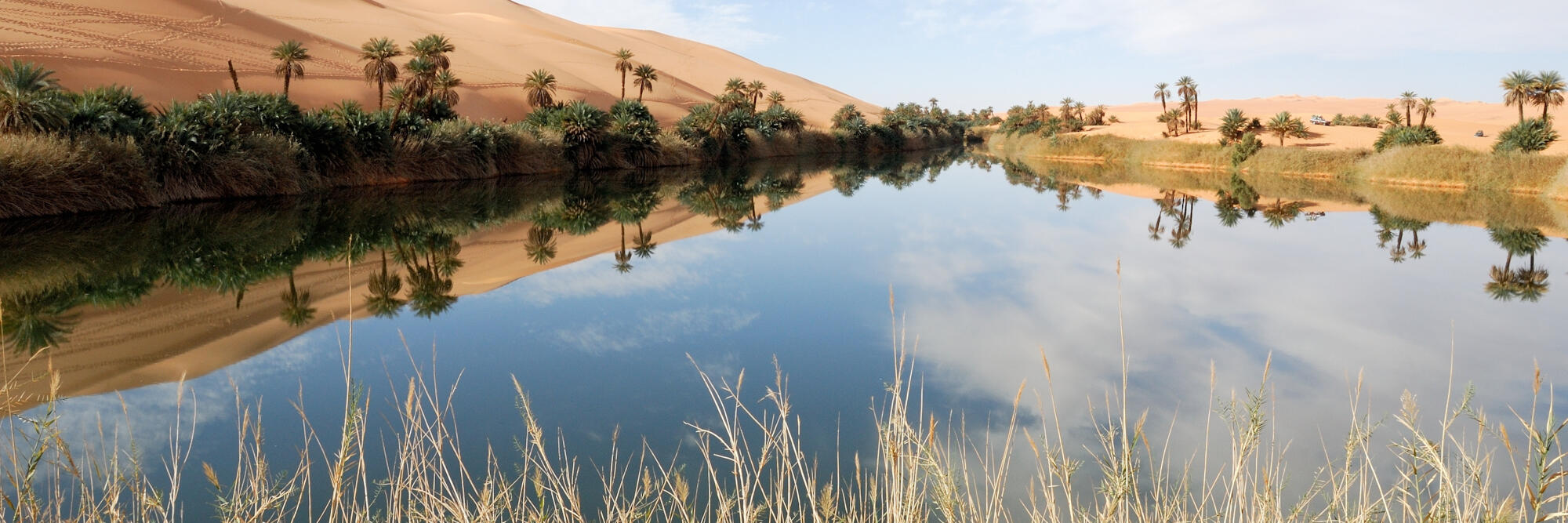
Working in Libya is an important topic to consider when relocating to this North African destination. Expats often place emphasis on salary when approached with a job offer in Libya, and the money offered to skilled professionals will certainly make the country a more attractive option. Libya’s petroleum industry is the primary driver of the country’s economy and employs many expats.
Libya is a conservative Islamic country, and business will often be conducted in accordance with Islamic principles. Arabic is the official language of Libya, and expats will do well to have at least a basic understanding of the language. English and French are also widely spoken in business circles.
Job market in Libya

Expats considering working in Libya will almost certainly be pigeonholed into employment by one of the hydrocarbon companies that dominate the economy. It can be tricky to find work in Libya, as there are quotas in place on foreign workers.
In a country where the majority of export earnings are attributed to the country’s oil resources, foreigners skilled in this field are most likely to secure lucrative employment.
Construction is another main sector of employment in Libya. This industry supports projects commissioned by the Organisation for the Development of Administrative Centres and other arms of government, such as the Ministry of Housing and the Ministry of Infrastructure. Other important industries include mining, agriculture and energy, and expats are also increasingly finding work teaching English.
Finding a job in Libya
Securing an employment contract before relocating to Libya is recommended. Making use of the wide range of websites focused on employment opportunities for expats in Libya is a good starting point when looking for work. Online newspapers, such as the Libya Herald, which is available in English, may also be useful resources. Ultimately, most expats working in Libya will be approached by international companies or moved to the country via an internal transfer.
Useful links
Work culture in Libya
Business in Libya is conducted in a formal yet polite and friendly manner. Punctuality and a smart appearance are essential; businessmen wear suits and ties, and women should dress modestly.
As in other countries in the region, expats working in Libya must respect local Islamic customs. Many businesspeople won’t be available during Ramadan, and as Friday is the Islamic holy day, the working week runs from Sunday to Thursday.
English is widely spoken and understood, but basic knowledge of Arabic won’t go unappreciated. People with titles should be addressed using their title and surname. Business cards should be printed in both English and Arabic – if an associate offers their card, expats should treat both the exchange and the card with respect.