
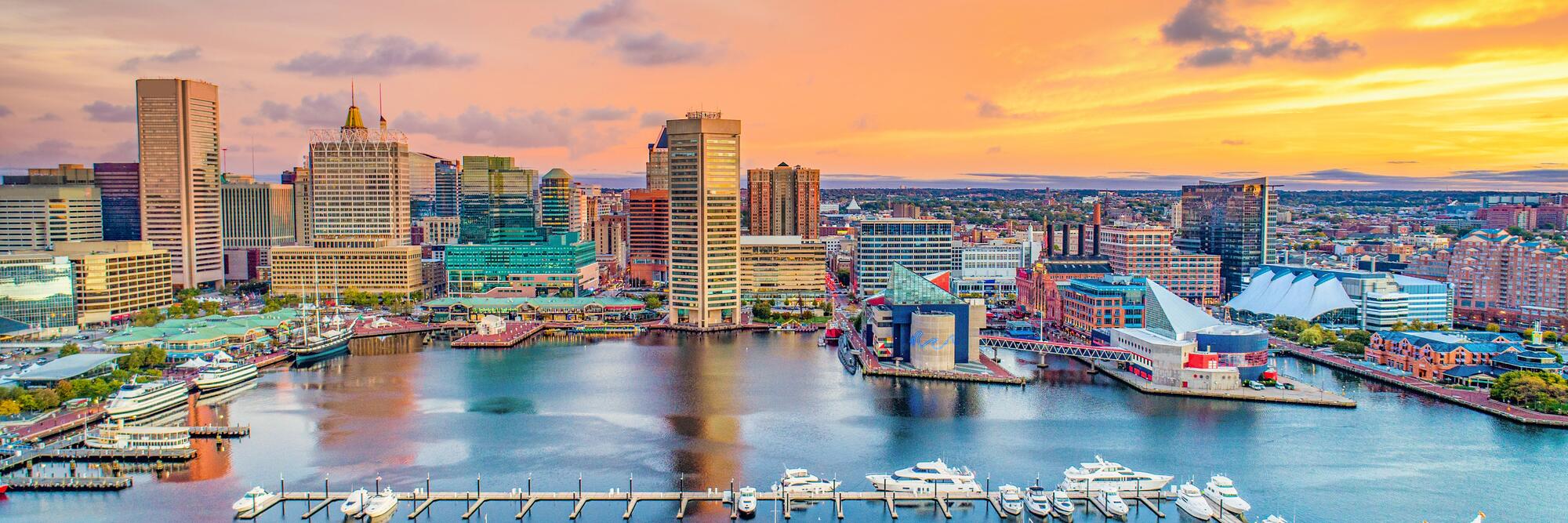
Getting around in Baltimore is fairly straightforward, provided you live along one of the city’s main transit corridors. Most people who settle down in Baltimore for the long term will invest in a car, but it is by no means essential. Driving will give new arrivals more freedom to explore Baltimore and its surroundings, but public transport handles the daily commute well enough – and the MARC commuter train makes it possible to work in Washington, DC, while living in Baltimore.
Public transport in Baltimore
Public transport in Baltimore is overseen by the Maryland Transit Administration (MTA). The system consists of buses, light rail, subway, and commuter rail networks that connect most parts of the city.
Purchasing a daily, weekly, or monthly transport pass allows commuters to utilise all modes of public transport in Baltimore over the designated period at discounted rates. CharmPass is the city’s official mobile ticketing app.
Here, residents can purchase one-way fares that are valid for 90 minutes, during which time they’ll be able to transfer between different transport networks. Other fare options can be purchased right from the app, including multi-day and CharmFlex passes, the latter of which is most suitable for those with a flexible schedule.
Real-time bus and rail tracking is available through apps like Transit and Google Maps, which tend to be more reliable than the information displays at stops.

Water taxis
Baltimore also has a free water-based transit service: the Harbor Connector. Run as part of the Charm City Circulator network, it operates on weekdays between key waterfront spots like Fells Point, Locust Point, Canton, and Federal Hill. For those after something more leisurely, the Baltimore Water Taxi offers paid scenic cruises around the harbour.
Light rail
The light rail system in Baltimore runs north-south, connecting the suburbs to the city centre and continuing down to BWI Airport. Commuters often drive to stations on the outskirts – where parking is free – and ride the light rail into town.
Subway
Baltimore has a single subway line that runs from Johns Hopkins Hospital through the city centre and out to Owings Mills in the northwest suburbs. The subway is frequently used by commuters travelling from their homes in the suburbs to the centre of Baltimore. It’s the fastest way to get downtown from the northwest, although it bypasses waterfront neighbourhoods like Fells Point and Canton.
Buses
Bus routes in Baltimore cover most of the city and help connect areas that aren’t sufficiently covered by the subway or light rail networks. Unfortunately, buses rarely run to schedule, so it’s best to allow plenty of time to account for delays.
There is also a free bus service known as the Charm City Circulator. It runs five routes connecting downtown Baltimore to surrounding neighbourhoods, with buses arriving every 10 to 20 minutes. The Circulator is popular with residents and visitors alike, and real-time tracking is available through the Passio Go! app.
MARC Train
The MARC commuter train is a lifeline for those who live in Baltimore but work in Washington, DC. The Penn Line runs from Penn Station in the city centre to DC’s Union Station, with the journey taking under an hour. Weekend service is available on the Penn Line, and free parking is offered at most suburban stations. A second line, the Camden Line, also connects the two cities via Camden Yards.
Useful links
Taxis in Baltimore
Taxis in Baltimore are dominated by zTrip, the city’s largest traditional cab company. Fares are competitive, and drivers use a meter to calculate fares. In the busy tourist areas and parts of the city centre, it’s easy to hail a taxi, but it is often better to pre-book when travelling from the suburbs. Most taxi companies will have an app which residents can use to book taxis. Lyft and Uber are also available.
Useful links
Driving in Baltimore
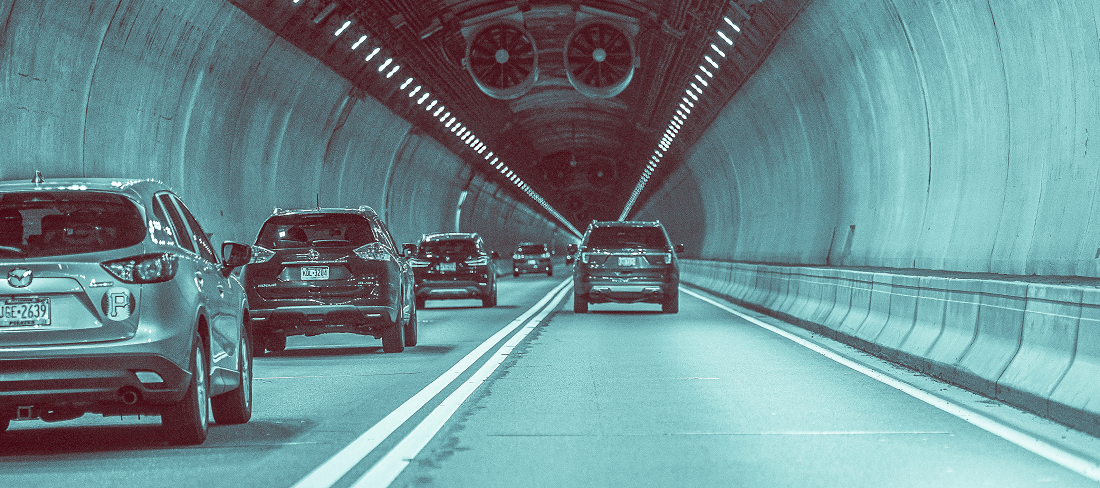
Most Baltimore residents, especially those with families, tend to own a car. While driving offers greater freedom to explore different suburbs and to travel beyond the city at weekends, it is not always the most efficient way to get around the city. Traffic can be terrible during the week, and parking is notoriously expensive, so it may be best to drive to a light rail station and use public transport for the last stretch of the commute. Road surfaces in Baltimore can be rough – potholes are a perennial complaint, so it pays to drive attentively.
Driver’s licences
New residents of Maryland must obtain a state driver’s licence within 60 days of settling in. Maryland has reciprocal agreements with South Korea, France, Germany, Taiwan, and Japan – holders of licences from these countries can exchange them without taking a written or road test, although a vision screening and a short drug and alcohol education course are still required. Those from countries not covered by a reciprocal agreement will need to pass both a knowledge test and a driving skills test.
Visitors and those on short-term assignments can drive with a valid foreign licence or an international driving permit, but anyone who establishes residency triggers the 60-day window.
Transport and Driving in the USA
Useful links
Cycling in Baltimore
While Baltimore hasn’t always been the most cycle-friendly destination, the city has made significant strides in improving its cycling infrastructure in recent years, including designated cycle routes and safe bicycle storage facilities. For leisure rides, the Jones Falls Trail and the Waterfront Promenade are well-liked options.
For those who wish to cycle or scooter around Baltimore but don’t own one, dockless e-bike and e-scooter hire is available through Lime and Spin. Both companies are officially permitted by the city, and their vehicles can be located, unlocked, and parked using each provider’s app.
Useful links
Walking in Baltimore
Walking in Baltimore as a sole means of getting around is not practical – it’s too spread out for that. That said, it is possible to walk around within particular suburbs. The most walkable areas tend to follow a central corridor running north-south along Charles Street and east along the waterfront – neighbourhoods within this belt tend to be well maintained and pedestrian friendly. Areas that are popular with tourists, such as Fells Point and the harbour precinct, are especially safe and pleasant for those who enjoy a walk.