Print
  • Hold down Ctrl key and select the sections you want to print. If using a Mac, hold down the Cmd key.
  • Use Ctrl + A or on Mac, Cmd + A to select all sections (if you are using the Chrome browser).
  • Click "Apply" and the site will customise your print guide in the preview below.
  • Click the "Print" button and a print pop up should appear to print to your printer of choice.

Moving to Baltimore

Moving to Baltimore is a smooth transition for most expats and newcomers, whether arriving from elsewhere in the US or from overseas. Just a short drive from the US capital of Washington, DC, and home to around 2.4 million people across its metro area, Charm City – as locals call it – is a sprawling metro area and a genuinely diverse one at that. International arrivals and out-of-towners alike will find their feet quickly in a city whose neighbourhoods span a kaleidoscope of cultures.

Living in Baltimore as an expat

Life in Baltimore has a character all its own. The city is operated as an independent jurisdiction separate from the surrounding Baltimore County, which means city residents have their own tax structure, school system, and services. It is a place built on fiercely local neighbourhood identities; move three blocks in any direction and the architecture, the vibe, even the accent can shift. Locals know this as ‘Smalltimore’, a nod to how tight-knit the social circles are despite the metro’s size.

New arrivals often remark that the city rewards those who get stuck in – joining a sports league in Patterson Park, picking crabs at a waterfront table in summer, or simply getting to know their neighbours from the front stoop. The cost of living undercuts most East Coast cities of comparable size, and the job market is heavily weighted toward healthcare, higher education, and a growing tech corridor. For those working in Washington, DC, commuter rail puts the capital within an hour’s ride.

Working in Baltimore
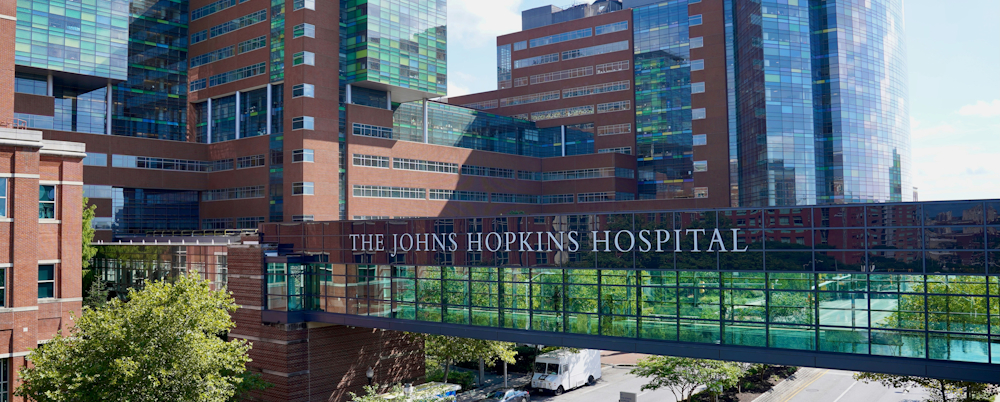
Johns Hopkins Hospital in Baltimore by Gang Hao on Unsplash

The job market in Baltimore is anchored by what locals call ‘Eds and Meds’ – the colossal healthcare and higher education institutions that drive the city’s economy. Shipping and manufacturing once defined the city’s economy, but the centre of gravity has shifted decisively toward healthcare, higher education, and the federal technology corridor. Johns Hopkins – the largest private employer in Maryland – supports roughly one in five jobs within city limits, and the University of Maryland Medical System is another major anchor.

Baltimore’s proximity to the NSA and US Cyber Command at Fort Meade has also turned the region into a cybersecurity hub, and a secondary ecosystem of biotech and health tech firms has sprung up around the university research campuses.

A significant number of Baltimore residents commute to Washington, DC, for work. The MARC Penn Line runs from Baltimore’s Penn Station to DC’s Union Station in under an hour, and many professionals exploit the difference in housing costs between the two cities. Proximity to Penn Station is a common priority when choosing a neighbourhood.

Finding a Job in Baltimore

Lifestyle in Baltimore

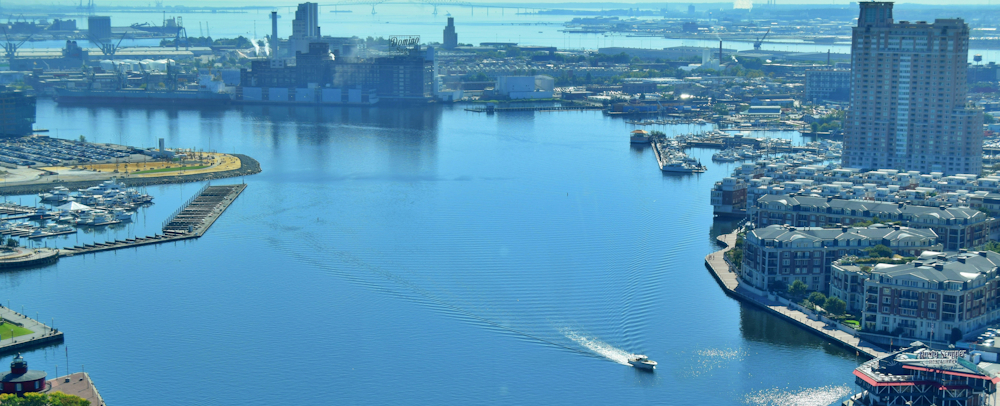
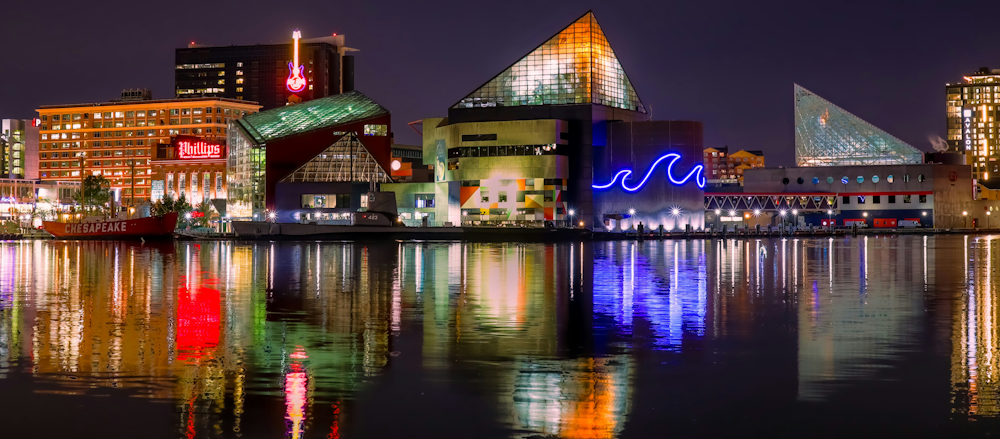
Inner Harbor in Baltimore by Ali Rizwan Saghar on Unsplash

The lifestyle in Baltimore is primarily local and proudly unpretentious. The city resists the chain store homogeneity of other East Coast metros, and the social scene is defined by independent shops and public markets. Baltimoreans take their culinary traditions seriously – eating steamed blue crabs is less a meal than an hours-long summer ritual, and the city’s public market system, the oldest in the country, is still going strong.

The warmer months bring the city to life with large-scale festivals and outdoor events. The Inner Harbor area, several excellent museums, an aquarium, and acres of leafy parkland give newcomers plenty to discover on weekends. Baltimore’s central East Coast location also makes it a natural launchpad for trips to Philadelphia, Washington, DC, and the beaches of Maryland’s Eastern Shore.

Shopping, Nightlife and Entertainment in Baltimore 
Best Attractions and Sightseeing in Baltimore

Finding accommodation in Baltimore

Finding accommodation in Baltimore is refreshingly straightforward compared to other major East Coast cities. The housing stock is dominated by the iconic Baltimore rowhouse – a terraced brick home that comes in every configuration from a compact two-bedroom to a grand four-storey brownstone. Prices vary enormously by neighbourhood, and newcomers should research areas carefully before signing a lease.

Buyers should be aware of Baltimore’s historic ground rent system, a colonial-era quirk in which the homeowner owns the structure but leases the land beneath it for a nominal annual fee. Most modern transactions redeem (buy out) the ground rent, so the property becomes fee simple, but buyers should always confirm this. Those looking to rent will find managed apartment buildings concentrated around the harbour districts, and the broader market is dominated by individually owned rowhouses.

Renting Accommodation in Baltimore 
Best Places to Live in Baltimore

Cost of living in Baltimore

The cost of living in Baltimore is one of the city’s strongest selling points for newcomers. Despite its proximity to DC – and its growing popularity as a commuter base for those working in the capital – Baltimore’s cost of living is well below that of other major East Coast cities. That said, it’s not exactly cheap in absolute terms. Baltimore City levies a local income tax on top of the state rate, and utility costs tend to run above the national average owing to the city’s ageing infrastructure and older housing stock. Newcomers should factor these into any salary negotiation.

Cost of Living in Baltimore

Living in Baltimore with children

Living in Baltimore with children is best suited to families who enjoy an active, outdoors-oriented lifestyle. The city is greener than most people expect – Druid Hill Park houses the Maryland Zoo and a Victorian conservatory, while Patterson Park is a neighbourhood hub for everything from sports leagues to weekend festivals. Parents should note that Baltimore’s older housing stock can carry lead paint risks. Maryland law requires rental inspections, and verifying a property’s ‘Lead Free’ certification before moving in is a sensible precaution.

In terms of medical care, families will be well served. Baltimore is home to Johns Hopkins Hospital and the University of Maryland Medical Centre, two of the leading healthcare facilities in the United States. Paediatric care is a particular strength. Adequate health insurance is a must, and new arrivals should arrange cover before they move.

Healthcare and Hospitals in Baltimore

Finding a school in Baltimore

Finding a school in Baltimore requires more legwork than in many US cities. The public system operates a ‘School Choice’ model for middle and high schools – rather than being assigned by address, students apply to schools across the city and are placed based on preferences and, for selective schools, composite scores. The most sought-after public high schools, Baltimore City College and Baltimore Polytechnic Institute, are academically competitive and draw applications from across the city.

Parents who prefer the private route will find a strong cluster of independent schools. Admissions tend to be competitive, and families are advised to begin the process well in advance. Choosing the right school often dictates where families settle, so it is well worth researching neighbourhoods and their feeder schools early in the relocation process.

Schools and Education in Baltimore

Getting around in Baltimore

Downtown Baltimore by Brendan Beale on Unsplash

Getting around in Baltimore is easiest with a car, and most residents own one. That said, the city’s public transport network covers the basics. The Maryland Transit Administration (MTA) operates a system of CityLink and LocalLink buses, a single-line metro subway, and a light rail service. The Charm City Circulator, a free bus service run by the city itself, connects the main downtown neighbourhoods and is handy for short hops between the harbour, Fells Point, and Penn Station.

Reliability can be patchy (forums are peppered with complaints about ‘ghost buses’ that never show), and the rail network’s coverage is limited. For commuters to Washington, DC, the MARC Penn Line train runs to Union Station in under an hour. BWI Airport, just south of the city, is accessible by light rail and offers convenient connections to destinations across the US.

Public Transport, Driver’s Licences and Driving in Baltimore

Climate and weather in Baltimore

Baltimore has a humid subtropical climate, and new arrivals should expect long, hot summers and variable winters. Average highs reach the upper 80s°F (around 31°C) in summer, with sudden, heavy thunderstorms barging in in the late afternoon. Humidity is the defining feature of a Baltimore summer. The ‘feels like’ temperature in July and August frequently exceeds 100°F (38°C), and air conditioning is a necessity, not a luxury.

Winters are variable – some years bring little more than cold rain and sleet, and others deliver proper nor’easters. The city averages about 19 inches (48cm) of snow a year, and average lows hover around freezing at 29°F (-2°C), although cold snaps can push temperatures well below that. Spring and autumn are widely considered the most pleasant seasons. Humidity drops off markedly in autumn, which many residents feel is the best weather of the year.

Baltimore does not demand much cultural adjustment from those relocating from other developed countries, and newcomers from elsewhere in the US will acclimate in no time. With affordable housing, world-class medical institutions on the doorstep, and a local culture that prizes authenticity over polish, Charm City makes a strong case for itself – particularly for professionals who want big-city amenities without the big-city price tag.
Weather in Baltimore

The weather in Baltimore is characterised by four distinct seasons thanks to the city’s subtropical humid climate. New arrivals should expect long, hot summers and cool winters.

Summer, from June to August, is humid and hot with daily highs averaging 87°F (31°C), and heat waves routinely push into the mid-90s (35°C). The humidity can feel stifling – locals joke about ‘air you can wear’. Afternoon thunderstorms are common. Rain is spread fairly evenly through the year, with late summer typically being the wettest period. 

Winter, from December to February, is generally mild. Baltimore historically averages about 19 inches (48cm) of snow a year, although recent winters have seen far less – the city went two years without a significant snowfall before January 2024. A single Nor’easter can still dump a foot or more overnight. Winter temperatures range from 29°F (-2°C) to 44°F (7°C), but can drop to 19°F (-7°C), depending on the influence of Arctic air masses.

Spring and autumn are usually the most pleasant seasons in Baltimore. They’re also the most comfortable months for a move – relocating in July or August is physically punishing. Hurricanes haven’t been much of an issue recently, but Baltimore does lie in the path of Atlantic storms, and the remnants of hurricanes have been known to cause flooding in low-lying waterfront areas like Fells Point and the Inner Harbor. Tidal flooding also strikes these neighbourhoods several times a year, even without a storm – something well worth checking on flood maps before purchasing property.

Summer air quality can be poor. Baltimore regularly records Code Orange ozone days during the hottest months, and the region has never met federal ozone standards. Those with asthma or other respiratory conditions should monitor daily air quality forecasts.


Pros and Cons of Moving to Baltimore

The pros and cons of moving to Baltimore may surprise those who’ve written off the Charm City. After a decade of population decline, recent Census data shows Baltimore’s numbers have finally stabilised – and for the first time since 2014, the city actually gained residents. Much of this turnaround stems from a historic drop in violent crime and a cost of living that undercuts almost every other major East Coast metro, backed by sustained local government investment.

Some of the major drawcards for those looking to move to Baltimore include its location just a 45-to-60-minute train ride from Washington, DC, paired with relatively affordable housing and well-regarded schools. On the flip side, the city still wrestles with crime in certain neighbourhoods, stubborn traffic congestion, and property taxes that are the highest in Maryland. For some, these are reason enough to look elsewhere.

Here is a broad overview of the pros and cons of moving to Baltimore that prospective residents should weigh before relocating to the Charm City.


Accommodation in Baltimore

White and concrete rowhouse by Tia Cunningham

+ PRO: Plenty of housing options and neighbourhoods

Accommodation in Baltimore comes in all shapes and sizes. The city is officially known as a ‘city of neighbourhoods’, with the Department of Planning recognising over 250 distinct communities. Newcomers can take their pick from modern apartments and luxury condos to historic rowhouses – many with the famous Formstone facades – and converted factory lofts in areas like Hampden and Canton. There is bound to be something to suit every budget.

Areas and Suburbs in Baltimore 
Accommodation in Baltimore


Getting around in Baltimore

+ PRO: Free downtown circulator and rail connections

Getting around in Baltimore is easiest in the city centre, where the Charm City Circulator – a free shuttle service running five routes – is a handy way to hop between neighbourhoods, the Inner Harbour, and transit connections. The wider MTA network includes buses, a light rail line, and the Metro Subway, which together cover the most prominent areas of the city. MARC commuter trains also link Baltimore to Washington, DC and the surrounding suburbs.

- CON: Bus reliability is a sore point

The broader MTA bus system draws regular criticism for inconsistent arrival times. Riders on forums and social media frequently report ‘ghost buses’ – services that appear on the app but never show up – and long waits during off-peak hours. The Metro Subway, meanwhile, runs only a single line. Baltimore’s transit earned a D+ for reliability in a recent regional report card, so newcomers used to European or big-city American networks should temper their expectations. A car remains the practical choice for much of the metro area.

- CON: Traffic jams

Baltimore, like most big cities, suffers from traffic congestion. The average commute hovers around 30 minutes. While it isn’t strictly necessary to drive, those who do should avoid rush hour on the I-695 Beltway and I-95, which are the primary bottlenecks.

Getting Around in Baltimore


Safety in Baltimore

- CON: Crime rates remain high in some areas

The HBO series The Wire left a lasting mark on Baltimore’s reputation, and while the show was a dramatisation, the city has long had genuine issues with violent crime. Safety in Baltimore varies block by block – one street may be perfectly pleasant, while a couple of blocks over, the picture changes. Crime is heavily concentrated in a small number of high-poverty neighbourhoods, and locals often tell newcomers that sticking to well-known areas and using common sense goes a long way.

+ PRO: Historic drop in violent crime

The good news is hard to overstate. Baltimore recorded 133 homicides in 2025 – its lowest figure in nearly 50 years. Non-fatal shootings have fallen sharply, too. The city credits its Group Violence Reduction Strategy and stronger community intervention programmes for the turnaround. Baltimore’s homicide rate, once the highest in the country, has fallen below those of several other major cities. The trend has held for multiple years now, which is the kind of sustained progress that residents and city leaders have been working towards for a generation.


Working in Baltimore

+ PRO: Strong job market in healthcare and education

Working in Baltimore means tapping into an economy powered by ‘Eds and Meds’ – Johns Hopkins University, the University of Maryland Medical System, and their associated research institutions are the city’s biggest employers by a wide margin. Newcomers with a background in healthcare, higher education, or bioscience should find the job market welcoming. Entrepreneurs, too, will find that local authorities offer real support for small businesses and start ups.

- CON: Fewer corporate headquarters than neighbouring cities

Those who are well established in their field and hunting for more lucrative packages may find Baltimore’s options limited. The city proper has few Fortune 500 headquarters – Constellation Energy is a notable exception – and the economy is less varied than those of New York, Boston, or Washington, DC.

+ PRO: Work culture that favours a good work-life balance

Locals call it ‘Smalltimore’ for a reason. The work culture in Baltimore is relaxed and far less status driven than in DC. Employees are not routinely expected to clock long hours, and many companies actively encourage a healthy work-life balance. For those looking to step back from the treadmill, it is a welcome change of pace.

Working in Baltimore


Lifestyle in Baltimore

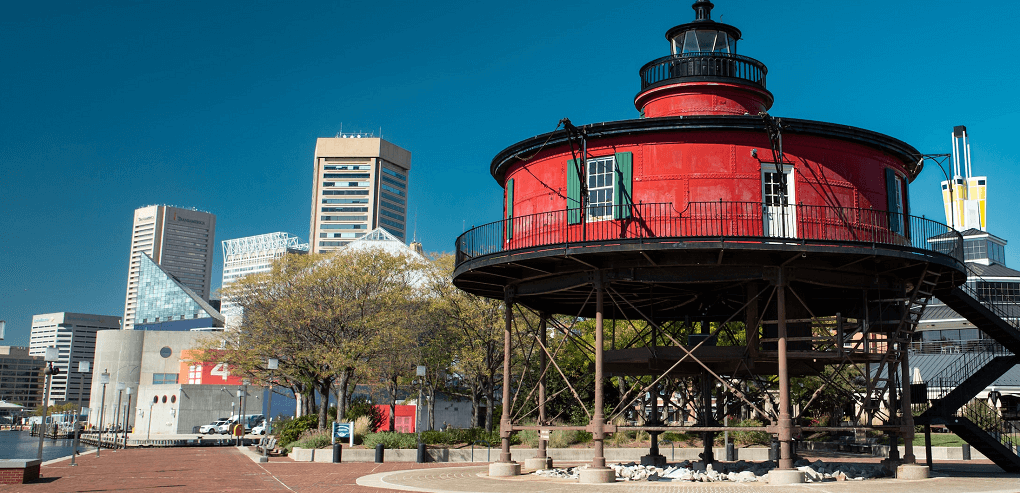
Seven Foot Knoll Light Baltimore Harbour by Bob Smith

+ PRO: A foodie’s paradise

Chesapeake Bay seafood is the headline act, but the food scene goes well beyond crab cakes. Baltimore has a rising wave of Afghan, Ethiopian, and Salvadoran restaurants, and its annual food festivals give local producers a chance to show off. Foodies will eat well here – and at prices that would be unthinkable in DC or New York.

+ PRO: Lively nightlife

The lifestyle in Baltimore comes alive after dark. Federal Hill skews younger and post-grad; Fells Point draws a mix of locals, tourists, and live music lovers. Canton and Hampden have also become popular nightlife hubs. Each neighbourhood has its own character when it comes to going out.

+ PRO: Attractions galore

New residents will enjoy getting to know their new home. There is plenty to see and do in Baltimore, especially along the waterfront. Inner Harbor is lined with shops, restaurants, and bars, while the Maryland Science Center and the historic USS Constellation are a stone’s throw away. The city’s galleries and museums could fill weeks of exploring. It is the sort of city where a weekend can vanish in the best possible way.

Lifestyle and Attractions in Baltimore


Education and schools in Baltimore

+ PRO: Well-regarded public schools in certain areas

Those moving to Baltimore will be pleased to find that the city boasts a number of excellent schools. Public school admission is typically based on catchment areas, so the proximity of good schools should be a factor when choosing where to live. There are also several charter and magnet schools, which are not tied to catchment zones – great options for students with strengths in particular subject areas.

+ PRO: Strong network of private and parochial schools

Because public school quality in Baltimore varies widely by neighbourhood, many middle to upper-income families turn to the city’s extensive private school network. The Archdiocese of Baltimore alone runs dozens of Catholic schools in and around the city, and well-known independent schools offer education from pre-kindergarten through to grade 12. These schools are a major draw for families who want consistent quality regardless of where they live.

- CON: No international schools

Education in Baltimore does not cater specifically to the expat community. The city has no international schools following foreign curricula – the kind of establishment diplomats and expat families often rely on. The Baltimore International Academy exists, but it is a public charter school offering language immersion, not a private expat institution. A handful of public and private schools in Baltimore do offer the internationally recognised IB programme. Families who want their children to study a home-country curriculum can look to Washington, DC, which offers a wider range of international schooling options and is just a short drive or train ride away.

Schools in Baltimore


Cost of living in Baltimore

+ PRO: Living expenses are reasonable

The cost of living in Baltimore is one of the city’s strongest selling points. It remains one of the few major East Coast cities where middle-class families can comfortably afford to live in the downtown area. Housing costs run roughly 50 to 60 percent lower than in DC, and everyday expenses follow a similar pattern. For the quality of life on offer, Baltimore is hard to beat on this stretch of the seaboard.

- CON: Higher property taxes than the surrounding area

As a politically independent city – not part of any county – Baltimore sets its own tax rates, and they are steep. The property tax rate is roughly double that of surrounding Baltimore County, and the highest in Maryland. Income tax is capped at the state maximum. Prospective buyers should carefully factor these figures in, as the savings on housing can be partly offset by the tax burden.

Cost of Living in Baltimore


Weather in Baltimore

- CON: Risk of tropical storms

Baltimore sits in the path of Atlantic hurricanes and tropical storms. Direct hits are rare – the last to cause serious damage were Hurricane Isabel in 2003 and the remnants of Superstorm Sandy in 2012 – but the city does occasionally see heavy rains and strong winds from passing systems. Flooding can be a concern in low-lying areas near the harbour.

+ PRO: Temperate climate with four distinct seasons

Thanks to its East Coast location, the weather in Baltimore is temperate. Winters bring some snow and freezing temperatures, but nothing like the bitter cold of Boston or Chicago. Summers are warm and humid without being unbearable. Rainfall is moderate throughout the year, so it is rarely a bad time to get out and explore.

Weather in Baltimore

Working in Baltimore

Education, healthcare, cybersecurity and the life sciences now anchor the city’s workforce, although manufacturing and steel production once defined Baltimore’s industrial character. Working in Baltimore means access to a resilient economy shaped by its thriving port, excellent transport infrastructure and strategic position along the Washington DC–Boston corridor.

Johns Hopkins University and its health system dwarf all other employers in the region, followed by the University of Maryland Medical System and MedStar Health. Defence contracting and cybersecurity firms also have a strong footprint, thanks to Baltimore’s proximity to Fort Meade and the NSA. Food manufacturer McCormick and chemical company W.R. Grace, both headquartered in the surrounding counties, remain significant regional employers, but the economy is far more diversified than it once was.

The job market is less cutthroat than in other East Coast cities, and the cost of living sits well below that of Washington, DC or Boston. For professionals starting out, switching careers or simply after a better work-life balance, Baltimore has real pull.


Job market in Baltimore

The job market in Baltimore can look modest on paper, especially set against Boston, New York or Washington, DC. The city proper is home to just two Fortune 500 companies – Constellation Energy and T. Rowe Price. It is developing at a fair clip, though, and unemployment sits roughly in line with the national average.

Finance remains a strong hiring sector, led by firms such as T. Rowe Price and Constellation Energy. Logistics continues to benefit from the port, and the biohealth industry has seen steady growth in recent years.

Locals affectionately call it ‘Smalltimore’ – work in any given industry here, and you will know almost everyone in it within a year. That tight-knit professional scene is a genuine asset for entrepreneurs and small business owners.


Finding a job in Baltimore

The internet is a good starting point when it comes to looking for job opportunities in Baltimore. Most employers advertise their vacancies online, either on the company website or through recruitment agencies.

Local industry-specific agencies are well placed to help new arrivals find jobs in their chosen fields. Recruiters tend to have an intimate knowledge of Baltimore’s job market and established relationships with employers, particularly in government contracting and defence.

Networking is another viable avenue for seeking out lucrative business opportunities or finding work in Baltimore. Thankfully, it is an exceptionally friendly city where people are often more than happy to offer advice and help facilitate new business relationships.

Useful links


Work culture in Baltimore

Work culture in Baltimore depends tremendously on one’s industry and company, although the city’s steady economy and relatively low unemployment mean many residents enjoy a good level of job security.

Many established companies in Baltimore provide their employees with substantial benefits and opportunities for career progression. Startups tend to offer their employees greater flexibility, although salaries are sometimes lower.

On the whole, the work environment in Baltimore is not as fast-paced or competitive as New York or Washington, DC, but that does not mean employees here are any less hardworking. It simply reflects a greater emphasis on a healthy work-life balance.

Cost of Living in Baltimore

The cost of living in Baltimore is reasonable compared to other major cities on the East Coast, and significantly lower than Washington, DC, Boston and New York City. As a newcomer, your main living expense is likely to be accommodation. That said, there are plenty of cost-effective living options if you’re willing to commute.


Cost of accommodation in Baltimore

Newcomers to Baltimore will be pleased to learn that accommodation prices represent fairly good value, especially in comparison to other prominent East Coast cities such as New York City, Boston, and Washington, DC.

The cost of renting an apartment in Baltimore can be 30 to 40 percent lower than the equivalent in DC. For this reason, it’s common practice to live in Baltimore and commute to DC – the MARC Penn Line rail service connects the two cities in under an hour.

Renting Accommodation in Baltimore


Cost of transport in Baltimore

Although it isn’t essential, most people living in Baltimore own a car. The cost of gas (petrol) is affordable and comparable to prices in other nearby cities. Parking in the city centre, though, is pricey and will add up for those who drive to work regularly.

Utilising Baltimore’s public transport system remains the most cost-effective way to get around the city. The MTA operates buses, a light rail line and a metro subway, all at a flat fare, and those who ride regularly will make savings by investing in monthly or weekly passes. The Charm City Circulator – a free shuttle bus service – covers five routes through the downtown area. Park and ride programmes are also available, which can be a shrewd way to travel into the city while sidestepping parking struggles and costs.

Public Transport and Driving in Baltimore


Cost of groceries in Baltimore

The cost of groceries in Baltimore sits a few percentage points above the national average – noticeable, but nothing dramatic. Baltimore’s Inner Harbour is one of the most celebrated on the East Coast, and fresh seafood is plentiful and well priced across the city.

Budget-conscious newcomers can make their grocery money stretch further by shopping at discount stores like Aldi and Lidl. While these shops have a limited product selection, they generally offer lower prices than most supermarkets.

Other ways to stay on budget include shopping in season, buying non-perishables in bulk, and purchasing seasonal produce at local markets.


Cost of entertainment and eating out in Baltimore

The cost of entertainment and eating out will really depend on your lifestyle. If you’re in the mood to splurge, Baltimore has no shortage of upscale restaurants, bars and clubs to oblige.

Leisure time in Baltimore needn’t cost much at all. The Walters Art Museum and the Baltimore Museum of Art both offer free general admission year-round, and the Inner Harbour is ideal for a stroll. Baltimore also has a wide variety of eateries to suit a range of budgets, with plenty of affordable and tasty options in the neighbourhoods around Johns Hopkins and the University of Maryland.

Lifestyle in Baltimore


Cost of education in Baltimore

Newly arrived parents in Baltimore will need to factor in the cost of education. Much of this will depend on the type of schooling they choose.

Fees at private schools in Baltimore are high, and additional expenses include uniforms, textbooks, extracurricular activities and field trips. Public school in Baltimore, by contrast, comes at little to no cost. There are plenty of good charter and magnet schools in Baltimore that offer an excellent standard of education without the hefty price tag.

Education and Schools in Baltimore


Cost of healthcare in Baltimore

The cost of healthcare in Baltimore will come as no surprise to anyone familiar with the US system. The Johns Hopkins Hospital and the University of Maryland Medical Center are world renowned, and the standard of care across the city is high, but none of it comes cheap.

Anyone moving to Baltimore should ensure they are covered by a comprehensive health insurance plan – it’s wise to invest time looking into various insurance options and to be aware of the co-payments involved. Depending on your field of work, your employer may either cover the cost of medical insurance or at least make a contribution.

Best Hospitals in Baltimore


Cost of living in Baltimore chart

Prices are listed in US dollars (USD) and may vary depending on the product and service provider. The list below shows average prices for Baltimore in February 2026.

Accommodation (monthly rent)
One-bedroom apartment in the city centreUSD 1,860
One-bedroom apartment outside the city centreUSD 1,120
Three-bedroom apartment in the city centreUSD 2,430
Three-bedroom apartment outside the city centreUSD 1,980
Shopping
Eggs (dozen)USD 4.40
Milk (1 litre)USD 1
Rice (1kg)USD 4.30
Loaf of white breadUSD 3.60
Chicken breasts (1kg)USD 10.20
Cheese (500g)USD 6.60
Eating out
Three-course meal for two at a mid-range restaurantUSD 80
Big Mac MealUSD 10
Coca-Cola (330ml)USD 2.80
CappuccinoUSD 5
Local draft beer (500ml)USD 7
Utilities
Mobile phone monthly plan with calls and dataUSD 65
Internet (uncapped ADSL or cable – average per month)USD 80
Basic utilities (average per month for a standard household)USD 205
Transport
Taxi rate (per kilometre)USD 1.40
Bus/train fare in the city centreUSD 2
Gasoline/petrol (per litre)USD 0.90

Accommodation in Baltimore

There is a wide range of accommodation in Baltimore, giving new arrivals moving to the city some room to manoeuvre when it comes to finding the right home at the right price. That said, more people working in Washington, DC, choose to base themselves in Baltimore and commute via the MARC Penn Line train rather than fork out the extortionate rental rates in the capital, which has had a knock-on effect on Baltimore’s property market – particularly in neighbourhoods near Penn Station.


Neighbourhoods in Baltimore

With more than 250 neighbourhoods in Baltimore, there’s a neighbourhood to suit new arrivals from all walks. The city is divided into 14 council districts, each with a distinct feel, although locals tend to refer to cardinal directions – North Baltimore, West Baltimore – or specific neighbourhood names when describing where they live.

Young professionals and single arrivals looking for a trendy neighbourhood should look no further than Hampden. This artsy suburb boasts a community feel while playing host to some of Baltimore’s best events and festivals. Other popular areas for young arrivals include Fell’s Point and Federal Hill. Families and young professionals looking for water views, easy access to amenities and a tight-knit community will love Canton. This area is known for its walkability and fantastic seafood.

Families moving to Baltimore are well catered for, thanks to the availability of a wide range of neighbourhoods in Downtown Baltimore and further out of the city. Those who would like to live in a central area while having access to picturesque single-family Victorian homes will find that Mount Vernon meets many of their needs. The neighbourhood has many cultural offerings and is also home to the best arts high school in Baltimore.

New arrivals with room in their budgets should consider Ellicott City. This suburb regularly features in best places to live rankings for the Baltimore area and has a large number of both public and private schools. Homes in this suburb are fairly pricey but tend to be spacious Colonial-style houses with multiple bedrooms and generous yards. The only downside to Ellicott City is its location outside Baltimore City proper, which means new arrivals will have to commute into the city centre.

See Areas and Suburbs in Baltimore for detailed information on the city’s neighbourhoods.


Types of accommodation in Baltimore

The type of accommodation new arrivals choose depends on where they intend to live in Baltimore, among other personal preferences. Apartments and condos tend to be most suitable for young professionals and small families who wish to live close to the centre of town. Properties in the suburbs are generally more spacious than in the city centre.

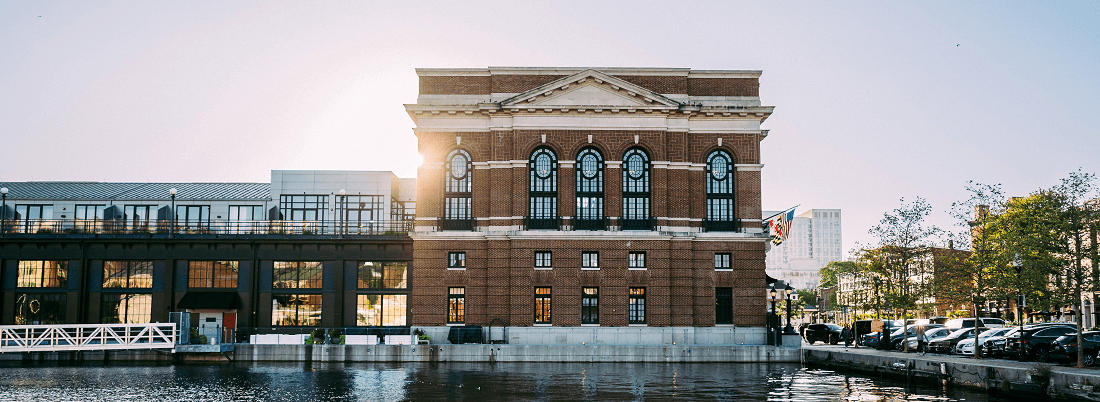
a large brick building sitting on the side of a river

Rowhouses

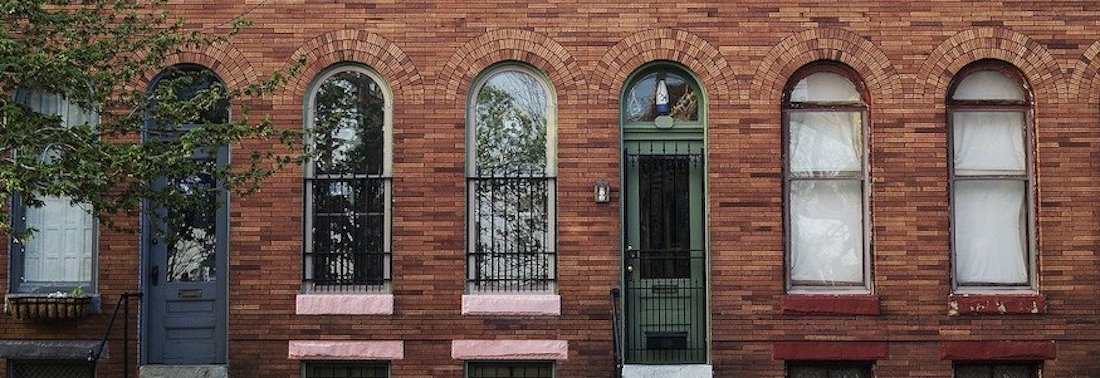
Rowhouses can be found in almost all suburbs of Baltimore, but their appearance and set-up can vary quite dramatically. Generally, these are two- or three-storey houses that share side walls. Many older rowhouses sport Baltimore’s signature Formstone cladding – a faux stone veneer that became wildly popular in the mid-20th century.

Older rowhouses tend to have little to no outdoor space, while modern rowhouses – most often found in suburbs further afield – tend to come with small gardens and a front veranda.

Apartments

Apartment living is commonplace in Baltimore, and apartment sizes vary greatly. Some apartments are located in older historic buildings with no modern features, while modern complexes often include additional facilities such as security services and communal spaces.

Condos

Condos are similar to apartments, but the communal facilities on offer tend to be more extensive. Generally, complexes come equipped with shared facilities such as gardens, swimming pools, fitness centres and laundry facilities. A major advantage of condo living as opposed to living in an apartment or an individual family home is the noticeable sense of community in these complexes.


Finding accommodation in Baltimore

finding a house in Baltimore

While finding accommodation in Baltimore tends to be easier compared to nearby Washington, DC, it is still wise to start the property search as soon as possible. Online property portals are an excellent starting point as they allow prospective tenants to get an idea of the types of properties available in different parts of the city, and how much to budget.

Local real estate agents are a great source of information. They can assist those unfamiliar with the different areas and suburbs of Baltimore in finding a suitable home that matches their requirements. In Baltimore, the landlord typically pays the agent’s commission for rentals, so there is no cost to the tenant.

Some new arrivals will be lucky enough to have a relocation company working on their behalf, who will assess preferences and shortlist properties to view. Expat social media groups are also a handy platform for those looking for accommodation in Baltimore.

Useful links


Renting accommodation in Baltimore

Baltimore is not as densely populated as nearby Philadelphia or Washington, DC, so demand for rental property tends to be lower, which means that finding a suitable rental in the city shouldn’t be too difficult for newcomers.

Making an application

Potential tenants looking to rent a property in Baltimore will need to file an application either via an agent or by dealing directly with the landlord. Once the relevant checks have been done and references are verified, the landlord and tenant will sign a lease agreement. Having a US bank account and a Social Security number set up will speed up the process.

For any property built before 1978, Maryland law requires landlords to provide a lead paint inspection certificate and relevant educational materials before the lease is signed. This is worth paying attention to, as many of Baltimore’s older rowhouses fall into this category.

Leases

As is the case throughout much of the US, a rental contract in Baltimore is usually valid for a year with the option to renew once the term is over. In some cases, tenants can negotiate a shorter lease, especially in quieter months when demand for rental properties is lower.

Deposits

When signing a lease agreement, tenants are required to put down a security deposit, usually equal to one months' rent. This is refundable once the lease has come to an end. It’s important to make sure a detailed inventory is carried out at the beginning and end of a rental period, as any damages will be deducted from the deposit.

New arrivals should ensure their rental apartment is registered with the City of Baltimore – you can verify a property’s registration and licensing status online through the Department of Housing. The city will ensure that the rental property is habitable and that tenants’ rights are protected.

Terminating the lease

In Baltimore City, tenants on a lease of one year or less must give at least 30 days’ written notice before the end of the rental period. Landlords are required to give 60 days’ written notice. Tenants must also provide 72 hours’ notice before physically vacating the property. If a tenant breaks a lease early without legal justification, the landlord is required under Maryland law to make reasonable efforts to re-rent the unit, which can reduce the amount the departing tenant owes.

Read Accommodation in the USA to learn more about the national rental market and processes.

Useful links


Utilities in Baltimore

Potential renters should check the terms and conditions of the lease carefully to determine which utilities are included. In some cases, landlords cover the costs of standard utilities such as gas, electricity, and water. Tenants are usually expected to pay for extras such as internet, cable TV, and telephone services.

Electricity and gas

Baltimore Gas and Electric Company (BGE) supplies the electricity and gas in Baltimore City. To start a service, new arrivals should contact BGE online, via the company’s app or by telephone at least three days before their intended moving date. Newcomers will need to provide their identity documentation, the address where they’d like to start service, and their Social Security number. Those who are starting a service may have to pay a security deposit.

Water

The drinking Water in Baltimore comes from the Gunpowder Falls, the North Branch Patapsco River and the Susquehanna River and the supply is managed by the Baltimore City Public Works Department. For new arrivals who will be renting property, the water bill will remain in the owner’s name, but property owners may add their name as an additional bill recipient. Otherwise, they must make payment arrangements with their landlords.

Property owners can start a new service by contacting the Baltimore City Public Works Department online and filling out the appropriate customer service form. New arrivals will likely have to pay a fee to have a new meter installed. Utility bills are generally paid monthly via direct debit, credit card, or deposit.

It is worth double-checking meter readings against your bill, as Baltimore City water bills have a reputation for billing errors and unexpectedly high charges – a frequent gripe on local forums.

Bins and recycling

The Baltimore City Public Works Department oversees waste management and recycling in Baltimore. Waste is collected weekly, and Baltimore City provides an interactive map for residents to determine their rubbish collection day. Baltimore City provides municipal trash cans to residents, and using a sturdy bin with a tight-fitting lid is strongly encouraged – the city has strict rules on this front, largely to combat rodent activity.

Baltimore does not require residents to separate recyclable waste and allows new arrivals to use any type of rubbish bin or laundry bag to dispose of recyclable waste. The use of plastic bags for disposing of recyclable waste is strictly forbidden.

For bulk waste items, Baltimore City residents can arrange collection of up to three large items per month by scheduling a pickup through 311 at least four business days in advance. Alternatively, waste can be taken to a residential drop-off centre at no cost.

Useful links

Areas and Suburbs in Baltimore

The best places to live in Baltimore

Finding the best areas and suburbs in Baltimore can feel overwhelming. Dubbed the ‘City of Neighbourhoods’, this East Coast city has hundreds of different areas to choose from.

New arrivals looking for a place to stay in Baltimore will have to consider several factors, the most important of which are the cost of accommodation, the area’s lifestyle offerings, its access to amenities, and proximity to the workplace. Those relocating to Baltimore with children will, of course, have the additional priority of finding a suitable home in a family-friendly area close to good schools.

Thankfully, most new arrivals report that Baltimoreans are friendly, helpful, and welcoming. So, regardless of the neighbourhood, Charm City’s sense of community should help newcomers settle into Baltimore life pretty quickly.

Here is a general overview of some of the most popular areas and suburbs in Baltimore for new arrivals and expats.


City living in Baltimore

Row Homes in Baltimore

City living in Baltimore appeals to dynamic young people looking to start a career. While other nearby cities have priced out many of those without existing capital, Baltimore offers these entrepreneurial types the opportunity to establish themselves and launch their careers without compromising on quality of life. As Baltimore’s cost of living is quite reasonable, young professionals without dependants tend to have a sizeable disposable income.

Those who value their time and who want to be close to lifestyle offerings opt to live as close to downtown Baltimore as possible. Rents in sought-after areas close to the city centre are naturally higher as a result of demand. Properties also tend to be on the small side. That said, if location is a priority, these are some of the recommended neighbourhoods that offer new arrivals the best in city living.

Mount Vernon

Located just north of downtown Baltimore, Mount Vernon is one of the city’s oldest neighbourhoods and has been designated a cultural district. Residents and visitors alike will find plenty to see and do here. Although historical sights abound in this neighbourhood, the original Washington Monument is the focal point of Mount Vernon.

Being so close to the centre of town means that getting around is easy. Mount Vernon is well served by all modes of public transport, including major bus routes, light rail, metro, and the Charm City Circulator. Residents of Mount Vernon have an array of nightlife offerings on their doorstep, with numerous restaurants, cafés, and bars dotted around the neighbourhood.

Locust Point

Home of the famous Fort McHenry, Locust Point has a rich history. Over the years, it has been home to large immigrant communities from Ireland, Italy, and Poland. The respective legacies of these groups are visible throughout the area to this day. More recently, the neighbourhood has undergone gradual gentrification, which has brought with it a slew of new offerings.

The area boasts plenty of bars, restaurants, and coffee shops that cater to its relatively young population. Rental prices in the area are high by Baltimore standards, and properties are comparatively small, but it’s a great spot for those looking for a central location close to all the action.

Federal Hill

Centrally located on the South Baltimore Peninsula, Federal Hill is named after the distinctive hill that can easily be spotted from all over the Inner Harbor area. Federal Hill residents are just a stone’s throw from most of Baltimore’s best attractions. The Cross Street Market, full of shops, restaurants, and bars, is a huge social hub for the area. The type of accommodation found here will primarily be apartment or condo living options popular with young urban dwellers. Rents are high due to the prime central location.

Hampden

Hipsters looking for a place to call home should look no further than Hampden. This artsy neighbourhood is situated in North Baltimore and offers a community feel within 15 minutes of key amenities such as public transport links, restaurants, bars, and independent shops. Property prices here reflect its popularity, although the market has settled somewhat after years of steady growth.

Things to See and Do in Baltimore 
Public Transport in Baltimore
Cost of Living in Baltimore


Family-friendly suburbs of Baltimore

Family-friendly suburbs of Baltimore attract prospective Baltimoreans who value quality of life for their children. The cost of living in Baltimore is more favourable than in other East Coast cities such as Boston, Washington, DC, and New York, and it also boasts a range of excellent public schooling options. Properties, especially in outlying suburbs, tend to be reasonably priced and spacious. Below are some popular family-friendly neighbourhoods in Baltimore worth considering for those relocating to the Charm City with kids in tow.

Ellicott City

Ellicott City is a well-established suburb of Baltimore. It is a particularly popular choice for families thanks to its excellent public schools. Most residents in Ellicott City own their homes, and it’s a great spot for those who’ve decided to settle down in Baltimore. The historic centre of the area has a quaint old-town feel, which provides a lovely respite from the bustle of urban life. Ellicott City’s location, with easy access to Route 40, I-70, and I-695, makes getting around a breeze. Plus, living close to the natural beauty of Patapsco Valley State Park provides ample opportunities to spend time outdoors.

Pikesville

Pikesville has historically been home to a sizeable Orthodox Jewish community, but the area has become more diverse over the years. The neighbourhood’s popularity is often down to its good schooling options and access to transport – the Baltimore subway runs through Pikesville, which makes commuting into the city centre easy and straightforward.

Fulton

This close-knit suburb of Baltimore is another exceptional option for newcomers moving to Baltimore with children. Anchored by the Maple Lawn development, Fulton offers a planned community atmosphere with tree-lined streets and town centre amenities. Crime is low, and it’s considered extremely safe. There are plenty of green spaces and outdoor playgrounds for families to enjoy. Public schools in Fulton are highly rated, a major drawcard for residents. Those who love being outdoors will appreciate being close to the Patuxent River, which is a great spot for hiking, fishing, and boating.

Schools in Baltimore

Healthcare in Baltimore

Prospective residents can rest assured that they’ll have access to a high standard of healthcare in Baltimore. The city is home to the prestigious Johns Hopkins Hospital and the University of Maryland Medical Center, whose R Adams Cowley Shock Trauma Center is recognised as a global leader in trauma care. Pharmacies are readily available throughout Baltimore, although 24-hour locations have become less common in recent years – it’s worth checking hours in advance.

The cost of healthcare in Baltimore is high, as it is across the United States, so those moving to the city should make sure they have comprehensive health insurance in place. The Baltimore City Health Department also offers several free and low-cost healthcare services to qualifying residents.

The best known of these is the Maryland Children’s Health Program (MCHP), which provides healthcare to pregnant women and children from low-income households.

Read Healthcare in the USA to learn about the country’s healthcare system.

Below is a list of recommended hospitals in the Baltimore metro area.


Hospitals in Baltimore

Johns Hopkins Hospital

Website: www.hopkinsmedicine.org 
Address: 1800 Orleans St, Baltimore

MedStar Union Memorial Hospital

Website: www.medstarhealth.org/locations/medstar-union-memorial-hospital
Address: 201 E University Pkwy, Baltimore

Mercy Medical Center

Website: www.mdmercy.com 
Address: 345 St Paul Pl, Baltimore

University of Maryland Medical Center

Website: www.umms.org 
Address: 22 South Greene St, Baltimore

University of Maryland St. Joseph Medical Center

Website: www.umms.org 
Address: 7601 Osler Drive, Towson

Greater Baltimore Medical Center

Website: www.gbmc.org 
Address: 6701 N Charles St, Towson

Education and Schools in Baltimore

The standard of education and schools in Baltimore is varied, so prospective residents planning a move to the Charm City with children will need to factor in schooling options when making decisions. There are hundreds of schools that fall under the two public school districts that oversee education provision in Baltimore, which might make deciding on the right school slightly overwhelming.

Factors to consider when choosing a school in Baltimore include the type of school, the standard of teaching, the cost of tuition fees, extracurricular activities, and the proximity of the school to home.


Public schools in Baltimore

Public schools in Baltimore are overseen by either Baltimore City Public Schools or Baltimore County Public Schools, depending on their location. The standard of these schools varies dramatically. As is the case in most major cities, better public schools tend to be located in more affluent areas and suburbs.

Admission to most public schools is based on catchment areas. Some of the more popular public schools in Baltimore are oversubscribed, so parents should submit their applications as early as possible.

We recommend parents have the following documents on hand when making an application: the student’s birth certificate, parents’ ID, and proof of address. Some schools may also ask for academic records, references, and medical certificates.

Backpack with educational materials

Charter schools

A charter school is a type of public school that is overseen by external entities. They have increased autonomy but remain accountable to the school district.

Each school will have a charter or performance contract that details its programme, goals and assessment methods. Some charter schools may have a particular approach to learning, focus on a certain instructional theme, or serve particular populations. Students may apply to attend a charter school anywhere in Baltimore, regardless of where they live. Admission is usually granted via a lottery system. 

Magnet schools

Magnet schools, like charter schools, are primarily state funded, but they do receive additional external funding, are not strictly bound by the US curriculum, and can develop their own curriculum.

Magnet schools typically focus on a specialised subject area, like STEM (science, technology, engineering, and maths), the performing arts or languages. Teachers at magnet schools are highly specialised and tend to have a high level of training.

Areas and Suburbs in Baltimore 
Education and Schools in the USA

Useful links


Private schools in Baltimore

There are a number of good private schools in Baltimore. In general, private schools perform better academically than the average public school. Students have access to better facilities and can pursue extracurricular activities such as sports and music to a higher level.

The downside of choosing to attend a private school is, of course, the cost. Parents who opt to send their children to a private school will also need to budget for several additional expenses, such as uniforms, textbooks, and extracurricular activities, as well as various field trips.


International schools in Baltimore

There are no international schools that follow foreign curricula in Baltimore. That said, there are a handful of public charter and private schools that offer students the option of studying the International Baccalaureate (IB) curriculum.

Expats relocating to Baltimore in the short term who’d prefer to have their children continue studying the curriculum of their home country should consider international schooling options in Washington, DC. International schools provide a more familiar environment and allow students to associate with other expat children.

Baltimore is around an hour to an hour and a half’s drive from Washington, DC, and many people commute between the two cities. That said, the capital is home to a large expat community and, as a result, the demand for international schools is quite high. This means that expats living in Baltimore who wish to send their children to one of these schools should apply ahead of time to secure a spot.

Useful links


Special educational needs in Baltimore

Boy playing with wooden toys

In Baltimore, students with special educational needs are entitled to free specialised education from birth to the age of 21. The support structures in Baltimore for such students are extensive. There are a few different options with bespoke programmes designed for children suffering from a variety of developmental and behavioural issues, as well as those with physical disabilities.

Where possible, students with special needs will be accommodated at mainstream public schools in Baltimore. If the severity of the disability restricts this, there are several special education centres and private special education facilities in Baltimore that offer more extensive support.


Tutors in Baltimore

For struggling students or those in need of some extra support to tackle university entrance exams, private tutors in Baltimore can help strengthen comprehension, boost confidence, and give students that extra edge.

For children in need of extra academic support, there are several reputable tutoring companies in Baltimore. Some well-established companies include Streamline Learning and Varsity Tutors. These companies offer one-on-one tutoring services for various subjects and for a range of different grades from elementary to high school.

Useful links

Lifestyle in Baltimore

The lifestyle in Baltimore often surprises newcomers who arrive expecting to live in the shadow of nearby New York and Washington, DC. This humble Maryland city is emerging as a destination of choice among tourists and permanent arrivals alike.

Much of this has been fuelled by the impressive work done by the city to attract young entrepreneurs who have, in turn, driven a huge appetite for new attractions, cultural events and dining experiences. Baltimore’s lower cost of living compared to its neighbours means residents can afford a richer quality of life – and the city’s cultural and outdoor offerings give them plenty to spend that freedom on.


Shopping in Baltimore

Shopping in Baltimore ranges from upscale waterfront retail to centuries-old public markets. From local boutiques to high street stalwarts and bargain outlets, shoppers are sure to find something to suit their taste and budget.

Harbor East is the city’s go-to shopping neighbourhood, with upscale boutiques and well-known retailers spread across its walkable waterfront blocks. Hampden – particularly ‘The Avenue’ on 36th Street – is the place for independent shops, vintage finds and one-of-a-kind gifts, while Fell’s Point and Federal Hill round out the picture with their own thrift shops and boutiques.

Creative culture is big in Baltimore, and taking in the city’s markets, which brim with various food and craft items, is quite a social affair. Lexington Market – the longest continuously operating public market in the US, now housed in a striking new building that opened in 2023 – is always worth a wander. Other popular markets in Baltimore include Broadway Market at Fell’s Point and Federal Hill’s Cross Street Market.


Arts and culture in Baltimore

Walters Art Museum Baltimore by Hester Qiang

Arts and culture in Baltimore run deep, from quirky galleries to world-class museums. The American Visionary Art Museum delivers offbeat modern exhibits, while the Baltimore Museum of Art – free to visit – houses an acclaimed collection of over 90,000 works.

Street art pops up across the city, with the Station North Arts District and its Graffiti Alley as the epicentre of Baltimore’s mural scene.

History buffs will marvel at Baltimore’s past, which is encased in the city’s beautifully preserved 19th-century architecture and heritage landmarks. Mount Vernon is the city’s cultural district, home to the famous Peabody Library – often called the ‘Cathedral of Books’ – the Walters Art Museum (also free), and the prominent Washington Monument, which visitors can climb for panoramic views.

Baltimore also punches above its weight in the performing arts, with the Baltimore Symphony Orchestra and Baltimore Center Stage – the state theatre of Maryland – both worth a visit.


Eating out in Baltimore

Foodies are spoilt for choice when it comes to eating out in Baltimore. Each neighbourhood is host to its own cosy cafés and eclectic eateries, so residents rarely need to travel far for a good meal.

Long leisurely weekend brunches have become quite the Baltimore institution, and newcomers will soon learn that eating out in the Charm City is very much a social pastime. Crab, in all its forms, is what Baltimore is famous for, so be ready to get those hands dirty when cracking open the daily catch.

Baltimore’s food hall scene has also taken off, with multivendor halls in Remington and Mount Vernon drawing crowds who want to graze their way through local and international flavours under one roof.

Baltimore may not be as cosmopolitan as its neighbours, but it holds its own when it comes to international fare. Little Italy remains a historic dining hub, Latin American food is on the rise in Highlandtown and Upper Fells Point, and strong Korean and Japanese options have put Station North on the map.

Neighbourhoods in Baltimore


Nightlife and entertainment in Baltimore

Baltimore is a university town, so it comes as no great surprise that nightlife and entertainment in the city run late. Federal Hill is the go-to spot for students and young professionals on a big night out. Hampden is the spot for dive bars and craft cocktails, Mount Vernon draws an upscale and LGBTQ+-friendly crowd, and the Inner Harbour has its own strip of evening venues. Part of the fun is finding what suits you.

Those looking for a more subdued evening out should visit Fell’s Point for sundowners and live music with a view. While it may not be Broadway, Baltimore’s Hippodrome Theater is a great place to catch a show. For something memorable, take an evening dance class at the famous Mobtown Ballroom or enjoy a sunset cruise in the harbour.


Outdoor activities and sports in Baltimore

Park stock image by Corinne Chiba

Outdoor enthusiasts needn’t fret – the range of outdoor activities and sports in Baltimore and its surrounds will keep even the most restless residents occupied. Baltimore has its fair share of walking trails, lush green parks, gardens and lakes to draw residents out into nature.

The Cylburn Arboretum, located just a few miles from Baltimore City, is a vast property housing a stunning period mansion and several beautiful gardens for guests to explore at leisure. Holt Park, with its labyrinth and meditation path, is great for a peaceful retreat from the busy city.

Those looking for something more intense to get the blood pumping can check out scenic cycling routes such as the Baltimore-Annapolis Trail, which is not too far outside the city. Hikers will be in their element as they take to the trails in nearby Patapsco Valley and Rocks State Parks.

The Inner Harbour itself offers kayak and paddleboard hire, and sailors will find marinas dotted along the Chesapeake Bay shoreline.

Baltimore is a proud sports town. The Ravens (NFL) play at M&T Bank Stadium and the Orioles (MLB) call the much-loved Oriole Park at Camden Yards home – both stadiums sit side by side just south of the Inner Harbour. Game days are a citywide event, and grabbing tickets is one of the quickest ways to feel like a local.


See and do in Baltimore

The best way for new arrivals to get to know Baltimore is by getting out and seeing what makes the city tick. Whether it’s art, culture, history, science or sport that interests newcomers, there is no doubt that Baltimore has plenty to keep its residents entertained.

National Aquarium Building in Baltimore by Brendan Beale on Unsplash

National Aquarium

Home to more than 700 species of fish, amphibians, reptiles and mammals, Baltimore’s National Aquarium is one of the city’s most popular attractions. It also features a 4D immersion theatre and a children’s gallery, making it an engaging experience for visitors of all ages. The Aquarium also works to combat climate change and save animals and their habitats through education, habitat restoration, animal rescue, and sustainable business practices.

Baltimore Museum of Art

Free to visit, this impressive collection spans more than 90,000 pieces from the 19th century to the present. Exhibits include works by Matisse, Picasso, and Van Gogh, making the Baltimore Museum of Art a world-class attraction. On warm days, visitors can enjoy the outdoor sculpture gallery, set over three acres of landscaped gardens.

Edgar Allan Poe House

This small, unassuming redbrick building on North Amity Street was once the residence of Edgar Allan Poe. It has now been transformed into a museum dedicated to his work. Literary fans will enjoy looking through the well-preserved artefacts from Poe’s past, including his telescope and portable writing desk.

Maryland Science Center

One of the USA’s oldest scientific institutions, the Maryland Science Center was where great scientific minds once met to discuss revolutionary ideas. It has now been converted into a popular Inner Harbour attraction. With interactive science displays for kids, a planetarium and giant dinosaur exhibits, the Maryland Science Center caters for visitors of all ages.

Fort McHenry

This monument boasts a rich history and is said to be the birthplace of the USA’s national anthem. Visit during the summer months for a guided tour of the precinct, or attend one of the concerts hosted at this unique venue for a truly memorable experience.

Fell’s Point

This historic waterfront precinct is a great place to take a walk while admiring 19th-century homes and storefronts. Full of places to shop and grab a bite to eat, Fell’s Point is also a gathering point for Baltimoreans.


Meeting people and making friends in Baltimore

Baltimore’s ‘Smalltimore’ reputation – a nickname earned because everyone seems to know everyone – works in a newcomer’s favour. The city has a friendly, unpretentious social scene where people are generally open to conversation, and it doesn’t take long before familiar faces start appearing at your local coffee shop or dog park.

Social sports leagues are one of the most popular ways to meet people. You don’t need to be an athlete – leagues for kickball, bocce and volleyball in neighbourhoods like Canton and Federal Hill are designed as much for the post-game happy hour as for the sport itself. Volunteering is another well-trodden path to connection; Baltimore has a strong culture of community engagement, and joining a clean-up day or a nonprofit board can help newcomers put down roots quickly.

Online platforms like Meetup host dozens of Baltimore-specific groups, including new-in-town mixers, hiking clubs and professional networking events. Social media groups (searchable on Facebook and Reddit) are another good starting point for finding your crowd.

Useful links

Getting Around in Baltimore

Getting around in Baltimore is fairly straightforward, provided you live along one of the city’s main transit corridors. Most people who settle down in Baltimore for the long term will invest in a car, but it is by no means essential. Driving will give new arrivals more freedom to explore Baltimore and its surroundings, but public transport handles the daily commute well enough – and the MARC commuter train makes it possible to work in Washington, DC, while living in Baltimore.


Public transport in Baltimore

Public transport in Baltimore is overseen by the Maryland Transit Administration (MTA). The system consists of buses, light rail, subway, and commuter rail networks that connect most parts of the city.

Purchasing a daily, weekly, or monthly transport pass allows commuters to utilise all modes of public transport in Baltimore over the designated period at discounted rates. CharmPass is the city’s official mobile ticketing app.

Here, residents can purchase one-way fares that are valid for 90 minutes, during which time they’ll be able to transfer between different transport networks. Other fare options can be purchased right from the app, including multi-day and CharmFlex passes, the latter of which is most suitable for those with a flexible schedule.

Real-time bus and rail tracking is available through apps like Transit and Google Maps, which tend to be more reliable than the information displays at stops.

Ferry boat in Baltimore by Devonshire

Water taxis

Baltimore also has a free water-based transit service: the Harbor Connector. Run as part of the Charm City Circulator network, it operates on weekdays between key waterfront spots like Fells Point, Locust Point, Canton, and Federal Hill. For those after something more leisurely, the Baltimore Water Taxi offers paid scenic cruises around the harbour.

Light rail

The light rail system in Baltimore runs north-south, connecting the suburbs to the city centre and continuing down to BWI Airport. Commuters often drive to stations on the outskirts – where parking is free – and ride the light rail into town.

Subway

Baltimore has a single subway line that runs from Johns Hopkins Hospital through the city centre and out to Owings Mills in the northwest suburbs. The subway is frequently used by commuters travelling from their homes in the suburbs to the centre of Baltimore. It’s the fastest way to get downtown from the northwest, although it bypasses waterfront neighbourhoods like Fells Point and Canton.

Buses

Bus routes in Baltimore cover most of the city and help connect areas that aren’t sufficiently covered by the subway or light rail networks. Unfortunately, buses rarely run to schedule, so it’s best to allow plenty of time to account for delays.

There is also a free bus service known as the Charm City Circulator. It runs five routes connecting downtown Baltimore to surrounding neighbourhoods, with buses arriving every 10 to 20 minutes. The Circulator is popular with residents and visitors alike, and real-time tracking is available through the Passio Go! app.

MARC Train

The MARC commuter train is a lifeline for those who live in Baltimore but work in Washington, DC. The Penn Line runs from Penn Station in the city centre to DC’s Union Station, with the journey taking under an hour. Weekend service is available on the Penn Line, and free parking is offered at most suburban stations. A second line, the Camden Line, also connects the two cities via Camden Yards.

Useful links


Taxis in Baltimore

Taxis in Baltimore are dominated by zTrip, the city’s largest traditional cab company. Fares are competitive, and drivers use a meter to calculate fares. In the busy tourist areas and parts of the city centre, it’s easy to hail a taxi, but it is often better to pre-book when travelling from the suburbs. Most taxi companies will have an app which residents can use to book taxis. Lyft and Uber are also available.

Useful links


Driving in Baltimore

Cars in tunnel by Anvesh

Most Baltimore residents, especially those with families, tend to own a car. While driving offers greater freedom to explore different suburbs and to travel beyond the city at weekends, it is not always the most efficient way to get around the city. Traffic can be terrible during the week, and parking is notoriously expensive, so it may be best to drive to a light rail station and use public transport for the last stretch of the commute. Road surfaces in Baltimore can be rough – potholes are a perennial complaint, so it pays to drive attentively.

Driver’s licences

New residents of Maryland must obtain a state driver’s licence within 60 days of settling in. Maryland has reciprocal agreements with South Korea, France, Germany, Taiwan, and Japan – holders of licences from these countries can exchange them without taking a written or road test, although a vision screening and a short drug and alcohol education course are still required. Those from countries not covered by a reciprocal agreement will need to pass both a knowledge test and a driving skills test.

Visitors and those on short-term assignments can drive with a valid foreign licence or an international driving permit, but anyone who establishes residency triggers the 60-day window.

Transport and Driving in the USA

Useful links


Cycling in Baltimore

While Baltimore hasn’t always been the most cycle-friendly destination, the city has made significant strides in improving its cycling infrastructure in recent years, including designated cycle routes and safe bicycle storage facilities. For leisure rides, the Jones Falls Trail and the Waterfront Promenade are well-liked options.

For those who wish to cycle or scooter around Baltimore but don’t own one, dockless e-bike and e-scooter hire is available through Lime and Spin. Both companies are officially permitted by the city, and their vehicles can be located, unlocked, and parked using each provider’s app.

Useful links


Walking in Baltimore

Walking in Baltimore as a sole means of getting around is not practical – it’s too spread out for that. That said, it is possible to walk around within particular suburbs. The most walkable areas tend to follow a central corridor running north-south along Charles Street and east along the waterfront – neighbourhoods within this belt tend to be well maintained and pedestrian friendly. Areas that are popular with tourists, such as Fells Point and the harbour precinct, are especially safe and pleasant for those who enjoy a walk.