
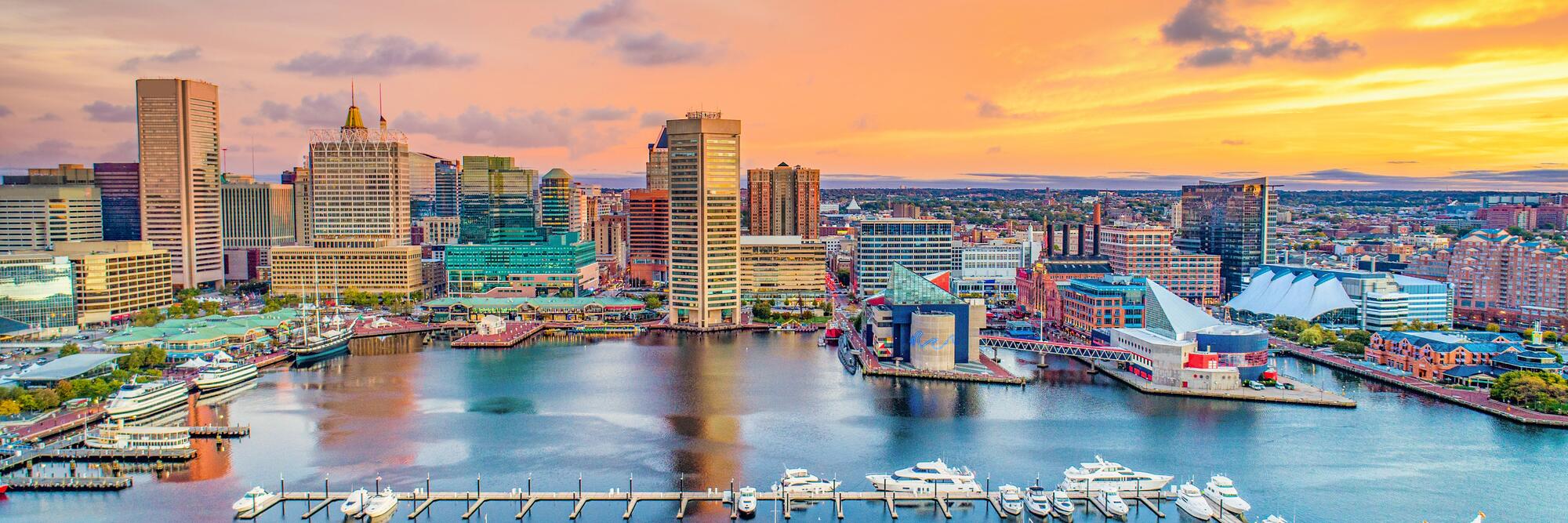
Moving to Baltimore is a smooth transition for most expats and newcomers, whether arriving from elsewhere in the US or from overseas. Just a short drive from the US capital of Washington, DC, and home to around 2.4 million people across its metro area, Charm City – as locals call it – is a sprawling metro area and a genuinely diverse one at that. International arrivals and out-of-towners alike will find their feet quickly in a city whose neighbourhoods span a kaleidoscope of cultures.
Living in Baltimore as an expat
Life in Baltimore has a character all its own. The city is operated as an independent jurisdiction separate from the surrounding Baltimore County, which means city residents have their own tax structure, school system, and services. It is a place built on fiercely local neighbourhood identities; move three blocks in any direction and the architecture, the vibe, even the accent can shift. Locals know this as ‘Smalltimore’, a nod to how tight-knit the social circles are despite the metro’s size.
New arrivals often remark that the city rewards those who get stuck in – joining a sports league in Patterson Park, picking crabs at a waterfront table in summer, or simply getting to know their neighbours from the front stoop. The cost of living undercuts most East Coast cities of comparable size, and the job market is heavily weighted toward healthcare, higher education, and a growing tech corridor. For those working in Washington, DC, commuter rail puts the capital within an hour’s ride.
Working in Baltimore
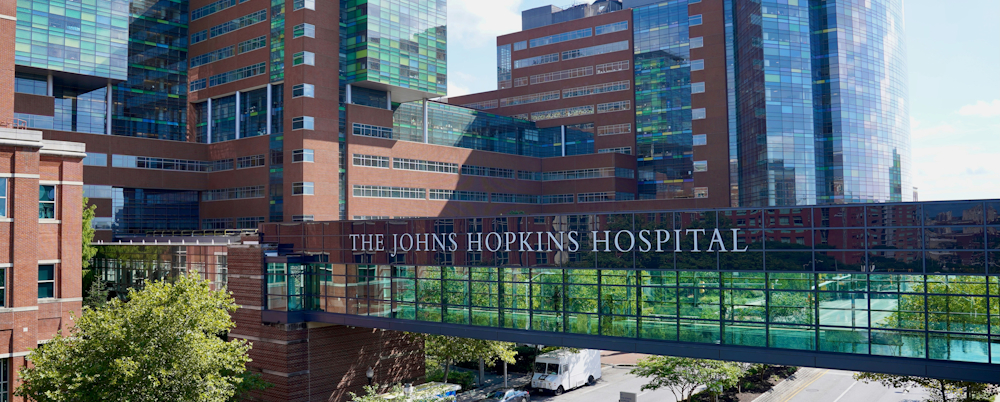
The job market in Baltimore is anchored by what locals call ‘Eds and Meds’ – the colossal healthcare and higher education institutions that drive the city’s economy. Shipping and manufacturing once defined the city’s economy, but the centre of gravity has shifted decisively toward healthcare, higher education, and the federal technology corridor. Johns Hopkins – the largest private employer in Maryland – supports roughly one in five jobs within city limits, and the University of Maryland Medical System is another major anchor.
Baltimore’s proximity to the NSA and US Cyber Command at Fort Meade has also turned the region into a cybersecurity hub, and a secondary ecosystem of biotech and health tech firms has sprung up around the university research campuses.
A significant number of Baltimore residents commute to Washington, DC, for work. The MARC Penn Line runs from Baltimore’s Penn Station to DC’s Union Station in under an hour, and many professionals exploit the difference in housing costs between the two cities. Proximity to Penn Station is a common priority when choosing a neighbourhood.
Lifestyle in Baltimore
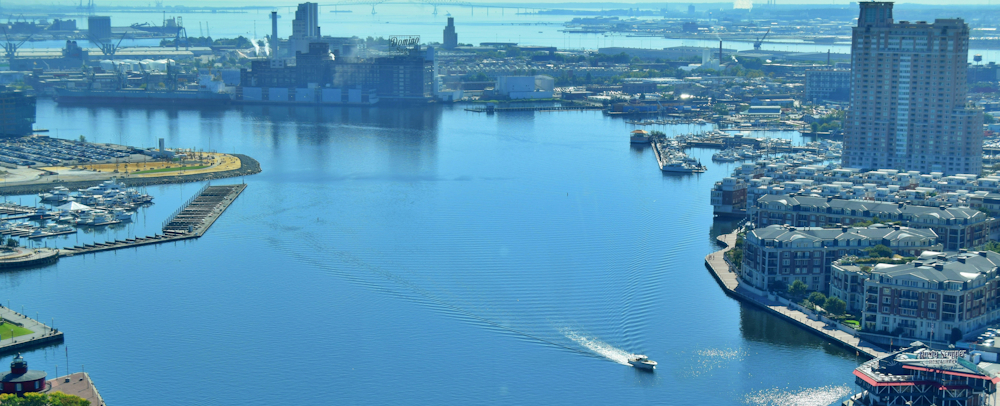
The lifestyle in Baltimore is primarily local and proudly unpretentious. The city resists the chain store homogeneity of other East Coast metros, and the social scene is defined by independent shops and public markets. Baltimoreans take their culinary traditions seriously – eating steamed blue crabs is less a meal than an hours-long summer ritual, and the city’s public market system, the oldest in the country, is still going strong.
The warmer months bring the city to life with large-scale festivals and outdoor events. The Inner Harbor area, several excellent museums, an aquarium, and acres of leafy parkland give newcomers plenty to discover on weekends. Baltimore’s central East Coast location also makes it a natural launchpad for trips to Philadelphia, Washington, DC, and the beaches of Maryland’s Eastern Shore.
Shopping, Nightlife and Entertainment in Baltimore
Best Attractions and Sightseeing in Baltimore
Finding accommodation in Baltimore
Finding accommodation in Baltimore is refreshingly straightforward compared to other major East Coast cities. The housing stock is dominated by the iconic Baltimore rowhouse – a terraced brick home that comes in every configuration from a compact two-bedroom to a grand four-storey brownstone. Prices vary enormously by neighbourhood, and newcomers should research areas carefully before signing a lease.
Buyers should be aware of Baltimore’s historic ground rent system, a colonial-era quirk in which the homeowner owns the structure but leases the land beneath it for a nominal annual fee. Most modern transactions redeem (buy out) the ground rent, so the property becomes fee simple, but buyers should always confirm this. Those looking to rent will find managed apartment buildings concentrated around the harbour districts, and the broader market is dominated by individually owned rowhouses.
Renting Accommodation in Baltimore
Best Places to Live in Baltimore
Cost of living in Baltimore
The cost of living in Baltimore is one of the city’s strongest selling points for newcomers. Despite its proximity to DC – and its growing popularity as a commuter base for those working in the capital – Baltimore’s cost of living is well below that of other major East Coast cities. That said, it’s not exactly cheap in absolute terms. Baltimore City levies a local income tax on top of the state rate, and utility costs tend to run above the national average owing to the city’s ageing infrastructure and older housing stock. Newcomers should factor these into any salary negotiation.
Living in Baltimore with children
Living in Baltimore with children is best suited to families who enjoy an active, outdoors-oriented lifestyle. The city is greener than most people expect – Druid Hill Park houses the Maryland Zoo and a Victorian conservatory, while Patterson Park is a neighbourhood hub for everything from sports leagues to weekend festivals. Parents should note that Baltimore’s older housing stock can carry lead paint risks. Maryland law requires rental inspections, and verifying a property’s ‘Lead Free’ certification before moving in is a sensible precaution.
In terms of medical care, families will be well served. Baltimore is home to Johns Hopkins Hospital and the University of Maryland Medical Centre, two of the leading healthcare facilities in the United States. Paediatric care is a particular strength. Adequate health insurance is a must, and new arrivals should arrange cover before they move.
Healthcare and Hospitals in Baltimore
Finding a school in Baltimore
Finding a school in Baltimore requires more legwork than in many US cities. The public system operates a ‘School Choice’ model for middle and high schools – rather than being assigned by address, students apply to schools across the city and are placed based on preferences and, for selective schools, composite scores. The most sought-after public high schools, Baltimore City College and Baltimore Polytechnic Institute, are academically competitive and draw applications from across the city.
Parents who prefer the private route will find a strong cluster of independent schools. Admissions tend to be competitive, and families are advised to begin the process well in advance. Choosing the right school often dictates where families settle, so it is well worth researching neighbourhoods and their feeder schools early in the relocation process.
Schools and Education in Baltimore
Getting around in Baltimore
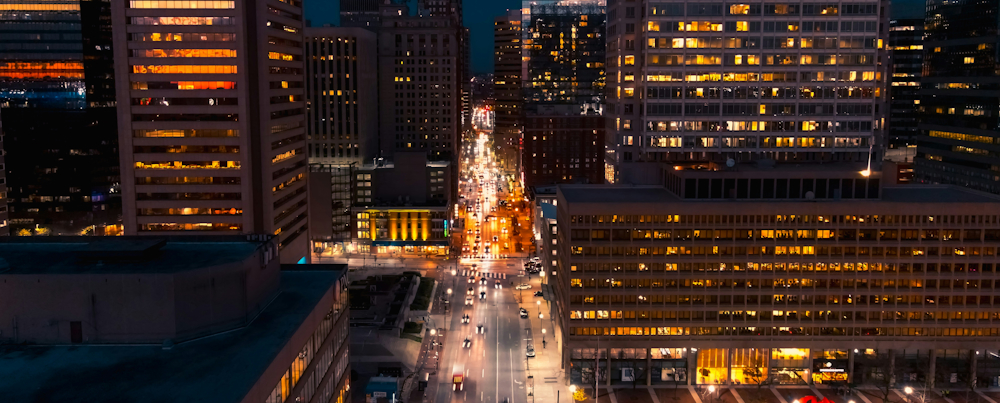
Getting around in Baltimore is easiest with a car, and most residents own one. That said, the city’s public transport network covers the basics. The Maryland Transit Administration (MTA) operates a system of CityLink and LocalLink buses, a single-line metro subway, and a light rail service. The Charm City Circulator, a free bus service run by the city itself, connects the main downtown neighbourhoods and is handy for short hops between the harbour, Fells Point, and Penn Station.
Reliability can be patchy (forums are peppered with complaints about ‘ghost buses’ that never show), and the rail network’s coverage is limited. For commuters to Washington, DC, the MARC Penn Line train runs to Union Station in under an hour. BWI Airport, just south of the city, is accessible by light rail and offers convenient connections to destinations across the US.
Public Transport, Driver’s Licences and Driving in Baltimore
Climate and weather in Baltimore
Baltimore has a humid subtropical climate, and new arrivals should expect long, hot summers and variable winters. Average highs reach the upper 80s°F (around 31°C) in summer, with sudden, heavy thunderstorms barging in in the late afternoon. Humidity is the defining feature of a Baltimore summer. The ‘feels like’ temperature in July and August frequently exceeds 100°F (38°C), and air conditioning is a necessity, not a luxury.
Winters are variable – some years bring little more than cold rain and sleet, and others deliver proper nor’easters. The city averages about 19 inches (48cm) of snow a year, and average lows hover around freezing at 29°F (-2°C), although cold snaps can push temperatures well below that. Spring and autumn are widely considered the most pleasant seasons. Humidity drops off markedly in autumn, which many residents feel is the best weather of the year.
Baltimore does not demand much cultural adjustment from those relocating from other developed countries, and newcomers from elsewhere in the US will acclimate in no time. With affordable housing, world-class medical institutions on the doorstep, and a local culture that prizes authenticity over polish, Charm City makes a strong case for itself – particularly for professionals who want big-city amenities without the big-city price tag.