

Living in Nashville as a new arrival
Nashville has been one of the fastest-growing cities in the US for the better part of a decade. Its growth between 2020 and 2024 was more than double the national rate, and with many newcomers moving to Nashvillle from pricier parts of the country. It is both the state capital and the most populous city in Tennessee. Nashville is famous for its country music, and just as well known for its hot chicken and easy Southern hospitality. A strong local economy is a big part of the pull.
Many new arrivals come from overseas, and Nashville is more diverse than most people realise. Immigrants make up a sizeable and growing share of the population, and expats accounted for close to 28 percent of the metro area’s recent growth.
Working in Nashville
Finding work in Nashville is easiest if you have a background in healthcare, technology, finance, or music, which are areas where employers hire most heavily. The pace tends to be more relaxed than in bigger cities, and many people report a healthier work-life balance. Wages are close to the national average, but job satisfaction and security are generally high.
Finding a Job and Working in Nashville
Lifestyle in Nashville

The lifestyle in Nashville has something for most tastes, whether you're into art, history, live music, or sports. The city has plenty of green space, too. The Cumberland River Greenway is a paved route of about nine miles (14km) through the middle of the city, and it is part of a wider network of more than 270 miles (430km) of trails for walking, running, cycling, and mountain biking.
Sports fans have four professional teams to get behind: the NFL’s Tennessee Titans, the NHL’s Nashville Predators, Major League Soccer’s Nashville SC, and the Nashville Sounds baseball team. Nashville SC gave the state its first major professional sports trophy when it won the 2025 US Open Cup, and it plays at GEODIS Park, the largest soccer-specific stadium in the country. The Titans move into a new enclosed stadium on the East Bank of the Cumberland River in 2027.
Finding accommodation in Nashville
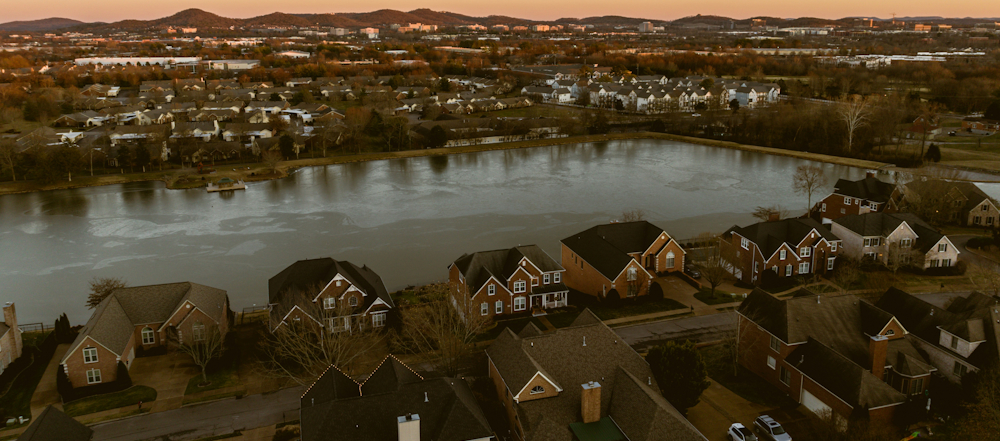
Finding accommodation in Nashville has become easier as a wave of new apartments has come onto the market. Younger professionals tend to head for walkable, central neighbourhoods such as East Nashville, the Gulch, Germantown, and SoBro. Families often look to the outer suburbs like Brentwood and Franklin, in Williamson County, where the school districts are among the strongest in the state.
Cost of living in Nashville
The cost of living in Nashville is a big part of the draw, especially for people leaving pricey coastal cities like San Francisco and New York. Housing has become more expensive as the city has grown, so Nashville is no longer the bargain it once was. It is still far cheaper than the coasts, and it has one big advantage: Tennessee has no state income tax. Higher earners find this tends to make up for pay that is a little below the national average.
Living in Nashville with children
Living in Nashville with children is easier than the city’s party-town image suggests. Families make up a large share of new arrivals, and there is plenty to keep younger children busy, from the Adventure Science Center and the Nashville Zoo to the parks and greenways along the Cumberland River. Healthcare for families is a real strength: Vanderbilt runs a large children’s hospital, and the wider region is well served by hospitals and clinics.
Finding a school in Nashville
Finding a school in Nashville means weighing up public, private, charter, and international options. The public system, Metro Nashville Public Schools, is large and mixed: some schools are rated very highly and others much less so, so where you live makes a big difference to the schools on offer. Many families who can afford it choose private schools or settle in the Williamson County suburbs, where the public schools are among the best in the state. Metro schools are also strikingly international, and pupils between them speak more than 130 languages.
Education and Schools in Nashville
Getting around in Nashville
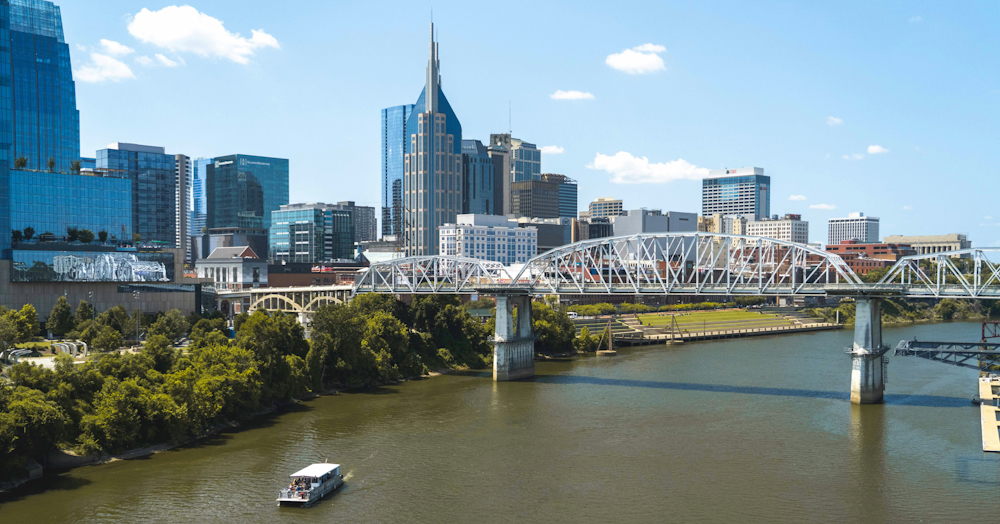
Getting around Nashville almost always means driving. The city’s public transport is limited: WeGo buses are reliable along a few busy corridors, but for most cross-town journeys, you have to change buses downtown, and evening and weekend service is thin. That is starting to change. In 2024, voters approved a major transit plan called Choose How You Move, and WeGo has since added buses, extended its hours, made its busiest routes more frequent, and brought in reduced fares for lower-income riders. For now, though, you will still want a car, and Uber and Lyft fill the gaps.
Transport and Driving in Nashville
Climate and weather in Nashville
Nashville has a humid subtropical climate: hot, sticky summers and short, fairly mild winters. In summer (June to August), daytime highs are usually around 90°F (32°C) and often higher, and afternoon thunderstorms are common. Winters are milder, but nights are often below freezing and day highs are only about 47°F (8°C). Snow is light most years, usually five to eight inches (13 to 20cm) across the season, and heavier falls are rare.
Nashville also has one of the longest allergy seasons in the US. Tree pollen can appear as early as February, and ragweed lasts into October, so hay fever sufferers rarely get a long break.
Climate and Weather in Nashville
Large numbers of people from other parts of the US, and increasingly from abroad, continue to choose Nashville as a base for a new chapter in their lives. Newcomers moving to Nashville often find they get the friendliness of a smaller place alongside big city amenities, and that balance is a big part of why Music City feels like home.