Print
  • Hold down Ctrl key and select the sections you want to print. If using a Mac, hold down the Cmd key.
  • Use Ctrl + A or on Mac, Cmd + A to select all sections (if you are using the Chrome browser).
  • Click "Apply" and the site will customise your print guide in the preview below.
  • Click the "Print" button and a print pop up should appear to print to your printer of choice.

Moving to Nashville

Living in Nashville as a new arrival

Nashville has been one of the fastest-growing cities in the US for the better part of a decade. Its growth between 2020 and 2024 was more than double the national rate, and many of the newcomers have arrived from pricier parts of the country. It is both the state capital and the most populous city in Tennessee. Nashville is famous for its country music, and just as well known for its hot chicken and easy Southern hospitality. A strong local economy is a big part of the pull.

Many new arrivals come from overseas, and Nashville is more diverse than most people realise. Immigrants make up a sizeable and growing share of the population, and international newcomers accounted for close to 28 percent of the metro area’s recent growth.

Working in Nashville

Finding work in Nashville is easiest if you have a background in healthcare, technology, finance, or music, which are areas where employers hire most heavily. The pace tends to be more relaxed than in bigger cities, and many people report a healthier work-life balance. Wages are close to the national average, but job satisfaction and security are generally high.

Finding a Job and Working in Nashville

Lifestyle in Nashville
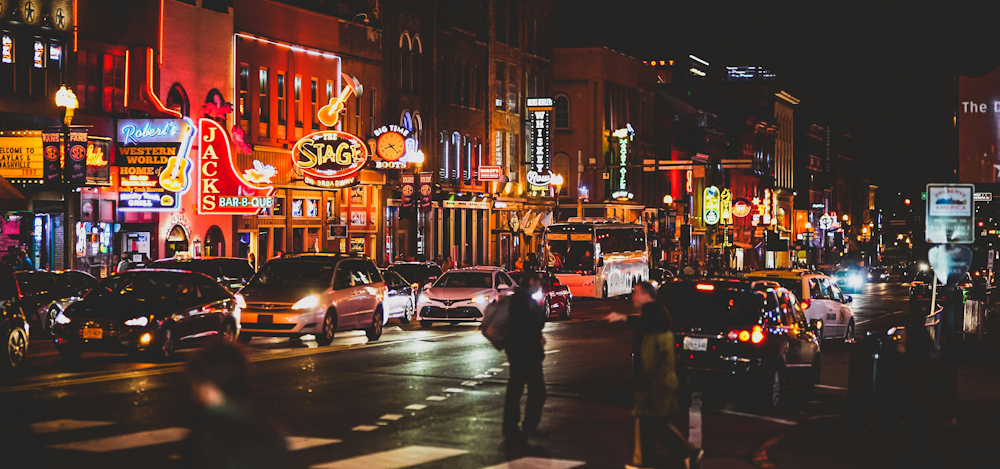
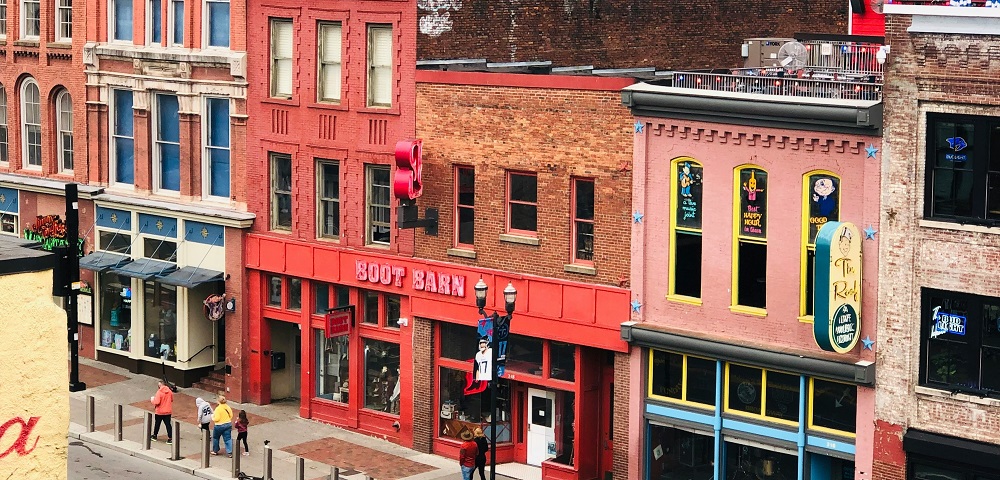
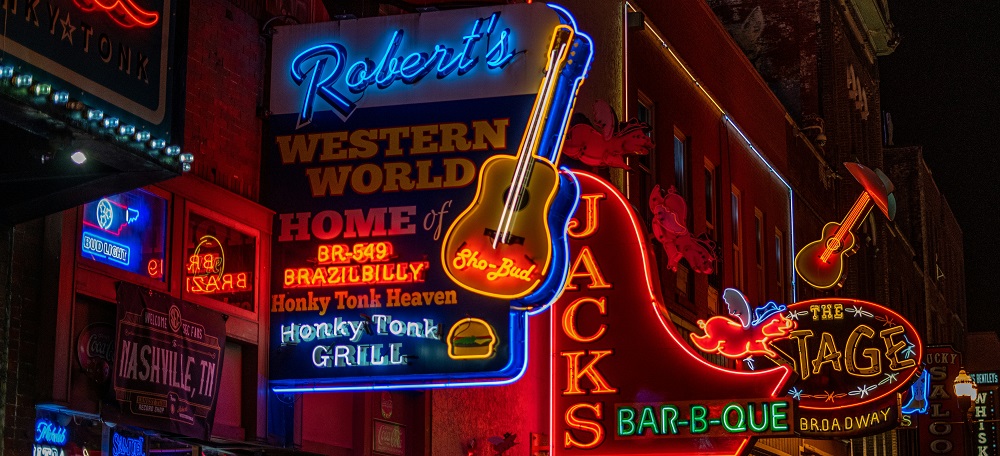
Neon-Lit Broadway Street At Night In Nashville by Cameron Stewart on Unsplash

The lifestyle in Nashville has something for most tastes, whether you are into art, history, live music, or sports. The city has plenty of green space, too. The Cumberland River Greenway is a paved route of about nine miles (14km) through the middle of the city, and it is part of a wider network of more than 270 miles (430km) of trails for walking, running, cycling, and mountain biking.

Sports fans have four professional teams to get behind: the NFL’s Tennessee Titans, the NHL’s Nashville Predators, Major League Soccer’s Nashville SC, and the Nashville Sounds baseball team. Nashville SC gave the state its first major professional sports trophy when it won the 2025 US Open Cup, and it plays at GEODIS Park, the largest soccer-specific stadium in the country. The Titans move into a new enclosed stadium on the East Bank of the Cumberland River in 2027.

Lifestyle in Nashville

Finding accommodation in Nashville

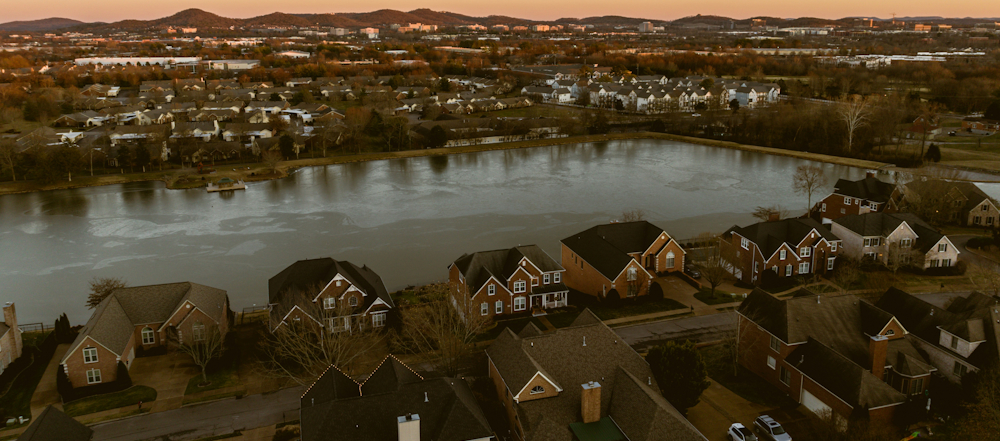
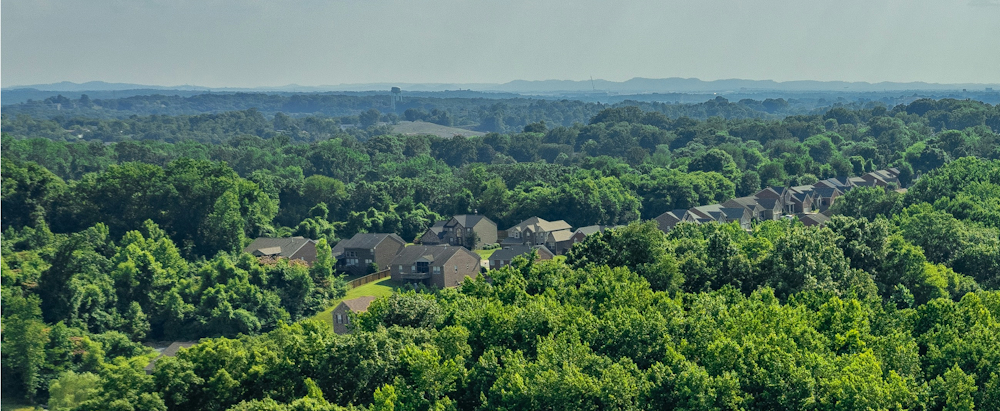
Aerial View Of Suburban Neighborhood And Lake At Sunset In Nashville by Josh Withers on Unsplash

Finding accommodation in Nashville has become easier as a wave of new apartments has come onto the market. Younger professionals tend to head for walkable, central neighbourhoods such as East Nashville, the Gulch, Germantown, and SoBro, while families often look to the outer suburbs like Brentwood and Franklin, in Williamson County, where the school districts are among the strongest in the state.

Accommodation in Nashville

Cost of living in Nashville

The cost of living in Nashville is a big part of the draw, especially for people leaving pricey coastal cities like San Francisco and New York. Housing has become more expensive as the city has grown, so Nashville is no longer the bargain it once was. It is still far cheaper than the coasts, and it has one big advantage: Tennessee has no state income tax. The Hall tax on interest and dividends was scrapped at the start of 2021, so the state takes nothing from your wages or salary. Higher earners often find this makes up for pay that is a little below the national average.

Cost of Living in Nashville

Living in Nashville with children

Living in Nashville with children is easier than the city’s party town image suggests. Families make up a large share of new arrivals, and there is plenty to keep younger children busy, from the Adventure Science Center and the Nashville Zoo to the parks and greenways along the Cumberland River. Healthcare for families is a real strength: Vanderbilt runs a large children’s hospital, and the wider region is well served by hospitals and clinics.

Healthcare in Nashville

Finding a school in Nashville

Finding a school in Nashville means weighing up public, private, charter, and international options. The public system, Metro Nashville Public Schools, is large and mixed: some schools are rated very highly and others much less so, so where you live makes a big difference to the schools on offer. Many families who can afford it choose private schools or settle in the Williamson County suburbs, where the public schools are among the best in the state. Metro schools are also strikingly international, and pupils between them speak more than 130 languages.

Education and Schools in Nashville

Getting around in Nashville
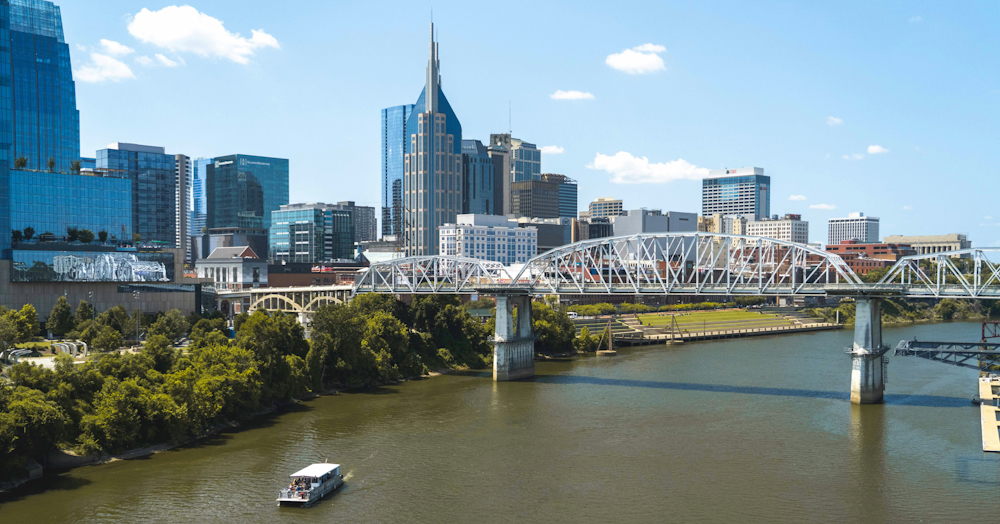
Downtown Nashville Skyline With Cumberland River And Bridge by Chad Morehead on Unsplash

Getting around Nashville almost always means driving. The city’s public transport is limited: WeGo buses are reliable along a few busy corridors, but for most cross-town journeys, you have to change buses downtown, and evening and weekend service is thin. That is starting to change. In 2024, voters approved a major transit plan called Choose How You Move, and WeGo has since added buses, extended its hours, made its busiest routes more frequent, and brought in reduced fares for lower-income riders. For now, though, you will still want a car, and Uber and Lyft fill the gaps.

Transport and Driving in Nashville

Climate and weather in Nashville

Nashville has a humid subtropical climate: hot, sticky summers and short, fairly mild winters. In summer (June to August), daytime highs are usually around 90°F (32°C) and often higher, and afternoon thunderstorms are common. Winters are milder, but nights are often below freezing and day highs are only about 47°F (8°C). Snow is light most years, usually five to eight inches (13 to 20cm) across the season, and heavier falls are rare.

Nashville also has one of the longest allergy seasons in the US. Tree pollen can appear as early as February, and ragweed lasts into October, so hay fever sufferers rarely get a long break.

Climate and Weather in Nashville

Large numbers of people from other parts of the US, and increasingly from abroad, continue to choose Nashville as a base for a new chapter in their lives. Newcomers moving to Nashville often find they get the friendliness of a smaller place alongside big city amenities, and that balance is a big part of why Music City feels like home.


Weather in Nashville

The weather in Nashville, the capital of Tennessee, is humid subtropical. Summers here are hot and humid, and winters are relatively short and mild. The city is in the middle of a low-lying region known as the Nashville Basin. The Highland Rim is the higher ground around this basin, and the Cumberland Plateau is further east.

Winter temperatures in Nashville are usually just above freezing, although on the coldest nights, they are in the low 20s°F (around -6°C). You may see a light dusting of snow during the winter months (December to February). Frost is also common in winter, and you may find the short days dark and gloomy.

Nashville is sunny for much of the year, and during the summer months (June to August), daytime highs are around 90°F (32°C). Newcomers to Nashville are bound to notice the high humidity, which is around 70 percent for much of the year. The urban heat island effect is also prominent on clear nights, when the city’s core is often warmer than the outlying areas.

Spring can be uncomfortable for people with allergies because pollen from the trees and grasses around Nashville is at its worst in these months. It is also the wettest season, and the rain can be relentless.

Newcomers might want to take note of the thunderstorms and tornadoes that roll through in spring and autumn. Most are not severe, but Middle Tennessee is part of a region sometimes called Dixie Alley, and strong tornadoes are a genuine risk. If you are new to the area, the jump from a quiet winter straight into tornado season can feel unsettling. Flooding along the Cumberland River and its tributaries is a recurring risk, so you may want to steer clear of low-lying, flood-prone areas near the water.


Pros and Cons of Moving to Nashville

Deciding to relocate to Nashville should not be taken lightly or done without the necessary research. Life in the ‘Music City’ has its advantages and its drawbacks, so weigh them up carefully before you make your move.

Here is our breakdown of the main pros and cons of living in Nashville.


Accommodation in Nashville

Apartment buildings in Nashville by Kari Shea

+ PRO: Housing choices galore

Newcomers house hunting in Nashville will be spoiled for choice. Whether they have their heart set on a classic Victorian-style cottage or a modern minimalist home, there is no shortage of options. Most new arrivals also find solid value for money here, whether they rent or buy.

- CON: The better living options aren’t necessarily close to the city centre

New arrivals who are accustomed to inner-city living may find their housing choices somewhat limited. Those willing to live further afield gain access to more spacious homes and a better quality of life, and many people move here for exactly that trade-off.

Accommodation in Nashville


Working in Nashville

+ PRO: Economic growth and plenty of job opportunities

Nashville’s economy is growing steadily, job opportunities are plentiful, and unemployment in the city is low. People with skills and experience in the health sector, technology, the music industry, and tourism will find many exciting job prospects here. Entrepreneurs looking to launch their own start-ups also do well here. Thousands of young professionals who see scope for career progression in the city make the move each year.

- CON: Top salaries are still behind the biggest markets

There are plenty of jobs available in Nashville, and the scope for career progression is strong. Pay for senior and specialist roles, though, is often higher in the country’s largest markets, such as New York, Chicago, Los Angeles, and San Francisco. Ambitious high earners may find Nashville’s ceiling lower than they hoped.

Finding a Job and Working in Nashville


Healthcare in Nashville

+ PRO: Nashville is the healthcare hub of the South

Healthcare in Nashville is one of the city’s strong suits, and new residents benefit from access to some brilliant medical facilities. Nashville is, after all, the healthcare hub of the South. The city’s major hospitals employ top medical professionals, and the standard of care is excellent.

- CON: Good healthcare doesn’t come cheap

As is the case throughout the US, healthcare in Nashville isn’t cheap. Medical expenses here are slightly lower than the national average, but anyone who wants the best private care should take out fully comprehensive medical insurance.

Healthcare and Hospitals in Nashville


Education and schools in Nashville

Tutoring stock image

+ PRO: The best public schools are excellent

Many Nashville communities place a strong emphasis on education. The city’s top public schools, particularly its academic magnet schools, are among the strongest in Tennessee. The district as a whole has been improving quickly: it recently posted its highest graduation rate on record, and it is among the leading large urban districts in the country for gains in reading and maths.

- CON: Private schools in Nashville are expensive

Private schooling in Nashville is still expensive, even though tuition here is often comparable to or lower than the US average. Southern states are generally at the cheaper end of the private tuition scale. The national average is inflated by a handful of elite private schools in high-cost coastal cities, where fees are far steeper. In addition to tuition, families should budget for uniforms, extracurricular costs, stationery, and field trips.

Education and Schools in Nashville


Lifestyle in Nashville

+ PRO: The music scene and nightlife are legendary

The range of live music here is remarkable, and you would struggle to find a deeper scene anywhere else in the US. Whether residents want to catch a favourite international act on tour or sample the best local talent at a humble honky-tonk, live music is never in short supply. It’s a fun place to be, and people travel from all over the country to soak up the city’s legendary nightlife.

- CON: Tourists can be annoying

Tourism is a major source of income for a city like Nashville, but residents can quickly tire of the constant crowds. You might have to battle to get into a favourite bar, book weeks ahead at a once quiet, family-run restaurant now overrun by out-of-town visitors, fight through the weekend crowds that come for music events, or give up on finding parking near a busy venue. For locals, it can all get a bit much.

- CON: Religion is hard to avoid

Nashville is, after all, the ‘buckle’ of the US Bible Belt. Newcomers who arrive from more diverse or secular places may find it difficult to adjust. It is not unusual for someone to casually ask which church you attend. Churches are a common sight, and you’ll rarely walk far without passing one. Other faiths are growing, although their followers can still encounter some resistance.

- CON: Conservative state politics

Tennessee is firmly conservative at the state level, and newcomers from more liberal parts of the country often say this takes some getting used to. On social issues, state lawmakers take a different line from their counterparts in coastal cities, so read up on where Tennessee stands before you move.

Lifestyle in Nashville


Weather in Nashville

+ PRO: Mild winters

The weather in Nashville is easy to live with for much of the year, and winters here are mild. The temperature drops, sure, but rarely to the point of real discomfort for locals.

- CON: Humidity levels soar in the summer

Summers in Nashville are exceptionally warm, as in the rest of the American South, and they can be quite uncomfortable. Average summer highs are around 90°F (32°C), and residents also have to contend with high humidity. Severe storms are fairly common as well, so newcomers should keep an eye on the forecast.

- CON: Spring is an issue for those with allergies

Spring can be tough for anyone prone to allergies. Pollen levels are high in Nashville starting in early spring, and plenty of residents report bad seasonal symptoms, even among people who never had allergies before they moved. You can limit the misery by spending less time outdoors at peak times and keeping allergy medication and tissues to hand.

Weather in Nashville


Getting around in Nashville

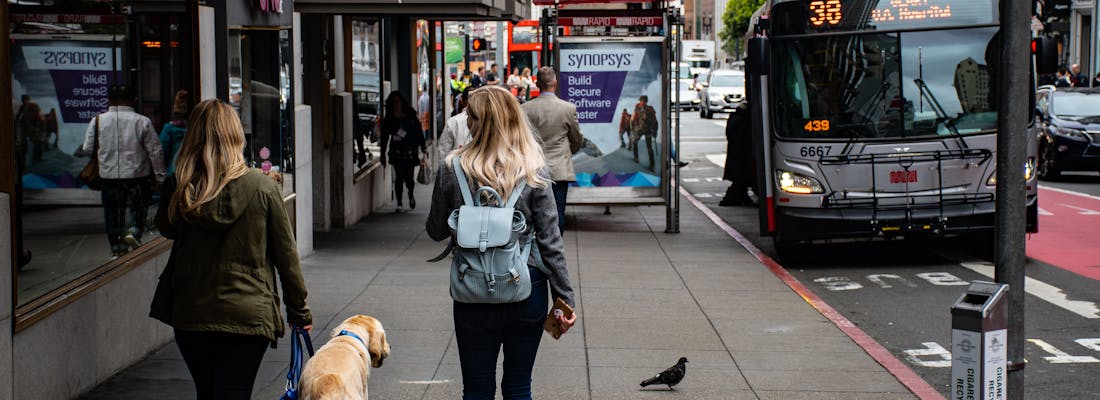
Bus in Nashville by Brett Sayles

- CON: Public transport is limited, but is improving

Nashville’s public transport is still limited, and the bus service can be unreliable and patchy. The picture is changing, though. In late 2024, Nashville voters approved a major, funded transit plan called Choose How You Move. The city has already put new buses on the road, improved service frequency, extended evening and Sunday hours, and begun upgrading traffic signals. Dedicated bus rapid transit lanes and miles of new sidewalks are still to come. It will be years before the full plan is finished, so for now, most new residents still need to bite the bullet and get behind the wheel.

+ PRO: Easy to drive, and well connected by air

Once you have a car, getting around Nashville is straightforward, and the roads are generally well maintained. The city’s airport has expanded fast, and there are now direct flights to a growing list of destinations. That connectivity is a real plus for anyone who travels often for work.

- CON: Traffic is a nightmare

New Nashville residents should budget extra time for the severe traffic across the metro area. You can dodge the worst of it by avoiding rush hour, but this fast-growing city is full of construction and roadworks, so journey times can be hard to predict.

Public Transport and Driving in Nashville


Cost of living in Nashville

+ PRO: More affordable than the big coastal cities

The cost of living in Nashville is close to the national average, and it is far cheaper than in expensive coastal cities such as New York or Los Angeles. For anyone planning to settle here long term, getting onto the property ladder is more realistic than in those pricier markets, even though prices have been climbing.

- CON: The cost of living is rising

Housing and everyday costs are still reasonable by big city standards, but they have been rising steadily as more and more people move to the city. Nashville’s affordability edge is narrower than it once was, so budget for further increases.

Cost of Living in Nashville


Tax in Nashville

+ PRO: No state income tax

Tennessee is one of a handful of US states with no state income tax, and that is a real draw for high earners. Residents keep more of what they earn, and newcomers weighing up the move mention this perk again and again.

Working in Nashville

People moving to Nashville can rest assured that job prospects in the ‘Music City’ are bright. Thanks to a fast-growing, diverse economy, the city is often described as a southern boomtown. Skilled newcomers are especially well placed here.

Nashville is a business-friendly city, and the local authorities have worked hard to offer incentives to companies that look to base their operations here.


The job market in Nashville

Working in Nashville

The job market in Nashville is broad, and music is only one part of it. Country music is still a signature industry, and tens of thousands of people continue to work in it. Nashville also has more music jobs per head than New York or Los Angeles.

The biggest employer, though, is healthcare. The city is home to hundreds of healthcare companies, among them HCA Healthcare, one of the largest hospital operators in the country.

The automotive sector is growing too. Nissan North America has its corporate headquarters in nearby Franklin, and General Motors runs a large assembly plant at Spring Hill, where several thousand workers build both petrol and electric models. Bridgestone Americas is also headquartered in the Nashville area.

Other prominent industries in Nashville include insurance, finance, technology, logistics, and religious publishing. Several Fortune 500 companies are headquartered in the wider region, among them Dollar General, Tractor Supply, Community Health Systems, and Delek US Holdings. Global firms, including EY, Deloitte, UBS, and Amazon, also run large offices in the city, even though their head offices are elsewhere.

Nashville has one of the lowest unemployment rates in the country. The metro rate is usually around 3 percent, and the local economy is growing fast. Established firms continue to expand here, and new companies continue to arrive.


Finding a job in Nashville

You will probably begin your job search in Nashville online. You can browse the main job portals, network on LinkedIn, look through local online listings, or hand the search to a recruitment agency. Word of mouth counts for a lot here, so ask around your neighbourhood and your professional network to hear about openings before they are advertised.

Useful links


Work culture in Nashville

Work culture in Nashville

The work culture in Nashville has an optimistic, go-getting streak. Locals often describe it as a risk-taking, dream-making city, and you can feel that in the office. Young professionals move here from across the US and beyond, and many say life in Nashville is more ‘work to live’ than ‘live to work’. Southern hospitality is part of office life too, so expect a friendlier, more relationship-driven style than in the big coastal hubs.

Plenty of Nashville employers work hard to build a healthy workplace, and staff retention here is usually strong as a result. Flexible arrangements are still common, but the picture is changing. Employers across the city have shifted towards hybrid schedules and return-to-office policies, and workers are back at their desks faster here than the national average. To win over talent, many firms now sell the workplace itself: smart Class A offices, on-site wellness perks, cashless micro markets, and health-focused food are all part of the pitch.

Cost of Living in Nashville

The cost of living in Nashville is higher than the Tennessee state average, although the state as a whole is well below the US national baseline. Newcomers are still likely to find it more affordable than most large coastal cities, and because Tennessee levies no state income tax, more of your pay stays in your pocket.


Cost of accommodation in Nashville

The cost of accommodation in Nashville will likely account for the biggest part of your budget. Accommodation in Nashville is not as expensive as in the highest-priced US housing markets, but the city is no longer the bargain it once was.

Rental prices in Nashville are a little higher than the national average, even for apartments in the city centre. A wave of new apartment construction has taken some heat out of headline rents, yet many renters still report feeling squeezed, as wages have not kept pace with housing costs. Of course, rents differ from one neighbourhood to the next, and you will pay more in the most sought-after areas. If you’re looking to live close to downtown Nashville or near Music Row, for example, the cost of rent is bound to be high.

Many newcomers rent or buy in cheaper surrounding counties such as Williamson, Wilson, Rutherford, and Sumner, and commute into the city.

As for buying, Nashville’s growth and popularity have supported steady buyer demand, and many buyers see property here as a strong long-term prospect. Property tax is worth factoring in if you buy. Davidson County’s rate is on the higher side, but Tennessee taxes homes on only a quarter of their market value, so the effective burden is lower than the headline rate suggests.

Renting Accommodation in Nashville 
Best Neighbourhoods in Nashville


Cost of transport in Nashville

The cost of transport in Nashville is something new arrivals should factor into their budgets; Nashville is spread out, and there are significant distances between neighbourhoods. Public transport in Nashville is affordable, but it is not a practical option for most people. WeGo Public Transit operates the bus network, although routes can be infrequent and schedules are not always reliable, particularly outside core corridors. For these reasons, most locals bite the bullet and get their own set of wheels.

Car prices are in line with the national market, so buyers should budget for purchase or lease costs alongside running expenses. Drivers need to factor in petrol (gas), registration fees, monthly car insurance premiums, and routine maintenance, all of which add up. Fuel costs in Tennessee have historically been at or slightly below the national average, which is welcome given the amount of driving the average Nashville resident does.

Getting Around in Nashville


Cost of groceries in Nashville

The cost of groceries in Nashville is roughly in line with the national average. Budget-friendly supermarkets such as Aldi, Kroger, Publix, and United Grocery Outlet often run sales, and in-season produce tends to be cheaper. Bulk purchases can also help keep your grocery bill in check.


Cost of entertainment and eating out in Nashville

The cost of entertainment and eating out in Nashville depends heavily on how you like to spend your evenings. There are plenty of opportunities to splurge. An evening of craft cocktails at a rooftop bar, a fine dining meal, a premium seat at the Grand Ole Opry, or a ticket to a sold-out show can easily cost a pretty penny.

On the flip side, there’s also plenty to get up to without breaking the bank. Nashville is famous for its hearty Southern cooking; at the city’s iconic hot chicken joints and beloved meat and three restaurants, you get generous portions for very little.

A cost-effective way to stay fit without paying for an expensive gym membership is to hit one of the hiking or biking trails at Radnor Lake State Park.

Tickets to see top musicians will not come cheap, but new Nashville residents will soon learn that the famous honky-tonks on Broadway are brilliant places to catch some surprisingly good music, often with no cover charge.

Newcomers may need to stay flexible and open minded at first, but there is plenty of fun to be had on any budget.

Lifestyle in Nashville


Cost of education in Nashville

The cost of education in Nashville depends on the schooling path parents choose for their children. Newcomers to Nashville will have hundreds of private and public school options to pick from, so it most likely won’t be a straightforward decision.

Attending a public school in Nashville, including a charter or magnet school, costs next to nothing, and the standard of education is usually good. Private schools set their own fees. Tuition can be pricey, and fees are usually higher for older children. Additional expenses will include uniforms, textbooks, stationery, extracurricular activities, and field trips.

Education and Schools in Nashville


Cost of healthcare in Nashville

The cost of healthcare in Nashville is somewhat offset by the city’s standing as one of the country’s foremost medical hubs. Over 900 healthcare companies are based in Middle Tennessee, and the industry is Nashville’s largest employer. Healthcare costs are generally reported to be somewhat lower than the national average, but we recommend having a good health insurance plan regardless. There are plenty of health insurance schemes available, but we advise new arrivals to take some time to research the one that best fits their needs.

Anyone moving to Nashville for a job should confirm whether their employer contributes towards medical insurance. It’s a common benefit in the US and can make a considerable difference to the budget.

Healthcare in Nashville 
Understanding Health Insurance in the USA


Cost of living in Nashville chart

Prices are listed in US dollars (USD) and may vary depending on the product and service provider. The list below shows average prices for Nashville in July 2026.

Accommodation (monthly rent)
One-bedroom apartment in the city centreUSD 1,900
One-bedroom apartment outside the city centreUSD 1,450
Three-bedroom apartment in the city centreUSD 4,450
Three-bedroom apartment outside the city centreUSD 2,450
Shopping
Eggs (dozen)USD 4.20
Milk (1 litre)USD 1
Rice (1kg)USD 4.50
Loaf of white breadUSD 3.80
Chicken breasts (1kg)USD 12.50
Cheese (500g)USD 6.70
Eating out
Three-course meal for two at a mid-range restaurantUSD 80
Big Mac MealUSD 10
Coca-Cola (330ml)USD 3
CappuccinoUSD 6.50
Local draft beer (500ml)USD 2.50
Utilities
Mobile phone monthly plan with calls and dataUSD 80
Internet (unlimited data, average per month)USD 75
Basic utilities (average per month for a standard household)USD 225
Transport
Taxi rate (per kilometre)USD 1.50
Bus fare in the city centreUSD 2
Gasoline/petrol (per litre)USD 1.05

Accommodation in Nashville

Accommodation in Nashville is plentiful, and many property types are available. The property market has boomed as the city’s economy has grown and new residents have continued to arrive.

Most long-term residents don’t live anywhere close to downtown Nashville. A major advantage of this is that they have access to larger, more spacious homes and get more wiggle room when deciding exactly what they are looking for.


Areas and suburbs in Nashville

Downtown Nashville by Kristi Tharpe

People weighing up the areas and suburbs in Nashville have more than 20 neighbourhoods to choose from, and each has its own character and amenities. Newcomers of every kind settle here, from students and young professionals to large families.

Young professionals and students who want a walkable neighbourhood close to downtown should consider The Nations. This former industrial area has been revitalised in recent years and is now a sought-after place to live. East Village is a short walk from downtown and has a strong creative streak; young professionals flock to its cafés and art galleries. The Gulch and 12 South are two more neighbourhoods worth a look.

Families have plenty of options too. Franklin, Brentwood, Spring Hill, and Green Hills are among the most popular, and all have good schools and spacious homes on tree-lined streets. Green Hills, in particular, has everything from historic Victorian homes to modern new builds that suit young families.

Read more about the Best (and Worst) Neighbourhoods in Nashville.


Types of accommodation in Nashville

The types of accommodation in Nashville are spacious across the board. Whether you want a downtown apartment, a condo, a duplex, or a family house with a garden, you will probably find a larger place than you are used to.

Apartments

Apartments are most common close to downtown. Most long-term residents move out to the suburbs for more space and a quieter pace, but they are a good choice for young people just starting out. The complexes are generally modern and well maintained.

Condos

Condos are like apartments but usually have more communal facilities, such as gardens, swimming pools, fitness centres, and laundry rooms. They are a good option for anyone who has just moved to the city, as these complexes often have a strong sense of community and newcomers find it easy to build a social circle.

Duplexes

Duplexes and fourplexes are common in the city. A duplex has two units, and a fourplex has four, all attached under one roof. You will often find them close to the centre, in areas such as Germantown, the Vanderbilt area, East Nashville, and West Nashville.

Houses

You will be spoilt for choice when it comes to houses. You may need to look a little further from the city centre for the best options, but these properties are worth the extra distance.

You will have your pick of minimalist modern builds, classic Victorian homes, Cape Cod style properties, and craftsman bungalows, and that is only a sample of what is available. Whatever the facade, houses in Nashville are spacious and good value for money.


Finding accommodation in Nashville

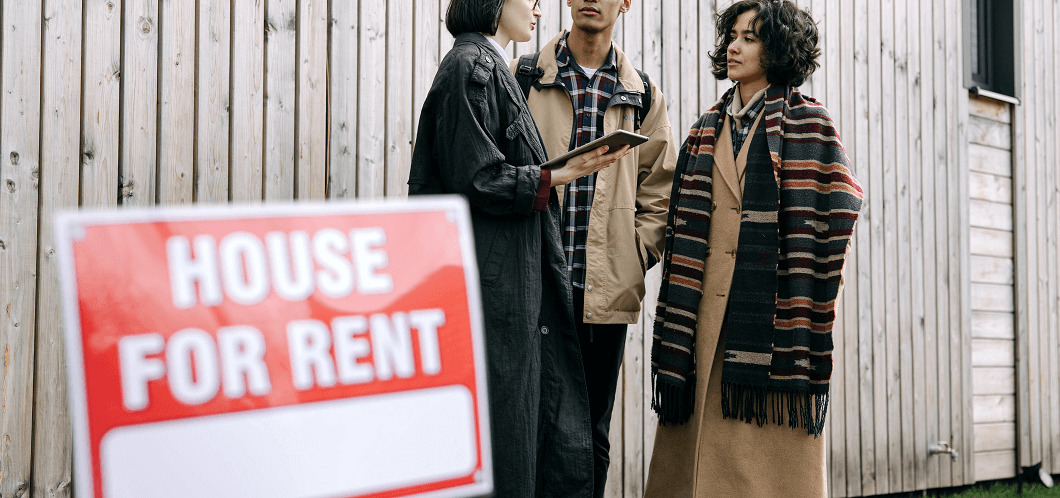
House viewing by Ivan Samkov

Finding accommodation in Nashville is rarely a struggle. Developers keep building new homes to house the thousands of new residents who arrive each year. Before you relocate, use online property portals to get a feel for the market. They are a good starting point, and you can get to grips with the property types on offer in different parts of the city and roughly what they cost.

When you are looking for a home in Nashville, you should also weigh up transport links, local amenities and shops, proximity to work, and, if you have children, nearby schools.

Real estate agents are another reliable source of help when you are looking for a home in Nashville. They know the local market inside out, so they are well placed to steer newcomers towards a home that fits their needs.

Working in Nashville
Education and Schools in Nashville

Useful links


Renting accommodation in Nashville

Renting accommodation in Nashville is fairly straightforward once you have settled on the type of home and the suburbs you like. Demand is high, but builders keep adding new homes to meet it.

Making an application

When you find a property you like, you make a formal application, either through the landlord or through the letting agent. The landlord will run the usual credit and reference checks before you sign a lease. It pays to look up reviews of any landlord or management company first, as Nashville renters often warn each other online about firms to avoid. Foreign nationals will find the process quicker once they have a US bank account and a Social Security number.

Leases, costs, and fees

A standard lease in Nashville is a year long, and you can usually renew it when the term ends. In some parts of the city, you may be able to negotiate a shorter lease.

Deposits

You will need to put down a security deposit when you rent in Nashville, usually one or two months’ rent. There is no legal cap on the amount in Tennessee. By law, the landlord must return the deposit, less any deductions for damage, but the return is tied to a move-out inspection rather than a fixed calendar deadline. If a landlord holds on to money you are owed, you generally have up to 60 days to make a written demand. Take dated photos and make a detailed inventory when you move in and when you leave, so you have evidence in case of a dispute later.

Terminating the lease

How much notice you owe when you end a lease in Nashville depends on the type of tenancy. For a yearly lease that is coming to an end, or a month-to-month tenancy, you give 30 days’ notice. For a week-to-week tenancy, you give 10 days. For a breach that can be fixed, the party at fault gets 14 days to put things right. In serious cases that involve violence or a threat to safety, the notice period is as little as three days. If you break a lease early, you may have to pay a penalty, so read the termination clause closely before you sign.

For more on renting across the country, read Accommodation in the USA.


Utilities in Nashville

When you sort out utilities in Nashville, start with the lease: check which services are included and which you pay for yourself. Landlords often cover water and rubbish collection, while tenants usually handle electricity, gas, internet, and phone or TV. Where a service is left to you, set up the account in your own name. Photograph the meter readings on move-in day, in case of a billing dispute later.

Moving day boxes

Electricity

Nashville Electric Service (NES) supplies electricity across Davidson County. To start or transfer an account, you can call or visit your local NES office with an ID document and your social security number, then fill out an application. New customers go through a credit check.

Pass it, and you avoid a security deposit; if you do pay one, NES credits it back after 12 months of on-time payments. Anyone transferring an existing account pays a small connection fee instead. You can also pay your bills on the NES website with no service charge.

Gas

To connect mains gas or transfer an account, contact Piedmont Natural Gas, the main supplier in Nashville. You can start service through the Piedmont website, but your electricity and water must be on first, or the technician’s visit will be held up.

If your credit is not strong, Piedmont may ask for a deposit, usually around two months’ worth of usage. Should Piedmont hold that deposit for more than six months, it must pay you interest at a rate set by the state. Paying online is the easiest option, and you can also pay by mail, by bank transfer, by phone, or in person at a local Walmart.

Water

The drinking water in Nashville is drawn from the Cumberland River, and the City of Nashville’s Metro Water Services department treats and supplies it. To connect your water, call Metro Water Services with your ID and social security details. You can choose a same-day connection for a higher fee, or standard next-day service for a lower fee.

Paying online is the easiest route, and you can also pay in person at one of the department’s customer service lobbies.

Bins and recycling

The Metro Nashville Waste Services department collects waste across the city. If you live in a single-family home or a small building of up to four units, such as a duplex, you get kerbside rubbish and recycling collection. In an apartment block, your building or a private hauler handles collection through shared bins.

The city collects rubbish every week and recycling every two weeks. Your pickup day depends on your address, so look it up on the Waste Services website when you move in. For anything that does not fit kerbside collection, you can use the Metro Convenience Centres and the recycling drop-off sites dotted around the city.

Internet

Internet in Nashville is easy to come by, and speeds are among the fastest in the region. Fibre is now available to about three-quarters of the city, and cable is available almost everywhere. AT&T Fiber and Google Fiber are the main fibre providers, while Xfinity is the most widely available cable option. Fibre availability is patchy at street level, so check which providers reach your exact address before you commit.

Useful links

Areas and Suburbs of Nashville

The best places to live in Nashville

Prospective residents weighing up a move to Nashville should start their search for a home in the Music City by pinpointing the areas and suburbs that suit both their lifestyle and their budget.

City living options in Nashville are fairly limited, and most residents settle in the suburbs, where homes are larger and more varied than in the city. New arrivals moving to Nashville with children should also weigh up how close a home is to good public schools, as admission usually depends on catchment zones.

Public transport in Nashville is limited, and it is still not a realistic option for most people, although the city’s bus network is slowly being expanded. When you choose a neighbourhood, weigh up your likely commute, local traffic, highway access, and parking.

Here is our take on the most popular areas and suburbs in Nashville.


City living in Nashville

Germantown Nashville

East Nashville

Frequently compared to New York City’s East Village because of its evident artistic flair, East Nashville is an up-and-coming part of the Music City. This eclectic area is chock-full of art galleries, quaint eateries, laid-back watering holes, and live music venues. It’s an appealing option for anyone who wants to be near the action of downtown Nashville without forking out too much on accommodation. Rental rates are more reasonable than in other trendy areas such as 12 South, Green Hills, Sylvan Park, and The Nations.

East Nashville is really a patchwork of smaller pockets, from Inglewood to Edgefield, so a home’s character and price can be very different from one block to the next. Commutes into downtown can also be longer than you would expect, because drivers funnel across just a handful of river crossings.

Germantown

Germantown is named after the large community of German immigrants who settled here in the mid-19th century. Today, the area is known for its colourful street art and its rows of historic Victorian houses. It is popular with a young, bohemian crowd and has a laid-back feel, and you can happily pass an afternoon among its thrift shops, cosy cafés, independent bars, and bakeries.

One tip for newcomers: Germantown is sometimes confused with adjoining pockets such as Salemtown, so check the exact address when you are comparing homes.

Public Transport and Driving in Nashville
Working in Nashville


Family-friendly suburbs of Nashville

Nolensville

Just southeast of downtown Nashville, in Williamson County, is the relatively young suburb of Nolensville. Established in 1996, Nolensville is a small community of over 16,000 residents, and it continues to grow quickly. Nolensville may be small, but it is gaining popularity thanks to its high-quality schools, brilliant restaurants, craft breweries, and excellent shopping facilities. New arrivals who choose to make Nolensville their home will love the small-town vibe and the lovely sense of community in the area.

Franklin

Franklin is a bustling town just south of Nashville, and it has a population of about 90,000. It is best known for its beautifully preserved historic downtown, which the National Trust for Historic Preservation recognised with a Great American Main Street Award. Franklin’s drawcards include good schools, quaint shops, characterful eateries, and well-kept parks. Local groups run festivals and events throughout the year, so residents are rarely short of things to do.

Education and Schools in Nashville 
Attractions and Lifestyle in Nashville


Luxury living in Nashville

Brentwood Nashville (Brett Moore, Flickr)

Belle Meade

Belle Meade is one of the oldest and most prestigious addresses in the Nashville area, close to downtown and Hillsboro West End. People often call it a Nashville neighbourhood, but it is actually its own incorporated city, which means it has its own local government and police force. It is a picturesque, historic place where you will find grand older homes alongside newer builds.

Although Belle Meade is quiet and almost otherworldly next to the busier parts of the city, it is only a stone’s throw from the centre. Most homes here are large family houses, although you can spot other styles too. Because the area is so sought after, its home prices and rents are among the highest in Nashville and, indeed, in all of Tennessee.

Brentwood

Brentwood is an affluent, family-friendly suburb just south of Nashville, in Williamson County. It is home to several good public schools, including Brentwood High School, which is consistently rated among the best in the state. Residents also have plenty of amenities on their doorstep, including good shopping, a solid restaurant scene, well-kept parks, and sports facilities. Properties in Brentwood tend to be large family homes that have generous gardens and ample parking. The commute into downtown Nashville is also fairly easy from here.

Green Hills

Green Hills is another of Nashville’s wealthier areas, and it is best known for its upmarket shopping, which is popular with local Music City celebrities. It is a handy spot too, as residents have everything from grocery shops and restaurants to smart clothing boutiques on their doorstep.

Green Hills is a happy medium for people who want to be near the action of downtown Nashville but also want some respite from the hurried pace of city life. Housing choices are plentiful, so new residents can take their pick from single-family homes, condos, townhouses, and luxury loft apartments.

Green Hills also has a real claim to fame in the Bluebird Cafe, a tiny songwriters’ venue where several big country stars got their start. Three big universities, Vanderbilt, Belmont, and Lipscomb, are all within easy reach. For the outdoors, Radnor Lake State Park is close by, and its walking trails are a favourite local escape.

Healthcare in Nashville

Healthcare in Nashville is among the best in the region, and people moving to the city are well served by its major providers. Healthcare is big business in the Nashville area, and several major players are based here or nearby, including HCA Healthcare, Vanderbilt University Medical Center, Ascension Saint Thomas, and Community Health Systems. The city is often called the corporate capital of America’s for-profit healthcare industry, and HCA Healthcare has its headquarters here.

Although excellent healthcare facilities are readily available in Nashville, these don’t come cheap. To access the best treatment, those moving to Nashville should take out comprehensive private medical insurance. Without adequate health insurance, treatment can be difficult to access.

Healthcare and Medical Insurance in the United States

Below is a list of recommended hospitals in Nashville.


Hospitals in Nashville

Healthcare in Nashville

Ascension Saint Thomas Hospital West

Website: www.healthcare.ascension.org 
Address: 4220 Harding Pike, Nashville, TN 37205

Monroe Carell Jr. Children’s Hospital at Vanderbilt

Website: www.childrenshospitalvanderbilt.org 
Address: 2200 Children’s Way, Nashville, TN 37232

Nashville General Hospital

Website: www.nashvillegeneral.org 
Address: 1818 Albion St, Nashville, TN 37208

TriStar Centennial Medical Center

Website: www.tristarcentennial.com 
Address: 2300 Patterson St, Nashville, TN 37203

Vanderbilt University Medical Center

Website: www.vumc.org 
Address: 1211 Medical Center Drive, Nashville, TN 37232

Education and Schools in Nashville

New arrivals have plenty of choice when it comes to education and schools in Nashville. Picking the right school for your child can still be daunting, and it pays to do your research.

Your first decision is usually between public and private schools. Public schools in Nashville are free to attend and teach the US curriculum, which ends with the American High School Diploma. Private and international schools charge tuition, but they tend to have smaller class sizes and greater freedom in their curricula and teaching styles.

Like the rest of the US, schools in Nashville are divided into three levels: elementary school (Preschool to Grade 5), middle school (Grades 6 to 8), and high school (Grades 9 to 12).


Public schools in Nashville

Schoolchildren with globe

Public schools in Nashville are open to anyone legally resident in the city, at little to no cost. As in most US cities, quality is uneven: some public schools are excellent, others fall short. For this reason, you should research the public schools in your preferred suburb before you settle on a neighbourhood.

Public school admission in Nashville is based on residential zones, so it makes sense to weigh up how close the better schools are before you commit to a family home. Children who attend their zoned school and live more than 1.25 miles (2km) from an elementary or middle school, or more than 1.5 miles (2.4km) from a high school, qualify for a free yellow bus. Metro Nashville also offers free WeGo public transport through its Stride programme to all high schoolers, and to middle schoolers at optional and magnet schools. Either way, you are spared the school run through rush hour traffic.

Magnet schools

Magnet schools are a subset of public schools. They concentrate on particular subject areas such as STEM (science, technology, engineering, and maths), the performing arts, world languages, and advanced academic programmes.

Admission to magnet schools is less restricted by catchment areas than it is with regular public schools. Students often come from farther afield, provided they show an aptitude for the school’s subject focus. The most sought-after academic magnets, such as Hume Fogg and Martin Luther King Jr. Magnet, ask for a GPA of around 80 with no missing or failing grades, plus met or exceeded marks in maths and English. Metro Nashville has floated a move to lottery-based admissions at some of these schools to widen access, so the exact bar may change.

While magnet schools are primarily state funded, they often receive additional financial support from external sources. They aren’t as strictly bound by the US curricula, and they have some freedom to develop their own syllabus.

Charter schools

Charter schools are another element of the public schooling system in Nashville. These schools are semi-autonomous institutions that operate under a contract with the Metro Nashville Public Schools District. The charter covers how the school is run, along with its goals, curriculum, teaching methods, and performance targets. Charter schools largely follow the standard curriculum, but they have more room to design their own programme. Like magnet schools, charter school admission isn’t based on residential zoning.

Areas and Suburbs in Nashville 
Education and Schools in the US

Useful links


Private schools in Nashville

Parents who want a more tailored education for their child often turn to private schools in Nashville. They are funded through tuition fees, and they generally offer smaller classes, better facilities, a wider choice of extracurricular activities, and a higher standard of teaching than the average public school. Children also tend to get more individual attention from teachers.

The downside of private education is the cost. Tuition fees add up quickly, and parents who go this route should budget accordingly. You will also need to factor in the extras: textbooks, uniforms, extracurricular activities, and field trips.

There are more than 100 private schools in Nashville, so you are spoilt for choice.

Useful links


International schools in Nashville

International schools in Nashville are thin on the ground, but families arriving from outside the US who want their children to keep studying a home-country curriculum still have options. Children can take the International Baccalaureate (IB) programme at several charter and magnet schools, among them Hillsboro Comprehensive and Hunters Lane High.

At these schools, children mix with others who have recently moved and may share similar experiences. For a family new to the country, that can be a real comfort. For Nashville residents in general, the advantage of completing the IB as opposed to a local curriculum is that the qualification is globally recognised.

Useful links


Special educational needs in Nashville

Children with special educational needs in Nashville are protected under both state and federal law. Under Tennessee law, a child with a learning difficulty or a physical disability is entitled to extra support through the public school system. Under federal law, too, every child, including those with a disability, has the right to a free and appropriate education.

The city has a fair few dedicated special needs schools, and public and private schools alike are expected to support children with developmental, behavioural, sensory, and physical disabilities.

Schools always try to place a child in mainstream classes first. A child moves to a specialist facility only when their needs are too complex to be met in that setting.

Useful links


Tutors in Nashville

Tutoring stock image

Private tutors in Nashville help children in all sorts of ways. Children can lose confidence after a move to a new school, and some need extra help to find their feet again. Others want coaching for university admissions exams. Whatever the reason, there are plenty of tutors to choose from.

The first place to look is often the child’s own school, which may provide a tutor or point you to one. Beyond that, Nashville has plenty of tutoring companies. You can pick from one-on-one and small group sessions, in-home visits, and online tutoring.

Long-standing local names include Learning Matters Inc. and Mathnasium. Mathnasium is a national chain with branches around the city. You can also find a tutor through online platforms such as Wyzant, and many parents shop around a few services before they settle on one. Whichever route you take, check that any tutor has been properly vetted before you sign anything.

Useful links

Lifestyle in Nashville

It’s easy to mistake Nashville purely for a party city where everything revolves around country music, but that’s not strictly true. The lifestyle in Nashville is centred on creative endeavours, so newcomers will never have a shortage of things to see and do.

There is always a buzz about the place, and whether you’re looking for art, history, food, sports, or just a good time, you’re sure to find a uniquely Nashvillian experience.


Arts and culture in Nashville

Museum in Nashville by Dixit Dhinakaran

There is more to arts and culture in Nashville than country music. The city was once known as the ‘Athens of the South’ because of the number of academic institutions here. Its modern art scene is thriving too, and the Frist Art Museum is its flagship venue. The gallery is housed in a landmark former post office building downtown. On the first Saturday of each month, you can join the free First Saturday Art Crawl and visit galleries around Fifth Avenue of the Arts and the historic Arcade.

Fans of the performing arts will love life in Nashville, too. The Tennessee Performing Arts Center is the place to be for everything from touring Broadway shows to ballet and opera. If you fancy classical music, head to the Schermerhorn Symphony Center, where you can hear the Grammy-winning Nashville Symphony in concert.


Sports and outdoor activities in Nashville

When it comes to sports and outdoor activities in Nashville, locals are as passionate about their teams as they are about their music. Watch the local hockey team, the NHL’s Nashville Predators, in action, and you’ll soon see why fans call the city ‘Smashville’. Nashville also has an NFL team, the Tennessee Titans, and a Major League Soccer club, Nashville SC, which joined the league in 2020. For baseball, you can watch the Nashville Sounds at First Horizon Park.

If you’d rather join in than watch from the bleachers, you can hike the trails at Radnor Lake State Park, cycle the city’s greenways, paddle on Percy Priest Lake, or try the ziplines at Nashville Shores.


Eating out in Nashville

Eating out in Nashville keeps getting better, and new arrivals won’t go hungry in the Music City. Classic Southern comfort food is what Nashville is famous for, so don’t miss local favourites such as hot chicken, which is deep-fried chicken doused in fiery spices and served on white bread with pickles. Another Tennessean institution is low-and-slow barbecue, which means cuts of beef, pork, lamb, and chicken cooked slowly over hot coals until tender.

The city’s restaurant scene doesn’t stop at Southern classics. Head south to Nolensville Road for Nashville’s most internationally diverse dining. Here you can find Mexican street stalls selling tacos, tortas, tamales, and burritos. This stretch of Nolensville Road is also known as Little Kurdistan, home to the largest Kurdish community in the United States, and you’ll find plenty of Kurdish and Middle Eastern food. Latin American cooking is easy to come by as well. Over in East Nashville, boozy weekend brunches have become a fixture.


Nightlife in Nashville

Honky Tonk Highway in Nashville by Mana

Nightlife in Nashville is exactly what you would expect of the Music City, and there is plenty of it after dark. The most popular venues are in a 20-block stretch of downtown known as ‘The District’. Broadway and Printer’s Alley also have their fair share of bars and clubs.

You shouldn’t miss the free live music at the honky-tonk bars along Lower Broadway, better known as Honky Tonk Highway. Bigger touring acts, including international names, play the city’s major venues such as the historic Ryman Auditorium and Bridgestone Arena.

If you’re after a more low-key night, head to one of the city’s many rooftop bars for a craft cocktail, or catch a show at the Schermerhorn Symphony Center or the Nashville Repertory Theatre.


See and do in Nashville

There is no shortage of things to see and do in Nashville, and new residents are in for a treat. The city may be famous as the ‘home of country music’, but new arrivals will soon learn there is much more to it. Here are just some of Nashville’s top attractions.

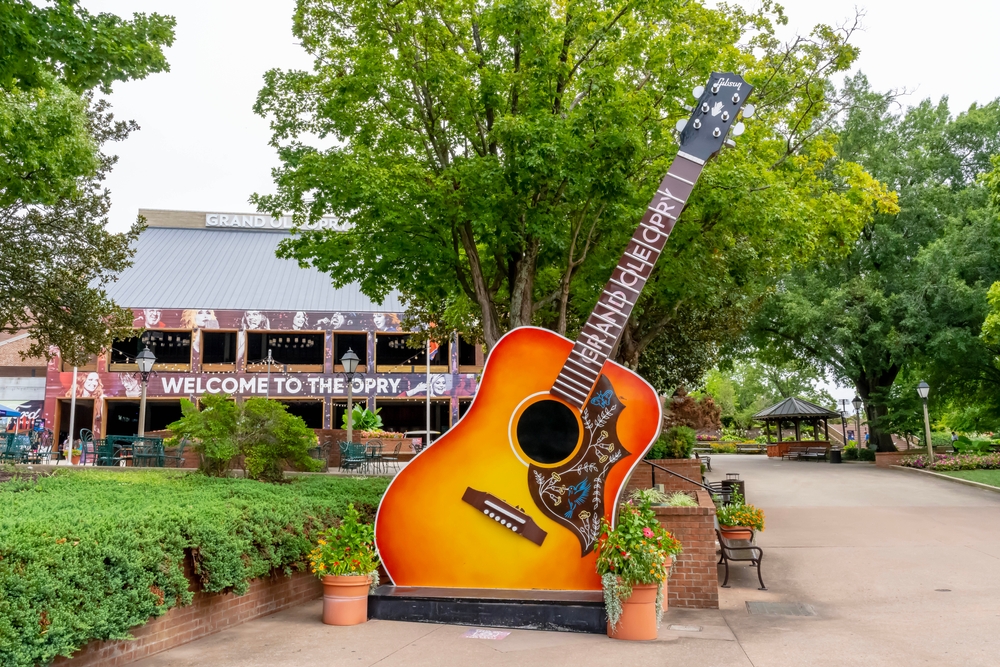
Grand Ole Opry in Nashville by Grindstone Media Group, via Shutterstock

The Grand Ole Opry

Founded in 1925, the Grand Ole Opry is one of the cornerstones of Nashville’s country music history. Some of the biggest names in country, from Johnny Cash to Alan Jackson, have played its stage, and any music fan should try to catch a show there.

The Country Music Hall of Fame and Museum

At the Country Music Hall of Fame and Museum, you can trace the history of country music, the sound Nashville is best known for. You’ll see everything from Hank Williams and Patsy Cline to today’s stars, and the building itself is a downtown landmark. Give yourself a few hours if you want to do it justice.

The Parthenon

This full-sized replica of the Greek Parthenon may seem a little out of place in Nashville’s Centennial Park. It was built in 1897 for the Centennial Exposition, and today it is home to an art museum. Inside, you’ll find a 42-foot (13m) gold statue of Athena, the tallest indoor sculpture in the Western world.

Nelson’s Green Brier Distillery

You can sample bourbon and Tennessee whiskey at Nelson’s Green Brier Distillery. Before Prohibition, this was one of the largest whiskey producers in the country, and it is still a family business to this day.

Radnor Lake State Park

Head to Radnor Lake State Park in Forest Hills for a dose of the outdoors. The park is more than 1,300 acres of protected forest, and its quiet hiking trails are a favourite for wildlife watching. Herons, owls, otters, and white-tailed deer are common sights.

Nashville Zoo

Nashville Zoo is on the historic Grassmere estate, and the grounds are close to 200 acres in all. You can spend a day at exhibits such as Lorikeet Landing, Kangaroo Kickabout, Critter Encounters, and the Andean bears of Expedition Peru. The zoo is accredited by the Association of Zoos and Aquariums and is active in wildlife conservation and rehabilitation.

Cheekwood Estate and Gardens

Cheekwood Estate and Gardens is a 1930s mansion in 55 acres of landscaped grounds in West Nashville. You can wander the botanical gardens, explore the art collection indoors, take the woodland sculpture trail, and plan your visit around the seasonal displays, from spring tulips to the autumn pumpkin trail. It is one of the city’s most relaxing days out.

Adventure Science Center

The Adventure Science Center is a hands-on museum for children of all ages. You’ll find exhibits on everything from the human body to space and the planets. It is also home to the Sudekum Planetarium and its full-dome shows. Staff run regular demonstrations to help visitors get more from the displays.


Making friends and meeting people in Nashville

Making friends and meeting people in Nashville takes a bit of effort, even though the city has a warm, sociable reputation. Ask around, and you’ll hear the same advice: turn up to the same activity again and again rather than relying on one-off nights out. A weekly run club, a rec sports league, a book club, or a monthly board game night will put you in front of the same faces until acquaintances become friends.

Shared interests are the easiest way in. You’ll find recreational leagues for pickleball, flag football, kickball, and cornhole, plus run clubs for every pace and cycling groups such as the Harpeth Bicycle Club. Volunteering is another reliable route, and Hands On Nashville lists opportunities across causes from food security to animal welfare. Online, Meetup has large Nashville groups for almost any hobby, and plenty of newcomers use Bumble BFF, since so many transplants here are also looking to make friends.

To build a professional circle at the same time, look at Young Professionals Nashville or CreativeMornings Nashville. Both are aimed at people in their twenties and thirties. App-based supper clubs have also caught on. You share a table with strangers over dinner, which takes the awkwardness out of meeting new people.

One last tip from locals: skip Lower Broadway if you’re actually trying to make friends, since that strip is built for tourists. Neighbourhood bars, local libraries, coffee shops, and community groups in areas like East Nashville and Bellevue are far more likely to foster friendships that last.

Useful links

Getting Around in Nashville

Getting around Nashville is one of the first things to sort out when you move, because most residents rely on their cars far more than on public transport. Anyone arriving from a city with a strong transit network will probably need to adjust once they settle into the ‘Music City’.

Public transport is limited beyond the city centre, so most residents drive, and newcomers usually end up doing the same. There are still occasions when another option makes more sense, and it helps to know your choices before you depend on a car for everything.


Public transport in Nashville

If you are used to a comprehensive transit network like New York’s or Chicago’s, public transport in Nashville will feel thin by comparison.

Public transport here is thin on the ground, and anyone settling in soon works out that a car makes sense, given how far most residents travel for work. Change is on the way, though. In 2024, Nashville voters approved a major transportation funding plan called Choose How You Move. Over the coming years, the city will expand bus service, add more frequent and round-the-clock routes, upgrade hundreds of bus stops, and improve sidewalks and traffic signals across the county. Light rail is not part of the plan, so a car will be the practical choice for most people for a good while yet.

Ride-hailing apps such as Uber and Lyft are popular in Nashville, and a handy backup when driving is not an option.

Bus in Nashville by Brett Sayles

Buses

WeGo Public Transit, formerly known as Nashville MTA, runs Nashville’s bus network and serves the wider Davidson County area. WeGo designs its routes around a central downtown hub and operates more than 30 routes across downtown and the surrounding neighbourhoods.

The buses are reliable enough on the main routes, where services generally run on time, but the system is a harder sell for anyone commuting from the suburbs. Out there, buses come less often and do not always keep to schedule. Most routes run from around 5am into the evening. Late-night services run too, but only in certain areas. WeGo also runs a bus between downtown and Nashville International Airport (BNA), which is useful when you first land and don’t have a car.

Set against the big transit cities, it will feel limited, but for a mid-sized US city, Nashville’s buses are far from the worst, at least on the busier routes.

Trains

The WeGo Star is Nashville’s only commuter rail line, and it runs between Lebanon and Riverfront Station in downtown. Along the route, it calls at Hamilton Springs, Martha, Mount Juliet, Hermitage, and Donelson.

From Riverfront Station, connecting shuttles carry riders into the downtown core, including the Broadway entertainment strip and the West End near Vanderbilt University.

Trains run on weekday mornings and afternoons only. There are several services in each peak, and none at weekends. The timetable is built around commuters, and the last train back from downtown leaves in the early evening, so it works for a nine-to-five commute rather than a late night in town.

WeGo Star fares are reasonable, and a ten-ride or monthly pass is cheaper still. Children under four travel free, and there are discounts for students, seniors, riders with disabilities, and Medicare cardholders.

Areas and Suburbs in Nashville

Useful links


Driving in Nashville

Driving in Nashville by Tolga Ahmetler

Driving in Nashville is close to essential, much as it is across the US. Public transport hours are limited, and the network is small, so even people downtown or in the inner suburbs tend to keep a car.

With a car, you have far more freedom: you can get around on your own schedule and pick a neighbourhood without first checking the bus map.

The main drawback is the traffic, which turns dreadful at peak times, and you can get held up by roadworks or a crash with little warning. Google Maps and Apple Maps both show live congestion, so you can plan around the worst of it.

Parking is the other headache, and it gets expensive fast if you head downtown often. Free kerbside spaces are hard to find, and you will pay more the closer you get to the popular spots, so it helps to line up a space ahead of time with an app like ParkMobile.

Driver’s licences

If you are moving to Nashville from another US state, you must swap your old licence for a Tennessee driver’s licence within 30 days of settling in. Drivers coming from abroad can start the application on the Driver Services Centre e-services portal. You then visit a Driver Services Centre in person with your original licence, your Motor Vehicle Record (MVR), proof of citizenship or lawful presence, your Social Security number, and proof of Tennessee residency. If your paperwork is prepared in advance, you can often finish in a single visit.

Drivers from countries with a reciprocal agreement with the US can trade a foreign licence straight for a Tennessee driver’s licence. Everyone else will need to take and pass both a knowledge test and a practical driving test first.

Useful links


Taxis in Nashville

Taxis in Nashville are easy to find, especially downtown, and several established firms operate across the city. Music City Taxi and Allied Cab are two of the longer-standing names, and both run alongside the ride-hailing apps.

Most firms run around the clock. In the busy heart of the city, around Broadway or Midtown, you can flag one down at any hour. Further out, you are better off pre-booking by phone.

Ride-hailing services such as Lyft and Uber are well established in Nashville. Most locals own a car, but ridesharing is handy on the nights when nobody wants to be the designated driver, or on game days when downtown parking turns into a nightmare.

To use them, download the app, register with a credit card, and you are ready to ride.

Useful links


Cycling and scooters in Nashville

Cycling and scooters in Nashville have grown more popular in recent years, and for short hops, they are quicker than sitting in traffic. Electric scooters in particular are now a common sight, and several companies run them across the city.

The city has poured money into cycling infrastructure, and Nashville now has a growing network of bike lanes and more places to lock up. The lanes do not always connect though, and riders on forums still flag gaps and safety worries on busier roads, so plan your route before you set off.

Nashville BCycle is the city’s docked bike-share scheme, and it is a solid bet for a straightforward ride. For dockless travel, the three licensed operators, Bird, Lime, and Spin, run app-based e-bikes and scooters that you unlock from your phone. Regulators have shifted the balance towards e-bikes in recent years, so expect more bikes than scooters in the mix. Register a card in the app, and you can pick one up in many parts of the county.

Useful links


Walking in Nashville

Pedestrian Crossing in Downtown Nashville by Cody Lannom on Unsplash

Walking in Nashville only gets you so far: this is one of the least walkable big cities in the US. Roughly three-quarters of residents live in the suburbs, where a car is all but essential. In some of those neighbourhoods, you will even drive to the nearest grocery shop or to drop the children off at school.

For all that sprawl, a handful of neighbourhoods are genuinely walkable and best seen on foot. Germantown, Hillsboro Village, East Nashville, 12 South, and The Gulch are all worth an afternoon on foot. In each, the shops, cafés, bars, and restaurants are close enough together to leave the car behind.

Education and Schools in Nashville