
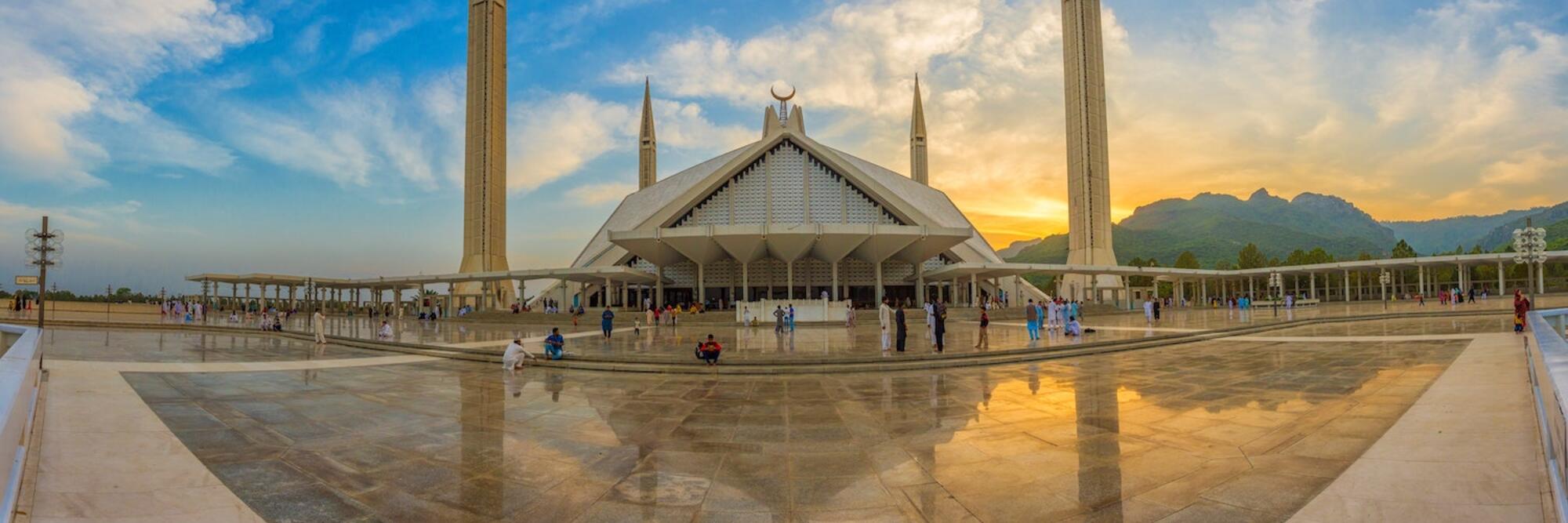
Working in Pakistan can be a rewarding move for many expats, particularly as the economy steadies after a turbulent few years and inches back towards growth. Karachi is Pakistan’s most prosperous city and its financial hub.
Karachi hosts many foreign companies and offers expats excellent career prospects. As Pakistan’s capital and diplomatic hub, Islamabad is where expats relocated by their own national governments or international NGOs are likely to be based.
Nepotism and corruption remain constant in Pakistan, so finding a job can be difficult. Many of the local workers in Pakistan rely on social connections and who they know rather than experience or qualifications.
Expats will be pleased to know that salaries will provide a good standard of living, as the cost of living in Pakistan is incredibly low. Expats will need the correct visa and work permit to work in Pakistan and will not be eligible for these documents unless they have already secured work with a local employer.
Job market in Pakistan

Pakistan’s job market rests on a semi-industrialised economy. The country's vast farmland is fed by the Indus River system. Urban areas such as Karachi and Lahore are also economic centres for the country. The main industries in Pakistan are construction, energy, textile manufacturing, food processing, and technology.
Expats with skills in any of the above industries shouldn’t struggle too much to find a job. IT is the country’s fastest-growing sector, so expats working in this field will find no shortage of options. Financial services and healthcare are also growing in popularity.
Finding a job in Pakistan
Finding a job in Pakistan tends to happen from afar, as most expats arrive with an offer already secured. Those working for a prominent international company or at a diplomatic mission will likely have their healthcare and accommodation arranged by their employer, who usually handles the visa process as well.
Those who haven’t secured an offer before relocating should know that networking and word-of-mouth referrals drive hiring in Pakistan. Expats can also use online job portals or expat social media groups to find vacancies in Pakistan.
Useful links
Work culture in Pakistan

Work culture in Pakistan can feel conservative and formal. Hierarchy is highly valued, and one is expected to display respect towards seniors in the workplace. Contact between the sexes is limited, and men still hold most positions of power.
Networking and relationship building still matter a great deal in the workplace. Expats should try to engage in small talk and get to know colleagues on a personal level before getting down to business. Although Urdu is Pakistan’s national language, English is the language of the workplace and is widely spoken by urban professionals.