Print
  • Hold down Ctrl key and select the sections you want to print. If using a Mac, hold down the Cmd key.
  • Use Ctrl + A or on Mac, Cmd + A to select all sections (if you are using the Chrome browser).
  • Click "Apply" and the site will customise your print guide in the preview below.
  • Click the "Print" button and a print pop up should appear to print to your printer of choice.

Moving to Pakistan

Moving to Pakistan puts you in a country known for its devotion to cricket and its snow-capped northern peaks. Pakistan is the fifth-most populous country in the world, and it has made considerable economic progress since its independence in 1947. Its official name is the Islamic Republic of Pakistan, and the word itself means ‘Land of the Pure’. The hardships of daily life are real, but an open mind sets you up for a memorable cultural experience.

To the south, Pakistan meets the Arabian Sea and the Gulf of Oman. On land, it borders India to the east, Afghanistan to the west, Iran to the southwest, and China to the northeast. Centuries of kingdoms and empires have left their mark on the country, and it has been left with cultural influences from each of them.

Living in Pakistan as an expat

Living in Pakistan as an expat means joining a semi-industrialised economy that still ranks among the world’s largest producers of natural commodities. Political instability and other constraints have slowed its growth, so the economy is still developing. Exports carry much of it, and you may find work in sectors such as manufacturing, technology, telecommunications, and tourism. If you are coming to work, you will need a work visa sponsored by your employer, submitted through Pakistan’s online visa system.

The public transport system in Pakistan tends to be overcrowded, and bus drivers often take risks behind the wheel. Hire a car, ideally with a driver; it is the most comfortable way to get around.

Safety is a serious concern, and you should treat it as one. Pakistan has a long history of terrorist attacks, and several Western governments advise against travel to certain regions altogether. The risk is heavily concentrated in Balochistan, Khyber Pakhtunkhwa, the border regions with Afghanistan and India, and the Line of Control in Kashmir. The major cities have seen far fewer incidents, but vigilance is still needed around markets, malls, public gatherings, and places of worship.

Check your home country’s travel advisories before and during your stay, avoid large crowds, register with your embassy when you arrive, and keep an eye on the local news. The northern valleys around Hunza and Skardu in Gilgit Baltistan are the exception: they have attracted record numbers of visitors and are considered much safer.

Working in Pakistan 
Public Transport and Driving in Pakistan 
Safety in Pakistan

Cost of living in Pakistan

The cost of living in Pakistan is low, especially compared to the better-known expat destinations. Accommodation will likely be your biggest monthly outgoing, although affordable options are available if you know where to look.

If you are bringing children, school fees are the next biggest cost. Most expat families choose international schools, which are often expensive. Eating out, groceries, transport, and everyday essentials all come cheap.

Cost of Living in Pakistan

Families and children in Pakistan

Families and children in Pakistan are entitled to free, compulsory public schooling, but the system struggles with low literacy and a wide gender gap. More than a third of adults cannot read, and far fewer girls than boys complete their schooling. State school standards are generally low, so most expat parents choose the international schools in Islamabad and other cities where foreigners settle.

There is plenty to do with your children. Pakistan has a deep stock of historical and cultural sites that double as a day out and a history lesson. You can just as easily spend an afternoon at the markets, the malls, a museum, or one of the country’s grand mosques. Hikers are spoilt for choice: the north holds some of the planet’s highest peaks, including K2 in the Karakoram, and the trails come with views to match. One thing first-time visitors rarely expect is the welcome; Pakistanis are famously hospitable, and foreigners are often treated as honoured guests.

Pakistan has both public and private healthcare facilities. The public system is often poor, so most expats use private care instead. Take out a health insurance plan that includes repatriation coverage; it is one expense you should not skip.

Education and Schools in Pakistan
Healthcare in Pakistan 

Climate in Pakistan

The climate in Pakistan is continental, and temperatures swing to extremes. For most of the country and most of the year, though, the watchword is heat. Seasons start and end at different times around the country, but most years run through a cool, dry winter, a hot spring, a summer monsoon, and a milder autumn.

One seasonal hazard worth planning for is smog. From late autumn through winter, cool, still air traps pollution over the plains of Punjab, and Lahore in particular routinely ranks among the most polluted cities on earth. If you have young children or a respiratory condition, the winter air in big cities is something to consider.

The country faces real challenges, among them political instability, corruption, poverty, and illiteracy. Successive governments have rolled out plans to tackle these problems, and the economy continues to show promise.

Tourism has climbed steadily as more travellers cotton on to the country’s appeal. It is not the most straightforward place to set up home, but if you come ready to take the rough with the smooth, the rewards are well worth it.

Weather in Pakistan


Fast facts

Official name: Islamic Republic of Pakistan

Population: Around 255 million

Capital city: Islamabad

Largest city: Karachi

Other cities: Lahore, Faisalabad, Rawalpindi, Peshawar

Neighbouring countries: Pakistan shares land borders with India to the east, China to the northeast, Afghanistan to the west, and Iran to the southwest. Its southern coastline runs along the Arabian Sea.

Geography: Pakistan is divided into three broad regions: the northern highlands, the Indus River plain through the centre, and the Balochistan Plateau in the southwest. Earthquakes are a risk in parts of the country, and heavy monsoon rains bring serious flooding most years.

Political system: Federal parliamentary constitutional republic

Major religion: Islam

Main languages: Urdu (national) and English (official) are both widely used in government and business. Punjabi, Pashto, Sindhi, and Saraiki are among the many regional languages spoken at home.

Money: The Pakistani Rupee (PKR), written as Rs. Foreign residents can open a local bank account once they have a valid visa and the usual paperwork (passport, proof of address, proof of income, and a reference from their employer); most major banks will serve expats.

Tipping: Tipping is customary but not obligatory. Around 10 percent is normal in restaurants when a service charge has not already been added, and small tips for porters, drivers, petrol attendants, and household staff are appreciated.

Time: GMT+5

Electricity: 230V, 50Hz. Sockets generally take two or three-pin round plugs (types C and D); British-style three-pin plugs (type G) can also be found.

Internet domain: .pk

International dialling code: +92

Emergency contacts: 15 (police), 115 (ambulance), 16 (fire brigade)

Transport and driving: Cars drive on the left-hand side of the road. Public transport in the larger cities has improved thanks to metro, bus, and rapid transit lines, but services are crowded, and many expats prefer to hire a car and driver.

Weather in Pakistan

The weather in Pakistan is distinguished by a subtropical continental climate, and the country experiences extreme fluctuations in temperature both seasonally and daily due to variations in elevation across the country.

Broadly speaking, Pakistan is a hot country, especially in the central plains. The heat there is compounded by the Loo, a hot, dry wind from the west that blows during the pre-monsoon months of May and June. Although the southern coastal areas experience extreme heat, the temperature is moderated and cooled by sea breezes. The high altitudes of the mountainous northern region are prone to ice and sub-zero temperatures.

The length and onset of the seasons can vary throughout the country. The seasons generally consist of a cool, dry winter from December to February, a dry, hot spring from March to May, a summer monsoon from late June to September, and a retreating monsoon from October to November. The El Niño weather phenomenon, which happens every two to seven years, greatly influences Pakistan’s climate and often causes irregularities in temperature and flood frequency.

Apart from monsoons, other natural phenomena to be aware of are tropical storms and violent dust storms. Dust storms are most common in summer, while tropical storms peak in the pre-monsoon period of May to June and can also occur in October and November.

Heatstroke and dehydration are also concerns, especially for expats living in Pakistan’s central regions and those accustomed to cooler climates. Power cuts are common across Pakistan, particularly during peak summer demand, so air conditioning is not a reliable buffer against the heat. Expats should stay hydrated by drinking bottled water and try to avoid being outside during the hottest hours of the day.


Safety in Pakistan

Safety in Pakistan is bound to be a concern for expats. There is a threat of terrorism throughout the country, mainly due to the presence of an anti-state and anti-Western organisation known as Tehrik e-Taliban Pakistan (TTP). Other terrorist organisations believed to have a presence in Pakistan include Al-Qaeda and the Islamic State Khorasan Province (ISKP).

Several governments, including those of the USA and the UK, advise their citizens against all but essential travel to large parts of the country, and against all travel to certain border regions and high-risk provinces. Expats already in the country should minimise the time spent in public locations.


Crime in Pakistan

Crime is a serious issue in Pakistan, especially in big cities like Karachi and Islamabad. Muggings and carjackings are common and can sometimes lead to kidnapping. Expats should avoid travelling alone at night and stay alert. Keep valuables hidden to avoid unwanted attention.

When it comes to abiding by local laws, expats should be aware that homosexuality is illegal in Pakistan, as is importing pork or alcohol products. Unmarried couples who live together also risk falling foul of the law, and they enjoy little legal protection if they do. Possession of illegal narcotics is punished harshly, and offenders may even be sentenced to death. Blasphemy is treated with the utmost severity and can carry the death penalty; expats should steer well clear of the subject in conversation and on social media alike.


Terrorism in Pakistan

Terrorism in Pakistan has produced attacks of varying severity over the years, and Balochistan and Khyber Pakhtunkhwa have borne the brunt. These attacks often target local government officials as well as foreigners. Previous targets include embassies, schools, hospitals, government buildings, religious shrines and airports.

Expats can stay safe by avoiding areas with large crowds, particularly political gatherings or demonstrations. The period leading up to national and provincial elections can be particularly volatile.


Earthquakes and flooding in Pakistan

Pakistan is a major earthquake zone and has been the site of some of South Asia’s deadliest earthquakes. In the event of an earthquake, there is also the threat of aftershocks, landslides and flooding. Seasonal monsoon flooding between June and September is a separate and recurring hazard that regularly displaces large numbers of people.

Expats need to ensure they have plans and provisions in place for this kind of emergency, possibly including an emergency evacuation from the country.

Weather in Pakistan


Road safety in Pakistan

Expats looking to brave Pakistan’s roads must be aware that road infrastructure outside major cities can be poor. Some roads in northern Pakistan can be inaccessible due to extreme weather, and driving conditions in the country can be unpredictable.

Carjacking is another safety issue expats must remain vigilant of in Pakistan. Expats are encouraged to use experienced drivers, but if they choose to drive themselves, they should stay alert, especially at night. In the major cities, ride-hailing apps such as Careem and inDrive are widely used and generally considered safer than flagging down a taxi on the street.

Transport and Driving in Pakistan


Health safety in Pakistan

Health safety in Pakistan starts before arrival. The country is one of only two in the world where polio is still a threat.

Expats should make sure their vaccinations are up-to-date for polio, hepatitis A, typhoid, and measles before departing for Pakistan. The country also experiences malaria and dengue fever, and necessary precautions should be taken, especially for those travelling to more rural areas.

Private hospitals operate in major cities such as Islamabad, Rawalpindi, Lahore, and Karachi. Standards at the leading facilities can match international benchmarks, and a handful hold international accreditation; quality elsewhere often falls short of what most expats expect. We still advise expats to take out comprehensive health insurance covering evacuation to a neighbouring country and repatriation if needed.

Healthcare in Pakistan

Useful links

Cost of Living in Pakistan

The cost of living in Pakistan is extremely low compared to many other international expat cities. The capital city, Islamabad, is one of the most affordable expat destinations in the world, and Karachi, the country’s largest city, also has a low cost of living for expats.

Although Pakistan’s economic situation is on the mend, there are fluctuations in the cost of living caused by high inflation. Nevertheless, expats earning a foreign salary or working in well-paid sectors can still enjoy a comfortable lifestyle in the country.


Cost of accommodation in Pakistan

Accommodation in Pakistan is likely to be the most significant expense in your budget. If you are moving to a major city like Islamabad and Karachi, you will find various suitable housing options, with prices depending on the proximity to the city centre. The closer you live to a metropolitan area, the pricier your rent will be.

Still, you can find affordable housing anywhere in the country. Utilities are typically not included in the rental and will be an additional cost. Pakistan faces frequent power outages, and some areas have water supply issues, so you should also account for the cost of running generators and possibly securing an alternative water supply.


Cost of transport in Pakistan

Public transport in Pakistan, including buses and trains, is very cheap, but the system lacks safety measures, and the roads can be quite dangerous. Ride-hailing apps such as Careem and InDrive are widely used in major cities and give you an on-demand alternative to public transport.

Fortunately, buying and maintaining a car is affordable in Pakistan. It’s also fairly common for employers to provide a car and driver as part of a relocation package, so you may not need to worry about transport at all while living in Pakistan.

Transport and Driving in Pakistan


Cost of groceries in Pakistan

Groceries are cheap in Pakistan. There are plenty of markets selling local produce, but ensure you wash food items carefully with filtered or purified water to prevent food- or water-borne illness.

Some of Pakistan’s most popular shops for affordable groceries include Imtiaz Supermarket and Metro Cash and Carry. If you have some more room in your budget, you can find high-quality groceries at Greenvalley Premium Hypermarket.


Cost of entertainment and eating out in Pakistan

Eating out in Pakistan is an adventurous, flavourful, and affordable experience. Pakistan’s culinary scene offers everything from local fusion cuisine to Italian and Chinese delights. The country also has a strong street food culture, meaning you can get tasty meals at a low cost. If you prefer the finer things in life, you are not left behind, as plenty of restaurants offer fine dining experiences. Naturally, these cost more.

Sport is a massive part of the country’s culture, and much of its entertainment offering centres around it; you can purchase tickets to cricket and football matches at reasonable prices. Shopping is another favourite pastime in Pakistan, and you can have fun haggling with traders at one of the country’s many colourful bazaars.


Cost of education in Pakistan

Schooling is compulsory (and free at public schools) for all children aged 5 to 16. That said, expat parents will find that the educational standards in public schools can be lacking.

With this in mind, expat parents usually send their children to one of the international schools located in Islamabad, Karachi, or other main cities. International school fees in Pakistan are high, and that’s before you count extra costs like uniforms and extracurricular activities. That said, many expat parents believe that their facilities and teaching standards typically justify the cost.

Education and Schools in Pakistan


Cost of healthcare in Pakistan

Healthcare in Pakistan’s major cities is generally adequate, but is poor or non-existent in rural areas. For this reason, most expats moving to Pakistan for work will have access to private healthcare.

Most employers sponsor their employees’ health insurance, but if you do not have this luxury, you should purchase comprehensive private medical insurance with medical evacuation provisions. The cost for this will vary depending on lifestyle habits, age, and coverage level.

Healthcare in Pakistan


Cost of living in Pakistan chart

Prices are in Pakistani rupees (PKR) and may vary depending on the product and service provider. The list below shows average prices in Islamabad for June 2026.

Accommodation (monthly rent)
One-bedroom apartment in the city centrePKR 75,500
One-bedroom apartment outside the city centrePKR 40,000
Three-bedroom apartment in the city centrePKR 164,500
Three-bedroom apartment outside the city centrePKR 75,500
Shopping
Eggs (dozen)PKR 360
Milk (1 litre)PKR 300
Rice (1kg)PKR 340
Loaf of white breadPKR 185
Chicken breasts (1kg)PKR 940
Cheese (500g)PKR 1,970
Eating out
Three-course meal for two at a mid-range restaurantPKR 5,500
Big Mac MealPKR 1,340
Coca-Cola (330ml)PKR 105
CappuccinoPKR 570
Non-alcoholic beer (500ml)PKR 595
Utilities
Mobile phone monthly plan with calls and dataPKR 1,525
Internet (uncapped ADSL or cable – average per month)PKR 4,500
Basic utilities (average per month for a standard household)PKR 30,000
Transport
Taxi rate (per kilometre)PKR 155
Bus/train fare in the city centrePKR 50
Gasoline/petrol (per litre)PKR 382

Education and Schools in Pakistan

The standard of education and schools in Pakistan is not at the level most expats may be used to. Less than 70 percent of primary school children complete their education, and millions more are out of school entirely. The country suffers from a high illiteracy rate and gender disparity. Another criticism of the Pakistani education system is the focus on rote learning rather than critical thinking. For these reasons, most expats in Pakistan choose to send their children to international schools.


Public schools in Pakistan

Schoolchildren at desk

Public schools in Pakistan offer free education, and schooling is compulsory by law for children between the ages of 5 and 16. The education system in Pakistan is usually divided into the following levels:

  • Pre-school (ages 3 to 5)
  • Primary school (ages 6 to 10)
  • Middle school (ages 11 to 13)
  • Secondary school (ages 14 to 18)

Even though there is nothing stopping expat children from attending public schools in Pakistan, most expat parents don’t pursue this option for various reasons, but mainly because of the poor quality of education and lack of decent facilities. There are also cultural differences to contend with, as well as the approach to learning and discipline.

English and Urdu are the languages of instruction at public schools in Pakistan. Many schools follow a curriculum inspired by the British system, and religious instruction is strongly emphasised.

Useful links


Private and international schools in Pakistan

There are a few private and international schools in Pakistan that follow various curricula. Most of these schools are located in Islamabad, Lahore, Karachi, and Hyderabad.

A number of the most prestigious private schools are boarding schools, although most private and international schools are day schools. The standard of teaching and the quality of facilities tend to be far superior to those found at Pakistani public schools. These institutions also offer students a range of extracurricular activities such as sports, music, drama, and art.

For expats moving to Pakistan for a short time, it makes sense to have their child attend an international school that follows the curriculum of their home country or the International Baccalaureate (IB) curriculum to maintain continuity. Another benefit of having one’s child attend an international school is that it allows them to mix with other expat children who may be facing similar challenges as they adjust to life in a new country.

School fees for both private and international schools are expensive. Expats relocating to Pakistan to take up a lucrative job offer should negotiate a sizeable allowance to cover school fees when discussing their employment package with the hiring company.

Useful links


Special educational needs in Pakistan

Student with hearing aid

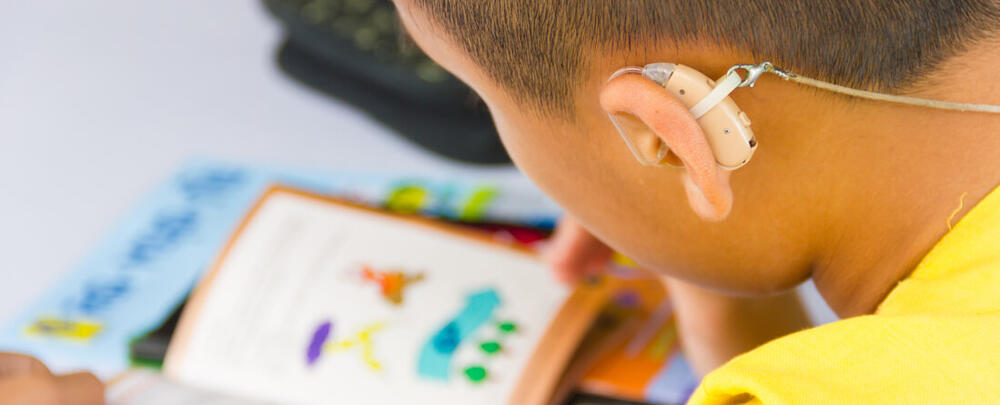
Special educational needs in Pakistan are not catered for as thoroughly as many Western expats will be used to. Special needs education is an area that is grossly neglected in Pakistan, and children with disabilities tend to be stigmatised rather than accommodated within the system.

The Pakistani government has put plans in place to create a system of inclusive schooling in which children with physical or mental disabilities can receive the support they need while learning alongside their peers in mainstream schools. It may be a while still before these plans are put into action. In the meantime, several special education schools in the country cater to a range of physical and mental disabilities.

Those who wish to send their child to a private or international school in Pakistan will discover that these schools are generally better equipped to address a broader range of learning needs than their public counterparts. Teachers at these institutions can also give each student more individual attention. It is recommended that expat parents do their research and contact individual schools for more information about the support they can provide.

Useful links


Tutors in Pakistan

Expats looking to provide their children with additional academic support may struggle to find suitably qualified tutors in Pakistan. Although they could approach advisers at their child’s international school for guidance, often the best bet is to find support online.

Home and online tutoring is widely available across Pakistan. Tutors can help with school subjects, exam preparation, language acquisition, and the adjustment to a new curriculum. Most families find a good fit through school recommendations or one of the established tutoring portals, and word of mouth among other parents helps too.

Useful links

Working in Pakistan

Working in Pakistan can be a rewarding move for many expats, particularly as the economy steadies after a turbulent few years and inches back towards growth. Karachi is Pakistan’s most prosperous city and is the country’s financial hub.

Karachi hosts many foreign companies and offers expats excellent career prospects. As Pakistan’s capital and diplomatic hub, Islamabad is where expats relocated by their own national governments or international NGOs are likely to be based.

Nepotism and corruption remain constant in Pakistan, so finding a job can be difficult. Many of the local workers in Pakistan rely on social connections and who they know rather than experience or qualifications.

Expats will be pleased to know that salaries will provide a good standard of living, as the cost of living in Pakistan is incredibly low. Expats will need the correct visa and work permit to work in Pakistan and will not be eligible for these documents unless they have already secured work with a local employer.


Job market in Pakistan

Person typing on laptop

Pakistan’s job market rests on a semi-industrialised economy. Its vast farmland is fed by the Indus River system. Urban areas such as Karachi and Lahore are also economic centres for the country. The main industries in Pakistan are construction, electricity, textile manufacturing, food processing, and technology.

Expats with skills in any of the above industries shouldn’t struggle too much to find a job. IT is the country’s fastest-growing sector, so expats working in this field will find no shortage of options. Financial services and healthcare are also growing in popularity.

Cost of Living in Pakistan


Finding a job in Pakistan

Finding a job in Pakistan tends to happen from afar, as most expats arrive with an offer already secured. Those working for a prominent international company or at a diplomatic mission will likely have their healthcare and accommodation arranged by their employer, which usually handles the visa process as well.

Those who haven’t secured an offer before relocating should know that networking and word-of-mouth referrals drive hiring in Pakistan. Expats can also use online job portals or expat social media groups to find vacancies in Pakistan.

Healthcare in Pakistan

Useful links


Work culture in Pakistan

Working together

Work culture in Pakistan can feel conservative and formal. Hierarchy is highly valued, and one is expected to display respect towards seniors in the workplace. Contact between the sexes is limited, and men still hold most positions of power.

Networking and relationship building still matter a great deal in the workplace. Expats should try to engage in small talk and get to know colleagues on a personal level before getting down to business. Although Urdu is Pakistan’s national language, English is the language of the workplace and is widely spoken by urban professionals.

Business Culture in Pakistan

Doing Business in Pakistan

Doing business in Pakistan can feel unfamiliar at first if you are used to the work culture of the USA or Europe, although most expats settle in before long. It pays to learn the country’s working customs soon after you arrive.

The Pakistani business world sets great store by hierarchy. Respect and trust carry real weight, and the oldest, most experienced, and most senior person present should be greeted and addressed first. Once you have the basic etiquette down, the rest tends to fall into place.


Fast facts

Business hours

Most private offices keep hours of roughly 9am to 5pm or 5.30pm, Monday to Friday. Government departments and banks run on their own timetables. Pakistani labour law caps the working week at 48 hours, longer than the standard week in many countries.

Business language

English is the language of business. Urdu is also commonly spoken.

Greetings

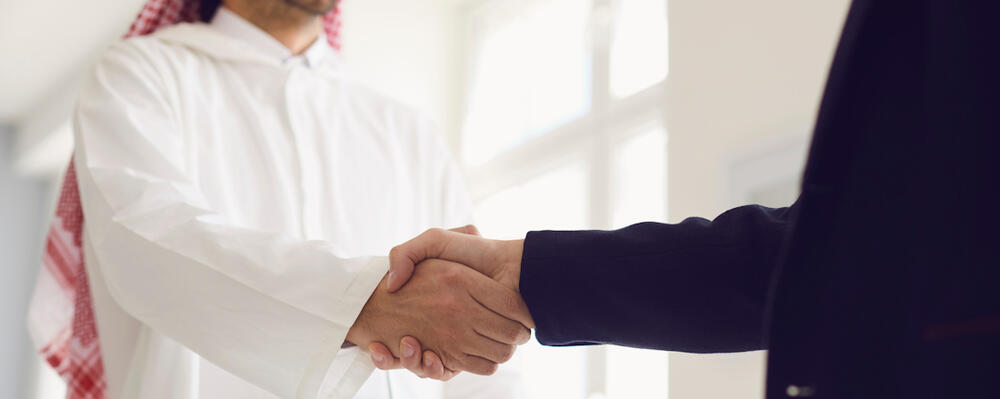
Greetings in Pakistan are warm but formal. Men shake hands with one another and often hug once a relationship has formed; a man should not offer his hand to a woman unless she extends hers first. A friendly ‘Salaam Alaikum’ goes down well. First names are rarely used, so address an associate by their title and surname. When in doubt, simply ask how they prefer to be addressed.

Dress

The dress code in Pakistan is quite conservative. Corporate settings in Pakistan call for smart, formal clothing. Elsewhere, business casual (trousers and a collared shirt) is fine, but bring a jacket and tie for high-level meetings. Women should dress modestly and cover their shoulders, arms, and legs in a tailored trouser suit or a long dress.

Gifts

If you are invited to a Pakistani home, flowers or quality chocolates are good gifts. Give them with both hands or your right hand. Do not gift alcohol, as most families are Muslim. Avoid white flowers, which are usually for weddings. It’s normal for hosts to set gifts aside to open later. If a man gives a gift to a woman, it is best to say it is from his wife or a female relative.

Gender equality

Gender disparity exists in the workplace, and women are seldom in senior positions. Foreign businesswomen are usually treated with courtesy and professionalism, even if they are often among the few women in the room.


Business culture in Pakistan

Business culture in Pakistan is rooted in personal relationships and a clear sense of hierarchy. Communication tends to be courteous and indirect, and trust is built before any deal is done.

Business deal

Communication

Trust matters a great deal in Pakistani business, so unhurried small talk tends to come before a meeting gets down to business. Communication is usually indirect and protective of face, or izzat: a soft ‘we’ll see’ or ‘we’ll try’ can mean no, so listen for what is implied. Steer clear of touchy subjects such as politics, religion, terrorism, and the relationship with India. Colleagues will often ask after your family and other personal matters as a way of showing friendly interest; if you’re reciprocating, keep your own questions about their family in general rather than directed at the women in it, as this can be misconstrued.

Time

Time is more flexible in Pakistan than in the USA or Europe. Deadlines may change, and business often takes longer than expected. Allow extra time and be patient. Expats are still expected to arrive on time, even if meetings start late or are rescheduled at the last minute.

Hierarchy

Pakistani workplaces place great emphasis on hierarchy. Decisions are made by senior leaders, and junior staff rarely disagree openly with their bosses. It can take time to get approvals because several levels of authorisation are often needed, so patience is important.

Meetings

Plan meetings for the late morning or early afternoon, and a bit earlier during Ramadan. Working hours during Ramadan are shorter, and the working pace slows, especially further into the holy month.


Dos and don’ts of business in Pakistan

  • Don’t feel uncomfortable if colleagues stand very close, as this is common
  • Do accept business cards with the right hand or both hands
  • Do be punctual for meetings, but don’t be surprised if meetings are cancelled at the last minute
  • Don’t maintain constant eye contact. This can seem threatening, especially for seniors.
  • Do use your right hand to eat, offer, and receive, as the left hand is considered unclean
  • Do work around Friday prayers, daily prayer times, and Ramadan when arranging your schedule
  • Don’t point the soles of your feet or shoes at anyone, as it comes across as disrespectful

Healthcare in Pakistan

The quality and price of healthcare in Pakistan depend on several factors. Those living in larger cities will find that the healthcare available is adequate, whereas in rural areas, it can be extremely poor.

Pakistan has worked for years to improve access to healthcare and advance universal coverage. There has been real progress, but it has progressed slowly. Coverage has reached tens of millions more people over the past decade, but the system is still far short of the government’s targets, and many low-income families have to budget for steep out-of-pocket costs.

Emergency response is unreliable, and there is a limited number of ambulances. In an emergency, it can often be a more prudent option than taking a taxi or driving to the hospital.


Health insurance in Pakistan

Doctor assisting patient

Most expats moving to Pakistan for work will likely have their health insurance covered by their employers as part of their employment contract. For expats whose employers will not cover private health insurance, the cost can be high. Other factors affecting the cost of health insurance are one’s health status and lifestyle habits.

Pakistan also runs a public scheme, the Sehat Sahulat Programme (SSP), aimed at low-income families rather than expats. This programme provides free healthcare to qualifying families for a wide range of services, including GP visits, maternity care, emergency services and inpatient hospital services. The scheme has been reshaped in recent years, and what it covers now varies from province to province.


Public healthcare in Pakistan

While Pakistan offers both public and private options, most expats opt for the latter. In fact, most expats employed by international companies or diplomatic missions in Pakistan will have comprehensive health insurance, so they won’t need to use public facilities while in the country.

There are government-run hospitals that are low cost and offer basic medical treatment, but standards are typically quite low and not in line with what most expats, especially those from Western countries, would be accustomed to. Medical staff at public hospitals in Pakistan may also not be well trained.


Private healthcare in Pakistan

Pakistan has many expensive private medical facilities, mostly in larger cities such as Karachi, Lahore, Islamabad, and Rawalpindi. It is highly recommended that expats take out comprehensive private health insurance if their employer doesn’t provide it. Medical insurance should also include coverage for emergency medical evacuation to a nearby country with superior facilities.


Pharmacies and medication in Pakistan

stethoscope and medications

Pharmacies are readily available in urban centres, but qualified personnel are often in short supply. Pakistanis usually call a pharmacy a ‘medical store’ or ‘chemist’, so look for those terms on shopfronts. 

Anyone travelling to outlying rural areas for extended periods should pack basic medications. Those living in rural areas may need to travel to larger towns to fill prescriptions.

There have been some improvements recently. Online services have reduced the need for people to physically visit a pharmacy, and people can instead have their medication delivered to them, at least in urban areas.

Some medicines go by a different brand name in Pakistan. Bring an ample supply when you move, and ask a local doctor about equivalents you can get there. Enforcement of prescription rules is patchy, and many medicines that need a prescription elsewhere, antibiotics among them, are often sold over the counter; that is convenient, but it makes it worth knowing exactly what you are taking.


Health hazards in Pakistan

Malaria is a risk across much of the country and becomes more of an issue after the monsoon floods. It's worst in rural and low-lying areas.

Polio and dengue fever are also endemic in Pakistan. Dengue tends to peak during and after the monsoon, roughly from July to November. Tap water in the country is also considered unsafe to drink. Expats should avoid ice in their drinks at restaurants and purchase bottled water.

Earthquakes and flooding are other health hazards in Pakistan. Monitor the local news and follow the authorities’ instructions when there are earthquake or flood warnings.

Air pollution is a serious and often underestimated hazard, most of all in winter. Lahore and other cities in Punjab are among the most polluted on earth during the smog season, and Karachi gets its fair share. Children and older people are most affected, as are those with heart or lung conditions.


Vaccinations in Pakistan

Healthcare by Bermix Studio from Unsplash

Pakistan is one of only two countries in the world where polio cases are still found. Expats must ensure they are vaccinated against the disease before travelling to the country.

No vaccinations are required to enter Pakistan, but check the latest entry rules before you fly, as they can change at short notice. The bigger thing to plan for is leaving: because polio is still in circulation in Pakistan, many countries (the UK and EU states among them) ask travellers who have spent four weeks or more there to show proof of a polio jab given within the previous year. Keep your routine vaccinations current as well.

Take sensible precautions against cholera, too: wash your hands often, and steer clear of food and water that might not be safe. There is a cholera vaccine, so ask a travel health clinic whether it is worth it for you, particularly if you are heading to flood-prone areas.

Pakistan is also on alert for measles and typhoid; expats must be up to date with their vaccinations. Other essential vaccinations for travelling to Pakistan are:

  • Rabies
  • Influenza
  • Chickenpox
  • Shingles
  • Diphtheria-Tetanus-Pertussis

Useful links


Emergency medical services in Pakistan

Pakistan has different emergency numbers depending on the service and region, but Rescue 1122 is the most widespread and now reaches most provinces, including Sindh, so dial 1122 in an emergency. The Edhi Foundation runs the country’s largest ambulance network and answers on 115, free of charge. In Karachi, Chhipa (1020) is another well-known option. There are both public and private ambulance services in Pakistan, but most are run by NGOs.

While this does help address the high number of medical emergencies reported daily in the country, many of the staff are untrained and unable to provide pre-hospital advanced life support. For this reason, expats with comprehensive private health insurance should use private ambulance services whenever possible.

Useful links

Transport and Driving in Pakistan

Safety informs nearly every choice you’ll make about transport and driving in Pakistan. Public transport has improved in parts of the country, but it’s still a serious worry. Trains and buses have been targeted in attacks, especially in Balochistan. Traffic in the cities is heavy and often chaotic, and local drivers have a reputation for recklessness.

If you are moving to Pakistan, use public transport with caution and avoid it whenever possible. Most expats hire a car with a driver instead; the employer usually arranges and pays for it.


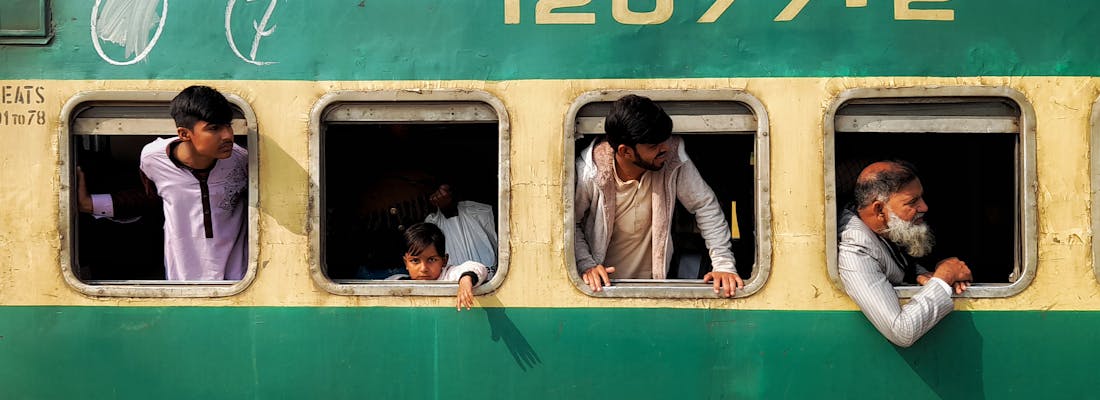
Public transport in Pakistan

Train in Pakistan by M Sajawal Fareed

Public transport in Pakistan spans trains, intercity and city buses, auto-rickshaws, and modern bus rapid transit lines in the bigger cities.

Trains

Trains operate within and between Pakistani cities and are a popular means of getting around the country. Trains are a target for attacks. The risk is highest in and around Balochistan, so avoid rail travel whenever possible.

While Pakistan’s train network does function adequately, it is by no means on par with systems in Europe or North America. Train travel may be a frustrating experience for expats from those regions accustomed to a higher standard of transport.

You can book train tickets online through the official Pakistan Railways site, although the process has been patchy for some time, and you will need a local mobile number and ID. Buy a few days ahead if you plan to travel by rail.

Buses

Buses are the most popular means of intercity transport, and most cities run their own local services too. Bus travel is cheap, and you rarely need to book ahead, since you usually pay the driver as you board. On the busier intercity routes, established coach operators such as Daewoo Express run more comfortable, bookable services.

Buses carry the same safety caveats as trains. They are often overcrowded, and services have been attacked, especially in Balochistan. Weigh this up before travelling by bus.

Metro and bus rapid transit

Several big cities now run modern bus rapid transit (BRT) lines on dedicated lanes, a world away from the older bus network. Lahore has the Metrobus and the driverless Orange Line metro train; the twin cities of Islamabad and Rawalpindi share a Metrobus network; and Peshawar, Karachi, and Multan run their own BRT systems. These use fixed routes, electronic ticketing, set fares, and real-time tracking on some lines, which makes them more predictable than flagging down a bus or rickshaw.

Safety in Pakistan

Useful links


Taxis in Pakistan

Taxis in Pakistan are easy to find in any city. Be wary, though: some drivers will try it on with foreigners who do not know the going rate, so agree the fare or insist on the meter before you set off. Women travelling alone should avoid taxis where possible, particularly after dark, and some cities now offer women-only or women-focused ride options aimed at exactly this. Booking a taxi by phone ahead of time is safer than flagging one down in the street.

Ride-hailing apps cover the major cities, and the ones in use include inDrive, Yango, and local players like Apni Sawari. You can hail cars and auto-rickshaws through these apps. Heavy traffic means waits can be long, so book ahead when you can to save time.

One upside of these apps is that you can follow your car’s location on your phone in real time.

Auto-rickshaws

Auto-rickshaws are a popular way to get around Pakistani cities. Agree on a fare before you climb in, which saves you from being overcharged or haggling at the end of the trip. Pollution has pushed the authorities to rein in the older two-stroke models, and many have been banned. The government has since turned its attention to electric rickshaws. Its New Energy Vehicle Policy offers subsidies for cleaner electric two- and three-wheelers, rickshaws among them.

Useful links


Driving in Pakistan

Driving in Islamabad by Ali Hamza Tullah

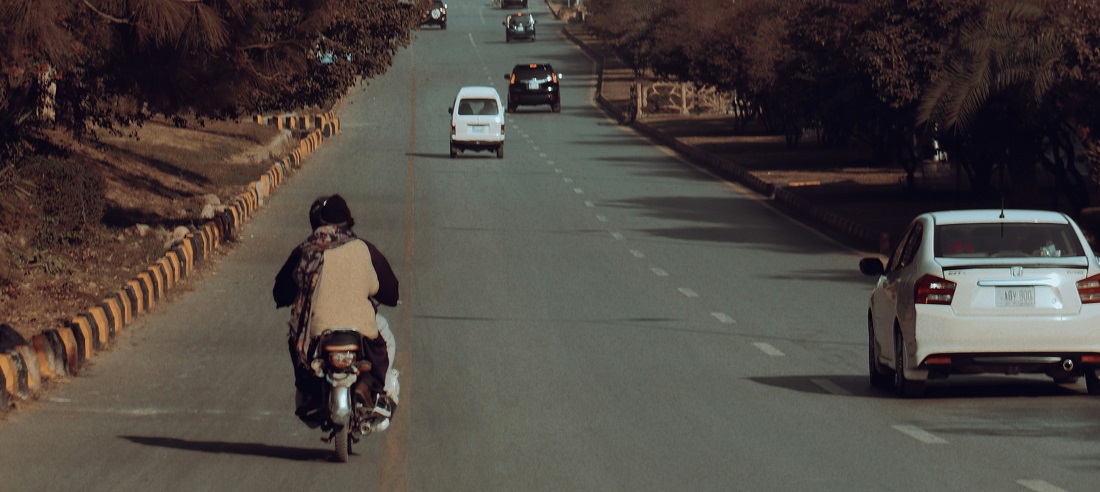
Driving in Pakistan is something most expats leave to a hired driver, largely because of safety. For many international executives and diplomats, it is a condition of the posting, and some travel with an armed escort as well.

Carjackings are common, and expats should avoid travelling at night when the danger is increased. Hijackings have also been linked to kidnappings of foreigners in Pakistan.

Driver’s licences

Driver’s licences in Pakistan are issued province by province, so you deal with the licensing authority where you live rather than a single national body. You can drive on a foreign licence with an International Driving Permit for the length of your visa, but a local licence will be necessary if you stay on.

Holders of a valid licence from certain countries may be able to exchange it directly for a Pakistani one; check the current list with your provincial licensing authority, as it can change. Exchanging a foreign licence means applying at the local licensing authority and proving your medical fitness.

If you do not hold a valid licence from your home country, you start with a learner’s permit, valid for six months. You then pass a set of computerised tests within those six months to gain your Pakistani driver’s licence.

Useful links


Domestic flights in Pakistan

Domestic flights in Pakistan are the smoothest way to cover long distances, and given the security picture on the ground they are the option most expats are advised to take for intercity trips. The major cities, including Islamabad, Karachi, Lahore, and Peshawar, are linked by daily flights. The main carriers are Pakistan International Airlines (PIA), Airblue, Air Sial, and Fly Jinnah.

Useful links