
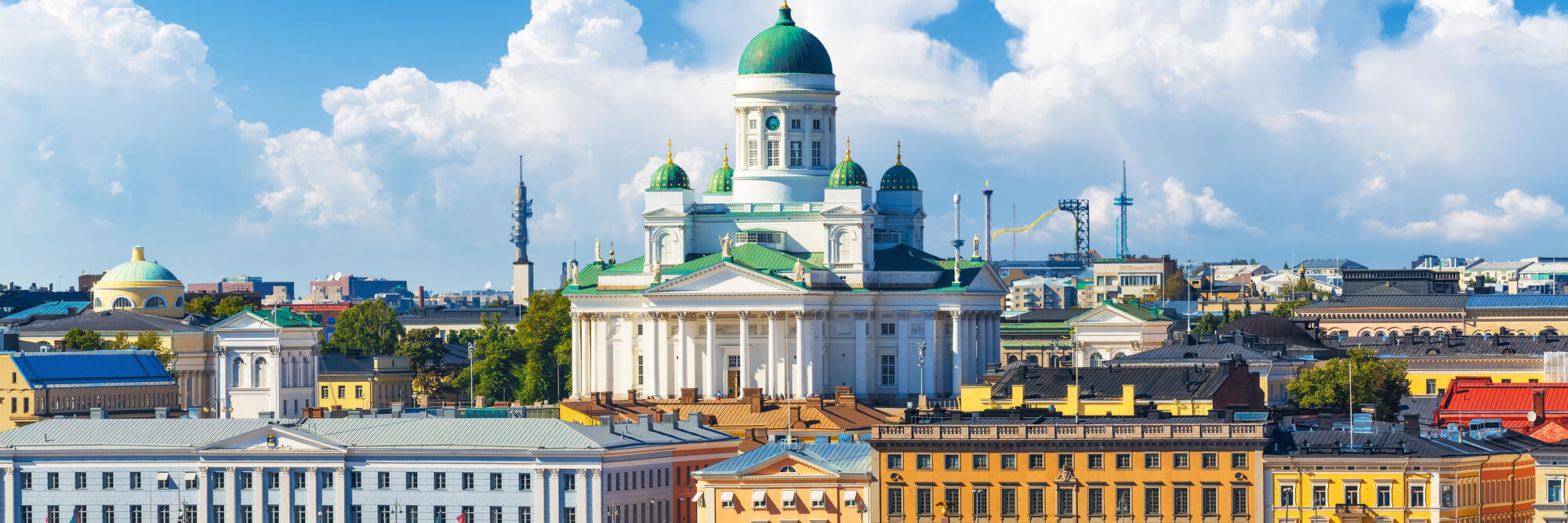
Most expats choose to rent rather than buy accommodation in Finland – it’s the simple option, particularly for those staying short term. Employers usually help expats find a place to live, and if not, the services of an estate agent are helpful, especially given Helsinki’s rental market, which can move quickly.
Helsinki, Finland’s capital city, is a hub of economic and social activity that draws international students and workers, making it one of Finland’s most expensive places to live.
Areas and suburbs in Helsinki
With eight major districts and more than 30 minor districts, Helsinki offers expats many different areas and suburbs to find a home in. As a city known for innovation, stunning architecture, and the arts, Helsinki’s neighbourhoods are distinct. Most expats will not need to worry about access to key amenities, as the city is largely walkable and boasts an excellent public transport infrastructure.
Eastern Helsinki is known for its post-war apartments and green spaces, and several neighbourhoods here offer affordable rents. Herttoniemi and Itäkeskus are popular choices in the east, and Itäkeskus is home to one of Finland’s largest shopping centres. Kallio, often considered Helsinki’s cultural heart, attracts young professionals and creatives with its lively café and bar scene. Töölö, close to the city centre, is a well-established neighbourhood popular with expat professionals and families.
Families and young professionals looking for quieter areas in Helsinki are also well catered for. Most of the housing in Helsinki’s city centre is in the form of apartments, so expats looking for single-family homes will likely need to move to the outskirts of the city. Some of the most family-friendly areas in Helsinki include Töölö, Lauttasaari, and Viikki.
For expats on a budget, accommodation in surrounding neighbourhoods and even nearby cities such as Vantaa and Espoo can be more suitable. Although these areas are not in the city centre, they host an interesting mix of young international students, working professionals, and entrepreneurs. Families with children should also factor in how far the accommodation is located from schools and how easy it is to get around.
Types of accommodation in Helsinki
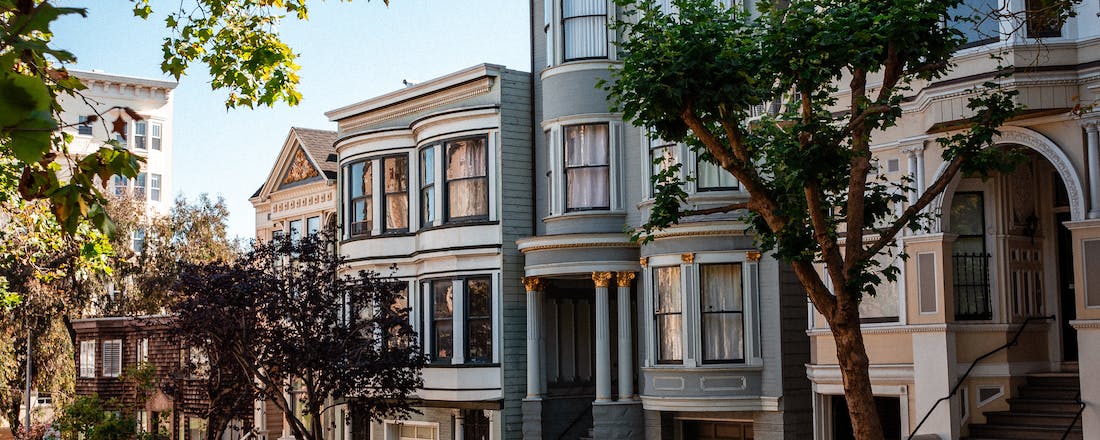
Accommodation in Helsinki’s centre usually comes in the form of apartments. Freestanding houses are hard to find in the city, and those who want a larger family home with a garden will need to look to the outskirts. Helsinki’s public transport network is efficient, so the commute is often manageable.
Expats should be able to find a range of furnished and unfurnished accommodation in the city. Furnished accommodation may be harder to find and is generally more costly, but it usually contains everything a new arrival will need to feel comfortable.
New arrivals often perceive renting in Finland to be quite different from their home country. Basic items such as light fittings, carpets and curtains aren’t necessarily included in all rental properties, but amenities such as a fridge and washing machine might be.
Municipal vs private rental accommodation
Finnish municipalities own apartments for rent. In Helsinki, these are managed by Heka (Helsingin kaupungin asunnot Oy), the city’s municipal housing company. Expats with a valid residence permit can apply for municipal housing through the City of Helsinki website. The catch is that the waiting lists are long, so it’s advised to start planning long in advance or to look into areas outside of Helsinki, such as Espoo and Vantaa. While privately owned flats can be found more quickly, they are pricier.
Useful links
Finding accommodation in Helsinki
A good place to begin searching for a home in Helsinki is on established online property portals. Vuokraovi and Oikotie are the two largest rental property portals in Finland. Kodisto and HousingAnywhere also list properties accessible in English. Forenom offers serviced apartments suited to short- to medium-term stays, which can be useful as a landing pad on arrival. Expats can also post their own adverts looking for accommodation.
While estate agents in Helsinki can quickly find a property that meets an individual’s needs, their fees are high compared to international standards. Relocation companies are another good option; some providers offer house hunting as part of their moving packages.
Occupancy rates for apartments in Helsinki are high, and nice rental properties are snapped up quickly. Speaking to friends and colleagues can be useful, as some apartments are rented through word of mouth before appearing on portals.
Useful links
Renting accommodation in Helsinki
Making an application
Once expats find a suitable property in Helsinki, they need to act fast to secure it. It’s important to fully understand what is included in the rental agreement and check with the landlord regarding how furnished the accommodation is before signing a lease. Finland has two main types of tenancy agreements: fixed-term and open-ended contracts. Many private landlords set a minimum rental period of 12 months, although this varies.
Leases
Tenants can sign a fixed-term lease agreement to reside in an apartment until an agreed-upon date decided by them and the landlord. Fixed-term leases (määräaikainen vuokrasopimus) are useful for expats who know how long they plan to stay in the area and how long they wish to reside in the property. If expats decide to extend their stay, they must agree with the landlord and sign a new lease.
For a more flexible and open-ended alternative, expats can sign a lease valid until further notice (toistaiseksi voimassa oleva vuokrasopimus). For new arrivals who don’t know how long they will stay, this option is attractive as they can end or extend their stay as required. The downside is that landlords may also terminate the lease.
Deposits and fees
Tenants are expected to put down between one and three months’ rent as a security deposit. The cost of any damages to the property will be deducted from this when the contract is terminated.
Terminating the lease
Under Finnish law, tenants must give one calendar month’s notice, while landlords must give three months’ notice (or six months if the tenancy has lasted a year or more). These statutory notice periods cannot be shortened by agreement.
Useful links
Utilities in Helsinki

Some dwellings may have a laundry room, a parking space, and a sauna – amenities that are common in Finland. A fee may be charged for these facilities, but this can be discussed with the landlord. Some utilities, such as water, may be included in the monthly rental fee, so expats will likely not have to worry about them.
Water
HSY (Helsinki Region Environmental Services Authority) supplies and treats the water in the Helsinki metropolitan area. Water is often included in monthly rental costs, although dwellings may have a water meter, and if excessive amounts of water are used, this becomes an additional cost.
Electricity
Finland operates a deregulated electricity market, allowing residents to choose electricity suppliers. Tenants are usually expected to pay for their electricity and sign a contract with an electricity provider themselves. The Energy Authority maintains an official price comparison tool at sahkonhinta.fi.
Gas
As most apartments in Helsinki have centralised heating systems, heating is generally included in the rent. Sometimes, if it is oil or electricity-based heating, it is an additional expense. Most households in Helsinki use district heating, which means heat is generated at plants and distributed to households in each district. In detached houses, heating is generally paid for by the tenant.
Bins and recycling
The HSY oversees waste management in Helsinki and encourages sorting waste at home. Most apartment and commercial buildings will provide sorting containers for biowaste, paper, carton, glass, metal, plastic, and mixed waste. Supermarkets in Finland usually offer bottle-return machines, so residents can reduce their waste and earn some money back.