Print
  • Hold down Ctrl key and select the sections you want to print. If using a Mac, hold down the Cmd key.
  • Use Ctrl + A or on Mac, Cmd + A to select all sections (if you are using the Chrome browser).
  • Click "Apply" and the site will customise your print guide in the preview below.
  • Click the "Print" button and a print pop up should appear to print to your printer of choice.

Moving to Helsinki

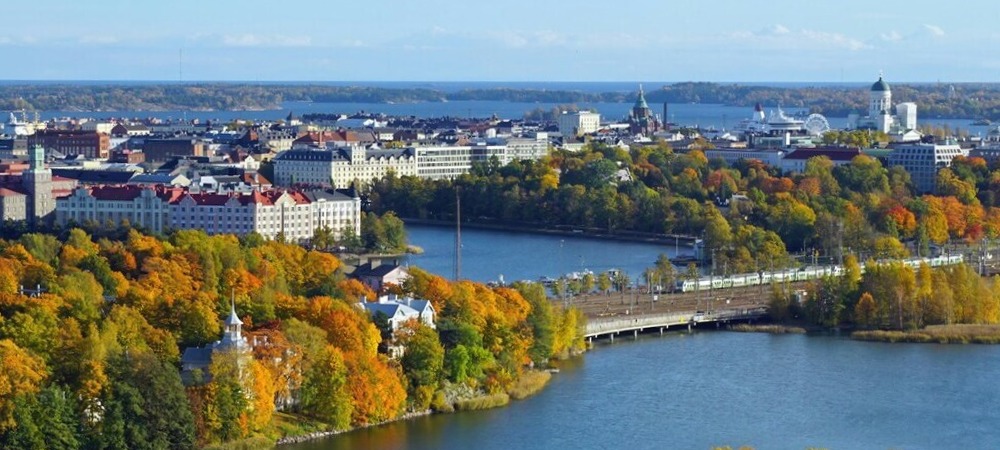
The number of expats moving to Helsinki has grown thanks to its healthy economy and high standards of healthcare and education. Finland’s capital city continues to lead the way in design and culture. Many areas and suburbs feature contemporary architecture and inventive cuisine.

The wide avenues of Helsinki are lined with buildings that showcase centuries of architectural excellence, from the neoclassical era through to Art Deco and cutting-edge contemporary buildings. Expats will find Helsinki lacks none of the sophistication of home; it may even surpass it.

Living in Helsinki as an expat

Living in Helsinki as an expat means settling in Finland’s largest city, situated in the Uusimaa region on the country’s southern coast.

Spread across a cluster of promontories and peninsulas, it is the political, educational, financial, and cultural centre of Finland.

As an economic hub, many foreign companies have bases in this region, and the city’s job market draws in many expats. Helsinki has something for everyone when it comes to entertainment and lifestyle, and its prolific coffee culture will be of particular interest to coffee lovers.

The cold may put a damper on the mood, but a traditional Finnish sauna will raise the spirits. The country’s housing is well equipped to handle the cold and keep residents cosy.

Whether you are moving alone or as a family, public transport makes getting around easy. Helsinki is also a gateway to Finland’s vast countryside, and Lapland in the north offers reliable sightings of the spectacular northern lights.

Public Transport in Helsinki
Lifestyle in Helsinki 

Cost of living in Helsinki

The cost of living in Helsinki is undeniably high, even by European standards. The city is one of the more expensive capitals in Northern Europe, although it remains slightly more affordable than some of its Scandinavian neighbours.

Helsinki is generally less costly than Copenhagen, although daily expenses still add up.

Accommodation is likely to be the largest expense for expats moving to Helsinki. The city is experiencing a housing shortage, which has led to high rental costs. Expats should factor these costs into salary negotiations with prospective employers.

Cost of Living in Finland
Renting Expat Accommodation in Helsinki 

Families and children in Helsinki

For families and children in Helsinki, there are plenty of things to keep everyone occupied. Parents will be pleased to know that both public and international schools provide an excellent standard of education.

Public schools teach in Finnish or Swedish, so expats with older children who do not plan on staying long should consider international schools. Helsinki also offers bilingual Finnish-English instruction in several public primary and lower secondary schools, which can be a cost-effective middle ground for expat families.

Healthcare in Finland is mainly provided based on residency and is primarily financed by general tax revenues. There are both public- and private-sector providers. Since 2023, primary health services have been organised by regional wellbeing services counties rather than individual municipalities, although they are still delivered through local health centres.

International Schools in Helsinki 
Education in Helsinki
Areas and Suburbs in Helsinki 

Climate in Helsinki

Summers in Helsinki (June to September) are warm and bright. Average temperatures range from a cool 59°F (15°C) to around 70°F (21°C) in July, the warmest month. Days are long and sunny; around the summer solstice, daylight lasts up to 19 hours.

Towards the end of September, temperatures cool down sharply as days grow shorter. The first snowfall can occur in November, though permanent snow cover typically forms closer to December.

The city is blanketed by snow in winter (December to March), and temperatures plummet well below freezing. In particularly cold winters, the sea itself freezes over. Daylight is scarce; around the winter solstice, Helsinki sees only about six hours of light.

Despite harsh winters, expats can make the most of their time in one of Northern Europe’s most attractive destinations. Helsinki’s accessible social services and its human-made and natural wonders reward those willing to brave the cold.

Accommodation in Helsinki

Most expats choose to rent rather than buy accommodation in Finland – it’s the simple option, particularly for those staying short term. Employers usually help expats find a place to live, and if not, the services of an estate agent are helpful, especially given Helsinki’s rental market, which can move quickly.

Helsinki, Finland’s capital city, is a hub of economic and social activity that draws international students and workers, making it one of Finland’s most expensive places to live.


Areas and suburbs in Helsinki

With eight major districts and more than 30 minor districts, Helsinki offers expats many different areas and suburbs to find a home in. As a city known for innovation, stunning architecture, and the arts, Helsinki’s neighbourhoods are distinct. Most expats will not need to worry about access to key amenities, as the city is largely walkable and boasts an excellent public transport infrastructure.

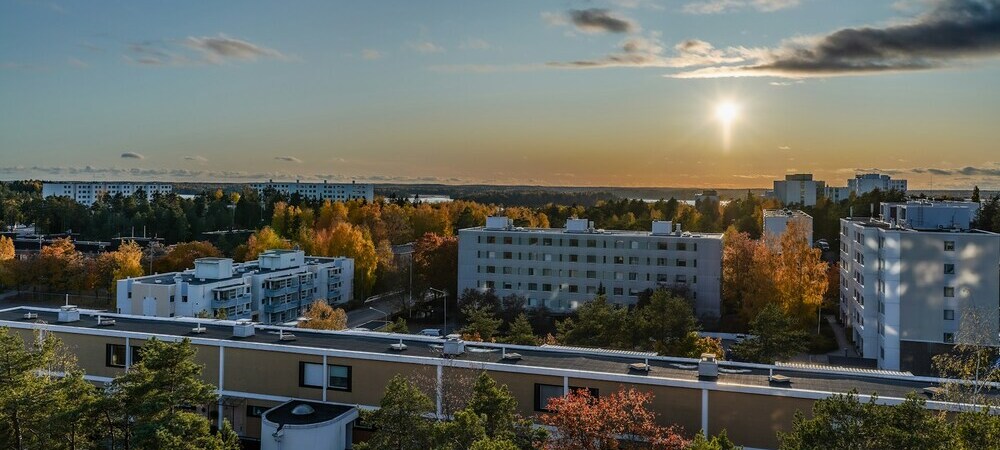
Eastern Helsinki is known for its post-war apartments and green spaces, and several neighbourhoods here offer affordable rents. Herttoniemi and Itäkeskus are popular choices in the east, and Itäkeskus is home to one of Finland’s largest shopping centres. Kallio, often considered Helsinki’s cultural heart, attracts young professionals and creatives with its lively café and bar scene. Töölö, close to the city centre, is a well-established neighbourhood popular with expat professionals and families.

Families and young professionals looking for quieter areas in Helsinki are also well catered for. Most of the housing in Helsinki’s city centre is in the form of apartments, so expats looking for single-family homes will likely need to move to the outskirts of the city. Some of the most family-friendly areas in Helsinki include Töölö, Lauttasaari, and Viikki.

For expats on a budget, accommodation in surrounding neighbourhoods and even nearby cities such as Vantaa and Espoo can be more suitable. Although these areas are not in the city centre, they host an interesting mix of young international students, working professionals, and entrepreneurs. Families with children should also factor in how far the accommodation is located from schools and how easy it is to get around.

Areas and Suburbs in Helsinki


Types of accommodation in Helsinki

Types of accommodation in Helsinki

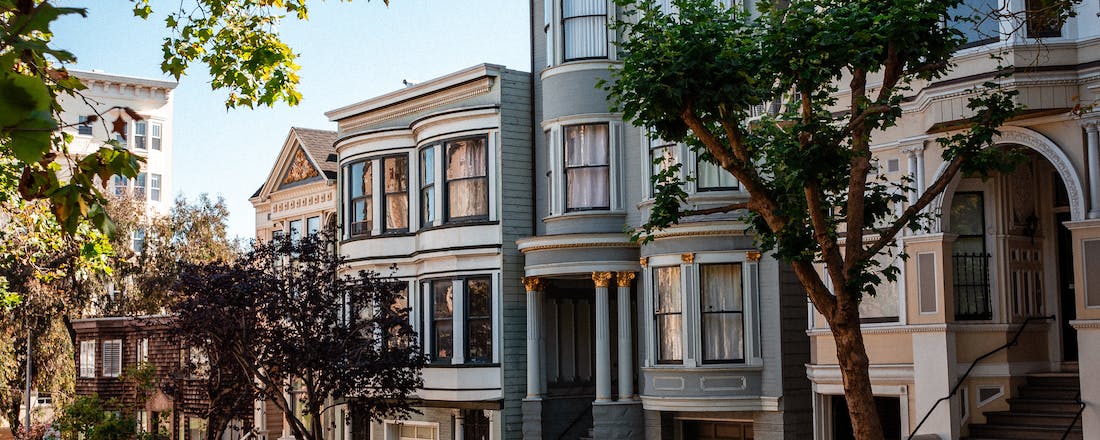
Accommodation in Helsinki’s centre usually comes in the form of apartments. Freestanding houses are hard to find in the city, and those who want a larger family home with a garden will need to look to the outskirts. Helsinki’s public transport network is efficient, so the commute is often manageable.

Expats should be able to find a range of furnished and unfurnished accommodation in the city. Furnished accommodation may be harder to find and is generally more costly, but it usually contains everything a new arrival will need to feel comfortable.

New arrivals often perceive renting in Finland to be quite different from their home country. Basic items such as light fittings, carpets and curtains aren’t necessarily included in all rental properties, but amenities such as a fridge and washing machine might be.

Municipal vs private rental accommodation

Finnish municipalities own apartments for rent. In Helsinki, these are managed by Heka (Helsingin kaupungin asunnot Oy), the city’s municipal housing company. Expats with a valid residence permit can apply for municipal housing through the City of Helsinki website. The catch is that the waiting lists are long, so it’s advised to start planning long in advance or to look into areas outside of Helsinki, such as Espoo and Vantaa. While privately owned flats can be found more quickly, they are pricier. 

Useful links


Finding accommodation in Helsinki

A good place to begin searching for a home in Helsinki is on established online property portals. Vuokraovi and Oikotie are the two largest rental property portals in Finland. Kodisto and HousingAnywhere also list properties accessible in English. Forenom offers serviced apartments suited to short- to medium-term stays, which can be useful as a landing pad on arrival. Expats can also post their own adverts looking for accommodation.

While estate agents in Helsinki can quickly find a property that meets an individual’s needs, their fees are high compared to international standards. Relocation companies are another good option; some providers offer house hunting as part of their moving packages.

Occupancy rates for apartments in Helsinki are high, and nice rental properties are snapped up quickly. Speaking to friends and colleagues can be useful, as some apartments are rented through word of mouth before appearing on portals.

Useful links


Renting accommodation in Helsinki

Making an application

Once expats find a suitable property in Helsinki, they need to act fast to secure it. It’s important to fully understand what is included in the rental agreement and check with the landlord regarding how furnished the accommodation is before signing a lease. Finland has two main types of tenancy agreements: fixed-term and open-ended contracts. Many private landlords set a minimum rental period of 12 months, although this varies.

Leases

Tenants can sign a fixed-term lease agreement to reside in an apartment until an agreed-upon date decided by them and the landlord. Fixed-term leases (määräaikainen vuokrasopimus) are useful for expats who know how long they plan to stay in the area and how long they wish to reside in the property. If expats decide to extend their stay, they must agree with the landlord and sign a new lease.

For a more flexible and open-ended alternative, expats can sign a lease valid until further notice (toistaiseksi voimassa oleva vuokrasopimus). For new arrivals who don’t know how long they will stay, this option is attractive as they can end or extend their stay as required. The downside is that landlords may also terminate the lease.

Deposits and fees

Tenants are expected to put down between one and three months’ rent as a security deposit. The cost of any damages to the property will be deducted from this when the contract is terminated.

Terminating the lease

Under Finnish law, tenants must give one calendar month’s notice, while landlords must give three months’ notice (or six months if the tenancy has lasted a year or more). These statutory notice periods cannot be shortened by agreement.

Useful links


Utilities in Helsinki

Utilities in Helsinki

Some dwellings may have a laundry room, a parking space, and a sauna – amenities that are common in Finland. A fee may be charged for these facilities, but this can be discussed with the landlord. Some utilities, such as water, may be included in the monthly rental fee, so expats will likely not have to worry about them.

Water

HSY (Helsinki Region Environmental Services Authority) supplies and treats the water in the Helsinki metropolitan area. Water is often included in monthly rental costs, although dwellings may have a water meter, and if excessive amounts of water are used, this becomes an additional cost.

Electricity

Finland operates a deregulated electricity market, allowing residents to choose electricity suppliers. Tenants are usually expected to pay for their electricity and sign a contract with an electricity provider themselves. The Energy Authority maintains an official price comparison tool at sahkonhinta.fi.

Gas

As most apartments in Helsinki have centralised heating systems, heating is generally included in the rent. Sometimes, if it is oil or electricity-based heating, it is an additional expense. Most households in Helsinki use district heating, which means heat is generated at plants and distributed to households in each district. In detached houses, heating is generally paid for by the tenant.

Bins and recycling

The HSY oversees waste management in Helsinki and encourages sorting waste at home. Most apartment and commercial buildings will provide sorting containers for biowaste, paper, carton, glass, metal, plastic, and mixed waste. Supermarkets in Finland usually offer bottle-return machines, so residents can reduce their waste and earn some money back.

Useful links

Areas and suburbs in Helsinki

The best places to live in Helsinki

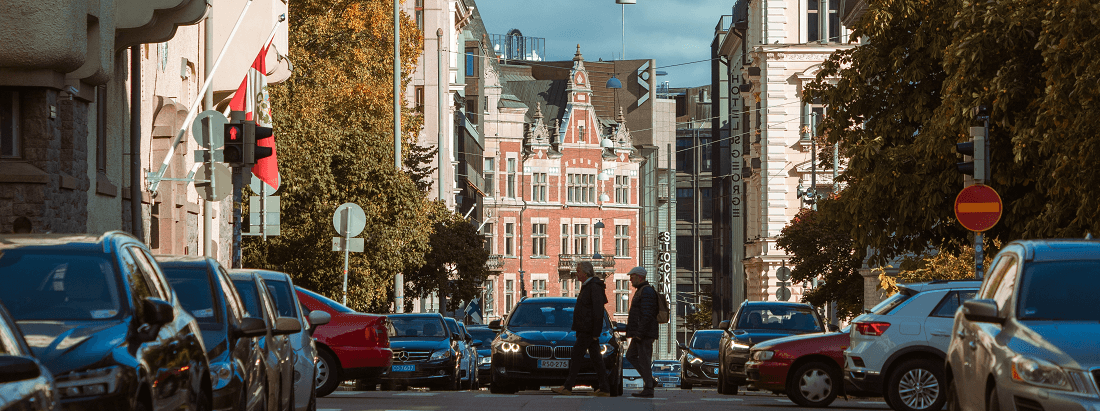
The areas and suburbs in Helsinki range from dense urban neighbourhoods to leafy pockets backed by forest and waterfront. The city is walkable, and public transport connects even the outer suburbs and neighbouring cities with ease.

While expats often look at central areas such as Ullanlinna and Kamppi, they shouldn’t dismiss neighbourhoods and towns a bit further out. Whether it’s to live in or for a getaway or day trip, nearby cities such as Porvoo, one of Finland’s oldest towns, are well worth the trip.

Your budget will be the biggest factor determining where you live in Helsinki. Other things to consider include proximity to work and schools, and whether the neighbourhood suits your lifestyle.

These are some of the city’s most popular expat neighbourhoods.


Areas for young and single professionals in Helsinki

Areas for young and single professionals in Helsinki

Töölö

Built in the first half of the 20th century in response to a major housing crisis, Töölö is an excellent example of Nordic Classicism and is home to a wide array of trendy boutiques and cafés. Set against Töölö Bay, this is a beautiful area to live in.

It’s a lively neighbourhood where residents can buy fresh produce from the small local market square. Excellent transport links make getting around the rest of Helsinki easy. Töölö is split into two neighbourhoods: you can stroll through the park and see the Sibelius Monument in the northern neighbourhood, or visit Parliament House in the southern one.

Kallio

This once rundown Helsinki neighbourhood used to house many of the city’s lower-income residents. Today, it is one of the most densely populated urban areas in Finland and the epicentre of city culture in Helsinki. The area feels like a laid-back residential area and is popular with bohemian artists, young creatives, professionals, and expats alike.

Kallio is home to an eclectic assortment of art galleries and boutique shops, and those who enjoy eating out will find a host of good restaurants in the area and an array of international cuisines. There’s always something to see and do in Kallio, be it a concert at Kallio Church or picking up artisanal crafts and local delicacies in Hakaniemi Market Hall.

Both the young and elderly reside in the small apartments of Kallio. Lower rental prices in Kallio draw in many new arrivals, although the area’s growing popularity and gentrification mean that rents are not as low as they once were.

Punavuori

Creative and trendy young professionals looking to be within an art district should look no further than Punavuori. This neighbourhood is known for design shops, eccentric cafés, and art galleries. The housing in the neighbourhood is varied and consists of apartments in converted industrial-style buildings. It is home to one of the city’s most popular parks, Sinebrychoff.

Public Transport in Helsinki
Working in Helsinki


Family-friendly suburbs in Helsinki

Family-friendly suburbs in Helsinki

Itäkeskus

Located in eastern Helsinki, just a few kilometres from the city centre, Itäkeskus offers functional and affordable apartment accommodation. The highlight of the area is the Itis shopping centre, one of the largest shopping centres in the Nordic region.

Itäkeskus is served by efficient public transport and road links, which make it easy to get to other parts of the city.

Viikki

Not far from the city centre lies the ecological heart of Helsinki. Viikki is home to some of the finest parks and natural areas in Helsinki, including the Viikki Vanhankaupunginlahti nature reserve.

The University of Helsinki’s Viikki Campus is located here. It is a hub for life sciences and supports many jobs in the area. There are also several good schools in the area, and it is a great neighbourhood in which to raise a family.

Eira

Home to luxurious properties and gorgeous sea views, Eira hosts many embassies in a peaceful and quiet environment. Most of the houses in the area are upscale and beautifully designed. Expat families can enjoy plenty of outdoor activities, while the neighbourhood also has many quaint restaurants that make for excellent family outing spots.

Accommodation in Helsinki


Nearby cities to Helsinki

Nearby cities to Helsinki

Espoo

For residents who find Helsinki rent too high, Espoo offers a more affordable alternative. It is outside of Helsinki, but the metro now links the two cities directly. Bus and commuter train routes round out the options. Expats may even be able to find jobs in Espoo itself; it is Finland’s second-largest city and has all the amenities an expat could need.

Vantaa

While Vantaa is outside the city centre, the area of Kartanonkoski is a quiet and peaceful, leafy suburb. Families may find this an ideal area thanks to the proximity of a reputable international school. There are also bus links into the city.

Schools and Education in Helsinki

Education and Schools in Helsinki

The standard of education and schools in Helsinki and Finland as a whole is regarded as among the highest in the world. Expats moving to Helsinki with children can count themselves lucky to be in a country with such an impressive learning culture. Finland’s fantastic social welfare extends to quality education and learning support for foreigners.

Children may have longer recess periods and less homework than in other countries, while teachers are highly valued and hold master’s degrees as standard. Education in Finland may come across as unorthodox, but the country has a proven track record of academic excellence and a culture of individual attention that helps children overcome their most difficult learning challenges.


Public schools in Helsinki

Public schools in Helsinki

Public schools in Helsinki are open to all expat children legally residing in Finland, at no cost. Lessons are taught mostly in Finnish or Swedish, and as a result, public education is more often taken up by those who intend to stay in the country long term or those with young children who can pick up the language quickly. That said, there are some multicultural preparatory education programmes that implement bilingual support to better integrate children and families into Finnish society.

Finnish public schools boast high standards, and there is often little difference in the quality of education from one school to the next. School meals, textbooks, and transport are all provided free of charge. The Finnish education system covers everything from early childhood education to higher education. Several public schools in the Helsinki capital region also offer English language or bilingual streams at no cost, which can be a practical middle ground for expat families who don't want to send their children to an international school.

Pre-primary education

Pre-primary education begins at age six, one year before children start basic education. These schools are free, and attendance is compulsory.

Basic education

Primary education in Finland is called basic education or comprehensive school. From the year a child turns seven until they complete the basic education syllabus at age 16, comprehensive schooling is free and affords top-class learning environments.

Upper secondary school

Since 2021, upper secondary school has been compulsory in Finland; students must continue their education until they turn 18 or complete an upper secondary qualification. Young people choose between general education and vocational learning and training. General education, or lukio in Finnish, normally lasts three years and prepares students for university, awarding them a national school-leaving certificate.

Students who opt for vocational education learn the basic skills required in specific fields, preparing them for the world of work. With this, they can go on to work and study in universities. Vocational education and training are not limited to young people – adults can also apply.

Useful links


Private schools in Helsinki

Private schools in Helsinki are rare, as they are across Finland. Owing to the Finnish government’s regulations on educational institutions, even privately funded institutions are free of charge.

These private schools have slightly more leeway in determining their curriculum and language of instruction. The differentiating factor between public and private schools in Helsinki is that private schools may have more difficult entrance requirements and admissions processes. A small number of private schools operate without state funding and may charge fees, but they cannot issue official certificates.

Many private schools are faith-based, and parents who follow a religion may prefer these. Some private institutes are Steiner schools that focus on creativity and imagination as well as artistic, intellectual, and practical skills.

Useful links


International schools in Helsinki

International schools in Helsinki are often the preferred option for expat families on short-term assignments. The biggest advantage of these schools is that they allow students to continue studying a curriculum they’re familiar with, usually in their home language.

There are several international schools in Helsinki that cater to children from countries such as the UK, Germany and France. Fees are high, though, and many of these schools have long waiting lists, so expats should apply as early as possible to secure a place for their child. Some public schools in the wider Helsinki metropolitan area (Espoo, Vantaa) also offer international-style programmes at no cost, which can be a viable alternative for families planning a longer stay.

Read more about the Best International Schools in Helsinki

Useful links


Special educational needs in Helsinki

Special educational needs in Helsinki

Special educational needs in Helsinki are well supported by Finland’s commitment to recognising the diverse learning requirements of all children, including those with multicultural backgrounds who do not speak Finnish or those with special needs or talents. Special education is available and accessible at every level of education, aiming to integrate all students. Learning environments strive to remove physical and learning barriers by providing support and early intervention.

Municipalities and schools are required to provide special needs support and individualised learning plans, cooperating with teachers, teaching assistants, specialised professionals, and families. Finland uses a three-tier support model (general, intensified, and special) that allows students to move between levels of support as their needs change.

Useful links


Tutors in Helsinki

Tutors in Helsinki

It's easy to find tutors in Helsinki. Online platforms make it straightforward to connect with tutors for any subject or skill level, and you can arrange to meet in person or take lessons remotely. It may be useful to get a tutor to help you learn some Finnish and overcome language barriers as you settle in Helsinki. The City of Helsinki also runs free language cafés and discussion groups across the city, which are a good complement to paid tutoring.

Useful links

International Schools in Helsinki

Owing to shorter stays and difficulties in learning Finnish, many expats choose to send their children to international schools in Helsinki. The biggest advantage of these schools is that they allow students to continue studying a curriculum they’re familiar with, often in their home language.

International schools in Helsinki also offer extracurricular programmes aimed at well-rounded student development. These institutions are often fairly pricey, but the rigorous academic standards and excellent facilities tend to justify the expense.

Parents looking to enrol their children in international schools should be mindful of the school’s distance from their homes and workplaces, as a long commute can be inconvenient. That said, some schools will offer bus and lunch services, often at an additional cost.

International schools can be difficult to get into, so parents should plan well in advance and contact the schools directly for a full list of entrance requirements. Parents should ensure they have their children’s academic and medical records ready and that they help prepare their children for any admission examinations the school may require.

Below is a list of some of the top international schools in Helsinki.


International schools in Helsinki

International schools in Helsinki

Deutsche Schule Helsinki

The Deutsche Schule Helsinki offers students the opportunity to learn both the German and Finnish languages and cultures in a small group setting. Established in 1881, it is the oldest international school in Helsinki. The school offers German and German-Finnish streams to its roughly 700 students and places equal emphasis on academic success and personal development.

Gender: Co-educational 
Curriculum: German 
Age: 3 to 18 
Website: www.dsh.fi

École Française Jules Verne

École Française Jules Verne is a small French-curriculum school that prides itself on providing individualised education. It is part of the Agency for French Education Abroad (AEFE), the world’s largest network of French schools abroad. More than 10 nationalities are represented in the student body, and instruction is in French and English. The school has partnerships with the European School of Helsinki and the French Finnish School of Helsinki. Families who live in the city can therefore continue their children’s education at any of these institutions.

Gender: Co-educational 
Curriculum: French 
Age: 2 to 10 
Website: www.ecolejulesverne.fi

The English School

The English School offers the Finnish Core Curriculum. Its approach centres on phenomenon-based learning, which enables students to make real-world connections to the theory they study. As a bilingual school, the English School is home to about 700 students who are provided with a motivating learning environment where academic excellence is the priority.

Gender: Co-educational 
Curriculum: Finnish 
Age: 5 to 19 
Website: www.engs.fi

The International School of Helsinki

The International School of Helsinki (ISH) is a truly globally minded school whose mission is to develop students’ unique talents through individualised learning. Around 500 students from more than 50 nationalities attend the school. ISH became Finland’s first fully IB-accredited school in 2005 and holds accreditation from the New England Association of Schools and Colleges (NEASC) and the Council of International Schools (CIS). The school has a technology programme integrated with its IB curriculum to inculcate key digital skills in students. ISH’s pedagogical approach is based on inquiry-based and student-centred learning. The goal is to develop lifelong learners.

Gender: Co-educational
Curriculum: International Baccalaureate 
Age: 4 to 19 
Website: www.ishelsinki.fi

Lifestyle in Helsinki

The lifestyle in Helsinki has a rare quality for a capital city: cultural clout at a manageable, walkable pace. Whether you want to spend a morning in the Design District or an afternoon on the ski slopes just outside the city, there is plenty to keep you entertained year round.


Shopping in Helsinki

Shopping in Helsinki caters to all tastes. If you are after designer furniture, the latest fashions, antique jewellery, organic food, or a particular foreign delicacy, you will find it here.

Helsinki’s Design District and Kämp Galleria are good starting points; the former fills several streets with jewellery shops, design collectives, antique shops, fashion boutiques, art galleries, and showrooms, while the latter is a stylish shopping centre between Aleksanterinkatu and Esplanadi Park. The city is also home to open-air markets where you can browse traditional foods, sweet treats, handicrafts, and souvenirs in a relaxed, sociable atmosphere.


Arts and culture in Helsinki

Arts and culture in Helsinki

You could happily fill every weekend with arts and culture in Helsinki; the city has dozens of museums and galleries. The most popular venues include Amos Rex, Ateneum Art Museum, the Bank of Finland Museum, and the Helsinki City Museum.

The city also has a prominent theatre scene. The Finnish National Theatre presents everything from historical plays to experimental productions, and several Helsinki theatres now offer English surtitles. Smaller, high-quality theatres and independent showhouses are scattered throughout the city.


Eating out in Helsinki

The Finns enjoy giving contemporary twists to traditional favourites, and eating out in Helsinki is all the better for it: the restaurant scene is widely regarded as one of Europe’s finest. Locals favour poultry and fish dishes, especially Baltic herring and vendace (muikku in Finnish). If you want to sample local flavours, Helsinki’s take on New Nordic Cuisine will not disappoint; the city’s best kitchens rival anything the Nordic region has to offer.

New arrivals may be surprised to find that reindeer is more than Christmas folklore; the meat is a genuine Finnish staple, often served with mashed potatoes and lingonberry sauce. If you crave a taste of home, Helsinki also has a wide selection of international restaurants.


Nightlife in Helsinki

The nightlife in Helsinki may not have the international reputation of Copenhagen or Berlin, but you will not be short of options for a night out. Certain areas and streets, especially the city centre along Uudenmaankatu, are popular for clubs and bars.

Bars get busy around 9pm. Alcohol is pricey by European standards, but you can count on good music and a friendly crowd. Locals often pre-drink at home before heading out later in the evening, so do not be put off if bars seem quiet early on.

Those who are into the club scene have plenty to choose from: electronic and rock both have dedicated nights and venues. Clubs regularly host live music and DJs.

Live music festivals pop up throughout the year and are especially common in summer, when the city draws local and international musicians alike. Many festivals also feature urban art and other creative programming.

Areas and Suburbs in Helsinki


Sports and outdoor activities in Helsinki

Sports and outdoor activities in Helsinki

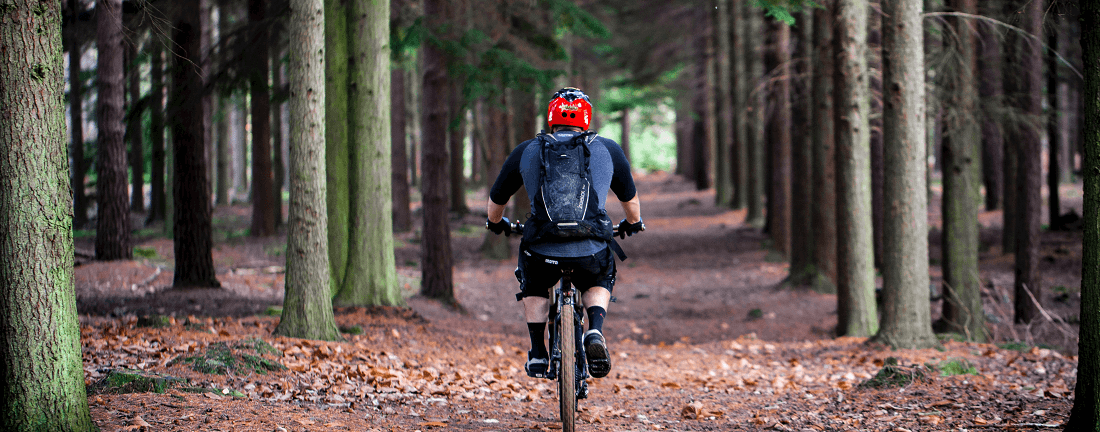
There is no shortage of sports and outdoor activities in Helsinki, thanks to the city’s long coastline and ample green spaces. You can try golf, mountain biking, wildlife watching, and running without travelling far. The terrain is relatively flat, although there are enough hills for a good hike or a scenic picnic spot. Fishing is freely available along the coast; if you are between 18 and 69 and plan to use a rod and reel, you will need to pay the national fisheries management fee. Simple angling with a hook and line or ice fishing is free of charge regardless of age.

The city moves between seasons in striking fashion: in summer, you have long daylight hours for cycling and kayaking, while winter opens up cross-country skiing and downhill slopes at small resorts just outside the city. Gyms and fitness centres are plentiful year round.

Ice hockey and football (soccer) draw the largest crowds of spectators in Helsinki. HIFK and HJK Helsinki are the city’s main football clubs, and they both play at Bolt Arena in Töölö. HIFK’s ice hockey team competes at the Helsinki Ice Hall. The Helsinki Olympic Stadium, which was recently renovated, hosts national team fixtures and major events.


Kids and families in Helsinki

Finland is exceptionally child friendly, and Helsinki is no exception. Below are some of the most popular family-friendly spots for kids and families in Helsinki.

Harakka Nature Centre

Situated on an island a few minutes from Kaivopuisto by ferry, Harakka is open from May to September. Entrance is free, and the island’s coastal meadows and rocky shores are home to an impressive variety of birdlife and plant species. Guided tours run on Saturdays, although these are typically conducted in Finnish.

Seurasaari Open-Air Museum

For a bit of history, you can learn about the traditional Finnish lifestyle at the Seurasaari Open-Air Museum, which is made up of many buildings scattered across a forested area.

Korkeasaari Zoo

Home to over 150 species, the zoo emphasises animals suited to Finland’s cold climate: you will find Amur tigers, snow leopards, wolverines, and wild reindeer roaming outdoors year round. Opened in 1889, Korkeasaari is one of the oldest zoos in the world. Two tropical houses, Amazonia and Africasia, let you step indoors to see smaller species from warmer regions.

Theme parks in Helsinki

Linnanmäki, one of Finland’s most popular amusement parks, is free to enter; you only pay for rides. All profits go to the Children’s Day Foundation, a child welfare charity. Serena Water Park in Espoo is fun for all ages and has both indoor and outdoor pools.

Helsinki City Museum and Children’s Town

The Helsinki City Museum is enjoyed by parents and children alike. Adults can learn about the city they live in, while younger visitors do the same in the museum’s Children’s Town section, where Helsinki’s history comes alive through play and hands-on activities. Admission is free.


Where to meet people and make friends in Helsinki

Building new relationships is often the biggest challenge of moving abroad. Below are some of the places where you can meet people and make friends in Helsinki. Online platforms such as Meetup are also a good way to find interest-based groups and regular social events in the city.

The International English Speakers’ Association of Finland

The International English Speakers’ Association of Finland has more than 8,000 members from around the world, and membership is free. The association organises regular social events, pub quizzes, and playgroups, and can be a lifeline for families settling into life in Finland.

Lions Club Helsinki

If you want to make a positive impact while building relationships, Lions Club Helsinki coordinates volunteering activities throughout the city and has a highly diverse membership.

International Wine and Food Society

Foodies and wine aficionados will enjoy the association’s intimate events, where members share knowledge about food and wine pairings in a relaxed, convivial setting.

Cultural Centre Caisa

Performance art and culture lovers can practise their craft and build friendships at the Cultural Centre Caisa, which hosts exhibitions, concerts, and arts workshops.

Useful links

Getting Around in Helsinki

Getting around in Helsinki by public transport is straightforward and efficient. People can commute easily to and from the suburbs and around the city centre for work and school. Most expats in Helsinki elect not to buy a car, as parking is limited and expensive.

Public transport is generally faster and more cost effective. The network includes buses, trains, trams, the metro, and the Suomenlinna ferry.


Public transport in Helsinki

Public transport in Helsinki

The city has an integrated public transport network coordinated by the Helsinki Region Transport Authority (HSL). Tickets are valid on buses, commuter trains, the metro, trams, and the Suomenlinna ferry.

Tickets can be bought from a kiosk, a ticket machine, or online through the website and HSL app. Expats who plan to commute regularly should get a reloadable travel card.

Helsinki public transport is split into four zones (A, B, C and D), covering not only Helsinki but also Espoo and Vantaa. Expats should buy their tickets based on the zones they will be travelling in, and can find more information on the HSL website. The Helsinki Card, a tourist pass for attractions and public transport, includes unlimited travel in zones AB (City version) or ABC (Region version) for its duration.

HSL generally operates an honesty system on trains, trams, and the metro, but inspectors do random checks, and those caught without a valid ticket will face a hefty fine.

Using public transport at night can be tricky because most trains, trams, and the metro stop running around midnight. A limited night bus network operates on weekends, but journeys can be slow.

Trams

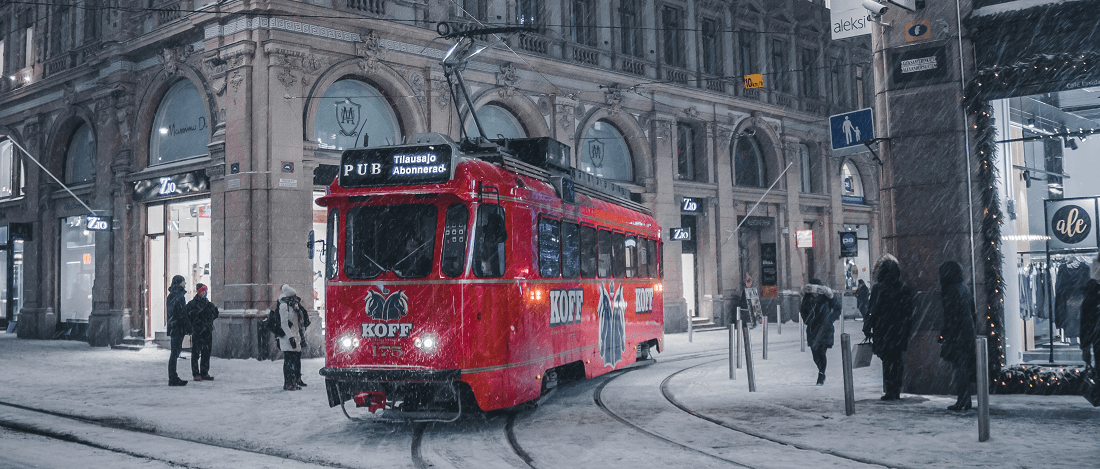
Helsinki’s tram network is a scenic way to get around within the city limits. It’s one of the main forms of transport around the city centre and is popular with tourists, too. Trams offer new arrivals an excellent opportunity to get to know their new home, sightseeing and soaking in the city’s architecture. Expats should note that tickets cannot be purchased from drivers on trams, so they should ensure they are well prepared for their tram rides.

Buses

The bus network covers areas and suburbs well beyond the city centre and across the capital region. The main hubs are at Eliel Square, Railway Square (Rautatientori) and Kamppi Centre. Long-distance buses depart from the Kamppi bus terminal, and trips servicing the airport depart regularly from various hubs.

Buses run regularly on most routes, and it’s best to check the HSL website when planning a journey.

Metro

Helsinki’s metro extends well beyond the city centre. The line runs from Kivenlahti, Espoo, to Helsinki’s city centre and its eastern suburbs. There are two main lines, Kivenlahti–Vuosaari and Tapiola–Mellunmäki, and they run quickly and efficiently with short waiting times, especially during peak hours. For expats commuting between Espoo and Helsinki, the metro provides a useful mode of transport.

Trains

Suburban trains leave from the Central Railway Station and branch out in three directions. There is the Tampere line running from Riihimäki via Tikkurila, the Turku line running from Kirkkonummi via Espoo, and a line from Vantaankoski via Myyrmäki.

While the Helsinki Card and HSL tickets are valid around the greater capital area, a commuter train ticket is needed when travelling further afield beyond Helsinki’s municipalities.

Boats and ferries

Helsinki is a coastal city facing an archipelago of over 300 islands. HSL-issued public transport tickets and the Helsinki Card are both valid for use on the Suomenlinna ferry, which connects various islands, where expats and locals enjoy the natural scenery. Other private ferry companies operate different routes and timetables, and separate tickets must be bought for these.

Useful links


Taxis in Helsinki

Taxis are readily available and generally easy to find in Helsinki. Available taxis, identified by a yellow light on their roof, can be hailed from the street at various taxi stands, including Helsinki Central Station and around Senate Square, Esplanade Park, and ferry terminals. Taxis, convenient as they may be, are a pricey way to get around. Finland’s taxi market was deregulated in 2018, so fares vary considerably across companies; it is wise to check the estimated fare before booking.

Ride-sharing apps such as Uber and Bolt are available too. Booking a ride using an app can help avoid misunderstandings if you don't speak Finnish or the driver doesn't speak English. 

Cost of Living in Helsinki

Useful links


Driving in Helsinki

Driving in Helsinki

Driving in Helsinki’s city centre is not recommended. It is easier to walk, cycle, and use public transport. Avoiding congestion and keeping pollution to a minimum are prioritised, so drivers coming into Helsinki from further away are encouraged to use Park and Ride facilities at various public transport stations to continue the commute by other modes.

Parking is charged on most city centre streets during the week and in the CBD on Saturday, quickly adding up. Fees vary by parking zone.

To get out and about and see more of the region and country, many expats rent a car from one of the many international car hire companies. Drivers should remember to use headlights at all times and to drive on the right-hand side of the road. Winter tyres are legally required from 1 November to 31 March when conditions demand it. In some cases, an International Driving Permit may be needed.

Driver’s licences

Expats from EU/EEA countries can drive on their existing licence for as long as it remains valid. Those from countries that have ratified the Geneva or Vienna Road Traffic Convention (including Hong Kong and Taiwan) can exchange their valid foreign driver’s licence for a Finnish one, but must do so within two years of establishing permanent residence in Finland.

Those who are not from EU/EEA countries or Contracting States will need to pass a theory test and a practical driving test to obtain a Finnish driver’s licence. A medical certificate is also required.

Useful links


Cycling in Helsinki

Cycling in Helsinki

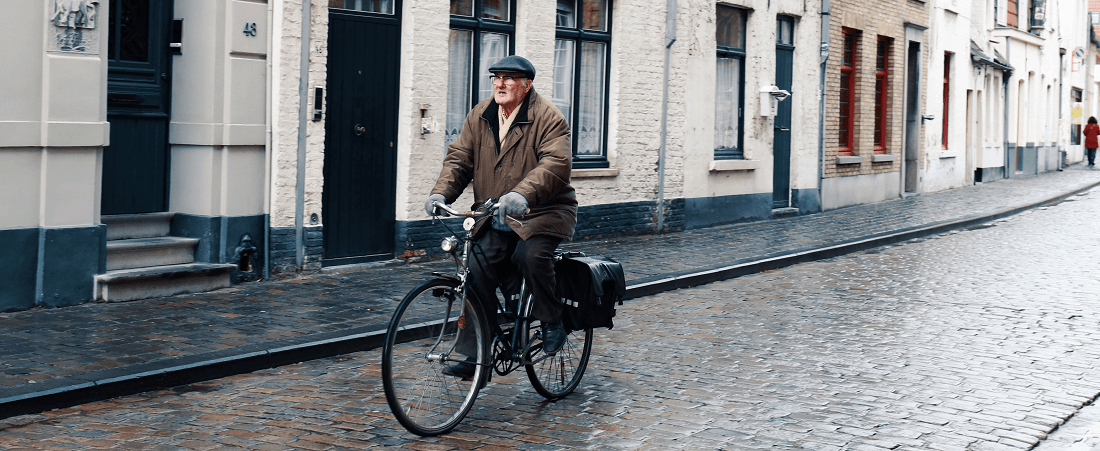
Avid cyclists will be pleased to know that Helsinki has an extensive network of bike lanes that are marked with blue signs. Cyclists are required to stay in their designated lane, and cycling is allowed on pedestrian streets if the bike is fitted with a bell.

The most popular cycling route in Helsinki is the Baana, a pedestrian and cycling corridor that stretches roughly 0.8 miles (1.3km) through the city centre. It is part of a wider Baana network of high-quality cycle paths, planned to reach 87 miles (140km) once complete. Expats who don’t own a bike will find several rental options. The yellow Helsinki City Bikes are available seasonally from April to October through HSL, and private operators such as Ecobike offer year-round rentals.

Useful links


Walking in Helsinki

Helsinki is a highly pedestrianised and relatively flat city. Walking is one of the easiest ways of getting around the city; it’s free, healthy, and allows new arrivals to get to know their surroundings on foot. In winter, icy pavements can be treacherous, so ice cleats for shoes (known locally as liukuesteet) are a worthwhile purchase.