
The standard of education and schools in Pakistan is not at the level most expats may be used to. Less than 70 percent of primary school children complete their education, and millions more are out of school entirely. The country suffers from a high illiteracy rate and gender disparity. Another criticism of the Pakistani education system is the focus on rote learning rather than critical thinking. For these reasons, most expats in Pakistan choose to send their children to international schools.
Public schools in Pakistan
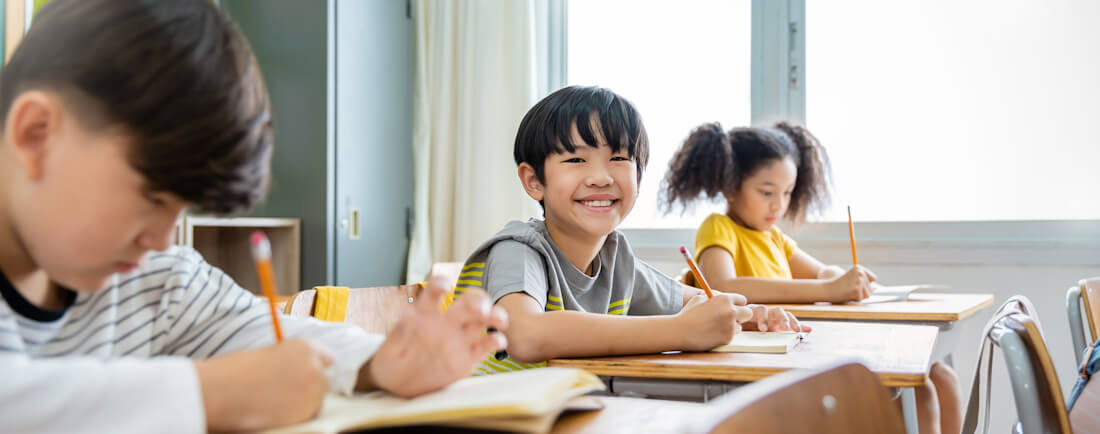
Public schools in Pakistan offer free education, and schooling is compulsory by law for children between the ages of five and 16. The education system in Pakistan is usually divided into pre-school (ages three to 5), primary school (ages six to 10), middle school (ages 11 to 13), and secondary school (ages 14 to 18).
Even though there is nothing stopping expat children from attending public schools in Pakistan, most expat parents don’t pursue this option for various reasons, but mainly because of the poor quality of education and lack of decent facilities. There are also cultural differences to contend with, as well as the approach to learning and discipline.
English and Urdu are the languages of instruction at public schools in Pakistan. Many schools follow a curriculum inspired by the British system, and religious instruction is strongly emphasised.
Useful links
- Inter Boards Coordination Commission (IBCC)
- UNESCO GEM Report: Addressing Out-of-School Children in Pakistan (2026)
Private and international schools in Pakistan
There are a few private and international schools in Pakistan that follow various curricula. Most of these schools are located in Islamabad, Lahore, Karachi, and Hyderabad.
A number of the most prestigious private schools are boarding schools, although most private and international schools are day schools. The standard of teaching and the quality of facilities tend to be far superior to those found at Pakistani public schools. These institutions also offer students a range of extracurricular activities such as sports, music, drama, and art.
For expats moving to Pakistan for a short time, it makes sense to have their child attend an international school that follows the curriculum of their home country or the International Baccalaureate (IB) curriculum to maintain continuity. Another benefit of having one’s child attend an international school is that it allows them to mix with other expat children who may be facing similar challenges as they adjust to life in a new country.
School fees for both private and international schools are expensive. Expats relocating to Pakistan to take up a lucrative job offer should negotiate a sizeable allowance to cover school fees when discussing their employment package with the hiring company.
Useful links
Special educational needs in Pakistan
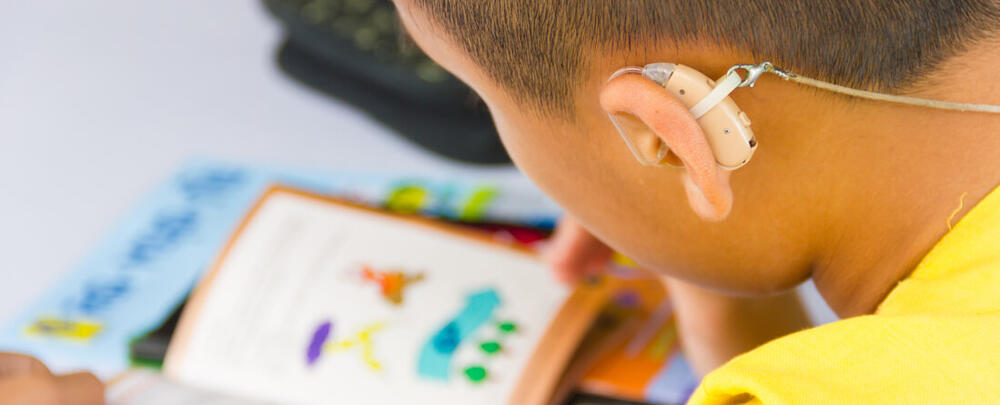
Special educational needs in Pakistan are not catered for as thoroughly as many Western expats will be used to. Special needs education is an area that is grossly neglected in Pakistan, and children with disabilities tend to be stigmatised rather than accommodated within the system.
The Pakistani government has put plans in place to create a system of inclusive schooling in which children with physical or mental disabilities can receive the support they need while learning alongside their peers in mainstream schools. It may be a while still before these plans are put into action. In the meantime, several special education schools in the country cater to a range of physical and mental disabilities.
Those who wish to send their child to a private or international school in Pakistan will discover that these schools are generally better equipped to address a broader range of learning needs than their public counterparts. Teachers at these institutions can also give each student more individual attention. It is recommended that expat parents do their research and contact individual schools for more information about the support they can provide.
Useful links
Tutors in Pakistan
Expats looking to provide their children with additional academic support may struggle to find suitably qualified tutors in Pakistan. Although they could approach advisers at their child’s international school for guidance, often the best bet is to find support online.
That being said, home and online tutoring is available across Pakistan. Tutors can help with school subjects, exam preparation, language acquisition, and the adjustment to a new curriculum. Most families find a good fit through school recommendations or one of the established tutoring portals, and word of mouth among other parents helps, too.