
Safety informs nearly every choice you’ll make about transport and driving in Pakistan. Public transport has improved in parts of the country, but it’s still a serious worry. Trains and buses have been targeted in attacks, especially in Balochistan. Traffic in the cities is heavy and often chaotic, and local drivers have a reputation for recklessness.
If you are moving to Pakistan, use public transport with caution and avoid it whenever possible. Most expats hire a car with a driver instead; the employer usually arranges and pays for it.
Public transport in Pakistan
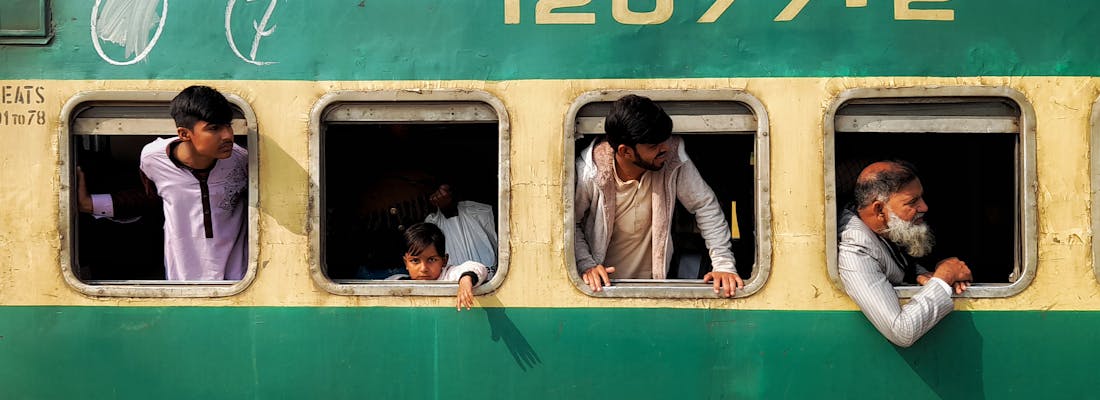
Public transport in Pakistan spans trains, intercity and city buses, auto-rickshaws, and modern bus rapid transit lines in the bigger cities.
Trains
Trains operate within and between Pakistani cities and are a popular means of getting around the country. While Pakistan’s train network does function adequately, it is by no means on par with systems in Europe or North America. Train travel may be a frustrating experience for expats from those regions accustomed to a higher standard of transport.
You can book train tickets online through the official Pakistan Railways site, although the process has been patchy for some time, and you will need a local mobile number and ID. Buy a few days ahead if you plan to travel by rail.
Trains are frequently targeted in terrorist attacks. The risk is highest in and around Balochistan, so avoid rail travel whenever possible.
Buses
Buses are the most popular means of intercity transport, and most cities also run their own local services. Bus travel is cheap, and you rarely need to book ahead, since you usually pay the driver as you board. On the busier intercity routes, established coach operators such as Daewoo Express run more comfortable, bookable services.
Buses carry the same safety caveats as trains. They are often overcrowded, and services have been attacked, especially in Balochistan. Weigh this up before travelling by bus.
Metro and bus rapid transit
Several big cities now run modern bus rapid transit (BRT) lines on dedicated lanes, a world away from the older bus network. Lahore has the Metrobus and the driverless Orange Line metro train; the twin cities of Islamabad and Rawalpindi share a Metrobus network; and Peshawar, Karachi, and Multan run their own BRT systems. These use fixed routes, electronic ticketing, set fares, and real-time tracking on some lines, which makes them more predictable than flagging down a bus or rickshaw.
Useful links
- Pakistan Railways: Schedules and Online Booking
- Punjab Masstransit Authority (Lahore, Rawalpindi, and Multan metro buses)
- TransPeshawar (Peshawar BRT)
Taxis in Pakistan
Taxis in Pakistan are easy to find in any city. Be wary, though: some drivers will try it on with foreigners who do not know the going rate, so agree the fare or insist on the meter before you set off. Women travelling alone should avoid taxis where possible, particularly after dark, and some cities now offer women-only or women-focused ride options aimed at exactly this. Booking a taxi by phone ahead of time is safer than flagging one down in the street.
Ride-hailing apps cover the major cities, and the ones in use include inDrive, Yango, and local players like Apni Sawari. You can hail cars and auto-rickshaws through these apps. Heavy traffic means waits can be long, so book ahead when you can to save time.
One upside of these apps is that you can follow your car’s location on your phone in real time.
Auto-rickshaws
Auto-rickshaws are a popular way to get around Pakistani cities. Agree on a fare before you climb in, which saves you from being overcharged or haggling at the end of the trip. Pollution has prompted authorities to rein in older two-stroke models, and many have been banned. The government has since turned its attention to electric rickshaws. Its New Energy Vehicle Policy offers subsidies for cleaner electric two- and three-wheelers, rickshaws among them.
Useful links
Driving in Pakistan
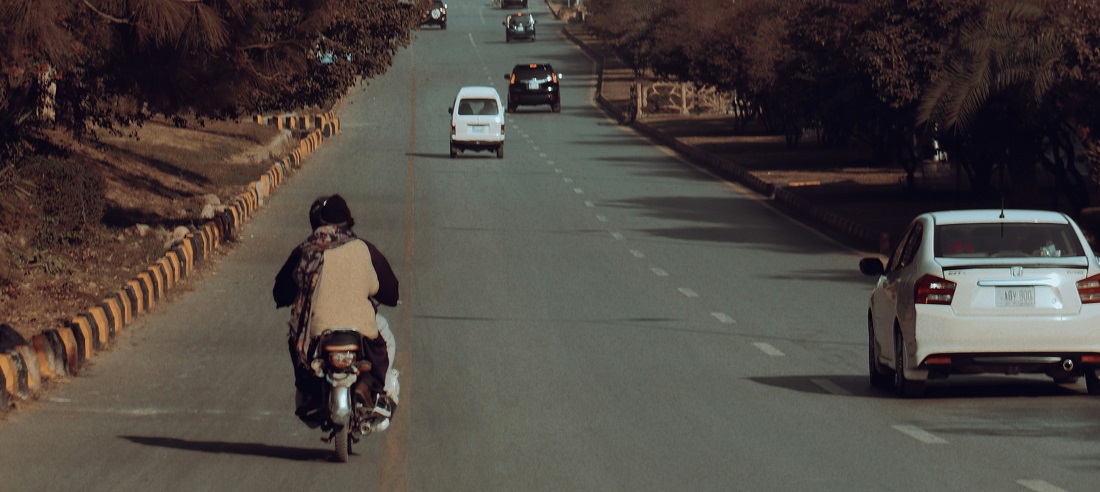
Driving in Pakistan is something most expats leave to a hired driver, largely because of safety. For many international executives and diplomats, it is a condition of the posting, and some travel with an armed escort as well.
Carjackings are common, and expats should avoid travelling at night when the danger is increased. Hijackings have also been linked to kidnappings of foreigners in Pakistan.
Driver’s licences
Driver’s licences in Pakistan are issued province by province, so you deal with the licensing authority where you live rather than a single national body. You can drive on a foreign licence with an International Driving Permit for the length of your visa, but a local licence will be necessary if you stay on.
Holders of a valid licence from certain countries may be able to exchange it directly for a Pakistani one; check the current list with your provincial licensing authority, as it can change. Exchanging a foreign licence means applying at the local licensing authority and proving your medical fitness.
If you do not hold a valid licence from your home country, you start with a learner’s permit, valid for six months. You then pass a set of computerised tests within those six months to gain your Pakistani driver’s licence.
Useful links
Domestic flights in Pakistan
Domestic flights in Pakistan are the smoothest way to cover long distances, and given the security picture on the ground, they are the option most expats are advised to take for intercity trips. The major cities, including Islamabad, Karachi, Lahore, and Peshawar, are linked by daily flights. The main carriers are Pakistan International Airlines (PIA), Airblue, Air Sial, and Fly Jinnah.