
Accommodation in Libya has evolved over the years as demand from expats has increased. Now, there are many more options for well-equipped apartments and modern villas in the major cities of Tripoli, Janzour, and Benghazi. In many cases, employers arrange accommodation for their expat employees before they arrive in Libya, so housing costs are not a concern for many expats. That being said, housing prices still vary from area to area.
Except for citizens of Malta, foreigners can’t own property in Libya.
Types of accommodation in Libya
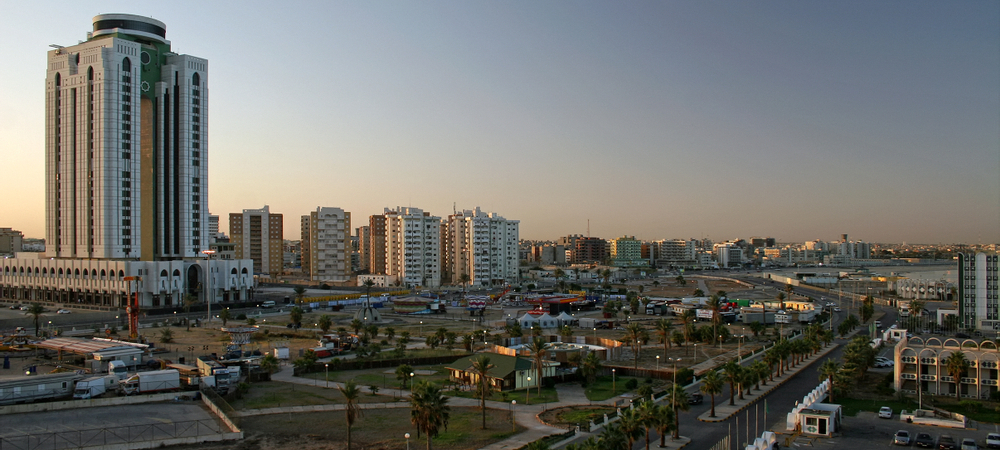
The housing market in Libya has seen great development in recent years. Expats looking for accommodation have a variety of options to choose from.
Apartments
Libya’s capital city, Tripoli, has an abundance of apartments. Apartment blocks can range from smaller two- or three-storey buildings to large 10-storey buildings. Apartments are highly popular and usually don’t stay on the market very long.
Villas
In Libya, the term ‘villa’ refers to what most expats would think of as a typical house. There is no standard size or layout for villas. In cities such as Janzour, villas with multiple levels, large yards and landscaping are typical. Some may even have private swimming pools. In larger cities such as Tripoli, yards are typically much smaller but still enclosed by a wall or fence.
Traditional houses
Expats hoping for cheaper accommodation may consider renting a traditional house called a hosh. These houses tend to be older and rarely stand alone. A hosh may lack the luxurious finishes found in villas, but they are cool during the hot Libyan summers.
Gated communities
Finally, the most expensive option is gated communities. These can range from large communities to smaller compounds that contain 10 to 15 villas. Gated communities often have their own shops, restaurants and supermarkets as well as shared facilities such as swimming pools.
Expats usually prefer gated communities because they offer a built-in sense of security and community. They also provide expats with a space to mingle freely with other foreigners.
Furnished vs unfurnished
When moving to Libya, you’ll need to decide whether you want furnished or unfurnished accommodation. If you are pressed for time and would prefer to move in immediately, you should opt for furnished housing. Keep in mind that furnished options are significantly more expensive than unfurnished ones.
Furnished housing will typically include everything from furniture to appliances. Some luxury furnished properties will even come with decor items such as lamps and paintings. Unfurnished accommodation, on the other hand, typically still comes with cupboards, mattresses, and bed frames.
Short lets and temporary housing
Many new arrivals in Libya choose to stay in temporary housing while searching for long-term accommodation. Short lets are usually a more cost-effective and convenient alternative to hotels. Holiday rental sites such as Airbnb are a fantastic option for fully furnished and serviced short-term rentals.
Useful links
Finding accommodation in Libya

Finding accommodation in Libya can be a challenge, particularly if you don’t speak Arabic or French. If possible, ask your employer to help you find safe and suitable accommodation.
Real estate agencies are a solid starting point when looking for a place to stay in Libya. There are many established companies with experience helping foreigners find housing. Make sure that you understand the agent’s fees and conditions before they start looking for properties. Typically, an agent’s commission is the equivalent of one month’s rent on a one-year lease and half a month’s rent on a six-month lease. The tenant is usually responsible for paying agency fees.
Relocation companies are a viable, and often superior, alternative to real estate agents. Some providers offer house-hunting services in addition to their regular shipping and relocation services.
Word of mouth is also a popular way of getting things done in Libya. If you have friends or colleagues already living in the country, it’s a good idea to reach out to them. Online property portals and social media groups are also viable options. Local neighbourhood groups often have listings – it’s worth checking out the online communities of the neighbourhoods you’re interested in.
Useful links
Renting accommodation in Libya
Making an application
Once you’ve found a suitable property, the rental application process in Libya usually involves contacting the landlord or estate agent directly. You’ll need to provide basic documentation, such as a valid passport, proof of employment or income, and, in some cases, references from previous landlords.
Leases
Rental contracts in Libya aren’t standardised. It is important that you fully understand the terms of the lease you are signing. It’s a good idea to ask a friend or colleague who understands Arabic to look over the contract before signing. Most housing contracts in Libya are for six months or more, although one-year leases are preferred.
Deposits and fees
Renters are usually required to pay a security deposit to secure the property and compensate for any damage that may be caused. Landlords in Libya appreciate payment in full for the duration of the contract in advance. However, alternative payment plans can often be negotiated. If, after inspection, the property is found to be in a satisfactory condition, expats can expect to receive their full deposit back within seven to 14 days of vacating the property.
Terminating the lease
Terminating the lease early in Libya generally requires tenants to give written notice. The period is often set at around two to three months, although this can vary depending on the rental contract. If the landlord needs to terminate the lease, they are required to give at least three months’ written notice.
Utilities in Libya
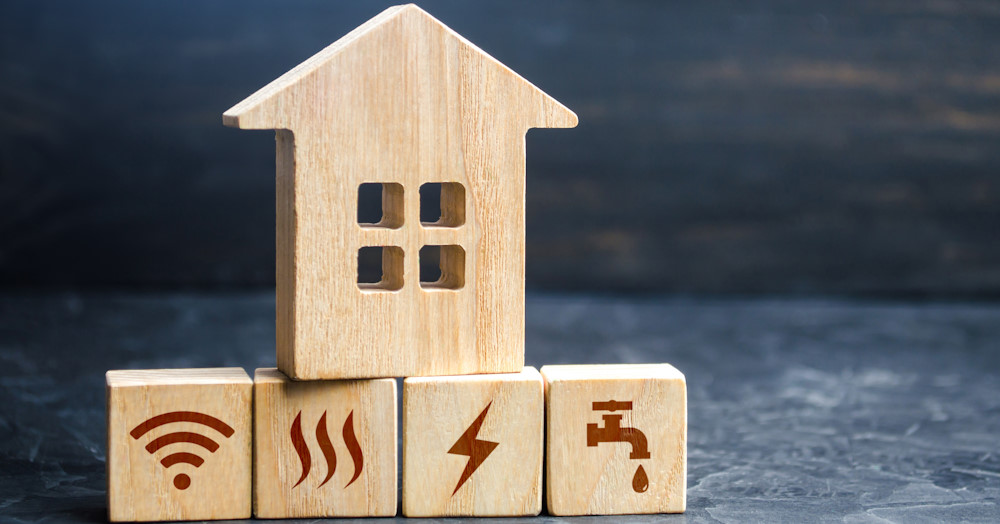
Utilities in Libya are not always included in the rental price and are paid for by the tenant. Electricity and water are provided by state-run providers, although interruptions can occur, particularly in summer. Internet access is available in major cities and towns, but connections can be spotty. Network connectivity in the country’s remote desert regions is nonexistent. Expats should budget for regular utility costs, as well as backup generators and water tanks.
Electricity and gas
Electricity in Libya is supplied by the state-run General Electricity Company of Libya (GECOL). Service interruptions are common, especially during the summer months, so many households use backup generators to fill in the gaps. Bills are often based on estimated consumption, and adjustments are made once the actual usage is calculated. Remember to account for these fluctuations when budgeting for electricity. Bottled LPG gas is commonly used for cooking and can be purchased from a number of independent suppliers.
Water
The General Company for Water and Wastewater (GCWW) is Libya’s water utility. Water charges are estimated based on the number of occupants in the household and may be included in the rent. The actual bill, based on meter readings, is issued to the landlord. Any difference between the estimated charges and actual usage is then settled. Expats should clarify with landlords how water costs are handled in their specific lease agreements.
Bins and recycling
Refuse collection in Libya is managed by local municipalities. Waste is generally collected in communal bins, and widespread recycling is limited. Collection schedules vary by district – it is advisable to confirm local arrangements with your landlord or neighbours when moving into a new area.
Internet
Internet infrastructure in Libya is less developed than in many other countries, but services are still available in major cities and towns. Wireless connections are the most common, and mobile data is often used as the primary means of access. Fixed broadband fibre services are available, but coverage is limited. Satellite phones and internet devices like Starlink are a necessity when travelling through Libya’s remote desert regions.