

Expats tend to find the lifestyle in Pune more relaxed than Mumbai’s, and the Indian government has named it India’s most liveable city more than once. Students from all over India make their ways to study at Pune’s universities, and tech firms in suburbs such as Hinjewadi and Kharadi employ thousands of young professionals. That youthful crowd keeps the city’s cafés and microbreweries busy.
There are hill forts and lakes an easy drive from the city, and crowds pour onto the streets for Ganeshotsav each August or September.
Shopping in Pune
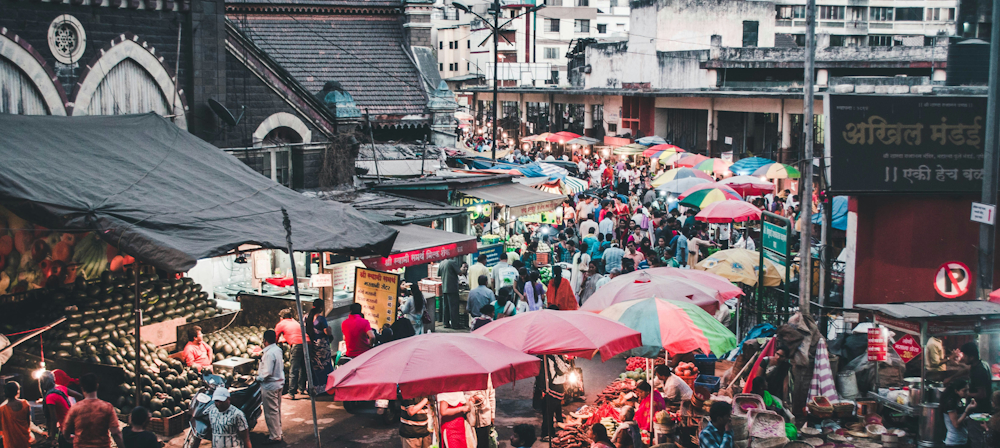
New arrivals can do their shopping in Pune at big malls in the newer suburbs or at street markets in the old city and Camp (the old British cantonment). Phoenix Marketcity in Viman Nagar and Phoenix Mall of the Millennium in Wakad are two of the largest malls, and Amanora Mall and Seasons Mall are a short drive apart in Hadapsar. The Pavillion on Senapati Bapat Road is a more central option.
Shoppers after something more traditional head to Laxmi Road, which is lined with sari shops and jewellers. Stallholders in neighbouring Tulshibaug sell everything from kitchenware to bangles. Students hunt for cheap accessories and gadgets in Hong Kong Lane near Deccan, while the aptly named Fashion Street in Camp is a warren of more than 400 stalls for budget clothes and shoes. Vendors expect you to haggle, so start well below the first price they quote.
Nightlife and entertainment in Pune
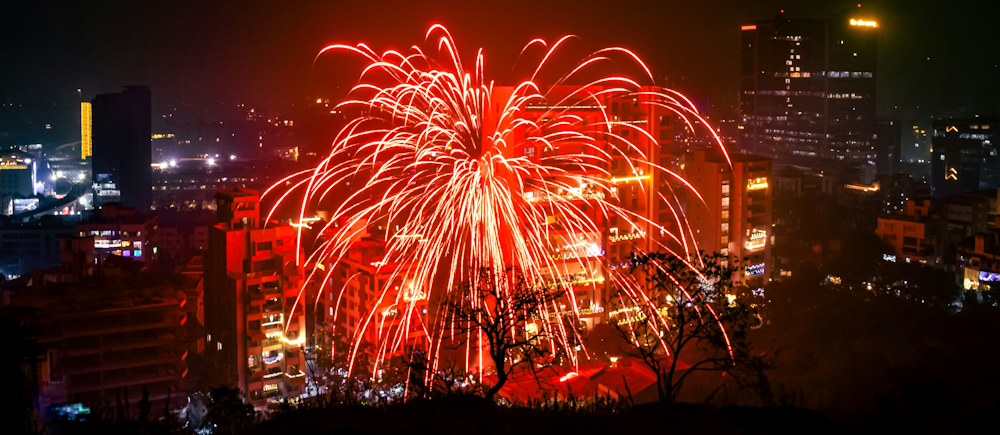
Anyone who’s after nightlife and entertainment in Pune usually starts in Koregaon Park, where the leafy lanes are full of bars and rooftop lounges. Kalyani Nagar and Viman Nagar are close by and have plenty of microbreweries, and Balewadi High Street is the go-to strip for anyone who lives in the western suburbs.
Police in Pune enforce a strict 1.30am closing time for bars and pubs. Maharashtra’s legal drinking age is 25 for spirits and 21 for beer, and bar staff may ask anyone who looks young for ID.
Pune is the heartland of Marathi theatre, and English-language plays and stand-up comedy nights are regular fixtures too. Pandit Bhimsen Joshi founded the Sawai Gandharva Bhimsen Mahotsav in 1953, and thousands of Hindustani classical music fans still gather for it every winter. Film lovers can catch world cinema at the Pune International Film Festival early each year.
Eating out in Pune
Food lovers will find eating out in Pune affordable by Western standards, and the dish Punekars are proudest of is misal pav. It’s a fiery curry of sprouted beans, topped with a heap of crunchy farsan (fried savoury snacks), all mopped up with soft bread rolls.
Fergusson College Road and Jangli Maharaj Road are lined with snack joints that are popular with students, and the Irani cafés and old bakeries of Camp are famous for bun maska (buttered buns) and Shrewsbury biscuits. Koregaon Park, Kalyani Nagar, Viman Nagar, and Baner have the widest choice of international restaurants, and the city’s five-star hotels are the places to go for fine dining.
Outdoor activities and sports in Pune
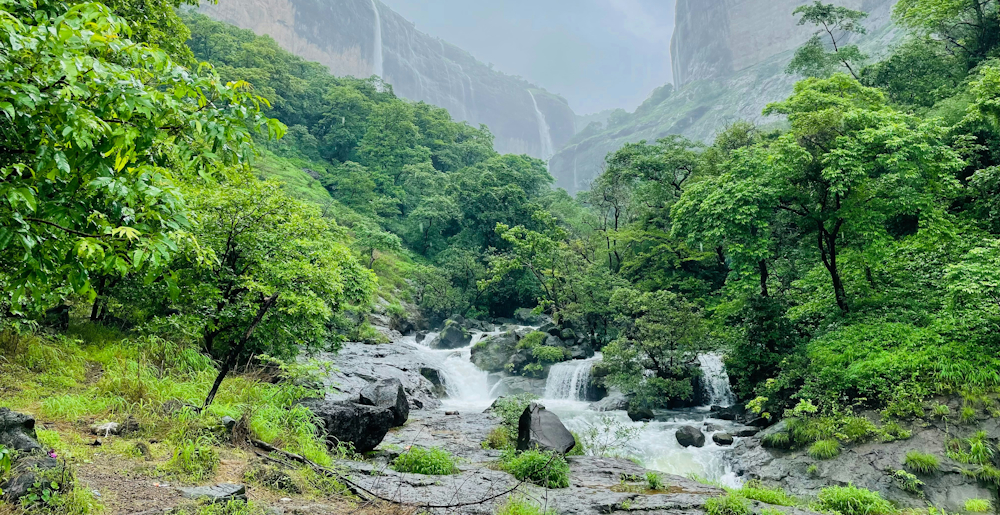
Locals and expats with a taste for outdoor activities and sports in Pune head for the Sahyadri hills at weekends. Vetal Tekdi and Taljai Hill are forested hilltops within the city, and early risers walk and run there before work. The track around Pune Race Course is open to runners and walkers in the mornings and evenings on most days.
The ridges around the city are dotted with forts, and some of them are thought to be more than 2,000 years old. Sinhagad is the classic first climb, and it’s about 22 miles (35km) southwest of the city. Trekkers reward themselves at the top with pithla bhakri (gram-flour curry with millet flatbread) from the food stalls.
UNESCO added 12 Maratha forts to its World Heritage List in 2025, and the three in the Pune district are Rajgad, Lohagad, and Shivneri, where the Maratha king Shivaji was born. The hills are at their greenest during the June to September monsoon, but trails are slippery and the authorities sometimes close forts, dams, waterfalls, and mountain roads after heavy rain. Most hikers find October to February the most comfortable months for longer treks.
Closer to town, Khadakwasla Dam is a favourite spot for sunsets and roasted corn from roadside stalls. Visitors can’t swim or take boats out though, because the reservoir is a source of the city’s drinking water. For that, Panshet Dam is about 30 miles (50km) southwest of the city, and operators there run kayak and jet-ski trips. There are dozens of campsites on the shores of Pawna Lake near Lonavala, and a night under canvas there is a popular weekend escape.
Residents who want to play tennis or swim often join a gymkhana (sports club) or a members’ club, and many apartment complexes have their own pools. Cricket fans can watch international matches and the occasional Indian Premier League (IPL) game at the Maharashtra Cricket Association Stadium in Gahunje, which is just off the Mumbai-Pune Expressway. Kabaddi is a fast contact sport with a huge TV following in India, and Puneri Paltan is the city’s Pro Kabaddi League team. Its home ground is the Shree Shiv Chhatrapati Sports Complex in Balewadi. The Royal Western India Turf Club holds race meetings at Pune Race Course from July to October, and the Pune Derby is the highlight of the season.
See and do in Pune
Visitors will find most of the headline sights on any list of things to see and do in Pune in the old city or a short drive from it, so it’s easy to fit two or three into a day.
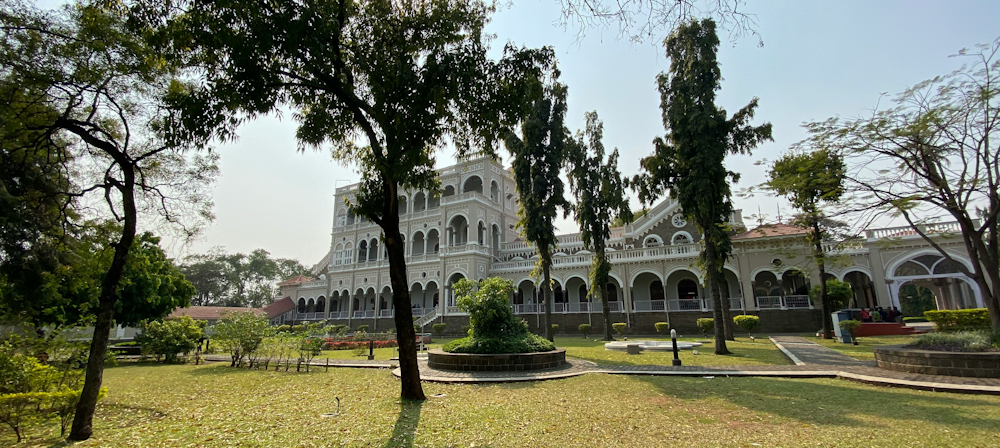
Aga Khan Palace
Sultan Muhammad Shah Aga Khan III built the Aga Khan Palace in 1892 to give work to famine-hit locals, but it’s best known as the place where the British held Mahatma Gandhi from 1942 to 1944. Kasturba Gandhi and Gandhi’s secretary Mahadev Desai both died during their detention here, and their samadhis (memorials) are in the gardens.
Inside, there’s a small museum with photographs and some of Gandhi’s personal belongings. The arched verandas and wide lawns are a peaceful escape from the traffic outside.
Shaniwar Wada
Peshwa Bajirao I completed Shaniwar Wada in 1732. The Peshwas were the chief ministers of the Maratha Empire, and they ruled from this fortified palace until they surrendered to the British in 1818.
Most of the buildings inside were lost to a fire in 1828, but the massive stone walls and gateways are still intact. The main gate is the Delhi Darwaza, and its doors are studded with iron spikes to defend against war elephants. There’s a sound-and-light show about the palace’s history in the evenings. Not every show is in English, so check the schedule before you go.
Dagdusheth Halwai Ganpati Temple
Dagdusheth Halwai was a wealthy sweet maker who founded the Dagdusheth Halwai Ganpati Temple in 1893 after his son died of plague. The temple is dedicated to the Hindu god Ganesh, and its idol is 7.5 feet (2.3m) tall and decked out in gold jewellery.
Pune is where Lokmanya Tilak turned Ganeshotsav into a public festival that same year, and the 10-day celebration in August or September is the best time to visit. Each year, the temple trust builds an elaborate festival pavilion (pandal), often a replica of a famous Indian temple. The old city is gridlocked on the final day, when crowds escort the idols through the streets.
Raja Dinkar Kelkar Museum
Dinkar Gangadhar Kelkar started his collection in the 1920s, and he opened the Raja Dinkar Kelkar Museum in 1962 in memory of his son, Raja. Around 2,500 of its more than 20,000 objects are on display across three floors at any one time.
The highlight for many visitors is the Mastani Mahal, which Kelkar reassembled inside the museum from the remains of an 18th-century palace that Peshwa Bajirao I built for his consort, Mastani. There are also 14th-century sculptures, arms and armour, old musical instruments, oil lamps, and ornate betel-nut cutters.
Meeting people and making friends in Pune
Most new arrivals start the process of meeting people and making friends in Pune at work, and colleagues are often quick to include newcomers in weekend plans. Parents tend to find their social circle through their children’s international school.
Group treks to the Sahyadri forts are a sociable way to get to know locals, and you can find running clubs, cycling groups, book clubs, and birdwatching outings on Meetup. Expat groups on social media are active too, and members regularly organise get-togethers.
The Goethe-Institut Max Mueller Bhavan and the Alliance Française de Pune hold film screenings, concerts, exhibitions, and language classes, and both are good places to meet locals and other expats. For business contacts, the Mahratta Chamber of Commerce, Industries and Agriculture (MCCIA) runs regular events for members, and Rotary clubs and Toastmasters groups are popular with professionals. Many local NGOs welcome volunteers, and a few hours a week at an animal shelter or a children’s education project is a quick way to feel part of the community.