Print
  • Hold down Ctrl key and select the sections you want to print. If using a Mac, hold down the Cmd key.
  • Use Ctrl + A or on Mac, Cmd + A to select all sections (if you are using the Chrome browser).
  • Click "Apply" and the site will customise your print guide in the preview below.
  • Click the "Print" button and a print pop up should appear to print to your printer of choice.

Moving to Pune

The second city of the vast state of Maharashtra, Pune is an exciting expat destination. With a population of 7 million, Pune has the hustle and bustle of any major Indian city, but it also boasts unrivalled natural beauty.

A result of the confluence of the Mula and Mutha Rivers in Pune, the grand Mula-Mutha is a stunning feature of the city, while Pune's outer limits are surrounded by dense forests and rolling hills. With all this on offer, plus plenty of job opportunities, a fairly low cost of living, and friendly locals, it's no wonder Pune has been named by many as India's most liveable city.

Living in Pune as an expat

Pune is a thriving hub for numerous industries, the most prominent of which include IT, manufacturing and education. Though Bengaluru remains India's top city for information technology, Pune's own IT industry has become notable for its rapid growth, having brought much economic success to the city.

Meanwhile, manufacturing continues to play a big role in Pune's economy, as it has done for decades, while the city's universities remain popular among international students, with Pune living up to its long-held moniker of 'the Oxford of the east'.

After hours, Pune's energy keeps going as it offers a vibrant city lifestyle packed full of interesting things to see and do. One downside is that work commutes and other travel around the city aren't always easy. Public transport is limited and traffic is often heavy. Some expats find that hiring a local driver can ease much of the stress of a daily commute.

Cost of living in Pune

One of Pune's most appealing qualities is its reasonable cost of living. While the pricing of accommodation couldn't be considered cheap, it's certainly more affordable than in India's megacities. Other costs, such as groceries and utilities, are also much gentler on the pocket. 

Families and children in Pune

Families moving to Pune should find plenty to keep the kids occupied. There's a wide range of easily accessible fun activities, and good education options are easy to find, provided that parents (or their employers) are able to shoulder the high costs of international schools.

Climate in Pune

Barring the monsoon season, Pune has a pleasant climate, with mild conditions being typical throughout most of the year. This leaves residents able to enjoy all that the city has to offer at any time of year, whether they're keen for a hike to the forts, a day by the riverside or just a picnic in a local park.

Settling into life in Pune may seem overwhelming at first, especially if expats have never lived in an Indian city before. But with so much to look forward to, and with friendly locals happy to lend a hand, expats are bound to find their place in this vibrant and exciting corner of India.

Weather in Pune

New arrivals soon notice that the weather in Pune is much drier than on the coast. The city is about 1,840 feet (560m) above sea level on the Deccan Plateau, and it’s in the rain shadow of the Western Ghats. Annual rainfall is around 30 inches (760mm), which is roughly a third of Mumbai’s total.

Pune has a tropical climate, and there are four broad seasons: a hot summer from March to May, the monsoon from June to September, a short spell of ‘October heat’, and a cool, dry winter from November to February.

April and May are the hottest months. The average high in April is around 100°F (38°C), and afternoons above 104°F (40°C) are possible during a heatwave. Humidity is low in March and April, so the heat is dry. May is muggier, and the average low is a warm 73°F (23°C). Evening thunderstorms in late May are a welcome sign that the monsoon is close. If you arrive in summer, plan errands and exercise for early mornings or evenings.

Residents can expect the first monsoon showers around 10 June, and the season is usually over in the first half of October. The monsoon is responsible for nearly 80 percent of the year’s rain. July is the wettest month, and its average rainfall is about 7.5 inches (190mm). Most days in July and August are rainy, but steady drizzle and showers are much more typical than the torrential downpours Mumbai is known for. Daytime highs are a muggy 82°F (28°C) or so, and indoor laundry is slow to dry. Commuters can expect waterlogged roads and slow traffic after heavy rain.

Rain is far heavier in the hills of the Western Ghats, which locals call the Sahyadris. Sinhagad and the other hill forts near Pune are popular destinations for weekend treks during the monsoon. These hills are also the catchment for the Khadakwasla Dam, and floods in Pune are usually the result of water releases from the dam after heavy rain upstream. Low-lying neighbourhoods along the city’s rivers, such as parts of Sinhagad Road and Yerawada, are the most vulnerable. The authorities generally issue flood warnings ahead of large releases. Before you rent near a river, ask the landlord or neighbours whether the building has flooded in past monsoons.

Locals call the hot, sticky few weeks after the monsoon ‘October heat’. Afternoon highs are back up to around 90°F (32°C).

Winter is the most comfortable season, and sunny afternoons are a pleasant 86°F (30°C) even in January. December and January are the coldest months. Both have an average temperature of 69°F (21°C), but the nights are surprisingly cool. The average low is around 52°F (11°C), and lows below 43°F (6°C) aren’t unheard of during a cold snap. Pashan and other green western suburbs are often several degrees colder at dawn than built-up eastern areas such as Koregaon Park. Two-wheeler riders bundle up in jackets on winter mornings, and you’ll want a light jumper for evenings out.

Pune is around 60 miles (100km) inland, so tropical cyclones are a smaller threat here than on the coast. The main risk is just before and just after the monsoon. Arabian Sea cyclones are sometimes still strong enough to bring gusty winds and heavy rain to the city after landfall on the Konkan coast. In the event of a cyclone, you should follow all official directives and advisories. The India Meteorological Department (IMD) issues colour-coded weather alerts for Pune, and residents should take any orange or red alert seriously.

Weather in India

Working in Pune

There’s plenty of opportunity for expats working in Pune, and the best openings for foreign hires are in tech, automotive manufacturing, banking, and education. Competition is stiff though. Most roles are filled from India’s huge pool of graduates, and the government issues Employment Visas only for high-skilled, well-paid positions.


Job market in Pune

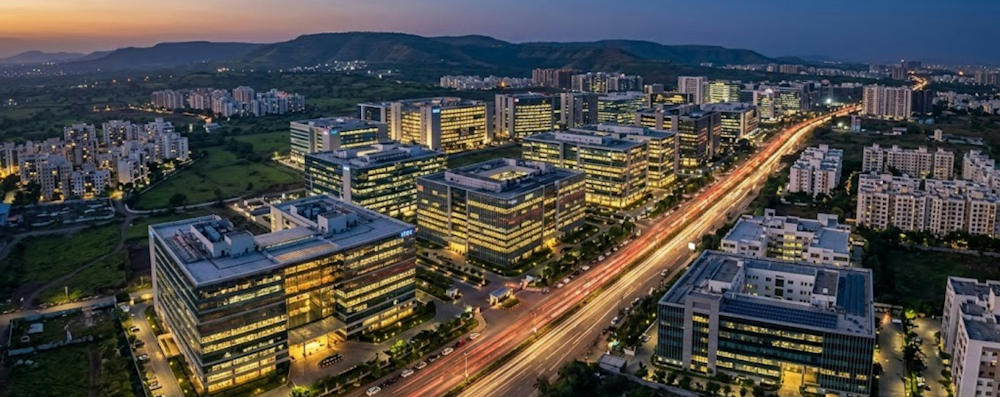
Hinjewadi Phase 1 Tech Corridor in Pune by IRPR Agency on Unsplash

Tech is the fastest-growing part of the job market in Pune. Bengaluru is still India’s biggest IT hub, but Pune is now one of the country’s top locations for global capability centres (GCCs). Multinationals set up these in-house centres to run their own technology and operations work. Global banks such as Barclays and Deutsche Bank have large teams in the city, as do many engineering and software firms.

Most tech employers are based in a handful of IT parks. The largest is the Rajiv Gandhi Infotech Park in Hinjewadi on the city’s western edge. Kharadi and Magarpatta in the east also have large office parks.

Manufacturing has been big business in Pune since the 1960s, when Bajaj Auto and Tata Motors opened factories in Pimpri-Chinchwad. The city is now the largest single base for German companies in India. Volkswagen and Mercedes-Benz both have car plants in Chakan on the northern outskirts, and logistics firms have built large warehouse parks around Chakan and Talegaon.

Pune has long been known as the ‘Oxford of the East’ because of its many universities and colleges, and the education sector is a major employer. Expats in education tend to work at international schools or private universities. Foreign academics can also find research posts at national institutes such as the National Chemical Laboratory and the Indian Institute of Science Education and Research (IISER).

Pharmaceuticals and consumer electronics are big industries in Pune too. The city is home to the Serum Institute of India, which makes more vaccine doses than any other company in the world. LG and Whirlpool both have appliance factories in Ranjangaon.


Finding a job in Pune

using a laptop

Expats with senior or specialist skills will find a job in Pune far more easily than generalists. Many foreigners arrive through an internal transfer. If your current employer already has an office in the city, this is often the quickest route in.

For those without an inside track, Naukri.com is India’s biggest job portal and a sensible first stop. Recruiters at multinationals and GCCs also rely heavily on LinkedIn, and many senior appointments are handled by executive search firms. The Pune branch of the Indo-German Chamber of Commerce organises regular business networking events, and so does the Mahratta Chamber of Commerce, Industries and Agriculture (MCCIA).

Foreign nationals need an Employment Visa to work in India, which they must apply for before they come to the country. Most employers handle the paperwork and ask their new hires for supporting documents. Your employment visa is tied to one employer, so you’ll have to apply again if you change jobs. Overseas Citizenship of India (OCI) cardholders don’t need an Employment Visa for most jobs.

Visas for India
Work Permits for India

Useful links


Work culture in Pune

office coworkers collaborating

Most expats find their colleagues welcoming and the work culture in Pune friendly. English is the working language in most offices, although Marathi and Hindi are what colleagues speak on factory floors and over lunch.

The biggest contrast is between global firms and traditional Indian companies. GCCs and foreign multinationals are usually quite informal, and first names are the norm. Traditional Indian companies are often more hierarchical. Senior managers make most of the decisions, and junior staff rarely challenge them in meetings. Staff at banks and finance firms work in noticeably more formal offices than tech employees do.

Expats in GCCs and IT services firms should expect some evening calls. Teams that work with clients in the US often stay online into the evening to overlap with them. Five-day weeks are standard in tech, but some manufacturers and smaller Indian businesses still expect staff in on Saturdays.

The commute to Hinjewadi is a common gripe among tech workers. Rush-hour traffic there is notoriously slow, and waterlogged roads are a regular problem during the monsoon. Many employers let staff work from home on the worst days, and a good number of employees live in nearby Wakad or Baner to keep the journey short. Metro Line 3, between Hinjewadi and Shivajinagar in the city centre, is a newer alternative to road travel.

Ganeshotsav is Pune’s signature festival, and expats should plan around its 10 days in August or September. Police divert traffic in the old city for much of the festival, and the final day’s immersion procession is often an all-night affair. Diwali in October or November is the main holiday of the year, and many colleagues take leave around it.

Business Culture in India

Cost of living in Pune

Most expats find the cost of living in Pune low by global standards, and those on a Western salary can live comfortably here. The city is pricier than it was a decade ago because IT and automotive firms have expanded rapidly and hired large numbers of well-paid staff.

Local produce, street food, public transport, and domestic help are all cheap, and plenty of expat households employ a cook or a cleaner. The big expenses are international school fees, imported groceries, spirits, and an apartment in one of Pune’s upmarket neighbourhoods.

Mumbai is India’s most expensive city by a wide margin, and Delhi isn’t far behind. Pune is much more affordable than either, and expats’ living costs here are similar to those in Hyderabad and Kolkata. Smaller cities such as Indore and Nagpur are cheaper still.


Cost of accommodation in Pune

You’re likely to spend more on rent than on anything else, and the cost of accommodation in Pune is highest in the neighbourhoods that expats favour. Koregaon Park and Kalyani Nagar are among the priciest areas, and Baner and Aundh are only slightly cheaper.

Apartments in these sought-after areas are sometimes cramped for the price. Expats who live further out in suburbs such as Wakad, Wagholi, Hadapsar, and Undri usually pay less for far more space. Many of these homes are in gated complexes, which locals call housing societies, and the larger societies have a pool, a gym, a clubhouse, and round-the-clock security.

Renting comes with steep upfront costs. Landlords will usually ask for a security deposit worth a few months’ rent, and brokers typically charge a month’s rent as their fee. Tenants often will have to pay the society’s monthly maintenance charge too, so ask about this before you sign.

Renting Expat Accommodation in Pune
Best and Worst Areas and Suburbs in Pune


Cost of transport in Pune

Expats in Pune mostly travel by road, and the cost of transport in Pune is low by Western standards. Scooters are the quickest way through the traffic for anyone brave enough to ride one, but most newcomers stick to cars.

Uber and Ola are the go-to apps for both cars and auto rickshaws, and fares are cheap compared with taxis back home. Drivers who accept app bookings sometimes insist on the meter fare instead, so make sure to agree on the price before you set off.

Plenty of expats would rather not tackle Pune’s traffic themselves, so they hire a full-time driver. Some companies include a driver in relocation packages for senior executives, and families with long school runs often find a car and driver a better value than daily app rides. If you’re in the market for a car, ask whether any expats on their way out of Pune want to sell theirs. These cars have usually been well maintained and regularly serviced.

Public transport is the cheapest way to get around. Commuters can take the metro from Pimpri-Chinchwad to Swargate on the Purple Line or from Vanaz to Ramwadi on the Aqua Line. Transport authorities are expanding the network, and a long-awaited line between Shivajinagar and the Hinjewadi IT park is the most useful addition for office workers. PMPML runs city buses across Pune and Pimpri-Chinchwad, although they’re often packed at rush hour. Many IT employers also run shuttle buses or cabs to their campuses, so staff may spend next to nothing on their daily commute.

Getting Around in Pune


Cost of groceries in Pune

Expats who shop like locals can keep the cost of groceries in Pune low, and prices are generally below those in Mumbai. Fresh fruit and vegetables from neighbourhood vendors and markets such as Mahatma Phule Mandai are cheap, especially when they’re in season.

Budget supermarket chains like DMart have a wider range than local vendors, and their prices are quite low. Imported cheese, cured meats, olive oil, and breakfast cereals are far pricier, and expats who want them usually shop at upmarket stores.


Cost of entertainment and eating out in Pune

You can eat out often without much guilt, since the cost of entertainment and eating out in Pune is low even by Indian standards. Street food is the cheapest option, and vendors who sell vada pav and the city’s spicy misal pav are everywhere.

Mid-range restaurants that serve Indian and international dishes are plentiful and reasonably priced, and Koregaon Park and Baner are good places to start. Fine dining at the city’s five-star hotels is much pricier, although it’s still cheaper than in London or New York. Cinema tickets are a fraction of UK or US prices, and Hollywood releases are on at the big multiplexes alongside the latest Bollywood films.

Alcohol is the main exception to Pune’s low prices. The Maharashtra government sharply raised excise duty on spirits in 2025, and imported brands were already expensive. Beer and Indian wines from the Nashik region are much kinder on the wallet because the state left both out of that hike.

Lifestyle in Pune


Cost of education in Pune

Most expat families send their children to an international school, so the cost of education in Pune is one of the biggest items in their budget. Tuition fees at schools that teach the International Baccalaureate (IB) or Cambridge curricula are high, and parents pay extra for textbooks, uniforms, school lunches, and school bus transportation. Some schools also set a separate, higher fee scale for foreign nationals, so check which rates apply to your family.

Teaching standards and facilities at the top international schools are often exceptional, and many expat parents feel they’re worth the price. Mercedes-Benz International School in Hinjewadi and Indus International School on Mulshi Road are two of the best-known schools, and both are on the city’s western outskirts. Families often choose a home nearby to keep the school run short.

Private schools that follow the Indian CBSE or ICSE curriculum are much cheaper, and most of them teach in English. Expat children can also attend Pune’s public schools, which are free or nearly free. Most municipal schools teach in Marathi, though, and standards are often below what foreign parents expect.

Homeschooling is another low-cost route. India has no specific homeschooling law, and the central government has said it isn’t illegal. Families who want a recognised secondary qualification usually enrol their children with the National Institute of Open Schooling (NIOS) or enter them for Cambridge exams as private candidates.

Education and Schools in Pune


Cost of healthcare in Pune

Expats almost always choose private hospitals, and the cost of healthcare in Pune is modest compared with private care in the UK or the US. Ruby Hall Clinic and Jehangir Hospital are two of the best known, and both have modern facilities and English-speaking doctors. Dental treatment is also far cheaper than in most Western countries.

You should have health insurance through your employer or a private policy, and most insurers cover doctor’s appointments, prescriptions, emergency treatment, and hospital stays. Many insurers also have cashless arrangements with Pune’s major private hospitals, so the hospital bills the insurer directly. Patients without cashless cover usually pay a deposit on admission and claim the money back later.

Treatment at public hospitals such as Sassoon General Hospital is free or cheap, but wards are often crowded and short of staff.

Healthcare and Health Insurance in India


Cost of living in Pune chart

Prices are listed in Indian rupees (INR) and may vary depending on the product and service provider. The list below shows average prices for Pune in October 2026.

Accommodation (monthly rent)
Three-bedroom apartment in the city centreINR 60,000
Three-bedroom apartment outside the city centreINR 39,000
One-bedroom apartment in the city centreINR 25,000
One-bedroom apartment outside the city centreINR 16,000
Shopping
Eggs (dozen)INR 100
Milk (1 litre)INR 70
Rice (1kg)INR 70
Loaf of white breadINR 55
Chicken breasts (1kg)INR 310
Cheese (500g)INR 300
Eating out
Three-course meal for two at a mid-range restaurantINR 1,650
Big Mac MealINR 500
Coca-Cola (330ml)INR 40
CappuccinoINR 210
Draft beer (domestic)INR 290
Utilities/household
Mobile phone monthly plan with calls and dataINR 350
Internet (uncapped ADSL or cable – average per month)INR 750
Basic utilities (average per month for a standard household)INR 3,850
Transport
Taxi rate (per kilometre)INR 25
Bus/train fare in the city centreINR 20
Gasoline/petrol (per litre)INR 112

Accommodation in Pune

Finding accommodation in Pune is sure to be high up on any expat’s priority list when they move to this sprawling city. The main factors to weigh up are budget, desired amenities, water supply, and proximity to work and (if applicable) schools.


Areas and suburbs in Pune
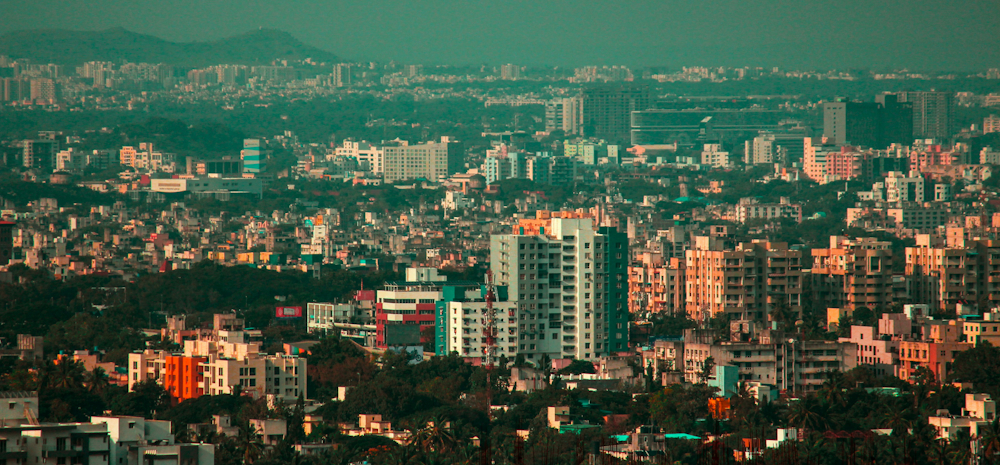
Pune Cityscape by Anand Dhumal on Unsplash

Expats tend to choose between areas and suburbs in Pune according to where they work. Rush-hour traffic is notoriously slow, so residents who live near the office save themselves hours each week.

Koregaon Park and Kalyani Nagar have long been expat favourites. Both have leafy streets and upmarket apartments, and Koregaon Park is the city’s nightlife hub.

Pune’s biggest IT hub is in Hinjewadi on the western edge of the city, and expats who work there usually look at Aundh, Baner, Balewadi or Wakad. Those with offices in the eastern business parks often settle in Kharadi or Viman Nagar, and both are close to the airport.

Areas and Suburbs in Pune


Types of accommodation in Pune

Anyone who looks at the types of accommodation in Pune will soon spot the acronym ‘BHK’. It’s short for bedroom, hall and kitchen. The hall is the living room, so a 3 BHK flat has three bedrooms as well as the hall and kitchen. Studios are listed as 1 RK (one room and kitchen).

In the city centre and around the industrial and IT hubs, apartments are the main form of accommodation. Most expats rent in gated housing societies. These complexes usually have round-the-clock security and backup generators, and many have a gym and a pool too.

Some larger developments, such as Magarpatta City in Hadapsar, are self-contained townships. Residents there have offices, schools, shops and parks within the gates. There’s more space in the suburbs further out, where row houses and villas in gated communities are easier to find. Standalone bungalows with gardens are rarer, and most of those left are in older neighbourhoods such as Koregaon Park.

Furnished vs unfurnished

Alongside furnished and unfurnished homes, Pune listings have a middle category called ‘semi-furnished’. A semi-furnished flat usually has built-in wardrobes, a modular kitchen, light fittings and ceiling fans. In a fully furnished home, the landlord also supplies furniture and the main appliances, such as a fridge, a washing machine, air conditioning and a water purifier. Landlords don’t all mean the same thing by ‘fully furnished’, so tenants should check the inventory against the flat before they sign.

Short lets

Many new arrivals spend their first few weeks in a serviced apartment while they look for something longer term. There are serviced apartments near the main business districts, and most operators have monthly rates. Short-term rentals on Airbnb are another option. Hosts must register foreign guests with the immigration authorities, so expect to share passport and visa details at check-in.

Useful links


Finding accommodation in Pune

New arrivals to the city might find the prospect of finding accommodation in Pune a daunting one. Those unsure of where to start would do well to hire a reputable estate agent. These professionals know the local property market well and may have access to listings before they’re made public. Agents usually charge the tenant a month’s rent as brokerage, and many charge the landlord as well.

Some employers arrange a relocation company as part of the move. These firms shortlist homes that match the brief and arrange viewings. Most also negotiate the terms and handle the registration and police paperwork.

Those who’d rather go it alone can ould make use of online property portals such as MagicBricks, 99acres, Housing.com and NoBroker, all of which have plenty of Pune listings. NoBroker connects tenants directly with owners, so there’s no brokerage to pay.

Some housing societies restrict who can rent, and single tenants, pet owners, foreign nationals and non-vegetarian households sometimes meet resistance. Ask about society rules before a viewing to avoid a wasted trip.

Relocation Companies in India

Useful links


Renting accommodation in Pune

There’s a fair amount of paperwork involved in renting accommodation in Pune, although agents and relocation firms usually take care of most of it.

Making an application

Few landlords in Pune have a formal process for making an application. Once both sides agree on terms, the landlord often asks for a small token payment to take the flat off the market and later counts it towards the deposit.

Landlords usually want copies of your passport and visa, your Foreigners Regional Registration Office (FRRO) registration once you have it, an employment letter and passport photos. Many housing societies have their own tenant form as well, and some issue a no-objection certificate (NOC) before a tenant moves in.

Landlords must also register every new tenant with the local police. Foreign tenants must file what’s commonly called a C-Form with the immigration authorities within 24 hours of move-in. Keep a copy, as the FRRO often asks for it as proof of address.

Leases

Nearly all leases in Pune are leave and licence agreements. Under Maharashtra law, every rental agreement must be in writing and registered, and the landlord is responsible for registration. The standard 11-month agreement is no exception.

Most agreements are for 11 months, and the rent is usually raised at each renewal. Expats on multi-year assignments can sign an agreement of up to five years instead. It may be possible to negotiate for a shorter lease period if required.

Landlords can register agreements online, but both parties need to verify their identity through Aadhaar. This is India’s biometric ID number, and most new arrivals won’t have one yet. In that case, the landlord and tenant register in person at a sub-registrar’s office and bring two witnesses. Both sides should also agree in writing who pays the stamp duty and registration fees.

Deposits and fees

The biggest of the upfront deposits and fees in Pune is the security deposit, which is usually between two and six months’ rent. Landlords tend to ask for more on furnished flats. Maharashtra has no legal cap on deposits, so the amount is negotiable. The other main costs are the agent’s brokerage and the stamp duty and registration fees for the agreement.

Landlords usually deduct the cost of any damage beyond normal wear and tear and return the rest of the deposit when the tenant moves out. Some routinely charge for repainting too, so settle that point in writing before you sign. Take dated photos of the flat on move-in day in case of a dispute later.

Terminating the lease

Notice periods for terminating the lease in Pune are usually one month for either side. Many agreements also have a lock-in period of a few months. A tenant who leaves during the lock-in may have to pay rent for the remainder of the lock-in period or lose part of the deposit.

Expats who could be transferred at short notice should negotiate a short lock-in or none at all. They should also ask for the right to leave early if their employer moves them elsewhere.

Renting Accommodation in India

Useful links


Utilities in Pune

In most cases, utilities in Pune are extra costs on top of the rent. Nearly every housing society also charges a monthly maintenance fee, which it uses to pay for security, housekeeping, upkeep of shared facilities, and, in many buildings, water. Some landlords include this fee in the rent, and others pass it on to the tenant, so check the agreement before you sign. It’s also a good idea to ask the landlord for a few recent bills to help you budget.

Electricity

Maharashtra State Electricity Distribution Company Limited (MSEDCL) supplies electricity across Pune and Pimpri-Chinchwad, and it’s also known as Mahavitaran. Landlords usually keep the account in their own name, and tenants pay the bills online or through the Mahavitaran app. MSEDCL has fitted smart meters in many homes across the city, and households that have one can track their usage on the app.

Pune’s power supply is fairly reliable by Indian standards, although short outages are common during monsoon storms. Most gated societies have generators for lifts and common areas, and some extend power backup to individual flats. Many households also keep a battery system, which locals call an inverter, to run fans and lights during a cut.

Gas

Many newer housing societies in Pune have piped natural gas (PNG) from Maharashtra Natural Gas Limited (MNGL). Elsewhere, households cook with LPG cylinders, which state-run distributors deliver to the door. Tenants usually take over the landlord’s existing cylinder connection rather than apply for their own. Where a building has a PNG line, it’s generally the cheaper and simpler choice, and the authorities have urged households with access to switch over from cylinders.

Water

Pune Municipal Corporation (PMC) supplies water to most of the city, and Pimpri-Chinchwad Municipal Corporation (PCMC) is responsible for its own area in the northwest. Supply is patchy in fast-growing suburbs such as Kharadi, Wagholi, Baner, Balewadi and Hinjewadi. Many housing societies there buy water from private tankers to make up the shortfall, and they recover the cost through maintenance charges. The problem is worse in the hot months before the monsoon, so ask the society office whether residents rely on tankers in summer before you commit to a flat.

Tap water isn’t safe to drink, and most homes have a reverse osmosis (RO) purifier in the kitchen.

Bins and recycling

Pune has a door-to-door system for bins and recycling, and residents have to separate their waste before collection. Households put kitchen scraps in one bin and dry waste, such as paper, plastic, glass, and metal, in another. They also bag nappies and sanitary products separately and mark the bag with a red dot.

Across most of the PMC area, waste pickers from the SWaCH cooperative collect from each home every day, and households pay them a small monthly user fee directly. In Pimpri-Chinchwad, PCMC’s contractors handle collection. Many larger societies also compost their wet waste on-site.

Useful links

Areas and suburbs in Pune

The best places to live in Pune

When newcomers weigh up the areas and suburbs in Pune, most start with the office address. Developers have put up homes and offices at breakneck speed, and the road network is still a long way behind. Commuters can easily spend an hour on a trip that looks short on a map, so many expats live as close to work as they can.

Pune’s biggest IT hubs are at opposite ends of the city. Hinjewadi’s Rajiv Gandhi Infotech Park is on the western fringe, and Kharadi and Magarpatta are home to the tech parks out east. In between are the crowded peths (historic quarters) of the old city, the colleges and government offices of Shivaji Nagar, the leafy cantonment, and the upmarket neighbourhoods near the airport.

Once the commute is sorted, you can weigh up schools, rent, healthcare, and nightlife. Before you sign a lease, try the drive to work at rush hour on a weekday. Ask the neighbours, too, whether the road outside gets waterlogged between June and September, when the monsoon is at its height.

Accommodation in Pune


Central areas in Pune

Expats tend to favour the central areas in Pune when they want the city’s restaurants and transport links on their doorstep. Homes here are older than in the outer suburbs, and rents are generally higher.

Areas and suburbs in Pune

Koregaon Park

Expats with a generous housing allowance have favoured Koregaon Park for decades. The upscale neighbourhood is just east of the city centre, and its quieter lanes have grand old bungalows and luxury apartment blocks under big shade trees.

It’s also one of Pune’s main nightlife hubs. Most of its pubs are on Lanes 6 and 7, and North Main Road is lined with restaurants and cafes. Rents are among the highest in the city, and residents on the busier lanes should expect some noise at weekends.

Shivaji Nagar

Residents of Shivaji Nagar have some of the city’s best public transport on their doorstep. The neighbourhood is in the heart of Pune on the west bank of the Mutha River, and it’s a sought-after address for anyone who’d rather not rely on a car.

The area has its own station on the Pune Metro’s Purple Line, and passengers can switch to the Aqua Line at the District Court interchange next door. Line 3 to Hinjewadi also has its eastern terminus here. Shivaji Nagar railway station is on the suburban line to Lonavala, and there’s an intercity bus station in the area.

Fergusson College and COEP Technological University are two of Pune’s oldest colleges, and both are in Shivaji Nagar. Students keep the cafes along FC Road and JM Road busy late into the evening. Schools and hospitals are close at hand, but traffic and noise are the trade-offs in one of the busiest parts of the city.

Bhosale Nagar

Bhosale Nagar is a good bet for families who want a quiet, green street close to the centre. The upmarket neighbourhood is between Shivaji Nagar and Range Hills, and Savitribai Phule Pune University’s campus is just up Ganeshkhind Road.

Older bungalows on wide, leafy roads are part of Bhosale Nagar’s appeal, and there are plenty of newer high-end apartment towers too. Shivaji Nagar’s schools and hospitals are a few minutes away, and the metro’s Line 3 has a stop in the neighbourhood.

Transport and Driving in Pune


Family-friendly areas in Pune

Two of the most family-friendly areas in Pune are Aundh and Kalyani Nagar, and parents who want good schools and a bit more space usually start their search there. Many expat families rent in gated complexes, and both neighbourhoods have plenty of them.

Aundh

Aundh has long been a favourite with expat families. The affluent suburb is in Pune’s northwest, and the offices in Baner and Balewadi are a short drive away. Hinjewadi’s Rajiv Gandhi Infotech Park is a longer haul to the west.

Newcomers who want a house rather than a flat often look in Sindh Society or National Society, which have some of Aundh’s largest bungalows. The area has several well-regarded schools that teach Indian curricula, and the international schools in Balewadi and Hinjewadi are within reach. The longest-established of these is Mahindra International School in Hinjewadi.

Westend Mall is in Aundh, and there are supermarkets, such as DMart, nearby for the weekly shop. Most residents get around by car, scooter, auto-rickshaw, or ride-hailing app. Aundh is also on the Pune Metro Line 3 route, and commuters will be able to take the train to Hinjewadi once the full line opens. Rush hour traffic is heavy, so Aundh is at its best for residents who work nearby.

Kalyani Nagar

Families who like the look of Koregaon Park but want to be closer to the airport often cross the river to Kalyani Nagar. Its wide avenues are lined with trees, and the airport is about 2.5 miles (4km) away.

The Bishop’s Co-Ed School has a campus here, and the neighbourhood has its own station on the Pune Metro’s Aqua Line. Residents can take the train straight to Pune Junction and the District Court interchange in Shivaji Nagar. There are restaurants and rooftop bars here too, although the residential streets are quieter than Koregaon Park’s pub lanes.

Education and Schools in Pune


Areas near IT parks in Pune

Tech workers who’d rather spend their mornings at a desk than in a traffic jam tend to choose the areas near IT parks in Pune. Most of the housing is in newer apartment towers, and many of these are gated complexes with gyms and pools.

Baner

IT professionals with offices in Hinjewadi often pick Baner, since the IT park is a short drive west when the roads are clear. Balewadi High Street is next door, and its restaurants and microbreweries are among the most popular on the west side of the city. Early risers hike the trails on Baner Hill for views across Pune.

The Orchid School in Baner and Vibgyor High in Balewadi are both well regarded, and Jupiter Hospital on Baner Road is one of the area’s main private hospitals. Line 3 has stops along Baner Road, but the road itself is often gridlocked at rush hour.

Viman Nagar

Viman Nagar is right on the southern edge of Pune International Airport, and it’s the obvious choice for frequent flyers. The Indian Air Force and the civilian airlines share the airport’s single runway, so international routes from Pune are limited. Residents who fly long-haul usually connect through Delhi or Mumbai, or they drive to one of Mumbai’s airports.

Kharadi’s IT parks are next door, and Phoenix Marketcity on Nagar Road is one of the biggest malls in Pune. Symbiosis International School is also in Viman Nagar and offers the IB and Cambridge curricula. Residents in the blocks nearest the runway should expect some aircraft noise.

Kharadi

Thousands of tech and finance professionals work in Kharadi, which is home to EON IT Park and Pune’s World Trade Center. Plenty of them live within walking distance of the office. In Pune, that’s a rare perk.

Developers have built apartment towers for most budgets, from compact flats to penthouses. Manipal Hospital has a large branch here, and EuroSchool is one of several schools in the area. Kharadi isn’t on the metro network yet, and Nagar Road is heavily congested at rush hour.

Education and schools in Pune

Pune has long been called the Oxford of the East because of its universities, and families interested in education and schools in Pune have plenty to choose from at the school level too. Most expat parents go for an international school because their children tend to settle in faster there. Pune also has some good public and private schools, but families who pick them should be ready for cultural and language differences.

Marathi is compulsory from Class 1 to Class 10 in every school in Maharashtra, and private and international schools are no exception. Under a 2020 state law, schools must also assess students in Marathi, and the state government can fine or derecognise any school that doesn’t teach it. International schools usually teach Marathi as a second or third language. Students aren’t expected to be fluent, but they do need a basic grasp of it.

The state government can exempt individual students, and officials have said exemptions are meant for children who move to Maharashtra partway through their education. Parents of older children should ask the school whether an exemption is possible.

Savitribai Phule Pune University and Symbiosis International University are both based here, and Symbiosis has a large international student community.


Government schools in Pune

educational supplies in a classroom

Public schools in Pune are known locally as government schools, and are run by the Pune Municipal Corporation (PMC). PMC schools teach in Marathi, English, Urdu, or Kannada, and most are Marathi medium. English-medium places are in high demand, and expat children can apply for them, although few do.

Government schools follow the Maharashtra State Board syllabus, and students sit Secondary School Certificate (SSC) exams in Class 10 and Higher Secondary Certificate (HSC) exams in Class 12. The state government has begun replacing this syllabus with one based on the NCERT textbooks used by CBSE schools, and it plans to complete the transition by 2028. Pune also has several Kendriya Vidyalayas, which are central government schools that follow the CBSE curriculum. These schools give priority to the children of central government employees, so places for other families are scarce.

Many government schools are underfunded and short-staffed, so classes are often large. Most expat families choose a private or international school instead. Bear in mind that in India, a school with 'public school' in its name is usually private.

Useful links


Private schools in Pune

Expat parents who want something between a government school and an international one often look at private schools in Pune. They’re pricier than government schools, but their facilities are better. Teachers also have more time for each child. Local families make up most of the student body, so expat children experience Indian school life first-hand.

Most private schools in Pune teach in English. Some follow the Maharashtra State Board syllabus, while others prepare students for the national CBSE or ICSE exams. CBSE schools are more common across India, and their syllabus is closely aligned with the national entrance exams for engineering and medicine. ICSE has a heavier syllabus and a stronger focus on English. Universities in India and abroad recognise both qualifications.

Teachers at many private schools focus heavily on exam results and often rely on rote memorisation. Expat parents used to a more inquiry-based approach may find this at odds with their own idea of a good education, and under the National Education Policy 2020, the government wants schools to move away from this style. CBSE now sets more exam questions on how students apply what they know, but classroom habits are slow to change.

Most private schools take applications for the next academic year between September and January, and the most popular ones are often full well in advance. Contact schools as soon as your move is confirmed.

Useful links


International schools in Pune

international students in a classroom

Expat families have a good selection of international schools in Pune, and most of these teach either the International Baccalaureate (IB) or Cambridge qualifications such as the IGCSE and A-Levels. Some also teach CBSE or ICSE alongside an international programme.

A lot of schools in Pune put ‘international’ in their name but teach only CBSE or ICSE. Check each school’s website carefully, and look it up in the official IB and Cambridge directories before you apply.

Many of the best-known international schools are on the city’s western edge around Hinjewadi and Mulshi Road, and others are in the east around Kharadi and Viman Nagar. Pune’s traffic is notoriously slow, so many families choose a school first and then look for a home nearby.

Places at the most popular schools are competitive, so apply as early as you can. Schools usually ask for recent reports, and some also set entrance tests or hold interviews.

Families who want their home country’s national curriculum will usually need to look beyond Pune. Mumbai and Delhi both have schools that teach the French, German, American, and British curricula. Mumbai is the closest of the two at about 93 miles (150km) from Pune. These are day schools though, so children need to live in the city to attend.

Older teens can also board at UWC Mahindra College, which is about 25 miles (40km) west of Pune. The college teaches the IB Diploma to students in their last two years before university, and applicants go through their country’s UWC national committee or the UWC Global Selection Programme.

International Schools in Pune

Useful links


Special educational needs in Pune

using a laptop braille reader

Parents of children with special educational needs in Pune will find that separate special schools are still common. Under the Rights of Persons with Disabilities Act 2016, schools that are funded or recognised by the government are expected to provide inclusive education. The law is unevenly applied though, and many mainstream schools still don’t have trained special educators.

Pune has government-run and private special schools across the city. Some international schools have learning support teams for children with conditions such as dyslexia or ADHD, but support for more complex needs is harder to find. Share your child’s assessments with schools early, and ask exactly what help they can give before you accept a place. Special educators in India must be registered with the Rehabilitation Council of India (RCI), so check a specialist’s registration before you hire one privately.

Useful links


Homeschooling in Pune

Some expat families opt for homeschooling in Pune. It’s a practical choice for those who want to maintain a home-country curriculum that no local school offers, and for those who would rather avoid international school fees.

Homeschooling isn’t widespread in India, but it has a following in big cities such as Pune. There’s no specific homeschooling law. Children aged 6 to 14 have a right to free education under the Right to Education Act, and India’s education ministry has said that homeschooling isn’t illegal. Parents have plenty of freedom as a result, but there’s little official guidance.

Homeschooled children can still earn recognised qualifications. The National Institute of Open Schooling (NIOS) runs Class 10 and Class 12 exams for students outside the school system, and older children can also sit Cambridge IGCSE and A-Level exams as private candidates.

Useful links


Tutors in Pune

Tutors in Pune are easy to find, and many expat families hire one to help a child catch up with a new curriculum or get to grips with a tricky subject. Marathi tutors are in demand among families from outside Maharashtra because every child has to study the language at school. Extra sessions before big exams are common too.

Coaching classes are big business in India, and Pune has a huge number of them. Most tutors prepare students for Indian board exams and university entrance tests, so families on the IB or Cambridge track should look for tutors who are familiar with those curricula. Teachers and other parents at your child’s school are the best source of recommendations, and many tutors also advertise on online platforms.

Useful links

International schools in Pune

For most expat families, international schools in Pune are the natural place to start. The International Baccalaureate (IB) and the Cambridge IGCSE are the curricula you’ll come across most often. Some international schools also teach an Indian curriculum, such as the Central Board of Secondary Education (CBSE) or Indian Certificate of Secondary Education (ICSE) syllabus.

A school’s name isn’t always a reliable guide to its curriculum. Quite a few Pune schools call themselves international but follow only an Indian board, so check each school’s website to see exactly what it teaches before you add it to your shortlist.

Under state law, Marathi is a compulsory subject up to Grade 10 at every school in Maharashtra, and international schools are no exception. The state government can exempt students who move to Maharashtra partway through their school years, so check with each admissions office whether your child qualifies.

Families should pick a school and a neighbourhood at the same time. Rush-hour traffic is heavy, and the roads are slower still during the monsoon from June to September. Most schools have their own buses, so check the routes before you sign a lease.

There is high demand for places at the best international schools in Pune, and admission is competitive. It’s standard procedure for schools to ask for your child’s recent reports, a transfer certificate from their previous school, their passport, and their visa. Foreign nationals may need to show proof of registration with the Foreigners Regional Registration Office (FRRO). Some schools also administer tests or conduct interviews as part of the admissions process.

Most international schools in Pune start the academic year in June or August, and the schools in highest demand usually open applications between September and January beforehand. It’s always best to apply as far in advance as possible, although international schools are generally more flexible than Indian board schools about mid-year admissions.

Education and Schools in Pune

Below is a selection of prominent international schools in Pune.


International schools in Pune

group of students at school

Daffodil International School

Fees at Daffodil International School are lower than at most IB schools in Pune. Its teachers hold Cambridge certification and train regularly on the syllabus and Cambridge’s mark schemes. Students also enter national olympiads in subjects such as maths, science, English, and French.

Gender: Co-educational 
Ages: 3 to 18 years 
Curriculum: Cambridge Primary, Cambridge Lower Secondary, Cambridge IGCSE, and Cambridge International AS and A-Levels 
Website: www.disindia.in

Indus International School Pune

The Indus Trust runs Indus International School Pune alongside sister schools in Bangalore and Hyderabad. Every student follows the trust’s Leadership Curriculum in addition to their academic studies, and some of it involves practical work outdoors. The campus spans more than 30 acres and has its own pool and sports fields.

Gender: Co-educational 
Ages: 3 to 18 years 
Curriculum: IB Primary Years Programme, IB Middle Years Programme, IB Diploma Programme, and IB Career-related Programme 
Website: pune.indusschool.com

Mahindra International School

Mahindra International School opened in 1998 as the Mercedes-Benz International School and changed its name in 2019. The school is not-for-profit and was the first in India to gain accreditation from the Council of International Schools (CIS). Classes are small, and expat and returning Indian families make up much of the school community.

Gender: Co-educational 
Ages: 3 to 18 years 
Curriculum: IB Primary Years Programme, IB Middle Years Programme, and IB Diploma Programme 
Website: www.misp.org

Symbiosis International School

Symbiosis International School is part of the Symbiosis Society, which began in 1971 as a welfare centre for international students in Pune and is now best known for Symbiosis International University. The school has its own inclusive education department for children with special educational needs. The university guidance team helps students apply for places in India and abroad.

Gender: Co-educational 
Ages: 3 to 18 years 
Curriculum: IB Primary Years Programme, IB Middle Years Programme, Cambridge IGCSE, and IB Diploma Programme 
Website: www.symbiosisinternationalschool.net

Victorious Kidss Educares

The founder of Victorious Kidss Educares based the school’s ethos on Vedanta philosophy and on Swami Vivekananda’s teachings when he opened it in 1997. Teachers bring these ideas into the IB programmes. The school also offers prenatal and postnatal education for parents.

Gender: Co-educational 
Ages: 6 weeks to 18 years 
Curriculum: Early Years Foundation Programme, IB Primary Years Programme, IB Middle Years Programme, and IB Diploma Programme 
Website: www.victoriouskidsseducares.org

Wellington College International Pune

This is the first Indian sister school of Wellington College in Berkshire, England, and it opened in 2023. Wellington runs it in partnership with India’s Unison Group. British architects MICA designed the campus on the banks of the Mula-Mutha River.

Gender: Co-educational 
Ages: 2 to 18 years 
Curriculum: Early Years Foundation Stage, English National Curriculum, Cambridge IGCSE, and IB Diploma Programme 
Website: pune.wellingtoncollege.in

Lifestyle in Pune

Expats tend to find the lifestyle in Pune more relaxed than Mumbai’s, and the Indian government has named it India’s most liveable city more than once. Students from all over India make their ways to study at Pune’s universities, and tech firms in suburbs such as Hinjewadi and Kharadi employ thousands of young professionals. That youthful crowd keeps the city’s cafés and microbreweries busy.

There are hill forts and lakes an easy drive from the city, and crowds pour onto the streets for Ganeshotsav each August or September.


Shopping in Pune

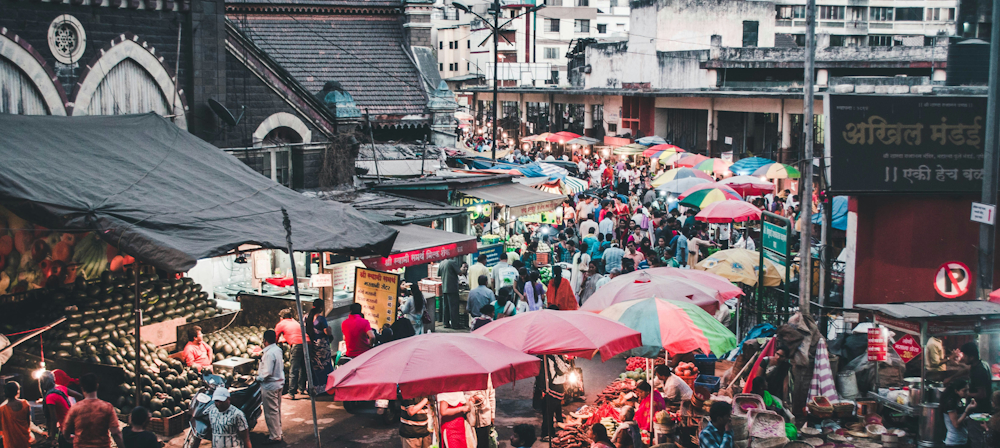
Pune Mandai Market by Atharva Tulsi on Unsplash

New arrivals can do their shopping in Pune at big malls in the newer suburbs or at street markets in the old city and Camp (the old British cantonment). Phoenix Marketcity in Viman Nagar and Phoenix Mall of the Millennium in Wakad are two of the largest malls, and Amanora Mall and Seasons Mall are a short drive apart in Hadapsar. The Pavillion on Senapati Bapat Road is a more central option.

Shoppers after something more traditional head to Laxmi Road, which is lined with sari shops and jewellers. Stallholders in neighbouring Tulshibaug sell everything from kitchenware to bangles. Students hunt for cheap accessories and gadgets in Hong Kong Lane near Deccan, while the aptly named Fashion Street in Camp is a warren of more than 400 stalls for budget clothes and shoes. Vendors expect you to haggle, so start well below the first price they quote.


Nightlife and entertainment in Pune

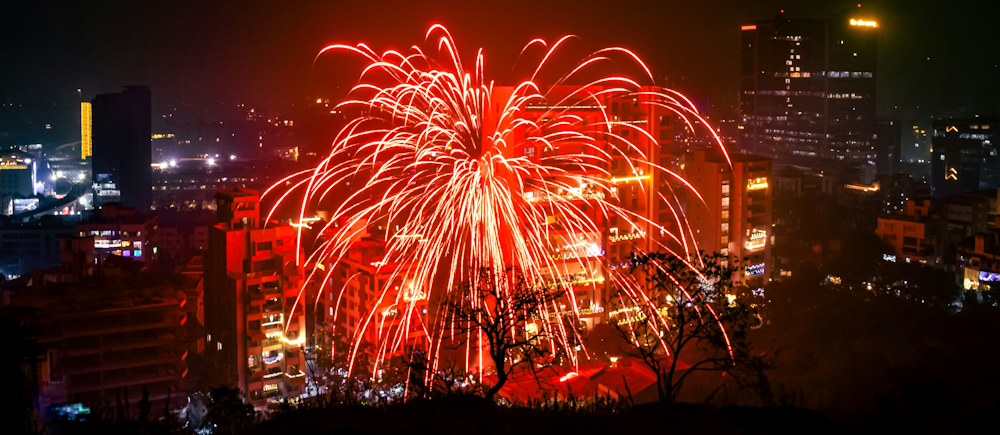
Fireworks in Baner, Pune by Ved Shrawak on Unsplash

Anyone who’s after nightlife and entertainment in Pune usually starts in Koregaon Park, where the leafy lanes are full of bars and rooftop lounges. Kalyani Nagar and Viman Nagar are close by and have plenty of microbreweries, and Balewadi High Street is the go-to strip for anyone who lives in the western suburbs.

Police in Pune enforce a strict 1.30am closing time for bars and pubs. Maharashtra’s legal drinking age is 25 for spirits and 21 for beer, and bar staff may ask anyone who looks young for ID.

Pune is the heartland of Marathi theatre, and English-language plays and stand-up comedy nights are regular fixtures too. Pandit Bhimsen Joshi founded the Sawai Gandharva Bhimsen Mahotsav in 1953, and thousands of Hindustani classical music fans still gather for it every winter. Film lovers can catch world cinema at the Pune International Film Festival early each year.


Eating out in Pune

Food lovers will find eating out in Pune affordable by Western standards, and the dish Punekars are proudest of is misal pav. It’s a fiery curry of sprouted beans, topped with a heap of crunchy farsan (fried savoury snacks), all mopped up with soft bread rolls.

Fergusson College Road and Jangli Maharaj Road are lined with snack joints that are popular with students, and the Irani cafés and old bakeries of Camp are famous for bun maska (buttered buns) and Shrewsbury biscuits. Koregaon Park, Kalyani Nagar, Viman Nagar, and Baner have the widest choice of international restaurants, and the city’s five-star hotels are the places to go for fine dining.


Outdoor activities and sports in Pune

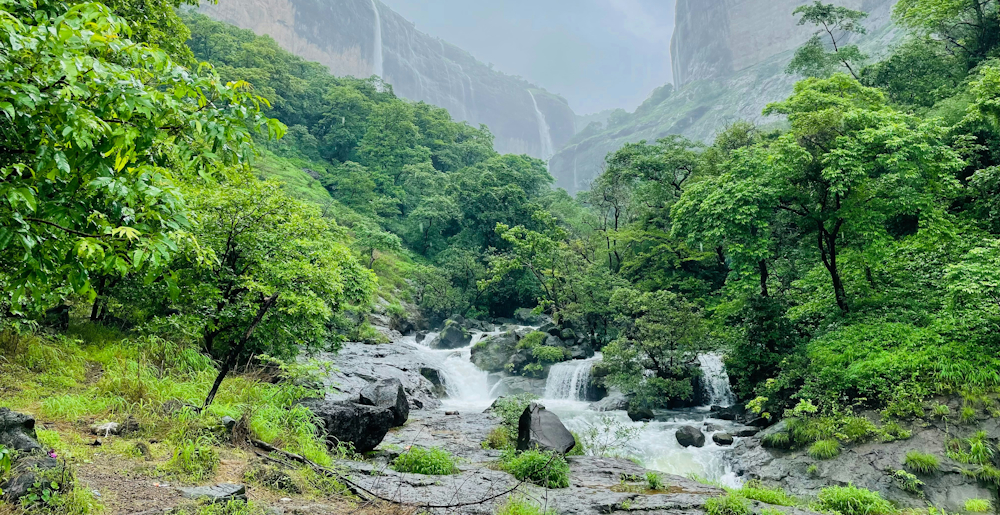
Trek to Tamhini Ghat by Naveen Kumar Dusi on Unsplash

Locals and expats with a taste for outdoor activities and sports in Pune head for the Sahyadri hills at weekends. Vetal Tekdi and Taljai Hill are forested hilltops within the city, and early risers walk and run there before work. The track around Pune Race Course is open to runners and walkers in the mornings and evenings on most days.

The ridges around the city are dotted with forts, and some of them are thought to be more than 2,000 years old. Sinhagad is the classic first climb, and it’s about 22 miles (35km) southwest of the city. Trekkers reward themselves at the top with pithla bhakri (gram-flour curry with millet flatbread) from the food stalls. 

UNESCO added 12 Maratha forts to its World Heritage List in 2025, and the three in the Pune district are Rajgad, Lohagad, and Shivneri, where the Maratha king Shivaji was born. The hills are at their greenest during the June to September monsoon, but trails are slippery and the authorities sometimes close forts, dams, waterfalls, and mountain roads after heavy rain. Most hikers find October to February the most comfortable months for longer treks.

Closer to town, Khadakwasla Dam is a favourite spot for sunsets and roasted corn from roadside stalls. Visitors can’t swim or take boats out though, because the reservoir is a source of the city’s drinking water. For that, Panshet Dam is about 30 miles (50km) southwest of the city, and operators there run kayak and jet-ski trips. There are dozens of campsites on the shores of Pawna Lake near Lonavala, and a night under canvas there is a popular weekend escape.

Residents who want to play tennis or swim often join a gymkhana (sports club) or a members’ club, and many apartment complexes have their own pools. Cricket fans can watch international matches and the occasional Indian Premier League (IPL) game at the Maharashtra Cricket Association Stadium in Gahunje, which is just off the Mumbai-Pune Expressway. Kabaddi is a fast contact sport with a huge TV following in India, and Puneri Paltan is the city’s Pro Kabaddi League team. Its home ground is the Shree Shiv Chhatrapati Sports Complex in Balewadi. The Royal Western India Turf Club holds race meetings at Pune Race Course from July to October, and the Pune Derby is the highlight of the season.


See and do in Pune

Visitors will find most of the headline sights on any list of things to see and do in Pune in the old city or a short drive from it, so it’s easy to fit two or three into a day.

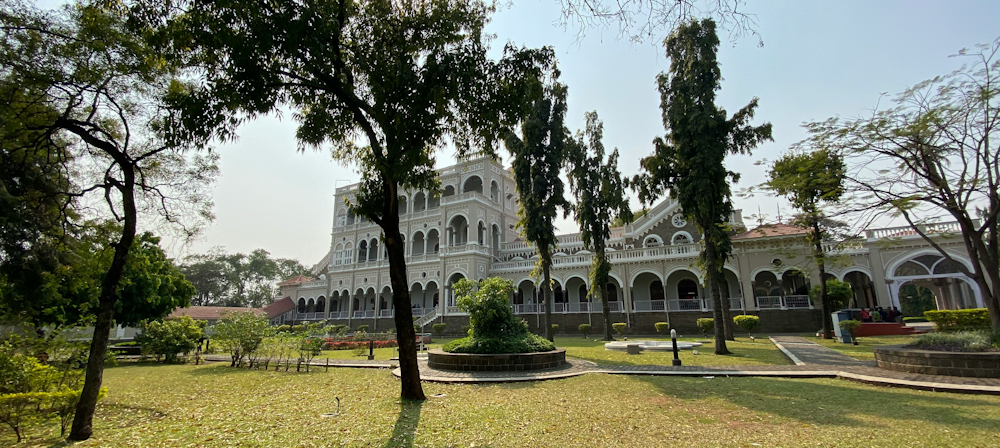
Aga Khan Palace in Pune by Sourabh Bhosale on Unsplash

Aga Khan Palace

Sultan Muhammad Shah Aga Khan III built the Aga Khan Palace in 1892 to give work to famine-hit locals, but it’s best known as the place where the British held Mahatma Gandhi from 1942 to 1944. Kasturba Gandhi and Gandhi’s secretary Mahadev Desai both died during their detention here, and their samadhis (memorials) are in the gardens.

Inside, there’s a small museum with photographs and some of Gandhi’s personal belongings. The arched verandas and wide lawns are a peaceful escape from the traffic outside.

Shaniwar Wada

Peshwa Bajirao I completed Shaniwar Wada in 1732. The Peshwas were the chief ministers of the Maratha Empire, and they ruled from this fortified palace until they surrendered to the British in 1818.

Most of the buildings inside were lost to a fire in 1828, but the massive stone walls and gateways are still intact. The main gate is the Delhi Darwaza, and its doors are studded with iron spikes to defend against war elephants. There’s a sound-and-light show about the palace’s history in the evenings. Not every show is in English, so check the schedule before you go.

Dagdusheth Halwai Ganpati Temple

Dagdusheth Halwai was a wealthy sweet maker who founded the Dagdusheth Halwai Ganpati Temple in 1893 after his son died of plague. The temple is dedicated to the Hindu god Ganesh, and its idol is 7.5 feet (2.3m) tall and decked out in gold jewellery.

Pune is where Lokmanya Tilak turned Ganeshotsav into a public festival that same year, and the 10-day celebration in August or September is the best time to visit. Each year, the temple trust builds an elaborate festival pavilion (pandal), often a replica of a famous Indian temple. The old city is gridlocked on the final day, when crowds escort the idols through the streets.

Raja Dinkar Kelkar Museum

Dinkar Gangadhar Kelkar started his collection in the 1920s, and he opened the Raja Dinkar Kelkar Museum in 1962 in memory of his son, Raja. Around 2,500 of its more than 20,000 objects are on display across three floors at any one time.

The highlight for many visitors is the Mastani Mahal, which Kelkar reassembled inside the museum from the remains of an 18th-century palace that Peshwa Bajirao I built for his consort, Mastani. There are also 14th-century sculptures, arms and armour, old musical instruments, oil lamps, and ornate betel-nut cutters.


Meeting people and making friends in Pune

Most new arrivals start the process of meeting people and making friends in Pune at work, and colleagues are often quick to include newcomers in weekend plans. Parents tend to find their social circle through their children’s international school.

Group treks to the Sahyadri forts are a sociable way to get to know locals, and you can find running clubs, cycling groups, book clubs, and birdwatching outings on Meetup. Expat groups on social media are active too, and members regularly organise get-togethers.

The Goethe-Institut Max Mueller Bhavan and the Alliance Française de Pune hold film screenings, concerts, exhibitions, and language classes, and both are good places to meet locals and other expats. For business contacts, the Mahratta Chamber of Commerce, Industries and Agriculture (MCCIA) runs regular events for members, and Rotary clubs and Toastmasters groups are popular with professionals. Many local NGOs welcome volunteers, and a few hours a week at an animal shelter or a children’s education project is a quick way to feel part of the community.

Useful links

Getting around in Pune

Getting around in Pune is often an exercise in patience, whether you take public transport or drive yourself. Pune’s transport infrastructure is a long way behind the city’s rapid growth, so there's heavy rush-hour traffic and buses and metro trains are often packed. The roads into the Hinjewadi IT park are the city’s most notorious bottleneck, and many staff there spend an hour or more each way on their commute.

Public transport is still patchy, so most expats travel by car despite the traffic. Many hire an experienced local driver to take the stress out of the daily commute, and large IT employers often provide shuttle buses or cabs for their staff.


Public transport in Pune

The metro and the city’s buses are the main options for public transport in Pune, and there’s also a single suburban rail line out to Lonavala.

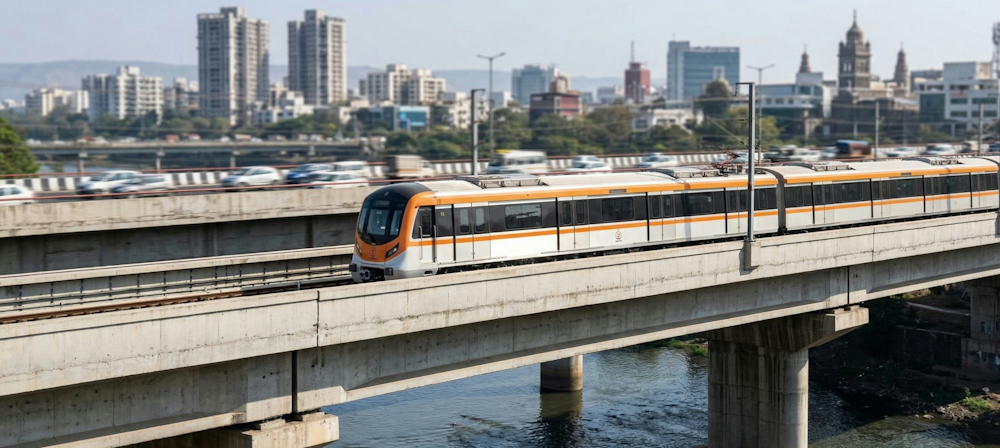
Metro in Pune by IRPR Agency on Unsplash

Metro

The metro is the quickest way across Pune for commuters who live and work near a station. Maharashtra Metro Rail Corporation (Maha-Metro) runs the two original lines. Line 1 (the Purple Line) is the north-south route between PCMC station in Pimpri-Chinchwad and Swargate, and its central section is underground. Line 2 (the Aqua Line) is an elevated east-west route between Vanaz and Ramwadi. Civil Court is the interchange between the two. Maha-Metro has started work on Line 1 extensions to Nigdi in the north and Katraj in the south. It also plans to extend the Aqua Line west to Chandani Chowk and east to Wagholi.

Maha-Metro’s trains are in service every day from 6am to 11pm, and there’s a train every six or seven minutes at rush hour. Passengers can buy tickets at station counters or as QR codes on their phones.

Line 3 (also called the Puneri Metro) is a separate 14-mile (23km) elevated line between the Hinjewadi IT park and Civil Court in Shivajinagar. It was built by a joint venture between Tata Group and Siemens for the Pune Metropolitan Region Development Authority (PMRDA), and they hold the contract to operate it.

There are stations at Wakad, Balewadi, Baner, and Savitribai Phule Pune University, among others. The first phase is at the Hinjewadi end and opens in late 2026. The operator expects the full line to be open in 2027, and the trip between Hinjewadi and Shivajinagar should then be under 40 minutes. By road, the same trip is often well over an hour.

Buses

Buses are widely used in Pune, and Pune Mahanagar Parivahan Mahamandal Limited (PMPML) runs the network across Pune and Pimpri-Chinchwad. More than a million passengers use PMPML buses every day. The network is extensive, but PMPML’s fleet is far too small for a city this size, so buses are often crowded and uncomfortable.

PMPML has added hundreds of electric buses to its fleet in recent years, and it runs feeder routes to metro stations. The Apli PMPML app has live bus tracking, and passengers can use it to buy tickets for both buses and the metro. Conductors accept cash, and passengers with an Indian bank account can also pay by UPI.

Trains

Central Railway runs suburban trains in Pune on a single line between Pune Junction and Lonavala. The line is about 37 miles (60km) long and has 17 stations. Shivajinagar, Khadki, Pimpri, and Chinchwad are among the stops. Local trains are a cheap way to get to the industrial belt in Pimpri-Chinchwad and a handy option for weekend trips to the hill station at Lonavala.

Services are infrequent, though, and there’s a gap of around three hours in the afternoon when there are no trains at all. Passengers can buy tickets at the station or on the Indian Railways’ RailOne app. Once two extra tracks approved by the state government are built, there should be room for many more services.

Useful links


Taxis in Pune

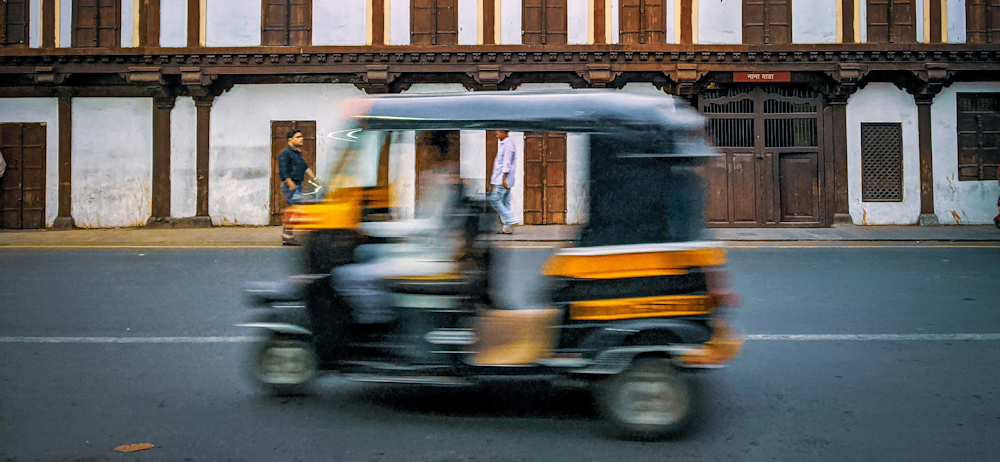
Autorickshaw in Pune by Prasad Bhalerao on Unsplash

Most passengers book taxis in Pune through an app rather than hail one on the street, and Uber and Ola are the biggest platforms. Expats tend to prefer these apps because the fare is settled upfront and there’s no need to haggle. The big platforms raise their prices sharply during peak times, and cabs can be hard to find in the Hinjewadi IT park during rush hour or a monsoon downpour.

Bharat Taxi is a newer, driver-owned alternative. The cooperative is backed by the central government, and it charges fares set by the Regional Transport Office (RTO) and doesn’t use surge pricing.

Rapido also runs electric bike taxis for solo trips through heavy traffic. The state government has suspended app-based bike taxis more than once, so they aren’t always available.

Auto rickshaws (motorised three-wheelers) are a common sight in Pune. They’re speedier and cheaper than taxis, but a ride in one can be hair-raising. Drivers are legally required to use the meter, but many still refuse short trips or instead quote newcomers a flat fare, and some will at first accept a booking through an app and then demand the meter fare. Passengers should insist on the meter, and new arrivals at Pune Railway Station should head for the prepaid auto booth rather than deal with the touts outside. The Pune RTO takes complaints about overcharging and refusals through a WhatsApp helpline.

Useful links


Driving in Pune

Traffic in Pune by Onkar Gotale on Unsplash

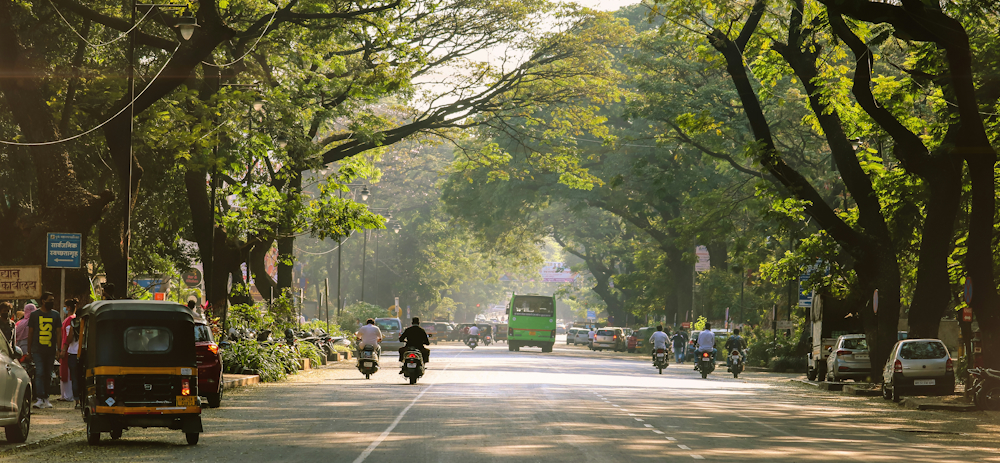
A lot of expats choose to avoid driving in Pune altogether, and some are fortunate enough to have a driver provided by their employer. Those without this perk often find a private driver a worthwhile cost to bear.

Those brave enough to get behind the wheel can expect to contend with dense traffic, swarms of two-wheelers, loose lane discipline, and frequent roadworks. Roads are often waterlogged and potholed during the monsoon from June to September, and the whole city can become gridlocked after a heavy downpour. Police also close many roads in the old city during Ganeshotsav.

Weekend trips out of town are easier by car, and the Mumbai-Pune Expressway is the quickest road route to Mumbai.

Driver’s licences

Expats can drive on their foreign driver’s licences for up to a year, as long as they also carry an International Driving Permit (IDP) issued in their home country before they travel. Anyone who stays longer needs an Indian licence and should start the process well before the year is up. Pune and Pimpri-Chinchwad each have their own RTO.

Holders of a valid foreign licence don’t need to retake the practical driving test, but they still have to pass the learner’s licence test on road rules and signs. Practice is inconsistent, and some RTO officials still ask foreign applicants to take the full test. Applicants can fill out the forms online on the government’s Parivahan Sarathi portal, then visit the RTO in person.

Useful links


Cycling in Pune

Pune was once known as India’s city of cycles, but cycling in Pune is mostly a weekend pastime these days. Recreational riders head for the climb up to Sinhagad Fort and the roads around Khadakwasla Dam, and professional riders first raced through the city in the Pune Grand Tour in 2026.

Daily rides to work are another matter. The city has about 50 miles (80km) of cycle tracks, but only around 11 percent of them were usable in a 2026 review. Riders have to contend with encroached tracks, gaps in the network, heavy traffic, and potholed roads, and it’s generally considered impractical and dangerous to commute by bike. The city’s public bicycle-sharing scheme has also been discontinued.

Useful links