

Getting around in Pune is often an exercise in patience, whether you take public transport or drive yourself. Pune’s transport infrastructure is a long way behind the city’s rapid growth, so there's heavy rush-hour traffic and buses and metro trains are often packed. The roads into the Hinjewadi IT park are the city’s most notorious bottleneck, and many staff there spend an hour or more each way on their commute.
Public transport is still patchy, so most expats travel by car despite the traffic. Many hire an experienced local driver to take the stress out of the daily commute, and large IT employers often provide shuttle buses or cabs for their staff.
Public transport in Pune
The metro and the city’s buses are the main options for public transport in Pune, and there’s also a single suburban rail line out to Lonavala.
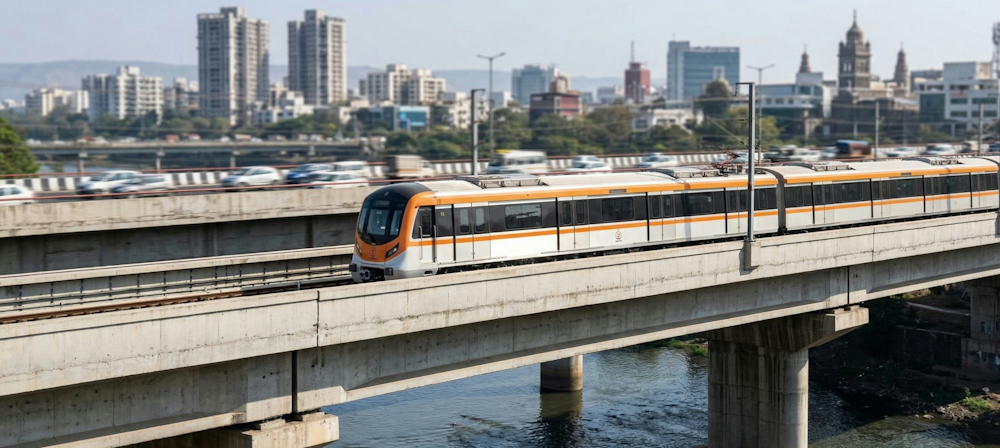
Metro
The metro is the quickest way across Pune for commuters who live and work near a station. Maharashtra Metro Rail Corporation (Maha-Metro) runs the two original lines. Line 1 (the Purple Line) is the north-south route between PCMC station in Pimpri-Chinchwad and Swargate, and its central section is underground. Line 2 (the Aqua Line) is an elevated east-west route between Vanaz and Ramwadi. Civil Court is the interchange between the two. Maha-Metro has started work on Line 1 extensions to Nigdi in the north and Katraj in the south. It also plans to extend the Aqua Line west to Chandani Chowk and east to Wagholi.
Maha-Metro’s trains are in service every day from 6am to 11pm, and there’s a train every six or seven minutes at rush hour. Passengers can buy tickets at station counters or as QR codes on their phones.
Line 3 (also called the Puneri Metro) is a separate 14-mile (23km) elevated line between the Hinjewadi IT park and Civil Court in Shivajinagar. It was built by a joint venture between Tata Group and Siemens for the Pune Metropolitan Region Development Authority (PMRDA), and they hold the contract to operate it.
There are stations at Wakad, Balewadi, Baner, and Savitribai Phule Pune University, among others. The first phase is at the Hinjewadi end and opens in late 2026. The operator expects the full line to be open in 2027, and the trip between Hinjewadi and Shivajinagar should then be under 40 minutes. By road, the same trip is often well over an hour.
Buses
Buses are widely used in Pune, and Pune Mahanagar Parivahan Mahamandal Limited (PMPML) runs the network across Pune and Pimpri-Chinchwad. More than a million passengers use PMPML buses every day. The network is extensive, but PMPML’s fleet is far too small for a city this size, so buses are often crowded and uncomfortable.
PMPML has added hundreds of electric buses to its fleet in recent years, and it runs feeder routes to metro stations. The Apli PMPML app has live bus tracking, and passengers can use it to buy tickets for both buses and the metro. Conductors accept cash, and passengers with an Indian bank account can also pay by UPI.
Trains
Central Railway runs suburban trains in Pune on a single line between Pune Junction and Lonavala. The line is about 37 miles (60km) long and has 17 stations. Shivajinagar, Khadki, Pimpri, and Chinchwad are among the stops. Local trains are a cheap way to get to the industrial belt in Pimpri-Chinchwad and a handy option for weekend trips to the hill station at Lonavala.
Services are infrequent, though, and there’s a gap of around three hours in the afternoon when there are no trains at all. Passengers can buy tickets at the station or on the Indian Railways’ RailOne app. Once two extra tracks approved by the state government are built, there should be room for many more services.
Useful links
Taxis in Pune
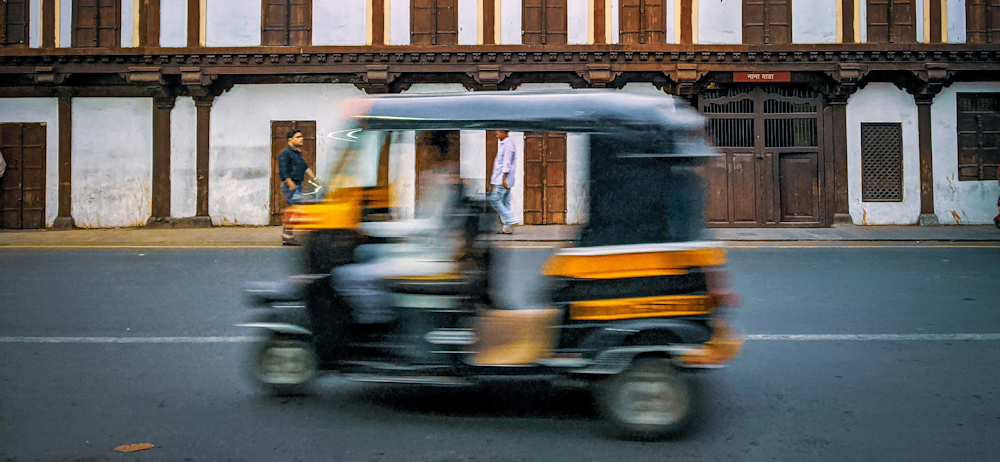
Most passengers book taxis in Pune through an app rather than hail one on the street, and Uber and Ola are the biggest platforms. Expats tend to prefer these apps because the fare is settled upfront and there’s no need to haggle. The big platforms raise their prices sharply during peak times, and cabs can be hard to find in the Hinjewadi IT park during rush hour or a monsoon downpour.
Bharat Taxi is a newer, driver-owned alternative. The cooperative is backed by the central government, and it charges fares set by the Regional Transport Office (RTO) and doesn’t use surge pricing.
Rapido also runs electric bike taxis for solo trips through heavy traffic. The state government has suspended app-based bike taxis more than once, so they aren’t always available.
Auto rickshaws (motorised three-wheelers) are a common sight in Pune. They’re speedier and cheaper than taxis, but a ride in one can be hair-raising. Drivers are legally required to use the meter, but many still refuse short trips or instead quote newcomers a flat fare, and some will at first accept a booking through an app and then demand the meter fare. Passengers should insist on the meter, and new arrivals at Pune Railway Station should head for the prepaid auto booth rather than deal with the touts outside. The Pune RTO takes complaints about overcharging and refusals through a WhatsApp helpline.
Useful links
Driving in Pune
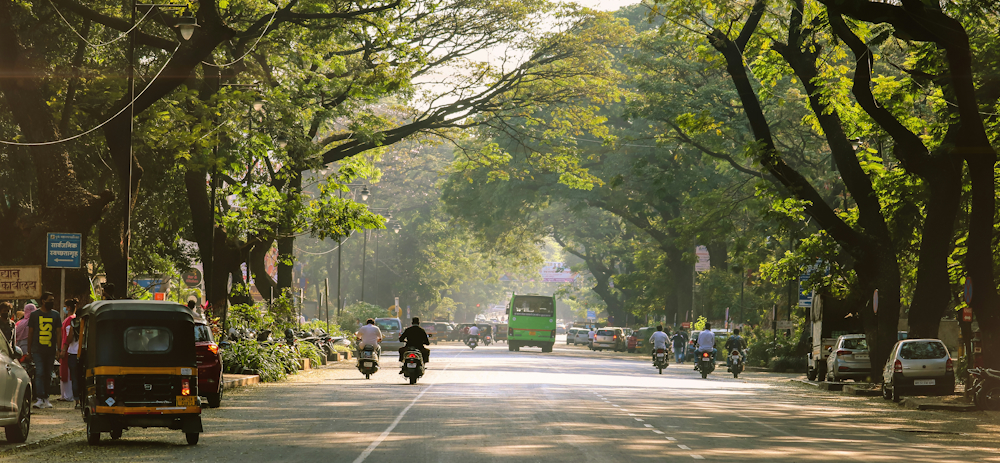
A lot of expats choose to avoid driving in Pune altogether, and some are fortunate enough to have a driver provided by their employer. Those without this perk often find a private driver a worthwhile cost to bear.
Those brave enough to get behind the wheel can expect to contend with dense traffic, swarms of two-wheelers, loose lane discipline, and frequent roadworks. Roads are often waterlogged and potholed during the monsoon from June to September, and the whole city can become gridlocked after a heavy downpour. Police also close many roads in the old city during Ganeshotsav.
Weekend trips out of town are easier by car, and the Mumbai-Pune Expressway is the quickest road route to Mumbai.
Driver’s licences
Expats can drive on their foreign driver’s licences for up to a year, as long as they also carry an International Driving Permit (IDP) issued in their home country before they travel. Anyone who stays longer needs an Indian licence and should start the process well before the year is up. Pune and Pimpri-Chinchwad each have their own RTO.
Holders of a valid foreign licence don’t need to retake the practical driving test, but they still have to pass the learner’s licence test on road rules and signs. Practice is inconsistent, and some RTO officials still ask foreign applicants to take the full test. Applicants can fill out the forms online on the government’s Parivahan Sarathi portal, then visit the RTO in person.
Useful links
Cycling in Pune
Pune was once known as India’s city of cycles, but cycling in Pune is mostly a weekend pastime these days. Recreational riders head for the climb up to Sinhagad Fort and the roads around Khadakwasla Dam, and professional riders first raced through the city in the Pune Grand Tour in 2026.
Daily rides to work are another matter. The city has about 50 miles (80km) of cycle tracks, but only around 11 percent of them were usable in a 2026 review. Riders have to contend with encroached tracks, gaps in the network, heavy traffic, and potholed roads, and it’s generally considered impractical and dangerous to commute by bike. The city’s public bicycle-sharing scheme has also been discontinued.