
Dealing with banking, money and taxes in Libya can be difficult. Due to past and present instability, many international banks have withdrawn from the country, so most banks in Libya are state run. Although it is possible to open a bank account, most expats prefer to have their salaries deposited into offshore or international bank accounts.
When leaving Libya, it’s recommended to keep a receipt for any money exchanged at the bank. Sometimes, in an attempt to minimise money laundering, airport authorities will ask you to declare any Libyan dinars or foreign currency you’re taking out of the country.
Money in Libya
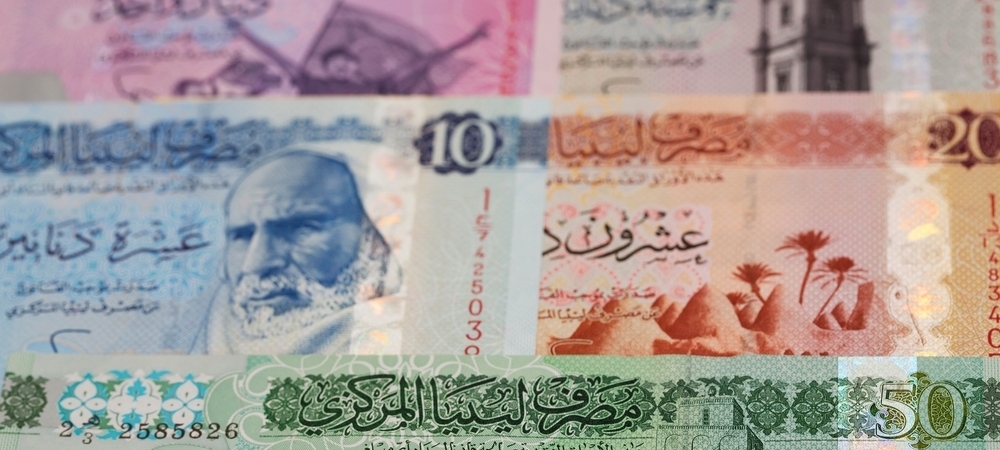
The currency in Libya is the Libyan Dinar (LYD), which is divided into 1,000 dirhams:
• Notes: LYD 1, LYD 5, LYD 10, LYD 20, and LYD 50
• Coins: 50 and 100 dirhams and ½, ¼ dinars
Banking in Libya
The Central Bank of Libya (CBL) is the monetary authority in Libya. It issues currency and oversees the country’s banks. Several domestic banks have branches located throughout Libya. Even though international or multinational banks don’t maintain branches in the country, some collaborate with Libyan banks to help smooth the banking experience for expats.
Interest rates at banks in Libya, as well as banking services offered, vary greatly. It’s best to compare institutions when choosing where to bank. Factors to consider include fees and the number of branches and ATMs available in the country.
Opening a bank account in Libya
Although expats can open a local account with their residency papers and passport, most opt to use their international accounts instead. Money can be wired to Libya via Western Union and MoneyGram, although transaction limits apply. Libyan banks that facilitate transfers out of the country use the SWIFT network.
ATMs and credit cards
Libya is a cash-based society – ATMs are somewhat common in major cities and scarce in small towns and rural areas. ATMs are often empty or out of service, so it’s a good idea to carry some backup cash. Machines located inside bank branches are generally safer than standalone units. Not all Libyan ATMs can connect with international accounts, and many charge high withdrawal fees if they do. Check in with your bank to avoid unpleasant surprises. Opening a local bank account (preferably one that has a joint venture agreement with your home-country bank) to reduce fees is another option.
Credit card usage in Libya is limited, and Visa and MasterCard are accepted only at hotels, larger retailers, and some expat-focused businesses in urban areas. In practice, cash is still the primary means of payment across the country, especially outside Tripoli and Benghazi.
Useful links
Taxes in Libya
Expats residing in Libya are considered tax residents if they reside in Libya for more than 183 days in a calendar year, and are taxed on their worldwide income. Those who are not tax residents are only taxed on income earned in Libya. Personal income tax is charged at progressive rates up to 30 percent. Libya has a limited number of double taxation treaties with some countries, including France, the UK, and Italy, which can help prevent expats from being taxed twice on the same income.
As expat tax rules can be complex and subject to change, it’s a good idea to consult a professional tax practitioner with experience dealing with Libyan tax regulations.