
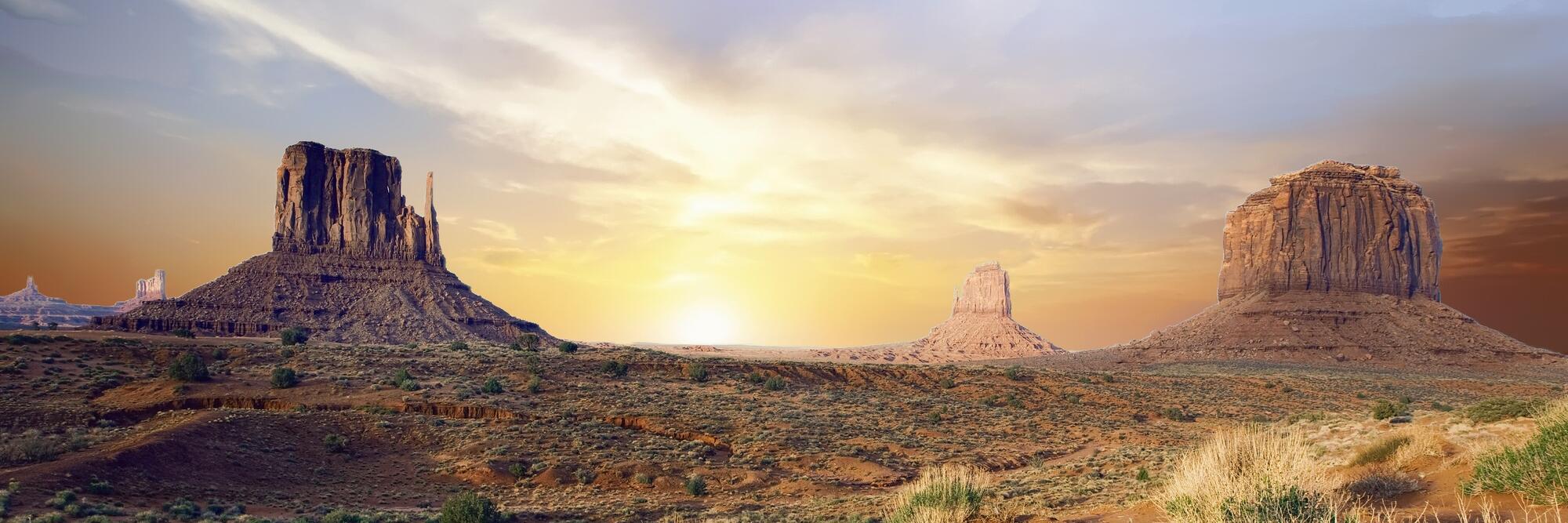
Everything about the lifestyle in Phoenix is arranged around the heat. From October to April, you can be outside most weekends. A dawn hike, a patio lunch, a farmers market, an afternoon at the ballpark. In high summer, when afternoons are above 100°F (38°C) for weeks on end, people move indoors to air-conditioned galleries, cinemas, malls, and pools, and everyone emerges again in October. Art buffs, foodies, golfers, and desert hikers all get a look in across the Valley of the Sun.
Shopping in Phoenix
Six months of the year, you’ll want to do your shopping in Phoenix under a roof and an air conditioner. Scottsdale Fashion Square is the largest centre in Arizona at close to 2 million square feet (186,000sqm), and it has the state’s only outlets for several luxury labels, along with Neiman Marcus, Nordstrom, Dillard’s, and Macy’s.
Biltmore Fashion Park is the open-air alternative in central Phoenix and is home to Arizona’s only Saks Fifth Avenue. For everyday brands, most people default to Desert Ridge Marketplace, Kierland Commons, Scottsdale Quarter, or Tempe Marketplace, and Arizona Mills in Tempe is the big indoor outlet mall.
Away from the malls, the Melrose District on 7th Avenue is a strip of vintage furniture and antique shops. Farmers’ markets are a Saturday morning fixture, and regulars turn out for the downtown Phoenix, Uptown, Gilbert, and Old Town Scottsdale markets. Traders shorten their hours or start earlier once summer arrives.
Arts and culture in Phoenix
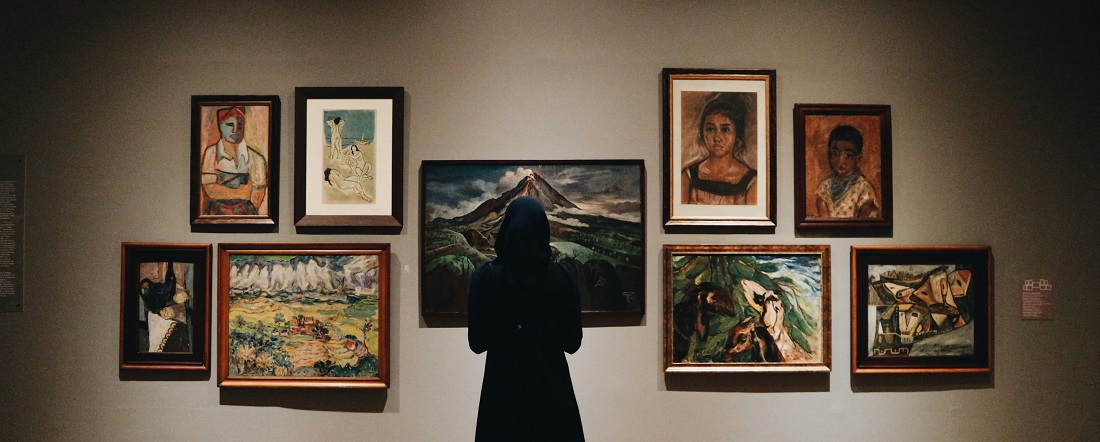
Most newcomers underestimate the options for arts and culture in Phoenix. The scene is concentrated in a few walkable pockets, and the major museums are all within a couple of miles of one another on Central Avenue. The light rail line is on Central Avenue, too, so you can leave the car at home for once.
Roosevelt Row (RoRo), the arts district on the northern edge of downtown, is where the street art is. The murals are repainted often enough to reward another walk every now and then. First Friday is one of the largest self-guided art walks in the country. On the first Friday evening of every month, the galleries and studios stay open late, vendors and buskers fill the streets, and it is all free. Artlink, which runs it, also puts on a quieter Third Friday for people who would rather look at the art than the crowd.
Over in Scottsdale, the galleries along Main Street and Marshall Way have run a Thursday evening ArtWalk since the 1970s. The work there is mostly Western and Native American, along with contemporary fine art and bronze sculpture, and the crowd is a world away from RoRo.
Eating out in Phoenix
For all the assumptions about a desert town and access to food, you’ll pay less to eat out in Phoenix than you would in Los Angeles or New York, and the standard is higher than you might think. The city’s pizza, in particular, has a national following.
Mexican food is the main event. The Sonoran tradition here is its own thing, and its staples are flour tortillas, mesquite grills, carne asada, and green corn tamales. The Sonoran hot dog is the local emblem. It is a bacon-wrapped frankfurter under pinto beans, onions, mayonnaise, and salsa. It was brought up from Hermosillo, and the locals have adopted it wholesale.
You can find Korean bao buns, Mexican tacos, slow-cooked BBQ ribs, and wood-fired pizza in the same week without leaving the city. Patio season is October to April, and every self-respecting restaurant runs misters to keep patrons cool.
The districts to know for a table are Roosevelt Row and the Garfield blocks downtown, Grand Avenue, 7th Street north of Camelback, Arcadia, Old Town Scottsdale, and the Asian District along Dobson Road in Mesa.
Nightlife and entertainment in Phoenix
Nobody pretends the nightlife in Phoenix is a match for Las Vegas, although there is plenty of entertainment after dark. Ale houses, dive bars, rooftop cocktail bars, and full-blown nightclubs are all in the mix. Last call across Arizona is 2am, which is worth knowing before you plan a long evening.
Downtown Phoenix is busiest around games and concerts, and the bars near the arena and Chase Field do most of their trade on event nights. Roosevelt Row is the laid-back option and has the best live music. Old Town Scottsdale has the highest concentration of clubs in the Valley, and the crowd there is dressier and louder for it. Mill Avenue in downtown Tempe is student territory, since Arizona State University’s main campus is a block away.
For an evening that does not involve a bar, the Herberger Theater Center is the main downtown theatre, and Symphony Hall and the Orpheum Theatre are within a few blocks of it. The Phoenix Symphony, Arizona Opera, Ballet Arizona, and the Phoenix Theatre Company all perform in them.
Outdoor activities and sports in Phoenix
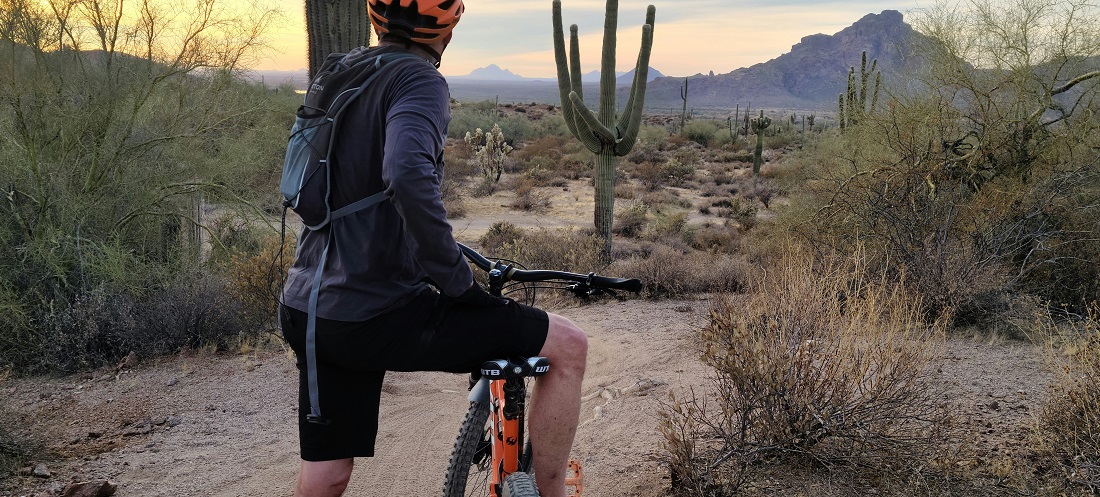
The residents take outdoor activities and sports in Phoenix seriously, and the roughly 300 days of sunshine a year are the reason. There are dozens of parks and preserves inside the metro area, and hundreds of miles of trail between them. Papago Park is quite gentle. Its paths are flat, and the Hole in the Rock viewpoint is a short walk from the car park through red sandstone buttes. Camelback Mountain is on the harder end, and the Echo Canyon route is a challenging scramble. South Mountain Park is one of the largest municipal parks in the country, and Piestewa Peak, in the Phoenix Mountains Preserve, is a 15-minute drive from central Phoenix.
In summer, the parks department closes the busiest trails from 8am to 5pm whenever the National Weather Service issues an extreme heat warning. Locals get around it by starting early, and a 5am trailhead is entirely normal from May to September.
There is more water than you would expect in a desert. Tempe Town Lake is set up for kayaks and paddleboards, Lake Pleasant is the boating and sailing spot an hour north, the Salt River is where everyone goes tubing in summer, and the Verde River is the quieter option for a paddle.
Golf is the other reason people move here. There are more than 200 courses across the Valley, and Scottsdale has more of them than anywhere else. Tee times are cheapest in July and August, when everyone else has gone indoors.
To watch rather than take part, the Arizona Cardinals (NFL) play at State Farm Stadium out in Glendale, and the Arizona Diamondbacks (MLB) play downtown at Chase Field, which has a retractable roof for exactly this climate. The Phoenix Suns (NBA) and Phoenix Mercury (WNBA) share the downtown arena. The Valley has had no NHL team since the Coyotes moved to Utah in 2024.
There are two annual fixtures that locals plan around. Fifteen Major League Baseball teams come to Greater Phoenix for Cactus League spring training every February and March, and they play across 10 ballparks that are all within about 45 minutes of one another. The WM Phoenix Open at TPC Scottsdale in February is the best-attended golf tournament in the world, and it is as much a corporate week as a sporting one.
See and do in Phoenix
Most of what there is to see and do in Phoenix can be covered over a couple of weekends. The Grand Canyon is the exception, and most people spend a weekend there.
The Grand Canyon
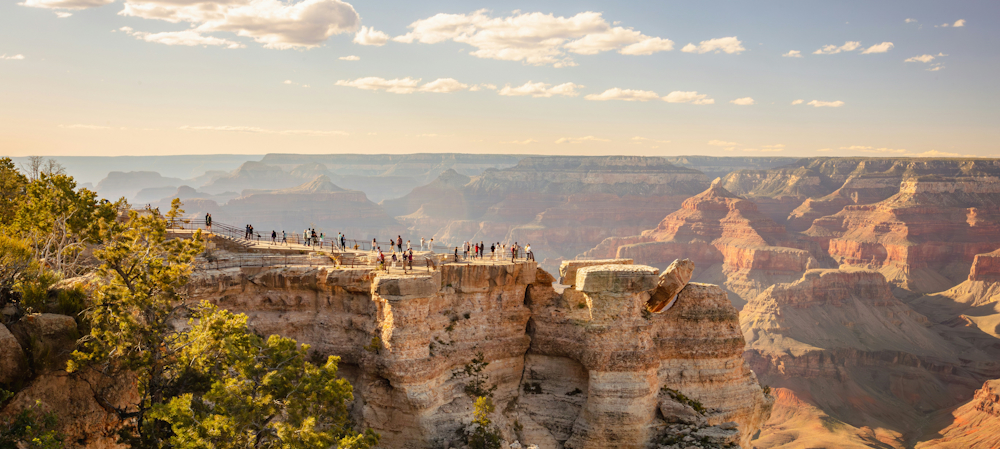
Everyone knows the Grand Canyon. The South Rim is about 230 miles (370km) from downtown Phoenix, which is a three-and-a-half to four-hour drive, so most residents make a weekend of it rather than a day trip. Sedona and Flagstaff are both on the route, and either one is a good stop on the way back.
Phoenix Art Museum
The Phoenix Art Museum is the largest art museum in the Southwest. Its permanent collection has more than 20,000 works, and the curators also bring in national and international touring shows. They also give photography serious billing, through a long-standing partnership with the University of Arizona’s Center for Creative Photography. Admission is pay-what-you-wish on Wednesday evenings and free on First Fridays.
Heard Museum
The Heard is the museum most Phoenix residents send visitors to first. It has been showing Native American art since 1929, and its collection of Southwestern work is deep rather than token. The Heard Museum Guild Indian Fair and Market, which is held each spring, is one of the biggest events of its kind in the country.
Arizona Science Center
The Arizona Science Center is in Heritage and Science Park downtown, in a concrete building designed by Antoine Predock. Inside, there are four levels of hands-on galleries. The Dorrance Planetarium and a five-storey giant-screen cinema are both on site, and the whole place is a standard escape on a blistering afternoon.
Musical Instrument Museum
The Musical Instrument Museum, up in north Phoenix near the Loop 101, is the largest of its kind in the world. The collection has more than 15,000 instruments and objects from nearly 200 countries, and several thousand are on display at any one time. Everyone wears a wireless headset, and you hear each instrument played in its own setting as you walk into the gallery. Allow half a day, because most people underestimate the sheer scope of it.
Phoenix Zoo
The Phoenix Zoo is the largest privately owned non-profit zoo in the country. It has 125 acres (51ha) of Papago Park and 2.5 miles (4km) of trails, and it is home to more than 3,000 animals across nearly 400 species. The conservation record is the real story. The zoo ran Operation Oryx in the 1960s, and the Arabian oryx bred here were used to help restore the species to the wild after hunters had wiped it out across the region.
Meeting people and making friends in Phoenix
Nobody bumps into anybody in a car city, so meeting people in Phoenix takes deliberate effort. The best advice is to pick something that repeats, such as a running club, a climbing gym, a pottery class, or a Sunday league. One-off events rarely turn into friendships, but a Tuesday night fixture that meets forty times a year usually does.
Meetup is the usual starting point for hobby groups, and Phoenix has an unusually large number of them. Volunteering is the route that people underrate, and charities across the Valley are short handed in summer. Weekend farmers markets, neighbourhood associations and co-working spaces are the other low-key options. If you have children, the school gate will do much of the work for you.