
Living in Phoenix as an expat
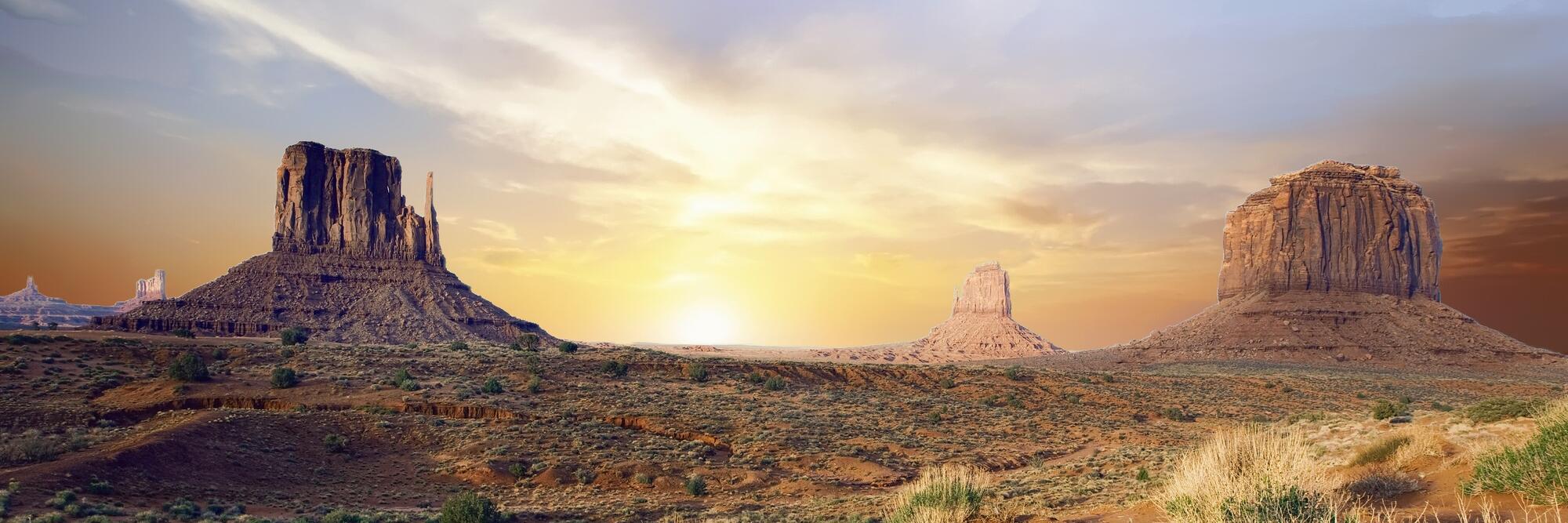
Most people are moving to Phoenix for the sunshine and the desert scenery, or for the low state taxes and the jobs in semiconductors, healthcare, finance, and data centres. On weekends, they hike, cycle, play golf, and camp out in the desert.
The trade-off is the summer, which lasts from May to September and is hotter than almost anywhere else in the country. The cost of living is above the US average these days, too, but people keep moving to Phoenix all the same.
Around 1.7 million people live in Phoenix, the fifth-most-populous city in the USA and the largest in Arizona’s Valley of the Sun. Very few of them are Arizona natives. Californians, Texans, Midwesterners, and East Coasters have poured in for decades, and international arrivals are a significant source of growth for the metro. Roughly one in five Phoenix residents was born abroad.
Working in Phoenix
People working in Phoenix are clustered around a handful of sectors, primarily healthcare, semiconductors, technology, finance, logistics, and education. Banner Health, Mayo Clinic, HonorHealth, American Express, Charles Schwab, and Arizona State University are among the largest employers in the Valley of the Sun.
Chipmaking is the story of the decade in Phoenix. TSMC is building a cluster of manufacturing facilities on a campus in north Phoenix, and Intel has run large operations in nearby Chandler for years. The Greater Phoenix Economic Council already counts more than 140,000 jobs in semiconductor-related occupations across the metro. Data centre and advanced manufacturing firms are following the chips in. Hiring has its ups and downs, though, so line up an offer before you move if you can.
Lifestyle in Phoenix

Residents plan their lifestyle in Phoenix around the thermometer. From October to April, they are outdoors constantly; from June to September, they retreat into air conditioning. The museums do well out of that second half of the year. The Heard Museum covers American Indian art and history, and the Phoenix Art Museum is the largest in the Southwest. The Musical Instrument Museum has exhibits of instruments from nearly every country in the world, and a visit to the Arizona Science Center will absorb a child for an afternoon.
Sport is a large part of the social calendar. The Cardinals (NFL), Diamondbacks (MLB), Suns (NBA), and Mercury (WNBA) all play in the metro area, and every February and March, 15 Major League Baseball teams hold their preseason training in the Cactus League here.
Eating out is one of the city’s genuine pleasures, and Mexican and Southwestern cuisines are popular in Phoenix. When the weather turns, everyone moves outside: hiking in the mountain preserves, the Desert Botanical Garden, patio dining, and golf that carries on all winter.
Cost of living in Phoenix
The cost of living in Phoenix is no longer the bargain it was. Prices here are a few percent above the US average, and housing is more than 10 percent above it. It is still cheap when compared to California, New York, Boston, or Seattle, and those are the places most new residents are leaving.
The tax side is kinder. Arizona charges a flat state income tax of 2.5 percent, which is the lowest rate of any state that taxes income at all, and property taxes are among the lowest in the country, too. For a high earner coming from California, that alone is a substantial saving. Pay has kept up better than it used to: wages in the Phoenix metro have grown faster than in most large American metros over the past few years.
The biggest downside is the electricity bill. The air conditioning is on for months on end, and a summer bill can be several times the winter one.
Finding accommodation in Phoenix
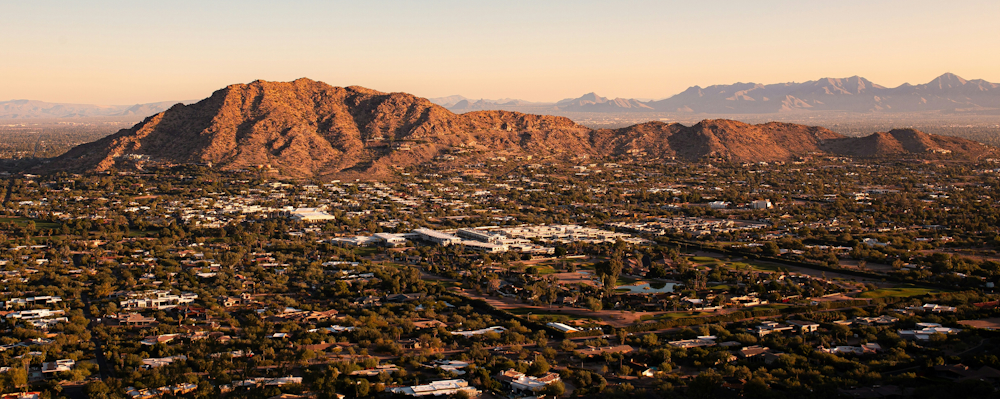
Finding accommodation in Phoenix is easier than in most big American cities. There’s plenty of housing in Phoenix, even if the price is less than ideal. Housing costs more than 10 percent above the US average, although they are still well below what you would pay in California.
Almost every errand here is a drive, so choose your neighbourhood with care. Downtown and Midtown Phoenix are the choices for people who want pavements and light rail. Arcadia, North Central Phoenix, Ahwatukee, and the historic Willo district are the long-standing family favourites. Newcomers who want a new-build home and a garden head to Gilbert, Chandler, Peoria, and Surprise. Scottsdale and Paradise Valley are at the top of the market.
Renting Accommodation in Phoenix
Best Places to Live in Phoenix
Living in Phoenix with children
Families living in Phoenix with children have it easy for much of the year and plan hard for the rest of it. Phoenix is the healthcare hub of the Southwest, and Phoenix Children’s Hospital, Mayo Clinic, Banner Health, and HonorHealth all run major facilities here.
Summer is the part nobody warns you about. Families rearrange their lives around it. Residents start the day early and keep the children indoors through the afternoon, and a pool is not a luxury in Phoenix. Schools move break inside when the heat is dangerous, and the city and the county run free cooling centres through the summer. Visit in August before you commit to anything.
Finding a school in Phoenix
School districts here assign children by catchment, which means that finding a school in Phoenix and finding a home are mostly the same job. But Arizona also runs open enrollment, so you can apply to any public school in the state that has space, and a great many families do. The state grades every public school from A to F and publishes the results, so you can check a school before you sign a lease.
Charter schools are free and publicly funded, although they are run independently of the districts. Some of the highest-ranked charters in the country are in the Valley, including the BASIS and Great Hearts networks, and places can go quickly. There are also some magnet schools that specialise in subjects such as science, technology, languages, and the performing arts. There are hundreds of private schools across the metro, and a handful teach the International Baccalaureate.
Education and Schools in Phoenix
Getting around in Phoenix
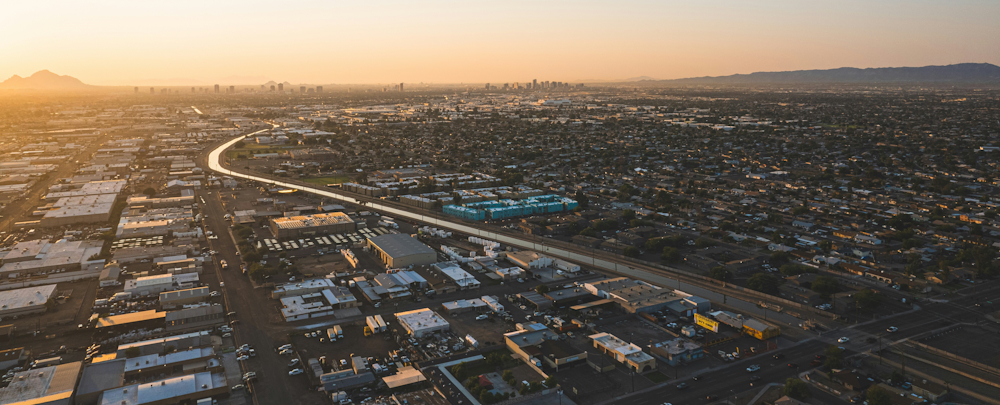
Getting around in Phoenix means driving, and anyone arriving from San Francisco, New York, Boston, or Chicago should brace for it. Valley Metro runs a two-line light rail system between downtown Phoenix, Tempe, Mesa, and South Phoenix, but it only covers a thin slice of a city that is more than 500 square miles (1,300km²) in size. Valley Metro also runs the buses, although the service is sparse in the suburbs. Downtown and Midtown are properly walkable, but almost nowhere else is.
Waymo has operated driverless taxis here for longer than anywhere else in the world, and they now cover a large part of the metro alongside Uber and Lyft. Cyclists have plenty of bike lanes and paths to work with, although almost nobody rides far between June and September.
Phoenix Sky Harbor International Airport is three miles (5km) from downtown, which makes it one of the best-placed big airports in the country. You can fly nonstop to London, Paris, Taipei, and most large North American cities, and the free PHX Sky Train links the terminals to the light rail.
Public Transport, Driver’s Licences and Driving in Phoenix
Climate and weather in Phoenix
The climate and weather in Phoenix are the reason most people come, and occasionally the reason they leave. The sun shines on around 300 days a year, and more than 200 of those are cloudless. Winter has perfect weather, with warm days, cool nights, dry air, and pool weather in February.
Summer is a different proposition. Phoenix has around 111 days a year at or above 100°F (38°C), and routinely exceeds 110°F (43°C) in July. The past few years have been the hottest on record. People move indoors or get up at dawn, and air conditioning is not considered optional.
The monsoon season is from mid-June to the end of September, and about half the year’s rain falls in it. You can expect violent thunderstorms, flash floods, power cuts, and haboobs, the walls of dust that can blot out the skyline in minutes. The relief is short, an afternoon at a time.
Whatever brings you to the Valley of the Sun, whether it is the winter sunshine, the low state taxes, the job market, or housing that costs a fraction of California’s, you will settle in fastest if you plan around the heat and buy a decent car. Give the city a summer before you judge it. The other eight months are the ones people stay for.