

- Download our Moving to Thailand Guide (PDF)
Living in Thailand as an expat
While the country is best known as a beautiful, affordable and exotic tourist destination, moving to Thailand gives expats the chance to enjoy paradise on a more permanent basis. A warm and welcoming culture, striking landscapes, and a chance to experience a truly different way of life make living in Thailand both interesting and comfortable for many expats.
Rural Thailand often has fewer or no modern amenities, but cities like Bangkok have the hum of a city that never quite sleeps. Many expats find that weekend escapes from Bangkok help keep them sane.
Some expats scatter across the northern regions, such as Chiang Mai, to enjoy a quieter and more traditional Thai lifestyle. Chiang Mai, in particular, is well known as a hub for digital nomads. Unfortunately, from February to April, agricultural burning fills the air with smoke and haze. Chiang Mai’s air quality during these months is grim – bad enough that many nomads decamp to the southern islands until it passes.
The beach resorts of Krabi and Phuket are also popular choices, as tourism-related jobs and idyllic beaches lure retirees and expat workers alike. Certain tourism-related roles – particularly tour guiding – are reserved for Thai nationals by law, but there are some opportunities in hospitality management and dive instruction.
Island life has a different tempo altogether. Many expats find they can finally slow down.
Working in Thailand
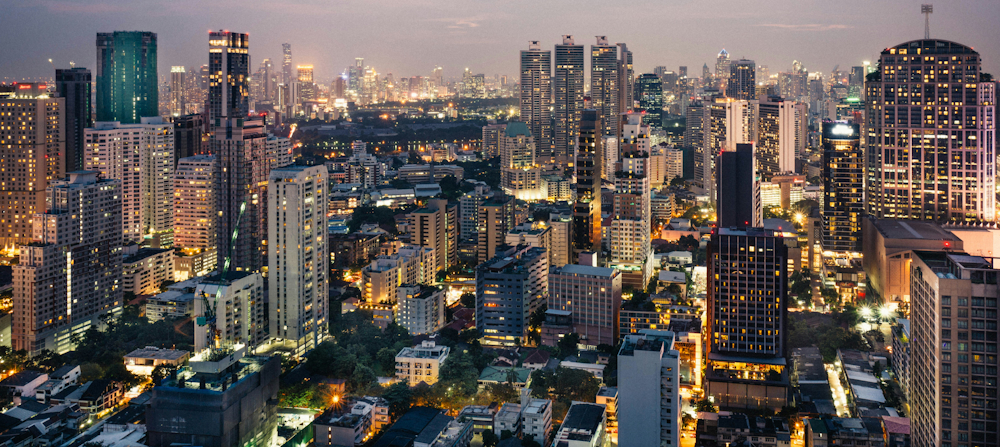
Well-paid local jobs are hard to come by. Employers must generally hire four Thai staff for every foreign work permit, and some roles are closed to foreigners entirely. Most multinational corporations are headquartered in Bangkok, which is why job-hunting expats head straight for the capital – although the Eastern Economic Corridor in Chonburi and Rayong is drawing those in search of industrial and engineering jobs.
Senior roles pay well; entry-level jobs often don’t. Teaching English is one of the easier ways in. Government school salaries are low, but international schools pay well for teachers with qualifications from the school’s home country. All teaching positions require a Non-Immigrant B Visa, a work permit, and typically a bachelor’s degree.
For remote workers, Thailand’s five-year, multiple-entry Destination Thailand Visa allows digital nomads to live legally in Thailand while working for foreign employers, and for a growing number of expats, the question of finding local work has become beside the point.
Working in Thailand
Work Permits in Thailand
Visas in Thailand
Thai culture
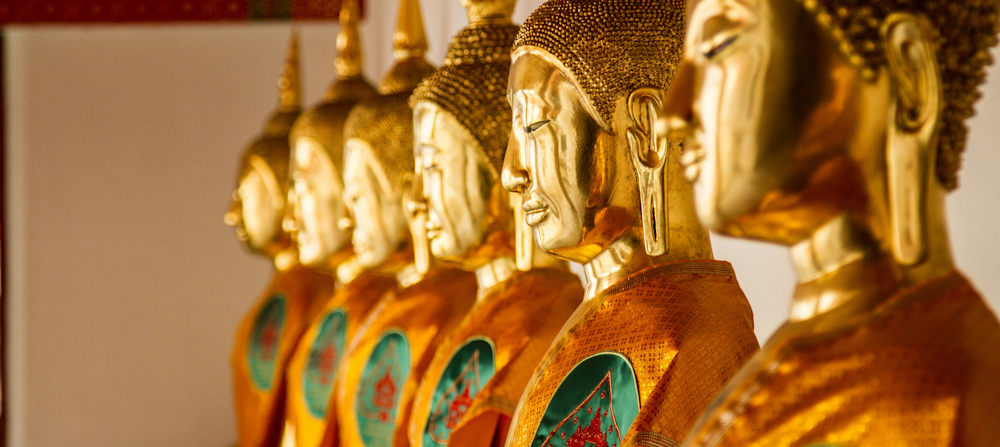
Thai culture runs on principles that can take newcomers by surprise. The concept of jai yen – keeping a cool heart – is at the centre of social interactions. Raising your voice or showing frustration is seen as a loss of face, both for you and for whoever you’re addressing.
Hierarchy is more important than in some Western countries, and decisions often have to be approved from the top. The traditional wai greeting – a slight bow with palms pressed together – has its own etiquette. You’re not expected to initiate one to service staff, but always return a wai offered by an equal or elder.
Most expats find Thais warm and welcoming, although close friendships may take time to develop. A few words of Thai go a long way.
Finding accommodation in Thailand
Expats chasing the comforts of home will find that costs add up quickly. Western-style accommodation in Bangkok’s prime districts – Sukhumvit, Silom, Sathorn – involves premium rents, and prices have risen sharply in recent years.
The savvy move is to look slightly further out. Just a few Skytrain stops from the centre – areas like On Nut, Bang Na, or Ladprao – rents drop dramatically while still offering modern amenities and easy city access. An oversupply of mid-range condos in the suburbs means renters often have negotiating power, with landlords willing to offer a month free on longer leases.
Outside Bangkok, Chiang Mai and the beach towns offer lower rents, although amenities and housing quality vary widely.
Cost of living in Thailand
The cost of living in Thailand varies enormously depending on where you settle and how you choose to live. Day-to-day costs are low, but imported goods and anything aimed at expats come with a markup. Air conditioning in the hot season sends electricity bills through the roof. Those who eat local and shop at markets can live comfortably on modest budgets.
Thailand has gone cashless in urban areas. The PromptPay QR code system is ubiquitous – you can pay for everything from fine dining to street-stall coconut pancakes by scanning a code with a Thai banking app. Cash remains useful in rural areas and for very small transactions.
Living in Thailand with children
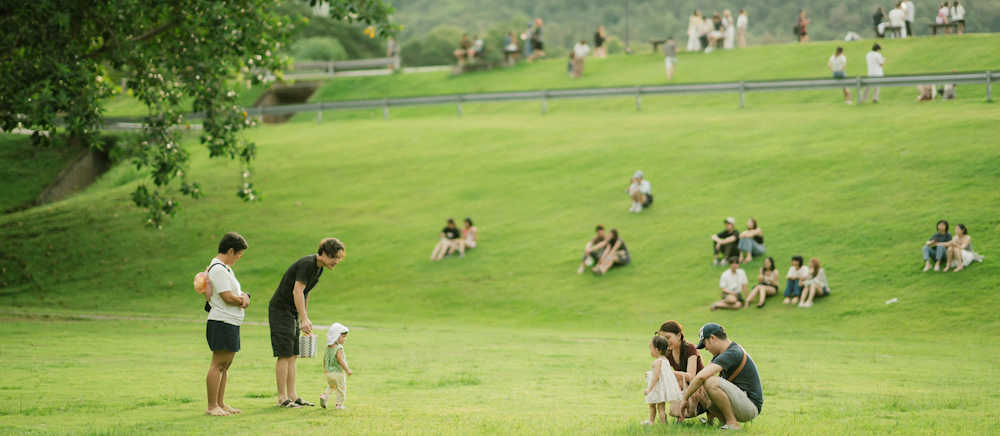
Thailand surprises many expat families with just how child-friendly it is. Thais love children. Restaurant staff will happily entertain your toddler while you finish eating.
Healthcare is a major draw. Bangkok’s private hospitals rival hospitals anywhere, and paediatric care costs a fraction of Western prices. The downside is air quality. Pollution peaks from December to March in Bangkok, and February to April in the north – months when outdoor play may be off the table and families spend more time in air-filtered malls.
Domestic help is readily available and affordable, with many expat families employing nannies or housekeepers. Expat parent groups in Bangkok and Chiang Mai run playgroups and regular meetups.
Thailand’s position as a regional hub makes family holidays easy – Malaysia, Singapore, Vietnam, and Cambodia are all short flights away.
Finding a school in Thailand
Bangkok offers a strong selection of international schools following British, American, and International Baccalaureate curricula. The quality is high – but so are the fees. The top schools charge what you’d pay at private schools back home, often with enrolment bonds on top.
For families on tighter budgets, there are quite a few Thai private schools that combine English and Thai instruction at a fraction of international school costs, and many expat families find them a sensible compromise.
Thai public schools are open to foreign children, but instruction is entirely in Thai, and the teaching style leans heavily on rote learning. Prestigious government schools exist, but entry is competitive even for Thai students – in practice, public schooling is only realistic for expat families committed to full Thai-language immersion over the long term.
Outside Bangkok, Chiang Mai and Phuket have international school options, although the range is narrower.
Education and Schools in Thailand
International Schools in Bangkok
Getting around in Thailand
Bangkok's Skytrain and metro are excellent, and Grab works even if you don't speak Thai. Traffic is another story – a short trip by car can take an hour in rush hour.
Outside the capital, transport options thin out. Many expats get around on motorbikes, but Thailand's roads are dangerous – accident and fatality rates are among the worst in the world. An international driving permit covers short stays, but longer-term residents need a Thai licence.
Transport and Driving in Thailand
Climate and weather in Thailand
Thailand’s tropical climate brings hot and humid conditions for most of the year. The cool, dry season from November to February is the most comfortable time – and the peak tourist season. From March to June, temperatures ratchet up, regularly exceeding 93°F (34°C). The heat can feel oppressive, particularly in the cities.
The rainy season runs from June through October, with regular afternoon downpours and especially heavy rainfall in the south, which receives roughly twice as much rain as the north.
Although the weather may not always play along, moving to Thailand can have the feel of a never-ending holiday, especially for those living on the islands. Compared to the rat race of the West, many expats find that they can take it easy in the Land of Smiles.
Fast facts
Official name: Kingdom of Thailand
Population: Over 71 million
Capital city: Bangkok
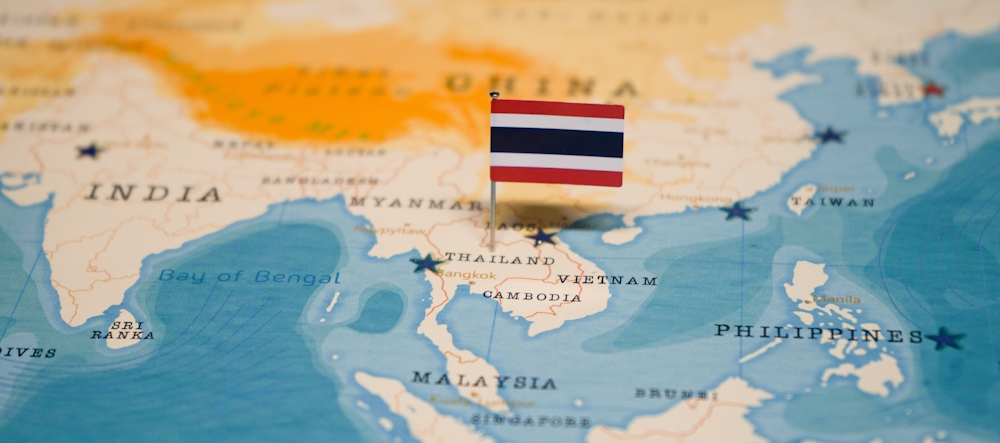
Neighbouring countries: Thailand shares borders with Myanmar to the west and northwest, Laos to the north and northeast, Cambodia to the southeast, and Malaysia to the far south.
Geography: Thailand’s natural features, such as the Mekong River and various mountain ranges, define its northern, eastern and western borders. The Gulf of Thailand forms the country’s southern coastline.
Political system: Unitary parliamentary constitutional monarchy
Major religions: Buddhism is the majority religion in Thailand, with Islam and Christianity being the two most prominent minority religions.
Main languages: Thai is the official language. English is widely understood in tourist areas and business settings, although overall proficiency is lower than in neighbouring countries.
Money: The Thai baht (THB), divided into 100 satang. ATMs are widely available in urban areas and accept foreign cards, although withdrawal fees are steep. Opening a local bank account has become more difficult in recent years – most banks now require a long-term visa and a certificate of residence from immigration.
Tipping: Tipping isn’t customary or expected in Thailand, but adding a tip will usually be appreciated. Depending on the situation, this may be in the form of rounding up the billed amount, adding 10 percent, or leaving loose change behind.
Time: GMT+7
Electricity: 220V, 50Hz. Both flat and round two-pin plugs are frequently used.
Internet domain: .th
International dialling code: +66
Emergency contacts: 191 (police), 1669 (medical emergency), 199 (fire), 1155 (Tourist Police)
Transport and driving: Cars drive on the left-hand side of the road. Roads are usually in good condition, but traffic in Bangkok is notorious for congestion, and drivers can behave erratically. There are good public transport networks in Thailand, with most long-distance travel done by bus and most short distances by motorcycle or ride-hailing apps.