

- Download our Moving to Thailand Guide (PDF)
After securing a job, getting the appropriate visa, and arriving in the country, you’ll need a work permit for Thailand. It’s theoretically possible for expats who have not secured a position before they move to Thailand to get a work permit once they are in the country. The process moved online in October 2025, so instead of getting a blue book, you’ll need to go through the E-Work Permit system.
Most expats enter Thailand on a standard Non-Immigrant B (Business) visa and obtain a work permit from the Ministry of Labour. There are newer visa categories for investors, remote workers, startup founders, and highly skilled professionals. The DTV lets individuals work for foreign clients without a Thai work permit, while the SMART Visa eliminates the need for a standard permit for qualifying roles.
Types of work permits in Thailand
Standard work permit
The standard work permit in Thailand is for foreign employees at regular Thai companies. Your employer must meet specific capital requirements and usually maintain a four-to-one ratio of Thai to foreign staff. You need to renew your work permit annually and report changes to your job or employer to avoid penalties.
Board of Investment work permit
Companies promoted by Thailand’s Board of Investment (BOI) play by different rules. The BOI work permit exempts employers from the four-to-one staffing ratio and lowers the capital threshold. Multinationals, manufacturers, and tech firms often use this route.
Destination Thailand Visa
Remote workers and freelancers who work for foreign clients can skip the standard work permit entirely under the Destination Thailand Visa (DTV), a five-year, multiple-entry visa. Each stay lasts 180 days and can be extended once per entry for another 180. The catch is that you’re barred from taking on Thai-based clients or working for Thai companies without switching visa categories.
Visas and Permanent Residence in Thailand
Work permit applications in Thailand
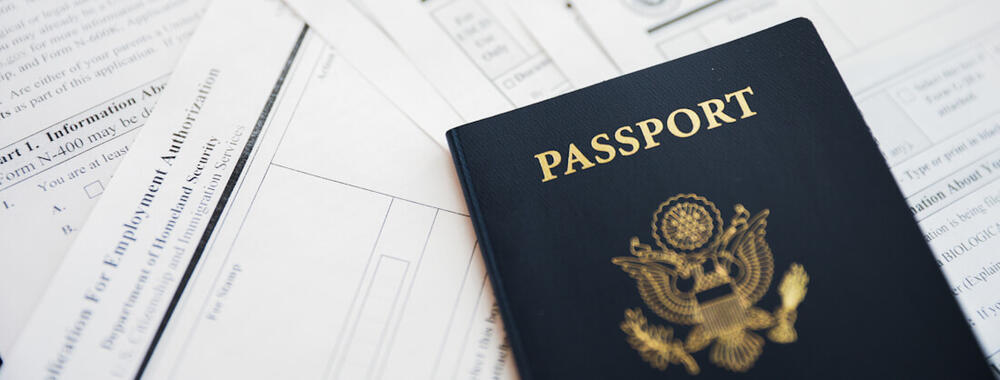
Work permit applications in Thailand begin once you’ve cleared immigration with a valid Non-Immigrant B visa. The initial entry stamp usually runs 90 days. You’ll then apply for your work permit through the Department of Employment’s E-Work Permit platform straight away. Both you and your employer must first verify your identities through the ThaiID app before either of you can submit anything.
Standard applications wrap up in seven to 10 business days in Bangkok, sometimes a little longer at provincial offices. BOI companies often see approvals within one to three working days.
In many cases, your sponsoring company will apply for a work permit at the Department of Employment on your behalf. You will then be responsible for applying for your long-term visa and re-entry permit.
After receiving your work permit, you have a limited time to apply for a long-term visa called the Extension of Stay Permit at the Immigration Bureau. This permit is valid for a maximum of one year, after which you will need to apply for an extension.
Upon approval, applicants must book a brief biometric appointment at a designated service centre to collect the credit card-sized permit. The permit includes an embedded QR code that links to government databases for instant verification.
Expats who leave the country before returning to work will need to apply for a re-entry permit. Leaving without one cancels both your work permit and visa.
If you quit your job, you must cancel your extension of stay permit before leaving the country. This requires an employer’s letter presented to the Immigration Department on your last working day or, if that falls on a weekend or public holiday, on the next business day.
Useful links
Visa regulations are subject to change at short notice. Contact your nearest Thai embassy or consulate for the latest information.