Print
  • Hold down Ctrl key and select the sections you want to print. If using a Mac, hold down the Cmd key.
  • Use Ctrl + A or on Mac, Cmd + A to select all sections (if you are using the Chrome browser).
  • Click "Apply" and the site will customise your print guide in the preview below.
  • Click the "Print" button and a print pop up should appear to print to your printer of choice.

Safety in Thailand

When it comes to safety in Thailand, appearances can be misleading. Beaches shimmer beneath palm fronds, locals offer easy smiles, and yet beneath it all runs an undercurrent that you’ll need to stay aware of. It can still feel like paradise – if you grasp the country’s particular hazards and keep your eyes peeled.

Strained infrastructure, political volatility and economic disparities create pockets of desperation. What follows are the main concerns for globally mobile professionals, with practical ways to avoid them.


Terrorism in Thailand

Thailand has a volatile history. The 2014 military coup was followed by years of military rule, and then elections returned in 2023 and brought back the civilian government. Martial law and curfews have been lifted across most of the country, but the political tensions are still there. Border clashes between Thailand and Cambodia erupted in July and December 2025, which have displaced hundreds of thousands.

The far south carries genuine risk. Yala, Pattani and Narathiwat – three provinces hugging the Malaysian border – report ongoing insurgent violence that has killed over 7,500 people since 2004. These provinces are under a state of emergency. Foreign governments have advised against all but the most essential travel to these potentially unsafe areas.


General safety in Thailand

General safety in Thailand does quite well against global benchmarks. Violent crime targeting foreigners is uncommon, but there is quite a bit of opportunistic theft wherever tourists gather. A few sensible precautions go a long way.

Guard your belongings closely in crowded markets and transport hubs. Snatch-and-grab theft from motorcycles is a genuine threat in Bangkok and other cities – a rider pulls alongside, a passenger snatches your bag, and they vanish before you can react. Never resist if this happens, as thieves sometimes drag victims who hold on, or slash bag straps with knives. Report any theft to the tourist police immediately at 1155.

Ride-hailing apps like Grab and Bolt have made a world of difference when it comes to getting around in Thailand safely. Track your journey via GPS and check driver details before you climb in, and there are no meter games or haggling. Bolt is typically cheaper, although Grab has wider coverage. Download both and compare fares.


Road safety in Thailand

Road safety in Thailand demands serious attention, wherever in the country you settle. The country ranks ninth globally for traffic deaths, and around 50 people die daily on Thai roads. WHO estimated the death rate at 25.4 per 100,000 population in 2021, well above the global average of 15.

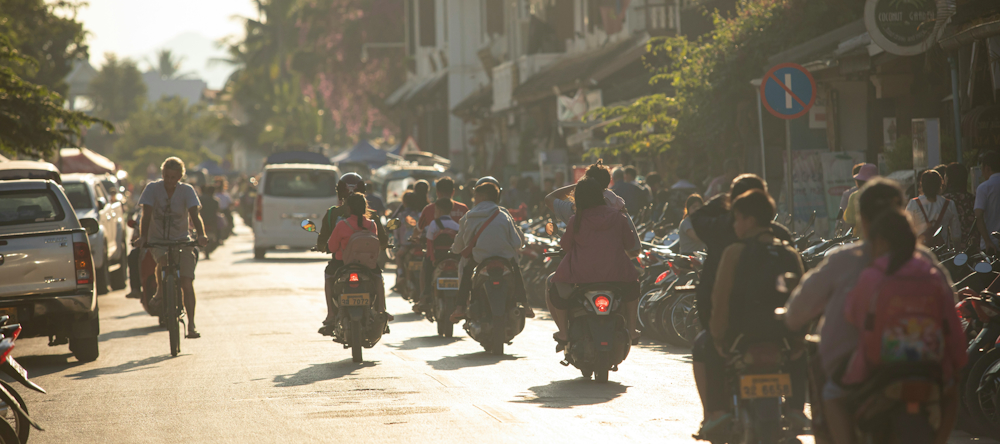
Drink-driving accounts for 28 percent of deaths, and then there’s the rampant speeding and the scarcity of helmet use. Watch out for motorcycles hopping onto pavements to dodge traffic snarls – a common sight in Bangkok.

Motorcyclists account for 83 percent of all traffic fatalities. If you ride a motorcycle or use motorcycle taxis, helmets aren’t optional. The International Health Policy Program calculated that universal helmet use would prevent a third of all traffic deaths in Thailand. Always insist on a helmet, even for short rides. Some motorcycle taxi drivers carry spares.


Scams in Thailand

Scams in Thailand target newcomers with depressing regularity. Consider it a rite of passage that most expats endure at least once. Once burned, you learn fast. After a few weeks here, you’ll spot the setups coming.

Taxi drivers sometimes refuse to use meters or quote inflated flat rates. Insist on the meter before the door closes, or walk away and find another cab. Alternatively, skip the drama and use a ride-hailing app.

The classic ‘attraction closed’ con still catches newcomers. A tuk-tuk driver or friendly local claims your intended temple is shut for a ceremony, then offers to take you somewhere ‘better’ – invariably a gem shop or tailor where they get a commission on whatever you buy. Temples are rarely ever closed during tourist hours. Walk to the entrance and check for yourself.

Useful links

Local culture in Thailand

The local culture in Thailand is known for its warmly welcoming people and the pride they take in their traditions. Expats moving to Thailand can expect some degree of culture shock, yet most find that local hospitality eases the transition considerably.


Meeting and greeting in Thailand

Learning the Wai by Jacktamrong on Shutterstock

In Thai culture, greeting someone is an act of great significance. The manner of greeting is determined according to the social standing of both people. Making the wrong move could cause a Thai person to lose face – this is considered a bad look for both parties and should be avoided at all costs. That said, when used correctly, greetings are an opportunity to show deep respect for the Thai people.

For a traditional Thai greeting, palms are placed together in a prayer-like gesture somewhere between the chest and the forehead. They are held close to the body whilst a slight bow is made. The higher the hands and the lower the bow, the more respect is shown. This is called a wai.

The proper etiquette is for the subordinate party to offer a wai first, with the senior person then returning the wai. Thai locals won’t expect a foreigner to initiate a wai, but if offered one, not returning it would be an insult.

Foreigners aren’t expected to initiate a wai with service staff. A smile and nod work just fine, although returning a wai when offered is always polite.


Dress in Thailand

Outward appearances are important to Thai people. Here, the old saying ‘dress for success’ holds true. Thai locals appreciate foreigners who strive to maintain a professional, reserved appearance. T-shirts and shorts are acceptable for just about anywhere, but pants and skirts should be modest in length. Women should keep their chests and shoulders covered.

Dress codes for office jobs in Thailand vary by industry. Banking and law maintain formal standards in which men wear dress pants, collared shirts, and ties. Bangkok’s tech and startup scene has shifted towards smart casual, but looking polished still matters. In the humid climate, breathable fabrics are your best friend.

In beach towns like Phuket, Hua Hin and Krabi, Thai locals are more accustomed to foreigners wearing bikinis and swimwear at the beach, but when going for lunch or a stroll around town, expats should cover up.


Language barrier in Thailand

Thai is a tonal language with five different tones. The tone of a word is used to distinguish its meaning. If an expat correctly pronounces a word but uses the wrong vocal tone, it may have an entirely different meaning from what they intended to say. The upside is that Thais are extremely forgiving when foreigners try to speak their language, and are usually happy to help with corrections.

English proficiency in Thailand ranks among the lowest in Asia. Outside tourist zones and Bangkok’s international business districts, English speakers are scarce. Translation apps help bridge the gap, yet learning basic Thai phrases will get you further than you might expect.


Religion in Thailand

Monks on a Bridge in Thailand by Sippakorn Yamkasikorn on Unsplash

Most of the population in Thailand is Buddhist. Buddhism plays an important role in the cultural background and outlook of the local population. The country is also full of beautiful Buddhist temples known as wats

Other religions are practised in Thailand, though, and everyone’s right to the faith of their choice is protected.


Women in Thailand

Women in Thailand occupy a strong position in the business world. Roughly one-third of senior management positions are held by women, among the highest rates globally. Thai women lead the world in holding CFO positions.

Most female expats report that they find professional settings safe and respectful, although they generally find international companies offer more advancement opportunities than traditional Thai-owned firms. Formal work-life balance policies are rare.

Gender Equality and Women in Leadership in Thailand


LGBTQ+ in Thailand

In January 2025, Thailand became the first Southeast Asian country to legalise same-sex marriage. The Equal Marriage Law grants same-sex couples rights to adoption, inheritance, medical decisions and tax benefits on par with heterosexual couples. Thailand joins Taiwan and Nepal as the only Asian nations recognising marriage equality. What was once tolerance has become legal equality, a significant shift for the region.

Bangkok and Pattaya are particularly accepting. LGBTQ+ individuals are well integrated into professional life in these cities. Workplace culture is mostly inclusive, although rural and conservative areas are a little more conservative.

LGBTQ+, Diversity and Inclusion in Thailand


Time in Thailand

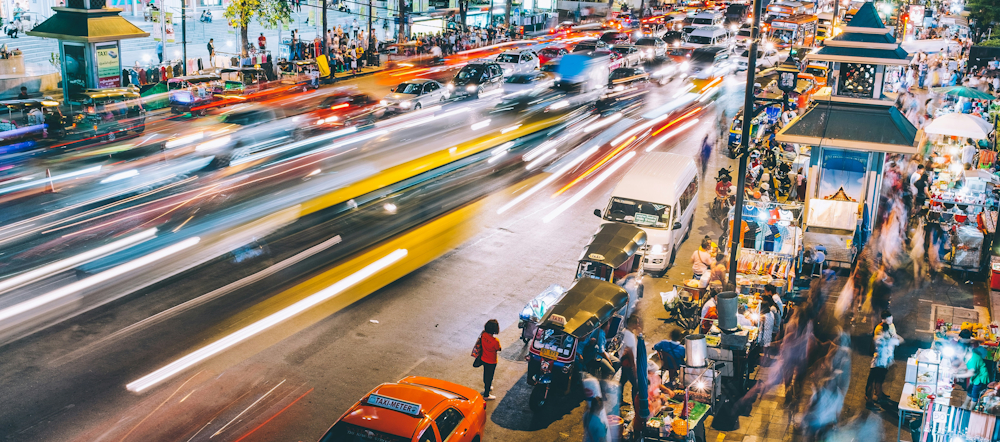
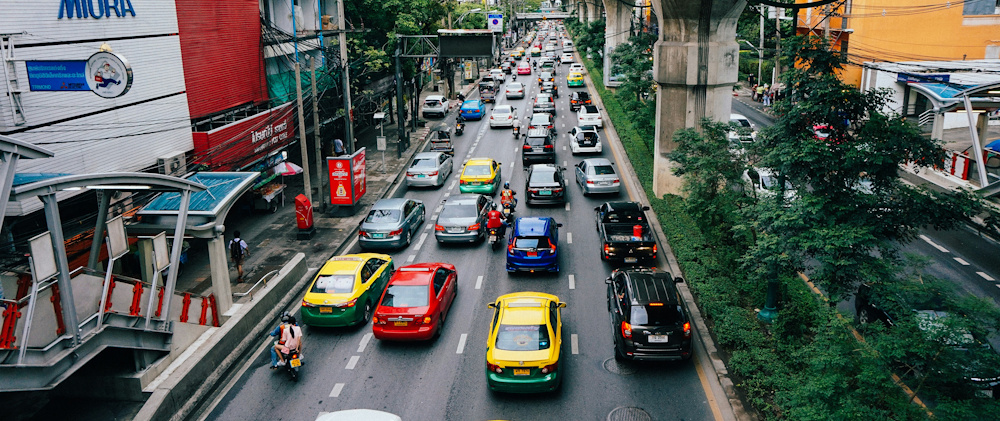
Timelapse of Bangkok Traffic in Thailand by Dan Freeman on Unsplash

The national anthem plays twice daily at 8am and 6pm in public spaces. Everyone stops and stands still whilst it plays, even mid-stride. This includes foreigners.

Thai business culture prioritises relationships before schedules. Meetings typically open with small talk, so don’t rush into business.


Cultural dos and don’ts in Thailand

  • Do show great respect to the Thai royal family. The local population highly reveres them.
  • Don’t criticise or joke about the royal family, including on social media. Thailand’s lèse-majesté laws carry sentences of three to fifteen years per offence. Foreigners can face prosecution. The laws apply to any perceived insult to the monarchy. Expats should avoid all discussions about Thai royalty.
  • Do take the Thai national anthem seriously. It is broadcast twice daily over television and radio – when the flag is raised every day at 8am, and when it’s lowered just before sunset. When the anthem is played, everyone must stop what they are doing and stand at attention in respect.
  • Don’t ever touch the head of a Thai person or pass any objects over someone’s head. The head is the highest part of the body and is considered sacred in Thailand. It must be treated with the utmost respect.
  • Don’t use your feet for anything other than standing or walking. It is unacceptable to put your feet on a table or desk, and expats should avoid pointing them at people. It is also considered impolite to touch your feet in public.
  • Do keep your cool. The Thai phrase jai yen, meaning ‘cool heart’, is a way of life. It refers to the ability to stay composed, calm and patient in tense situations. Thai people go to great lengths to avoid confrontation and remain diplomatic.

Visas for Thailand

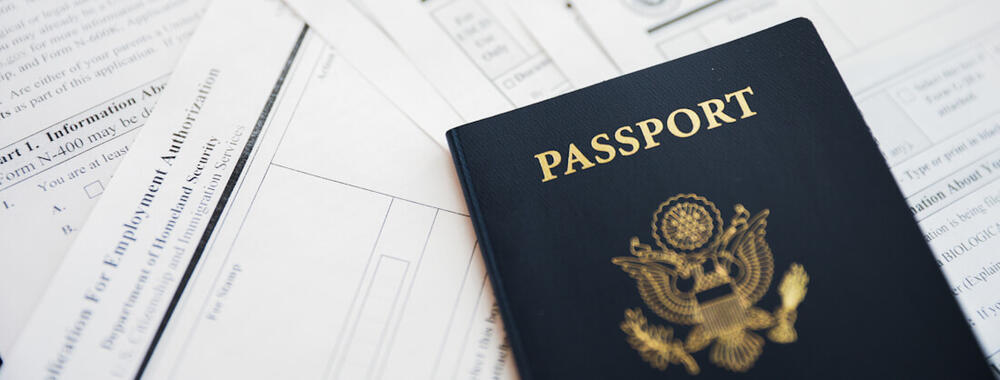
Getting a visa for Thailand is straightforward for most expats if you understand which documents to submit and prepare them correctly. Thailand's e-visa system went live worldwide in January 2025 and has made applications much easier.

 Citizens of over 90 countries – including the United States of America, the United Kingdom, and most European countries – can enter visa-free for up to 60 days. This visa-free period can be extended once for an additional 30 days at Thai immigration offices, giving you a total of 90 days without needing to apply for a visa in advance.

That said, authorities have tightened enforcement on visa runs. Since 2025, visa-exempt travellers can only extend their stay twice per calendar year: the first extension grants 30 days, and the second provides just seven days. Land border crossings are now limited to twice per calendar year as well.

Every traveller must complete the Thailand Digital Arrival Card (TDAC) three days before arrival. No matter what visa you have (and even if you're allowed visa-free entry), you need to complete it. Skip it, and you'll face delays at immigration.


Tourist visas for Thailand

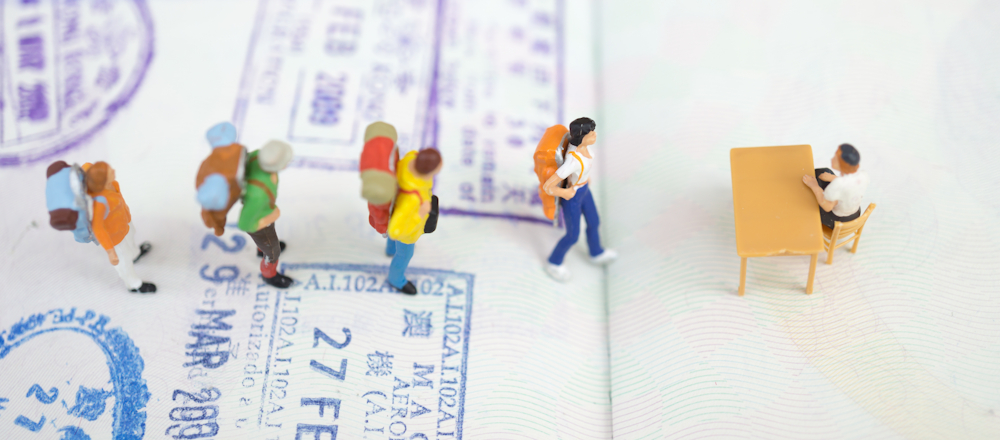
queuing at customs

Thailand offers different tourist visas based on your nationality and the length of your stay. If you plan to stay longer than the visa-free period allows, you can apply for a Thai tourist visa before arrival. Single-entry tourist visas let you stay up to 60 days, and can be extended once for another 30 days after you're in Thailand. Multiple-entry tourist visas last six months from issue, with 60 days allowed per entry.

You'll need proof of onward travel, evidence that you have enough money for your stay, and a passport valid at least six months past when you plan to leave. Processing usually takes three to 10 working days, but apply two to four weeks before you travel to be safe.

Useful links


Non-immigrant visas for Thailand

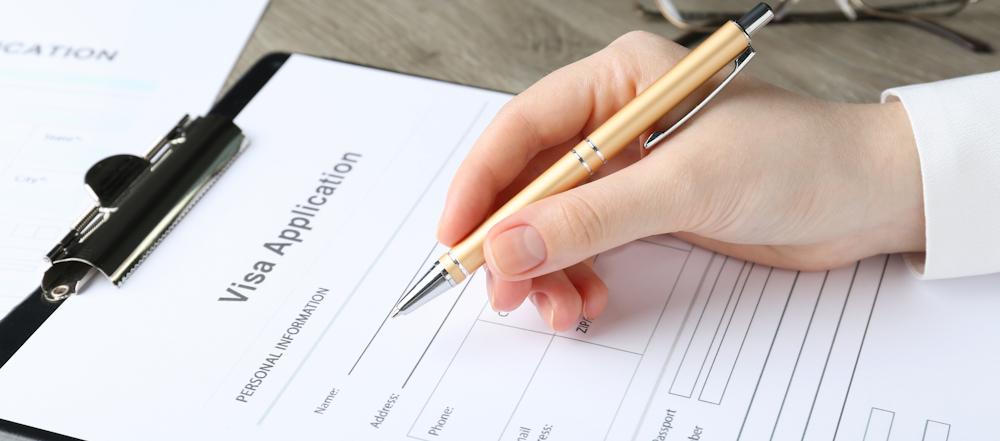
visa application paperwork

Non-immigrant visas are for people coming to Thailand for reasons other than tourism. Thai embassies provide detailed information on the requirements for each visa category. These visas are ideal for volunteers, students, business professionals, and retirees.

Aside from the ones listed below, media professionals need an M Visa and Ministry of Foreign Affairs approval. Religious workers doing missionary work can obtain an RA Visa through the Department of Religious Affairs. These visas need more paperwork and take longer to approve. For most expats, however, the following visa types will cover their needs:

B Visas

The Non-Immigrant B Visa is the most common choice for expats working in Thailand. It lets you enter for employment or business and usually lasts 90 days from arrival, regardless of whether you get a single-entry or multiple-entry B.

Companies usually help their employees get a B Visa by providing documents like a work permit approval letter (WP.3) from the Ministry of Labour. Once you enter Thailand on a B Visa, you have 15 days to apply for your work permit. Once you've got the work permit, you can extend your visa for up to one year at a time through Thai immigration.

The B Visa application process is now entirely online through Thailand's e-visa system. If you're outside Thailand, submit your application through your local Thai embassy or consulate.

Work Permits for Thailand

ED Visas

Non-immigrant ED Visas are for expats studying in Thailand, whether those are full-time courses, internships, or even just company training programmes. Informal language or cultural courses – such as Thai language schools, Muay Thai training, or cooking classes – can qualify for ED Visas if the institution is accredited by Thailand's Ministry of Education and meets minimum curriculum requirements.

The ED Visa is initially valid for 90 days. You can apply for extensions based on your enrolment and how long your programme lasts.

O visas

The Non-Immigrant O Visa is for dependants of Thai citizens or expats already living in Thailand. Spouses and children of people working or retiring in Thailand usually use this visa. Volunteer workers can also apply for O Visas. You'll need a letter of endorsement from the organisation you'll work with, plus a copy of that organisation's registration certificate.

Getting an O Visa as the spouse of a Thai national can be trickier if you’re depending on a Thai wife instead of a Thai husband. Thai immigration generally looks at these applications more closely and requires higher financial thresholds. There’s not much of a difference for accompanying spouses of expat work permit holders.

Destination Thailand Visas (DTVs)

The Destination Thailand Visa (DTV), launched in July 2024, has become wildly popular among digital nomads and remote workers. The DTV is valid for five years with multiple entries. You can stay up to 180 days per entry, extendable once for another 180 days, so that’s nearly a full year without leaving Thailand.

This visa is for two groups: remote workers and people engaged in Thai cultural activities. Remote workers need proof of employment with a foreign company, freelance contracts, or a portfolio that shows location-independent income. The other category covers people enrolled in Muay Thai training, Thai cooking courses, medical treatment, or other approved cultural programmes that last at least six months.

Spouses and dependant children under 20 can apply for their own DTVs through separate applications. You must apply from outside Thailand through the e-visa portal or at Thai embassies abroad. You can't apply for a DTV if you're already in the country.

While in the country on the DTV, you can't work for Thai companies or Thai clients, and it doesn't lead to permanent residence. It's purely for remote work with foreign income, or for cultural immersion.

Retirement visas

Category O-A Visas are for retirees aged 50 and older. Beyond standard visa requirements, you must show sufficient annual funds. The O-A Visa requires criminal background checks, medical certificates, and mandatory health insurance. The visa is initially valid for one year, and you can renew it annually if you keep meeting the financial and health insurance requirements.

For those seeking even longer stays, Thailand offers the Non-Immigrant O-X Visa to citizens of select countries. This visa is valid for up to 10 years (issued as two consecutive five-year periods) but requires much higher financial proof.

For retirees seeking even longer stays with enhanced benefits, Thailand's Long Term Resident (LTR) Visa offers a 10-year option for those aged 50 and above. LTR holders get exemption from Thai tax on foreign income, fast-track airport services, and one-year reporting instead of the standard 90-day requirement.

Check your nearest Thai embassy's website or contact them directly for the complete list of requirements. Given the complexity of the application process for this visa, many retirees hire a professional immigration lawyer.

Useful links


Permanent residence in Thailand

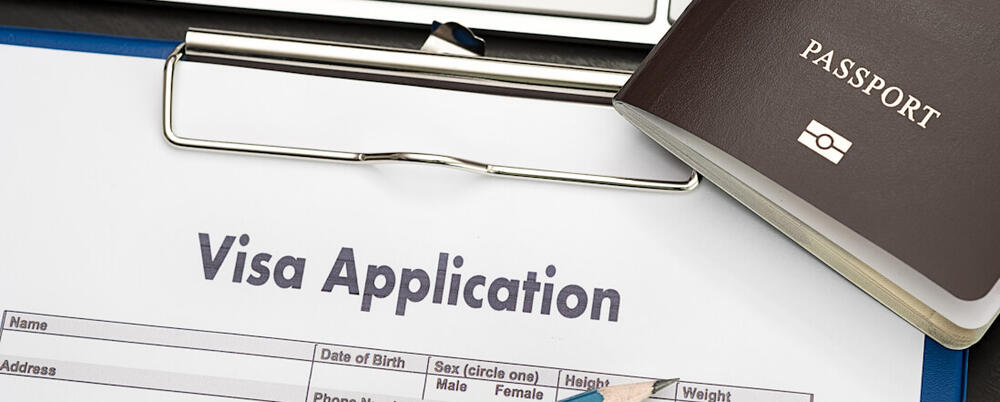
visa application form and passport

Permanent residence in Thailand lets foreign nationals live in the country indefinitely without visa renewals. The application process is highly competitive and strictly regulated. Only 100 permits are granted per nationality each year.

To qualify for permanent residence in Thailand, you must have held a non-immigrant visa with yearly extensions for at least three years straight. You'll also need a valid work permit covering those three years, or meet alternative criteria like being married to a Thai citizen for at least five years.

Applications typically open during specific windows – usually March to May or October to December. The exact dates are announced on the Immigration Bureau's official website each year. Once submitted, applications undergo extensive review, including document verification, a Thai language interview, and background checks. The entire process usually takes 12 to 18 months from submission to approval.

Permanent residence doesn't expire and doesn't need annual renewal like other visa types. You will need to report your address to immigration annually, though. Permanent residents receive a blue residence book and can apply for an alien registration book that works like a Thai ID card.

Permanent residence status opens a pathway to Thai citizenship after 10 years. Many expats find the investment worthwhile for long-term stability.

Visa requirements can change at short notice. Expats should contact their respective embassy or consulate for the latest details.

Cost of Living in Thailand

The cost of living in Thailand gives expats access to modern luxuries and everyday convenience. Living costs are generally lower than in many other popular expat destinations, and expats can enjoy a comfortable lifestyle without stretching their budget.

While Bangkok is the most expensive city in Thailand, it is still more affordable than many Western and regional counterparts. Expats drawn abroad by multinational corporations with offices in Thailand – most likely in Bangkok or one of the nearby manufacturing cities – often earn high salaries, even by Western standards. As a result, many expats find themselves financially better off after relocating.

Those hired from within the country, such as international school teachers and IT specialists, may earn slightly less than corporate expats but can still enjoy a comfortable lifestyle while saving. Even English teachers and lower-income expat professionals often report a high quality of life thanks to Thailand’s affordable cost of living.

The cost of living varies significantly by region due to Thailand’s relatively low rate of urbanisation. The most expensive areas are undoubtedly the main expat districts in Bangkok and the tourist hubs of Phuket and Koh Samui. Prices in more rural areas can be half to a third of urban costs, so they’re an attractive option for those looking to stretch their budget further.


Cost of accommodation in Thailand

The cost of accommodation in Thailand ranges quite dramatically throughout the country, depending largely on where you live. Luxurious beach villas in Phuket or Koh Samui command high monthly rental rates, and large condos or serviced apartments in Bangkok can be pricier still.

If prices like these don’t fit into your budget, mid-range accommodation is available. In Bangkok, it’s possible to get a townhouse or furnished apartment in a complex, complete with a swimming pool, an ultra-modern gym and security for a reasonable price. Accommodation of this kind can also be found outside the capital city, where more luxury and space can be enjoyed for the same price.

Finally, for those living on a limited budget, modest studio apartments throughout Bangkok and Thailand are available for rental at bargain prices.

Accommodation in Thailand


Cost of transport in Thailand

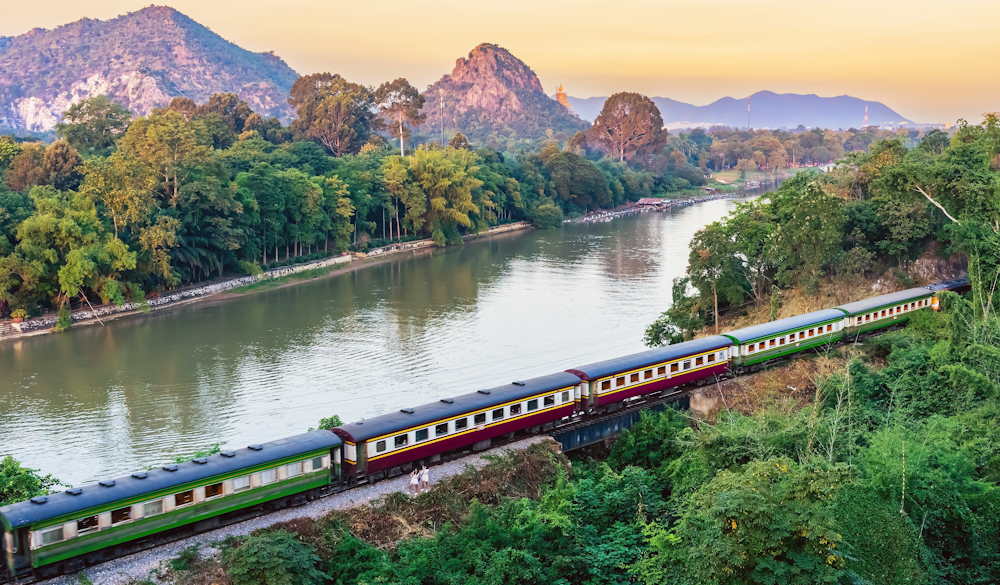
Transport in Thailand offers some of the best bargains, whether you’re budgeting for a bus fare, a weekend holiday to the beach, or a cab ride around the corner. The cheapest way to travel long distances is by bus or minivan. Trains are a bit pricier and slower than buses, but they offer greater cabin comfort and a sleeper option for overnight trips. The quickest way to travel is to catch a domestic flight.

Travelling costs within city areas are low to moderate. Expats can use relatively affordable taxis or save even more with public transport options such as the Skytrain or MRT, especially during rush hour. Bus fares vary depending on the distance travelled and whether the bus offers facilities like air conditioning.

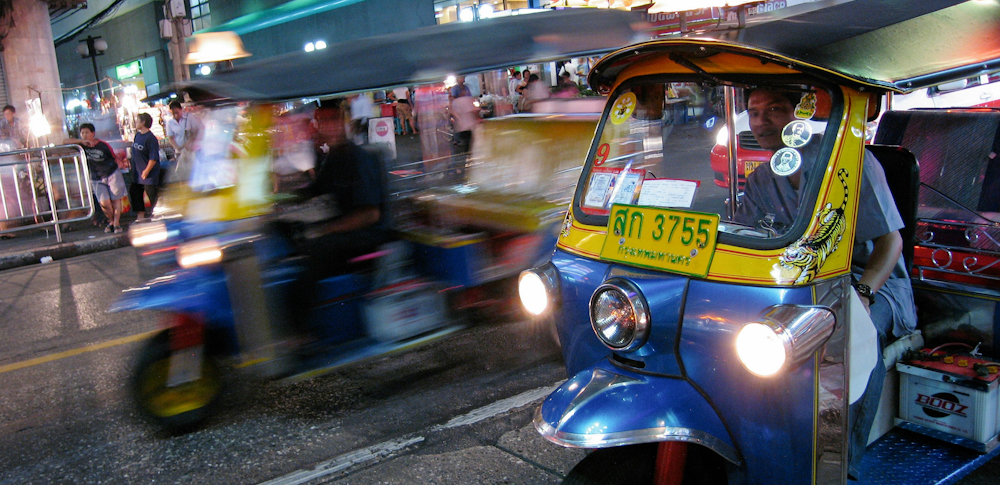
For shorter hops, motorbikes and tuk-tuks are handy options that spare you an uncomfortable long walk on a hot day.

Transport in Thailand


Cost of groceries in Thailand

Groceries in Thailand are largely affordable, particularly if you shop at local markets rather than imported supermarkets. Fresh produce, poultry, seafood and bread are all relatively inexpensive. That said, imported Western brands come at a premium. Milk, cheese and wine are markedly expensive compared to local alternatives.


Cost of eating out and entertainment in Thailand

Eating out and entertainment in Thailand are remarkably affordable, and there is a wide variety of restaurants and street food options. Street stalls selling BBQ chicken, pork on sticks, papaya salad and other Thai delicacies offer quick snacks at low prices. Full meals of rice, meat and vegetables from streetside vendors are equally kind to your wallet.

Of course, plenty of establishments also cater to the needs of refined palates. Upmarket restaurants in the expat areas of the main cities or on the islands offer multiple-course meals, and hotels are known for their lavish international buffets. These experiences are considerably pricier.

A night out can be highly affordable if you stick to locally brewed beers. Wine is still relatively expensive, and imported spirits carry premium price tags.

Lifestyle in Bangkok


Cost of education in Thailand

Education in Thailand can represent a significant expense if you relocate with children, as most expat families choose international schools. Concentrated primarily in Bangkok, Chiang Mai and Phuket, these institutions are recognised for their high standards of education and well-equipped campuses, but tuition fees remain substantial even by Thai standards.

Beyond tuition, parents should budget for application fees, uniforms, transport and extracurricular activities. Many employers offer education allowances as part of expat packages to help offset these costs.

International Schools in Bangkok


Cost of healthcare in Thailand

Healthcare in Thailand is affordable, and the country is a thriving medical tourism destination thanks to its excellent hospitals and internationally trained doctors. Expats working in Thailand are required to enrol in the country’s Social Security Scheme (SSS), which includes healthcare benefits funded through monthly salary deductions shared equally between employer and employee.

While the SSS offers access to healthcare in Thailand, it has its limitations – typically restricting treatment to designated hospitals – and for that reason, most expats opt to purchase private health insurance. This is still relatively affordable, but the cost will vary depending on the policy as well as your health status and age.

Healthcare in Thailand


Cost of living in Thailand chart

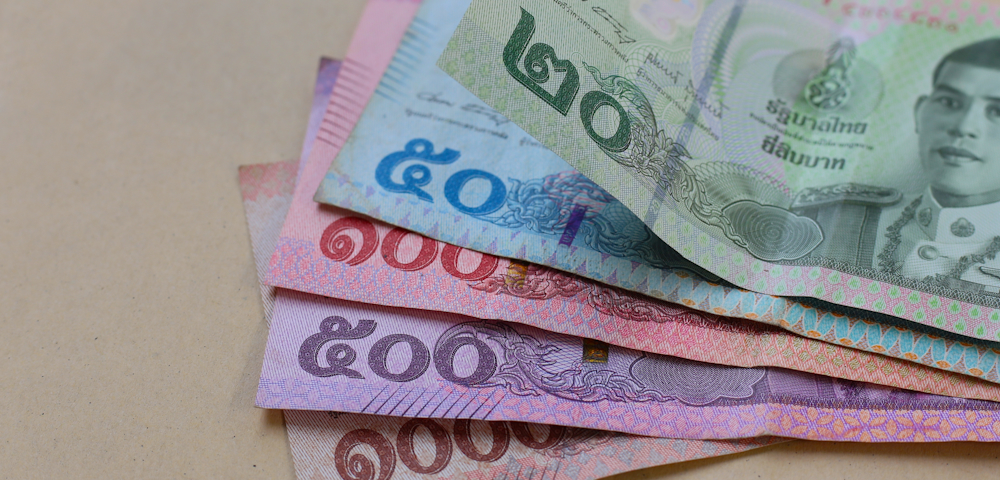
Prices are listed in Thai baht (THB) and may vary depending on the product and service provider. The list below shows average prices for Bangkok in January 2026.

Accommodation (monthly rent)
Three-bedroom apartment in the city centreTHB 64,500
Three-bedroom apartment outside the city centreTHB 25,500
One-bedroom apartment in the city centreTHB 22,000
One-bedroom apartment outside the city centreTHB 10,400
Shopping
Eggs (dozen)THB 76
Milk (1 litre)THB 62
Rice (1kg)THB 45
Loaf of white breadTHB 44
Chicken breasts (1kg)THB 95
Cheese (500g)THB 240
Eating out
Three-course meal for two at a mid-range restaurantTHB 1,000
Big Mac MealTHB 200
Coca-Cola (330ml)THB 25
CappuccinoTHB 85
Local beer (500ml)THB 90
Utilities
Mobile phone monthly plan with calls and dataTHB 400
Internet (uncapped ADSL or cable – average per month)THB 550
Basic utilities (average per month for a standard household)THB 3,000
Transport
Taxi rate (per kilometre)THB 7
Bus/train fare in the city centreTHB 40
Gasoline/petrol (per litre)THB 40

Weather in Thailand

The weather in Thailand tends to be hot and humid year-round, and regional patterns diverge more than newcomers expect. The monsoon – a seasonal wind that delivers heavy rains – will quickly become part of your daily calculus here.

The best way to think of Thailand’s climate is to divide the year into three seasons: cool and dry from November to February, scorching from March to June, then wet from June through October. The south follows a different rhythm, with wet and dry seasons that are split by coast. The west coast, around Phuket and Krabi sees peak rainfall from May to October, similar to the north. The east coast – Koh Samui and Koh Phangan – gets drenched from October through December.

The north offers the coolest temperatures, with heat building as you head south. Northern mountain areas can dip to 68°F (20°C) at dawn during the cool season, although daytime temperatures climb far higher. The hot season now regularly exceeds 100°F (38°C) across most regions. Bangkok’s concrete sprawl makes it feel several degrees hotter – a factor for professionals based in the capital. Many internationally mobile workers move to Chiang Mai from November to January, then shift to the coast before the northern burning season takes hold.

Air quality deserves serious consideration. From January to April, agricultural burning in the north sends pollution levels soaring – Chiang Mai and Chiang Rai regularly hit hazardous readings above 200 AQI. Most foreign residents head south during these months. Bangkok faces its own smog season from December to February. A high-quality HEPA air purifier has become standard equipment for new arrivals. The best time to relocate is in November or December, so you can settle in during pleasant weather before the March heat arrives.

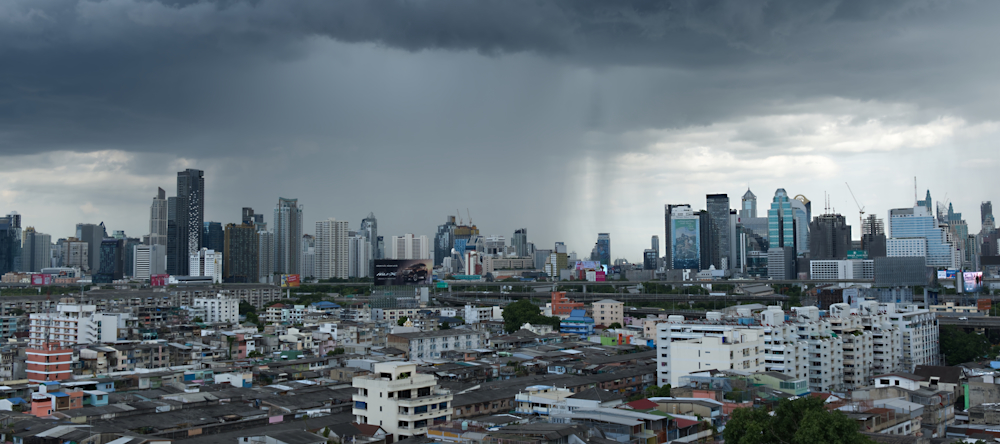
Expats should endear themselves to their umbrellas during the rainy season. Brief downpours render Bangkok streets impassable for hours – a reality that has reshaped commute times and property decisions. The south receives roughly double the rainfall of central and northern Thailand, and flash flooding poses risks even in drier areas. Make sure to check flood risk maps before signing a lease.


Articles about Thailand

Doing Business in Thailand

Expats doing business in Thailand will note that the state is eager to engage with foreign investors. While the Kingdom has never felt the influence of imperial power, it’s no stranger to external interaction. Aside from the government’s willingness to do business with outsiders, the friendly, welcoming attitude of locals creates an inviting working environment for expats.

A variety of multinational and other major companies in Thailand continue to use Bangkok as a base for their regional operations. While the business culture at some of these companies will be familiar, the general work environment in Thailand is significantly different to what most Western expats are used to.

The expats who do make a success of their investments in the country often have a good understanding of Thailand's business culture, which values seniority, relationships, and local customs.


Fast facts

Business hours

Monday to Friday, 8.30am to 5.30pm or 9am to 6pm, with an hour for lunch.

Business language

The official language of business in the country is Thai. English is widely understood and is used by many in corporate environments in Bangkok. Interpreters may, however, be needed in certain circumstances.

Greetings

Westerners may be greeted by a handshake, but the traditional Thai greeting is the wai. Palms are pressed together in a prayer-like gesture at chest height, with fingers extended upwards, accompanied by a slight bow. The junior or lower-status person typically initiates the wai as a mark of respect.

Business dress

Conservative and formal. Dark suits are standard in professional environments; men wear a white shirt and a tie. Women can wear suits, dresses or modest blouses and skirts. Skirts and dresses should be knee-length, and shoulders should be covered.

Gifts

Not expected, but appropriate and well received. Small, thoughtful tokens for colleagues go a long way towards building relationships. Gifts should be given with both hands and aren’t typically opened in front of the giver.

Gender equality

Thailand stands out for women in business leadership, with higher representation than global averages. Foreign businesswomen are generally treated with the same respect as their male counterparts in corporate settings.


Business culture in Thailand

Business culture in Thailand tends to be more relaxed than in other Asian economic powerhouses such as China and Japan, although this shouldn’t be mistaken for casual. The value system around doing business in Thailand, however, remains similar to those of these countries. Hierarchy, relationships and collective identity are integral to the Thai workplace.

businessmen shaking hands

Hierarchy

There are many strict, unwritten rules that define how Thai businesses are organised. Senior managers play an almost paternal role – giving orders, expecting obedience and consultation on all decisions. Western expats may struggle to adapt to this management style. The lack of initiative expected of junior staff can prove frustrating for those accustomed to flatter organisational structures.

Age and appearance are especially important and usually directly indicate a person’s social status and position in the business world. Older individuals, in particular, are given great respect and typically hold top-level jobs. Senior foreign businessmen, especially the well-dressed, are afforded a good deal of respect based on this belief alone, regardless of merit. 

In line with this, promotions in Thailand are frequently based on a candidate’s length of service rather than productivity and excellence, although this is gradually shifting in multinational and entrepreneurial firms.

Relationships

Relationships are another essential part of working in Thailand. Connections are highly valued, and the early stages of most business dealings are centred on building a relationship. It is considered impolite to start negotiating before being formally acquainted.

Preserving and sustaining relationships significantly affects communication in the Thai working world. Locals favour subtle, indirect approaches to help others ‘save face’ and maintain their standing. They may even withhold information or sidestep pointing out a mistake rather than risk causing embarrassment.


Dos and don’ts of business in Thailand

  • Don’t show any form of disrespect to Thai royalty, including making jokes
  • Do say yes to invitations to social engagements. Building relationships is critical in Thai business culture.
  • Do have high-quality business cards printed for exchange. Present and receive cards with both hands, offering the card to the most senior member first. If your card is bilingual, present it with the Thai side facing up. Take a moment to look at the cards you receive and make a positive comment.
  • Do return a wai when offered by business colleagues or those of similar or higher status. Foreigners aren’t expected to initiate the gesture, but failing to return it can seem dismissive. A smile suffices for service staff.

Pros and Cons of Moving to Thailand

The pros and cons of living in Thailand explain the country’s enduring appeal to expats. Limestone karsts rise from turquoise water. Street vendors ladle curry at midnight. The warmth runs deeper than the climate.

That said, expats must be prepared for the fact that, like anywhere else in the world, there are pros and cons to living in Thailand. Here are a few of the main points to consider before making the move.


Accommodation in Thailand

+ PRO: There’s a variety of housing

Accommodation in Thailand ranges from traditional Thai housing to sleek condominiums and luxury villas. Most budgets find a match somewhere along this spectrum.

- CON: There’s foreigner pricing

If you can’t speak Thai, affordable accommodation is a lot harder to find. Landlords often inflate initial asking prices by up to 20 percent for foreigners on the basis that they likely have deeper pockets. Having a Thai-speaking friend is your best negotiating weapon and can get you closer to a reasonable rent. Agents can also help, although they collect a month’s rent as commission and so prefer to keep the price higher.

Accommodation in Thailand


Local culture in Thailand

Learning the Wai Greeting by Jacktamrong on Shutterstock

+ PRO: The population is multicultural

As a result of the many business opportunities in the tourism industry, Thailand has drawn in numerous expats over the last 20 years. Krabi, for example, is filled with an array of interesting people of many nationalities. Expats are almost guaranteed to experience many cultures and meet people from all over the world.

+ PRO: There are plenty of local festivals

Every year, thousands of tourists come to Thailand to experience and take part in the many unique events and ceremonies the country has to offer. Expats should be sure not to miss Loy Krathong and Songkran, two of Thailand’s most spectacular local festivals.

- CON: The language barrier

Almost everyone in Thailand’s urban areas can speak a little English, but not many people speak English well. This largely depends on location, but government departments countrywide will tend to deal with matters in Thai. You’ll need a translator or agent for visa applications and driver’s licence matters. The country ranked 116th out of 123 nations in the 2025 EF English Proficiency Index, dropping 13 places from the previous year.

Business Opportunities in Thailand
Local Culture in Thailand


Lifestyle in Thailand

+ PRO: There is plenty to do

Thailand is filled with beach bars, full moon parties, restaurants and night markets. Shops close late at night, so expats can barter to their hearts’ content at all hours in most areas.

+ PRO: Numerous off-season perks

During the low season, there aren’t as many tourists around, so it’s easy for locals to get discounted tours and affordable accommodation in hotels. The low season from May to October cuts costs substantially, and hotel rates drop by 30 to 50 percent. It’s also far more enjoyable to take in Thailand’s attractions without having to contend with crowds.

- CON: Nightlife varies by location

The club scene splits along geographic lines. Bangkok, Phuket and Pattaya pull international DJs to venues like Onyx and Route66. Rural provinces stick to quiet bars and beach gatherings.

Things to See and Do in Bangkok


Weather in Thailand

Cloudburst in Bangkok by M88 on Shutterstock

+ PRO: The high season brings postcard weather

The ocean is beautiful and warm, and the weather is sunny during the high season. At this time of year, Thailand can be the very picture of a tropical paradise as temperatures settle into the comfortable range.

- CON: There are also uncomfortable extremes

The weather is often uncomfortably hot. From March to May, the mercury can fly past 40°C (104°F). The rainy season can last a long time, sometimes beginning as early as April and sometimes ending as late as December. Plan outdoor activities at your own risk.

Weather in Thailand


Healthcare in Thailand

+ PRO: Treatments are affordable

Expats with a work permit and who pay social security will qualify for free or heavily discounted healthcare from any of Thailand’s public hospitals. Private clinics charge modest consultation fees and split the difference nicely.

- CON: Resources are few

Most public hospitals are understaffed, and medical personnel are overworked. Queues start at 6am, and expats should be prepared for long waits to get medical treatment. International private hospitals like Bumrungrad provide top-tier care but charge Western rates. Dual pricing exists here too – foreigners may be asked to pay more for identical procedures.

Work Permits in Thailand 
Healthcare in Thailand


Cost of living in Thailand

+ PRO: Local goods are cheap

The cost of living in Thailand drops considerably if you adopt local habits. Street food and petrol are cheap, and everyday essentials won’t drain your wallet. You don’t need a massive salary to live comfortably here, although with high import taxes on wine, beef and cheese, a Western lifestyle here costs far more than you might expect.

Cost of Living in Thailand


Transport in Thailand

Traffic in Thailand by Leo_Visions on Unsplash

- CON: ‘Broken’ meters and the ‘farang’ price

Meters are legally required in Bangkok taxis, although drivers in tourist zones often claim theirs is malfunctioning so they can negotiate a higher fare. Insist on the meter or use ride-hailing apps instead. Grab and Bolt are now fully legal. They charge fixed upfront prices and skip the haggling altogether.

+ PRO: There is a variety of cheap transport available

There are plenty of transport options in Thailand that don’t break the bank. Bangkok’s BTS Skytrain and MRT networks have expanded massively, and the new Pink and Yellow lines now reach suburban areas.

Transport in Thailand


Safety in Thailand

+ PRO: Violent crime is rare

Safety in Thailand beats many Western destinations in terms of numbers. Bangkok’s property crime rate is about 40 incidents per 100,000 residents. Most major US cities exceed 4,000 per 100,000. Thailand ranked 76th out of 163 countries for peaceability in the 2025 Global Peace Index, one spot above the United States.

- CON: Road accidents are a grave risk

Thailand has some of the worst road traffic death statistics, with about 50 traffic-related fatalities every day. Motorcyclists make up over 80 percent of casualties. If you plan to drive, proceed with extreme caution.

- CON: Scammers target newcomers

You’re not really an expat in Thailand until someone has tried to scam you. There are gem shops that try to sell fake stones, jet ski rentals that claim pre-existing damage is your fault, and tuk-tuk drivers that insist the Grand Palace is closed today but that they can show you this great little gem shop. Keep your wits about you, and remember that the Tourist Police hotline (1155) operates 24/7 in English if you need help.

Safety in Thailand


Education in Thailand

+ PRO: International schools are plentiful

When it comes to education for expats in Thailand, you can choose from nearly 250 international schools. Most are clustered in Bangkok, Chiang Mai, and Phuket, mainly teaching the British, American or International Baccalaureate curricula.

- CON: Quality varies significantly

Not all schools labelled ‘international’ merit the name. Check that your chosen school is properly accredited.

Education and Schools in Thailand
Best International Schools in Bangkok


Working and doing business in Thailand

- CON: Salaries often lag Western standards

Local hires are typically paid much less than overseas transfers. The highest salaries go to professionals relocated by international companies. Teaching and entry-level positions don’t pay what they once did, although the lower cost of living helps soften the blow.

+ PRO: Growing sectors need foreign expertise

Thailand draws more and more skilled professionals each year. The tech sector is booming, and Bangkok and Chiang Mai have become development hubs. Teaching English is still one of the easiest entry points, and there are roles in tourism and hospitality for experienced managers.

Accommodation in Thailand

The options for accommodation in Thailand are almost as diverse as the country itself. The strong rental market means that, with a little patience and some legwork, new arrivals will have no trouble finding a reasonably priced, comfortable place to live.

When looking for a home, expats should bear in mind that traffic in Thailand’s urban centres can be highly congested, so it's best to aim to live close to their workplace, their children’s school, or public transport terminals.


Types of accommodation in Thailand

From high-rise apartment buildings and condominium complexes to seaside shacks and standalone houses on large plots – all types of accommodation are available to rent in Thailand. Although plenty of excellent deals can be found, the price and quality of rental accommodation will vary enormously.

Apartments chosen by expats are usually either part of a large development or part of a house that has been converted into separate units. Expats in Thailand will find apartments to suit a wide range of budgets. Serviced apartments are often converted hotel rooms, although purpose-built branded residences are increasingly common, and can cost more as they often include utilities and cleaning services.

Condominiums, also known as condos, are privately owned units within a larger community of similar units. These units may be fully furnished or contain certain appliances. Condos can include communal facilities such as swimming pools and gyms, with newer developments often including EV charging stations and co-working spaces.

Standalone houses are typically located in the suburbs outside larger cities. They offer a lot of space and will have a garden. The privacy and luxury associated with detached houses come at an added cost, though. Villas also fall into this category.

Joined by shared walls, townhouses usually form long rows and expand vertically rather than horizontally. This is intended to utilise the often cramped spaces in larger cities. This is one of the most popular accommodation types in Thailand.

Co-living spaces have sprung up as a popular option for digital nomads and short-term residents. These modern facilities offer flexible one- to three-month stays with all-inclusive pricing that covers rent, utilities and high-speed internet. Purpose-built co-living hubs come with ready-made communities and no need to furnish a place yourself.

Furnished vs unfurnished

Most rental properties in Thailand are semi-furnished, including a few basic appliances such as washing machines or dishwashers. That said, fully furnished accommodation is also widely available. Expats are often only in Thailand on short-term assignments, so they generally opt for fully furnished accommodation.

Short lets

Short lets are an excellent option for getting a feel of an area before fully committing to a long-term rental. These let expats experience everyday life as a resident in a particular neighbourhood and can also be fantastic for newcomers who will only be in Thailand for the short term. The best part about short lets, such as Airbnb, is that they are typically more affordable than hotels, and the cost usually includes utilities and, sometimes, cleaning services.

Useful links


Finding accommodation in Thailand

find a house in Thailand online

Whether deciding to find a property themselves or work with a real estate agent in Thailand, expats should have few problems finding a suitable home to rent.

Independent house hunters can use property portals and the internet to look for Thai real estate, as there are numerous resources available in English.  If properties are listed online for more than 30 days, there may be room to negotiate on price, particularly if you can offer several months’ rent upfront.

Many expats also find success through dedicated Facebook groups where direct owner deals often surface. You could also identify an appealing area, explore the neighbourhood in person, and look for properties that are up for rent.

Estate agents in Thailand, however, will have a better understanding of the market and can assist with negotiations and the rental process. They are also free for tenants since they receive a commission from landlords.

Some expats relocating for work will have a relocation company working on their behalf. House-finding services are frequently included in relocation services. Your relocation company will assess your preferences and do the legwork of finding properties for you to view.

Useful links


Renting accommodation in Thailand

It can be difficult for foreigners to own property in Thailand, so most expats rent rather than buy. Luckily, local landlords are usually sensitive to the rental needs of expats and do an excellent job of advertising available properties. Renting property in Thailand is generally an easy process. The rental market is also varied, with plenty of housing available, and often at reasonable prices.

Making an application

Expats will need to present a valid passport and proof of income to legally sign a lease in Thailand.

It’s imperative for tenants to note that lease renewal is not automatic in Thailand, so expats and their landlords must sign a new agreement should an expat wish to continue renting a property at the end of the lease.

Leases

The standard rental length in Bangkok is 12 months, but if expats contact the owners directly, they may be willing to accept six-month leases. Depending on the type of accommodation, properties can be leased for much shorter durations. House hunters who sign a rental contract for three years or longer should note that the agreement must be registered with a local Thai land office. This will attract a lease registration fee of 1 percent of the total rental fee over the course of the agreement.

Deposits

Security deposit requirements in Thailand vary depending on how many properties your landlord has. Since September 2025, landlords with five or more properties can legally charge no more than one month’s security deposit plus one month’s advance rent. Private owners with fewer units may still request two months’ rent as a deposit, although market pressure is pushing many toward the one plus one model. Expats who can offer several months upfront often negotiate better deposit terms.

Pets

Tenants moving to Thailand with their furry friends are encouraged to get written permission from their landlord. Pet-friendly accommodation is easier to find now, with some developments built with pet owners’ needs in mind. Expect to pay a one-time pet registration fee.

Termination of the lease

Those who would like to terminate a lease agreement before its expiration date must notify their landlord at least 30 days before their intended departure date. Under recent regulations, tenants can terminate a fixed-term lease after completing half the term by giving 30 days’ notice, provided there’s a valid reason such as job relocation. 

It’s recommended that tenants take inventory of the property before and after moving out to ensure they leave it in a suitable condition and avoid being charged for normal wear and tear. If everything is in order when expats vacate a property, the landlord must return the security deposit in full.


Utilities in Thailand

Expats should note that utilities such as electricity and water are generally not included in the rental price. Before moving in, confirm with the real estate agent or landlord that all utilities are set up, switched on, and ready to use on move-in day.

calculating utilities bill

Electricity

Expats who are renting a standalone home or villa can transfer the electricity accounts into their names. Those who will be renting apartments, condos or townhouses will simply have a meter in their home that measures their consumption, and this will be added to their monthly rental fee. 

In Thailand, the most expensive utility by far is electricity. Expats should keep a close watch on their electricity consumption, or they may find themselves facing a hefty bill.

The Metropolitan Electricity Authority (MEA) is the primary electricity provider in Bangkok, while the Provincial Electricity Authority (PEA) supplies the rest of Thailand. Tenants who need to transfer an account into their name must contact a local government office at least a week before moving.

Since 2025, landlords have been legally prohibited from surcharging on electricity rates. They must charge the exact government tariff rate. Expats should look for properties with inverter air conditioning units, as these can significantly reduce electricity consumption compared to older models.

Gas

Most apartments and homes in Thailand do not have mains gas, so gas cylinders are the most common way to use gas. If expats have a gas stove, they can buy a gas cylinder and have it delivered to their home.

Water

Landlords usually arrange water connections in Thailand, but if expats have to do it themselves, they must contact or visit the water authority. This is the Provincial Waterworks Authority (PWA) outside Bangkok and the Metropolitan Waterworks Authority in Bangkok. Similar to electricity, expats will need at least a week’s notice before moving in.

Bins and recycling

Waste management in Thailand is overseen by individual municipalities, which then contract private companies to collect waste. Informal waste collectors known as Khuad ma Khay are common, but major cities like Bangkok have introduced more structured recycling initiatives with colour-coded bin systems. Expats who want to play their part can participate in these municipal programmes or donate recyclables to the local collectors.

Internet

Internet connectivity in Thailand ranks among the world’s best for fixed broadband speeds. Residential packages offering speeds of 500Mbps to 1Gbps are standard and affordable. Most landlords can arrange internet installation, although expats may also contact providers directly to set up service.

Keeping in Touch in Thailand

Useful links

Keeping in touch in Thailand

Keeping in touch in Thailand won’t be difficult for expats, as the standard of the country’s communication infrastructure is generally solid. Most communication services are high in quality and available at affordable prices. However, some amenities may be limited to larger cities.


Mobile phones in Thailand

Before buying a SIM card for your mobile phone in Thailand, you’ll need to present your passport and complete a facial recognition scan to verify your identity. Staff at official outlets will handle the registration, which typically takes 10 to 30 minutes. Foreign nationals can register up to three SIM cards per mobile operator.

AIS, TrueMove H and DTAC are Thailand’s mobile network operators, although True Corporation and DTAC merged in 2023 to form a consolidated entity. The market is essentially a duopoly between AIS and the merged True-DTAC network. All offer both prepaid and postpaid options. Contract deals are usually better value than pay-as-you-go, but they provide less flexibility in terms of moving networks or closing an account early if you’re leaving Thailand.
AIS has the most extensive network nationwide, and it’s particularly strong in rural areas, islands and border regions. TrueMove H delivers the fastest 5G speeds in major cities like Bangkok, which is ideal for bandwidth-heavy work.

eSIM technology is an increasingly popular alternative. You can activate service digitally without handling a physical SIM card or visiting a shop. The registration requirements still apply, but most eSIM providers handle verification through their apps rather than requiring an in-person visit.

Useful links


Internet in Thailand

For most expats, having reliable internet in Thailand is a priority, whether for work or to keep in touch with family and friends back in their home country. 

There are several major providers. Since the merger of AIS Fibre and 3BB, the country’s largest ISP is now AIS-3BB Fibre3. True Online is a major private competitor, and NT TOT is a state-owned alternative that has good coverage in rural areas.

Fibre-to-the-home (FTTH) is the standard in cities. Typical packages range from 100 Mbps to 1 Gbps. Thailand ranks among Southeast Asia’s leaders for broadband speeds, with a national average of around 230 Mbps.

Most home internet packages require a minimum one-year contract. There are also usually monthly plans, but at premium rates. For short-term stays, there are 5G home internet options that use mobile network technology.

WiFi hotspots are regularly available in most malls, restaurants, and hotels. Free connections in public places should generally be avoided to prevent issues such as hacking or data theft. Free WiFi connections from restaurants and hotels are often safe, but the connection speeds do vary.

Internet censorship

Internet censorship in Thailand extends beyond ‘obscene content’ into political speech. Websites critical of the monarchy or government may be blocked. The lèse majesté law and the Computer Crime Act grant the authorities sweeping powers to censor content, which means you’ll encounter tens of thousands of blocked URLs. Arrests have been made for online commentary deemed critical of the royal family or government, so it’s best for expats to steer clear of local politics while they’re staying in the kingdom.

Major communication platforms, including WhatsApp, Facebook Messenger and LINE, are accessible in Thailand. LINE has become particularly dominant for local messaging. VPN usage is not explicitly prohibited.

Useful links


Postal services in Thailand

The Thai postal system is efficient and reliable, if a little slow. Thailand Post runs around 1,300 official post offices, supplemented by nearly 3,800 licensed postal outlets in smaller shops.

Domestic mail typically takes several days to a week within Thailand. International deliveries via standard airmail can take anywhere from one to three weeks. For time-sensitive international shipments, courier services including DHL, FedEx and UPS offer faster, trackable alternatives. Thailand Post offers tracking services for registered mail and EMS (Express Mail Service). Some users report efficient delivery, and others note occasional delays or package-handling issues.

Useful links


English-language media in Thailand

English-language media in Thailand include The Nation, which ceased print publication in 2019 and now operates solely online, and the Bangkok Post. There are also digital-first outlets, such as Khaosod English, The Thaiger and Thai Enquirer.

Media in Thailand have to operate within strict legal frameworks which limit what can be published about the monarchy and certain political topics. Censorship pressures are particularly felt by radio and television broadcasting. To find less self-censorship on sensitive local topics, you may need to look at international news outlets and digital-first English publications.

There is limited English-language television programming on the local Thai channels. Many expats rely on international news channels and streaming platforms for entertainment and news.

Useful links

Education and Schools in Thailand

Expats moving to the Land of Smiles with children will find that education and schools in Thailand can vary considerably. Newly arrived parents can either opt for a local public school or a private international school. However, local public schools teach in Thai and are only free for Thai children, so most expat families either send their children to an international school or a private school with an English programme.


Public schools in Thailand

There are some excellent public schools in Thailand, most of which are in Bangkok. Some of these are associated with prestigious local universities that use the schools to train student teachers.

There are also public schools that are generally well below the standards to which expats may be used. Many public schools, particularly in rural areas, lack funding. Large classes are the norm. With class sizes of 40 to 50 students, there’s little room for individual attention.

Public education in Thailand is free for Thai nationals. The child must have at least one Thai parent to be considered a Thai national. Foreign children can technically enrol under Thailand’s ‘Education for All’ policy, but in practice, expat families will likely be asked to pay fees.

Education in Thailand is compulsory from age six to 15, where children are mandated to attend six years of primary school and three years of lower secondary school. Upper secondary school is optional, and academic and vocational options are available to students.

Useful links


English Programme schools in Thailand

Students in a classroom

The English Programme (EP) is a government initiative that has expanded from its Bangkok-centric origins to over 2,500 public and private schools across Thailand. In an EP class, almost all subjects are taught in English by a teacher hired from abroad. The quality and scale of English Programmes can vary considerably. Classes might occupy a small corner of a Thai medium school, or fill dedicated buildings at larger institutions.

Public and private schools with EPs charge both Thai nationals and expats for these classes. Although private schools are pricier than public schools, fees are still well below those of international schools.

For families who plan to live in Thailand for the long term, EP schools may be the best option. They offer expat children the opportunity to develop closer links to Thai culture and society while still allowing access to a bilingual education. One thing to watch out for is the high turnover among foreign teachers.

Useful links


International schools in Thailand

Many expats choose to send their children to international schools in Thailand. With over 190 international schools nationwide – more than 100 in Bangkok alone – families have considerable choice. These schools teach in a language and style familiar to children and maintain continuity by offering Western curricula. International schools predominantly teach in English, although some offer programmes from countries such as France and Germany.

All these institutions are accredited by external bodies, and it follows that both learning standards and the criteria for hiring teachers are generally high. Many Thai families prefer to send their children to these schools.

These schools typically enjoy strong funding, so they have modern facilities and small class sizes. This does come at a price, though, with international school fees being notoriously high.

Although a large variety of international schools exist in commercial centres such as Bangkok and Pattaya, options are more limited in rural areas, and parents may need to consider boarding options or homeschooling.

Expat parents should note that top-tier schools have waiting lists of 12 to 24 months, and admission may be based on language proficiency and academic achievement. Requirements vary between schools, but it’s always best to start the admissions and enrolment process as early as possible.

Best International Schools in Bangkok

Useful links


Special educational needs in Thailand

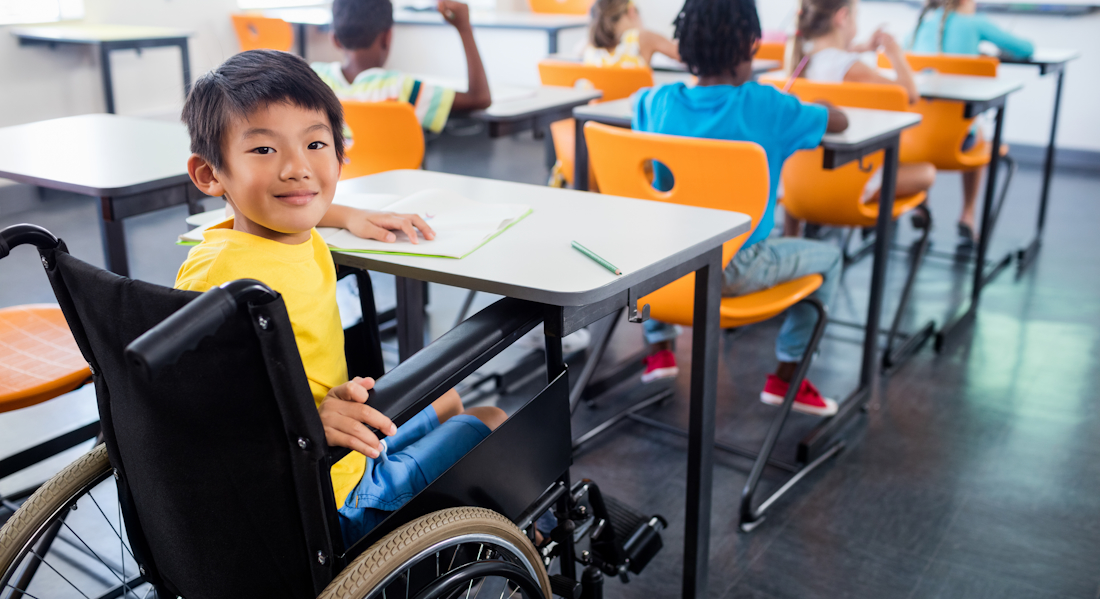
student using a wheelchair

In Thai education law, learning difficulties are listed as qualifying for state assistance. However, in the public system, special education teachers are scarce despite high demand.

Most top-tier international schools now have dedicated SEN departments, although individual learning assistance typically costs an additional amount per year above base tuition. The level of support varies from school to school, so it’s worth investigating different options.

Parents must disclose any learning differences during the application process. Schools assess whether they can adequately support each child, and may decline admission if their resources don’t match the child’s needs. Even well-resourced schools cannot always provide daily one-to-one specialist teaching, leading many families to supplement with private SEN tutoring services.

Useful links


Tutors in Thailand

finding a tutor in Thailand online

The private tuition industry in Thailand is staggering. Thailand’s tutoring industry, now worth over 50 billion baht, emerged from the necessity to prepare students for the highly competitive university admissions exams. The industry has seen considerable growth in response to high demand for private tuition and competitive teacher salaries. This has seen teaching staff from public schools moving into the private sector in large numbers.

Local tutors can be a valuable resource for local and expat families and can provide support in many ways, including assisting with problem subjects and developing study strategies. Tutors are instrumental in helping your expat child transition into a new environment and learn the local language. A growing number of expat families now hire Thai language tutors to help their children meet the Ministry of Education’s mandatory requirements for Thai language proficiency.

Useful links

Diversity and Inclusion in Thailand

Diversity and inclusion in Thailand shape daily life for expats in ways both visible and subtle. The remote work boom has drawn digital nomads to Thailand’s scenery and affordable lifestyle, and expats from dozens of countries now call Thailand home.

Below, we look into issues of diversity and inclusion that newcomers may encounter in Thailand.


Accessibility in Thailand

Accessibility in Thailand has improved, although wheelchair users and those with mobility impairments still have significant obstacles to overcome. Uneven pavements and high kerbs are a problem, and accessible toilet facilities are scarce. 

Taxis (or ride-hailing services like Grab) are generally the best option for getting around. Grab’s GrabAssist feature now provides vehicles designed for passengers with mobility aids throughout Bangkok without booking.

There has been an effort to improve the facilities on public transport in Thailand. Both international airports in Bangkok offer comprehensive accessibility features, including lifts to all floors and electric wheelchair charging stations. The Bangkok MRT provides lift access at all stations. The BTS Skytrain now has lifts at nearly every station, except Saphan Taksin, which is an exception due to its unique single-track structure.

Most public buildings, large hotels and offices have some accessible facilities, but few have the full range of facilities that global expats might expect.

Useful links


LGBTQ+ in Thailand

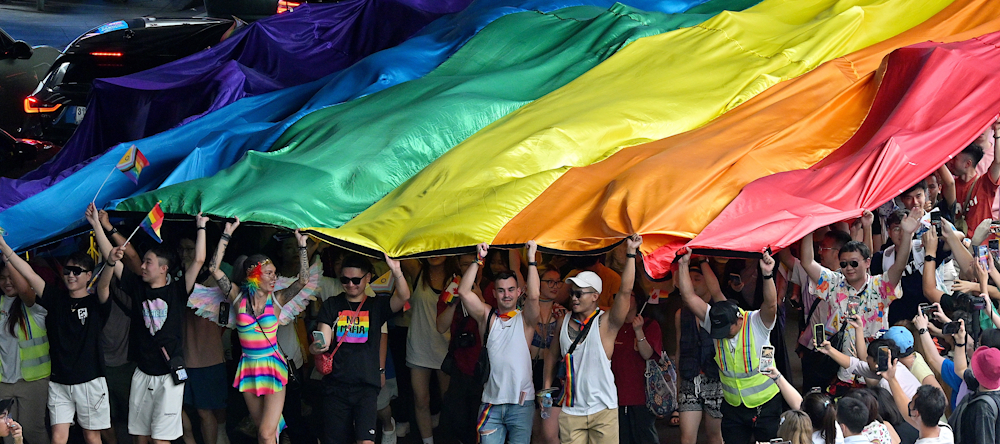
Thailand Pride by Pacceka on Shutterstock

LGBTQ+ rights in Thailand changed dramatically in January 2025, when the country became the first in Southeast Asia to legalise same-sex marriage. The Marriage Equality Act grants couples equal rights in inheritance, taxation, and adopting children. 

Same-sex relationships have been legal since 1956, and Bangkok ranks among Asia’s most welcoming cities for LGBTQ+ individuals. The Gender Equality Act of 2015 prohibits discrimination based on gender identity and sexual orientation.

It is common to see transgender people on television and within the entertainment industry in Thailand, but they still lack fundamental legal rights compared to the rest of the population and can face barriers to employment and promotion. 

Legal gender recognition is restricted. Transgender individuals cannot change their legal gender or title markers on official identification documents, although a Gender Recognition Bill is under parliamentary review. Thailand does not offer a non-binary gender option on national IDs or passports.

Most major cities have active LGBTQ+ social scenes, with Bangkok and Pattaya hosting annual pride celebrations and year-round gay-friendly venues.


Gender equality in Thailand

Thailand’s Constitution states that men and women have equal rights. However, women still face lingering challenges in the workplace due to established patriarchal values.

According to the World Bank, Thailand’s female labour force participation rate stands at approximately 59 percent, compared to 75 percent for men. This gap stems from social expectations that women serve as primary caregivers for children and elderly family members. The gender pay gap between male and female employees continues to decrease and now stands at just 8 percent.

Thailand offers 120 days of maternity leave following the December 2025 amendments to the Labor Protection Act. Employers pay full salary for the first 60 days. Spousal support leave of 15 days at full pay is now available in both the private and public sectors.

Expectant mothers are entitled to ask their employer to adjust their work responsibilities to be more suitable during pregnancy and after childbirth. It’s recommended that employees speak with their HR Manager to learn more about the specific benefits offered by their company.


Women in leadership in Thailand

Thai woman making a presentation

Women in leadership in Thailand hold positions at rates that exceed regional averages. According to the Grant Thornton Women in Business 2025 report, women hold 43 percent of senior management roles in Thailand, compared to an average of 34 percent worldwide and 33 percent in the Asia-Pacific region. Deloitte’s 2024 Women in the Boardroom report found that 19 percent of directors in listed companies were women.

Women’s parliamentary representation has climbed in recent years. Female MPs now hold nearly 20 percent of Thailand’s parliamentary seats, the highest proportion in the country’s history.

Useful links


Mental health awareness in Thailand

The stress associated with moving home, job and school means that expats are often at greater risk of developing conditions such as depression and anxiety. Substance use disorders also affect some expats, particularly where business culture incorporates regular drinking.

International companies are becoming more aware of mental health issues, and many have adjusted their policies to provide better support. This includes ensuring that mental illness is well covered by the company’s chosen employee healthcare schemes.

The level of medical expertise in Thailand is high, and doctors working in government hospitals generally also work within private practice. Most government hospitals have mental health departments, but due to waiting times and language limitations, most foreigners choose to make an appointment with a psychologist or a psychiatrist in a private practice.

Useful links


Unconscious bias training in Thailand

Unconscious bias is an implicit set of often stereotyped ideas an individual carries about groups of people different to themselves. These ideas are not purposefully adopted but rather develop subtly over time. People tend to hold unconscious biases about groups they never or rarely encounter.

Unconscious bias can profoundly affect both personal and work conditions. In the workplace, unchecked bias undermines vital aspects of the company, negatively impacting employee performance, retention, and recruitment. In a bid to create a better work environment, many companies are beginning to institute unconscious bias training. There are also several online resources that can be used to improve self-awareness regarding bias.

Most Thais regard racism as a Western issue, but there is also racial prejudice in Thailand, as in most countries. In colourism, dark skin is associated with lower social status and with outdoor work. This bias is exacerbated because many wealthier Thais are of Chinese descent and have a lighter skin tone, and those with darker skin hail from the country’s poorer rural regions. Southern Thais, Malays and Muslims can face discrimination in the workplace and scrutiny from the police.

Western expats of African descent experience different dynamics than Thai citizens facing colourism, although incidents of police harassment in Bangkok have been documented. The Protection and Promotion of the Way of Life of Ethnic Groups Bill, passed in 2025, created Thailand’s first explicit legal prohibitions against racial and ethnic discrimination.

Useful links


Diversification of the workforce in Thailand

Diversification of the workforce in Thailand has accelerated sharply. Over 5 million non-Thai nationals now reside in the country, primarily from neighbouring Cambodia, Vietnam, and Myanmar. There are also a vast number of Western retirees and expats in the country.

The Destination Thailand Visa, launched in 2024, permits remote workers to stay for up to five years. This policy has made Bangkok and Chiang Mai top destinations for digital nomads.

Most companies now recognise the benefits of a workplace that champions diversity, equity, and inclusion. Studies have shown that organisations with a diverse and inclusive workforce are happier and more productive, as diversity breeds creativity and innovation.


Safety in Thailand

Safety in Thailand compares favourably to many countries, with violent crime against foreigners uncommon. It is essential to take sensible precautions to avoid petty theft, particularly on crowded public transport and in touristy areas, and to be aware of scams.

Road safety poses the most serious daily risk. Reckless driving and poor road conditions contribute to Thailand’s high traffic fatality rate. Motorcycle accidents account for most deaths.

Digital scams targeting expats have surged and now pose a greater threat than traditional theft. Fraudsters use messaging apps and fake utility or government notifications to steal personal information and money.

Safety in Thailand


Calendar initiatives in Thailand

4 February – World Cancer Day 
28 February – Rare Disease Day 
March – TB Awareness Month 
8 March – International Women’s Day 
17 May – International Day Against Homophobia 
19 May – Global Accessibility Awareness Day 
June – Bangkok Gay Pride 
10 September – World Suicide Prevention Day 
October – Breast Cancer Awareness Month 
10 October – World Mental Health Day 
14 November – World Diabetes Day 
1 December – World AIDS Day

Meeting people in Thailand

Thailand offers expats a relaxed and friendly atmosphere. The vibrant nightlife, many entertainment venues and numerous sports facilities mean that expats have great opportunities to enjoy a busy social life, and thus meet new people and make friends in Thailand. 
 
Thai people are known for their warmth and friendliness, and hospitality is important to them - you may hear the word “sanuk” (fun) quite often. Thailand attracts many foreigners, but whether you're there to stay or just passing through, generally speaking it’s not difficult to meet new people. Depending on where you are in Thailand, it may be necessary to learn the local Thai language, especially if you're living in the more remote rural areas. Otherwise, English is widely spoken in the larger cities and tourist spots.
 
Joining a social networking group, sports club or any other society catering to a specific nationality or interest is a great way to meet likeminded people and make friends, whether locals or other expats, in Thailand.

Expat groups in Thailand

Chicky Net | Expat Women Thailand

Chicky Net is the community for expat women who are moving to or visiting Thailand. The group organises events and provides info about Thailand, including forums, groups, classifieds and expat blogs. Membership is free. Chicky Net has expat communities for women in Bangkok, Chiang Mai, Hua Hin, Koh Samui, Pattaya and Phuket.

A Brief History of Thailand

Prehistoric era and early kingdoms (1st to 12th Century)

  • 1500 BCE: Human habitation in the Thai peninsula stretches back over 40,000 years to sites like Lang Rongrien Cave. Ban Chiang is a symphony of clay and copper that shattered the mid-century myth of a stagnant East. Its emergence, dated roughly between 1500 and 900 BCE, proved that while the West was still finding its footing, these early artisans were already masters of a sophisticated revolution in technology and art.
  • 1st Century CE: Until 1238, what would become Thailand exists as a crossroads where competing powers leave their mark. Indian culture arrives by the first millennium CE through centuries of maritime trade rather than conquest. Theravada Buddhism and Brahmanical legal codes gradually filter into the region, reshaping governance and spiritual life. The Mon kingdoms of Dvaravati (6th to 11th centuries) arise first, followed by the maritime Srivijaya Empire (7th to 13th centuries). The Khmer Empire (9th to 13th centuries) dominates much of the region, and Phimai Historical Park and Phanom Rung preserve their stone sanctuaries in remarkable condition.

Sukhothai Kingdom (1238–1438)

  • 1238: Established in 1238, the Sukhothai Kingdom marks the first flowering of recognisably Thai political and cultural identity. Under King Ramkhamhaeng (1279–1298), the kingdom flourishes culturally and economically. He develops the Thai script – documented in the 1292 King Ramkhamhaeng Inscription – and promotes Theravada Buddhism. Both would define Thai identity for centuries. Wat Mahathat and Wat Si Chum display Sukhothai’s distinct architectural style, with their elegant proportions and Buddha images that break from Khmer conventions.
  • 1279: The Sukhothai polity embraces the concept of 'intimate sovereignty'. Rather than an aloof deity, the king is a Phokhun – a ‘Lord Father’ – who hangs a bell at his palace gates for any subject to ring.
  • 1378: After Ramkhamhaeng’s death, Sukhothai weakens. It becomes a vassal of Ayutthaya by 1378 and is fully absorbed by 1438.

Ayutthaya Kingdom (1351–1767)

  • 1351: The Ayutthaya Kingdom, founded in 1351 by King Uthong, becomes a dominant power in Southeast Asia. Strategically located in the Chao Phraya River basin, Ayutthaya flourishes as a major trading hub, engaging with China, India, Persia, and Europe.
  • 1448: Wat Phra Si Sanphet serves as the royal monastery, while the Grand Palace functions as the administrative heart. Ayutthaya absorbs Thai tradition alongside Khmer courtly practice and European trade influences, forging something entirely its own.
  • 1767: Frequent conflicts, particularly with Burma, mark its history. In 1767, after years of warfare, the Burmese army captures and razes the city, leading to Ayutthaya’s fall. The ruins earn UNESCO World Heritage designation in 1991.

Thonburi Kingdom (1767–1782)

  • 1767: General Taksin establishes the Thonburi Kingdom in 1767 after Ayutthaya’s fall. From his new capital in Thonburi – now part of Bangkok – he sets about reunifying Siam and rebuilding what the Burmese invasion has destroyed. Thonburi serves as the capital and makes significant efforts to restore economic stability and foster trade.
  • 1782: Taksin’s reign ends abruptly in 1782 with his execution. The Royal Chronicles cite mental instability, although modern historians suggest this narrative may have served to legitimise what is essentially a palace coup by his own generals. His general, Chakri, ascends the throne as King Rama I, founding the Rattanakosin Kingdom and moving the capital across the river to Bangkok, thus ending the Thonburi period. Wat Arun, the Temple of Dawn, serves as the royal chapel during this period. Its distinctive spires remain a landmark visible across the Chao Phraya River.

Rattanakosin Kingdom (1782–present)

  • 1782: King Rama I founds the Rattanakosin Kingdom in 1782, establishing the Chakri Dynasty that rules Thailand to this day. He moves the capital across the river to Bangkok, beginning an era of consolidation and reform.
  • 1785: Rama I’s reign focuses on rebuilding Thailand and consolidating power, laying the foundation for subsequent monarchs to modernise the kingdom. His successors would build on this framework to withstand the colonial era.
  • 1851: King Mongkut (Rama IV) and his son King Chulalongkorn (Rama V) transform the kingdom through calculated modernisation. Chulalongkorn tackles slavery gradually – the Slave Act of 1874 begins the process, but full abolition comes only in April 1905. He builds railways and hospitals, replaces corvée labour with taxation, and establishes diplomatic relations that help Thailand remain the only Southeast Asian country to avoid colonisation. By ceding peripheral territories – the ‘lost provinces’ – to France and Britain, the Chakri monarchs accept these losses in order to to save the heartwood of the kingdom from European imperialism.

20th Century

  • 1932: On June 24, 1932, the Khana Ratsadon (People’s Party) stages a bloodless revolution that transforms Thailand from an absolute to a constitutional monarchy. The experiment with democracy has begun.
  • 1941: Thailand declares neutrality in 1939, but Japanese forces invade on December 8, 1941. Within two weeks, Thailand signs a military alliance with Japan and later declares war on the United States and Britain. The arrangement allows Thailand to maintain nominal sovereignty while Japan uses its territory and resources throughout the war.
  • 1945: After World War II, Thailand regains independence and aligns with the United States during the Cold War. It becomes a key ally in the region, receiving economic and military aid to combat communist influence.
  • 1947: Thailand experiences numerous coups and changes in government in the post-war period. Military dominance in politics remains strong, with frequent interventions in civilian rule.
  • 1950: Thailand undergoes rapid economic growth, particularly in the 1950s and 1960s, fuelled by industrialisation, infrastructure development, and agricultural reforms. Tourism also begins to flourish during this time.
  • 1976: The 1970s are a mercurial decade where the idealism of a ‘democratic experiment’ collides violently with Cold War anxieties. This era reaches a harrowing crescendo on October 6, 1976, when a brutal state-led crackdown at Thammasat University leaves a permanent scar on the Thai psyche. It is a time of deep ideological fracture where thousands of intellectuals flee into the jungles to join a flickering communist insurgency.
  • 1980: Thailand experiences an economic boom in the 1980s and early 1990s, becoming known as one of the ‘Asian Tigers’. This prosperity is short-lived, and the country is hit hard by the Asian Financial Crisis in 1997, leading to economic contraction and social upheaval.
  • 1997: The 1997 Constitution, known as the People’s Constitution, represents Thailand’s most democratic charter yet. It establishes an independent Constitutional Court and Election Commission while expanding rights protections and decentralisation.

21st Century

  • 2001: Thaksin Shinawatra’s populist government (2001–2006) ends in a military coup, establishing a pattern that repeats. General Prayut Chan-o-cha seizes power in 2014 after months of street protests paralyse Bangkok. The death of King Bhumibol Adulyadej in 2016 closes a seventy-year reign – the longest in Thai history. His son ascends to the throne as King Vajiralongkorn (Rama X) and is formally crowned in 2019.
  • 2020: The years 2020 and 2021 witness a tectonic shift in the national conversation, as youth-led movements begin to pull back the curtain on long-standing societal silences. For the first time in generations, the ‘sacred’ is scrutinised in the open air of the streets.
  • 2020–2021: The Covid-19 pandemic arrives to Thailand’s tourism-heavy economy like a tap turned off. From March 2020, borders close almost entirely – a country that had welcomed nearly 40 million visitors in 2019 receives fewer than half a million in 2021. Tourism, which accounts for roughly 15 percent of GDP, stops almost overnight. Workers lose drift back from Bangkok and Phuket to the rural north and northeast. The country’s borders only fully reopen in 2022.
  • Today: Political leadership has shifted repeatedly in recent years, and there’s a lot of tension that hasn’t quite settled. Expats should understand that while this history provides context for contemporary Thailand, public discussion of the monarchy is constrained by strict lèse-majesté laws that make such topics sensitive in any public forum.

Work Permits for Thailand

After securing a job, getting the appropriate visa, and arriving in the country, you’ll need a work permit for Thailand. It’s theoretically possible for expats who have not secured a position before they move to Thailand to get a work permit once they are in the country. The process moved online in October 2025, so instead of getting a blue book, you’ll need to go through the E-Work Permit system.

Most expats enter Thailand on a Non-Immigrant B (Business) visa and secure a work permit from the Ministry of Labour. There are newer visa categories for investors, remote workers and startup founders – rules vary by type.


Types of work permits in Thailand

Standard work permit

The standard work permit in Thailand is for foreign employees at regular Thai companies. Your employer must meet specific capital requirements and usually maintain a four-to-one ratio of Thai to foreign staff. You need to renew your work permit annually and report changes to your job or employer to avoid penalties.

Board of Investment work permit

Companies promoted by Thailand’s Board of Investment (BOI) play by different rules. The BOI work permit exempts employers from the four-to-one staffing ratio and lowers the capital threshold. Multinationals, manufacturers, and tech firms often use this route.

Destination Thailand Visa

Remote workers and freelancers working for foreign clients can skip the standard work permit entirely under the Destination Thailand Visa (DTV), a five-year, multiple-entry visa. Each stay lasts 180 days (extend once per entry for another 180). The catch is that you’re barred from taking on Thai-based clients or working for Thai companies without switching visa categories.

Visas and Permanent Residence in Thailand


Work permit applications in Thailand

work permit paperwork and passport

Work permit applications in Thailand begin once you’ve cleared immigration with a valid Non-Immigrant B visa. The initial entry stamp usually runs 90 days. You’ll then apply for your work permit through the Department of Employment’s E-Work Permit platform straight away. 

Standard applications wrap up in seven to 10 business days in Bangkok, sometimes twelve in provincial offices. BOI companies often see approvals within one to three working days.

In many cases, your sponsoring company will apply for a work permit at the Department of Employment on your behalf. You will then be responsible for applying for your long-term visa and re-entry permit.

After receiving your work permit, you have a limited time to apply for a long-term visa called the Extension of Stay Permit at the Immigration Bureau. This permit is valid for a maximum of one year, after which you will need to apply for an extension.

Once approved, you’ll schedule a brief biometric appointment at one of Thailand’s 50+ Foreign Work Permit Service Centers to collect your credit card-sized permit. The permit arrives with an embedded QR code that links to government databases for instant verification.

Expats who leave the country before returning to work will need to apply for a re-entry permit. Leaving without one cancels both your work permit and visa.

If you quit your job, you must cancel your extension of stay permit before leaving the country. This requires an employer’s letter presented to the Immigration Department on your last working day or, if that falls on a weekend or public holiday, on the next business day.

Visa regulations are subject to change at short notice. Contact your nearest Thai embassy or consulate for the latest information.

Useful links

Transport and Driving in Thailand

Transport and driving in Thailand can be chaotic, but as long as expats can handle the fast pace, they have plenty of options for getting around. Thailand ranks among the world’s most dangerous countries for road accidents, with motorcyclists accounting for the lion’s share of fatalities.

Bangkok’s gridlock is legendary, among the worst in the world. Anyone behind the wheel needs defensive driving skills and bucketloads of patience.

The public transport network spans buses, trains, metro lines, taxis, motorcycle taxis and the iconic tuk-tuks. Digital payment systems have become standard across most services, with contactless cards and PromptPay QR codes now the norm.


Public transport in Thailand

Public transport in Thailand includes an expanding network of trains, buses, and metro lines. Digital payments and new infrastructure have made getting around cities easier than ever before.

Train in Thailand by Nach-Noth on Shutterstock

Trains

The train network in Thailand is run by the State Railway of Thailand. The network consists of four main routes that travel to the north, northeast, east, and south. These railway lines intersect in Bangkok, so when travelling long distances, it is usually necessary to change lines.

Krung Thep Aphiwat Central Terminal is Bangkok’s main railway hub for long-distance travel, and the historic Hualamphong Station, also in Bangkok, handles local commuter routes and select tourist services. Always double-check which station your train departs from – this distinction has caught many travellers off guard.

Tickets can be purchased in advance. There are three types of trains available – ordinary, rapid, and express – as well as three classes of travel, from private first-class booths to third-class seats.

Trains are slower than buses but are often more comfortable, particularly for long journeys such as those between Bangkok and Chiang Mai.

Rapid rail transit

Bangkok’s rapid transit network has expanded significantly in recent years. The BTS Skytrain, Metropolitan Rapid Transit (MRT), Airport Rail Link (ARL), Gold Line, Pink and Yellow Monorails, and SRT Red Lines now serve the capital. Over 10 operational lines reach far more of the metropolitan area than was possible just a few years ago.

The Thai Chinese high-speed rail project, originally slated for completion in 2026, was delayed following a construction accident in early 2026. Phase 1 linking Bangkok to Nakhon Ratchasima is now expected no earlier than late 2027.

Most transit systems now accept contactless EMV credit and debit cards. Tap through gates without purchasing separate tickets. PromptPay QR codes work for smaller operators, alongside various digital wallet options.

Buses

Buses are a common form of long-distance travel, especially for reaching remote areas that aren’t well served by rail or air. Luxury long-distance buses, known as VIP buses, have air conditioning and reclining seats to make long-distance travel more comfortable. VIP bus tickets should be bought in advance due to limited seating.

Buses are used less within cities than between them, although Bangkok does have a well-developed local bus service with around 100 routes. Flag down buses with a downward-facing palm wave as they approach your stop. The fare is paid aboard the bus.

Useful links


Taxis in Thailand

There are taxis in most Thai cities, although many of them have malfunctioning meters or taxi drivers who refuse to use them, so fares must be negotiated before getting into the vehicle. Most taxi and tuk-tuk drivers now prefer PromptPay QR code payments over cash. This avoids the perennial shortage of change.

Ride-hailing apps, including Grab, Bolt and inDrive, have become expat favourites. They sidestep language barriers and fare disputes alike. People really like inDrive's transparent pricing model.

Tuk-tuks in Bangkok by Tsion Chudnovsky on Unsplash

Tuk-tuks

The most popular taxis for tourists in Thailand are samlaws, better known as tuk-tuks. These are three-wheeled vehicles that are either motorised or non-motorised and can carry up to two or three passengers.

Taxi cabs

Official taxi cabs sport bright colours – pink, blue, yellow, green, or orange – and are easy to spot in major cities like Bangkok. It’s advised that expats book a taxi via phone or online before their trip.

Motorcycle taxis

Motorcycle taxis are also popular and are often the fastest way of getting around cities. They are known to weave in and out of traffic, however, and might be a frightening experience for inexperienced passengers.

Songthaews

Also known as ‘red buses’ or ‘red trucks’, songthaews are another popular choice of transport in Thailand. These passenger vehicles are adapted from pickup trucks and are used as shared taxis or buses. Songthaews are used both within towns and cities, as well as for longer routes between towns and villages.

Useful links


Driving in Thailand

Traffic in Bangkok by Connor Williams on Unsplash

Although driving in Thailand can be frustrating, it is essential to remain calm and patient. Massive traffic volumes mean that it is usually better to use public transport within the cities. Some expats who regularly commute in urban areas hire a private driver, but traffic jams will make getting to work a slow process, no matter who is driving.

Driving between cities is far more manageable, and having a personal vehicle is often the best way to travel through the Thai countryside. The Thai highway system is of a relatively high standard and links every part of the country, and most roads are in acceptable condition.

That said, the roads on Koh Samui and Ko Pha Ngan are infamously dangerous. Thailand’s roads claim more foreign lives than almost any other cause in the country. The country consistently ranks among the world’s deadliest for traffic accidents.

Expats should drive defensively and be prepared for erratic drivers, as well as children and animals on the road. Driving in rural areas at night is not recommended. Drunk driving is a problem in Thailand, and many cars do not have working headlights. Buses driving recklessly on country roads can also be a hazard at night.

Driver’s licences

Expats will need to apply for a Thai driver’s licence after three months of living in the country, and some insurers require the driver to have a Thai driver’s licence to be fully covered. Licences can be applied for at local transport offices or the Department of Land Transport in Bangkok. International Driving Permits are valid for 90 days. After that, insurance companies typically refuse claims from drivers without a Thai licence. Get yours converted promptly – it’s not optional.

Since 2025, driver’s licences in Thailand require all applicants – even those converting valid foreign licences – to pass the theory test. The written exam requires a 90 percent pass rate: 45 out of 50 questions. Those without a convertible licence must also attend a Department of Land Transport-approved driving school and complete a practical test.

Prospective drivers need medical clearance from a Thai doctor. New drivers receive a two-year temporary licence, which they can renew into a five-year permanent licence.


Domestic flights in Thailand

Domestic flights in Thailand are a swift and affordable alternative to marathon bus journeys. They’re particularly helpful for getting away to island destinations or the far north. Thai AirAsia is the king of the low-cost carrier market. Thai VietJet and Thai Lion Air are also strong competitors on popular routes.

Thailand’s largest airport is Suvarnabhumi Airport in Bangkok, and the national carrier is Thai Airways. Beyond Suvarnabhumi, Thailand operates over 10 international airports. These include Chiang Mai, Chiang Rai, Phuket, Hat Yai, Krabi, Samui and U Tapao near Pattaya.

Useful links

Moving to Thailand

Living in Thailand as an expat

While the country is best known as a beautiful, affordable and exotic tourist destination, moving to Thailand gives expats the chance to enjoy paradise on a more permanent basis. A warm and welcoming culture, striking landscapes, and a chance to experience a truly different way of life make living in Thailand both interesting and comfortable for many expats.

Rural Thailand often has fewer or no modern amenities, but cities like Bangkok have the hum of a city that never quite sleeps. Many expats find that weekend escapes from Bangkok help keep them sane.

Some expats scatter across the northern regions, such as Chiang Mai, to enjoy a quieter and more traditional Thai lifestyle. Chiang Mai, in particular, is well known as a hub for digital nomads. Unfortunately, from February to April, agricultural burning fills the air with smoke and haze. Chiang Mai’s air quality during these months is grim – bad enough that many nomads decamp to the southern islands until it passes.

The beach resorts of Krabi and Phuket are also popular choices, as tourism-related jobs and idyllic beaches lure retirees and expat workers alike. Certain tourism-related roles – particularly tour guiding – are reserved for Thai nationals by law, but there are some opportunities in hospitality management and dive instruction.

Island life has a different tempo altogether. Many expats find they can finally slow down.

Moving to Bangkok

Working in Thailand
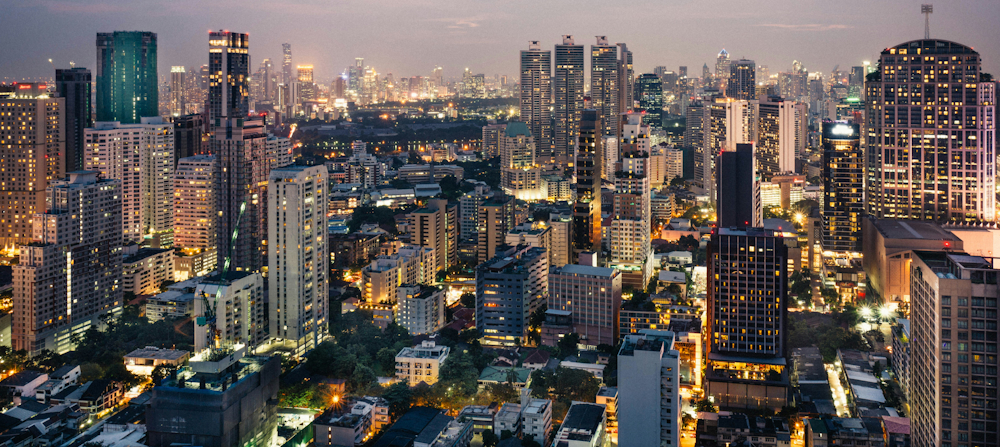
Downtown Bangkok by Andreas Brücker on Unsplash

Well-paid local jobs are hard to come by. Employers must generally hire four Thai staff for every foreign work permit, and some roles are closed to foreigners entirely. Most multinational corporations are headquartered in Bangkok, which is why job-hunting expats head straight for the capital – although the Eastern Economic Corridor in Chonburi and Rayong is drawing those in search of industrial and engineering jobs.

Senior roles pay well; entry-level jobs often don’t. Teaching English is one of the easier ways in. Government school salaries are low, but international schools pay well for teachers with qualifications from the school’s home country. All teaching positions require a Non-Immigrant B Visa, a work permit, and typically a bachelor’s degree.

For remote workers, Thailand’s five-year, multiple-entry Destination Thailand Visa allows digital nomads to live legally in Thailand while working for foreign employers, and for a growing number of expats, the question of finding local work has become beside the point.

Working in Thailand
Work Permits in Thailand
Visas in Thailand

Thai culture
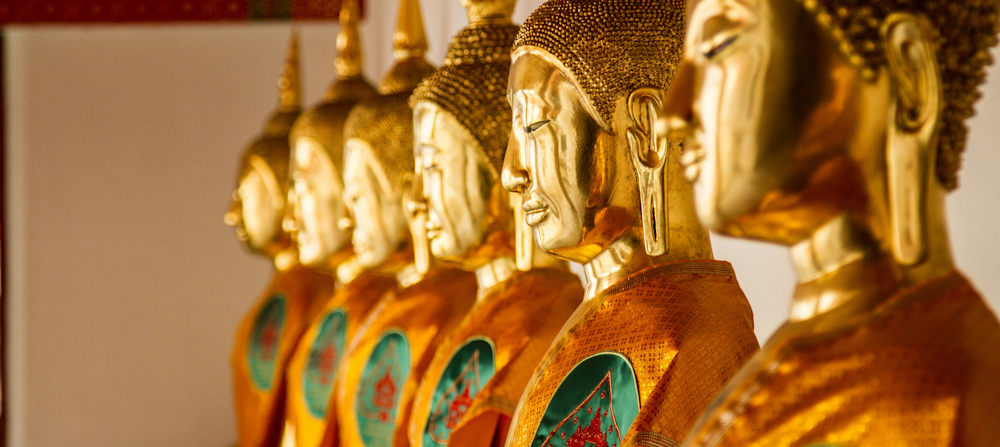
Buddha Statues in Thailand by John Thomas on Unsplash

Thai culture runs on principles that can take newcomers by surprise. The concept of jai yen – keeping a cool heart – is at the centre of social interactions. Raising your voice or showing frustration is seen as a loss of face, both for you and for whoever you’re addressing.

Hierarchy is more important than in some Western countries, and decisions often have to be approved from the top. The traditional wai greeting – a slight bow with palms pressed together – has its own etiquette. You’re not expected to initiate one to service staff, but always return a wai offered by an equal or elder.

Most expats find Thais warm and welcoming, although close friendships may take time to develop. A few words of Thai go a long way.

Culture in Thailand

Finding accommodation in Thailand

Expats chasing the comforts of home will find that costs add up quickly. Western-style accommodation in Bangkok’s prime districts – Sukhumvit, Silom, Sathorn – involves premium rents, and prices have risen sharply in recent years.

The savvy move is to look slightly further out. Just a few Skytrain stops from the centre – areas like On Nut, Bang Na, or Ladprao – rents drop dramatically while still offering modern amenities and easy city access. An oversupply of mid-range condos in the suburbs means renters often have negotiating power, with landlords willing to offer a month free on longer leases.

Outside Bangkok, Chiang Mai and the beach towns offer lower rents, although amenities and housing quality vary widely.

Accommodation in Thailand

Cost of living in Thailand

The cost of living in Thailand varies enormously depending on where you settle and how you choose to live. Day-to-day costs are low, but imported goods and anything aimed at expats come with a markup. Air conditioning in the hot season sends electricity bills through the roof. Those who eat local and shop at markets can live comfortably on modest budgets.

Thailand has gone cashless in urban areas. The PromptPay QR code system is ubiquitous – you can pay for everything from fine dining to street-stall coconut pancakes by scanning a code with a Thai banking app. Cash remains useful in rural areas and for very small transactions.

Cost of Living in Thailand

Living in Thailand with children
Families at Ang Kaew Reservoir in Chiang Mai, Thailand, by Oannob A on Unsplash.

Thailand surprises many expat families with just how child-friendly it is. Thais love children. Restaurant staff will happily entertain your toddler while you finish eating.

Healthcare is a major draw. Bangkok’s private hospitals rival hospitals anywhere, and paediatric care costs a fraction of Western prices. The downside is air quality. Pollution peaks from December to March in Bangkok, and February to April in the north – months when outdoor play may be off the table and families spend more time in air-filtered malls.

Domestic help is readily available and affordable, with many expat families employing nannies or housekeepers. Expat parent groups in Bangkok and Chiang Mai run playgroups and regular meetups.

Thailand’s position as a regional hub makes family holidays easy – Malaysia, Singapore, Vietnam, and Cambodia are all short flights away.

Healthcare in Thailand

Finding a school in Thailand

Bangkok offers a strong selection of international schools following British, American, and International Baccalaureate curricula. The quality is high – but so are the fees. The top schools charge what you’d pay at private schools back home, often with enrolment bonds on top.

For families on tighter budgets, there are quite a few Thai private schools that combine English and Thai instruction at a fraction of international school costs, and many expat families find them a sensible compromise.

Thai public schools are open to foreign children, but instruction is entirely in Thai, and the teaching style leans heavily on rote learning. Prestigious government schools exist, but entry is competitive even for Thai students – in practice, public schooling is only realistic for expat families committed to full Thai-language immersion over the long term.

Outside Bangkok, Chiang Mai and Phuket have international school options, although the range is narrower.

Education and Schools in Thailand
International Schools in Bangkok

Getting around in Thailand

Bangkok's Skytrain and metro are excellent, and Grab works even if you don't speak Thai. Traffic is another story – a short trip by car can take an hour in rush hour. 

Outside the capital, transport options thin out. Many expats get around on motorbikes, but Thailand's roads are dangerous – accident and fatality rates are among the worst in the world. An international driving permit covers short stays, but longer-term residents need a Thai licence.

Transport and Driving in Thailand

Climate and weather in Thailand

Thailand’s tropical climate brings hot and humid conditions for most of the year. The cool, dry season from November to February is the most comfortable time – and the peak tourist season. From March to June, temperatures ratchet up, regularly exceeding 93°F (34°C). The heat can feel oppressive, particularly in the cities.

The rainy season runs from June through October, with regular afternoon downpours and especially heavy rainfall in the south, which receives roughly twice as much rain as the north.

Climate in Thailand

Although the weather may not always play along, moving to Thailand can have the feel of a never-ending holiday, especially for those living on the islands. Compared to the rat race of the West, many expats find that they can take it easy in the Land of Smiles.


Fast facts
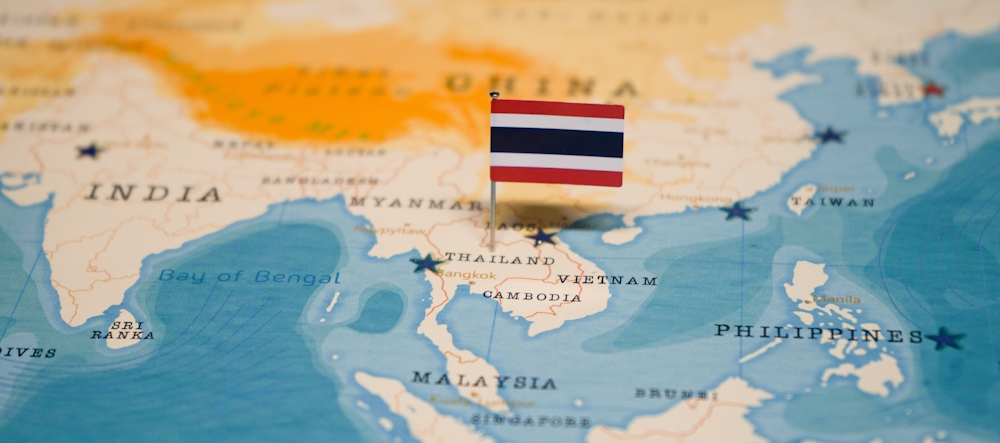
stylistic map of Southeast Asia with Thai flag

Official name: Kingdom of Thailand

Population: Over 71 million

Capital city: Bangkok

Neighbouring countries: Thailand shares borders with Myanmar to the west and northwest, Laos to the north and northeast, Cambodia to the southeast, and Malaysia to the far south.

Geography: Thailand’s natural features, such as the Mekong River and various mountain ranges, define its northern, eastern and western borders. The Gulf of Thailand forms the country’s southern coastline.

Political system: Unitary parliamentary constitutional monarchy

Major religions: Buddhism is the majority religion in Thailand, with Islam and Christianity being the two most prominent minority religions.

Main languages: Thai is the official language. English is widely understood in tourist areas and business settings, although overall proficiency is lower than in neighbouring countries.

Money: The Thai baht (THB), divided into 100 satang. ATMs are widely available in urban areas and accept foreign cards, although withdrawal fees are steep. Opening a local bank account has become more difficult in recent years – most banks now require a long-term visa and a certificate of residence from immigration.

Tipping: Tipping isn’t customary or expected in Thailand, but adding a tip will usually be appreciated. Depending on the situation, this may be in the form of rounding up the billed amount, adding 10 percent, or leaving loose change behind.

Time: GMT+7

Electricity: 220V, 50Hz. Both flat and round two-pin plugs are frequently used.

Internet domain: .th

International dialling code: +66

Emergency contacts: 191 (police), 1669 (medical emergency), 199 (fire), 1155 (Tourist Police)

Transport and driving: Cars drive on the left-hand side of the road. Roads are usually in good condition, but traffic in Bangkok is notorious for congestion, and drivers can behave erratically. There are good public transport networks in Thailand, with most long-distance travel done by bus and most short distances by motorcycle or ride-hailing apps.

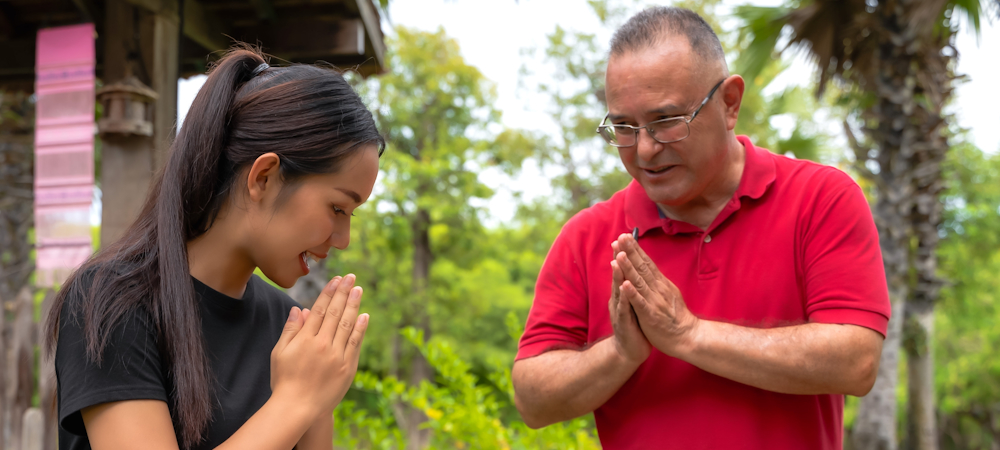
Thailand

Will I qualify for a Retirement Visa?
You will need a non-immigrant visa as a prerequisite to obtaining a retirement visa. Once you have this document, you must provide an original Thailand Bank book, a letter from your Thai bank, proof of meeting the financial requirements, a departure card and a medical certificate. In order to provide proof of meeting the financial requirements you will need to be in possession of a bank account containing 800,000 THB or 22,400 USD, and a monthly income of 65,000 THB or 1820 USD.

Can I buy property in Thailand?
Property is technically illegal for foreigners to purchase but there are a number of loopholes. It is possible to own structures on land without owning the land itself and buying individual condos is permitted. There are ways to rent land on long leases without technically owning it and an estate agent should be hired to help.

What scams should I know of and avoid?
Gem scams targeting foreigners is the largest and most common of the scams. As a rule of thumb, avoid purchasing gems unless you are a gemmologist. Lesser annoyances involve being taken by a taxi driver to shops where they receive a commission. Always be careful of pickpockets.

Banking, Money and Taxes in Thailand

Managing banking, money, and taxes in Thailand is fairly easy. Banks in Thailand are modern, reliable and easily accessible, and English-speaking personnel can be found in most main branches. 

Opening a bank account in Thailand requires long-term residency documentation. The process becomes straightforward with the right visa. ATMs are widely available, and expats who stay in the country for a longer time can apply for local credit.

Most expats will be relieved to learn that Thailand has signed double-taxation avoidance agreements with several governments. It should also be relatively simple for expats who retire in Thailand to access their pensions.


Money in Thailand

Thai Baht Banknotes

The official currency in Thailand is the Baht (THB), which is issued by the Bank of Thailand. One baht is subdivided into 100 satangs.

  • Notes: THB 20, THB 50, THB 100, THB 500 and THB 1,000
  • Coins: THB 1, THB 2, THB 5 and THB 10 (commonly used), plus 25 satang and 50 satang (less common, as many vendors prefer to round to the nearest baht)

Digital payments have taken over a lot of transactions in Thailand, with QR code transactions and mobile banking apps like PromptPay a new standard in urban commerce. Cash is still important for street vendors and rural areas, but you’ll find QR payment options at everything from 7-Elevens to street food stalls.


Banking in Thailand

Major local banks include Bangkok Bank, Kasikornbank, Siam Commercial Bank, and Krungsri. If you need international banking, institutions like UOB and HSBC also operate in Thailand.

Recent changes mean expats who want to open a local bank account in Thailand now need long-term residency documents. Most banks accept work permits, student visas, retirement visas, or other non-immigrant visas. They won’t likely accept a tourist visa, although some expats report success applying at a bank branch located in one of the more ‘expat areas’. Usually, you’ll need your passport, long-term visa, proof of address (like a certificate of residence), and a Thai phone number. 

Sometimes documentation that needs to be signed is written in Thai, but you can request a translated copy in English. Expats should note that, in some cases, the type of bank account available to them will depend on the type of visa they hold.

Credit cards and ATMs

Expats can get a credit card from a Thai bank, but this can be a surprisingly difficult task. Requirements vary between banks, but most, if not all, require a work permit, ideally one you’ve held for a significant length of time. There is also a required minimum income, and you’ll need bank statements for a specified period. The longer you’ve been a client of a Thai bank, the better your chances are of successfully applying for a credit card.

All major banks provide widespread ATM access throughout Thailand. Withdrawals using foreign cards typically incur a fee. Account holders with Thai banks generally have fee-free access at their own bank’s ATMs, although transactions at other banks’ machines incur nominal charges.


Taxes in Thailand

Expat tax laws in Thailand differ slightly for residents and non-residents.

  • Expats who ordinarily live in Thailand less than 180 days a year are classified as non-residents for tax purposes. They can therefore only be taxed on income derived from within Thailand. Income from outside of Thailand is not taxed.
  • Tax residents are taxed on both Thai-sourced income and foreign income remitted to Thailand. There were some significant changes in 2024 which expanded the scope of taxable foreign income for residents.

Thailand has signed tax treaties with several countries worldwide to avoid double taxation for many expats.

Income tax rates in Thailand are progressive, ranging from zero to 35 percent. Employers and employees both contribute to Thailand’s social security system to help cover public healthcare, unemployment, and other social protections, and employee contributions are capped at a modest percentage of monthly salary.

A specialist expat tax adviser can help you understand compliance requirements and maximise available deductions and treaty benefits. Tax forms typically appear in Thai, making professional guidance particularly worthwhile.

Useful links

Working in Thailand

Working in Thailand is an easy next step for many, seduced by the country’s sunny shores and a culture that makes foreigners feel at home. The Thai economy has, however, hit rough spots in the face of political instability, although there are some signs of recovery.

While the majority of job opportunities can be found in Bangkok, there are also many expats who choose to work in the surrounding countryside or the picturesque southern islands. This lets them live in natural splendour and enjoy the relaxed lifestyle available to foreign residents.


Job market in Thailand

Most expats working in Thailand work in the service sector, specifically in tourism and teaching. Digital marketing and the IT industry are also growing in Thailand, so expats can also find opportunities in software development and web design roles. Thailand also has strong manufacturing, logistics and communications industries. 

Apart from income generated by tourism, Thailand’s economy also heavily relies on exports. It’s one of the world’s largest agricultural exporters of rice, sugar, rubber, and shrimp, and is a leading producer of export cars, textiles, and electronics.

The highest-paying teaching jobs are at international schools in Thailand, while English-language schools are also a popular option. Tourism is another popular source of work for foreigners, particularly for expats living outside Bangkok.

Thai companies prefer locals for professional fields like accounting, engineering and law, especially where local nuances like tax codes or legal requirements are important. On the other hand, multinationals like to hire expats for IT and management roles where international experience counts.


Finding a job in Thailand

searching for a job in Thailand online

Expats with the right qualifications can usually find opportunities online, while many others first move to the country, take a course and then start the job hunt. Expats hired or transferred from overseas tend to make higher salaries than those who find a job in Thailand after they arrive.

You need a work permit to work legally. Your employer handles the application, which takes seven to 10 working days after you get a Non-Immigrant B visa.

Expat Jobs in Bangkok 
Work Permits in Thailand
Visas for Thailand

Useful links


Work culture in Thailand

office workers collaborating

Workdays in Thailand depend on your industry. Tourism and hospitality mean irregular hours and shifts. Office jobs usually stick to set schedules.

The working week in Thailand is officially from Monday to Saturday, although many businesses work until Friday or are only open for half a day on Saturdays. Legally, employees can work up to 48 hours a week. International firms and tech companies now work 40-hour weeks, Monday to Friday.

Hierarchy matters in Thai workplaces. Kreng jai (showing consideration for others’ feelings) means people rarely disagree openly. Junior staff wait for seniors to speak in meetings, but everyone usually gets a chance to be heard. The wai (palms together with a slight bow) is used to show respect for rank.

Business Culture in Thailand

Healthcare in Thailand

Healthcare in Thailand is generally of good quality, especially in Bangkok, where a thriving medical tourism industry draws roughly 3.5 million international patients annually. Hospitals here offer excellent care at a fraction of Western prices. Many doctors and other specialists speak English and have often studied abroad, although administrative staff may have more limited English proficiency.

Private hospitals offer greater comfort and faster service than their public counterparts in Thailand. That said, public hospitals still offer a good standard of care, and they treat the majority of Thai nationals.

Read more about Healthcare and Hospitals in Bangkok.


Health insurance in Thailand

healthcare professional using a laptop

Health insurance in Thailand is mandatory for working expats, who are automatically enrolled in the Social Security Scheme (SSS) through their employers. This system is funded by contributions – 5 percent of salary up to a capped amount – split equally between employee and employer.

Social security covers consultations and medication at designated hospitals, although appointments tend to be brief and prescriptions are limited to generic drugs. Treatment at hospitals outside your assigned network typically isn’t covered.

Some expats opt instead for private health insurance, which provides access to an excellent standard of care at a range of private facilities. For those choosing this route, there are international companies that can provide health insurance for expats in Thailand.

Useful links


Public healthcare in Thailand

Public healthcare in Thailand operates through roughly 900 government hospitals that serve communities across the country. Public hospitals provide a high standard of care, and the majority of Thai nationals use them. That said, lines can be long – especially in the larger cities – and there are fewer creature comforts than in private hospitals. Waiting times in more rural hospitals may be shorter, but the standard of care is often lower.

A commonality between city and rural hospitals is that consultations tend to be brief and hurried. For convenience, and because treatment at private hospitals is well priced, most expats use private healthcare.

Useful links


Private healthcare in Thailand

healthcare professionals in a hospital

Private hospitals in Thailand offer world-class care, and many physicians hold degrees from Western institutions. While private treatment is about double the cost of public treatment, it’s still much cheaper than what expats coming from Europe or the United States may be used to.

Despite the reasonable cost of treatment, expats should ensure they have medical insurance in case of emergencies or for major procedures. The best private hospitals are in Bangkok, and in the event of a severe injury or medical condition, travelling to one of these world-class medical institutions is the safest option.

The high quality of care and low treatment prices have propelled Thailand into the global medical tourism spotlight. Roughly 3.5 million international patients travel to Thailand each year, particularly for cosmetic surgery, dental procedures, orthopaedic care, and fertility treatments. Some hospitals that cater to overseas medical tourists resemble hotels more than hospitals, and some southern hospitals package procedures along with beach recovery stays.


Pharmacies and medication in Thailand

green cross pharmacy sign

There are plenty of pharmacies in Thailand, dotted across cities and smaller towns alike. Independent shops are most predominant, although international chains like Boots and Watsons maintain a presence in urban areas and shopping malls. Pharmacies are easily recognisable by their white signs with a green cross and green lettering. Most pharmacies are typically open daily from 8am to 8pm, and some hospital pharmacies are open around the clock.

Prescriptions work very differently from Western norms. Many medications that would require prescriptions in Europe or North America (including some common antibiotics) are available over the counter here. Some medications – strong painkillers, certain controlled substances – do require prescriptions from Thai physicians. Most qualified pharmacists should be able to give medical advice in English, but language skills tend to be weaker in rural areas.

Useful links


Health hazards in Thailand

The tropical climate is a comfortable environment for viruses and bacteria, so expats should be aware of numerous health hazards in Thailand. These include mosquito-borne diseases such as dengue fever, malaria and Japanese encephalitis. Dengue fever is endemic throughout the country, and epidemics break out every few years. There’s a risk of malaria, mostly along the areas that share a border with Myanmar and Cambodia, and Japanese encephalitis occurs mainly in rural regions and northern provinces, particularly during the May-to-October rainy season.

Air pollution poses a significant health concern, particularly in Bangkok and northern provinces. Levels frequently exceed safety thresholds during the dry season (November to March), especially in January and February.

The monsoon season is accompanied by heavy rainfall that can trigger flooding, particularly in low-lying areas.

Useful links


Vaccinations for Thailand

Vaccinations for Thailand fall into two categories: mandatory and recommended. Yellow fever vaccination is required only for travellers arriving from countries with a yellow fever transmission risk. No other vaccinations are mandatory for entry.

Ensure your routine vaccinations are current, including those for MMR (measles, mumps, rubella), polio, tetanus-diphtheria-pertussis, and seasonal influenza. The CDC strongly recommends hepatitis A and B vaccinations for Thailand, along with typhoid – particularly if you're planning on an extended stay or venturing beyond the major tourist areas.

You should also consider Japanese encephalitis vaccination if you'll be spending extended periods in rural areas. Malaria prophylaxis may be necessary for travel to border provinces near Myanmar, Cambodia, Laos, and Malaysia. Dengue, for which a vaccine exists but isn’t universally recommended, requires vigilant mosquito bite prevention throughout Thailand.

Infants aged six to eleven months should receive an early MMR dose before travel, although this won’t count toward their routine childhood vaccination schedule.

Useful links


Emergency services in Thailand

There are dedicated hotlines for emergency services in Thailand, depending on your emergency: dial 1669 for medical emergencies and ambulance service, 191 for police, 199 for fire, and 1155 for tourist police (a 24/7 English-speaking service invaluable for foreign visitors).

Private ambulance services have English-speaking staff and faster response times in major cities, although government ambulances also increasingly have English-speaking operators. Response times will vary considerably – roughly 10 to 15 minutes in urban areas, but potentially 30 minutes or longer in rural locations.

For serious medical emergencies, particularly in Bangkok, it might be faster to arrange private transport to a reputable hospital.

Shipping and Removals in Thailand

There is a wide variety of options for shipping and removals to Thailand. Freight can be sent from anywhere in the world, though shipping to destinations outside Bangkok costs more. Inland cities need both road and sea freight, and island homes usually require a series of boat transfers. Buying furniture here often beats shipping costs – something worth remembering before you pack that sofa.

Most international sea cargo lands at Laem Chabang Port near Bangkok, whilst air freight goes through Suvarnabhumi Airport. Sea freight from North America takes four to six weeks, and from Europe, five to seven. Island destinations and remote provinces need extra boat or truck transfers, so add on several more days.

Take out comprehensive insurance from an independent provider – never your freight company. You want an unbiased advocate if there are any damage claims. Thai customs go through everything with a fine-tooth comb, so photograph your shipment contents before packing.


Shipping household goods to Thailand

After entering the country, expats have six months to ship their household goods to Thailand from their home country. Thai customs officers sometimes grant extensions, but contact them a few months in advance if your shipment might arrive late.

Duty-free import depends on visa type and residency history. A one-year work permit or similar qualifying visa is required, plus you must have lived outside Thailand for at least 12 months. You need to have owned the goods being shipped for more than six months.

Electrical appliances get duty-free treatment at one per type – for example, two fridges or three laptops would trigger taxes on the extras. If you have duplicates, customs gives the duty exemption to whichever items have the lowest rates. Documentation is everything. Bring original invoices that prove when you bought items.

Useful links


Shipping pets to Thailand

Shipping pets to Thailand is straightforward for dogs, cats, and rabbits – provided you have proper veterinary certificates and vaccinations. Your pet needs an ISO 11784/11785 compliant 15-digit microchip before the rabies jab. Most Western countries don’t require rabies titer tests for entry to Thailand, though you’ll need one for onward travel to EU countries or other strict destinations.

Get vaccinations done at least 21 days before you fly. Dogs need five shots: rabies, distemper, hepatitis, parvovirus, and leptospirosis. Cats need a rabies shot plus one for feline panleukopenia. Rabbits just need the rabies shot.

The official health certificate is valid for just 10 days, so book your flight before scheduling the vet visit.

Pets must be at least four months old to enter. Quarantine is rarely enforced for animals with complete paperwork and no visible illness, although inspectors can detain any animal at their discretion. Inspection services at major airports run around the clock, but cargo arrivals at Bangkok’s Suvarnabhumi Airport only process during weekday business hours – weekend arrivals mean overnight kennelling at your expense.

Apply for your import permit from Thailand’s Department of Livestock Development at least seven working days before travel – you can submit up to 60 days ahead. The permit is valid for 60 days once issued. Expect to pay a fee when your pet clears inspection.

Thailand bans the import of certain breeds: American Pit Bull Terriers, American Staffordshire Terriers, American Bullies, and American Bulldogs. These breeds can be owned within Thailand (many have been domestically bred since the 1991 import ban), but crossing the border with one is forbidden.

Useful links