
- Download our Moving to Bangkok Guide (PDF)
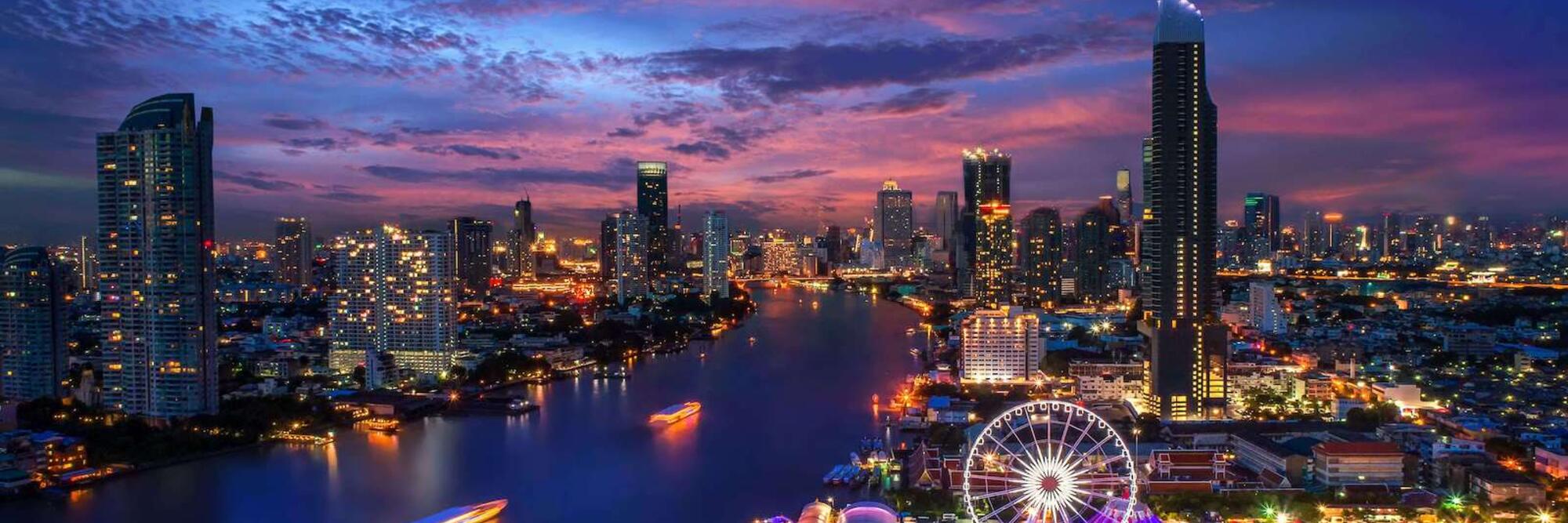
The pros and cons of moving to Bangkok reflect a city that pulses with life. From the fascinating culture to the friendly people, living in the Thai capital is an enriching experience. As with any city, there are trade-offs – from the legendary traffic to seasonal air pollution – and we expand on them below.
Accommodation in Bangkok
+ PRO: Lots of variety
The options for accommodation in Bangkok run the gamut – studios in high-rises, townhouses tucked down quiet roads, and even detached homes with actual gardens. The rental market is flush with options. Pet owners have slimmer pickings: most condo buildings ban animals outright, and the handful that welcome dogs or cats will happily charge you for the privilege.
Local culture in Bangkok

+ PRO: A feast for the senses
Local culture in Bangkok is a feast for the senses. Among the rising steel-and-glass structures of shopping malls, hotels and offices, expats will find temples, revered Buddha images and spirit houses with offerings piled high, jasmine garlands aplenty, and incense burning day and night.
Thai people are generally welcoming of foreigners, and respect for local customs goes a long way. A few basics: never point your feet at people or Buddha images, and avoid touching anyone’s head – even a child’s.
- CON: The importance of saving face
If someone acts angry, demanding, contradictory or rude in public towards a Thai person, locals will go to great lengths to ‘save face’. No matter what emotions may be felt, they are not displayed or demonstrated negatively towards another person. This is an important part of Thai culture that greatly affects how expats are treated. Keeping calm and remaining polite are better ways to deal with conflict.
Cost of living in Bangkok
+ PRO: Possible to live extremely cheaply
The cost of living in Bangkok surprises many newcomers – entertainment, dining and day-to-day expenses run far lower than back home. There are restaurants to suit every budget, and the many street stalls make it possible to enjoy authentic Thai food at an exceptionally low price.
Electricity bills can sting, though. Air-conditioning is non-negotiable in Bangkok’s heat, and if you leave it running day and night, you’ll feel it in your wallet.
- CON: High price of imported goods
Recent tax cuts have made imported wine more accessible than before, although it still costs more than in Europe. Currency conversions and remaining excise duties mean a decent bottle won’t come cheap, but eye-watering markups are no longer commonplace. Buying other imported goods, such as Western food or ‘home comforts’, can also become pricey.
Transport in Bangkok
+ PRO: Affordable and ever-expanding options
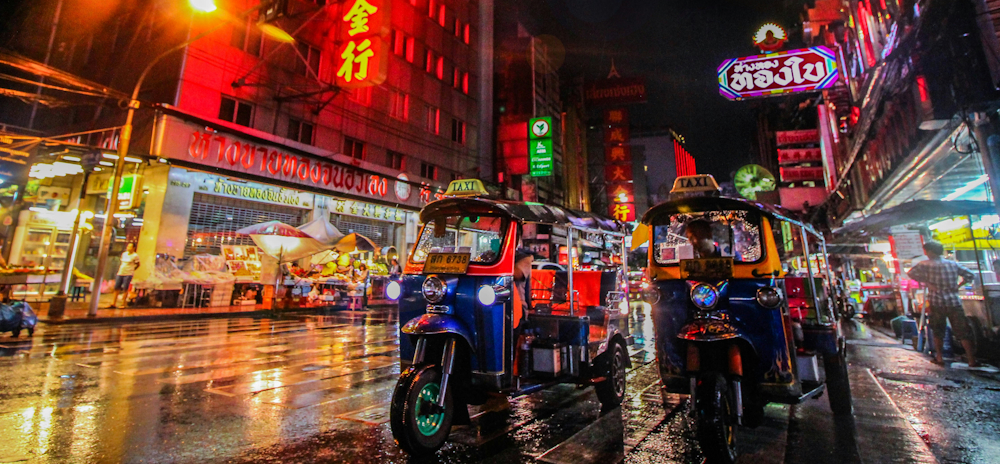
Transport in Bangkok is cheap and plentiful, with the network expanding year on year. The BTS Skytrain glides above the gridlock as the MRT rumbles underground. Recent extensions – including the Yellow and Pink monorail lines – have opened up suburban neighbourhoods. Buses, tuk-tuks, motorbike taxis, and ride-hailing apps fill in the gaps. Grab is the go-to, but Bolt tends to be cheaper. The BTS and MRT are mercifully air-conditioned and connect at several interchange stations. Getting around Bangkok is both affordable and, in many instances, efficient and clean.
- CON: Traffic jams
Bangkok’s traffic is the stuff of legend – the city regularly ranks among the world’s most congested. That doesn’t mean travelling around is as difficult and laborious as expats may be led to believe. There are many options for avoiding traffic – they just require some planning. That said, expats who choose to drive are likely to find rush hour traffic a headache.
Healthcare in Bangkok
+ PRO: World-class care at competitive prices
Healthcare in Bangkok has earned the city a reputation as a medical tourism hub. Visiting a private hospital is like walking into a five-star hotel, replete with plush lobbies and attentive staff. For expats accustomed to US healthcare costs, the bills often come as a pleasant surprise, although uninsured visitors should budget carefully.
After registering, the patient will be quickly seen, with the relevant tests undertaken in a timely and efficient manner. Securing a consultation with a specialist doctor is also relatively easy.
- CON: Unnecessary tests
Whilst a visit to the hospital or dentist may not be expensive, it’s common to hear about patients being sent for unnecessary tests, only to end up with a simple diagnosis such as the flu or a virus. This can result in high costs. While a person’s health shouldn’t be put at risk for fear of being taken advantage of, it is something to be aware of.
International health insurance is a wise investment. Private hospital care is world class, but costs can escalate quickly for the uninsured.
Healthcare and Hospitals in Bangkok
Education in Bangkok
+ PRO: Outstanding international schools
The education system in Bangkok draws expat families for good reason. The city has over 100 international schools – British, American, International Baccalaureate, and bilingual programmes among them – and the top-tier institutions boast campuses that put many Western universities to shame.
- CON: High tuition fees
Quality comes at a price. International school fees can take a significant bite out of even generous expat packages, and waiting lists at the most sought-after institutions are common.
Education and Schools in Bangkok
Best International Schools in Bangkok
Working in Bangkok
+ PRO: Regional business hub
Working in Bangkok puts you at the heart of Southeast Asia’s business corridor. Many multinationals base their regional headquarters here, and expat packages for senior roles can be generous.
+ PRO: Digital nomad-friendly visa options
Thailand rolled out the Destination Thailand Visa (DTV) in 2024, and remote workers took notice. It’s valid for five years, allows stays of up to 180 days per entry (extendable to 360), and doesn’t require a local work permit.
- CON: Strict labour regulations
There are strict legal restrictions on which jobs foreigners can hold, and the work permit process involves miles of red tape. Certain professions are reserved for Thai nationals.
Safety in Bangkok
- CON: Dangerous roads
Thailand has one of the world’s highest road fatality rates, and motorbike accidents pose the greatest risk to expats. If you ride, wear a helmet – always.
+ PRO: Low rates of violent crime
Safety in Bangkok compares favourably to many Western cities. Muggings and violent assaults are rare, and most expats report feeling secure walking around at night.
- CON: Seasonal air pollution
Between January and March, a grey haze blankets the city. PM2.5 readings smash through the thresholds for safety, and locals stock up on N95 masks and air purifiers and head indoors. Expats with respiratory sensitivities should plan accordingly.
Lifestyle in Bangkok

+ PRO: Variety of experiences
Lifestyle in Bangkok means an endless variety of shopping experiences all over the city that cater to all sorts of budgets. The city’s many markets are perfect for those looking for a bargain and who like to barter, whilst in the high-end shopping malls, just about anything can be bought.
+ PRO: Lively nightlife
Expats who enjoy a night out on the town will love the nightlife scene in Bangkok. The city boasts everything from sophisticated rooftop bars and disco clubs to hidden dive bars, where drinks will cost a tad less.
+ PRO: Thriving expat community
Bangkok’s expat scene is well established. Facebook groups and Meetup events cater to every niche – book clubs, badminton leagues, startup founders, and new parents. If you’re willing to show up, making friends here isn’t hard.