
- Download our Moving to Bangkok Guide (PDF)
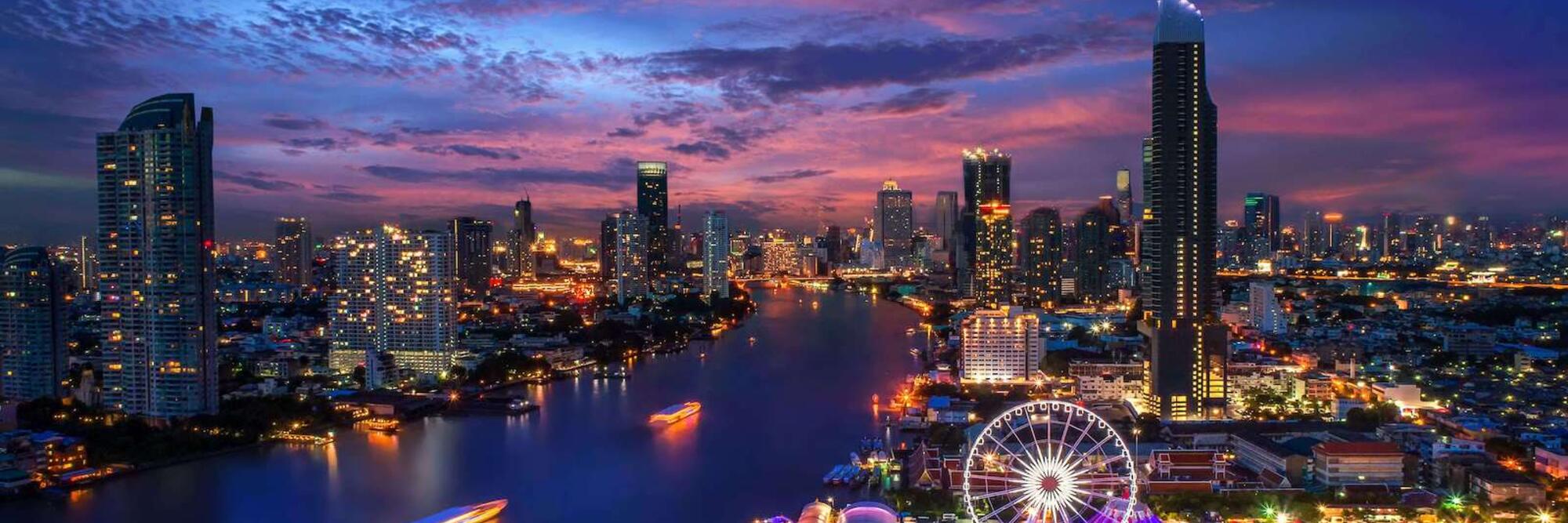
The Thai capital's attractions span Buddhist temples, rooftop bars and everything in between. Expats will have plenty to see and do in Bangkok. The whole city is filled with a variety of attractions to suit almost anyone’s tastes.
Bangkok welcomes millions of visitors annually. The city pairs glitz with grit. Expats can explore ancient royal palaces alongside quirky museums, although figuring out the difference between genuine local experiences and tourist traps takes some savvy.
Attractions in Bangkok
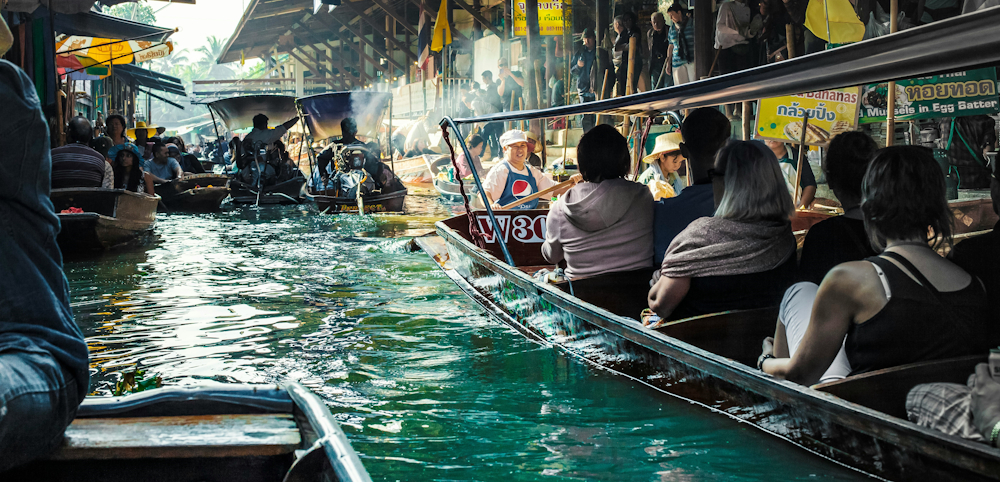
Damnoen Saduak Floating Market
Dating back to when water transport was essential to daily life in Thailand, floating markets evoke a bygone era. Damnoen Saduak Floating Market, roughly an hour outside central Bangkok, is the most famous floating market. It’s heavily geared towards tourists now, with crowded boat channels and aggressive vendors. Arrive before 8am to beat the tour bus crowds. For a more authentic feel, expats often head to Khlong Lat Mayom or Taling Chan – both closer to the city with better food and fewer hawkers, although they operate mainly on weekends.
Bangkok National Museum
One of Southeast Asia’s largest museums, the Bangkok National Museum makes for an impressive sweep through Thai history and culture. Founded in 1887 by King Rama V and housed in the former Wang Na palace, the museum showcases everything from prehistoric artefacts to ornate royal funeral chariots. The Thai History Gallery is particularly worthwhile for expats who want to visit the city’s temples with their rich contexts in mind.
The Grand Palace
The official royal residence since the 18th century, the Grand Palace now serves primarily for state functions and royal ceremonies. Located on the banks of the Chao Phraya River, it is Bangkok’s most iconic landmark and houses the Temple of the Emerald Buddha. There will be crowds of tourists to contend with, and dress codes are strict – it’s mandatory to wear trousers or skirts that cover your ankles, along with closed-toe shoes or sandals with straps (no flip-flops). You can buy tickets online to skip the ticket booth queue, although you’ll still face security lines.
Tilleke & Gibbins Museum of Counterfeit Goods
Bangkok has long been known for its counterfeit goods market, where knock-offs of almost anything are sold at rock bottom rates. The Tilleke & Gibbins Museum of Counterfeit Goods challenges the notion that buying fakes is a victimless crime.
Run by an intellectual property law firm, this niche museum on the 26th floor of Supalai Grand Tower displays thousands of confiscated counterfeits – from fake pharmaceuticals to luxury handbags and car parts. It’s fascinating for anyone interested in legal issues or global trade, although visits typically require booking an appointment in advance, usually on weekdays. The collection offers a thought-provoking snapshot of an industry that’s increasingly moving into the digital and crypto domains.
Wat Arun (Temple of Dawn)
Wat Arun, the Temple of Dawn, ranks among Southeast Asia’s most recognisable landmarks with its distinctive riverside silhouette and colourful prangs. You can climb the steep, narrow steps of the central spire up to the second terrace – the upper levels are closed for safety, although the ascent isn’t for the faint-hearted. Those who make it up are rewarded with sweeping river views.
Dress codes are strictly enforced these days, although rental sarongs are available if needed. Many expats find the best vantage point is actually from across the river, where rooftop bars and restaurants offer postcard-perfect sunset views without the crowds.
Wat Pho (Temple of the Reclining Buddha)
Home to one of Thailand’s first massage schools, Wat Pho dates to the 18th century and offers a calmer atmosphere than the nearby Grand Palace. The centrepiece reclining Buddha stretches 151ft (43m) long, sheathed in gold leaf, with its feet intricately decorated with inlaid mother-of-pearl.
The broader complex houses everything from royal ashes to a Bodhi tree supposedly descended from the one under which the Buddha attained enlightenment. The massage school still operates, with traditional services available on site – expect wait times of 30 to 60 minutes during busy periods.