
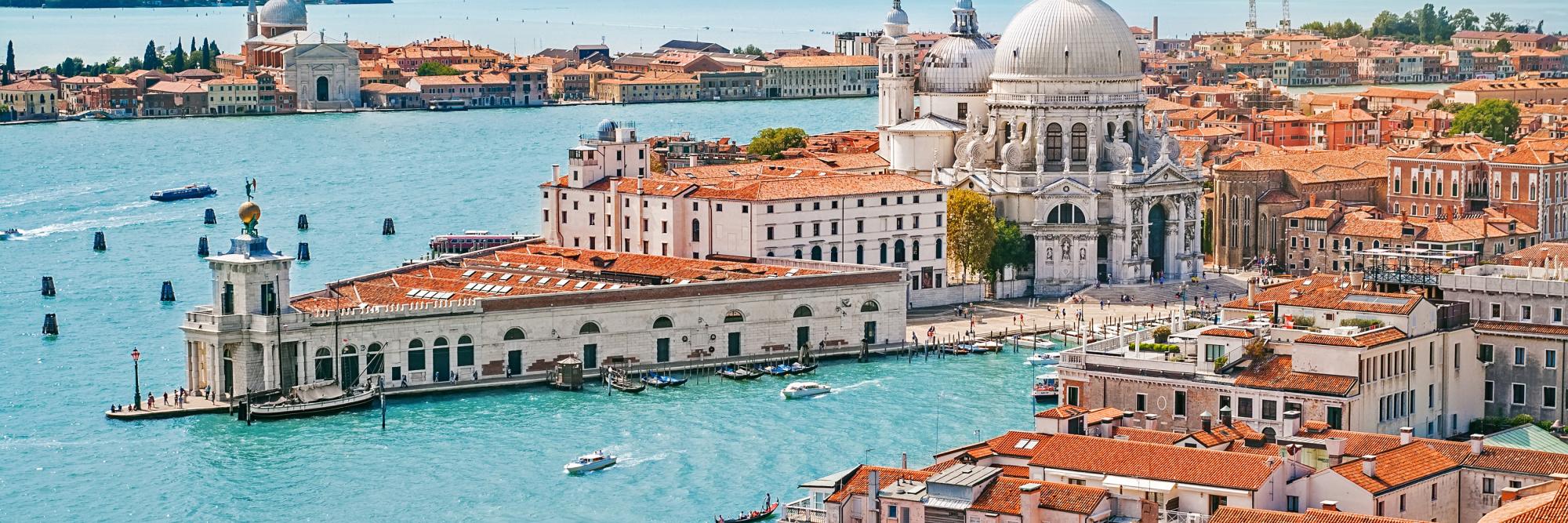
Most expats opt for rental accommodation in Italy rather than buying. In the bigger cities, prices are high, and homeowners are reluctant to sell. If you do intend to buy, renting first to get a feel for the area is generally the way to go. After committing to moving to Italy, the most difficult decision is where to live, and the process of securing accommodation can be tricky.
Types of accommodation in Italy
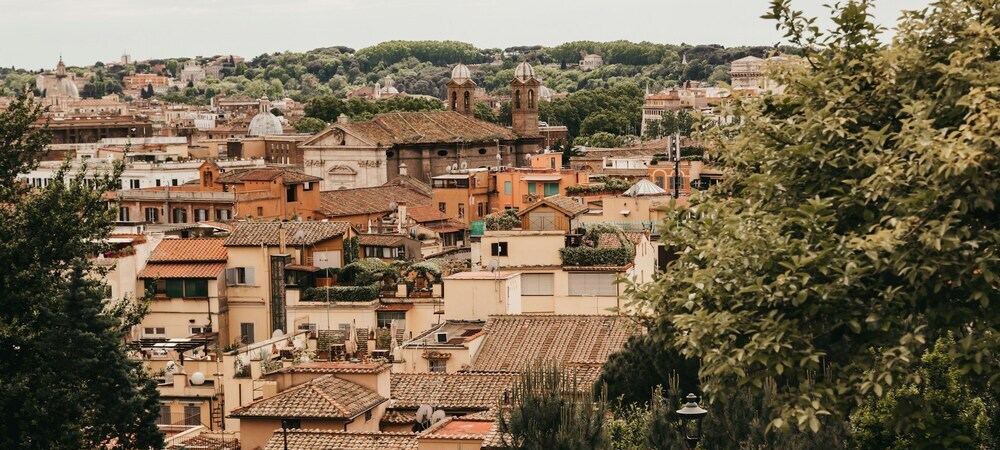
The most common form of accommodation is apartments. The post-war population boom is immortalised in the thousands of pastel-coloured buildings that line the streets of every city and town. Italian families living in detached homes are decidedly in the minority, and finding a freestanding house for yourself can be quite the challenge.
While terraced houses (villette a schiera) exist in small towns, detached homes in Italy are typically reserved for villas and farms. Farmhouses (cascine) are often hundreds of years old and come with large tracts of land and hefty price tags. These are often heritage-listed or bound by strict laws about what can and can’t be done with them. They are also usually in need of some serious renovation.
Furnished vs unfurnished
Choosing between furnished and unfurnished accommodation in Italy largely depends on your circumstances. Furnished properties offer a convenient solution for short-term stays or those who prefer not to invest in furniture.
Unfurnished rentals can be significantly cheaper and give you the freedom to personalise and decorate your new home however you like. An unfurnished property typically includes basic fixtures, but everything else will be up to you.
Short lets
Many expats choose a short let when they first arrive, as it offers a flexible way to get to know their new city and explore different neighbourhoods before committing to a long-term lease. This option is particularly appealing if you're staying for a few months only, allowing you to experience the local lifestyle.
If staying for a short period, aim for a transitional use contract (uso transitoria), which is for a fixed term of one to 18 months. For this type of short let, tenants must prove their need for temporary housing. If you're working in Italy for a limited period, you can prove this with a copy of your employment contract. Platforms like Airbnb and Vrbo are also viable options, despite higher costs.
Useful links
Finding accommodation in Italy

It is essential to know the local market when looking for a rental property in Italy. Rental prices in cities such as Perugia or Bologna are reasonable, but the chances of finding a bargain in Rome, Milan, or Florence are low.
You can find accommodation through online property portals or by networking with other expats living in Italy. Alternatively, you can work with a local real estate agent, although agency fees can be pricey. Some relocation companies also offer house-hunting services as part of their packages. Check with your provider if they can assist.
Make sure that you meet the landlord and see the property in person before committing to anything. Most legitimate landlords will, in any case, want to meet the tenant before finalising any arrangement. This can make searching for accommodation in Italy from overseas a challenging prospect. You'll likely get the best results by conducting your search after arriving, while staying in short-term accommodation.
Useful links
Renting accommodation in Italy

Most standard rental contracts in Italy are signed for a year or longer – expats on shorter stays should investigate fully furnished properties that are rented on short-term leases with utilities included in the rental price.
Renting conditions are generally good. Tenants have the right to demand that anything broken or run-down be fixed, and the landlord will typically pay for fixes themselves.
A landlord must give six months’ notice if they wish to reclaim the property. This must be in writing and is only possible under certain conditions to protect the tenant's rights.
Leases
Leases must be in writing and signed by the tenant and owner. When signing an agreement, expats will have to provide copies of their passports, stay permits, and banking details.
The flexible convention contract (contratto di convenzione) comes in several forms. Among these is the residential-use contract (uso abitativo) with a minimum duration of three years and a renewable period of two years, which can be extended.
The convention contract results from the Italian government’s efforts to make more low-cost housing available, and it follows guidelines set by tenant associations and landlords. Owners get tax breaks in exchange for limiting how much they charge for rent – instead of a free-market contract, where the owner can set the rent at any price.
The free-market contract (contratto di libero mercato) is a direct agreement between the owner (locatore) and tenant (locatorio or conduttore). These are called ‘four plus four’ contracts (quattro più quattro) because they usually last for four years, after which they are renewed for another four years.
Leases in Italy are legally binding documents and provide security for both the tenant and the landlord. They outline the terms of the rental, the duration, the rent amount, and other conditions such as maintenance responsibilities. A lease also details the deposit amount, typically equivalent to one to three months’ rent, serving as security for the landlord against damages.
Deposits and fees
Paying a three-month deposit is standard. Deposits in Italy are refundable at the end of the tenancy, provided there is no damage to the property. It is essential that you understand the terms relating to the deposit in the rental contract. In addition to the deposit, a tenant might also incur agency fees if they have used a real estate agent to find their property. These fees vary but are often equivalent to one to two months' rent.
Terminating the lease
Terminating a lease early is usually only possible if the contract contains a dedicated early-termination clause and often requires giving advance notice. If a tenant leaves before the contract ends without proper notice, they may be liable for the outstanding rent and lose their deposit. In Italy, leases may also include a gravi motivi clause that allows expats to terminate the lease early without penalty under specific conditions, such as job relocation or illness.
Useful links
Utilities in Italy

Understanding the nuances of setting up and paying for utilities in Italy is a crucial step towards a comfortable living experience. Some regulations apply across the board regardless of the type of contract. Most tenants are required to pay their own utilities, including gas, electricity, internet, cable, and garbage collection.
Most utility companies offer online registration to make setup easier, which can be convenient for those with a grasp of Italian or assistance from a local friend or interpreter. Payment options are flexible, with direct debit (Rapporto Interbancario Diretto, or RID) being the most common and hassle-free method.
Alternatively, bills can be paid via online banking, at the post office or at authorised payment points like ATMs or SisalPay counters. It's worth noting that utility contracts and bills will typically be in Italian, so expats may need assistance translating and understanding the terms to begin with. Prompt payment of bills is important, as delays can lead to penalties or service disconnection.
Electricity
When settling in Italy, setting up electricity is a priority. Expats should compare providers to find the most cost-effective tariffs. Italy operates on a 220V, 50Hz supply, with power sockets being type F and L. It's advisable to check if any adapters or transformers are needed for personal electronics brought from abroad.
Electricity is deregulated in Italy, allowing consumers to choose their providers. Electricity prices vary depending on the provider and the tariff plan. Consider the energy efficiency of your accommodation, as electricity costs can be affected significantly.
Gas
Natural gas in Italy is used for heating, cooking, and sometimes for water heating. As with electricity, the gas market is deregulated, and prices vary by provider. It’s crucial for tenants to ensure their rental properties' gas systems comply with safety standards. Italy’s gas providers offer various packages, and in some regions, gas may be more economical than electricity for heating.
Water
Water rates are generally included in the condominium expenses if living in an apartment block. For standalone properties, tenants usually pay based on their metered usage. Water quality in Italy is mostly good and it's safe to drink but it has a high mineral content. Some residents prefer to use filters or buy bottled water for drinking.
Bins and recycling
Waste disposal and recycling are taken seriously in Italy, with stringent regulations on the separation and disposal of waste. Charges for garbage collection are typically included in the utility bills – be sure to familiarise yourself with the local recycling schedule and rules. Non-compliance with waste disposal regulations can result in fines. It's essential to learn the waste collection timetable and sort refuse accordingly.