
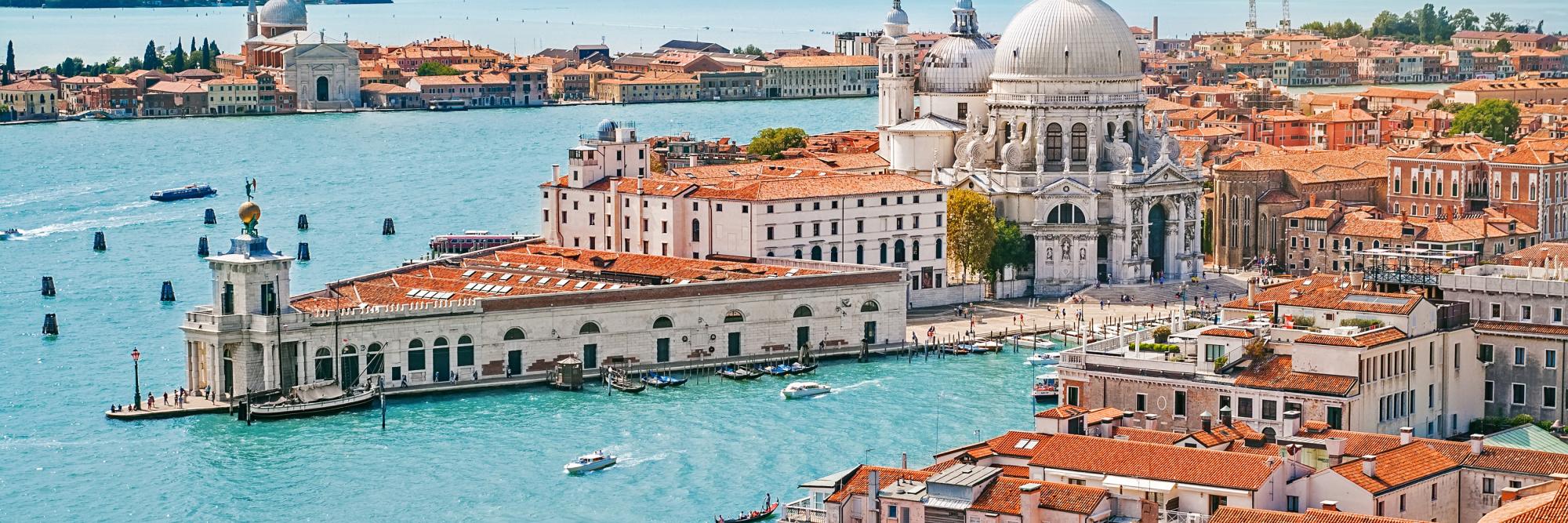
It can take some time to adjust to the local culture in Italy. Settling into a new country is often challenging, particularly when cultural differences are compounded by the difficulty of learning another language. Even seemingly simple transactions, such as finding a house, doctor, dentist, school, and bank, can seem daunting.
The initial phase of acclimatising to Italian culture might seem like navigating through a labyrinth, but once expats overcome the initial hurdles, the rich cultural tapestry of Italy often becomes a fulfilling experience. It's a journey of discovering the finesse of Italian cuisine, the warmth of its people, the historic saga encapsulated in its architecture and the lyrical melody of the Italian language. Each day unfolds new facets of Italian traditions, from the aroma of a freshly brewed espresso to the serene ambience of an afternoon riposo.
Language in Italy
Italian is the official language of the country and is spoken by most of the population, although dialects can differ between regions.
There are many language schools throughout the country that provide memorable and useful insights into Italian culture. Alternatively, you can opt for private lessons with a hired tutor in the comfort of your own home.
Italians are also known for being expressive communicators, often using gestures and body language to emphasise their points. Being able to interpret these non-verbal cues can provide deeper insight into conversations and the attitudes of the people you are interacting with. Moreover, reciprocating with some universally understood Italian gestures can also be a fun and engaging way to immerse yourself in the local culture.
Dress in Italy
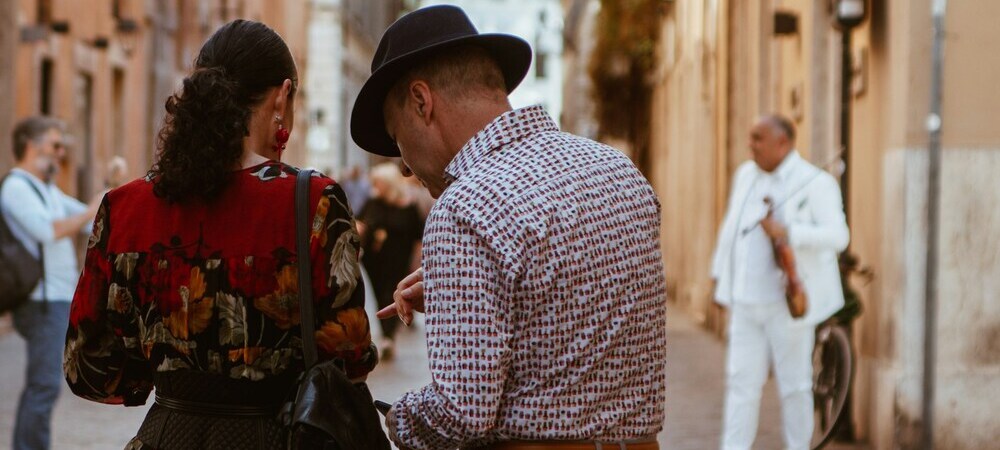
When you think of fashion, you think of Italy – this connotation exists for good reason. Italy is home to several leading fashion houses. High fashion and professional dress are common in workplace settings. Your general body language speaks to style too, so remember to carry yourself with confidence and walk the walk. This is important among both men and women.
Meeting and greeting in Italy
Italians are more formal in addressing new acquaintances and colleagues than you might be used to from back home. Someone using an informal greeting like 'ciao' (similar to 'hi' or 'bye' in English) to someone they have just met will often be interpreted as rude rather than friendly. Ciao is reserved for use among friends, and a formality-neutral greeting with the same use case is 'salve' ('greetings').
When introduced to an Italian in a formal setting, a person would shake hands and say, 'Buongiorno' (good day) before 4pm or 'Buona sera' (good evening) after. Once acquainted, kisses on the cheek are typically exchanged in greetings and when saying goodbye.
Titles are used when addressing people, particularly older people. In the case of professionals, a director would be referred to as direttore, a doctor is dottore, while an architect would be called architetto, and so on. When addressing someone without knowing their title, a man can be referred to as signore and a woman as signora.
Religion in Italy
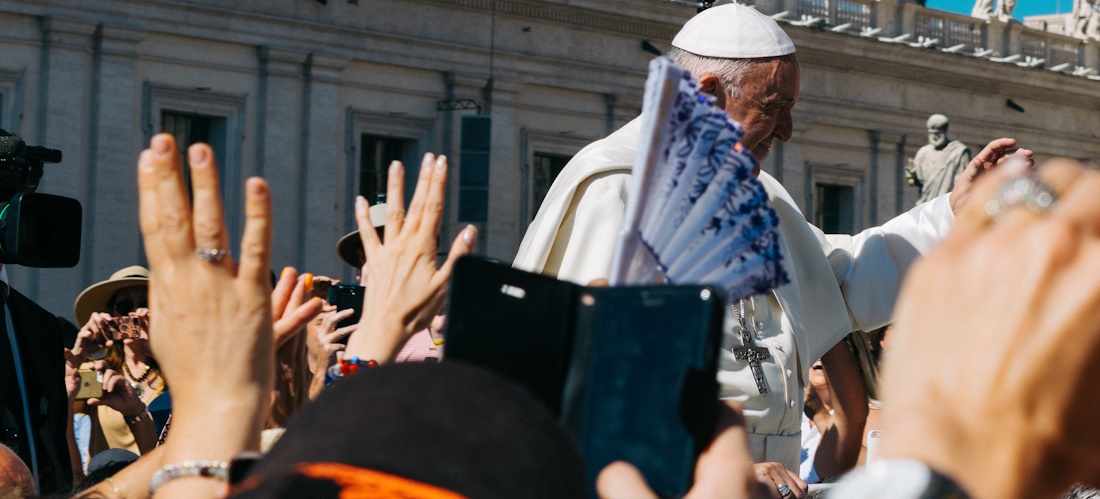 Most of the population of Italy is Roman Catholic and Christian, although the number of Italians who practise their religion is decreasing. Still, religion plays a major role in culture, business, and how people live. Italy is a secular country, but given its ubiquitous churches and the influence of the Vatican City, religion is undeniably significant.
The essence of religion in Italy extends beyond the solemn halls of its churches into the daily lives of its people. The religious festivals, the ringing of church bells and the reverence for religious figures all weave into the societal fabric. You'll note that religious holidays and festivals are celebrated with fervour and tradition. Easter and Christmas are particularly significant, with unique regional observances.
Bureaucracy in Italy
While expats often complain about the bureaucratic inefficiency they encounter in the country, Italy has a strong bureaucratic tradition. Italians are aware of the problem, and public office is typically associated with inefficiency. Nevertheless, the paperwork is largely considered a necessary, if unpleasant, part of life. You should expect paperwork and bureaucratic procedures to take some time.
Time in Italy
Coupled with bureaucracy is Italian time: there is no rush. Italian time makes allowances for siestas, called riposo locally, so banks are generally only open in the mornings and shops are closed between 1pm and 3.30pm. During this time, many families take a nap and should not be disturbed.
Food in Italy
 Food is indeed the way to the heart in Italy, and it goes far beyond pizza and pasta. A wide variety of soup, bread, meat, and fish dishes are also commonly eaten. Food is a way to create a warm, welcoming environment, maintain family relationships and friendships, and establish new relationships, too. You're unlikely to enter an Italian home without being offered something to eat or drink.
The culinary journey in Italy is akin to an exploration of regional identities. Each region prides itself on its unique dishes, ingredients, and culinary techniques. From the hearty meals of Tuscany to the seafood delights of Sicily, Italian cuisine is a palette of flavours waiting to be discovered. Meal times are not just about satiating hunger – they're a cherished moment of family bonding, sharing, and celebrating the day's events.
Regional diversity in Italy
Italy is a tapestry of regional cultures, each with its distinct traditions, dialects, and culinary delights. The difference between regions can be quite pronounced, and understanding this regional diversity is crucial for assimilating well. It's not just about knowing Italian culture, but the particular customs and idiosyncrasies of the region you live in. This regional pride is a cornerstone of Italian identity, and acknowledging it shows a deeper understanding and respect for Italian culture.
The regional diversity extends to the way of life, dialects, folklore, and local festivals that mark the calendar year. Expats delving into the local culture will find a treasure trove of regional traditions. The mask festival of Venice, the truffle fair in Alba, the historical re-enactments in various towns and the vibrant folk music and dances are testaments to Italy's regional richness.
The experience of attending a local sagre (food festival), participating in a historical procession or simply enjoying the regional specialities offers a deeper appreciation of the Italian way of life, where the old and the new harmoniously coexist.
LGBTQ+ in Italy
Italy is gradually becoming more accepting of LGBTQ+ individuals, with legal protections against discrimination in employment and housing. Same-sex civil unions have been legally recognised since 2016, granting couples many of the rights associated with marriage.
That said, full equality in some areas of Italy is lacking, likely due to the strong prevalence of Christian values in general and Catholicism in particular. Same-sex couples cannot legally marry or adopt children, and there is no official recognition of nonbinary gender identities. Transgender individuals must undergo medical procedures to change their legal gender, and conversion therapy is not explicitly banned. Social attitudes vary by region, with larger cities like Milan and Rome generally more welcoming than rural areas.
LGBTQ+, Diversity and Inclusion in Italy
Women in Italy
Italy is making notable progress toward gender equality, but challenges remain. Women face disparities in employment opportunities and wages, and progress toward closing the gender pay gap is slower than EU targets. Representation in leadership positions also lags, both in politics and business, and men still occupy most senior roles. While cultural attitudes toward gender equality are gradually shifting, systemic barriers persist.