
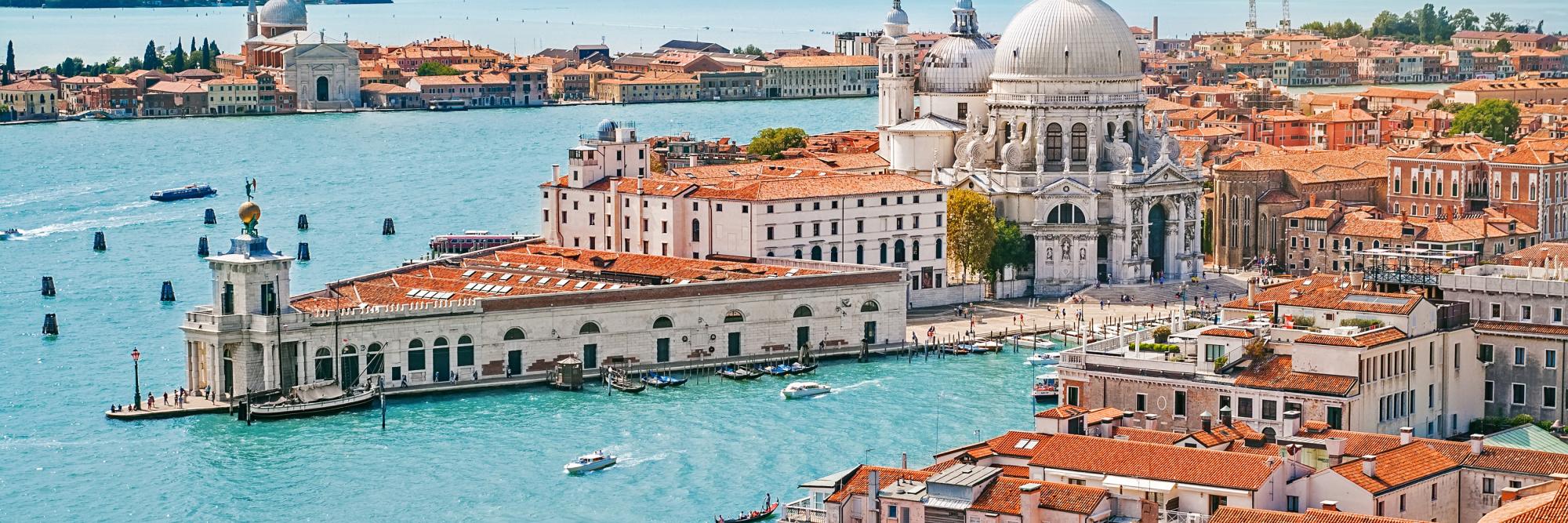
Modern banking traces its origins to the Renaissance in Italy. In fact, the world's oldest functioning bank still does business today and has been open since 1472. The country's contemporary banking sector is modern and efficient, so you shouldn't expect much stress when dealing with banking, money and taxes in Italy.
Money in Italy
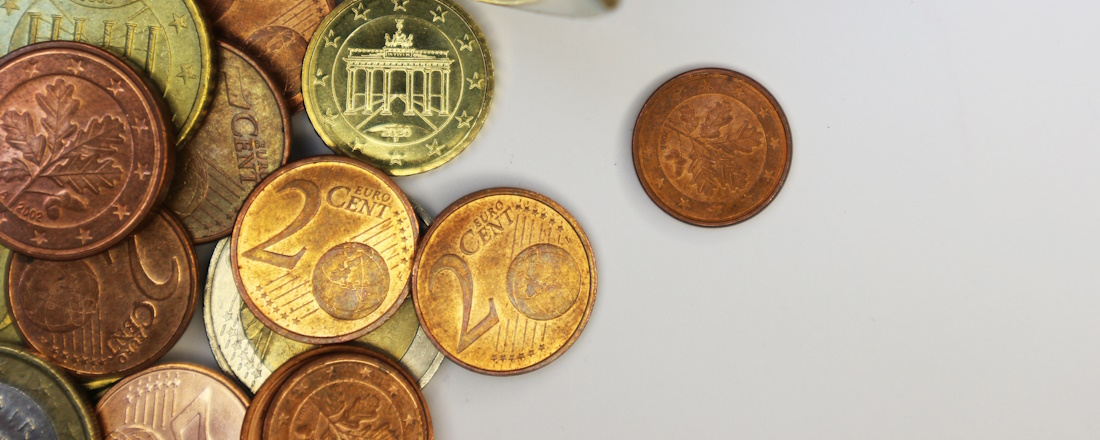
The official currency of Italy is the Euro (EUR), as in other member states of the European Union. One euro is divided into 100 cents, also known in Italian as centesimi.
• Notes: EUR 5, EUR 10, EUR 20, EUR 50, EUR 100, EUR 200, and EUR 500
• Coins: EUR 1 and EUR 2, as well as 1, 2, 5, 10, 20, and 50 cents
In Italy, large figures are separated into thousands with a full stop rather than a comma.
Banking in Italy
Major banks in Italy are in and around big cities, with local branches dispersed throughout the country. The better-known banks in Italy are the Banca Nazionale del Lavoro, Intesa Sanpaolo, Unicredit, and Banca Monte dei Paschi di Siena. International banks such as Deutsche Bank and Citibank also operate in the country.
Banking hours are generally between 8am and 1.30pm from Monday to Friday, depending on the bank. Some banks are open for another hour in the afternoon. Mornings are generally the best time to do banking.
Italian banks are notorious for charging high interest rates, so it's a good idea to shop around before signing any contracts or taking out any loans.
Opening a bank account
Expats can open a bank account in Italy regardless of citizenship or residence status. Non-resident accounts (conto corrente non residenti) are popular with expats since they usually pay interest and are not subject to local interest taxes. Often, this type of account allows for use in both euros and foreign currency.
If you plan to live in Italy for an extended period, you may prefer to use a resident account. There are several types of resident bank accounts, including current, joint, savings, and deposit accounts.
Choosing which bank to use can depend on its usability, if it provides services in one’s home language, and its fees.
Banks in Italy don't usually allow individuals to open accounts online. Instead, you may need to go to the branch in person with your passport and codice fiscale (tax code). Proof of an Italian address may also be required. Applicants will have to provide personal information and fill out application forms. These are generally in Italian, so it may be a good idea to bring a fluent friend along.
Different banks will have different procedures, and some will be more familiar with working with foreign clientele than others. As a result, it's best to compare the packages and requirements on offer at different banks.
ATMs and credit cards
ATMs in Italy are known to locals as bancomats. They are widely available in cities and towns. They are user-friendly – you can choose your preferred language at the beginning of the transaction.
As is the case in many other countries, larger stores in Italy usually accept debit and credit cards. The most common card companies in Italy are CartaSi, Visa, and MasterCard. Diners Club and American Express are also available in certain areas.
Card cloning occasionally occurs in Italy, so expats should be vigilant when paying with credit cards or drawing money from an ATM.
Useful links
Taxes in Italy

Taxes in Italy are collected by the Italian Agency of Revenue (Agenzia delle Entrate), which has offices at national, regional, and provincial levels.
When relocating to Italy, you'll need a tax number. This is needed for most paperwork, such as opening a bank account, signing official contracts, and starting a new job. Take your passport or ID document to a provincial tax office (ufficio imposte) and fill out an official form to apply for one.
It is possible to apply for the tax number at the Italian embassy in your home country.
Income tax in Italy is progressive, which means that the more you earn, the more tax you may be subject to. Expats who are subject to taxation in Italy will have to pay direct taxes to the central tax authority, as well as regional and local taxes.
Foreign residents who live in Italy for more than 183 days a year are only required to pay tax on income they earn in the country. Permanent residents are expected to pay tax on income derived locally as well as internationally. Italy has, however, entered into double-taxation avoidance agreements with several countries to ensure that foreign citizens are not taxed on their income twice.
Given the complexity of dealing with tax, especially in a different language, it's worth seeking professional advice to navigate the taxation system in Italy.