
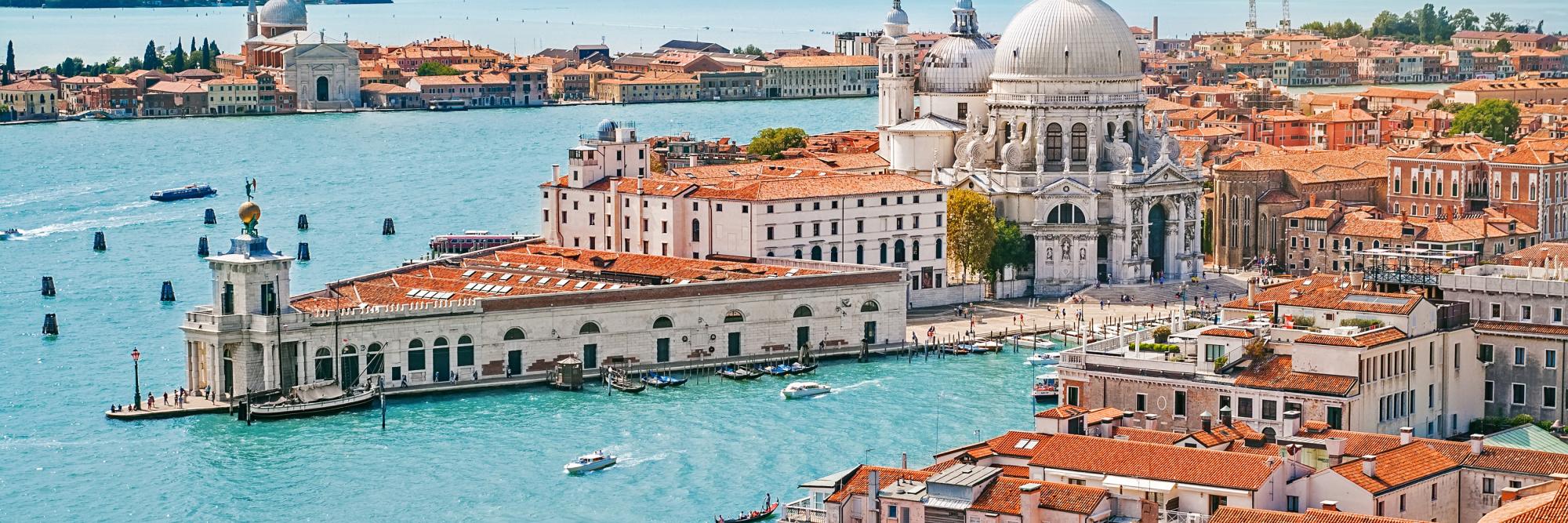
Using public transport and driving in Italy are generally enjoyable experiences. Given the efficient and modern train and bus systems, you can reach most parts of Italy by public transport. Despite this, travelling by car is still a popular option, even though owning a car in a large city can be expensive and driving can be stressful.
Public transport in Italy
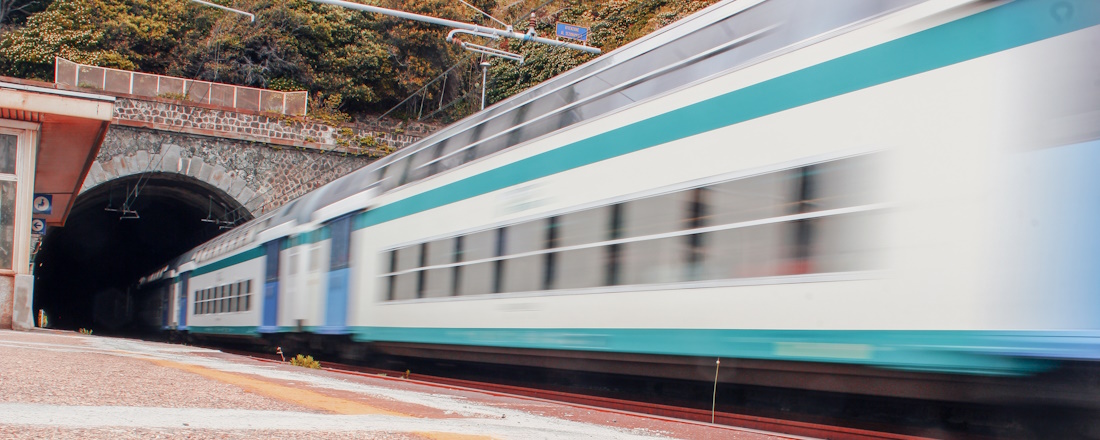
The Italian public transport system is well connected and varied. You can choose to travel by road, rail, air or water to locations all over the country.
Trains
Trains are the most efficient and cost-effective way to travel around Italy. The country's rail system is extensive, with options ranging from high-speed trains to slower regional services.
High-speed rail routes, such as those operated by Trenitalia's Frecciarossa (red) trains, connect many of Italy’s major cities, including Rome, Florence, Milan, and Bologna, at speeds up to 186 miles per hour (300 km per hour). Frecciargento (silver) and Frecciabianca (white) trains offer high-speed services as well, with top speeds of 155 miles per hour (250 km per hour) and 124 miles per hour (200 km per hour), respectively.
In addition to these high-speed options, Trenitalia's intercity trains play a crucial role in connecting both major and minor cities across Italy. These trains offer a balance of speed and affordability, travelling at up to 100 to 125 miles per hour (160 to 200 km per hour), with first- and second-class cars and more than 85 daily connections reaching over 200 stations nationwide. While reservations are required and included with ticket purchases, rail pass holders can board without a reservation. Be that as it may, it is highly recommended to reserve a seat for a guaranteed place, particularly during peak travel times.
Regular and regional trains are slower but more cost effective, ideal for short trips within cities or travelling between smaller towns. For those seeking the charm of undiscovered Italy, the intercity lines are a great way to explore the country's picturesque regions. Daytime and overnight trains cater to various schedules and destinations, including international routes to neighbouring countries.
Single tickets and rail passes offer flexibility and affordability for both frequent and occasional travellers. They can be purchased at train stations, through official vending machines or online, where reservations are automatically included with ticket purchases.
Buses
In Italy, intercity buses provide an indispensable service linking cities and towns, particularly for those keen to explore a region in depth or travel economically. Diverse regional bus companies, rather than a nationalised network, offer these connections, with services tailored to the intricacies and demands of local transport needs.
Travelling by bus in Italy can be slower than other forms of transport, but it remains a viable choice for budget-conscious travellers or those wishing to take scenic routes. In urban areas, the challenge is often navigating through traffic and the narrow streets of historic city centres, which can introduce delays.
When it comes to purchasing tickets, a variety of points of sale are available, including local bars, tobacconists and newsstands, as well as ticket machines at stations. Increasingly, companies are providing online sales, addressing the digital needs of modern travellers. Cities frequently offer 24-hour tickets, which are perfect for tourists looking to maximise their travel flexibility. It is essential to validate tickets once on the bus to avoid the possibility of fines.
Some of the most popular bus companies, such as Flixbus and Megabus, extend their reach beyond regional confines. They are part of a larger European network favoured for its efficiency and affordability.
Metro
Metro networks provide an efficient and rapid transit system in seven of Italy's cities, including the bustling centres of Rome, Milan, and Naples. Milan's network, in particular, stands out as the most extensive, boasting five lines and over 100 stations. Utilised by locals and visitors alike, the metro offers an economical, comfortable, and reliable means to traverse Italy's urban landscapes. Tickets are readily available from automated machines or booths at metro stations.
Trams
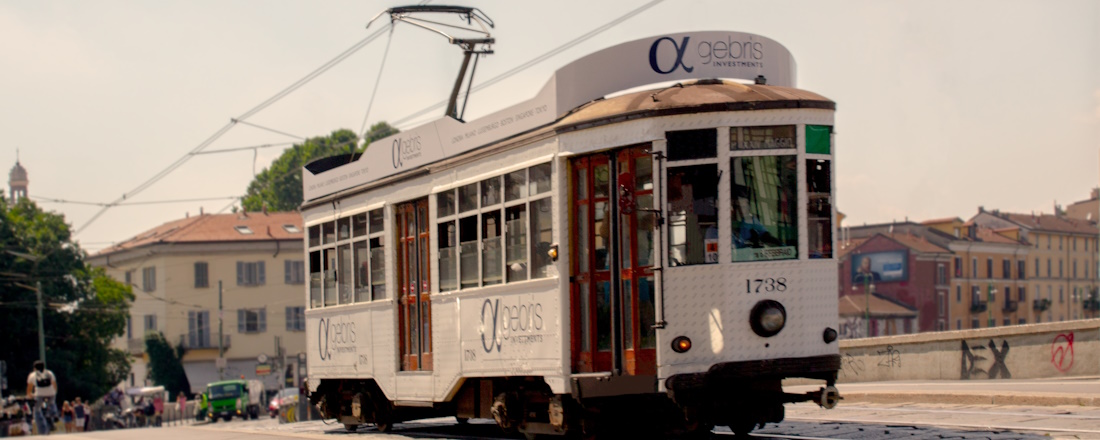
Trams are a scenic and convenient way to travel above ground in Italy's major cities, such as Rome, Milan, Naples, Turin, and Florence. Their routes are an integral part of the city's overall transport network, which operates in concert with digital navigation tools like Google Maps, ensuring efficient travel without the delays commonly associated with traffic congestion. Diverse ticket options cater to both short-term and long-term visitors, including single-use, daily, and monthly passes.
Ferries
For connecting to Italy's myriad islands, such as the scenic Sardinia, the historic Sicily, and the picturesque Elba, Aeolian, and Pontine archipelagos, ferries are the transport mode of choice. They also sail from Italy to a range of coastal countries, including routes from Slovenia, Croatia, Montenegro, Albania and Greece in the Adriatic and Ionian Seas, as well as from Spain, Tunisia, Malta and Morocco.
Regular ferry services ensure that island-hopping is both pleasurable and convenient, with additional local bus services providing the final link to more remote locales. Renowned for their high standards, ferry operators like Travelmar – Traghetti Salerno are well regarded by travellers, contributing to a seamless sea journey.
Useful links
Taxis in Italy
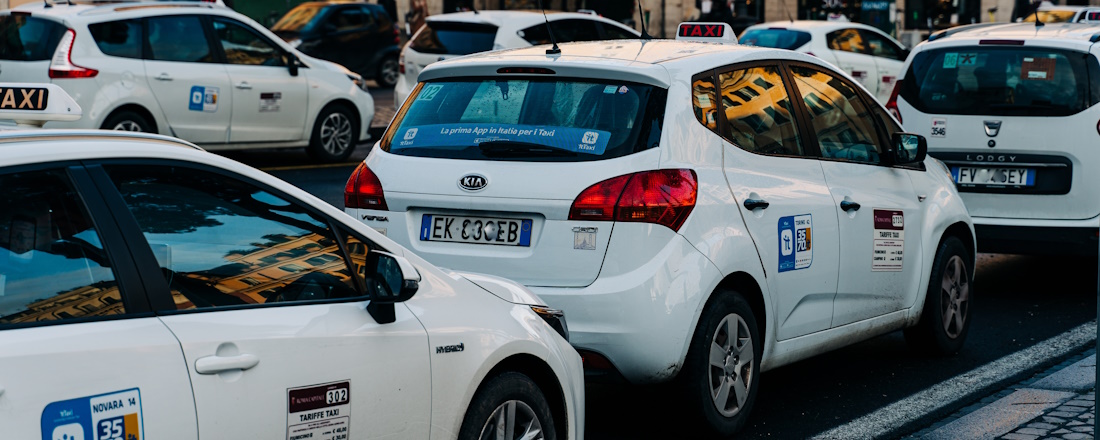
Metered taxis are an integral part of the transport landscape in Italian cities and are particularly well suited for brief, local trips. It's standard practice for expats and tourists alike to ensure the meter is activated to avoid unexpected charges. If the driver refuses or claims that the meter is broken, be sure to negotiate a flat fare before getting into the taxi.
Taxis can be found at official taxi ranks, providing a layer of assurance and predictability. In Italy, you generally can't hail a taxi off the street and need to make use of designated areas or order a taxi via phone from a reputable company. For added convenience, you can use taxi apps such as FreeNow and itTaxi, which streamline the process of hailing a cab.
Rideshares
For those seeking alternative travel options, rideshare apps offer an innovative solution. While traditional services like Uber are restricted, with only premium offerings in place due to local regulations, apps like BlaBlaCar and Scooterino offer unique travel experiences for city commuting and longer journeys. BlaBlaCar facilitates carpooling for intercity travel, encouraging a communal and eco-friendly approach, whereas Scooterino specialises in nimble scooter rides, perfect for navigating through bustling city traffic.
Useful links
Driving in Italy
Driving in Italy can be stressful, as the Italian driving culture may be more aggressive than what you're used to. Lack of parking in city centres is a concern, as are petrol expenses. Most expats use public transport to get around in cities and reserve driving for intercity travel or trips away.
Those looking for a faster way to get around while saving on petrol should consider driving a motorcycle or scooter. These are popular modes of transport in Italy, especially in the summer months.
Expats can ship their cars to Italy, but foreign vehicles may need adaptations to meet Italian requirements. The costs depend on the vehicle’s characteristics as well as the shipping company.
Tolls
Fast, well-maintained highways span the country’s landscape, but many charge tolls that can become expensive if you commute every day. When on a toll road, motorists will pass through an Alt Stazione (toll booth), where they collect a ticket. At the next exit, drivers submit the ticket at another Alt Stazione and pay the applicable toll.
Payment methods include cash, credit cards, and Telepass. Telepass is an electronic tolling system. It allows drivers to pass through toll points without stopping, either paying a flat rate or a distance-based rate.
Driver's licences
EU licence holders can drive in Italy using their licence from home. Non-EU expats can drive in Italy with their home-country licence accompanied by an International Driver’s Permit (IDP). IDP holders can drive for up to one year in Italy while EU licence holders can continue to drive on their licence until it expires.
To keep driving, you'll need to convert your licence to an Italian licence. Italy has reciprocity agreements with certain countries, allowing a direct driver's licence swap. Those from a country without such an agreement will need to take a driving test.
Useful links
Domestic flights in Italy
Air travel remains a speedy and popular option for covering Italy's longer distances, connecting the boot from the Alpine north to the Mediterranean south. Major airports in cities like Rome, Milan, Naples, and Venice offer a vast array of domestic and international flights, making them hubs for travellers looking to make the most of their time in the country.
The air network is bolstered by a mix of traditional and low-cost carriers, offering a range of options to suit various budgets and preferences. With the efficiency and frequency of flights, island destinations like Sicily and Sardinia are just a short trip away from the mainland, ensuring that even the most remote Italian charms are within easy reach.