

- Download our Moving to Thailand Guide (PDF)
Expats moving to the Land of Smiles with children will find that education and schools in Thailand can vary considerably. Newly arrived parents can either opt for a local public school or a private international school. However, local public schools teach in Thai and are only free for Thai children, so most expat families either send their children to an international school or a private school with an English programme.
Public schools in Thailand
There are some excellent public schools in Thailand, most of which are in Bangkok. Some of these are associated with prestigious local universities that use the schools to train student teachers.
There are also public schools that are generally well below the standards to which expats may be used. Many public schools, particularly in rural areas, lack funding. Large classes are the norm. With class sizes of 40 to 50 students, there’s little room for individual attention.
Public education in Thailand is free for Thai nationals. The child must have at least one Thai parent to be considered a Thai national. Foreign children can technically enrol under Thailand’s ‘Education for All’ policy, but in practice, expat families will likely be asked to pay fees.
Education in Thailand is compulsory from age six to 15, where children are mandated to attend six years of primary school and three years of lower secondary school. Upper secondary school is optional, and academic and vocational options are available to students.
Useful links
English Programme schools in Thailand
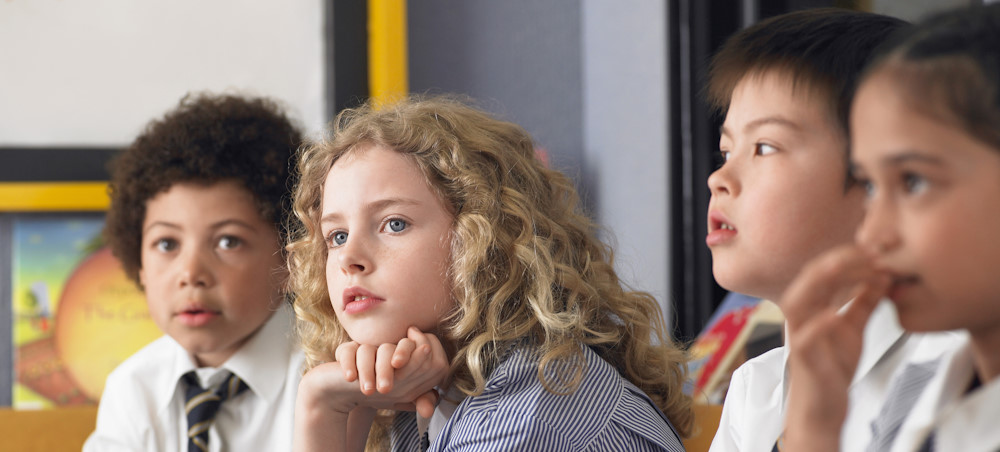
The English Programme (EP) is a government initiative that has expanded from its Bangkok-centric origins to over 2,500 public and private schools across Thailand. In an EP class, almost all subjects are taught in English by a teacher hired from abroad. The quality and scale of English Programmes can vary considerably. Classes might occupy a small corner of a Thai medium school, or fill dedicated buildings at larger institutions.
Public and private schools with EPs charge both Thai nationals and expats for these classes. Although private schools are pricier than public schools, fees are still well below those of international schools.
For families who plan to live in Thailand for the long term, EP schools may be the best option. They offer expat children the opportunity to develop closer links to Thai culture and society while still allowing access to a bilingual education. One thing to watch out for is the high turnover among foreign teachers.
Useful links
International schools in Thailand
Many expats choose to send their children to international schools in Thailand. With over 190 international schools nationwide – more than 100 in Bangkok alone – families have considerable choice. These schools teach in a language and style familiar to children and maintain continuity by offering Western curricula. International schools predominantly teach in English, although some offer programmes from countries such as France and Germany.
All these institutions are accredited by external bodies, and it follows that both learning standards and the criteria for hiring teachers are generally high. Many Thai families prefer to send their children to these schools.
These schools typically enjoy strong funding, so they have modern facilities and small class sizes. This does come at a price, though, with international school fees being notoriously high.
Although a large variety of international schools exist in commercial centres such as Bangkok and Pattaya, options are more limited in rural areas, and parents may need to consider boarding options or homeschooling.
Expat parents should note that top-tier schools have waiting lists of 12 to 24 months, and admission may be based on language proficiency and academic achievement. Requirements vary between schools, but it’s always best to start the admissions and enrolment process as early as possible.
Best International Schools in Bangkok
Useful links
Special educational needs in Thailand
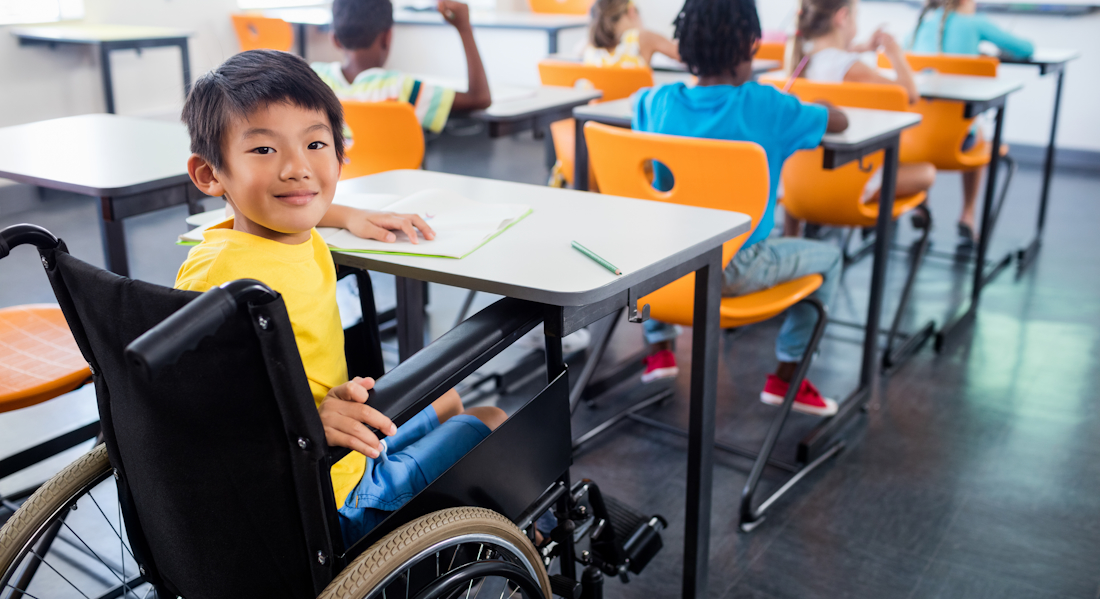
In Thai education law, learning difficulties are listed as qualifying for state assistance. However, in the public system, special education teachers are scarce despite high demand.
Most top-tier international schools now have dedicated SEN departments, although individual learning assistance typically costs an additional amount per year above base tuition. The level of support varies from school to school, so it’s worth investigating different options.
Parents must disclose any learning differences during the application process. Schools assess whether they can adequately support each child, and may decline admission if their resources don’t match the child’s needs. Even well-resourced schools cannot always provide daily one-to-one specialist teaching, leading many families to supplement with private SEN tutoring services.
Useful links
Tutors in Thailand

The private tuition industry in Thailand is staggering. Thailand’s tutoring industry, now worth over 50 billion baht, emerged from the necessity to prepare students for the highly competitive university admissions exams. The industry has seen considerable growth in response to high demand for private tuition and competitive teacher salaries. This has seen teaching staff from public schools moving into the private sector in large numbers.
Local tutors can be a valuable resource for local and expat families and can provide support in many ways, including assisting with problem subjects and developing study strategies. Tutors are instrumental in helping your expat child transition into a new environment and learn the local language. A growing number of expat families now hire Thai language tutors to help their children meet the Ministry of Education’s mandatory requirements for Thai language proficiency.