

Most expats who weigh up the pros and cons of moving to Botswana put the wildlife first. The Okavango Delta and the Chobe riverfront are among the best places in Africa to see elephants, and Batswana are known across the region for their courtesy and calm.
Life here has its frustrations too, and new arrivals may run into slow paperwork, a tight job market, water cuts, and stretched public hospitals. We’ve set out the main pros and cons below to help you make the best decision for you and your family.
Cost of living in Botswana
+ PRO: Affordable cost of living
Anyone on a Western salary usually finds the cost of living in Botswana refreshingly low, although Gaborone is pricier than the smaller towns. The Bank of Botswana has let the pula weaken gradually against a basket of currencies in recent years, so hard-currency earners get more for their money over time. The government has also at times restricted imports of some fresh vegetables to protect local farmers, so certain produce is occasionally scarce or expensive.
- CON: Healthcare can be expensive
The vast majority of expats use private hospitals and clinics, and the cost of medical bills is substantial without insurance.
Some specialist treatments aren't available locally, so you do end up with doctors in Botswana referring their more complex cases to hospitals in South Africa. Johannesburg and Pretoria are the usual destinations. It's more expensive to get a policy that will cover medical evacuation and treatment abroad, but you can easily find yourself in a world of hurt with just one cross-border emergency without such a policy.
Visas for Botswana
+ PRO: Visa-free entry for many nationalities
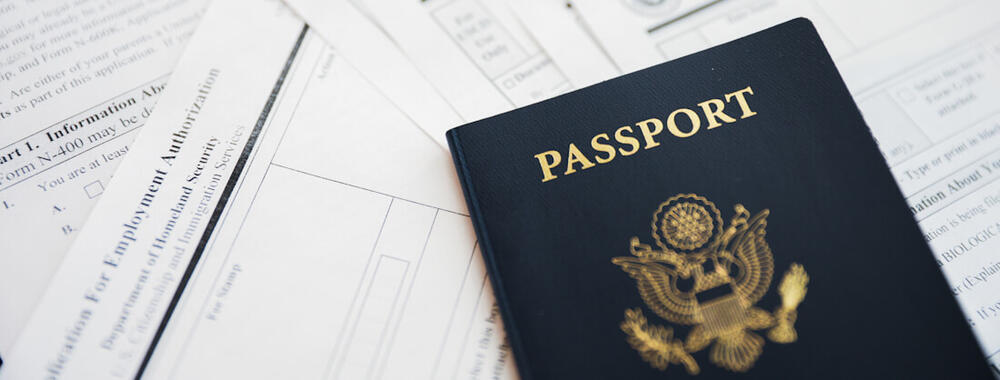
Visas are not required for short visits by citizens of the US, the UK, Australia, New Zealand, South Africa, the majority of the EU and most of the SADC countries. On arrival, the immigration officer will stamp your passport, and you can stay for up to 90 days in any 12-month period. That is a total of 90 days per year (the limit is annual, so you can't just ‘reset the clock’ by going over the border).
If you do need a visa, you can apply online via the Botswana eVisa portal. Your passport must be valid for a minimum of six months beyond your date of arrival and must have at least three blank pages. It's always worth checking the current rules with the nearest Botswana embassy prior to travel.
- CON: Confusing application processes
Foreign nationals who intend to live and work in Botswana will need work and residence permits, and the application process is very extensive. The employer will normally be the one to initiate the process, but the applicant will still be required to provide certified copies of their qualifications and other documents. Regulated professionals (e.g. nurses, accountants) will also need clearance from their respective professional councils.
The Labour Office will expect renewal applications to be submitted six months prior to the expiry of the permit. If you're finding the whole thing a bit daunting, then it's worth contacting the nearest Botswana Embassy for advice or engaging a reputable immigration consultant.
Visas, Work Permits, and Residence Permits for Botswana
Healthcare in Botswana
+ PRO: Good-quality healthcare in major towns
Residents of Gaborone and Francistown have access to the best healthcare in Botswana, and most of it is in the private sector. Doctors at private facilities are generally well trained, and some are expats themselves. English is the official language, so you shouldn’t struggle to explain your symptoms.
- CON: Insurance requirements
Even in an emergency, private hospitals will generally require proof of insurance or a cash deposit before they treat you. Public hospitals are a very poor option given the state of the medicine supply at the health ministry's end over the past few years. A public health emergency was actually declared by the government in 2025 as a result of the shortages. Many employers will have medical cover as part of their expat package, so be sure to check your contract before you go ahead and purchase your own policy.
- CON: Health risks
Malaria is the main concern for anyone who travels north to the Okavango Delta or Chobe, and the danger is greatest in and after the summer rains. The risk is much lower in Gaborone and the south, but the health ministry has reported cases outside the usual areas after heavy rains. Speak to a travel clinic about antimalarials before any trip north, and pack insect repellent.
Bites from ticks, scorpions, spiders, and snakes are also a risk in the bush and in national parks. There are occasional rabies and anthrax outbreaks in rural areas, and most of these cases are in livestock or wildlife. Travellers who arrive from a country with a risk of yellow fever need a vaccination certificate to enter Botswana.
Accommodation in Botswana
+ PRO: Affordable accommodation
Expats from Europe or North America usually find accommodation in Botswana a bargain, as rent and utilities are cheaper than in most Western cities. Homes in the expat suburbs are generally spacious and well built, and many have a garden and a pool. Gated complexes that have 24-hour security are a popular choice. Most have air conditioning, which is a lifesaver in the hottest months.
- CON: Pay attention to lease details
Tenants generally pay for water and electricity in addition to the rent, and many properties will have a prepaid power meter. Water cuts are a regular occurrence in the greater Gaborone area, so it's worth asking whether the property has a backup tank. Landlords will invariably be inclined to increase the rent at renewal, so it's important to check what the market rates are in the area and to negotiate a figure that is acceptable to both parties. Most will ask for a deposit of at least one month's rent.
Safety in Botswana
+ PRO: Low crime rate compared to nearby countries
You’ll generally find safety in Botswana better than in South Africa next door, and violent attacks on tourists are rare. The country has no recent history of terrorism and is one of Africa’s most stable democracies. In 2024, voters ended the ruling party’s 58-year hold on power, and the handover was peaceful. You should still use common sense, and it’s safest to take a taxi rather than walk alone after dark.
- CON: Inequality and increasing crime rate
Inequality and unemployment are both high in Botswana, and there’s been an increase in crime in the bigger towns. Petty theft is the most common problem, but there are also burglaries, muggings, carjackings, and smash-and-grab robberies. These are most frequent in Gaborone, Francistown, Maun, and towns near the borders. Keep valuables out of sight in parked cars, and lock your doors when you drive. Kgale Hill is a popular hike on the edge of Gaborone, but the US State Department has flagged frequent criminal incidents there, so hikers should go in groups.
Getting around in Botswana

+ PRO: Good tarmac roads and regional flights
Expats generally rely on a car for getting around in Botswana, and the main tarred highways between the towns are in good condition. Roads in the remote north and the Kalahari are a different story, and you’ll need a four-wheel drive for most national parks. Air Botswana flies from Gaborone to Maun and Kasane, which are the gateways to the Okavango Delta and Chobe. Several airlines also operate flights between Gaborone and Johannesburg multiple times a day, and long-haul travellers usually connect there.
- CON: Driving hazards
Road safety is a real issue, and a number of fatalities occur every day. Drunk driving is a hazard, and many drivers will simply ignore the speed limit. The roads outside the towns are unlit at night, and you'll encounter cattle, donkeys, goats and even elephants on the road at night. Avoid night driving if you can, and be very aware of potholes on the rural roads. If you're going into a remote area, take plenty of fuel, food, water and a satellite phone and let someone know where you're going.
Transport and Driving in Botswana
Working and doing business in Botswana
+ PRO: Demand for specialist skills
Foreign professionals who bring scarce skills have the best prospects for working and doing business in Botswana. Engineers, health professionals, IT specialists, and international school teachers are in steady demand, and multinationals often transfer staff to their Gaborone offices. Gaborone is also home to the SADC secretariat, and many diplomats and development workers live in the city. Newcomers who join these circles can build a regional network quickly.
- CON: Tight job market for foreigners
Diamonds are the source of about a third of government revenue in a normal year. Statistics Botswana recorded contractions in both 2024 and 2025 after a long slump in the global diamond market, and unemployment is high. It’s highest among young Batswana. The government expects employers to show that no qualified citizen can fill a role before they hire a foreigner, and there’s been a long-term fall in work permit numbers partly as a result. Anyone who arrives without a job offer may struggle to find one.
+ PRO: Money matters are fairly easy to handle
You can pay by Visa or Mastercard in most shops and restaurants in the towns, and ATMs are easy to find in Gaborone and the larger centres. Carry some pula for rural areas and market stalls, where card machines are rare. Mobile money services such as Orange Money are popular for bills and small payments, and rates at some big hotels and safari lodges are in US dollars. Most banks ask for a residence or work permit and proof of address before they open a local account.
- CON: Time-consuming and often unnecessary paperwork
Expect red tape at every stage, from the application for permits through to company registration. Queues at the various government offices can be long, and the officials will often ask for documents you didn't even know you needed to have. Take certified copies of everything and bring a lot of patience. The majority of people who go through it do so without any lasting issues.
Working in Botswana
Doing Business in Botswana
Banking, Money and Taxes in Botswana
Local culture in Botswana
+ PRO: Locals are friendly
New arrivals are usually struck by the warmth of local culture in Botswana. Batswana, as citizens are known, are generally courteous and proud of their country and its traditions. A proper hello is important here, so say dumela rra to a man or dumela mma to a woman before you ask a question or order food. Respect for elders is equally important, and younger locals often lower their eyes when they speak to an older person. Many Batswana also support their right elbow with their left hand when they shake hands, and visitors who copy the gesture make a good impression.
- CON: Understanding and tolerance of LGBTQ+ is low
Botswana's High Court has decriminalised same-sex relationships and formally removed the colonial provisions from the Penal Code. It is an offence to fire an employee on the grounds of their sexual orientation.
Same-sex marriage is not recognised, and many Batswana are still quite conservative in their religious views, so LGBTQ+ expats may still find themselves the subject of some stigma or unwanted attention. The community is much more visible now than it was a decade ago, and LEGABIBO is the main LGBTQ+ rights group in the country and a good place to start if you're a new arrival.
- CON: Mixed attitudes towards immigrants
Expats from Europe and North America generally have an easier time than those from other African countries, and Zimbabweans in particular report that locals often treat them as outsiders. There's usually a greater degree of resentment towards foreign workers when there are scarce jobs.
Education and schools in Botswana
+ PRO: Good standard of international schools in Botswana
Families have a reasonable choice when it comes to education and schools in Botswana, and most of the international schools are in Gaborone. The British Cambridge curriculum is the most common, and a handful of schools teach the International Baccalaureate (IB). Some have a Christian ethos, and a few, such as Maru-a-Pula, take boarders.
- CON: Under-resourced public schools
Public schools are much cheaper, but many are short of resources, and their standards are generally well below those of private and international schools. Most expat families pay for private education as a result. International school fees are steep compared with local schools, although they’re lower than at many schools in Western Europe.
Education and Schools in Botswana
Lifestyle in Botswana

+ PRO: Nature is abundant
Nature lovers won’t run out of places to go, as wildlife and wilderness are the big draws of the lifestyle in Botswana. The Okavango Delta has luxury lodges at the top end and self-drive campsites for those on a tighter budget. The Makgadikgadi Pans in the northeast are among the largest salt pans in the world. Mokolodi Nature Reserve is only a short drive south of Gaborone, and the Khama Rhino Sanctuary near Serowe is an easy weekend trip.
+ PRO: Gaborone is well developed
Most expats end up in Gaborone (the capital and largest city of Botswana). It has modern malls, banks, a good restaurant scene and several gyms. You can book a ride via apps such as Bolt and inDrive. It has a quiet little city feel, and a lot of people go to Johannesburg to do their shopping and see the big concerts.
- CON: The expat bubble is easy to fall into
Expats on generous packages often live in gated complexes, send their children to international schools, holiday at safari lodges, and socialise mainly with other foreigners. The gap between this life and the daily reality for many Batswana is wide, and those in the bubble may know little about the country even after years here. Traditional culture is alive and well outside the expat suburbs, so try to pick up some Setswana and say yes when colleagues invite you to their homes or to family celebrations.
Weather in Botswana
- CON: Scorching summer heat
Weather in Botswana is at its harshest from November to March, and most new arrivals find the summer heat the toughest adjustment. Temperatures often exceed 90°F (32°C) and can reach 111°F (44°C) in parts of the country. Few expats would consider a home without air conditioning, as summer nights are often too warm for a good night’s sleep. Afternoon thunderstorms are common in the rainy season, but the relief is short.
+ PRO: Sunny, dry winters
Sun lovers will enjoy the winter months from May to August. Days are clear and mild, and there’s almost no rain. Nights are colder than many expect, and frost is common in the southwest and the Kalahari, so pack a warm jacket. The dry season is also peak safari season, as wildlife is easier to spot around the remaining waterholes. The sun is fierce all year, so carry water, a hat, sunscreen, and sunglasses whenever you’re out and about.