Print
  • Hold down Ctrl key and select the sections you want to print. If using a Mac, hold down the Cmd key.
  • Use Ctrl + A or on Mac, Cmd + A to select all sections (if you are using the Chrome browser).
  • Click "Apply" and the site will customise your print guide in the preview below.
  • Click the "Print" button and a print pop up should appear to print to your printer of choice.

Moving to Botswana

You may be inspired by images of the vast Kalahari Desert and the Big Five when moving to Botswana. Around 70 percent of the country is semi-arid sandy savannah, but Botswana is far from entirely dry and dusty.

This landlocked Southern African country has a striking variety of scenery, and its wildlife and natural resources are plentiful. To top it off, the Batswana have a reputation for warmth and hospitality, so new arrivals tend to settle in easily.

Living in Botswana as an expat

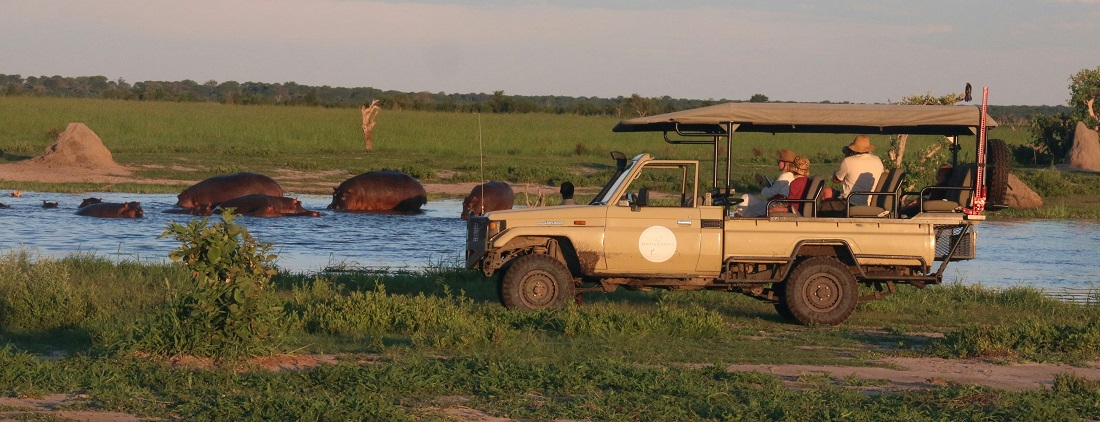
Expats who live in Botswana are within reach of some of Africa’s best safari territory. The Okavango Delta is home to lions, leopards, hippos, and crocodiles, and Botswana has the world’s largest elephant population. The salt flats of the Makgadikgadi Pans are a complete contrast, and they’re among the largest on Earth.

Tourism, especially ecotourism, is a major part of the economy. Botswana is an upper-middle-income country with a competitive banking system and a long record of political stability. In 2024, voters ended the Botswana Democratic Party’s 58 years in power, and the handover to the new government was peaceful.

Diamonds are the country’s biggest earner by far, and foreigners from across Southern Africa and further afield have come to Botswana to work in the industry. Several international mining corporations have set up regional headquarters in Botswana to prospect for diamonds, gold, uranium, and copper. Copper is a growth area, and mining companies have big expansion plans for the Kalahari Copper Belt in western Botswana.

Expats find work in sectors from mining and tourism to finance and ICT. Employers must show they tried to hire a qualified citizen before they can recruit a foreigner, so most expat jobs are senior or specialist roles.

Accommodation in Botswana is plentiful in the bigger towns and cities. Freestanding houses, townhouses, duplexes, and apartments are all available, and plenty of expat homes have a large garden and a swimming pool. Rent is reasonable by Western European and North American standards, but good properties in Gaborone are quickly snapped up. Ask landlords whether a property has a backup water tank or a generator, because water and power cuts are common in parts of Greater Gaborone.

Public transport in Botswana is limited. To reach remote areas, or even to get around the bigger towns, you’ll likely need a car of your own, so factor this into your budget. Some expats also hire a driver. Botswana’s roads can be tricky. Livestock and wild animals are a hazard on rural roads, so avoid night-time journeys outside town if you can.

Most locals get around towns and cities in combis. These are shared minibus taxis on set routes. In Gaborone, Bolt and inDrive are handy alternatives. Botswana Railways suspended its passenger trains in 2020, and there’s no firm date for their return. Long-distance travellers take intercity buses or fly with Air Botswana between Gaborone, Francistown, Maun, and Kasane.

Research your healthcare options before you move. Both public and private hospitals and clinics are available in the main cities and towns, but the public sector is under-resourced. The government declared a public health emergency in 2025 because of severe medicine shortages. Expats generally rely on private healthcare, and patients in a serious medical emergency may need evacuation to South Africa. Make sure you have health insurance for private treatment and medical evacuation.

Banking, Money and Taxes in Botswana
Working in Botswana
Transport and Driving in Botswana

Cost of living in Botswana

Most expats find the cost of living in Botswana fairly low by international standards. Salaries and employment packages for foreign hires are usually generous, so expats often live in relative luxury. Factor in the cost of private healthcare and, for families with children, school fees.

Local produce is easily affordable, although imported goods can be expensive. Rent will most likely be one of your biggest expenses as an expat, and it’s highest in upmarket suburbs such as Phakalane.

Cost of Living in Botswana
Accommodation in Botswana

Families and children in Botswana

Expat families in Botswana usually send their children to a private or international school. Fees are high, but they’re still far lower than at international schools in Europe. Places at the top international schools are limited, so apply early. Expat children can also attend public schools, but in the first years of public primary school, lessons are largely in Setswana, and standards are low at some rural schools. The public school year is from January to December.

Safaris are the classic family getaway in Botswana. Chobe National Park and the Okavango Delta are favourites for long weekends, and Gaborone residents have the Mokolodi Nature Reserve on their doorstep. Hikers can climb Kgale Hill for views over the capital, and adventurous families can tackle 4x4 trails and overland trips through the Kalahari. Neighbouring Namibia and South Africa are a short flight away, and Victoria Falls is about an hour’s drive from Kasane.

Education and Schools in Botswana
Healthcare in Botswana

Climate in Botswana

You’ll likely find the climate in Botswana as warm as the Batswana themselves. The country is semi-arid, and it’s hot and dry for much of the year. Summer is from November to March, and temperatures can reach above 104°F (40°C). This is also the rainy season, and January and February are usually the wettest months. Winter is from May to August. Days are dry and sunny, but frost is common at night in the southwest.

The Okavango Delta is at its fullest in winter, which is also peak safari season. The floodwater is from the previous summer’s rains in Angola.

Botswana has its share of pros and cons, so weigh both before you make the move. Many expats find life in Botswana a real adventure, and a good number fall in love with the country and decide to stay for good.

Weather in Botswana
Pros and Cons of Moving to Botswana


Fast facts

Official name: Republic of Botswana

Population: Around 2.6 million

Capital city: Gaborone (also the largest city)

Other cities: Francistown, Maun, Selebi-Phikwe, and Kasane

Neighbouring countries: Botswana is bordered by South Africa to the south, Namibia to the west and north, Zambia to the north, and Zimbabwe to the east.

Geography: Botswana is mostly flat, and about 70 percent of the land is part of the Kalahari Desert. The Okavango Delta in the northwest is one of the world’s largest inland deltas and a UNESCO World Heritage Site. The Makgadikgadi salt pans are in the northeast.

Political system: Unitary parliamentary republic with an executive president

Major religions: Christianity

Main languages: English (official) and Setswana (national). Most Batswana speak Setswana at home, and English is the language of business and government.

Money: The Botswana Pula (BWP) is divided into 100 thebe. ATMs and card facilities are widely available in the major towns and cities, but you’ll need cash in remote areas, where card machines are scarce.

Tipping: A tip isn’t compulsory, but around 10 percent is customary in restaurants when service isn’t included on the bill. Safari guides and lodge staff also expect tips.

Time: GMT+2 (Central Africa Time). There’s no daylight saving time.

Electricity: 230V, 50Hz. Plugs with three rectangular pins (type G) are used, as are plugs with three round pins (types D and M).

Internet domain: .bw

International dialling code: +267

Emergency contacts: 999 (police), 997 (ambulance), 998 (fire), 911 (private medical rescue)

Transport and driving: Motorists drive on the left-hand side of the road. Public transport is limited, so expats usually have a car. Rural roads are risky at night because of wildlife and livestock.
Visas for Botswana

Holidaymakers and business travellers from the UK, the US, South Africa, and most EU and Commonwealth countries won’t need visas for Botswana on a short trip. They can stay for up to 90 days in any 12-month period. Travellers from other countries can apply in advance through the government’s eVisa portal.

The main visa types are tourism, visitor’s, study, business, investment, and employment visas. Only travellers from visa-required countries need one of these to enter.

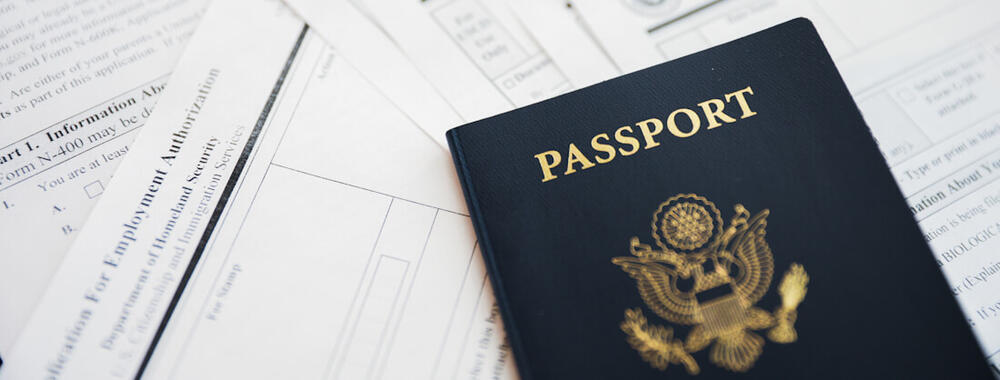
Expats who plan a long-term move have more paperwork to deal with. Anyone who stays longer than 90 days needs a residence permit, and anyone who earns an income in Botswana needs a work permit as well. Visa-exempt nationals need these permits too. The government prioritises jobs for citizens, so employers face close scrutiny when they hire from abroad.


Tourist and visitor’s visas for Botswana

Tourist and visitor’s visas for Botswana

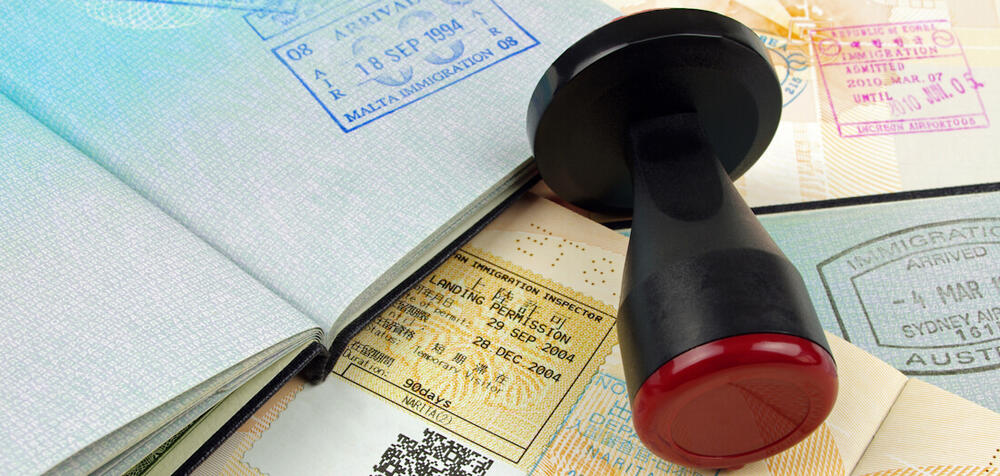
Travellers from visa-exempt countries can skip tourist and visitor visas for Botswana altogether. Immigration officers stamp their passports on arrival, and that stamp is enough for a stay of up to 90 days. The full list of countries whose citizens need visas is available on the eVisa portal. Visitors who need more time should apply for an extension at an immigration office before the 90 days are up.

All visitors need a passport that’s valid for at least six months from their date of entry and has at least three blank pages. Children under 18 need a certified copy of their unabridged birth certificate in addition to a passport. This is the longer version that has both parents’ details. A parent who travels alone with a child needs an affidavit in which the other parent consents to the trip as well.

You’ll need to apply in advance through the eVisa portal if you’re from a visa-required country. The first step is to choose between a tourism visa and a visitor’s visa.

Tourism visas are for holidays and other short, non-work trips. Visitor visas are for personal reasons, such as visits to friends or family, social or community events, medical treatments, or short recreational courses. Applicants for either visa need a flight itinerary and proof of accommodation, and visitor visa applicants also need a sworn statement from their host in Botswana. The immigration office processes most applications within seven to 14 days.

Single-entry tourism visas are valid for up to a month, although immigration officers can extend them if there’s good reason. Frequent visitors can apply for a multiple-entry tourism visa instead.

Visitor’s visas are generally valid for three months, but dependants of Botswana residents can get one for up to two years. Holders of tourism and visitor visas can’t work in Botswana.

Useful links


Business and investment visas for Botswana

Business travellers from visa-exempt countries can attend meetings and conferences in Botswana without a visa, so only entrepreneurs, investors, traders, and company directors from visa-required countries need business and investment visas for Botswana. Holders of either visa can’t take up paid work. Anyone who moves to Botswana to run a business needs a work permit and a residence permit instead.

Business visas

Business visas are for short trips to scout commercial opportunities in Botswana. Visitors on this visa can meet associates, attend conferences, negotiate contracts, and settle estates.

Applicants need an invitation letter or business profile from their host in Botswana, a business plan, a schedule of meetings, and recent personal and business bank statements. A single-entry business visa is valid for up to three months, and multiple-entry options are available for up to a year.

Investment visas

Regular business visitors, such as directors of Botswana-based companies and foreigners with investment projects in the country, can apply for investment visas. Investors need to prove their stake in the business with documents like a share certificate and the company’s trade licence. Multiple-entry investment visas are valid for up to five years.

The Botswana Investment and Trade Centre (BITC) helps qualifying investors with visas, work and residence permits, trade licences, and company registration through its One Stop Service Centre.

Useful links

Doing Business in Botswana


Study visas for Botswana

Students from visa-required countries need study visas for Botswana, while those from visa-exempt countries can enter without one. All international students need a residence permit for the length of their course.

The University of Botswana and Limkokwing University of Creative Technology both accept international students. Foreign researchers need a separate research permit before they arrive.

Study visa applicants need a letter of acceptance from their institution, proof of sponsorship, a flight itinerary, and a study or research permit. Study visas are valid for three months, and the immigration office can extend them with justification.

Useful links


Work permits for Botswana

Work permits for Botswana are mandatory for every foreign national who earns an income in the country. Citizens of visa-exempt countries need one too.

Employers must advertise the job locally and show that no suitably qualified citizen is available before they can hire from abroad. The government no longer grants work permits to foreign heavy-duty drivers or most foreign teachers, because enough qualified citizens are available for these roles. The employer normally handles the application and submits it at the nearest labour office, and a Regional Immigration Selection Board then makes the decision.

The employer and employee need to supply an offer letter, an employment contract, a CV, and certified copies of the employee’s qualifications. Anyone with certificates in another language must have them translated into English and confirmed by the Botswana Qualifications Authority (BQA). Doctors, nurses, accountants, engineers, and teachers also need clearance from the relevant regulator or ministry.

The official turnaround time is 14 working days, but it's common for there to be delays. Employers should apply well ahead of the planned start date, and permit holders should apply for renewal six months before the expiry date.

Spouses and other dependants can’t work on a residence permit alone. Each one needs a separate work permit.

Emergency work permits

Employers who need a foreign specialist urgently can apply for an emergency work permit for up to three months. These permits are for situations such as an equipment breakdown or a plant shutdown. There’s also a separate permit for assignments of up to seven days. The labour office aims to process emergency permits within 14 days, and some employers apply for one alongside the full work permit so the new hire can start sooner.

Employment visas

Employment visas are entry visas for travellers from visa-required countries who’ll work, volunteer, do research, or take up an internship in Botswana. Citizens of visa-exempt countries don’t need one, but they still need a work permit. Applicants typically need an employment contract or offer letter and either their work permit or a Department of Labour waiver. The visa is valid for six months, and immigration officers can extend it with justification.

Useful links


Residence permits for Botswana

Residence permits for Botswana

Foreign nationals who want to stay longer than 90 days need a residence permit for Botswana, whether they plan to work, invest, study, or live on their own savings. Each dependant needs a separate permit, and adult dependants must apply in their own name with a letter of support from their sponsor. A dependant’s permit is normally valid for as long as the main applicant’s work permit.

Most applicants need certified copies of their passport and birth certificate, a recent passport photo, a covering letter, and proof that they can support themselves in Botswana. Married couples also need a certified copy of their marriage certificate. Expats should get these documents apostilled in their home country before they leave, because only the issuing country’s authorities can do this.

After at least five years of lawful, continuous residence, expats can apply for permanent residence. The Department of Immigration and Citizenship also considers each applicant’s character and contribution to the country. Investors may qualify sooner, as the minister can grant them permanent residence before the five-year mark.

Applicants should allow plenty of time for the process. The department usually processes residence permits within 30 working days, but it takes about six months for permanent residence applications.

Residency applications in Botswana can be slow and confusing, and many expats hire an immigration consultant to help. Anyone who hires one should check that the consultant is registered, since the authorities have uncovered syndicates that sell fake work and residence permits.

Useful links

The authorities can change visa requirements at short notice, so expats should contact their nearest Botswana embassy or high commission for the latest information.

Healthcare in Botswana

Healthcare in Botswana is mostly a public-sector affair. The government runs most of the country's clinics and hospitals, up to 98 percent of them. The quality gap between public and private care is wide, though, so most expats take out private health insurance and use private providers.

As in much of Africa, lower-income Batswana rely mainly on the public system, while expats and better-off residents turn to private care. Many Batswana also consult traditional healers or faith healers, who work informally, as Botswana has no formal regulation of traditional medicine.

Care in Botswana's private hospitals is good for most needs, but serious cases are often flown to neighbouring South Africa for treatment.


Public healthcare in Botswana

Public healthcare in Botswana

Public healthcare in Botswana is available to almost everyone. The government runs clinics and hospitals nationwide, and most residents live within a few kilometres of one. Public care is free or charged at a nominal fee, and sexual and reproductive health services and antiretroviral treatment are free.

Doctors and nurses in public hospitals are generally well trained. Public hospitals are short of staff and funding, though, so waiting times can be long, and some services are stretched. The best-equipped public hospitals are in Gaborone, and care outside the capital is more basic; rural facilities, in particular, can be short on equipment and specialists.

Prevention is a major focus of the public system. Botswana has one of the highest HIV rates in the world; around one in five adults is living with HIV. Its response is also among the most effective anywhere. Botswana was one of the first countries in the world to meet the UN's 95-95-95 targets for HIV testing and treatment, and antiretroviral therapy is free and widely available. Testing and counselling are easy to find through clinics and NGOs, and treatment is free.

Carry ID and proof of insurance; in an emergency, it helps make sure you're taken to a private hospital rather than a public one.

Useful links


Private healthcare in Botswana

Private healthcare in Botswana is mostly found in the cities and larger towns, where the standard is generally good, and the main private hospitals are well equipped. Many of the doctors are Batswana who trained abroad and came home to practise, and private hospitals also recruit foreign specialists.

Away from the main towns, there's little private care, and remote areas may have only a mobile clinic or a public health post.

Private care is expensive. Outpatients are usually asked to pay upfront, and even in an emergency, you may be asked for proof of insurance or payment before a private hospital will admit you. Good private cover is worth having, then, so you can be seen quickly and avoid a large upfront bill.


Health insurance in Botswana

Health insurance in Botswana is something most expats sort out before or soon after they arrive. If your employer provides cover, check what it actually includes and whether it's enough for you and your family. If you travel to and from Botswana often or expect to go home regularly, choose an international plan so you're covered wherever you are.

Make sure medical evacuation is included in your policy, since serious cases are often flown to South Africa for treatment. Good cover isn't cheap, especially international policies, so it pays to shop around and compare what's included. Older applicants and anyone with pre-existing conditions will pay more, as will those who want a higher level of cover or a longer policy.


Pharmacies and medication in Botswana

Pharmacies in Botswana are easy to find in the cities and larger towns, less so in rural areas. Look for the green cross sign. English is used on signage and by pharmacy staff, so communication is rarely a problem. The Botswana Medicines Regulatory Authority (BOMRA) licenses pharmacies and regulates what they can sell.

Medicines are either prescription-only or sold over the counter, much as in neighbouring South Africa. Most everyday medicines are easy to get, but the majority are imported from South Africa, so a particular brand you rely on isn't guaranteed to be on the shelf. If you take regular medication, bring enough to cover your first few months, keep a copy of your prescription, and ask your doctor about a local equivalent. Anyone heading to a malaria area should buy antimalarial tablets before travelling, as they aren't always easy to find once you're there.

Useful links


Health hazards in Botswana

The main health hazards in Botswana are mosquito-borne, and malaria is the one to plan around. The risk is highest in the north and centre of the country, particularly in the Okavango Delta and around Chobe, and is greatest during and just after the rainy season, from about November to June. There is little to no malaria in Gaborone or the south in a normal year, although in wetter years it is sometimes found in areas usually considered low risk, so check the current situation before you travel. If you're heading to a risk area, talk to a doctor about antimalarial tablets before you go, sleep under a mosquito net, cover up after dark, and use insect repellent.

Rabies is present in Botswana, mostly in dogs, so get any animal bite seen to straight away. Tick-bite fever is a risk when you're walking in the bush, and there have been occasional cases of anthrax. Bilharzia (schistosomiasis) is common in the fresh water of the Okavango Delta and the country's rivers, so avoid swimming or wading in still or slow-moving water.

Tap water in the towns and cities is treated and generally safe to drink, although some residents prefer bottled or filtered water for taste. In rural and remote areas, stick to bottled or purified water to be safe. The heat and strong sun are worth respecting too, so drink plenty of water, wear sunscreen, keep your head covered, and stay out of the midday sun.


Vaccinations for Botswana

Vaccinations for Botswana

Vaccinations for Botswana are mostly about staying current rather than meeting entry rules. The one entry requirement is a yellow fever certificate, and it applies only if you're arriving from, or have recently travelled through, a country where yellow fever is present. If you're flying in directly from a country with no yellow fever risk, such as the UK or South Africa, you won't need it.

Beyond that, make sure your routine vaccinations are up to date before you move, and keep your MMR (measles, mumps and rubella), diphtheria-tetanus, polio and COVID-19 jabs current. Measles is on the rise again worldwide, so don't let your MMR lapse. If you're moving with young children, keep their childhood immunisations, including polio, on schedule.

On top of the routine ones, a travel doctor will usually suggest a few extra vaccines for Botswana:

  • Hepatitis A is recommended for every traveller.
  • Typhoid is advised for most, especially if you'll spend time in rural areas.
  • Hepatitis B is worth having, particularly for a longer stay.
  • Rabies is one to consider if you'll be around animals or heading well off the beaten track.

Tuberculosis is common in Botswana, although as a short-term visitor or office worker, you're at low risk, and there's no traveller vaccine routinely advised for it. Six to eight weeks before you leave, see a travel clinic or your doctor to work out exactly what you need.

Useful links


Emergency medical services in Botswana

In a medical emergency in Botswana, dial 997 for a public ambulance or 992 for a private MRI Bostwana ambulance. The public ambulance service is mainly available in the larger towns, including Gaborone, Francistown, Maun, and Kasane. The biggest private provider is MRI Botswana (Medical Rescue International), which runs ground and air ambulances.

Public ambulances aren't available across much of the country, and the best hospitals for serious cases are in Gaborone or over the border in South Africa, so many expats rely on a private service and keep its number handy. In the remote north, including the Okavango Delta and Chobe, air rescue outfits such as Okavango Air Rescue provide helicopter evacuation, since the nearest hospital reachable by road can be hours away.

Whichever you use, cross-border evacuation to South Africa is common for the most serious cases, and this is exactly what your medical insurance should cover.

Accommodation in Botswana

Most expats who need accommodation in Botswana end up in the capital, Gaborone, which is where most of the country’s corporate jobs and international schools are located. Wherever you settle, try to rent close to your workplace and your children’s school.

The cost of living in Botswana is low by international standards, and Gaborone is regularly among the cheapest cities in global rankings of expat living costs. Property is a different story if you want a modern home in a popular area. Landlords in Gaborone have pushed rents up sharply in recent years, and the increases have been steepest for three- and four-bedroom family homes. Holidays at Botswana’s luxury safari lodges are famously pricey too.


Types of accommodation in Botswana

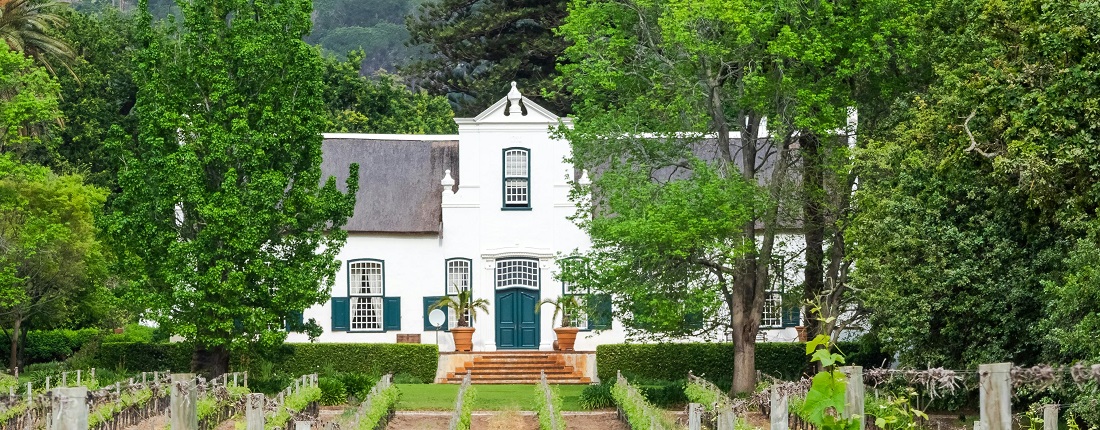
Types of accommodation in Botswana, a manor house on a farm

The most common types of accommodation in Botswana are standalone houses, townhouses, apartments, and garden cottages. Most expats rent, at least to start with.

Although you can buy property, non-citizens need ministerial consent, and there are tight restrictions on tribal and state land. Foreign buyers also have to pay a much higher rate of transfer duty than citizens.

Broadhurst and Phakalane are two of the most popular suburbs in Gaborone. Phakalane is built around a golf estate and is the preferred residential area for many expats. It’s over 7.5 miles (12 km) north of the city centre, though, so plenty of new arrivals would rather live closer to their offices and their children’s schools.

Newcomers often find Gaborone’s area names confusing. Most of the older central neighbourhoods are numbered Extensions around the Government Enclave, and many of the outer suburbs are numbered Blocks. Extensions 9 and 11 are among the most expensive parts of the capital.

Outside the capital, expats tend to settle in Francistown, Botswana’s second city, or in Maun, the main base for safari operators in the Okavango Delta. Mining professionals often live in company housing in diamond towns such as Jwaneng and Orapa.

Houses

Houses are one of the most popular types of property in Botswana, and standalone homes usually have a private garden. That’s handy for families with children and for anyone who likes to entertain. Many have swimming pools too, and residents make good use of them through Botswana’s long, hot summers.

Plenty of homeowners also rent out garden cottages on their plots. These smaller units are usually cheaper than a full house.

Townhouses

Semi-detached townhouses and cluster homes are a common alternative to standalone houses in Botswana. These are often in gated complexes, so they’re generally more secure than a typical house. Many are also recent builds.

Apartments

You’ll find most apartments in Botswana in Gaborone and the larger towns. Landlords let them anywhere from bare to fully furnished. Many apartment blocks are fairly modern, and the more upmarket complexes have swimming pools and units with private balconies.

Furnished vs unfurnished

Furnished flats are common in Botswana’s towns and cities, and they’re pricier than unfurnished ones. Expats on shorter contracts and short-term visitors often prefer them because the landlord supplies everything from the furniture and appliances to the bedding and cutlery.

Landlords of unfurnished flats usually provide little beyond light fittings and built-in storage such as kitchen cupboards and wardrobes, so you’ll need to source your own appliances and furniture. You can rent these by the month or buy new pieces from Gaborone’s malls and homeware shops.

Short lets

It’s easy to find short lets in Botswana, especially in Gaborone. If you book a short-term place for your first few weeks, you’ll have time to get to know the city’s areas and suburbs before you sign a long lease. Short-let apartments on platforms such as Airbnb are fully furnished and usually have WiFi and other utilities included in the price. They’re also generally cheaper than hotels for stays of a few weeks to a month or two.

Useful links


Finding accommodation in Botswana

Finding accommodation in Botswana, a house search

Most expats start the hunt for accommodation in Botswana online. Property24 and TswanaHome.com are two of the most popular property portals, and rental groups on social media are another useful source of listings. You can begin the search before you arrive, but don’t sign a lease or hand over a deposit until you’ve seen the property in person. Scammers sometimes advertise homes they don’t own and vanish with the money.

A real estate agent can save you plenty of legwork, whether you rent or buy. Good agents know the local market well and can quickly shortlist suitable homes. Check that any agent you use is registered with the Real Estate Advisory Council (REAC), which regulates the industry and keeps a list of licensed operators on its website. Landlords usually pay the agent’s commission on rentals.

Some new arrivals have a relocation company to handle the search. These firms draw up a shortlist based on your preferences and set up viewings for you. Employers sometimes arrange housing for expat staff or pay a housing allowance, so check your contract before you start your search.

Useful links


Renting accommodation in Botswana

Renting accommodation in Botswana is governed mostly by common law and by the terms of the lease itself. Read every clause before you sign, and make sure you understand the deposit, fees, utilities, and notice period.

Making an application

You’ll typically need copies of your passport and your work or residence permit to make a rental application in Botswana. Landlords also ask for proof of income, such as recent payslips or an employment letter, and some will ask for references from previous landlords. Other landlords run a credit check, and expats without a local credit history may need a guarantor or a letter of support from their employer. Most landlords prefer the rent to be no more than 30 percent of your monthly income.

Leases

Landlords in Botswana offer either fixed-period or indefinite leases. Fixed-period leases have a set end date, and most are for 12 months. Expats who know how long they’ll be in the country often prefer them. If you sign an indefinite lease, you or the landlord may be able to end it at will with reasonable notice.

Deposits and fees

You'll need to pay a deposit before you receive the keys. Landlords typically ask for one to two months' rent as a deposit, plus the first month's rent in advance. There are no legal cap on deposits. Some agencies also charge tenants an administration or lease fee, so ask for a full breakdown of upfront costs before you sign anything.

Terminating the lease

You don’t usually need to give notice when terminating the lease on a fixed-period agreement, as long as you're leaving on the agreed-upon end date. An early exit is a different matter, and you could owe rent for the rest of the term unless the lease has an early-termination clause. Expats on assignment will want to negotiate a clause giving them the right to break the lease if their employer transfers them.

On an indefinite lease, both sides need to give reasonable notice. There’s no fixed legal definition of ‘reasonable’, so make sure the notice period is written into the lease. Notice periods are usually between one and three months.

Do a thorough inspection with your landlord when you move in and again when you move out, and photograph any damage or broken fittings. The landlord can deduct repair costs from your deposit, and deposit disputes are a common complaint among tenants in Gaborone. If you keep a dated record of the property’s condition, it’s much easier to get the rest of your money back.

Working in Botswana


Utilities in Botswana

Tenants usually pay for utilities in Botswana themselves, although some landlords include water and electricity in the rent on furnished properties. Prepaid meters are common for both, so you buy credit in advance and top up as you go. Power and water cuts have been a regular part of life in Greater Gaborone in recent years, so check a property’s backup arrangements before you sign a lease.

Utilities in Botswana, taping up moving boxes

Electricity

The Botswana Power Corporation (BPC) supplies electricity in Botswana. BPC generates most of the country’s power at two coal-fired stations near Palapye and imports the rest, mainly from South Africa. The coal plants have struggled with repeated breakdowns, and during shortages, BPC has scheduled power cuts and capped household use at peak times. Many expat homes have a generator or a solar system with battery storage to cover outages.

The electricity is usually already connected when you move in, and you can transfer the account into your name through BPC’s online customer portal. Prepaid tokens are available on BPC’s SmartPower app and through banking apps. Tenants who need a new connection can apply online, but will need the landlord’s written consent.

Gas

Botswana doesn’t have a widespread piped gas network, so many households rely on bottled gas for cooking and heating. Gas heaters are popular in winter, when nighttime temperatures in Gaborone can be close to freezing, and few homes have central heating. You can buy gas cylinders at petrol stations across the country, and several gas suppliers have depots in Gaborone.

Water

Botswana’s water supply is managed by the Water Utilities Corporation (WUC). Residents of Greater Gaborone deal with interruptions fairly often, and whole suburbs are sometimes without water for days after a burst pipeline or a power failure at a treatment plant. During droughts, WUC also rations water and restricts non-essential uses such as car washes and construction. Plenty of expat homes have a storage tank and pump for these outages.

If the property isn’t already connected, you can apply for a connection on the WUC website, where you’ll also find the current tariffs. A WUC technician then inspects the property and installs a meter, and you may need to pay a deposit before WUC switches on the supply.

Bins and recycling

Local councils handle bin collection in Botswana. In Gaborone, the city council and its contractors collect household waste door to door once a week, and there’s no charge for general household and garden waste. The council can also remove construction or hazardous waste for an extra fee, and staff at your local council office can give you the collection schedule for your area. Some estate managers hire private refuse collectors instead.

Collection is generally reliable in the more affluent suburbs, although the council has at times fallen behind because of broken-down trucks. Service in lower-income areas is patchier, and illegal dumping is a problem in some neighbourhoods.

There are far more recycling businesses in Botswana than there were a decade ago, and many of them buy sorted paper, plastics, glass bottles, and cans. If you want to send less to landfill, sort your recyclables at home and take them to a recycling depot, or arrange a collection with one of the private recyclers in Gaborone.

Internet

Internet in Botswana is mostly provided by the country’s three mobile networks, Mascom, Orange, and BTC. Orange and BTC also sell fibre and fixed-wireless home broadband. Mascom and Orange have offered 5G in the main towns since 2022, and BTC has started its own 5G rollout in Gaborone. Starlink satellite internet has been available since 2024, and it’s an option for homes beyond the reach of fibre. DStv and StarTimes both sell satellite TV packages with international channels.

Useful links

Education and Schools in Botswana

Expat parents who look into education and schools in Botswana usually settle on a private or international school. Government schools are open to expat children, but many are short of resources. Most families weigh up fees, curriculum, waiting lists, and the length of the school run before they commit.

Botswana has several universities and technical colleges. The largest is the University of Botswana in Gaborone, and there are vocational courses for trainee nurses and teachers too.


Public schools in Botswana

Public schools in Botswana

The Ministry of Child Welfare and Basic Education runs public schools in Botswana, and expat children are welcome to enrol. Primary tuition is free, while the state covers most of the cost of secondary education.

Exam results in public schools have been poor in recent years. Shortages of teachers, textbooks, stationery, and classroom space are common. The ministry has started to rework the curriculum around science, technology, engineering, arts, and maths (STEAM).

The public school system in Botswana has four stages:

  • Reception (ages 4 to 5)
  • Primary school (Standards 1 to 7, ages 6 to 13)
  • Junior secondary school (Forms 1 to 3, ages 13 to 16)
  • Senior secondary school (Forms 4 and 5, ages 16 to 18)

Each year of primary school is called a ‘standard’, and each year of secondary school is a ‘form’. Teachers in government primary schools use Setswana in the first years and switch to English as the main language of instruction after that.

Pupils sit the Primary School Leaving Examination (PSLE) at the end of Standard 7. At the end of Form 3, they write the Junior Certificate Examination (JCE), and the ministry uses the results to allocate the limited places in senior secondary schools. Students then sit the Botswana General Certificate of Secondary Education (BGCSE) at the end of Form 5. Officials have also begun to add vocational pathways to the academic route in senior secondary school.

You can register your child for Standard 1 at your nearest government primary school from May of the year before entry. Children need to turn six by June of the year they start school, and the school year is from January to December. Non-citizen parents need to bring the child’s birth certificate, certified copies of passports for parent and child, the parent’s residence permit, and adoption papers where relevant. Older children who join at Form 1 or Form 4 apply through the Regional Education Office and need results from an exam equivalent to the PSLE or JCE.

Useful links


Private schools in Botswana

Batswana tend to refer to private schools in Botswana as English-medium schools, since lessons are in English from the first year. Setswana is still on the timetable at most of them.

Most private primary schools have their own curriculum, which is usually more advanced than the government syllabus. Pupils still sit the PSLE at the end of Standard 7. At the secondary level, most private school students work towards the Cambridge IGCSE.

Fees at most English-medium schools are lower than at the big international schools, so many middle-class Batswana families choose them. Expat children at these schools usually have more local classmates than they would at an international school.

Thornhill Primary School and Northside Primary School are long-established English-medium primaries in Gaborone. Both are popular with expat families, and places are hard to come by, so it’s best to apply early. Gaborone also has Christian and Islamic schools for families who want a religious ethos.

Every private school must register with the Ministry of Child Welfare and Basic Education, which approves the curriculum and checks that teachers hold permits to teach in Botswana.


International schools in Botswana

Most international schools in Botswana are in Gaborone, and Francistown and a few other large towns have smaller selections. Cambridge and International Baccalaureate (IB) programmes are the norm at nearly all of them. Families from the US or continental Europe are unlikely to find their home curriculum on offer, and many choose a programme with their next posting in mind.

Cambridge is the most common route. Pupils at many schools work through IGCSEs and on to AS and A-Levels, and Maru-a-Pula is the best known of these schools. It was founded in 1972 and has both day and boarding students. Families who want the IB have fewer options, and Westwood International School in Gaborone is the most established of them.

At some schools, pupils follow Botswana’s national curriculum in primary school and switch to an international programme later. Gaborone International School pupils, for instance, move on to Cambridge IGCSEs in high school.

The leading international schools are well resourced, and most employ qualified, experienced teachers. Classes are smaller than in government schools. Pupils have access to first-rate facilities, and they can take part in sport, music, drama, and community service. International teachers can be hard to recruit and keep, so ask about staff turnover when you visit a school.

The catch is the high cost of tuition. You may be able to negotiate an allowance for school fees as part of a relocation package, so raise it before you sign a contract. Some schools have sibling discounts too.

Demand for places is high, and popular schools often have waiting lists. The school year in most Botswana schools is from January to December, and some schools set entrance tests months in advance. Maru-a-Pula, for instance, tests Form 1 applicants in March of the year before they start. Research schools and their admissions procedures early, and apply as soon as your move is confirmed.

Some expat families choose boarding schools in South Africa or further afield for the final years of secondary school.

Working in Botswana

Useful links


Nurseries in Botswana

Parents don’t have to send their children to one of the nurseries in Botswana, but families in Gaborone and the larger towns can choose from plenty of private daycare centres and preschools. Most parents look for one close to home or work.

The majority of nurseries are independent. There are faith-based and Montessori nurseries too, and many private and international schools have their own preschools. Children at Gaborone International School, for example, can stay from preschool right through to Form 4.

Nearly all government primary schools have a free reception class, and children aged 4 to 5 spend a year there before they start Standard 1. The Ministry of Child Welfare and Basic Education licenses early childhood centres, so check that a nursery is registered before you sign up.

Accommodation in Botswana


Special educational needs in Botswana

Special educational needs in Botswana

Families of children with special educational needs in Botswana may find much less support than they’re used to. Government schools have the least to offer, and mainstream schools that can’t provide enough help may be reluctant to admit children with behavioural, learning, physical, or sensory disabilities.

The Ministry of Child Welfare and Basic Education has opened special education units and inclusive resource classrooms in more government schools each year. More children with special educational needs now learn in mainstream classes, and more teachers than before have trained in special education.

Teachers can refer a child for a free diagnostic assessment through the Regional Education Office, and officials there may pass the case on to an educational psychologist, who writes a report for the school and parents. Waiting times for these assessments can be long. Some expat families top up school support with private therapists and educational psychologists in Gaborone.

Children with more severe needs can attend one of a small number of special schools and centres. Staff at Ambrose Academy in Gaborone work with children who have autism, Down syndrome, hearing loss, or speech delays. The government has also built a centre for severe and multiple disabilities in Maun.

International schools are more likely to have learning support teams, but not every school can accommodate every need. Speak to each school about your child’s requirements before you apply.

Useful links


Tutors in Botswana

Batswana place a high value on education, so tutors in Botswana are easy to find. Many families hire one in the run-up to national exams, and others want extra help for a child who has fallen behind. Parents of children on a Cambridge or IB programme should check that a tutor has taught that syllabus before, since most local tutors know the national curriculum best.

Setswana lessons are simple to arrange as well, and children who pick up some of the language often find it easier to settle in. Other tutors teach extracurricular skills, from piano and guitar to dance and horse riding.

Recommendations from other parents are the most reliable way to find a good tutor, and teachers at your child’s school may know someone suitable. There are online tuition platforms and a few established tuition companies too.

Useful links

Weather in Botswana

The weather in Botswana is hot and dry for most of the year. Roughly 70 percent of the country is the Kalahari Desert, so the climate is semi-arid and rain is scarce almost everywhere. When it does rain, the showers are erratic and highly localised. One spot can be drenched while the ground 10 miles (16 km) away stays bone dry. Most of the year's rain falls in summer, between November and April.

Rainfall is heaviest in the north and east, and far scarcer in the southwest. Around Chobe in the far northeast, it can be more than double that of the parched Kgalagadi district in the far southwest. Wherever you are, the wettest months are usually January and February.

Summer in Botswana is sweltering. Across much of the country, daytime highs reach 100°F (38°C), and in the Kalahari, readings soar above 110°F (44°C) on the hottest days. The heat is dry, briefly punctuated by afternoon storms.

Winter, from May to August, is almost completely dry. The days are warm and sunny, around 73°F (23°C). The nights are a different story. There is barely any cloud cover to trap the day's heat, and it's sucked out of the air after dark. In Gaborone, overnight lows in winter often fall below 42°F (6°C). In the southwest and the open Kalahari, they drop further still to freezing point, and frost is common.

The far north is a different case, and nowhere more so than the Okavango Delta. Its floodwaters don't come from local rain; they begin as rain in the Angolan highlands, hundreds of miles upstream, and reach Botswana months later. The Delta is therefore at its fullest between June and August, deep in the dry winter, just when the rest of the country is at its most parched. That's why its wetlands are lush and green while the Kalahari to the south is brown and dusty.

The two shoulder seasons are not alike. Autumn, from March to May, is the pleasant one. The rains ease off and the days grow cooler, but the biting nights of winter are still to come. Spring is another thing entirely. Hot, dusty winds blow off the Kalahari from late August, and by October, the hottest part of the year, you'll be longing for the first storms to break.


Safety in Botswana

For most people moving to Botswana, safety isn’t a major worry. The country is one of the more stable and peaceful in Africa, and serious civil or political unrest is rare. There are still a few local risks to get familiar with before you arrive.

The main things to plan for are health-related, like malaria in the north and the strong summer heat. Crime is also a factor, and thieves tend to target cars and homes rather than people.

Before you need them, save the local emergency numbers. Dial 999 for the police, 997 for an ambulance, and 998 for the fire service, or use 112 from any mobile phone.


Crime in Botswana

Crime in Botswana has been on the rise in recent years, so it pays to stay alert and take a few common-sense precautions. Petty street crime and crimes of opportunity are the most common problems, usually the theft of cash or personal belongings. House break-ins and muggings happen too, although opportunistic theft is far more likely than a violent confrontation.

Keep valuables and bags out of sight in the car, and lock up both your vehicle and your home, especially in the bigger towns like Gaborone and Francistown.


Road safety in Botswana

Driving in Botswana

Anyone planning to drive should take road safety in Botswana seriously. The roads can be challenging and at times dangerous, since some vehicles aren’t roadworthy and not every driver sticks to the rules. In Botswana, you drive on the left, so there’s an adjustment if you’re used to the other side.

Stray animals are the hazard that newcomers tend to underestimate. In the south, cattle and donkeys wander onto the roads, especially after dark, and donkeys in particular have almost no road sense. In the far north, wild animals are the bigger worry.

The A1 is the main highway, a long route between the South African and Zimbabwean borders. It’s the busiest road in the country and also one of the most accident-prone. When you’re on the road, drive defensively, keep to the speed limit, stay alert for drunk drivers, and avoid long trips after dark where you can.

Driving in Botswana


Health safety in Botswana

For newcomers, health safety in Botswana is mostly about a few manageable risks. Malaria is the main one, and it’s largely confined to the northern regions, especially the Okavango Delta and Chobe. The risk is highest during the warmer, wetter months. There’s little to no malaria in Gaborone or the drier south.

To cut the risk, use insect repellent and sleep under a mosquito net. Covering up after sunset helps too, since that’s when the mosquitoes that carry malaria are most active. Before you travel, talk to your doctor about antimalarial tablets.

The heat is the other thing to prepare for. Summers are fierce, and temperatures often exceed 100°F (38°C). Sunscreen, a hat, sunglasses, and light clothing are all good ideas. Stay out of the sun in the middle of the day, and drink plenty of water.

Venomous snakes live across the country, and scorpions and spiders turn up as well. The risk is low if you’re sensible, but take extra care in rural areas and out on safari, and learn to recognise and steer clear of anything you’re not sure about. Make sure the rest of the family knows the basics too.

Botswana has one of the highest HIV prevalence rates in the world. The upside is that the government also runs one of Africa’s most effective responses to it. Botswana was the first country on the continent to provide free antiretroviral treatment, and testing and medication are widely available today. For most newcomers, in everyday life, the practical risk is low, and the same sensible precautions you’d take anywhere are enough.

Useful links

Local culture in Botswana

Most expats find the local culture in Botswana easy to settle into, although even the smoothest move abroad has an adjustment period.

Botswana’s five national principles are democracy, development, self-reliance, unity, and botho (the quality of being a good person). Someone with botho is courteous, humble, self-disciplined, and respectful of others. They look out for their community as well as themselves. Respect these principles, and you’ll adjust to your new life quickly.


Language barrier in Botswana

English speakers will only have a small language barrier to deal with in Botswana. English is the official language and the default in business, and Setswana is the national tongue. Botswana’s citizens are known as Batswana (Motswana in the singular), and more than three-quarters of them speak Setswana at home. Kalanga is a distant second.

Expats can get by without Setswana, but Batswana appreciate the effort when newcomers learn a few phrases. Dumela (hello) and Ke a leboga (thank you) are good places to start. English is less widely spoken in rural areas, and some older residents speak very little of it.


Food in Botswana

Food in Botswana

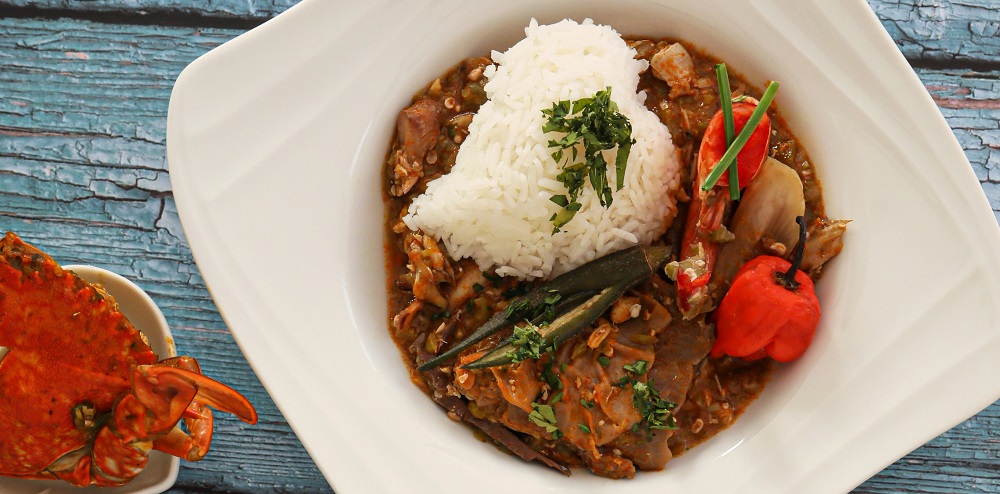
The food in Botswana has plenty in common with the rest of Southern Africa, but the national dish is all its own. Seswaa is beef or goat meat that’s boiled with salt until tender and then pounded into shreds. It's traditionally prepared by men in a three-legged iron pot over an open fire. Families serve it with pap or bogobe (maise or sorghum porridge) at weddings and funerals, and it’s a staple of Independence Day celebrations.

Mopane worms, which Batswana call phane, are another local speciality. These plump emperor moth caterpillars are usually dried and salted as a snack or stewed with tomato and onion.

Local dishes are part of the fun, but you won’t need to overhaul your diet. There are supermarket chains like Choppies, Sefalana, Spar, and Woolworths that stock familiar brands, and much of what’s on the shelves is imported from South Africa. Gaborone also has a solid range of international restaurants. Botswana is landlocked, so fresh seafood is harder to find and expensive.


Traditional values and family in Botswana

Batswana take pride in their hospitality, and respect for elders is central to traditional values and family life in Botswana. In the workplace, Batswana show the same respect for seniority, so you should treat older colleagues and clients with extra deference.

Extended families are close-knit, and many city dwellers head back to their home villages or the family cattle post at weekends. Cattle are a status symbol, and a big herd is the traditional mark of wealth. Most villages still have a kgotla where residents meet to discuss local affairs and the kgosi (chief) settles disputes.

Traditional customs are still influential in rural areas. Younger Batswana in the cities are more likely to live Western-style lives. More than 86 percent of Batswana identified as Christian in the 2022 census, although many also honour badimo (ancestral spirits).

Doing Business in Botswana


Meeting and greeting in Botswana

The first rule of meeting and greeting in Botswana is to say hello before anything else. Anyone who skips the greeting and jumps straight to a question is likely to get a frosty reception, regardless of whether they're talking to a shop assistant, a government official, or their friend.

When greeting locals, use Dumela rra with a man and Dumela mma with a woman. For a group, add '-ng' to make Dumelang. A common follow-up question is O tsogile jang (how did you wake up?), and the usual reply is Ke tsogile sentle (I woke up well).

Handshakes in Botswana are gentler than many Westerners expect, and using too firm a grip can come across as having something to prove. Batswana often support their right arm with their left hand as a mark of respect, particularly when they greet elders. Friends sometimes switch to a thumb grip midway through the handshake and then back again.

Pass and receive things with your right hand or both hands, since Batswana consider it impolite to use the left hand on its own. Younger Batswana may avoid direct eye contact with elders as a sign of respect, so don’t read a lowered gaze as evasiveness.


Time in Botswana

Many newcomers need a while to adjust to time in Botswana, where 'African time' is the norm. Botswana life is unhurried, and village life is slower still, so expats would do well to leave any impatience at the border.

Colleagues and clients are generally punctual for formal business meetings, but social plans are far more elastic. Guests invited to a 7pm dinner may turn up an hour or more late, and nobody will bat an eyelid.


Bureaucracy in Botswana

Expats who have to deal with bureaucracy in Botswana should brace themselves for long queues and plenty of paperwork. Officials usually want certified copies of every document in an application, and work permit applicants may need to have their papers certified in their home country first. Permit decisions are often slow, so it’s best to apply well ahead of any deadline.

Your employer will generally take care of your work and residence permit application, and many hire immigration consultants or relocation companies to manage the process. Some services have been moved online, and the Department of Immigration and Citizenship accepts certain visa applications through its eVisa portal.

Officials respond far better to a warm greeting and a calm manner than to visible frustration. Batswana also place a lot of value on personal connections, and a colleague who knows the system can save you hours.

Visas, Work Permits, and Residence Permits for Botswana


Arts in Botswana

Arts and crafts in Botswana

Many Batswana are highly skilled artists and craftspeople, and the arts in Botswana are traditionally expressed through dance, music, poetry, pottery, carpentry, and craftwork. Expats who rent an unfurnished home won’t struggle to find well-made, locally crafted furniture.

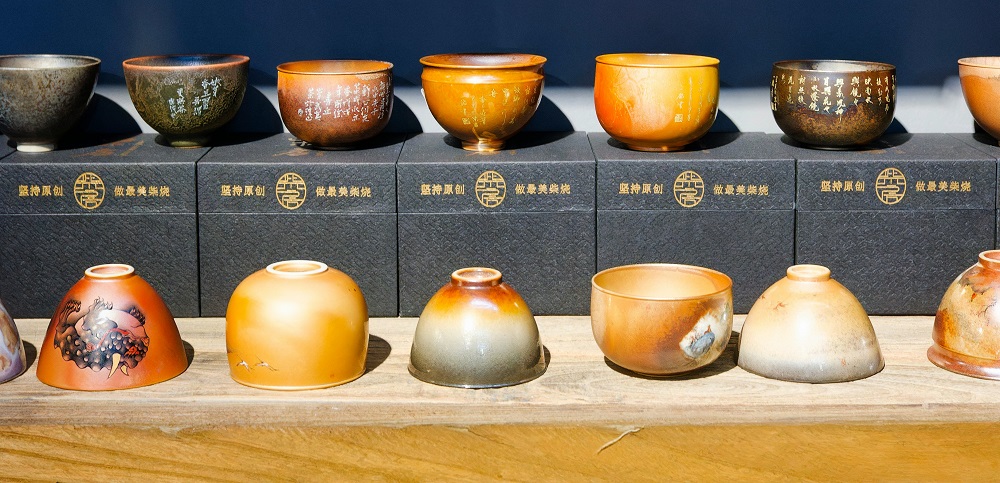
Basketry is the standout craft. Women in the northwest of the country weave baskets from mokola palm and colour them with dyes made from roots and bark. Many of the patterns have lovely, descriptive names such as Forehead of the Zebra and Knees of the Tortoise. Gabane and Thamaga are both a short drive from Gaborone, and modern ceramics are made there.

Accommodation in Botswana


LGBTQ+ in Botswana

The courts have led the way on LGBTQ+ rights in Botswana. The High Court struck down the laws against same-sex relationships in 2019, and the Court of Appeal upheld that ruling in 2021. The old provisions were formally deleted from the Penal Code in 2026.

Employers can’t legally dismiss staff over their sexual orientation, although gender identity has no equivalent protection. Transgender people can change the gender marker on their identity documents, although the process is still slow and difficult. Same-sex marriages and civil unions aren’t legally recognised.

Social attitudes are slower to change. About half of the Batswana surveyed by Afrobarometer in 2021 said they liked LGBTQ+ individuals or felt indifferent towards them. That’s high by some standards, but it’s a long way from universal acceptance.

For best results, LGBTQ+ couples should refrain from big public displays of affection. Rural areas are a lot more conservative than the cities, so discretion is especially wise there. Gaborone has the most visible LGBTQ+ community, and LEGABIBO runs events and support services in the capital.

Useful links


Women in Botswana

Women's rights in Botswana are worse off than you might expect. Married women have only been able to apply for land in their own right since the government amended the Land Policy in 2020. Until then, a wife couldn’t get a plot if her husband already had one. Only three women won constituency seats in the 2024 election, and women hold fewer than one in 10 seats in the National Assembly.

Gender-based violence is a serious problem in Botswana. About two in three women in a national survey said they’d experienced it at some point, and most of the abuse came from their partners. Expat women should drive or take a taxi after dark rather than walk alone, and avoid poorly lit areas.

The workplace is quite a different story. Botswana has one of the highest shares of women managers in the world, and women hold around half of all management roles. Women still earn less than men on average though, and many are expected to carry the load of household work.

Banking, Money and Taxes in Botswana

Expats find banking, money, and taxes in Botswana relatively easy to manage. The Bank of Botswana is the country's central bank, and it oversees a sophisticated, well-run financial system that is among the more stable in the region. Many of the biggest companies doing business in Botswana are listed on the Botswana Stock Exchange (BSE) in the capital, Gaborone.

Botswana did away with exchange controls in 1999, so you can move money in and out of the country without restriction. Foreign investors have long valued both this openness and Botswana's reputation for political stability and prudent economic management. Opening an account and managing your everyday finances is simple enough, though taxes are more complex, as the section below explains.


Money in Botswana

The currency in Botswana is the Pula, abbreviated as BWP. There are 100 thebe to one pula. US dollars and euros are accepted in major hotels and other businesses that cater to international tourists, but you should expect to use pula for all day-to-day transactions.

  • Notes: BWP 10, 20, 50, 100 and 200
  • Coins: BWP 1, 2 and 5; and 5, 10, 25 and 50 thebe

Currency can be exchanged at banks, licensed bureaux de change, airport terminals, and some hotels.


Banking in Botswana

ATMs in Botswana

The Bank of Botswana is the country's central bank, and a handful of commercial banks serve everyday customers. The biggest are Absa, First National Bank, Stanbic, and Standard Chartered. Smaller local banks such as Bank Gaborone also compete for customers. Most offer debit and credit cards, online and mobile banking, foreign currency accounts, and investment products.

English is Botswana's official language and the main language of business, so you shouldn't struggle to find English-speaking staff at any bank.

Opening a bank account

Opening a personal account is straightforward once your residency is sorted. You'll usually need your passport, your residence or work permit, a local tax number, and proof of a Botswana address, such as a utility bill. Most employers expect you to have a local account for salary payments, so it's worth opening one in your first week or two. Plenty of expats keep an account back home as well, for savings and transfers.

Banks are generally open from 9am to 3.30pm on weekdays, and some open on Saturday mornings too.

ATMs and credit cards

Visa and Mastercard are widely accepted across Botswana, although American Express and Diners Club can be harder to use. ATMs are easy to find in Gaborone, Francistown, and other main towns, and most larger shops take debit and credit cards. In rural areas, you'll come across far fewer places that accept cards, and many petrol stations and small shops deal only in cash. It's worth keeping some pula on you when you head outside the cities.

Doing Business in Botswana
Local Culture in Botswana

Useful links


Taxes in Botswana

Botswana's tax authorities adjust the rules fairly often, and the system can be tricky to handle on your own. It's worth bringing in a tax specialist who knows the local regime and has worked with expats before.

Tax in Botswana is charged on a source basis. Income from a source inside the country is taxable whether or not you live there. You count as a tax resident if your permanent home is in Botswana and you spend at least 183 days in the country during the tax year.

Residents pay progressive rates. The lowest band is tax-free, and the top rate is around 25 percent. Non-residents don't get the tax-free band and pay tax from the first pula they earn.

Botswana has no separate social security or payroll tax, so income tax is usually the only deduction from your pay. If you have a single employer and your tax is collected through the PAYE system, you often won't need to file a return at all. The tax year is 1 July to 30 June, and you generally have three months after it ends to file your return.

Botswana has double taxation agreements with more than 20 countries, so some expats can claim relief for tax already paid elsewhere. They include France, India, Namibia, South Africa, the UK, and Zimbabwe, among others.

Useful links

Transport and Driving in Botswana

For most new arrivals, transport and driving in Botswana are much the same thing. Public transport isn’t particularly reliable or widespread, and services are thinnest outside Gaborone and the other big towns. Expats generally buy or rent a car and drive themselves, and some hire a vehicle with a driver.

Newcomers without a car can choose from long-distance buses, minibus combis, taxis, and ride-hailing apps in Gaborone.


Public transport in Botswana

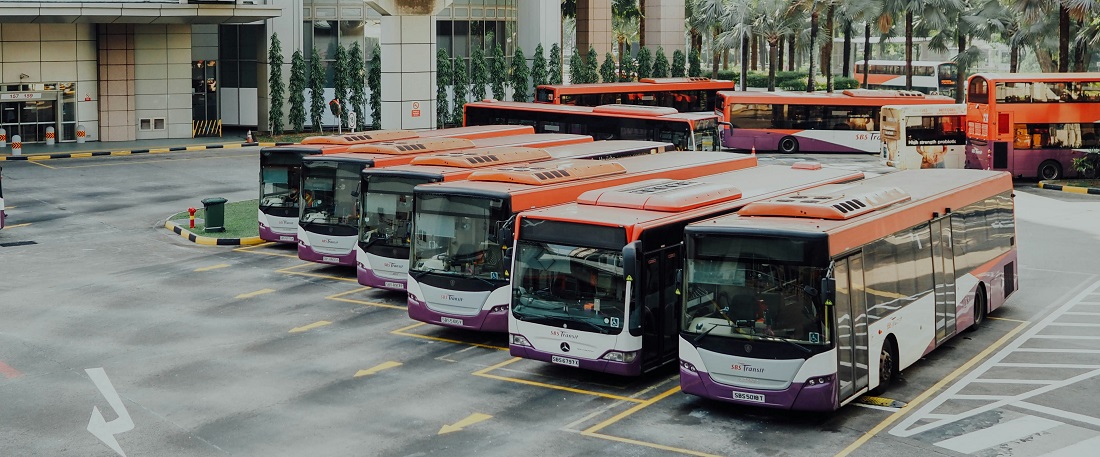
Expats have fairly few options when it comes to public transport in Botswana, and passenger trains aren’t one of them for now. Private operators run long-distance buses between the main towns, while minibus combis and taxis are the usual way to get around within them.

Public transport in Botswana

Buses

Long-distance buses are one of the most popular ways to travel between towns in Botswana. Several private companies operate on the busiest routes, and Seabelo Express is the best known. Intercape runs cross-border services from Gaborone to Johannesburg and Pretoria.

Comfort on domestic buses is fairly basic, and air conditioning isn’t a given. Operators don’t publish timetables, so you’ll need to ask about departure times at the bus rank (the local term for a bus station). In Gaborone, the main rank is behind Rail Park Mall. Most passengers pay in cash at the rank or on the bus itself. Drivers usually leave at set times, but there’s often a scramble for seats, so it’s best to arrive early. Around public holidays, travellers can spend hours in the queue.

Trains

Rail transport in Botswana is far less developed than the road network, and Botswana Railways currently runs freight trains only. The company suspended its BR Express passenger service from Lobatse to Francistown via Gaborone in 2020 and has since sought a private partner to revive it. Anyone who wants to travel by train should keep an eye on the Botswana Railways website.

Useful links


Taxis in Botswana

There are a few kinds of taxis in Botswana, and minibus combis are the cheapest and most common. Combis are 15-seater minibuses, and their drivers stick to fixed routes within cities and towns. Drivers usually display the route on the windscreen. Passengers can flag one down along the way, although drivers at the rank tend to wait until every seat is taken. Registered combis and taxis have blue number plates, so they’re easy to spot.

Many taxi drivers also pick up several passengers along set routes around town, and each passenger pays a fixed fare. Passengers who want the car to themselves can ask for a ‘special’, and the driver takes them straight to their destination for a higher fare.

Taxis are generally a safe choice, although some drivers overcharge newcomers. You should agree on a fare before you get in. Drivers without blue plates also tout for business around shopping malls and the airport, so it’s safest to stick to registered taxis or a reputable taxi company. New arrivals should book a pickup from the airport in advance.

Ride-hailing apps are a popular alternative in Gaborone. Passengers on inDrive suggest their own fare, and Bolt also operates in the capital. Outside Gaborone, the apps are thin on the ground.

Useful links


Driving in Botswana

Driving in Botswana

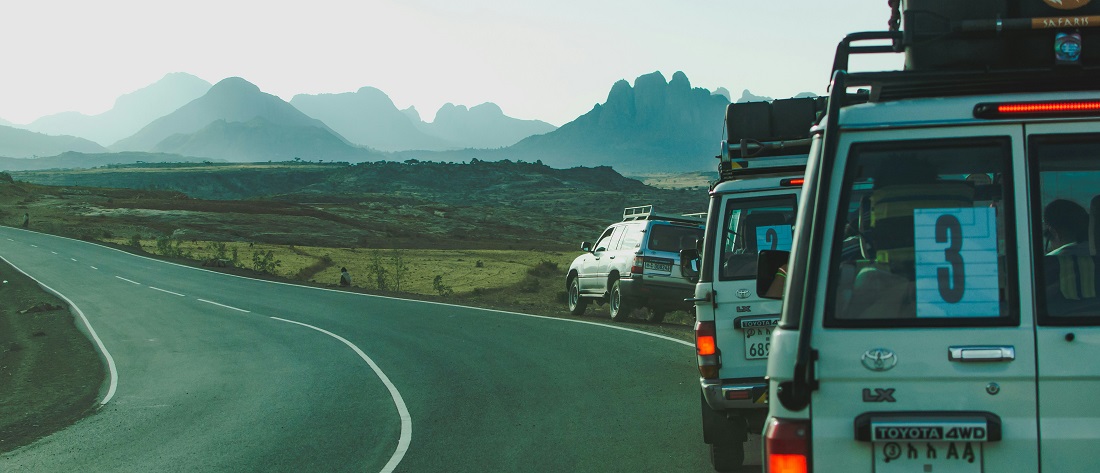
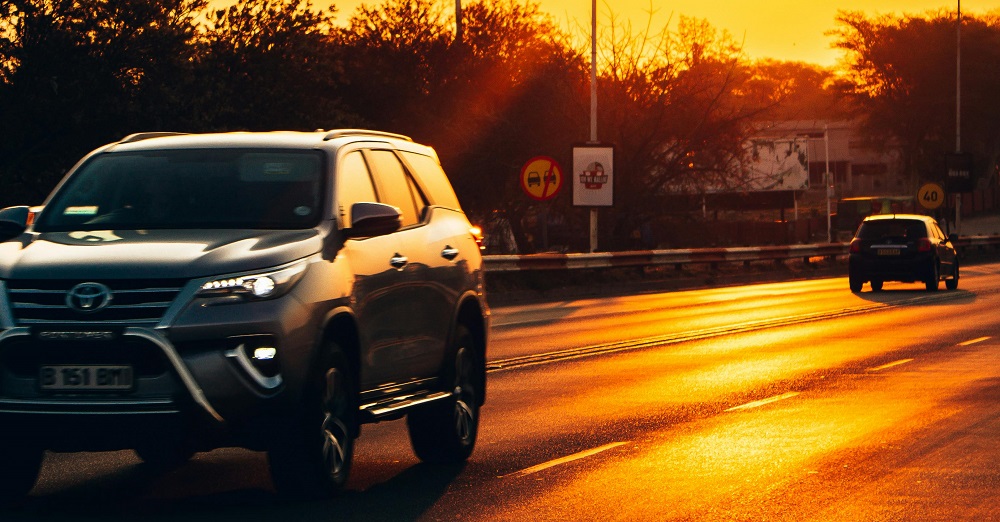
Driving in Botswana is how most expats get around, and they usually buy or rent a car. Motorists drive on the left. Car hire firms operate at the main airports and in the larger towns, and you’ll need a 4x4 for most national parks and the Kalahari.

Road conditions in Botswana are better than in many other African countries. Roads in the towns are generally well maintained, and the A1 highway between Gaborone and Francistown is in good condition. Potholes are a problem on some stretches in the north and west, though, and drivers should expect detours around major roadworks.

Road safety is a concern on even the best roads. Signage is sparse in places, and locals tend to give directions by landmarks rather than street names and numbers. Driving standards can be erratic, and drunk driving is more common around month-end, when salaries are paid.

Cattle, goats, donkeys, and horses are a common sight on rural roads, and elephants are a real hazard in the north around Kasane. Animals are hard to spot at dusk and after dark, so you should stay off rural roads at night. Dirt and sand roads in remote areas can be treacherous, and they’re at their worst in the rainy season. Petrol stations are few and far between in sparsely populated areas, so drivers should fill up whenever they get the chance.

Police roadblocks are common, and officers usually ask to see a driver’s licence. Traffic police patrol the main highways and use speed cameras. The speed limit is generally 75 mph (120 km/h) on open highways and 37 mph (60 km/h) in towns and villages. Seatbelts are compulsory for everyone in the car, and drivers may only use a phone with a hands-free kit.

The government has put up veterinary fences across Botswana to stop the spread of livestock diseases such as foot and mouth disease. Officials at checkpoints along these fences may confiscate raw meat and dairy products, especially when travellers head out of an infected zone. Drivers often have to steer through a disinfectant dip while passengers step across a soaked mat. The checks are usually stricter after an outbreak.

Driver’s licences in Botswana

Most expats can get a driver’s licence in Botswana without a test, since they can simply convert their home licence. Residents may drive on a foreign licence for up to 90 days and then need to apply for a local one, unless they carry a valid international driving permit. Nationals of Southern African Development Community (SADC) countries don’t need to convert their licences at all.

Applicants should take a completed DL1 application form, their eye test results, a certified copy of their passport, and their original licence with a certified copy to their nearest Department of Road Transport Services (DRTS) office. The DRTS also asks for a letter from the authority that issued the licence, or from that country’s embassy, to confirm that it’s real.

Safety in Botswana

Useful links


Domestic flights in Botswana

Air Botswana is the national carrier, and it runs most scheduled domestic flights in Botswana. The airline flies between Gaborone, Francistown, Maun, and Kasane. A flight from Gaborone to Maun or Kasane is far quicker than the long drive north.

Charter companies in Maun and Kasane fly light aircraft out to safari camps in the Okavango Delta and other remote areas. Travellers on these small planes usually need to bring soft bags rather than hard suitcases.

Sir Seretse Khama International Airport in Gaborone is the country’s main airport. Air Botswana also flies to several regional cities, and its busiest route is the hop from Gaborone to Johannesburg. Other regional airlines fly into Maun and Kasane from Johannesburg and Cape Town.

Useful links

Working in Botswana

Diamonds are the first thing to understand about working in Botswana. The country was among the world’s poorest at independence in 1966. Today, it’s an upper-middle-income economy and one of Africa’s longest-running success stories, and its diamond mines are the main reason.

The country’s reliance on diamonds has a downside, though. There were two straight years of economic contraction in 2024 and 2025 during a long slump in global demand for natural diamonds. Lab-grown stones are far more popular than they used to be, and that’s a big part of the story. The government wants to broaden the economy and has pinned its hopes on copper mining, tourism, financial services, and tech.

The job hunt is tougher for foreigners than many expect. About a fifth of the labour force is unemployed, and the government wants to keep jobs for citizens wherever possible. Foreign employees need a work permit, and officials usually approve one only when an employer can show that no suitably qualified citizen is available. The permit is tied to a specific job, so we recommend that you secure a role before you move.


Job market in Botswana

Job market in Botswana

Mining is still the centre of gravity in the job market in Botswana. Debswana runs the country’s biggest diamond mines. It’s a joint venture owned equally by the government and De Beers, and two of its mines are world record-holders. Orapa is the world’s largest diamond mine by area, and Jwaneng is the richest by value. Gaborone has been the home of De Beers’ global rough-diamond sales since 2013, so there’s also work in diamond sorting and valuation.

Copper is the newer story. Mining companies have invested heavily in the Kalahari Copper Belt in the northwest. Khoemacau and Motheo are the two biggest operations there, and the government sees copper as a key part of its plans to diversify. Mining firms still hire foreign engineers and metallurgists for specialist roles, although they’re expected to train and promote citizens.

The country has made ICT a priority and has invested a lot in data centres and digital infrastructure. Local talent is scarce in fields such as software development, cybersecurity, data analysis, and network engineering, so foreign tech professionals may find openings here.

Gaborone is the country’s financial hub, and the Bank of Botswana and the Botswana Stock Exchange are both here. Several international and local banks have head offices in the city. Asset managers are busy too, since the country has sizeable pension savings.

Qualified teachers have decent prospects at Gaborone’s international schools and at the University of Botswana. Medical doctors and pharmacists are on the public service’s list of scarce skills too, so there are openings in healthcare.

Tourism is one of the country’s biggest earners of foreign currency. Most visitors come for the wildlife of the Okavango Delta and Chobe National Park. The government favours a high-value, low-volume approach in both areas, so visitor numbers are low, and rates at upmarket safari lodges are high. Maun is the gateway to the delta and the base for many safari operators. Safari companies hire foreigners for some lodge management and conservation roles, but they face steady pressure to promote citizens instead. Foreign guides also need a professional guide’s licence on top of a work permit.

Banking, Money and Taxes in Botswana


Finding a job in Botswana

Plenty of expats skip the hard part of finding a job in Botswana because they arrive on an intra-company transfer. It’s the usual route in finance and at large multinationals. Partners who move with them don’t automatically get the right to work, though, and many find it hard to secure a permit of their own. If you’re drawn to the country without a job offer in hand, you’ll need to start the search yourself.

Online job portals are the best place to start. Employers in Gaborone rely a lot on LinkedIn, so keep your profile polished and up to date. Recruitment agencies are another option, although they’re most useful for senior and specialist roles.

For the work permit application, the Botswana Qualifications Authority may need to verify your qualifications, and some professions also have their own registration bodies. Engineers need to register with the Engineers Registration Board, for example, and accountants with the Botswana Institute of Chartered Accountants.

Visas, Work Permits, and Residence Permits for Botswana

Useful links


Work culture in Botswana

Work culture in Botswana

There’s rarely a language barrier for newcomers to the work culture in Botswana, because English is the official language and the default in most offices. Setswana is the national language, though, and colleagues appreciate it when you learn a few phrases. A friendly dumela (hello) is a good place to start.

Workplaces are generally hierarchical, and senior managers make the final call. Most managers still consult their teams before they decide. The habit has its origins in the kgotla. In this traditional village assembly, anyone can speak, and the chief only rules once everyone has had their say. Co-workers show older staff plenty of respect, as Batswana (citizens of Botswana) do in every part of life. It’s polite to address senior men as rra and senior women as mma.

Communication is usually indirect, and most Batswana avoid open confrontation to keep the peace. Build rapport and trust before you raise anything sensitive, and you’ll find co-workers far more willing to speak candidly. You’ll also need patience in meetings. Teams can take a while to reach consensus, and it isn’t unusual to hold a second or third meeting before anyone settles on a decision.

Business Culture in Botswana

Doing business in Botswana

Doing business in Botswana is, by regional standards, relatively straightforward, and the country has a long-standing reputation for political stability and low corruption. The economy is still heavily dependent on diamonds, so the government has been working to diversify into financial services, tourism, agriculture, and manufacturing.

As members of the Southern African Customs Union and the wider Southern African Development Community, Botswana-based firms can reach neighbouring markets with few trade barriers. South Africa is the biggest of these by far.

New arrivals working in Botswana should get to grips with the local business culture before they start, so they know what to expect in the workplace. You'll find a fairly conservative society alongside more liberal, modern workplace practices. Elders and senior colleagues are treated with respect, and the dress code is usually formal.


Fast facts

Doing business in Botswana

Business hours

8am to 5pm, Monday to Friday.

Business language

English is the official language of business, and it is widely used in both writing and meetings, so you're unlikely to need a translator. Setswana is the national language, and if you pick up a few polite phrases, you'll earn real goodwill.

Greetings

Handshakes are the standard greeting with both men and women, although the local version is softer than a firm Western grip. Many locals also support the right forearm with the left hand as a mark of respect. Greet the most senior person first, and address senior men as Rra (sir) and women as Mma (madam). Open with a word of Setswana, such as Dumela (hello), and you'll make a good first impression.

Dress

Business dress in Botswana is formal and fairly conservative. Men wear suits and ties even in the heat, and women dress just as smartly in dresses or tailored office wear. Many companies relax the code on Fridays.

Gifts

Small gifts are welcome but not expected, and you should never give cash, as it can look like a bribe. Give and receive any gift with the right hand or both hands. The left hand on its own is considered rude.

Gender equality

Women are well represented in the Botswana workforce. The share of senior management roles they hold is higher than in most of Africa and often higher than the global average. Several major banks and insurers are run by women. A pay gap is still there, and the top jobs in some sectors remain male-dominated, but expat businesswomen are generally taken seriously and treated with respect.


Business culture in Botswana

Business culture in Botswana

Business culture in Botswana is conservative and built firmly on mutual respect. Much of this is rooted in botho, a local concept akin to ubuntu that emphasises community and good manners. Batswana (citizens of Botswana) can be reserved at first, so be patient with new colleagues until they warm up. Locals are welcoming towards foreigners, and you should settle in without much trouble.

Communication

Communication in Botswana tends to be indirect and polite, and locals tend to avoid open confrontation. It's important to read between the lines and look for subtle signs of disagreement, as colleagues may not feel comfortable saying no outright. Address your colleagues, and especially your supervisors, as Mr or Ms with their surname until they invite you to do otherwise.

Time

Time management in Botswana can be more relaxed than you're used to, and meetings may start later than scheduled. Deadlines are often treated more as targets than hard cutoffs, although it's worth noting that workers will put in extra hours to get a job over the line when it really matters. It's a good policy to turn up on time yourself but build a little slack into your plans.

Hierarchy

Botswana has fairly hierarchical workplaces, and seniority is taken seriously. Senior managers usually make the big calls, although they will generally consult their teams first. Show clear respect for elders and senior colleagues.

Meetings

Meetings in Botswana usually open with unhurried small talk, so don't jump straight into business. Colleagues will ask each other about their families before getting started on the agenda. It pays to be patient and consider meetings as much about building relationships and trust as knocking out business.

Attitude towards foreigners

Foreigners are treated fairly in Botswana, and locals tend to be warm once the ice is broken. Batswana respect education, but what counts most day to day is your willingness to go with the flow and fit in. Colleagues who feel respected and at ease tend to relax and speak up more freely.

Working in Botswana


Dos and don'ts of business in Botswana

  • Be punctual, even if your local counterparts turn up a little late.
  • Greet everyone when you arrive, and start with the most senior person in the room.
  • Exchange business cards when you're introduced, and take someone's card with your right hand or both hands.
  • Don't point at anyone with your index finger; use an open hand instead.
  • Don't rush straight into the deal; let a relationship build first.
  • Steer clear of heavy political talk until you know your colleagues well.

Cost of Living in Botswana

The cost of living in Botswana is moderate, and how far your money goes depends on where you settle and how you shop. Rent is low by international standards, and locally produced food is cheap. Beef is especially good value, since Botswana is a major cattle producer. The big-ticket items are imported goods, cars, private healthcare, and international school fees.

Gaborone, the capital, is the most expensive place to live. This is where most of the good jobs and the better housing are, and where expat families find the private clinics and international schools they want. Live closer to how locals do, and you can get by comfortably without spending a fortune.


Cost of accommodation in Botswana

Monthly rent is one of the biggest expenses for anyone moving to Botswana, and in Gaborone it's higher again. You'll pay a premium for a home near the city's transport links and good schools, so you'll find better value the further out you look.

The deal looks good next to many European and North American cities, and you get far more space for your money. Rentals in the better suburbs are usually walled and gated, and many have an electric fence; that security is normally built into the rent rather than billed on top of it. Landlords often fold water and electricity into the rent too, so always check what a quoted figure actually covers before you sign.

Renting Expat Accommodation in Botswana


Cost of transport in Botswana

Getting around Botswana costs far less than in most European or North American countries. Combis, the shared minibuses that cover fixed routes around the cities, are the cheapest way to get about, and you can grab a shared taxi for routes the combis don't reach. They're easy on the wallet, but they get packed at peak times, and the vehicles are a mixed bag, so many newcomers give them a miss. Ride-hailing apps such as Bolt and inDrive operate in Gaborone, and they're a comfortable, well-priced alternative when you'd rather not drive.

Most expats still end up behind the wheel, because the towns are spread out and there's little public transport once it's dark. A brand-new car is dear once import costs are added, but you don't have to buy new. Botswana has one of the busiest used car markets anywhere. Most of that stock is second-hand Japanese vehicles that dealers import through Durban and Walvis Bay, and a sound used car won't break the bank. Fuel is cheap by Western standards. Budget for insurance, licensing, servicing, and tyres on top, and a car is still a reasonable value over time.

Transport and Driving in Botswana


Cost of groceries in Botswana

Groceries in Botswana are easy on the wallet compared to Europe or North America, especially if you cook from scratch. Supermarkets bring in much of their stock from South Africa, so the big chains and brands look familiar to anyone who's shopped there, and prices are tied closely to the rand.

Beef is the standout bargain, since this is cattle country and the national herd is huge. Maise, beans, sorghum, and seasonal vegetables are cheap too. You'll pay much more for imported cheese, breakfast cereals, and anything else shipped in from abroad, so sticking to local staples is where the savings are.


Cost of entertainment and eating out in Botswana

Eating out and entertainment in Botswana won't dent your budget the way they would in a pricier posting, as long as you're happy to go where the locals go. A takeaway plate of pap and seswaa, the shredded, slow-cooked beef that turns up at just about every gathering, costs a fraction of a sit-down meal. You'll find restaurants, cinemas, coffee shops, and bars clustered in Gaborone's shopping malls, and prices there are modest by Western standards.

Spend your weekends at a braai, the local bar, a weekend market, or a game drive within reach of town, and you'll get plenty out of the place without the sting of a big-city bill.


Cost of education in Botswana

Education is the highest single cost for many expat families in Botswana. Send your children to an international school, and you'll pay far more than you would at a local public school, although the teaching is strong and the qualifications are recognised abroad: most schools follow a globally accepted curriculum, usually the British (Cambridge) system or the IB. Public schools teach in English and Setswana and charge only token fees, but standards are uneven, which is why most expat families go private.

Botswana's international school fees still look reasonable next to the equivalent schools back home, and there's enough choice that parents can match a school to their budget without settling for less.

Education and Schools in Botswana


Cost of healthcare in Botswana

Public healthcare in Botswana is cheap, and the government has put real money into it, but the service is patchy. Public clinics and hospitals charge next to nothing, although they often run short of medicines, and the queues are long, so most expats pay for private care instead. Private hospitals are a different standard, and they'll usually want payment up front.

Take out private health cover before you arrive. The monthly premium isn't trivial, but one spell in a private hospital without it can cost you dearly. Make sure you're covered for emergency evacuation, since the most serious cases are often flown to South Africa for treatment.

Healthcare in Botswana


Cost of living in Botswana chart

Prices are listed in Botswana pula (BWP) and may vary depending on the product and service provider. The list below shows average prices for Gaborone in October 2026.

Accommodation (monthly rent)
Three-bedroom apartment in the city centreBWP 7,500
Three-bedroom apartment outside the city centreBWP 4,800
One-bedroom apartment in the city centreBWP 4,900
One-bedroom apartment outside the city centreBWP 3,000
Food and drink
Eggs (dozen)BWP 33
Milk (1 litre)BWP 20
Rice (1kg)BWP 27
Loaf of white breadBWP 12
Chicken breasts (1kg)BWP 67
Cheese (500g)BWP 44
Eating out
Three-course meal for two at a mid-range restaurantBWP 400
Fast-food combo mealBWP 80
Coca-Cola (330ml)BWP 12
CappuccinoBWP 32
Local draft beer (500ml)BWP 28
Utilities/household
Mobile phone monthly plan with calls and dataBWP 300
Internet (uncapped ADSL or cable, average per month)BWP 550
Basic utilities (average per month for a standard household)BWP 850
Transportation
Taxi rate (per kilometre)BWP 33
City-centre public transport fareBWP 10
Gasoline/petrol (per litre)BWP 18

Pros and Cons of Moving to Botswana

Most expats who weigh up the pros and cons of moving to Botswana put the wildlife first. The Okavango Delta and the Chobe riverfront are among the best places in Africa to see elephants, and Batswana are known across the region for their courtesy and calm.

Life here has its frustrations too, and new arrivals may run into slow paperwork, a tight job market, water cuts, and stretched public hospitals. We’ve set out the main pros and cons below to help you make the best decision for you and your family.


Cost of living in Botswana

+ PRO: Affordable cost of living

Anyone on a Western salary usually finds the cost of living in Botswana refreshingly low, although Gaborone is pricier than the smaller towns. The Bank of Botswana has let the pula weaken gradually against a basket of currencies in recent years, so hard-currency earners get more for their money over time. The government has also at times restricted imports of some fresh vegetables to protect local farmers, so certain produce is occasionally scarce or expensive.

- CON: Healthcare can be expensive

The vast majority of expats use private hospitals and clinics, and the cost of medical bills is substantial without insurance.

Some specialist treatments aren't available locally, so you do end up with doctors in Botswana referring their more complex cases to hospitals in South Africa. Johannesburg and Pretoria are the usual destinations. It's more expensive to get a policy that will cover medical evacuation and treatment abroad, but you can easily find yourself in a world of hurt with just one cross-border emergency without such a policy.

Cost of Living in Botswana


Visas for Botswana

Passport and visa paperwork for Botswana

+ PRO: Visa-free entry for many nationalities

Visas are not required for short visits by citizens of the US, the UK, Australia, New Zealand, South Africa, the majority of the EU and most of the SADC countries. On arrival, the immigration officer will stamp your passport, and you can stay for up to 90 days in any 12-month period. That is a total of 90 days per year (the limit is annual, so you can't just ‘reset the clock’ by going over the border).

If you do need a visa, you can apply online via the Botswana eVisa portal. Your passport must be valid for a minimum of six months beyond your date of arrival and must have at least three blank pages. It's always worth checking the current rules with the nearest Botswana embassy prior to travel.

- CON: Confusing application processes

Foreign nationals who intend to live and work in Botswana will need work and residence permits, and the application process is very extensive. The employer will normally be the one to initiate the process, but the applicant will still be required to provide certified copies of their qualifications and other documents. Regulated professionals (e.g. nurses, accountants) will also need clearance from their respective professional councils.

The Labour Office will expect renewal applications to be submitted six months prior to the expiry of the permit. If you're finding the whole thing a bit daunting, then it's worth contacting the nearest Botswana Embassy for advice or engaging a reputable immigration consultant.

Visas, Work Permits, and Residence Permits for Botswana


Healthcare in Botswana

+ PRO: Good-quality healthcare in major towns

Residents of Gaborone and Francistown have access to the best healthcare in Botswana, and most of it is in the private sector. Doctors at private facilities are generally well trained, and some are expats themselves. English is the official language, so you shouldn’t struggle to explain your symptoms.

- CON: Insurance requirements

Even in an emergency, private hospitals will generally require proof of insurance or a cash deposit before they treat you. Public hospitals are a very poor option given the state of the medicine supply at the health ministry's end over the past few years. A public health emergency was actually declared by the government in 2025 as a result of the shortages. Many employers will have medical cover as part of their expat package, so be sure to check your contract before you go ahead and purchase your own policy.

- CON: Health risks

Malaria is the main concern for anyone who travels north to the Okavango Delta or Chobe, and the danger is greatest in and after the summer rains. The risk is much lower in Gaborone and the south, but the health ministry has reported cases outside the usual areas after heavy rains. Speak to a travel clinic about antimalarials before any trip north, and pack insect repellent.

Bites from ticks, scorpions, spiders, and snakes are also a risk in the bush and in national parks. There are occasional rabies and anthrax outbreaks in rural areas, and most of these cases are in livestock or wildlife. Travellers who arrive from a country with a risk of yellow fever need a vaccination certificate to enter Botswana.

Healthcare in Botswana


Accommodation in Botswana

+ PRO: Affordable accommodation

Expats from Europe or North America usually find accommodation in Botswana a bargain, as rent and utilities are cheaper than in most Western cities. Homes in the expat suburbs are generally spacious and well built, and many have a garden and a pool. Gated complexes that have 24-hour security are a popular choice. Most have air conditioning, which is a lifesaver in the hottest months.

- CON: Pay attention to lease details

Tenants generally pay for water and electricity in addition to the rent, and many properties will have a prepaid power meter. Water cuts are a regular occurrence in the greater Gaborone area, so it's worth asking whether the property has a backup tank. Landlords will invariably be inclined to increase the rent at renewal, so it's important to check what the market rates are in the area and to negotiate a figure that is acceptable to both parties. Most will ask for a deposit of at least one month's rent.

Accommodation in Botswana


Safety in Botswana

+ PRO: Low crime rate compared to nearby countries

You’ll generally find safety in Botswana better than in South Africa next door, and violent attacks on tourists are rare. The country has no recent history of terrorism and is one of Africa’s most stable democracies. In 2024, voters ended the ruling party’s 58-year hold on power, and the handover was peaceful. You should still use common sense, and it’s safest to take a taxi rather than walk alone after dark.

- CON: Inequality and increasing crime rate

Inequality and unemployment are both high in Botswana, and there’s been an increase in crime in the bigger towns. Petty theft is the most common problem, but there are also burglaries, muggings, carjackings, and smash-and-grab robberies. These are most frequent in Gaborone, Francistown, Maun, and towns near the borders. Keep valuables out of sight in parked cars, and lock your doors when you drive. Kgale Hill is a popular hike on the edge of Gaborone, but the US State Department has flagged frequent criminal incidents there, so hikers should go in groups.

Safety in Botswana


Getting around in Botswana

Cars on a road in Gaborone, Botswana

+ PRO: Good tarmac roads and regional flights

Expats generally rely on a car for getting around in Botswana, and the main tarred highways between the towns are in good condition. Roads in the remote north and the Kalahari are a different story, and you’ll need a four-wheel drive for most national parks. Air Botswana flies from Gaborone to Maun and Kasane, which are the gateways to the Okavango Delta and Chobe. Several airlines also operate flights between Gaborone and Johannesburg multiple times a day, and long-haul travellers usually connect there.

- CON: Driving hazards

Road safety is a real issue, and a number of fatalities occur every day. Drunk driving is a hazard, and many drivers will simply ignore the speed limit. The roads outside the towns are unlit at night, and you'll encounter cattle, donkeys, goats and even elephants on the road at night. Avoid night driving if you can, and be very aware of potholes on the rural roads. If you're going into a remote area, take plenty of fuel, food, water and a satellite phone and let someone know where you're going.

Transport and Driving in Botswana


Working and doing business in Botswana

+ PRO: Demand for specialist skills

Foreign professionals who bring scarce skills have the best prospects for working and doing business in Botswana. Engineers, health professionals, IT specialists, and international school teachers are in steady demand, and multinationals often transfer staff to their Gaborone offices. Gaborone is also home to the SADC secretariat, and many diplomats and development workers live in the city. Newcomers who join these circles can build a regional network quickly.

- CON: Tight job market for foreigners

Diamonds are the source of about a third of government revenue in a normal year. Statistics Botswana recorded contractions in both 2024 and 2025 after a long slump in the global diamond market, and unemployment is high. It’s highest among young Batswana. The government expects employers to show that no qualified citizen can fill a role before they hire a foreigner, and there’s been a long-term fall in work permit numbers partly as a result. Anyone who arrives without a job offer may struggle to find one.

+ PRO: Money matters are fairly easy to handle

You can pay by Visa or Mastercard in most shops and restaurants in the towns, and ATMs are easy to find in Gaborone and the larger centres. Carry some pula for rural areas and market stalls, where card machines are rare. Mobile money services such as Orange Money are popular for bills and small payments, and rates at some big hotels and safari lodges are in US dollars. Most banks ask for a residence or work permit and proof of address before they open a local account.

- CON: Time-consuming and often unnecessary paperwork

Expect red tape at every stage, from the application for permits through to company registration. Queues at the various government offices can be long, and the officials will often ask for documents you didn't even know you needed to have. Take certified copies of everything and bring a lot of patience. The majority of people who go through it do so without any lasting issues.

Working in Botswana
Doing Business in Botswana
Banking, Money and Taxes in Botswana


Local culture in Botswana

+ PRO: Locals are friendly

New arrivals are usually struck by the warmth of local culture in Botswana. Batswana, as citizens are known, are generally courteous and proud of their country and its traditions. A proper hello is important here, so say dumela rra to a man or dumela mma to a woman before you ask a question or order food. Respect for elders is equally important, and younger locals often lower their eyes when they speak to an older person. Many Batswana also support their right elbow with their left hand when they shake hands, and visitors who copy the gesture make a good impression.

- CON: Understanding and tolerance of LGBTQ+ is low

Botswana's High Court has decriminalised same-sex relationships and formally removed the colonial provisions from the Penal Code. It is an offence to fire an employee on the grounds of their sexual orientation.

Same-sex marriage is not recognised, and many Batswana are still quite conservative in their religious views, so LGBTQ+ expats may still find themselves the subject of some stigma or unwanted attention. The community is much more visible now than it was a decade ago, and LEGABIBO is the main LGBTQ+ rights group in the country and a good place to start if you're a new arrival.

- CON: Mixed attitudes towards immigrants

Expats from Europe and North America generally have an easier time than those from other African countries, and Zimbabweans in particular report that locals often treat them as outsiders. There's usually a greater degree of resentment towards foreign workers when there are scarce jobs.

Local Culture in Botswana


Education and schools in Botswana

+ PRO: Good standard of international schools in Botswana

Families have a reasonable choice when it comes to education and schools in Botswana, and most of the international schools are in Gaborone. The British Cambridge curriculum is the most common, and a handful of schools teach the International Baccalaureate (IB). Some have a Christian ethos, and a few, such as Maru-a-Pula, take boarders.

- CON: Under-resourced public schools

Public schools are much cheaper, but many are short of resources, and their standards are generally well below those of private and international schools. Most expat families pay for private education as a result. International school fees are steep compared with local schools, although they’re lower than at many schools in Western Europe.

Education and Schools in Botswana


Lifestyle in Botswana

Safari drive in Chobe National Park, Botswana

+ PRO: Nature is abundant

Nature lovers won’t run out of places to go, as wildlife and wilderness are the big draws of the lifestyle in Botswana. The Okavango Delta has luxury lodges at the top end and self-drive campsites for those on a tighter budget. The Makgadikgadi Pans in the northeast are among the largest salt pans in the world. Mokolodi Nature Reserve is only a short drive south of Gaborone, and the Khama Rhino Sanctuary near Serowe is an easy weekend trip.

+ PRO: Gaborone is well developed

Most expats end up in Gaborone (the capital and largest city of Botswana). It has modern malls, banks, a good restaurant scene and several gyms. You can book a ride via apps such as Bolt and inDrive. It has a quiet little city feel, and a lot of people go to Johannesburg to do their shopping and see the big concerts.

- CON: The expat bubble is easy to fall into

Expats on generous packages often live in gated complexes, send their children to international schools, holiday at safari lodges, and socialise mainly with other foreigners. The gap between this life and the daily reality for many Batswana is wide, and those in the bubble may know little about the country even after years here. Traditional culture is alive and well outside the expat suburbs, so try to pick up some Setswana and say yes when colleagues invite you to their homes or to family celebrations.


Weather in Botswana

- CON: Scorching summer heat

Weather in Botswana is at its harshest from November to March, and most new arrivals find the summer heat the toughest adjustment. Temperatures often exceed 90°F (32°C) and can reach 111°F (44°C) in parts of the country. Few expats would consider a home without air conditioning, as summer nights are often too warm for a good night’s sleep. Afternoon thunderstorms are common in the rainy season, but the relief is short.

+ PRO: Sunny, dry winters

Sun lovers will enjoy the winter months from May to August. Days are clear and mild, and there’s almost no rain. Nights are colder than many expect, and frost is common in the southwest and the Kalahari, so pack a warm jacket. The dry season is also peak safari season, as wildlife is easier to spot around the remaining waterholes. The sun is fierce all year, so carry water, a hat, sunscreen, and sunglasses whenever you’re out and about.

Weather in Botswana