
For most new arrivals, transport and driving in Botswana are much the same thing. Public transport isn’t particularly reliable or widespread, and services are thinnest outside Gaborone and the other big towns. Expats generally buy or rent a car and drive themselves, and some hire a vehicle with a driver.
Newcomers without a car can choose from long-distance buses, minibus combis, taxis, and ride-hailing apps in Gaborone.
Public transport in Botswana
Expats have fairly few options when it comes to public transport in Botswana, and passenger trains aren’t one of them for now. Private operators run long-distance buses between the main towns, while minibus combis and taxis are the usual way to get around within them.
Buses
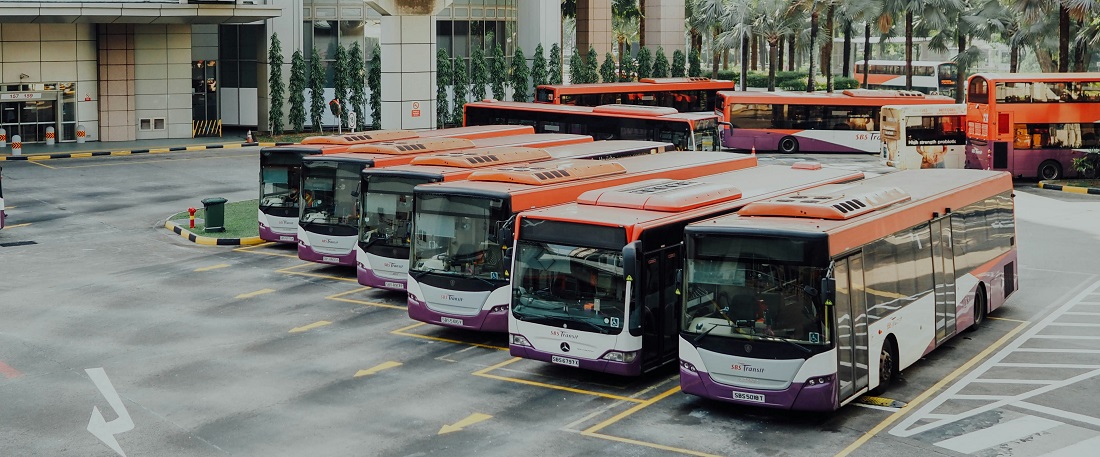
Long-distance buses are one of the most popular ways to travel between towns in Botswana. Several private companies operate on the busiest routes, and Seabelo Express is the best known. Intercape runs cross-border services from Gaborone to Johannesburg and Pretoria.
Comfort on domestic buses is fairly basic, and air conditioning isn’t a given. Operators don’t publish timetables, so you’ll need to ask about departure times at the bus rank (the local term for a bus station). In Gaborone, the main rank is behind Rail Park Mall. Most passengers pay in cash at the rank or on the bus itself. Drivers usually leave at set times, but there’s often a scramble for seats, so it’s best to arrive early. Around public holidays, travellers can spend hours in the queue.
Trains
Rail transport in Botswana is far less developed than the road network, and Botswana Railways currently runs freight trains only. The company suspended its BR Express passenger service from Lobatse to Francistown via Gaborone in 2020 and has since sought a private partner to revive it. Anyone who wants to travel by train should keep an eye on the Botswana Railways website.
Useful links
Taxis in Botswana
There are a few kinds of taxis in Botswana, and minibus combis are the cheapest and most common. Combis are 15-seater minibuses, and their drivers stick to fixed routes within cities and towns. Drivers usually display the route on the windscreen. Passengers can flag one down along the way, although drivers at the rank tend to wait until every seat is taken. Registered combis and taxis have blue number plates, so they’re easy to spot.
Many taxi drivers also pick up several passengers along set routes around town, and each passenger pays a fixed fare. Passengers who want the car to themselves can ask for a ‘special’, and the driver takes them straight to their destination for a higher fare.
Taxis are generally a safe choice, although some drivers overcharge newcomers. You should agree on a fare before you get in. Drivers without blue plates also tout for business around shopping malls and the airport, so it’s safest to stick to registered taxis or a reputable taxi company. New arrivals should book a pickup from the airport in advance.
Ride-hailing apps are a popular alternative in Gaborone. Passengers on inDrive suggest their own fare, and Bolt also operates in the capital. Outside Gaborone, the apps are thin on the ground.
Useful links
Driving in Botswana
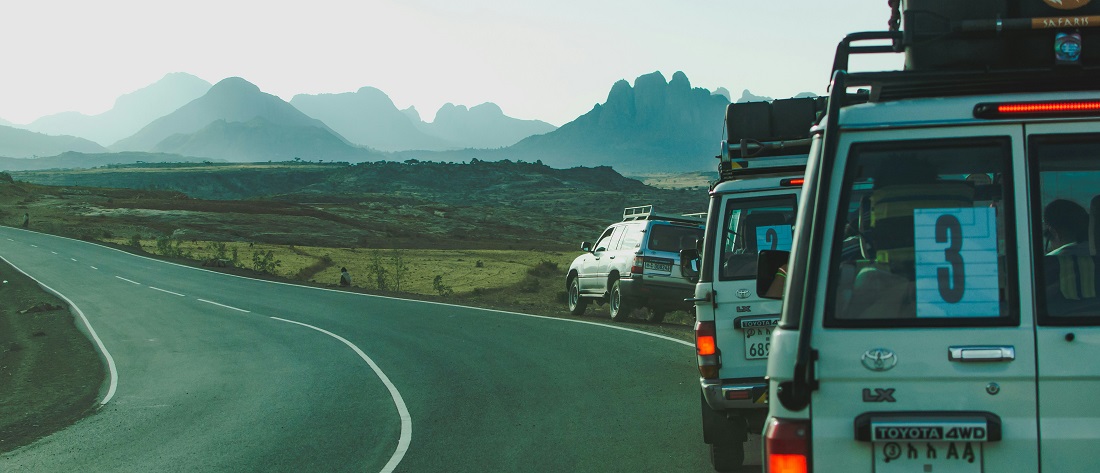
Driving in Botswana is how most expats get around, and they usually buy or rent a car. Motorists drive on the left. Car hire firms operate at the main airports and in the larger towns, and you’ll need a 4x4 for most national parks and the Kalahari.
Road conditions in Botswana are better than in many other African countries. Roads in the towns are generally well maintained, and the A1 highway between Gaborone and Francistown is in good condition. Potholes are a problem on some stretches in the north and west, though, and drivers should expect detours around major roadworks.
Road safety is a concern on even the best roads. Signage is sparse in places, and locals tend to give directions by landmarks rather than street names and numbers. Driving standards can be erratic, and drunk driving is more common around month-end, when salaries are paid.
Cattle, goats, donkeys, and horses are a common sight on rural roads, and elephants are a real hazard in the north around Kasane. Animals are hard to spot at dusk and after dark, so you should stay off rural roads at night. Dirt and sand roads in remote areas can be treacherous, and they’re at their worst in the rainy season. Petrol stations are few and far between in sparsely populated areas, so drivers should fill up whenever they get the chance.
Police roadblocks are common, and officers usually ask to see a driver’s licence. Traffic police patrol the main highways and use speed cameras. The speed limit is generally 75 mph (120 km/h) on open highways and 37 mph (60 km/h) in towns and villages. Seatbelts are compulsory for everyone in the car, and drivers may only use a phone with a hands-free kit.
The government has put up veterinary fences across Botswana to stop the spread of livestock diseases such as foot and mouth disease. Officials at checkpoints along these fences may confiscate raw meat and dairy products, especially when travellers head out of an infected zone. Drivers often have to steer through a disinfectant dip while passengers step across a soaked mat. The checks are usually stricter after an outbreak.
Driver’s licences in Botswana
Most expats can get a driver’s licence in Botswana without a test, since they can simply convert their home licence. Residents may drive on a foreign licence for up to 90 days and then need to apply for a local one, unless they carry a valid international driving permit. Nationals of Southern African Development Community (SADC) countries don’t need to convert their licences at all.
Applicants should take a completed DL1 application form, their eye test results, a certified copy of their passport, and their original licence with a certified copy to their nearest Department of Road Transport Services (DRTS) office. The DRTS also asks for a letter from the authority that issued the licence, or from that country’s embassy, to confirm that it’s real.
Useful links
Domestic flights in Botswana
Air Botswana is the national carrier, and it runs most scheduled domestic flights in Botswana. The airline flies between Gaborone, Francistown, Maun, and Kasane. A flight from Gaborone to Maun or Kasane is far quicker than the long drive north.
Charter companies in Maun and Kasane fly light aircraft out to safari camps in the Okavango Delta and other remote areas. Travellers on these small planes usually need to bring soft bags rather than hard suitcases.
Sir Seretse Khama International Airport in Gaborone is the country’s main airport. Air Botswana also flies to several regional cities, and its busiest route is the hop from Gaborone to Johannesburg. Other regional airlines fly into Maun and Kasane from Johannesburg and Cape Town.